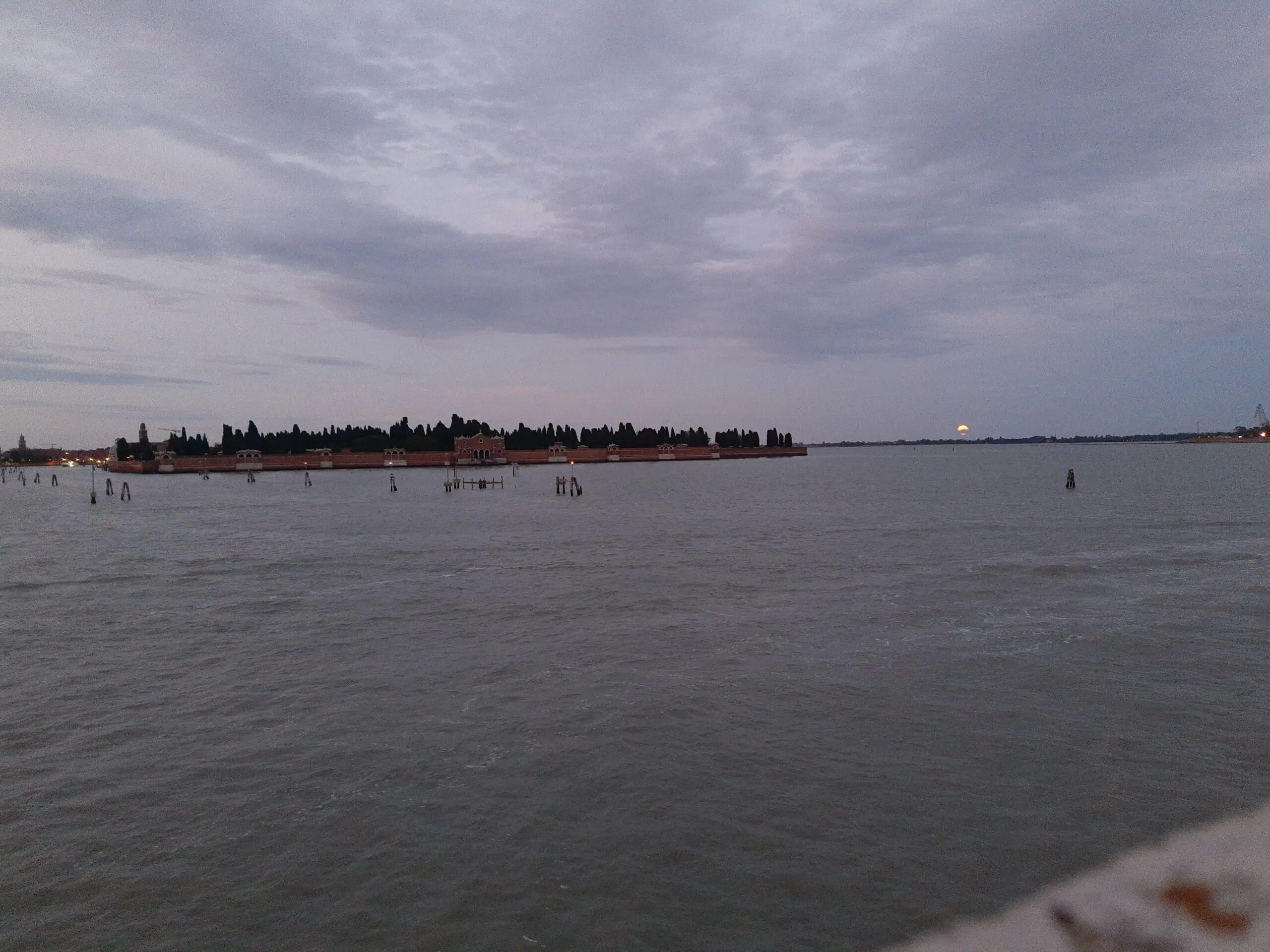
All Saints Day in Venice falls on November 1, followed by All Souls Day on November 2. Venetians mark this period through church services, family remembrance, and visits to the cemetery island of San Michele. Venice’s famous votive bridge to the Madonna della Salute belongs to a different celebration on November 21. Understanding these separate traditions is the key to experiencing November in Venice respectfully and without confusion.
All Saints in Venice: what November 1 means
November 1 is All Saints Day, known in Italian as Ognissanti or Tutti i Santi. It is a Catholic solemnity honoring all saints, both widely recognized and unknown. In Italy it is also a national public holiday. In Venice, the day invites a different kind of visit from the usual sightseeing itinerary: churches, family memory, and the quiet waterways leading toward the cemetery island of San Michele.
One useful distinction for visitors is between the historical meaning of a place and the practical rules that govern it today. The historical story explains why the tradition matters; current notices explain whether a crossing, service, or cemetery section can be accessed. Responsible travel planning requires both kinds of information.
All Saints and All Souls are not the same day
November 2 is the Commemoration of All the Faithful Departed, often called All Souls Day or Giorno dei Morti. These two dates are related but distinct. All Saints celebrates the communion of saints; All Souls is specifically devoted to prayer and remembrance for the dead. Families may visit cemeteries around both days, which explains why travelers sometimes hear the entire period described as the days of the dead.
Venice is often described through its monuments, but local customs are also shaped by transportation and everyday responsibilities. A trip that looks short on a map may require waiting for a boat, crossing bridges, or adjusting to a holiday timetable. Leaving generous time makes the experience more respectful and less stressful.
Why this matters to American travelers
In the United States, November 1 may feel like the morning after Halloween. In Italy, it is a public holiday with a religious and family significance that shapes opening hours and local routines. Visitors who expect an ordinary weekday can be surprised by altered shop schedules, church services, and increased traffic on routes used by residents visiting family graves.
Not every traveler needs to take part in a religious observance to understand its importance. Watching the city respectfully, learning the chronology, and giving residents room to follow their customs can be more meaningful than treating the occasion as a performance arranged for visitors.
Venice’s cemetery is an island
San Michele lies in the lagoon between the historic center of Venice and Murano. It is not a conventional cemetery beside a road; it is an island reached by boat. That geography gives the act of visiting a distinctive rhythm. People board a vaporetto, cross open water, and enter a place of remembrance surrounded by the same lagoon that supports the city’s everyday life.
One useful distinction for visitors is between the historical meaning of a place and the practical rules that govern it today. The historical story explains why the tradition matters; current notices explain whether a crossing, service, or cemetery section can be accessed. Responsible travel planning requires both kinds of information.
The history of San Michele
San Michele was already associated with religious life before it became the city’s principal cemetery. Under Napoleonic-era reforms, burials within the dense urban fabric were increasingly restricted, and the lagoon islands of San Michele and San Cristoforo were adapted for cemetery use. The present cemetery island developed through the connection of these formerly separate islands.
Venice is often described through its monuments, but local customs are also shaped by transportation and everyday responsibilities. A trip that looks short on a map may require waiting for a boat, crossing bridges, or adjusting to a holiday timetable. Leaving generous time makes the experience more respectful and less stressful.
The church of San Michele in Isola
The church of San Michele in Isola is a notable example of early Renaissance architecture in Venice. Its pale stone façade creates a striking contrast with the dark cypresses and brick cemetery walls. Visitors should remember that this is a religious and funerary setting, not simply a picturesque architectural stop. Access to particular areas may depend on services or operational restrictions.
Not every traveler needs to take part in a religious observance to understand its importance. Watching the city respectfully, learning the chronology, and giving residents room to follow their customs can be more meaningful than treating the occasion as a performance arranged for visitors.
What the cemetery feels like
San Michele contains different burial sections, monuments, and commemorative spaces. The island’s enclosed paths and vegetation make it feel far removed from the busy routes around Rialto or St. Mark’s Square. The silence is not absolute: boats pass outside the walls, and families arrive throughout the day. Its atmosphere comes from the coexistence of ordinary movement and private remembrance.
One useful distinction for visitors is between the historical meaning of a place and the practical rules that govern it today. The historical story explains why the tradition matters; current notices explain whether a crossing, service, or cemetery section can be accessed. Responsible travel planning requires both kinds of information.
International figures buried here
San Michele is known internationally because it contains the graves of figures including composer Igor Stravinsky and poet Ezra Pound. Those names attract cultural travelers, but the cemetery’s primary purpose is not celebrity tourism. The great majority of its memorials belong to families whose histories are inseparable from the life of Venice and the surrounding region.
Venice is often described through its monuments, but local customs are also shaped by transportation and everyday responsibilities. A trip that looks short on a map may require waiting for a boat, crossing bridges, or adjusting to a holiday timetable. Leaving generous time makes the experience more respectful and less stressful.
The most respectful way to visit
Dress and behave as you would at an active cemetery. Keep conversations quiet, give space to families, and do not turn a graveside gathering into a photography opportunity. Check any posted rules before taking photographs. A respectful visit means understanding that some people are there to mourn, pray, or tend graves rather than to explore a cultural landmark.
Not every traveler needs to take part in a religious observance to understand its importance. Watching the city respectfully, learning the chronology, and giving residents room to follow their customs can be more meaningful than treating the occasion as a performance arranged for visitors.
Flowers, family visits, and remembrance
Around the beginning of November, cemetery visits are part of a wider Italian tradition of remembering deceased relatives. Flowers and carefully tended graves may be especially visible. These practices vary from family to family and should not be reduced to a single ritual. What unites them is an attention to continuity between the living and the generations who came before.
One useful distinction for visitors is between the historical meaning of a place and the practical rules that govern it today. The historical story explains why the tradition matters; current notices explain whether a crossing, service, or cemetery section can be accessed. Responsible travel planning requires both kinds of information.
Why November 1 can be busier than expected
Travelers sometimes assume that a cemetery island will be deserted in autumn. The opposite may be true around All Saints and All Souls, when local residents have a particular reason to travel there. If the purpose of your visit is quiet reflection or architectural interest, allow flexibility and avoid treating the cemetery as an attraction that must be completed at a precise minute.
Venice is often described through its monuments, but local customs are also shaped by transportation and everyday responsibilities. A trip that looks short on a map may require waiting for a boat, crossing bridges, or adjusting to a holiday timetable. Leaving generous time makes the experience more respectful and less stressful.
Getting to San Michele by vaporetto
San Michele is reached by public waterbus services, but routes and frequencies can change. Consult the current ACTV timetable and service notices before leaving. During periods of high demand, passengers may need to wait for another boat. A private water taxi is not a substitute for confirming cemetery access and any restrictions at the island itself.
Not every traveler needs to take part in a religious observance to understand its importance. Watching the city respectfully, learning the chronology, and giving residents room to follow their customs can be more meaningful than treating the occasion as a performance arranged for visitors.
The difference between a cemetery and a museum
Some Venice attractions invite long photographic sessions and guided explanations. San Michele requires another approach. Historical context can enrich a visit, but the island remains an active burial place. Visitors should avoid entering areas marked for private ceremonies or assuming that all spaces are open to sightseeing.
One useful distinction for visitors is between the historical meaning of a place and the practical rules that govern it today. The historical story explains why the tradition matters; current notices explain whether a crossing, service, or cemetery section can be accessed. Responsible travel planning requires both kinds of information.
A city built around water and memory
Venice’s relationship with its dead has changed over time. Earlier burial customs were tied to parish churches and religious communities within the city. The development of a dedicated cemetery island reflected new public-health ideas and changing civic administration. The water crossing made a practical reform into a powerful visual symbol.
Venice is often described through its monuments, but local customs are also shaped by transportation and everyday responsibilities. A trip that looks short on a map may require waiting for a boat, crossing bridges, or adjusting to a holiday timetable. Leaving generous time makes the experience more respectful and less stressful.
The forgotten bridge to San Michele
Venice once used temporary structures and ceremonial arrangements that connected religious occasions with movement across the lagoon. A separate Tour Leader Venice article explores the history of the bridge associated with San Michele. That story should not be confused with the modern annual votive bridge installed for the Madonna della Salute celebration later in November.
Not every traveler needs to take part in a religious observance to understand its importance. Watching the city respectfully, learning the chronology, and giving residents room to follow their customs can be more meaningful than treating the occasion as a performance arranged for visitors.
What a votive bridge actually is
A ponte votivo is a temporary pedestrian crossing associated with a religious vow or act of thanksgiving. In Venice, such bridges are linked especially to major festivals that commemorate the city’s deliverance from plague. They are physical expressions of collective memory: for a short time, an otherwise separated church becomes reachable by an unusual ceremonial route.
One useful distinction for visitors is between the historical meaning of a place and the practical rules that govern it today. The historical story explains why the tradition matters; current notices explain whether a crossing, service, or cemetery section can be accessed. Responsible travel planning requires both kinds of information.
The Madonna della Salute bridge belongs to November 21
The Feast of the Madonna della Salute is celebrated on November 21, not November 1. Its votive bridge is traditionally placed across the Grand Canal to facilitate the pilgrimage to the Basilica della Salute. Exact installation dates, pedestrian access, and safety arrangements depend on municipal announcements for the year. Never assume the bridge is already open on All Saints Day.
Venice is often described through its monuments, but local customs are also shaped by transportation and everyday responsibilities. A trip that looks short on a map may require waiting for a boat, crossing bridges, or adjusting to a holiday timetable. Leaving generous time makes the experience more respectful and less stressful.
The plague behind the Salute tradition
The Basilica della Salute was commissioned following the devastating plague of 1630–1631. The Venetian Republic vowed to build a church in honor of the Virgin Mary, and the resulting pilgrimage became an enduring part of the city’s religious calendar. This story is connected to thanksgiving and survival, whereas All Saints and All Souls focus on sainthood and remembrance.
Not every traveler needs to take part in a religious observance to understand its importance. Watching the city respectfully, learning the chronology, and giving residents room to follow their customs can be more meaningful than treating the occasion as a performance arranged for visitors.
The Redentore bridge is a different celebration
Another famous temporary bridge appears for the Festa del Redentore in July, linking the Giudecca area with the rest of the city for a pilgrimage to the Redentore church. It commemorates a different plague episode. Travelers should distinguish the July Redentore crossing, the November Salute bridge, and the history of San Michele rather than describing them as one event.
One useful distinction for visitors is between the historical meaning of a place and the practical rules that govern it today. The historical story explains why the tradition matters; current notices explain whether a crossing, service, or cemetery section can be accessed. Responsible travel planning requires both kinds of information.
How to experience November 1 without confusion
Start with a clear purpose. If you want to understand All Saints, consider a church visit and, where appropriate, a respectful journey to San Michele. If your goal is to walk a temporary votive bridge, plan for the appropriate festival date and confirm current arrangements. Mixing the two can lead to disappointment and can misrepresent local traditions.
Venice is often described through its monuments, but local customs are also shaped by transportation and everyday responsibilities. A trip that looks short on a map may require waiting for a boat, crossing bridges, or adjusting to a holiday timetable. Leaving generous time makes the experience more respectful and less stressful.
A suggested quiet morning
A meaningful morning might begin with a walk through Cannaregio, followed by a vaporetto journey toward San Michele if the cemetery is open and access is appropriate. Keep the visit unhurried. Return to the city for lunch and leave space for a church or neighborhood walk rather than scheduling a series of unrelated attractions.
Not every traveler needs to take part in a religious observance to understand its importance. Watching the city respectfully, learning the chronology, and giving residents room to follow their customs can be more meaningful than treating the occasion as a performance arranged for visitors.
Church services and visitor etiquette
All Saints is a religious solemnity, so churches may hold special Masses. Sightseeing access can be restricted during worship. Check the individual church’s announcements and avoid entering in the middle of a service simply to take photographs. Travelers are often welcome to attend respectfully, but the congregation’s religious purpose takes precedence.
One useful distinction for visitors is between the historical meaning of a place and the practical rules that govern it today. The historical story explains why the tradition matters; current notices explain whether a crossing, service, or cemetery section can be accessed. Responsible travel planning requires both kinds of information.
Public holiday logistics
November 1 is a public holiday in Italy. Some businesses may close or operate reduced hours, while tourist-facing restaurants and museums can follow their own schedules. Public transport may use holiday timetables. Make essential reservations and verify hours directly, especially if you have a train, airport transfer, or timed admission later in the day.
Venice is often described through its monuments, but local customs are also shaped by transportation and everyday responsibilities. A trip that looks short on a map may require waiting for a boat, crossing bridges, or adjusting to a holiday timetable. Leaving generous time makes the experience more respectful and less stressful.
Weather in early November
Early November in Venice can be cool, damp, and changeable. Bring layers and a waterproof outer garment, particularly for an exposed boat ride. Tides and weather can affect the walking experience, though not every autumn day brings flooding. Check local forecasts and official tide information rather than assuming that acqua alta will occur.
Not every traveler needs to take part in a religious observance to understand its importance. Watching the city respectfully, learning the chronology, and giving residents room to follow their customs can be more meaningful than treating the occasion as a performance arranged for visitors.
How to talk about the day with children
Families can explain All Saints and All Souls in age-appropriate terms as days when people remember individuals and stories important to them. A cemetery visit may not be right for every child, particularly during a busy commemorative period. A church, quiet walk, or conversation about Venetian traditions can offer a gentler introduction.
One useful distinction for visitors is between the historical meaning of a place and the practical rules that govern it today. The historical story explains why the tradition matters; current notices explain whether a crossing, service, or cemetery section can be accessed. Responsible travel planning requires both kinds of information.
A local guide’s perspective
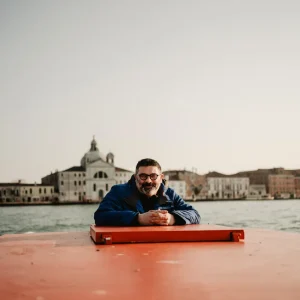
Igor Scomparin has worked as a licensed Venice guide since 1997. One practical insight is that November’s most memorable experiences are not necessarily the best-known attractions. Understanding why residents travel to San Michele, and why a different pilgrimage draws people to the Salute later in the month, reveals how the city’s waterways organize communal life.
Venice is often described through its monuments, but local customs are also shaped by transportation and everyday responsibilities. A trip that looks short on a map may require waiting for a boat, crossing bridges, or adjusting to a holiday timetable. Leaving generous time makes the experience more respectful and less stressful.
Why the dates deserve precision
Festival calendars are easy to flatten into a single story about Venetian spirituality. Yet the distinctions matter: November 1 honors the saints, November 2 remembers the faithful departed, and November 21 celebrates the Madonna della Salute. The Redentore belongs to July. Each date carries a different history and a different relationship to the city’s geography.
Not every traveler needs to take part in a religious observance to understand its importance. Watching the city respectfully, learning the chronology, and giving residents room to follow their customs can be more meaningful than treating the occasion as a performance arranged for visitors.
A thoughtful way to end the day
After visiting a church or returning from San Michele, take time to walk without a rigid itinerary. The sound of footsteps, boats, and bells gives Venice a quieter rhythm in autumn. The value of the day lies less in collecting sights than in noticing how public history and personal memory coexist in the same small city.
One useful distinction for visitors is between the historical meaning of a place and the practical rules that govern it today. The historical story explains why the tradition matters; current notices explain whether a crossing, service, or cemetery section can be accessed. Responsible travel planning requires both kinds of information.
Where to verify current arrangements
Use the official ACTV service information for boats, municipal notices for temporary bridges and access, and individual church or cemetery notices for opening times. Seasonal blogs can explain historical traditions, but they cannot guarantee a particular year’s operational arrangements. Verify again shortly before November 1 and before the Salute celebrations on November 21.
Venice is often described through its monuments, but local customs are also shaped by transportation and everyday responsibilities. A trip that looks short on a map may require waiting for a boat, crossing bridges, or adjusting to a holiday timetable. Leaving generous time makes the experience more respectful and less stressful.
The meaning of remembrance in Venice
The lagoon makes the geography of remembrance visible. A boat trip to San Michele, a candle lit in a parish church, and the later votive crossing to the Salute all involve movement through shared urban space. They are not interchangeable rituals, but together they reveal a city in which religion, water, family, and history remain closely connected.
Not every traveler needs to take part in a religious observance to understand its importance. Watching the city respectfully, learning the chronology, and giving residents room to follow their customs can be more meaningful than treating the occasion as a performance arranged for visitors.
Further reading about Venice traditions
Explore the history and notable graves of San Michele, discover the forgotten floating bridge associated with San Michele, and read the story of the Madonna della Salute pilgrimage.
More to explore in Venice
For additional context, explore Venice’s changing seasons; a slower Cannaregio walk. These stories expand on the places, people, and traditions discussed above.
Frequently Asked Questions
Is November 1 a public holiday in Venice?
Yes. All Saints Day is a national public holiday in Italy. Churches may hold special services and some businesses and public transport routes may operate holiday schedules.
Can visitors go to San Michele cemetery on All Saints Day?
San Michele is an active cemetery visited by families around November 1 and 2. Confirm current opening hours and ACTV boat services before traveling, and behave respectfully.
Is the Venice votive bridge open on November 1?
The famous votive bridge to the Madonna della Salute is associated with the November 21 festival, not All Saints Day on November 1. Confirm its installation and opening dates through official city announcements.