“Do I need a detailed Venice itinerary? Should I pre-book everything? How much should I plan versus leaving things spontaneous?”
These questions appear from travelers preparing Venice visits who feel torn between wanting organized efficient sightseeing (maximizing limited vacation days, ensuring they see important landmarks, avoiding wasted time) and sensing that rigid scheduling might miss Venice’s essence, questioning whether the city rewards planning or spontaneity, or simply seeking permission to relax the compulsive trip-planning impulse modern travel culture encourages.
The honest answer: Venice actively resists planned itineraries and rewards spontaneous exploration — the city’s organic layout makes precise timing impossible as navigation inevitably takes longer than expected, the best discoveries happen through unplanned wandering revealing neighborhood life and hidden beauty, the crowds at major landmarks vary unpredictably making scheduled visits frustrating, and the atmospheric qualities (light, weather, personal mood, chance encounters) that create memorable Venice experiences can’t be calendared into 10:00 AM-12:00 PM time blocks.
After 28 years experiencing Venice and guiding travelers — watching countless visitors struggle with over-planned itineraries that create stress rather than enjoyment, seeing how the most satisfied travelers embrace flexibility and spontaneity, understanding which elements benefit from advance planning versus which require open-ended exploration, working with everyone from compulsive planners to complete free-spirits and observing which approaches create fulfilling experiences — I know that Venice rewards a middle path: minimal essential planning (accommodations, major time commitments) combined with maximum daily flexibility allowing responsive exploration.
The fundamental realities most travelers miss:
Venice operates on different rhythm than modern efficiency culture — the city was built for walking, for pausing in campi to rest, for stopping when something interesting appears, for adjusting plans when unexpected discoveries emerge, creating environment that punishes rigid scheduling and rewards adaptive wandering.
The Biennale contemporary art exhibition represents one element where some planning helps (understanding which pavilions interest you, timing to avoid peak crowds, perhaps booking guided tour for deeper insights), but even serious Biennale visitors benefit from unplanned time allowing spontaneous collateral exhibition visits, chance conversations with artists, wandering between venues through residential neighborhoods.
The compulsion to plan every hour often stems from anxiety (“What if I miss something important?”) rather than enhancing experience — but Venice’s genuine treasures aren’t attractions you might miss through poor planning but qualities (beauty, atmosphere, unexpected encounters) available through present attention regardless of itinerary.
Understanding that “no plan” doesn’t mean “no preparation” — learning about Venice’s history, culture, neighborhoods, and practical realities before arriving creates informed spontaneity rather than blind wandering, allowing you to recognize significance when you encounter it while remaining open to where the day leads.
This is the completely honest Venice spontaneity guide — explaining why rigid itineraries fail in Venice specifically, revealing which minimal planning elements genuinely help versus creating false control, describing what “no plan” exploration actually looks like in practice, providing the essential preparation that enables productive spontaneity, and helping you find the balance between preparation and openness that creates optimal Venice experiences.
Why Detailed Itineraries Fail in Venice
Understanding the specific factors that make minute-by-minute planning counterproductive.
The Navigation Unpredictability:
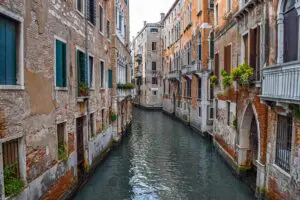
Venice’s layout defeats time estimates — Google Maps suggests 15-minute walk from hotel to Rialto, but the organic medieval street pattern means you’ll take wrong turns, hit dead-ends at canals, backtrack when routes don’t connect as expected, actually requiring 30-45 minutes creating immediate schedule collapse.
The cumulative navigation delays — if your itinerary schedules Rialto Market 10:00-11:00 AM, Frari Church 11:30 AM-12:30 PM, lunch 12:30-1:30 PM, San Marco 2:00-4:00 PM, each location requiring navigation that takes longer than planned, the delays compound until you’re perpetually behind schedule creating stress rather than enjoyment.
The bridge and crowd factors — planned routes don’t account for which bridges have steps (impossible for wheeled luggage, difficult with mobility issues), which routes get jammed with tourist crowds (Rialto-San Marco corridor particularly), when random events block paths (delivery boats unloading creating temporary pedestrian bottlenecks, occasional flooding during acqua alta), all creating unpredictable delays.
The discovery temptations — walking to planned destination you pass interesting bakery with morning pastries, charming campo perfect for resting, artisan workshop with fascinating crafts visible through window, and rigid schedule forces ignoring these discoveries versus flexible approach allowing stopping when something interests you.
The Crowd Unpredictability:
Major landmarks experience variable crowding — Piazza San Marco might be relatively quiet at 9:00 AM one day and mobbed the next depending on cruise ship schedules, weather driving people indoors or outdoors, seasonal variations, special events, making it impossible to predict optimal visiting times with certainty.
The museum and church capacity issues — popular sites (Doge’s Palace, San Marco Basilica) can have 60+ minute entry lines during peak times, but these peaks shift based on factors beyond your control, meaning your 2:00 PM planned visit might hit unexpected crowd requiring abandoning the plan or wasting vacation hours in queue.
The reservation paradox — booking timed-entry tickets (Doge’s Palace 11:00 AM slot) creates commitment preventing flexibility, but weather might turn rainy making museum day preferable to outdoor wandering, or you might discover fascinating neighborhood wanting more exploration time, forcing choice between honoring reservation or following better opportunity.
The Atmospheric and Emotional Variables:
Weather changes — Venice’s lagoon microclimate creates rapid weather shifts (sudden rain showers, fog rolling in from the Adriatic, dramatic cloud formations), and experiencing Venice in rain versus sunshine creates completely different moods, but rigid itinerary can’t adapt (indoor museum day when weather turns gorgeous for walking, outdoor sightseeing when rain would make cozy bacaro afternoon more pleasant).
Energy fluctuations — you might wake with jet lag exhaustion making ambitious morning schedule feel overwhelming, or feel energized wanting to explore more than planned, or need rest day after intensive Biennale viewing, but detailed itinerary ignores actual daily energy creating misery from forcing activities when body needs rest or boredom from resting when body wants activity.
The personal interest discoveries — maybe you didn’t think you cared about Venetian glass, then you stumble upon artisan workshop and become fascinated wanting to spend afternoon learning about the craft, but rigid plan schedules different activities preventing following emergent interests.
The social encounters — conversation with Venetian shopkeeper who recommends hidden bacaro, fellow traveler who suggests spectacular viewpoint, chance meeting leading to shared meal, these unplannable social moments create trip highlights but require schedule flexibility to pursue.
The Exhaustion from Over-Scheduling:
Vacation becomes work — checking itinerary constantly (“Are we on schedule? We need to leave in 5 minutes to make next activity”), rushing through current experience to reach next planned stop, feeling stressed when delays occur, transforms relaxing vacation into exhausting obligation.
The paradox of achievement tourism — treating Venice like checklist (saw 15 churches, 8 museums, 12 landmarks in 3 days!) creates quantity over quality, superficial encounters versus deep engagement, Instagram proof you were there versus actually experiencing being there.
The recovery need — intensive scheduled sightseeing requires rest days, but planners often skip recovery building more activities creating exhaustion spiral where you’re too tired to enjoy anything.
What “No Plan” Actually Looks Like in Practice
Understanding the difference between productive spontaneity and aimless confusion.
The Minimal Essential Planning (Do This):
Book accommodations — Venice hotels fill quickly particularly during Biennale season, high season (summer), and special events (Carnevale, Film Festival); secure lodging in advance, choose neighborhood that appeals (Castello for quiet residential, Dorsoduro for artsy university character, San Polo for market access, Cannaregio for authentic working-class atmosphere)
Reserve time-sensitive or limited-capacity experiences:
- Biennale guided tours if you want expert curatorial insights (these fill quickly during opening weeks)
- Special access experiences (private palace tours, exclusive artisan workshops, behind-scenes opportunities requiring advance coordination)
- Specific restaurants if you have your heart set on particular dining experience (most Venice restaurants accept walk-ins but a few high-demand places require reservations)
- Any scheduled performances (opera, classical music concerts) if timing aligns with your visit
Purchase Venice transportation passes — Vaporetto multi-day passes provide unlimited water bus access, useful if you plan lagoon island visits or crossing Grand Canal frequently; can be purchased on arrival but understanding the pricing options helps
Understand basic Venice geography — learn the six sestieri (districts), major landmarks (Rialto, San Marco, train station, Piazzale Roma), Grand Canal position, so you have rough mental map allowing orientation without detailed route planning
Research neighborhoods and interests — read about what different areas offer, which bacari serve authentic food, what artisan traditions still exist, where locals congregate, creating knowledge base that informs spontaneous choices (“We’re near Cannaregio where the Jewish Ghetto and good bacari are, let’s explore there”)
Check special closures — Verify major attractions aren’t closed for restoration, religious holidays don’t affect church access, labor strikes won’t disrupt vaporetti; basic practical awareness preventing disappointment
The Daily Spontaneous Structure (This Works):
Morning awareness without rigid schedule:
Wake naturally (no alarm unless you have specific early commitment), check weather, assess energy level, consider general area or theme (“Today feels like exploring Castello” or “Museum day since it’s raining” or “Lagoon island visit while weather is beautiful”)
Breakfast without rush:
Hotel breakfast or find neighborhood café, take time enjoying morning coffee and pastry, observe local life, chat with staff about neighborhood recommendations, start day calm versus stressed rushing to first scheduled activity
Morning exploration (roughly 9:00 AM-1:00 PM):
Head toward general area or destination that interests you (Rialto Market if morning, Dorsoduro if you want museums, Biennale Giardini if art is focus), but allow wandering en route, stop when something interesting appears, adjust plans based on what you discover
Lunch flexibility (1:00-3:00 PM range):
When hungry, find lunch based on current location rather than pre-planned restaurant — ask locals for recommendations, look for places serving Venetians not tourists (handwritten menus in Italian, locals at tables), allow 90 minutes for leisurely meal and rest
Afternoon responsiveness (3:00-6:00 PM):
Assess energy and interest — if energized, continue exploring new neighborhood or visit museum; if tired, return to hotel for rest or find pleasant campo to sit reading; if fascinated by morning discovery, pursue deeper exploration of that theme
Evening emergence (6:00-10:00 PM):
Aperitivo hour at bacaro (6:00-8:00 PM), dinner when hungry (8:00-9:30 PM typical Venetian timing), post-dinner stroll through illuminated neighborhoods, return to hotel when tired rather than forcing scheduled activities
What This Enables:
Following optimal conditions — beautiful afternoon light encourages photography walk, rain shower makes museum visit appealing, spectacular sunset draws you to lagoon-facing fondamenta, responding to conditions creates better experiences than predetermined schedule ignoring reality
Pursuing emergent interests — you didn’t plan to spend afternoon learning about Venetian printing history, but you wandered into exhibit and became fascinated, having time flexibility allows following unexpected passion
Meeting energy needs — some days you wake energized wanting intensive exploration, others jet lag or previous day’s walking requires rest, responsive pacing matches actual capacity versus forcing predetermined activity level
Depth over breadth — spending four hours deeply experiencing single neighborhood (stopping at bakery, visiting small church, chatting with artisan, having long lunch at local osteria, sitting in peaceful campo observing daily life) creates richer memories than rushing through six neighborhoods superficially checking them off list
Serendipity access — the unplanned conversation, chance discovery, perfect photographic moment, spontaneous invitation to local event, these magic travel moments require temporal flexibility to pursue
The Essential Preparation That Enables Good Spontaneity
Understanding how knowledge creates informed wandering versus ignorant aimlessness.
Historical and Cultural Context:
Learn Venice’s basic story — understanding the maritime republic history (697-1797 AD, thousand-year independence), the lagoon’s role enabling and defining Venetian civilization, the economic decline that paradoxically preserved medieval-Renaissance architecture, the contemporary challenges of depopulation and overtourism
Why this helps spontaneous exploration: When you wander into neighborhood church and see Byzantine mosaics, understanding Venice’s Eastern Mediterranean trade connections explains the artistic influence; when you notice palazzo architecture, recognizing Gothic-to-Renaissance progression reveals chronology; when locals discuss “the Republic,” understanding this references Venice’s governmental system not Italian republic makes conversation comprehensible
Architectural literacy basics — learning to recognize Venetian Gothic (pointed arches, quatrefoil decorations, Ca’ d’Oro exemplar), Renaissance (classical proportions, Palladio’s churches), Byzantine influence (rounded arches, decorative mosaics, San Marco), creating visual vocabulary allowing you to “read” buildings during wandering
The major artistic achievements — knowing that Titian, Veronese, Tintoretto created the Venetian painting school emphasizing color and light, that Vivaldi composed for Venice’s orphanage orchestras, that Murano glass monopoly lasted centuries, provides context when you encounter these traditions organically
Practical Venice Knowledge:
The sestieri character — understanding each district’s personality:
- San Marco — most touristed, monuments and museums, expensive, least authentic daily life
- Castello — residential eastern neighborhoods, less crowded, authentic character, Biennale venues
- Cannaregio — working-class residential, Jewish Ghetto, excellent bacari, more locals than tourists
- Dorsoduro — university area, artsy-bohemian, Academia galleries, younger vibe
- San Polo — Rialto Market, mixed residential-tourist, central location
- Santa Croce — least touristed, most local, fewest “sights” but authentic neighborhoods
Why this helps: When spontaneous wandering leads you to different sestiere, understanding the character explains what you’re experiencing and what to look for
The bacari culture — learning that Venetian wine bars serve small plates (cicchetti), that locals do “giro de ombra” (moving between multiple bacari), that authentic establishments have Venetians at bar not tourists at tables, creates ability to recognize and properly experience this tradition when you stumble upon it
The vaporetto system — understanding water bus routes (Line 1 slow Grand Canal, Line 2 express, Line 12 to lagoon islands), knowing passes versus single tickets, recognizing stops, allows using vaporetti spontaneously as orientation network (“I’ve wandered enough, I’ll catch vaporetto back to familiar area”)
Dining culture — knowing that tourist restaurants cluster on major routes with multilingual menus and mediocre quality, that authentic establishments have handwritten menus in Italian/Venetian, that locals eat late (8:30-9:30 PM dinner), that coperto (cover charge) is normal, prevents frustration and enables finding better spontaneous meals
The “What Matters to Me” Self-Knowledge:
Identifying your actual interests versus checklist obligations:
Do you genuinely care about churches or just feel you “should” see them? Are you fascinated by art or indifferent? Does artisan craftsmanship interest you or bore you? Do you love wandering neighborhoods or prefer structured activities? Are you food-focused or satisfied with basic meals?
Why this matters: Honest self-assessment prevents wasting spontaneous time on things that don’t actually interest you because guidebooks say they’re important; if you don’t care about Gothic architecture, skip the famous churches and spend time on what genuinely appeals (food, photography, people-watching, whatever)
Energy and pacing awareness:
Are you high-energy wanting 12-hour exploration days or need frequent rest? Do crowds energize or exhaust you? Does heat/rain strongly affect mood? Morning person or night owl?
Why this matters: Spontaneous plans that ignore your actual energy patterns and preferences create misery; knowing you’re exhausted by crowds lets you spontaneously avoid San Marco during peak hours and seek quiet neighborhoods instead
Biennale-Specific Preparation:
For Biennale visitors wanting spontaneous approach:
Research pavilion highlights — understanding which countries/artists interest you allows spontaneous venue navigation (“I’m at Giardini, I’ll see the pavilions that caught my attention from research”) without needing minute-by-minute scheduled
Learn the layout — Giardini has national pavilions in park setting, Arsenale has thematic sections in former shipyard, collateral exhibitions scattered throughout city; knowing this structure allows responsive navigation
Understand crowd patterns — Biennale venues typically less crowded early mornings (9:00-11:00 AM) and late afternoons (after 4:00 PM), midday crowds peak; this knowledge allows spontaneous timing adjustments
Context on contemporary art — basic familiarity with current art discourse, major artists, curatorial themes enhances spontaneous pavilion encounters; you don’t need expertise but complete ignorance limits appreciation
The Practical Challenges and Honest Solutions
Understanding realistic problems with no-plan approach and how to address them.
“But What If I Miss Something Important?”
The fear: Spontaneous wandering means accidentally skipping major landmark or experience you later regret missing
The reality: Venice’s genuine “unmissable” elements are few and hard to actually miss:
- The Grand Canal (you’ll cross it, ride vaporetto on it, see it repeatedly through ordinary navigation)
- Piazza San Marco and Basilica (you’ll end up there even without planning as yellow arrows lead there)
- Rialto Bridge and Market (same — central location means you’ll encounter it)
- The overall Venice character (car-free water city, medieval architecture, canal ambiance) permeates everywhere
Most “must-see” attractions are interesting but not life-changing; missing specific church or museum doesn’t ruin Venice experience
The solution: Accept that you won’t see everything (impossible even with perfect planning given Venice’s density), focus on quality engagement with what you do encounter, trust that spontaneous discoveries often provide better memories than dutiful landmark checking
“How Do I Know Where to Go Without Plan?”
The fear: Standing in hotel lobby with no itinerary feeling paralyzed by infinite options
The solution — The “general direction” approach:
Each morning, choose broad theme or direction:
- “Explore residential Castello today”
- “Lagoon islands since weather is perfect”
- “Museums because it’s raining”
- “Following food interests — market, bacari, authentic lunch”
- “Biennale Arsenale this morning”
This provides starting direction without rigid scheduling, allowing improvisation within general framework
The yellow arrow method: Venice’s turistico signs point toward major landmarks (Rialto, San Marco, Ferrovia/train station, Academia); you can wander spontaneously knowing yellow arrows provide reorientation when desired
The neighborhood exhaustion: Dedicate loosely-defined time to single sestiere (“This afternoon is Cannaregio exploration”), preventing the scattered inefficiency of crossing city repeatedly but avoiding minute-by-minute scheduling
“What About Dining Reservations?”
The reality: Most Venice restaurants accept walk-ins; you can find excellent spontaneous meals by:
- Asking locals (shopkeepers, hotel staff, people at bacari) for recommendations
- Looking for establishments serving Venetians (locals at tables, handwritten menus)
- Avoiding tourist corridors (Rialto-San Marco route particularly)
- Being flexible about timing (eating at 2:00 PM or 9:30 PM when restaurants less crowded)
When reservations help:
- Specific high-demand restaurants if you have your heart set on particular place
- Large groups (6+ people) where walk-in seating is difficult
- Peak season or special events when overall capacity is strained
The balanced approach: Maybe book one special dinner as anchor experience, keep other meals spontaneous allowing discovery and flexibility
“Isn’t Some Structure More Efficient?”
The question behind the question: “Doesn’t planning let me see more things and maximize limited vacation time?”
The honest answer: Yes, rigid scheduling allows seeing more landmarks superficially; no, this doesn’t create better experience
The efficiency paradox: Rushing through 8 churches seeing each for 15 minutes checking them off creates fragmented shallow encounters and exhaustion; spending 90 minutes in one church sitting quietly, observing light through windows, watching locals pray, feeling the atmospheric weight creates meaningful memory
Venice rewards depth over breadth — the city’s genuine gift isn’t quantity of sights but quality of experience, the accumulation of atmospheric moments, encounters, sensory impressions that emerge through unhurried presence
Redefining efficiency: If the goal is rich memorable experience, spontaneous flexibility proves more “efficient” than scheduled checklist tourism even if seeing fewer landmarks
Real Examples: What No-Plan Days Actually Look Like
Understanding concrete examples of successful spontaneous exploration.
Example Day 1: Residential Castello Discovery
9:00 AM: Wake, hotel breakfast, check weather (beautiful sunny day), general plan emerges: “Explore eastern Castello since weather is good for walking”
10:00 AM: Leave hotel, head generally east, get lost in Castello neighborhoods, discover Campo Santa Maria Formosa, sit at café watching neighborhood life
11:00 AM: Continue wandering, stumble upon bakery with amazing pastries, buy focaccia and eat walking
12:00 PM: Find Via Garibaldi (wide street unusual for Venice), discover daily market, buy fruit, observe local shopping patterns
1:00 PM: Hungry from walking, ask market vendor for lunch recommendation, directed to small osteria on side street, excellent meal with Venetian regulars
2:30 PM: Continue east toward Sant’Elena park, rest on bench, watch Venetian children playing, elderly residents walking dogs, genuine local life observation
3:30 PM: Wander back toward central areas, discover small artisan workshop making forcole (gondola oarlocks), craftsperson invites you to watch, fascinating 30-minute conversation
4:30 PM: Feeling tired, find vaporetto stop, ride Line 1 slowly down Grand Canal back toward hotel
6:00 PM: Rest at hotel
7:00 PM: Walk to Cannaregio for aperitivo, discover excellent bacaro through local recommendation, cicchetti and wine
8:30 PM: Wander until find appealing trattoria, leisurely dinner
10:00 PM: Return to hotel, exhausted but fulfilled
What this day accomplished: Deep authentic Castello experience, multiple genuine local encounters, artisan discovery, memorable meals, atmospheric wandering — all impossible through rigid scheduling
Example Day 2: Biennale and Spontaneous Adjustment
9:00 AM: Plan to visit Biennale Giardini early avoiding crowds
9:30-12:30 PM: Biennale pavilions — see several but become saturated with contemporary art, realize need mental break
12:30 PM: Instead of pushing through more pavilions as originally intended, recognize mental fatigue and pivot: “Let’s explore the Arsenale neighborhood rather than more art right now”
1:00-3:00 PM: Wander Arsenale area, find workers’ lunch spot serving Venetian shipyard employees historically, excellent simple meal, rest
3:00 PM: Weather is beautiful, energy returning, but not ready for more intensive art engagement — decide on lagoon boat ride
3:30-6:00 PM: Take vaporetto to Burano island, wander the colorful houses, observe fishing community, have coffee watching canal boats
6:30 PM: Return to Venice, feeling satisfied with day that combined art, neighborhood exploration, island escape, meals, rest — all responsive to actual energy and interest rather than forced schedule
Example Day 3: Weather Pivot
9:00 AM: Wake to heavy rain, original vague plan was outdoor photography walk
9:30 AM: Recognize weather makes museum day more pleasant than outdoor slogging
10:00 AM: Head to Accademia Gallery (major Venetian painting collection), spend 2.5 hours deeply engaging with Titian, Veronese, Tintoretto, Bellini, exactly what rainy day wants
12:30 PM: Still raining, find covered market area for lunch staying mostly dry
2:00 PM: Rain continuing, decide on church interior exploration — visit Frari (massive Gothic church with Titian masterpieces), sit for 45 minutes simply experiencing the space
3:30 PM: Rain lightening, wander slowly through Dorsoduro, discover small neighborhood wine bar, rest with book and prosecco for 90 minutes enjoying rainy Venice atmosphere through windows
5:30 PM: Rain stopped, wet-stone reflections create beautiful photography opportunities you wouldn’t have with bright sun, spend 90 minutes photographing canal reflections and wet pavement
Evening: The day that “failed” because weather prevented original plan became perfect rainy-day experience because flexibility allowed optimal activity adjustment
Our Approach: Guided Flexibility
If you want expert guidance without rigid scheduling — benefiting from 28 years Venice knowledge while maintaining spontaneous exploration freedom — we offer structured flexibility tours combining preparation with responsive adaptation.
How This Works:
Pre-tour consultation: Understanding your interests (art, food, architecture, neighborhoods, artisan crafts, history), energy level, Venice experience goals, creating knowledge base guiding but not dictating the experience
Flexible frameworks:
- “4-hour Cannaregio exploration” — I know the neighborhood deeply, optimal routes, best bacari, artisan workshops, hidden spots, but we adjust in real-time based on what interests you, where crowds are, what you’re drawn to, perfect weather for
- “Biennale guided viewing” — I provide curatorial insights and art context at Giardini or Arsenale, but we focus on pavilions matching your interests, take breaks when mental saturation occurs, skip installations that don’t resonate rather than forcing comprehensive viewing
- “Venice photography day” — I lead you to optimal light at right times, explain architectural significance, provide historical context, but we follow photographic opportunities spontaneously rather than rigid shot list
The responsive guidance: I read your energy, interest, engagement levels in real-time, suggesting “You seem tired, there’s perfect peaceful campo nearby for resting” or “You’re fascinated by this artisan tradition, let me introduce you to another craftsperson I know” or “Crowds are heavy here right now, let’s shift to different neighborhood returning later”
Knowledge transfer: Rather than just showing you things, I teach you to read Venice independently — recognizing architectural styles, finding authentic vs tourist establishments, navigation strategies, cultural patterns — enabling better spontaneous exploration during your remaining unguided time
The balance: Structure preventing aimless confusion (“Where should we go?”) combined with flexibility allowing discovery, adjustment, following emergent interests, responsive pacing
Understanding Complete Venice Context
For neighborhood exploration: Sestiere characteristics, getting lost productively, where Venetians live.
For food and culture: Bacari drinking culture, Rialto Market.
For Biennale: Expert pavilion tours, aerial perspectives.
For Venice essence: What makes Venice unique, sunrise experiences.
For practical planning: How many days, seasonal timing.
For all experiences: Complete tour options.
Venice Without Plan Creates Better Experiences Than Rigid Itineraries — Organic Medieval Layout Defeats Time Estimates, Atmospheric Variables (Weather, Energy, Crowds) Can’t Be Scheduled, Best Discoveries Happen Through Spontaneous Wandering, Quality Depth Beats Quantity Breadth
After 28 years guiding Venice travelers and being featured by Rick Steves, NBC, and US Today, I know detailed itineraries fail because navigation takes longer than expected (wrong turns, dead-ends, bridge locations creating delays), crowds vary unpredictably making scheduled visits frustrating, weather and personal energy fluctuate requiring responsive adjustment, and Venice rewards slow observation over efficient achievement. Successful no-plan approach requires minimal essential planning (accommodations, truly time-sensitive reservations) plus preparation creating informed spontaneity (learning historical context, neighborhood characters, bacari culture, architectural literacy allowing recognition of significance during wandering). Daily structure combines general direction (“Explore Castello today”) with complete flexibility allowing following discoveries, adjusting to conditions, pursuing emergent interests, meeting actual energy needs. Real examples show residential neighborhood deep dives, Biennale viewing adjusted when mental saturation occurs, weather pivots creating perfect rainy-day experiences impossible through rigid scheduling. The fear of “missing something important” misunderstands that Venice’s genuine treasures are atmospheric qualities, authentic encounters, unexpected beauty available through present attention regardless of itinerary. We offer guided flexibility combining expert knowledge with responsive exploration, structured frameworks preventing confusion while maintaining spontaneous discovery, teaching you to read Venice independently. Contact us for experiences balancing preparation with openness creating optimal Venice engagement. Let’s show you why abandoning your plan creates the best experience.
Contact us for guided Venice exploration — structured flexibility combining expertise with spontaneity.
Frequently Asked Questions
How do I balance wanting to see major landmarks with the “no plan” spontaneous approach — won’t I risk missing important sights?
Venice’s genuinely essential landmarks are few and nearly impossible to miss through ordinary navigation — the Grand Canal (you’ll cross it repeatedly via bridges, ride vaporetti on it, see it constantly), Piazza San Marco and Basilica (yellow turistico arrows lead there from throughout the city, it’s Venice’s geographic and tourist center), Rialto Bridge and Market (sits at central point most walking routes pass), creating foundation experiences accessible without planning. Most other “must-see” attractions (specific churches, museums, palaces) are interesting but not life-changing; missing particular sight doesn’t diminish Venice experience which derives more from cumulative atmospheric immersion than landmark collection. The balanced approach: Maintain mental list of 3-5 things genuinely interesting to you (not guidebook obligations), allow spontaneous wandering to bring you near these areas eventually, visit when convenient rather than scheduling specific times. Example: “I want to see Tintoretto paintings at Scuola Grande di San Rocco” — keep this in mind while spontaneously exploring San Polo neighborhood, when you wander nearby notice the signs and visit, or don’t prioritize it if other discoveries prove more compelling. The honest reality: Travelers consistently report that unplanned neighborhood discoveries, authentic bacaro meals, chance conversations, atmospheric canal-side moments create stronger memories than dutiful landmark visits; the “important sights” provide context and beauty but spontaneous authentic encounters provide the transformative experiences defining successful Venice trips. You won’t miss what matters because what genuinely matters in Venice isn’t checklist items but quality of presence and engagement.
Is the “no plan” approach realistic for first-time Venice visitors who don’t know the city, or does it require experience and familiarity?
First-time visitors benefit MOST from spontaneous approach because trying to navigate Venice efficiently with zero knowledge creates maximum frustration — your rigid itinerary assumes navigation knowledge you don’t have, timing estimates you can’t make accurately, crowd pattern predictions you lack data for, creating constant schedule collapse and stress. The preparation-without-itinerary approach works perfectly for newcomers: (1) Learn Venice basics before arrival — read about history, neighborhoods, culture, bacari tradition, understand what makes Venice unique, creating informed perspective without detailed schedules. (2) Start with general orientation day — first morning wander toward major landmarks (San Marco, Rialto) getting basic geographic bearings, understanding scale, experiencing navigation reality, then allow subsequent days to flow responsively. (3) Use yellow arrows as safety net — Venice’s turistico directional signs prevent genuine lost anxiety while allowing exploratory freedom. (4) Consider single guided experience — one half-day tour with expert early in visit provides concentrated knowledge, navigation skills, cultural context enabling better independent spontaneous exploration remaining days. (5) Trust that Venice is small — the historic center is 5.2 square kilometers walkable end-to-end in 60 minutes, making it difficult to stay genuinely lost or far from recognizable landmarks, reducing anxiety about wandering. Experienced repeat visitors enjoy spontaneity for different reasons (pursuing deeper neighborhood immersion, seasonal variations, new discoveries in familiar areas), but newcomers actually need flexibility MORE because they can’t predict what will interest them, how tired they’ll be, how disorienting navigation will feel, what unexpected discoveries will emerge. The worst approach is detailed first-time itinerary pretending you understand a city you’ve never experienced, creating inevitable failure and frustration.
What about traveling with family or groups who have different interests and energy levels — doesn’t that require more planning and structure?
Groups often need MORE flexibility not less because multiple people means multiple energy levels, interests, and tolerance for crowds/walking/heat creating impossible optimization if trying rigid shared itinerary. Successful group spontaneity strategies: (1) Morning consensus, afternoon freedom — group agrees on general morning direction (“Let’s all go to Biennale Giardini”), everyone explores individually or in smaller sub-groups based on actual interest (some deep-dive specific pavilions, others do quick overview and leave early), reconvene for evening meal, allowing individual pacing and interest pursuit. (2) The “one together, one separate” rhythm — alternate days between shared group activities (lagoon island boat trip everyone enjoys, special group dinner, collective neighborhood walk) and independent days where people pursue individual interests, preventing constant compromise and accommodation fatigue. (3) Flexible meeting points — “Everyone explore Castello this morning, we’ll meet at Café X at 1:00 PM for lunch” provides structure (shared meal) with freedom (individual morning exploration), using vaporetto stops or recognizable cafés as regrouping locations. (4) Honest interest expression — family members admit what actually appeals versus forcing everyone through churches/museums/activities that some find boring while others love, creating permission for splitting up without guilt. (5) Energy acknowledgment — kids/elderly/different fitness levels have different walking tolerance; trying to maintain group lockstep creates misery for slowest members and frustration for energetic members; allowing faster walkers to range ahead, slower members to rest, requires flexibility impossible with rigid schedule. The parent-specific scenario: traveling with children benefits enormously from no-plan approach allowing “We’re all exhausted from walking, let’s find gelato and sit in campo for an hour” versus forced march through scheduled attractions creating meltdowns. The reality: groups require MORE adaptation and compromise, making rigid itineraries fail harder while flexible frameworks (“We’ll all be in San Polo area this afternoon but pursue individual interests”) succeed better.