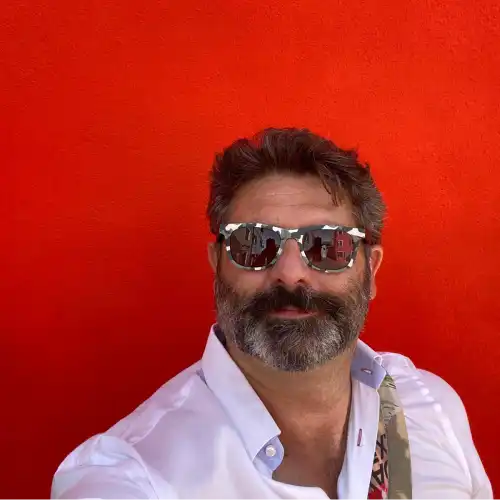
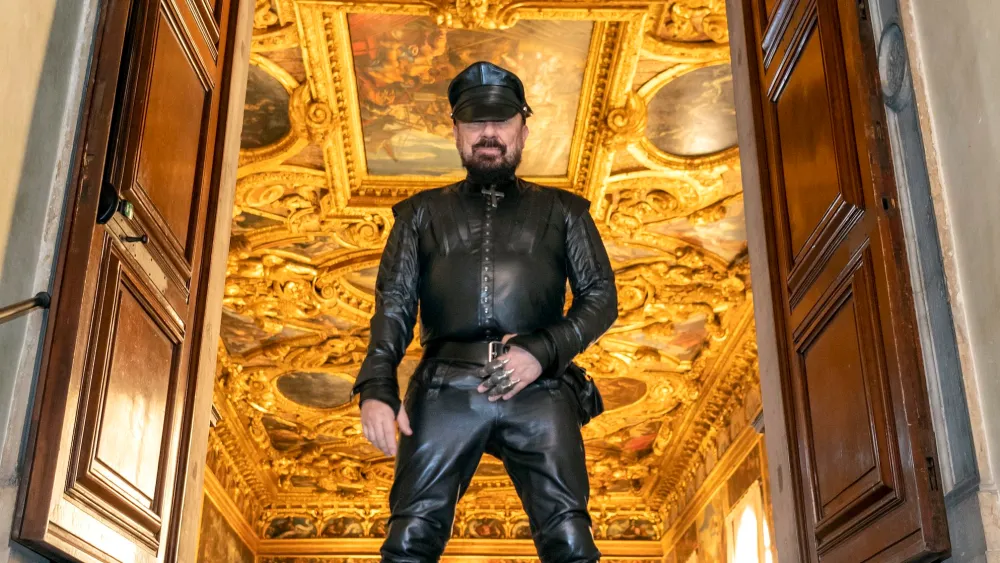
Peter Marino in Venice photo credit Luc Castel
“Where are Peter Marino’s favorite Venice locations? What are the hidden luxury addresses Venice insiders know? How do I experience Venice like the world’s most connected architect?”
These questions appear from sophisticated travelers who’ve encountered Peter Marino’s name (perhaps through his legendary luxury retail architecture for Chanel, Dior, Louis Vuitton, or his reputation as contemporary art collector and cultural force), recognizing that someone who designed the world’s most exclusive spaces and moves between New York, Paris, Venice with ease possesses insider knowledge unavailable through standard guidebooks, wanting access to the Venice that global cultural elite experience versus tourist circuits.
The honest answer: Peter Marino’s Venice — revealed through his own recommendations and insider perspectives — comprises hidden architectural gems (private palazzi closed to public but viewable from strategic positions, contemporary art spaces requiring connections to access, artisan workshops maintaining centuries-old crafts), exceptional under-the-radar dining (family trattorias serving Venetians rather than tourists, neighborhood bacari unknown to guidebooks), specific viewing perspectives revealing Venice’s architectural beauty from optimal angles, and the understanding that luxury Venice experience derives from knowledge and access more than expensive hotels or Michelin restaurants.
After 28 years guiding Venice’s most discerning visitors — understanding which addresses genuinely matter versus tourist traps with luxury veneer, maintaining relationships providing access to private collections and exclusive spaces, knowing the artisans, galleries, and establishments that sophisticated travelers seek, working with collectors, architects, designers who want authentic Venice engagement beyond surface tourism — I know that experiencing Venice at Marino’s level requires insider intelligence combining historical knowledge, contemporary art awareness, artisan tradition appreciation, and strategic navigation avoiding crowds while accessing genuine quality.
The fundamental realities most travelers miss:
Peter Marino isn’t casual Venice visitor but serious cultural participant — maintaining Venetian residence, engaging deeply with the city’s art and architecture, supporting local artisans and cultural institutions, creating authentic insider status versus celebrity tourist drop-ins, meaning his recommendations derive from genuine knowledge and relationships rather than concierge suggestions or marketing.
The addresses and experiences Marino values reflect sophisticated priorities: architectural significance over tourist fame, artisan tradition over souvenir shopping, neighborhood authenticity over central location convenience, private collections over public museums (though he appreciates both), personal relationships over transactional service, demonstrating that true luxury means access and understanding.
Venice’s stratified access system means certain experiences require connections — private palazzo viewings, artisan workshop visits with masters who don’t accept casual tourists, gallery previews, collector home invitations, restaurant tables at establishments without obvious signage or English menus, creating parallel Venice available primarily to those with insider knowledge or expert guidance.
Understanding that Marino’s aesthetic — bold contemporary art, rigorous classical architecture appreciation, leather and material fetishization, baroque maximalism balanced with minimalist restraint — creates specific Venice affinities: the city’s Gothic-Renaissance architectural richness, its artisan traditions (glass, leather, textiles, metalwork), its contemporary art scene (Biennale, private foundations, gallery ecosystem), its intimate scale allowing deep rather than superficial engagement.
This is the completely honest Peter Marino Venice insider guide — revealing specific addresses, strategies, and approaches deriving from Marino’s own recommendations and the broader insider Venice experience sophisticated travelers seek, explaining how to access private spaces and exclusive experiences, describing the neighborhoods and establishments global cultural elite actually frequent, providing context for understanding Venice’s architectural and artistic significance at expert level, and creating practical strategies for experiencing this Venice whether you possess Marino’s connections or require expert guidance to navigate these worlds.
The Architectural Venice: Marino’s Eye for Structure and Detail
Understanding the buildings, spaces, and perspectives a world-class architect values.
The Palazzo Perspectives:
For architect of Marino’s caliber, Venice’s palazzi aren’t tourist attractions but architectural textbooks:
Palazzo Fortuny (Campo San Beneto):
- 15th-century Gothic palace transformed by Spanish artist Mariano Fortuny (1871-1949)
- Now museum housing Fortuny’s paintings, textiles, photography, theatrical designs
- The building itself demonstrates adaptive reuse maintaining historic character while supporting artistic practice
- Marino’s interest: How historic space accommodates contemporary creative work, textile and material culture, intimate scale museum versus institutional grandeur
Ca’ d’Oro (Cannaregio, Grand Canal):
- Venetian Gothic masterpiece (1428-1430), originally gold-leafed facade (hence “Golden House”)
- Now Galleria Franchetti displaying painting collection, Renaissance sculpture
- Architectural significance: Perfect proportions, delicate tracery, courtyard wellhead, mosaic floor
- Viewing strategy: Vaporetto Line 1 provides spectacular facade perspective; interior visit reveals architectural details invisible from water
Palazzo Contarini del Bovolo:
- 15th-century palace famous for external spiral staircase (bovolo = snail in Venetian)
- Hidden courtyard location requires intentional seeking
- Recently restored and opened to visitors after decades of closure
- Climb provides exceptional 360-degree Venice views
- Marino’s interest: Renaissance architectural innovation, external staircases as sculptural elements, intimate discovery versus obvious monumentality
Palazzo Grimani (near Santa Maria Formosa):
- 16th-century Renaissance palace, Museum of Ancient Art
- Extraordinary frescoed interiors, classical sculpture collection, Renaissance sala (great hall)
- Demonstrates Venetian engagement with Roman classical architecture
- Often overlooked by tourists focusing on Gothic Venice
- Insider knowledge: Specific rooms and ceiling frescoes requiring extended contemplation
The Churches as Architecture:
San Giorgio Maggiore (Palladio, 1566-1610):
- Accessible via short vaporetto ride from San Marco
- Palladio’s mature Renaissance church, perfect proportions
- White Istrian stone interior creating luminous spiritual space
- Campanile provides exceptional Venice panorama
- Marino’s interest: Classical architecture mastery, relationship between structure and light, how Renaissance ideals manifest in religious space
Santa Maria dei Miracoli:
- Early Renaissance jewel (1481-1489), Pietro Lombardo design
- Entirely marble-clad exterior, barrel-vaulted interior with intricate decorative details
- Intimate scale creating precious object quality versus monumental church
- Hidden Cannaregio location requires navigation through narrow calli
- Perfect proportions and material richness demonstrating Venetian craftsmanship
San Sebastiano (Veronese’s church):
- 16th-century church completely frescoed by Veronese (ceiling, walls, organ shutters)
- Creates total immersive artistic environment
- Less touristed location in Dorsoduro
- Demonstrates how single artist vision can transform architectural space
- Marino’s interest: Complete artistic integration with architecture, material and color relationships, experiencing art in intended original context
The Fondazione Spaces (Contemporary Art in Historic Architecture):
Palazzo Grassi and Punta della Dogana (Pinault Collection):
- François Pinault’s Venice venues, Tadao Ando renovation
- Contemporary art installations within 18th-century palazzo and former customs house
- Demonstrates how minimal contemporary intervention can respect historic architecture while creating optimal exhibition conditions
- World-class temporary exhibitions changing seasonally
- Free admission creates accessibility despite elite collection origin
Fondazione Querini Stampalia:
- Carlo Scarpa’s interventions (1961-1963) within 16th-century palazzo
- Ground floor renovation addressing acqua alta flooding through raised walkways, water integration
- Demonstrates how modern design can solve historic building challenges while enhancing rather than compromising character
- Library, museum, cafe creating cultural community space
- Essential pilgrimage for architects and designers
The Artisan Venice: Master Craftspeople Maintaining Tradition
Understanding the workshops and traditions connecting to Marino’s material interests.
The Leather Workers:
Marino’s personal aesthetic emphasizes leather — his signature motorcycle jackets, furniture upholstery, material fetishization — creating specific affinity for Venetian leather craft tradition
Stefano Nicolao (San Polo):
- Historic costume and textile atelier, four generations maintaining tradition
- Creates theatrical costumes, Carnevale masks and clothing, bespoke period garments
- Not tourist costume rental but serious artisan workshop
- Appointment recommended for serious commissions or extended conversation about craft
Giovanni Sforza (Castello):
- Traditional leather goods, bags, belts, small leather objects
- Working studio where you observe creation not just purchase products
- Understands and articulates historic Venetian leather techniques
- Personal service creating relationship versus transactional shopping
Giovanna Zanella (Castello):
- Contemporary shoe designer maintaining traditional Venetian craftsmanship
- Creates unique handmade shoes, limited production, artistic rather than commercial approach
- Studio visits by appointment, conversation about design and making
- Represents how tradition evolves through contemporary vision while maintaining quality
The Glass Masters (Beyond Tourist Murano):
Sergio Tiozzo and Sandro Tiozzo:
- Multi-generational Murano glass masters
- Create art glass, traditional Venetian techniques, contemporary applications
- Workshop visits possible through proper introduction
- Understanding glass as material, chemical process, artistic medium versus souvenir object
Berengo Studio (Murano):
- Contemporary art glass, collaborating with international artists
- Bridging traditional Murano craft and contemporary art practice
- Private collection and studio sometimes accessible to serious visitors
- Demonstrates how centuries-old technique remains vital through artistic innovation
The Textile and Fabric Traditions:
Venetia Studium (multiple locations):
- Fortuny-inspired pleated silk fabrics, lampshades, clothing
- Continues Mariano Fortuny’s legacy
- Shops throughout Venice but main atelier shows complete production
- Material quality and traditional techniques worth understanding even if not purchasing
Gaggio (San Marco):
- Historic textile and trimming house since 1868
- Supplies theaters, designers, decorators with passementerie, tassels, cords
- Architectural and interior design applications
- Demonstrates how specialized artisan suppliers serve creative professionals
The Gondola and Rowing Craft:
Saverio Pastor (Dorsoduro):
- Master forcola maker (fórcola = carved wooden oarlock allowing 360-degree blade rotation)
- Each forcola custom-carved from single walnut piece for specific gondola and gondolier
- Studio visits reveal sculptural quality of functional objects
- UNESCO Intangible Cultural Heritage designation
- Represents apex of Venetian craft tradition: functional perfection achieving artistic beauty
Tramontin Gondola Squero (Dorsoduro):
- Multi-generational gondola boatyard
- One of few remaining squeri (boatyards) still constructing traditional gondolas
- 280+ pieces of eight wood types assembled asymmetrically
- Viewable from Fondamenta Nani without entering (private working squero)
- Understanding gondola as engineering and craft masterpiece versus tourist conveyance
The Dining Venice: Where Insiders Actually Eat
Understanding the establishments serving quality versus tourist performance.
The Neighborhood Trattorias:
Antiche Carampane (San Polo):
- Hidden location (deliberately no signs, requires navigation through calli)
- Family-run for generations, traditional Venetian seafood
- Locals and food-focused travelers, no tour groups
- Handwritten daily menu, market-driven cuisine
- Advance reservation essential (weeks for dinner, days for lunch)
- Authentic Venice dining demonstrating quality without pretension
Alle Testiere (Castello):
- Tiny restaurant (9 tables), exceptional seafood
- Chef-owner creating refined traditional cuisine
- Knowledgeable wine service, thoughtful pairings
- Impossible to book last-minute (reserve 2-4 weeks advance)
- Intimate professional atmosphere, serious food focus
- Price reflects quality (€80-120 per person) but not inflated by location
Osteria da Fiore (San Polo):
- Michelin-starred but maintaining intimate character
- Traditional Venetian cuisine elevated through technique and ingredient quality
- Art world and design professionals frequent
- More accessible than international luxury restaurants while delivering exceptional quality
- Advance reservation required
The Bacari Culture:
Venetian bacari (wine bars serving cicchetti small plates) represent authentic social culture:
Cantina Do Spade (San Polo, near Rialto):
- Historic bacaro dating to 1415
- Standing-room bar, traditional cicchetti
- Mix of Venetians and informed visitors
- Afternoon aperitivo hours (5:00-7:00 PM) show authentic social patterns
- Inexpensive (€15-25 covers wine and several cicchetti)
Al Timon (Cannaregio):
- Canal-side bacaro along Fondamenta degli Ormesini
- Younger crowd, lively atmosphere
- Excellent wine selection, creative cicchetti
- Outdoor seating by water (summer evenings)
- Represents contemporary evolution of bacari tradition
Cantina Do Mori (San Polo):
- Oldest bacaro in Venice (1462)
- Dark wood interior, brass fixtures, authentic atmosphere
- Traditional cicchetti, local wines
- Tiny space requiring patience during crowded hours
- Living museum of Venetian social culture
The Market-Driven Approach:
Rialto Market understanding:
Marino’s recommendations emphasize restaurants sourcing from Rialto’s morning fish and produce markets, demonstrating commitment to seasonal Venetian cuisine versus imported ingredients and international menus
Morning market visit (7:00-11:00 AM, Tuesday-Saturday):
- Pescheria (fish market) showing daily Adriatic and lagoon catch
- Erberia (produce) with seasonal vegetables and fruits
- Understanding what’s actually available informs restaurant menu appreciation
- Observing Venetian residents shopping reveals authentic food culture
The Contemporary Art Scene: Galleries and Spaces Beyond Biennale
Understanding Venice’s year-round contemporary art ecosystem.
The Gallery Circuit:
Galleria Continua (San Marco):
- International gallery with Venice outpost in historic palazzo
- Contemporary art exhibitions changing regularly
- Free access, museum-quality presentations
- Represents how global art market engages with Venice beyond Biennale season
Caterina Tognon (San Marco):
- Contemporary art glass specialist
- Demonstrates how traditional Murano craft intersects with contemporary art practice
- Appointments recommended for serious viewing
Victoria Miro Venice (Dorsoduro):
- British gallery’s Venice space in converted industrial building
- Sculpture garden, large-scale installations
- Shows how contemporary art requires different architectural solutions than historic palazzo galleries
The Private Foundations:
Fondazione Vedova (Dorsoduro):
- Dedicated to Emilio Vedova (1919-2006), major 20th-century Venetian artist
- Palazzo Zattere space, rotating exhibitions
- Demonstrates Venice’s modern art production beyond Renaissance tourism narrative
Fondazione Emilio e Annabianca Vedova (Magazzini del Sale):
- Vedova’s former studio in converted salt warehouses
- Large-scale abstract expressionist works in industrial space
- Demonstrates relationship between artistic production and architectural space
Fondazione Prada (Ca’ Corner della Regina):
- Contemporary art exhibitions in Grand Canal palazzo
- Temporary shows complementing Milan headquarters
- Fashion-art intersection Marino navigates professionally
The Collector Homes (Insider Access Only):
Private palazzo collections:
Venice houses numerous private contemporary art collections in historic palazzi, accessible only through personal invitation or specialized curator-led experiences
What these visits reveal:
- How contemporary art functions in lived residential historic architecture
- Collector relationships with artists, galleries, curators
- The parallel Venice where cultural elite actually engage versus public tourism
Access strategies:
- Gallery relationships (serious collecting creates introduction opportunities)
- Expert guide connections (specialized contemporary art guides maintain collector relationships)
- Cultural institution involvement (museum patronage, foundation support)
- Extended Venice presence (temporary residents vs. tourists gain social access)
The Strategic Navigation: Timing, Transportation, and Insider Knowledge
Understanding how to move through Venice avoiding crowds while accessing quality.
The Timing Strategy:
Sunrise Venice (6:00-8:00 AM):
- Architectural photography in optimal light
- Empty landmarks and streets
- Observing authentic Venetian life before tourist day begins
- Market opening preparations
Midday strategic rest:
- 1:00-3:00 PM avoids peak heat and crowds
- Long lunch at quality restaurant
- Hotel or apartment rest before evening activities
- Marino’s lifestyle suggests quality over quantity, rest enabling sustained engagement
Late afternoon and evening (4:00-8:00 PM):
- Optimal light for Grand Canal perspectives
- Gallery openings and artist studios (by appointment)
- Aperitivo hour at authentic bacari
- Early dinner reservations (7:30-8:00 PM Italian timing)
Night Venice (after 9:00 PM):
- Dramatically reduced crowds
- Illuminated architectural beauty
- Intimate restaurant and bar experiences
- The Venice residents experience after tourists retire
The Transportation Approach:
Strategic vaporetto usage:
- Line 1 for Grand Canal palazzo viewing (architectural appreciation)
- Line 2 for efficient cross-town movement
- Evening vaporetti for illuminated city perspective
Walking as primary mode:
- Venice’s compact scale rewards pedestrian exploration
- Discovering hidden workshops, galleries, architectural details
- Physical engagement with urban fabric versus vehicle-mediated tourism
Private water taxi (selective use):
- Airport arrival/departure (efficiency and comfort)
- Evening restaurant transportation (avoiding walking fatigue)
- Special occasions or group movement
- Not necessary for general navigation despite luxury positioning
The Neighborhood Focus:
Dorsoduro priority:
- University area creating younger energy
- Excellent galleries and contemporary art spaces
- Zattere waterfront for lagoon views
- Quality restaurants serving local/student population
- Less tourist-saturated than San Marco/Rialto
- Residential working-class Venice
- Jewish Ghetto historical significance
- Authentic bars and restaurants
- Artisan workshops
- Real neighborhood life versus tourist performance
Castello eastern sections:
- Arsenale and Biennale Giardini area
- Sant’Elena and Via Garibaldi residential character
- Fewer tourists, authentic daily patterns
- Quality neighborhood establishments
Our Insider Venice Services
If you want to experience Venice at Peter Marino’s level — accessing private collections, artisan workshops, insider dining, architectural gems, contemporary art spaces unavailable through conventional tourism — we provide specialized insider experiences leveraging 28 years of Venice relationships and expertise.
What We Coordinate:
Architectural deep-dives:
- Private palazzo access where possible
- Expert analysis of Gothic, Renaissance, Baroque architecture
- Optimal viewing perspectives and timing
- Carlo Scarpa pilgrimage (Querini Stampalia, Olivetti showroom, others)
- Understanding Venice’s architectural evolution
Artisan workshop access:
- Introductions to master craftspeople (glass, leather, textiles, gondola builders)
- Understanding traditional techniques and contemporary applications
- Opportunities for commissioned work or extended conversations
- Demonstrations and studio visits requiring advance coordination
Contemporary art insider access:
- Gallery private viewings when available
- Curator and artist introductions
- Private collection visits (subject to owner availability)
- Navigating Biennale with expert guidance
- Understanding Venice’s year-round art ecosystem
Authentic dining access:
- Reservations at quality establishments requiring advance booking
- Bacari circuit experiencing genuine Venetian social culture
- Market tours understanding seasonal ingredients
- Restaurant relationships ensuring excellent treatment
- Wine expertise and pairing guidance
Strategic navigation:
- Timing optimization avoiding crowds while accessing quality
- Neighborhood immersion beyond tourist zones
- Helicopter experiences for aerial perspective
- Logistics management (reservations, transportation, coordination)
- Spontaneous discovery balanced with expert structure
Personalized to your interests:
- Architecture and design focus
- Contemporary art emphasis
- Artisan craft deep-dive
- Culinary and wine concentration
- Comprehensive cultural immersion
- Creating experiences matching your specific passions
Understanding Complete Context
For insider experiences: Biennale luxury guide, hidden viewpoints, neighborhoods.
For authentic culture: Bacari traditions, Rialto Market, artisan workshops.
For contemporary art: JR installation, Biennale pavilions, 2026 changes.
For all experiences: Complete tour options.
Peter Marino’s Venice Reveals Insider Addresses and Experiences — Architectural Gems (Palazzo Fortuny, Ca’ d’Oro, Contarini del Bovolo, Scarpa Interventions), Master Artisan Workshops (Leather, Glass, Gondola Craft), Authentic Dining (Antiche Carampane, Alle Testiere, Bacari Circuit), Contemporary Art Spaces (Private Collections, Galleries, Foundations), Strategic Navigation (Sunrise Timing, Neighborhood Focus, Crowd Avoidance)
After 28 years guiding Venice’s most sophisticated visitors and being featured by Rick Steves, NBC, and US Today, I understand the insider Venice that global cultural elite like Peter Marino experience — world-class architect maintaining Venetian residence, engaging deeply with art/architecture/craft, revealing addresses requiring knowledge and connections versus tourist guidebook accessibility. Architectural priorities include palazzi demonstrating adaptive reuse and proportion mastery (Palazzo Fortuny textiles museum, Palazzo Grimani Renaissance interiors, Palazzo Contarini del Bovolo spiral staircase), Palladio’s San Giorgio Maggiore, Scarpa’s Querini Stampalia interventions showing modern design solving historic challenges. Artisan focus emphasizes master craftspeople (Saverio Pastor forcola carving, Sergio Tiozzo Murano glass, Giovanni Sforza leather, Giovanna Zanella shoes) maintaining tradition through contemporary application. Authentic dining prioritizes neighborhood trattorias and bacari serving Venetians (Antiche Carampane hidden location, Alle Testiere 9-table intimacy, Cantina Do Spade 1415 bacaro, market-driven seasonal cuisine). Contemporary art includes private palazzo collections, gallery circuit (Continua, Victoria Miro), foundations (Vedova, Prada), accessible through relationships and expert coordination. Strategic navigation employs sunrise timing, neighborhood immersion (Dorsoduro, Cannaregio, eastern Castello), crowd avoidance, spontaneous discovery balanced with insider knowledge. We provide comprehensive coordination accessing private collections, artisan workshops, insider dining, architectural deep-dives, creating experiences matching sophisticated cultural engagement. Contact us for insider Venice at Peter Marino’s level. Let’s reveal the Venice global elite experience.
Contact us for insider Venice experiences — architecture, artisans, art, authentic culture.
Frequently Asked Questions
Can I actually access the private palazzi, artisan workshops, and collector homes mentioned, or are these truly invitation-only experiences closed to travelers?
Access exists on spectrum from completely public to genuinely exclusive, with strategic approaches enabling partial access to most mentioned locations. Fully public (anyone can visit with planning): Palazzo Fortuny, Ca’ d’Oro, Palazzo Grimani (all functioning museums with admission tickets and regular hours), Palazzo Contarini del Bovolo (modest admission, regular hours), San Giorgio Maggiore and Santa Maria dei Miracoli (churches with free/donation entry), Palazzo Grassi and Punta della Dogana (Pinault Collection, free admission), Fondazione Querini Stampalia (museum entry), providing immediate access without special connections. Semi-accessible (require advance coordination but available to serious visitors): Master artisan workshops (Saverio Pastor forcola, Giovanni Sforza leather, Giovanna Zanella shoes) often welcome visitors by appointment especially if demonstrating genuine interest versus casual tourism — contact ahead explaining serious interest in craft, request studio visit, respect their working schedule, potentially commission piece demonstrating commitment; success rate improves dramatically with Italian language skills or guide facilitation. Contemporary galleries (Galleria Continua, Caterina Tognon, Victoria Miro) are public spaces during exhibition hours but private viewings and curator conversations require relationship building — attend openings, demonstrate informed interest, return multiple times, engage genuinely with work. Quality restaurants (Antiche Carampane, Alle Testiere, Osteria da Fiore) require advance reservations (2-4 weeks for peak times) but are fundamentally public businesses — persistence and planning rather than connections secure tables. Genuinely exclusive (require insider connections): Private palazzo collections, collector home visits, certain elite artisan masters who’ve stopped accepting general visitors, invitation-only gallery events and artist studio visits represent actual exclusivity requiring social/professional connections, long-term Venice presence, or specialized guide services with established relationships. Our facilitation: We provide access spanning public coordination (securing reservations, timing optimization, expert context), semi-exclusive facilitation (artisan workshop introductions, gallery curator connections, insider dining relationships), and occasional exclusive access (private collection visits subject to owner availability, closed-space viewings through institutional relationships) creating experiences approaching insider level though acknowledging some spaces remain genuinely restricted to personal/professional networks requiring years to develop.
How do I balance experiencing “insider Venice” with seeing the essential tourist attractions — or should sophisticated travelers skip San Marco and Rialto entirely?
The insider-versus-tourist dichotomy is false — sophisticated travelers integrate both, understanding that Venice’s famous landmarks merit appreciation while avoiding tourist consumption patterns surrounding them. Peter Marino’s approach (inferred from recommendations): He doesn’t SKIP Piazza San Marco or Doge’s Palace but experiences them strategically — sunrise San Marco (6:00-7:00 AM) provides empty piazza and extraordinary light for architectural photography, Doge’s Palace with expert guide revealing architectural and political history beyond superficial touring, San Marco Basilica understanding Byzantine architecture and mosaic programs versus rushing through with crowds, Rialto Bridge at dawn or evening versus midday crush. The strategic integration: (1) Major landmarks with insider timing/approach — visit famous sites during off-hours (very early morning, late evening) or with expert guidance transforming tourist checklist into genuine cultural engagement. (2) Balance famous and hidden — spend morning at San Marco/Doge’s Palace with guide providing architectural/historical depth, afternoon exploring Cannaregio residential neighborhoods and artisan workshops, creating rhythm between essential cultural sites and authentic discovery. (3) Quality over quantity — rather than attempting comprehensive landmark checklist (exhausting, superficial), select fewer major sites engaging deeply while dedicating substantial time to neighborhoods, artisans, dining, contemporary art creating balanced experience. (4) Different evaluation criteria — sophisticated travelers judge landmarks by architectural significance, art historical importance, cultural meaning rather than Instagram-worthiness or guidebook stars, potentially finding certain “essential” attractions less compelling while discovering overlooked gems. Sample balanced itinerary: Day 1 morning — Doge’s Palace and San Marco with architectural expert; afternoon — Dorsoduro neighborhood exploration, contemporary galleries, artisan workshops; evening — authentic bacaro circuit. Day 2 morning — Rialto Market and Ca’ d’Oro; afternoon — Palazzo Fortuny and San Sebastiano church; evening — exceptional restaurant dinner. Day 3 — Complete museum-free day focused on neighborhoods, crafts, food culture. The permission: You’re allowed to skip any “essential” attraction that doesn’t genuinely interest you; your Venice experience belongs to you, not guidebook orthodoxy, creating personalized engagement matching actual interests rather than perceived obligations.
What’s the realistic budget for experiencing Venice at this insider level — is this approach only accessible to ultra-wealthy travelers?
Insider Venice experience scales across budget levels because knowledge and timing matter more than unlimited spending, though certain elements require substantial investment. The budget spectrum: (1) Accessible insider experiences (modest additional cost beyond standard tourism): Strategic timing costs nothing — sunrise Venice, off-peak landmark visits, avoiding crowds through schedule optimization. Bacari culture costs less than tourist restaurants (€15-25 covers wine and cicchetti versus €50+ tourist meals). Public museums and churches (Palazzo Fortuny €10, Ca’ d’Oro €8.50, churches free-€3) cost minimal admission. Walking neighborhoods discovering architecture, artisan workshops (viewing from outside), getting productively lost requires zero budget beyond time and curiosity. Many contemporary galleries free admission during regular hours. (2) Mid-range insider investments (€100-300 per person daily beyond accommodation): Expert guided experiences (half-day architectural tour €400-600 split among group, specialized contemporary art guidance €500-800 divided), quality dining at authentic trattorias (€60-100 per person dinners at Antiche Carampane level), selective artisan purchases (quality leather goods €100-500, Murano glass art pieces €200-1,000+, commissioned forcola €800-2,000+), vaporetto passes for strategic transportation. (3) Luxury insider experiences (€500-1,000+ per person daily): Helicopter tours for aerial perspective (€400-800 per person group rates), Michelin-starred dining (Quadri, Da Fiore at €150-250 per person), private water taxis for convenience (€80-150 per trip), exclusive artisan workshop sessions with master craftspeople (€200-500 for extended private demonstrations), comprehensive multi-day expert guide services (€1,200-2,000 daily for specialized contemporary art/architecture expertise). (4) Ultra-luxury (€2,000+ per person daily): Preview week Biennale with complete access coordination, private collection visits requiring high-level connections, bespoke artisan commissions (custom gondola forcola, major glass artwork, tailored leather goods), exclusive event access, comprehensive concierge services managing all logistics. The strategic approach for realistic budgets: Invest in ONE expert guided experience (€400-600 split among 2-4 people = €100-200 per person) providing knowledge enabling independent exploration remainder of trip, prioritize authentic dining over luxury hotels (excellent 4-star hotel €300-400/night + quality trattorias €80/person creates better experience than €800/night luxury hotel + mediocre hotel restaurant), visit free/low-cost spaces (galleries, churches, neighborhoods) extensively, selective splurges on meaningful experiences (one helicopter flight, one Michelin meal, one exceptional artisan purchase) versus attempting comprehensive luxury consuming budget without proportional value. The €200-300 per person daily budget (beyond accommodation) enables substantial insider experience combining expert guidance, quality dining, strategic access, artisan engagement — not ultra-luxury but far superior to conventional €100-150 daily mass tourism through knowledge-driven rather than expense-driven approach.