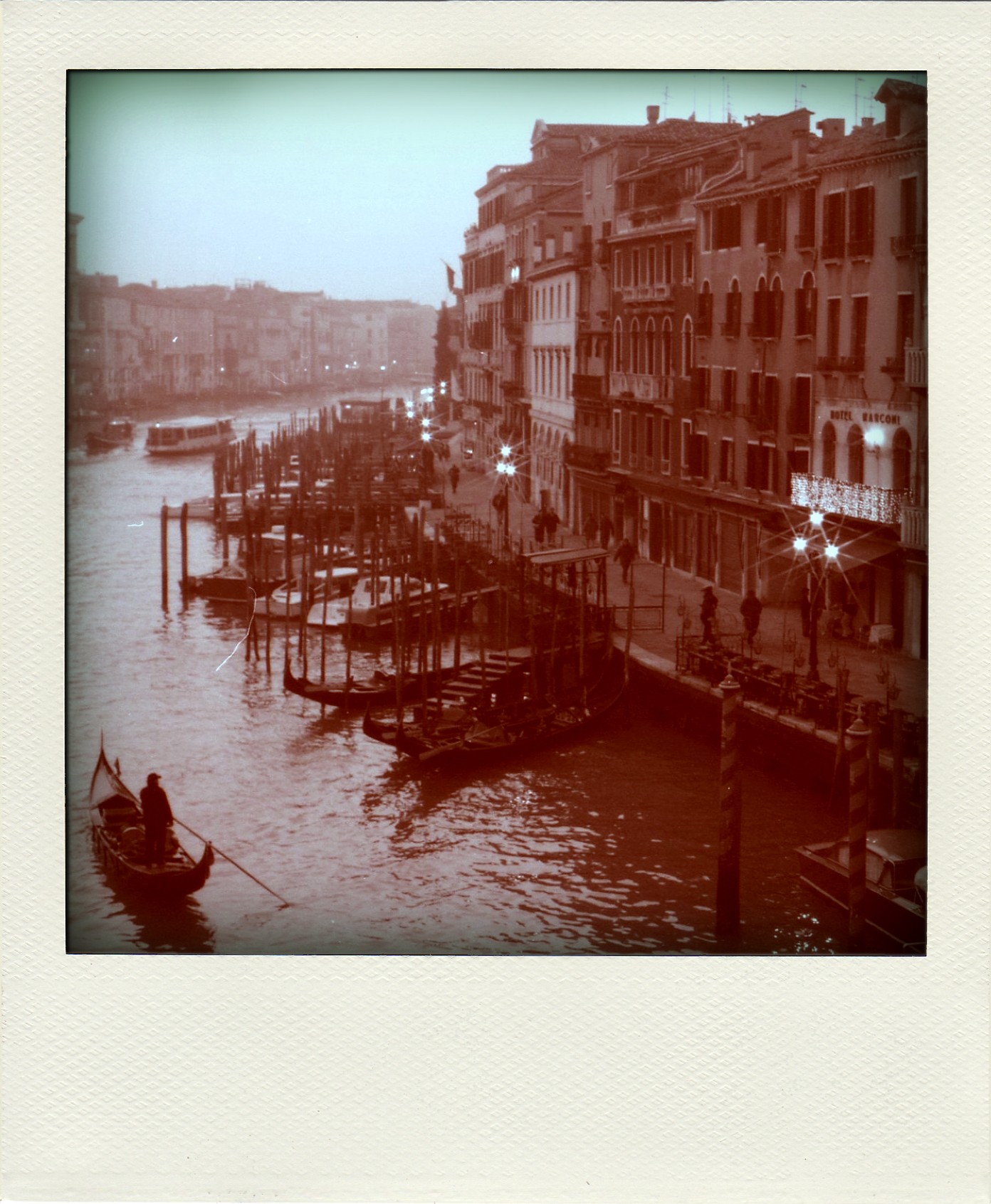
November can be one of the most rewarding months to visit Venice if you prefer slower travel, museums, atmospheric walks, and flexible private experiences. It is not the right choice for everyone: daylight is shorter, weather can be unsettled, and high-water forecasts deserve attention. Here is how to decide whether a November Venice trip fits your priorities—and how to plan it well.
The real reason November deserves consideration
November is not the obvious month for a Venice vacation. Summer photographs promise brilliant sunshine, outdoor tables, and sparkling reflections, while November brings shorter days, cooler air, and a greater chance of rain. Yet those changes can create a different opportunity: time to experience the city at a gentler pace, with more attention to architecture, daily life, and the small details that disappear in a hurried itinerary.
This article is not another general weather forecast or festival calendar. Tour Leader Venice already has those resources. Instead, it asks a more specific question: for which travelers is November actually a better choice than the most popular months, and what trade-offs must they accept? The answer depends on whether you value long evenings outdoors or quiet time in a city that rewards close observation.
A quieter city is not an empty city
November often brings a different pattern of visitors from the height of summer, but Venice does not become deserted. Major landmarks still attract travelers, cruise and tour activity can vary, and weekends or special events may produce local crowding. The advantage is the possibility of more breathing room in certain streets and neighborhoods, not a guarantee of solitude at every famous site.
A realistic expectation makes a better trip. You may enjoy a calmer walk through Cannaregio or Castello while still encountering a line at a popular attraction. The difference is that you can plan your day around a wider variety of experiences instead of treating every hour as a race to beat the crowds. That change in attitude may be November’s greatest reward.
Why private travel works particularly well
A private guide can adjust the pace, route, and subject of a walk to the conditions of the day. In November, that flexibility is valuable because weather can shift quickly and daylight is limited. A good itinerary may combine a sheltered church interior with a short outdoor walk, a café break, and a waterfront viewpoint rather than forcing a fixed sequence of exposed stops.
The benefit is not exclusivity for its own sake. It is the ability to respond to real conditions and the interests of the people traveling. Couples may want a reflective cultural day; families may need shorter outdoor segments; older visitors may prefer fewer bridges and comfortable transfers. November rewards an itinerary designed for people rather than a generic checklist.
The advantage of slower mornings
Summer itineraries often begin with an anxious calculation of when to reach the most popular attraction before the crowds arrive. In November, an early start can still be useful, but the motivation may be different. The city wakes under cooler light, and the movement of delivery boats and workers becomes more noticeable.
An early walk does not need to be long. A few quiet streets, a coffee stop, and a pause by a canal can create a stronger memory than a rushed circuit of famous squares. The practical lesson is to schedule one meaningful morning experience rather than three competing reservations. You will have more freedom to respond to weather and unexpected discoveries.
The beauty of low winter light
As the sun sits lower in the sky, Venice’s façades and waterways can take on a softer, more directional light. This is not a guarantee of perfect photographs; overcast days and rain are also part of the season. But when the sun appears, it can emphasize architectural texture and reflections in ways that differ from the harsher light of midsummer.
For photographers, the useful approach is to observe rather than chase a fixed postcard view. Notice how light falls on a brick wall, a church doorway, or a quiet canal. Shorter days can encourage deliberate choices about where to be in the afternoon. The city offers compelling images even when the sky is not a perfect blue.
Mist as atmosphere, not a promise
Fog and mist are closely associated with the romantic image of Venice in the colder months. They can soften the outlines of buildings and make familiar waterways feel mysterious. Yet no visitor should book a November trip expecting daily fog. Atmospheric conditions vary, and some days are bright, rainy, or simply gray.
The most rewarding response is to accept the conditions you encounter. A misty morning can be beautiful, but a clear afternoon can reveal distant islands and architectural details. Travel writing becomes misleading when it turns one atmospheric possibility into a seasonal certainty. November’s appeal lies in its variety, not in a single visual effect.
Shorter days can improve an itinerary
November daylight is limited compared with late spring or summer. At first, this may seem like a disadvantage. In practice, it can encourage travelers to choose fewer activities and experience them more deeply. A museum, a thoughtful neighborhood walk, and an early evening meal may form a complete and satisfying day.
The key is to plan around daylight rather than fight it. Put outdoor viewpoints and island excursions earlier, then reserve late afternoon for interiors, dining, or relaxed conversation. Avoid booking a long chain of activities that leaves no room for delays. A shorter day can feel generous when the itinerary respects its natural rhythm.
Weather: the trade-off to understand
November in Venice is generally cooler and more changeable than summer, with the possibility of rain, wind, and high water. Exact temperatures vary by year, and a single average cannot predict the conditions of your visit. Bring layers, a waterproof outer garment, and comfortable shoes that can handle wet paving.
For American travelers, it helps to think in practical terms rather than obsess over a forecast weeks in advance. A cool day might be around 50°F (10°C), but actual conditions can be warmer or colder. Check the forecast close to departure and adapt. The goal is to remain comfortable enough to enjoy the city, not to pack for every imaginable weather scenario.
What to know about acqua alta
High water is a real consideration in Venice during the cooler months. It does not mean the entire city floods every November day. Water levels depend on tides and meteorological conditions, and different streets sit at different elevations. Visitors should use official tide forecasts rather than sensational photographs from unrelated years.
If a forecast indicates disruption, follow municipal guidance and transport notices. A flexible itinerary can often be adjusted, but no guide should promise that every route will remain accessible. Travelers with limited mobility should discuss alternatives in advance. Understanding the issue calmly is more useful than either ignoring it or assuming that Venice is permanently underwater.
Museums are a stronger part of the day
November encourages a different balance between indoor and outdoor experiences. Venice’s museums, churches, and historic interiors can become the anchor of a day rather than a backup plan for rain. That allows more time to appreciate artworks and architecture without feeling that every minute indoors is stolen from the sunshine.
Choose institutions based on your interests, not simply their fame. A traveler who loves contemporary art may have a different ideal day from someone fascinated by maritime history or Venetian painting. Check opening hours and temporary closures, especially on Mondays. The advantage of November is the opportunity to give each visit enough attention.
The pleasure of a single masterpiece
A successful Venice trip does not require seeing every famous painting. In November, consider choosing one artwork or church interior and spending time understanding its context. Look at the building, the patronage behind the work, and the relationship between the artwork and the neighborhood around it.
This approach is especially useful for repeat visitors who have already seen the major landmarks. Instead of revisiting the same highlights at a faster pace, explore one subject more deeply. A guide can help connect the visual experience with the city’s political, religious, and commercial history. The result may feel more personal than a longer list of attractions.
Why repeat visitors may benefit most
First-time travelers often want to see St. Mark’s Basilica, the Doge’s Palace, Rialto, and the Grand Canal. Those landmarks remain worthwhile in November. But travelers returning to Venice may appreciate the season even more because they no longer feel compelled to complete a conventional sightseeing checklist.
A second or third visit can focus on neighborhoods, artisans, smaller museums, or simply the experience of being in the city. November’s quieter rhythm supports that kind of travel. It is an opportunity to move from recognition to understanding: you know what Venice looks like, and now you can ask how it works.
A season for couples who like conversation
Venice’s romantic reputation often centers on gondolas at sunset and candlelit dinners beside canals. November offers another kind of intimacy: quiet walks, sheltered cafés, and time to talk without constant movement. It may appeal particularly to couples who enjoy museums, architecture, food, and a slower travel rhythm.
This does not mean every November evening is warm enough for an outdoor table. Choose restaurants for their cooking and atmosphere rather than relying on a waterfront terrace. A good indoor meal can be just as memorable as a summer sunset. Romance in Venice is not dependent on one weather condition.
Families need a different strategy
Traveling with children in November can be rewarding if the schedule respects shorter daylight and cooler weather. Plan activities that allow movement and discovery without requiring hours outside in the rain. A short neighborhood walk followed by a museum or craft demonstration can provide variety.
The most important practical consideration is flexibility. Children may become cold or tired faster than adults expect, particularly on boats and exposed waterfronts. Carry extra layers and allow time for food and rest. A family trip works best when the day has a clear purpose but enough room for changing energy levels.
The lagoon islands in November
Murano and Burano remain possible destinations in November, subject to operating schedules and weather. The atmosphere can be different from summer, with fewer visitors at certain times and a stronger sense of local life. But a quieter island is not necessarily one where every workshop, shop, or restaurant is open.
Confirm any specific glass demonstration, museum visit, or lunch reservation before leaving Venice. Public waterbus journeys require planning, especially when daylight is limited. If you want to visit several islands, consider whether the time spent traveling will leave enough opportunity to enjoy each one. A single well-chosen island may be the better experience.
Why Murano is more than a shopping stop
Murano is known internationally for glass, but its significance goes beyond souvenir shopping. The island’s furnaces, workshops, and craft traditions represent specialized knowledge developed over centuries. A meaningful visit should distinguish genuine demonstrations and workshops from purely commercial presentations.
In November, a prearranged visit can be particularly useful because opening patterns may vary. Ask what you will actually see and whether the experience includes a working furnace, a craftsperson, or an explanation of techniques. The goal is to understand a living tradition rather than simply purchase an object.
Burano without the postcard pressure
Burano’s colorful houses attract photographers throughout the year. In November, a slower visit can reveal more than the familiar bright façades. The island has its own rhythms, lace-making heritage, and residential character. Respecting those qualities means remembering that the most photogenic streets are also places where people live.
Do not assume that every shop or restaurant will be open at the same hours as in summer. Check your plans in advance and leave enough time for the return waterbus. The reward of a quieter island visit comes from observation, not from expecting a private version of a popular destination.
The value of a warm lunch
In summer, visitors often plan around quick meals so they can remain outdoors. November creates a good opportunity to treat lunch as part of the day’s experience. A comfortable restaurant can offer a pause between a morning walk and an afternoon museum, especially when the weather is unsettled.
Choose a place based on current opening hours and the kind of food you enjoy. Seasonal Venetian cooking can be appealing in cooler weather, but this article is not intended to duplicate existing guides to November dishes. The practical point is that a thoughtful lunch can improve the rhythm of the entire day.
Hotel choices in November
Accommodation decisions matter in every season, but November adds considerations such as easy access to transport, comfortable interiors, and flexibility during poor weather. A hotel near the activities you most want to enjoy may be more useful than one chosen solely for a famous view.
If you have mobility concerns or heavy luggage, ask about the nearest accessible waterbus stop and whether the property has a reliable boat landing. Not every canal entrance can be used in every tide condition. A good hotel location is one that works in practice, not merely one that looks central on a map.
Can November offer better value?
November can offer opportunities for different accommodation prices and availability compared with peak travel periods, but savings are not guaranteed. Major events, weekends, and individual hotel policies can affect rates. Travelers should compare real dates and booking conditions rather than assume that every November room is inexpensive.
Value is also about the experience you receive. A quieter museum visit, a comfortable private walk, or more flexible restaurant availability may matter as much as the room rate. For some travelers, the ability to enjoy Venice without a tightly packed schedule is the strongest reason to consider the season.
A practical packing list in prose
Pack layers that can be adjusted during the day, a waterproof jacket, and shoes with good grip on wet paving. A compact umbrella can help in light rain, though wind may make a hood more useful. Bring a small bag that keeps tickets, phone, and documents protected.
Avoid overpacking for extreme conditions that are unlikely to occur during a short stay. Check the forecast near departure and add what your specific itinerary requires. If you plan to spend time on exposed boats or waterfronts, an extra warm layer is sensible. Comfort is the foundation of an enjoyable November trip.
The difference between a vaporetto and a private boat
Public ACTV waterbuses follow scheduled routes and are usually the most practical budget option for independent travel. A private water taxi offers a different service, with a boat arranged for a particular journey and possible hotel access where conditions allow. The right choice depends on budget, luggage, mobility, and the number of travelers.
November weather can make these decisions more important. A private boat may reduce waiting and transfers, but it cannot bypass every tide, bridge clearance, or access restriction. A public waterbus may be economical but require a longer walk or a wait at an exposed stop. Plan the entire journey rather than comparing only the time on board.
An early evening can be an advantage
With darkness arriving earlier, Venice’s evening atmosphere begins sooner than in summer. Reflections, illuminated windows, and quieter streets can create a memorable setting for a short walk before dinner. The experience does not require staying outside for hours.
Choose a route close to your restaurant or hotel and remain aware of wet paving and changing conditions. The most satisfying evening may be simple: a short stroll, a good meal, and time to enjoy the city without rushing. November rewards travelers who recognize that an evening does not need to be crowded with activities.
A three-day November rhythm
On the first day, orient yourself with a relaxed walk through the neighborhood around your hotel and one major landmark. On the second, choose a museum or historic interior as the main experience, adding a short outdoor route when weather permits. On the third, consider an island excursion or a deeper exploration of a less familiar district.
This structure is deliberately flexible. It is not a minute-by-minute itinerary and should not be treated as one. The point is to avoid overloading the day with fixed commitments. November travel works best when you can rearrange indoor and outdoor activities according to conditions.
What not to expect
Do not expect long summer evenings, guaranteed sunshine, or every seasonal business to operate on its busiest schedule. Do not assume the city will be empty, and do not plan an island day without checking transport. These are not reasons to avoid November; they are reasons to travel with realistic expectations.
The visitors most likely to enjoy the season are those who appreciate atmosphere, museums, food, architecture, and unhurried exploration. Travelers who prioritize swimming, long outdoor dinners, and consistently warm weather may prefer another time of year. Choosing well means matching the season to your interests.
The local guide’s perspective
After decades of guiding, the value of a flexible itinerary becomes clear: the best route is the one that suits the people and conditions of the day. Igor Scomparin has worked as a licensed guide since 1997, and Tour Leader Venice’s team approaches the city through both history and practical logistics.
That experience should not be confused with a promise of perfect weather or exclusive access. A local guide cannot change the tide or make a closed museum open. What a knowledgeable team can do is choose sensible routes, explain the city’s context, and help visitors spend their time on experiences that genuinely matter to them.
Three complementary readings
To understand the city’s unusual transport and delivery systems, explore why Venice functions without cars. For a glimpse of the labor behind the visitor experience, read how Venice works before sunrise.
For a different way to appreciate the city’s small-scale history, see ten hidden details that reveal Venice’s real story. These articles add context without repeating this feature’s specific focus on the reasons to choose a slower November visit.
The final decision: is November right for you?
November is an excellent possibility for travelers who want to experience Venice as a living city rather than a list of landmarks. The season offers opportunities for quieter walks, thoughtful museum visits, and a slower daily rhythm. Its drawbacks are equally real: cooler weather, shorter daylight, and the need to remain attentive to high-water forecasts.
If you are comfortable with those trade-offs, November may provide exactly the kind of Venice experience you have been hoping to find. Choose fewer activities, leave room for weather, and focus on the people, places, and stories that interest you most. The reward is not a perfect postcard. It is a deeper relationship with one of the world’s most extraordinary cities.
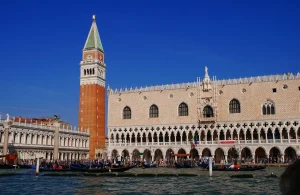
Featured photograph: an authentic image of Venice’s Grand Canal from Wikimedia Commons. The image illustrates the destination and is not presented as a photograph taken in November 2026.
Explore related Venice stories
To put this subject into a wider Venetian context, explore how Venice changes through the seasons, a local guide to Venice in the fall, authentic Venice experiences beyond the main sights and private ways to explore Venice at your own pace. Each offers a complementary perspective on the city’s history, daily life, or cultural heritage.
More useful Venice reading
Continue with a relaxed afternoon in Cannaregio. These complementary guides help connect the topic to a broader Venice visit.
Frequently Asked Questions
Is November a good time to visit Venice, Italy?
Yes, for travelers who prefer museums, quieter walks, and a slower pace. Expect shorter days and changeable weather, and check official tide forecasts before and during your visit.
Is Venice less crowded in November?
Some neighborhoods and attractions can feel calmer than in peak summer, but Venice is not empty. Weekends, major landmarks, and events can still attract crowds, so avoid assuming every site will be quiet.
Can you visit Murano and Burano in November?
Yes, subject to public transport and individual business schedules. Check ACTV departures, weather conditions, and the opening hours of any glass workshop, museum, or restaurant you plan to visit.