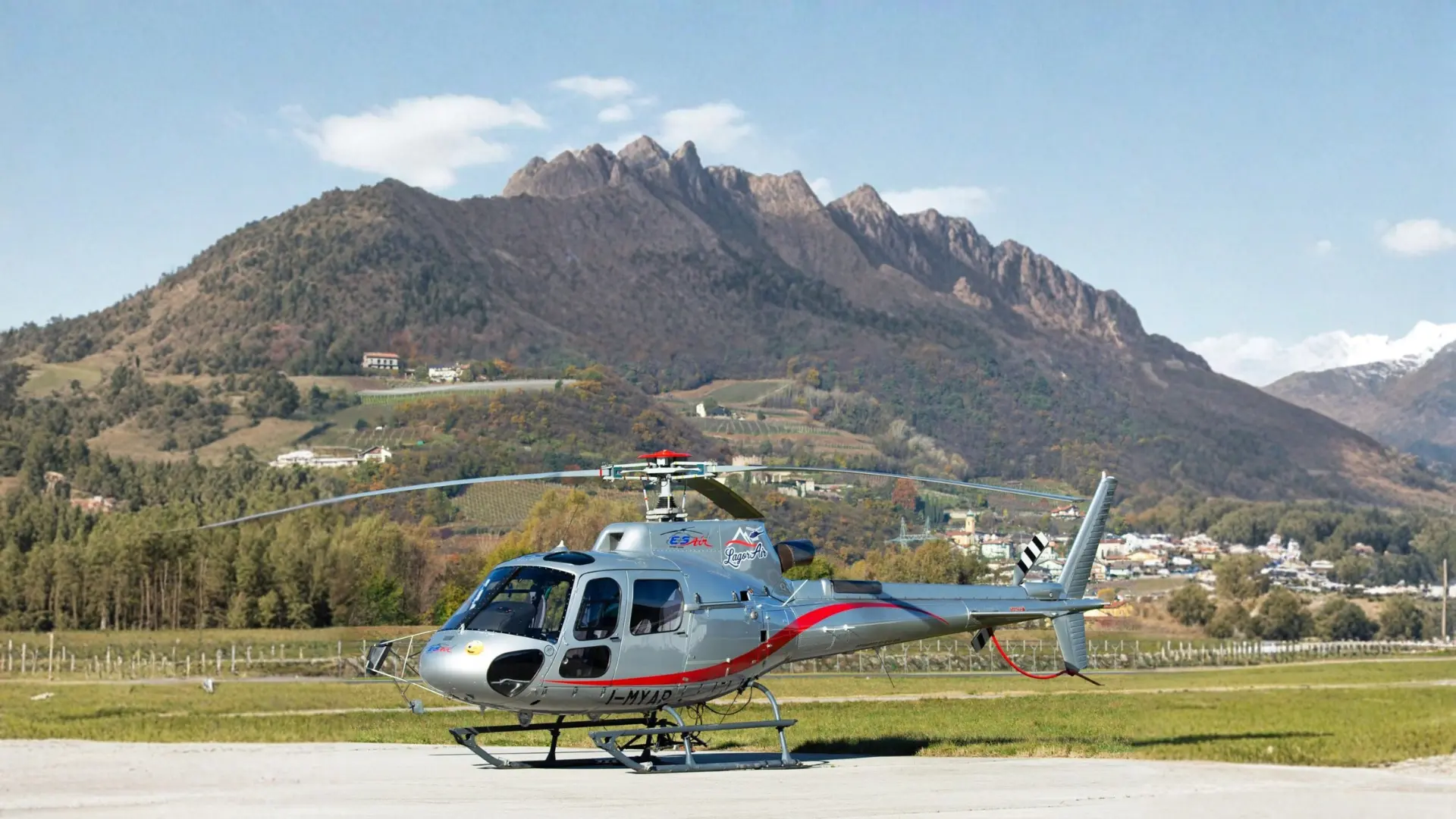
“Can you fly from Venice to the Dolomites by helicopter? Is there a day trip combining the Biennale with mountain scenery? How long does it take to reach the Dolomites from Venice by air?”
These questions appear from travelers attending the Venice Biennale who realize they have extraordinary proximity to one of Europe’s most spectacular mountain ranges — wanting to maximize limited Italian time by experiencing both world-class contemporary art and UNESCO World Heritage Alpine landscapes, seeking the ultimate luxury day trip, or simply discovering that helicopter access transforms impossible ground logistics into seamless aerial journey.
The honest answer: A private helicopter day trip from Venice to the Dolomites during Biennale season creates genuinely extraordinary experience — departing from Venice after morning pavilion visits, flying 45-60 minutes north over Veneto plains and Alpine foothills into dramatic limestone peaks, landing at mountain refuge or resort for lunch and exploration, returning to Venice for evening Biennale events, all while experiencing aerial perspective on Northern Italy’s stunning geographic transformation from sea-level lagoon to 3,000-meter Alpine summits.
After 28 years coordinating luxury Venice and Veneto experiences — arranging helicopter tours throughout the region, understanding optimal Dolomites destinations for different seasons and interests, experiencing how aerial access transforms multi-hour ground drives into brief scenic flights, working with travelers who want to maximize their Biennale visit while experiencing Italy’s broader geographic and cultural diversity — I know that Venice-to-Dolomites helicopter day trips represent peak luxury travel combining contemporary art pilgrimage with natural wonder in ways impossible through conventional tourism.
The fundamental realities most travelers miss:
The Dolomites (Dolomiti in Italian) are UNESCO World Heritage mountain range in northeastern Italy, approximately 100-150 kilometers from Venice as the helicopter flies, featuring distinctive pink-hued limestone peaks, dramatic vertical formations, Alpine meadows, and mountain culture completely different from Venice’s water-based urbanism.
Ground transportation from Venice to prime Dolomites destinations requires 2.5-3.5 hours each way (5-7 hours round-trip driving) making day trips logistically challenging and time-consuming, whereas helicopter flights reach the same destinations in 45-60 minutes each way creating viable single-day itineraries.
The Biennale’s six-month duration (May-November, odd-numbered years) overlaps perfectly with Dolomites accessibility — spring through autumn provide optimal mountain conditions for hiking, dining, photography, and Alpine experiences versus winter when higher elevations require specialized equipment and activities.
Combining Biennale contemporary art with Dolomites natural beauty creates profound contrast revealing Italy’s extraordinary diversity — from Venetian Renaissance architecture housing cutting-edge installations to raw Alpine geology shaped by ancient seas and tectonic forces.
This is the completely honest Venice-Dolomites helicopter guide — explaining what you actually experience during the flight and mountain visit, revealing optimal Dolomites destinations for day-trip itineraries, describing how to integrate this extraordinary excursion with Biennale visiting, addressing the complete logistics and customization options, and helping you decide whether this represents ultimate Italian day trip or expensive distraction from focused Biennale engagement.
The Flight Experience: What You See From Venice to the Dolomites
Understanding the aerial journey’s geographic and visual progression.
Departure from Venice:
Takeoff from Nicelli Airport (Lido) or Marco Polo Airport, immediate aerial views of the Venetian lagoon, Venice’s complete island geography visible below, the barrier islands protecting the city from Adriatic Sea.
Initial perspective on your morning’s Biennale experience:
- The Giardini pavilions visible as tree-lined cultural zone on Venice’s eastern edge
- The massive Arsenale shipyard complex where you explored contemporary installations hours earlier
- The complete spatial context of how the Biennale integrates into Venice’s urban fabric
The symbolic transition — leaving behind human-made artistic achievement (contemporary Biennale installations) to witness natural geological artistry (Dolomites formations sculpted by 250 million years of tectonic activity and erosion).
The Veneto Plain Crossing (First 15-20 Minutes):
Flying north-northwest from Venice, crossing the flat agricultural plain (Pianura Veneto) that extends from the Adriatic coast to the Alpine foothills.
What you observe below:
Agricultural patterns — geometric fields, vineyard rows, irrigation canals, the intensively cultivated landscape feeding Northern Italy’s population.
Historic towns — Treviso (medieval walls still visible, birthplace of tiramisù), Conegliano and Valdobbiadene (UNESCO Prosecco Hills appearing as rolling vine-covered slopes), Vittorio Veneto, Belluno.
The Piave River — major waterway flowing from Dolomites to Adriatic, following its course upstream toward the mountains, historically significant as WWI battleground (the river features in Hemingway’s A Farewell to Arms).
Villa Barbaro and Palladian architecture — if routing passes near Maser, seeing Andrea Palladio’s Renaissance villa masterpieces from above, understanding how these aristocratic country estates related to their agricultural landscapes.
The gradual elevation change — watching the completely flat lagoon plain begin gentle undulation as foothills emerge, the landscape transitioning from sea-level rice paddies and corn fields to higher-elevation pastures and forests.
The Foothills Transition (Minutes 20-30):
The geography transforms dramatically as you approach the Pre-Alps (Prealpi Venete), the preliminary mountain ranges preceding the main Dolomites.
Visual changes:
Forests replace fields — dense deciduous and coniferous woodlands covering hillsides, the agricultural landscape giving way to natural wilderness.
Villages become Alpine — architecture shifts from Venetian-influenced lowland style to mountain chalets with wooden balconies, stone foundations, steep roofs designed for snow load.
First real peaks appear — the Venetian Prealps (Monte Grappa particularly prominent) rising 1,500-1,800 meters, providing preview of the dramatic elevation ahead.
Valleys deepen — rivers cutting through limestone, the gorges and canyons revealing the erosive power that shaped this landscape over millennia.
Entering the Dolomites (Minutes 30-45):
The moment of transformation — the distinctive Dolomite peaks suddenly visible ahead, their characteristic pale pink-grey limestone creating instantly recognizable silhouettes against the sky.
What makes the Dolomites visually unique:
The vertical pale walls — dramatic near-vertical cliff faces rising hundreds of meters, the dolomite rock (a calcium magnesium carbonate) giving the characteristic light coloration completely different from darker granite Alps.
The sculptural formations — torres (towers), needles, pinnacles, walls that appear almost architectural in their geometric precision, created by differential erosion of layered sedimentary rock.
The color shifts — the famous enrosadira (alpenglow) visible particularly at sunrise and sunset when the limestone takes on intense pink-orange tones, though even midday light creates subtle warm hues.
The scale revelation — peaks rising to 2,500-3,300+ meters (8,000-11,000 feet), the absolute elevation and vertical relief becoming viscerally apparent from aerial perspective.
Specific iconic formations becoming recognizable (depending on routing):
- Tre Cime di Lavaredo (Three Peaks) — perhaps the most photographed Dolomite formation, three distinctive towers
- Marmolada — the highest Dolomite peak (3,343m / 10,968ft), glacier-capped
- Civetta — massive northwest wall, one of the great Alpine faces
- Pelmo and Croda da Lago — distinctive isolated peaks
- Cortina d’Ampezzo basin — surrounded by dramatic peaks, site of 1956 Winter Olympics
The Geological Story Visible From Above:
What the helicopter perspective reveals that ground-level observation cannot:
The layered sedimentary structure — horizontal stratification visible in cliff faces, each layer representing ancient seabed deposits from when this region was tropical ocean 250 million years ago.
The coral reef origins — the Dolomites formed from massive coral reef complexes, visible in the irregular pinnacle-and-tower formations that were once reef structures.
The valley systems — glacial U-shaped valleys carved during ice ages, the rivers and streams continuing erosion today, the relationship between peaks and valleys creating the dramatic relief.
The forest-to-rock transition — treeline visible as sharp boundary between forested lower elevations and bare rock higher slopes, showing the limits of vegetation in harsh Alpine climate.
Prime Dolomites Destinations for Helicopter Day Trips
Understanding which locations provide optimal experiences for limited mountain time.
Cortina d’Ampezzo — The “Queen of the Dolomites”:
Flight time from Venice: 50-60 minutes
Why it’s exceptional:
The setting — Cortina occupies dramatic Alpine basin surrounded by some of the Dolomites’ most spectacular peaks (Tofane, Cristallo, Pomagagnon), creating 360-degree mountain amphitheater visible from town.
The infrastructure — sophisticated resort town with excellent restaurants, luxury hotels, upscale shopping, established tourism services reflecting its status as Italy’s premier mountain destination.
The accessibility — numerous mountain activities reachable from town via cable cars and chairlifts without requiring serious hiking or mountaineering skills.
The cultural cachet — Cortina hosted 1956 Winter Olympics, appeared in James Bond films, attracts international jet-set clientele creating cosmopolitan atmosphere unusual for mountain location.
What you can do during 3-4 hour Cortina visit:
Lunch at mountain refuge — take Freccia nel Cielo cable car to Rifugio Col Druscié (2,050m) or Rifugio Pomedes (2,303m) for traditional Alpine cuisine with panoramic views.
Tofane cable car — ascending to 3,244m on Monte Tofana for spectacular 360-degree Dolomite panoramas, potentially including brief via ferrata (protected climbing route) experience if you’re adventurous and equipped.
Town exploration — walking Cortina’s pedestrian center (Corso Italia), visiting Chiesa dei Santi Filippo e Giacomo, browsing boutiques, experiencing the resort atmosphere.
Photography — Cortina’s position creates extraordinary photographic opportunities from multiple vantage points.
Lago di Braies (Pragser Wildsee) — The Iconic Alpine Lake:
Flight time from Venice: 55-65 minutes (depending on specific routing)
Why it’s spectacular:
The visual perfection — emerald-green glacial lake surrounded by dramatic Dolomite peaks, dense forests reaching the shoreline, the quintessential Alpine postcard scene that’s become Instagram-famous.
The accessibility — lake sits at 1,496m elevation with easy flat walking around the shoreline, no serious hiking required to experience the beauty.
The boat experience — traditional wooden rowboats available for rental, allowing on-water perspective of the surrounding peaks.
The relative intimacy — smaller scale than major resort towns, more contemplative natural experience versus bustling tourism infrastructure.
What you can do during 2-3 hour Braies visit:
Lakeside walk — 3.5km easy loop around Lago di Braies taking 60-90 minutes, spectacular views changing with every angle.
Rowing on the lake — renting traditional wooden boat for peaceful on-water experience surrounded by peaks.
Rifugio Lago di Braies — lakeside mountain hut serving traditional South Tyrolean cuisine (speck, polenta, apple strudel), outdoor terrace with direct lake views.
Photography paradise — the reflections, the boat house, the surrounding peaks create endless photographic compositions.
The caveat: Lago di Braies has become extremely popular (particularly via social media), creating substantial crowds during peak summer season. Helicopter access allows early arrival before crowds or late afternoon after day-trippers depart.
Val Gardena and the Sella Group:
Flight time from Venice: 60-70 minutes
Why it’s remarkable:
The Sella Massif — massive limestone plateau (Gruppo del Sella) rising to 3,151m, creating distinctive table-mountain formation visible for dozens of kilometers, one of the Dolomites’ most recognizable landmarks.
The Ladin culture — Val Gardena is heartland of Ladin people (Romance language group predating Italian unification), maintaining distinct cultural identity, language, and traditions.
The summer activities — extensive hiking trail networks, via ferratas, mountain refuges, cable car access to high-altitude locations.
Ortisei town — the main Val Gardena settlement, known for traditional wood carving, pedestrian center, Alpine architecture.
What you can do during 3-4 hour visit:
Seceda cable car — ascending to 2,500m for one of the Dolomites’ most photographed viewpoints, the dramatic ridge with Odle/Geisler peaks creating surreal jagged backdrop.
Mountain refuge lunch — numerous options throughout Val Gardena serving traditional cuisine (canederli dumplings, Kaiserschmarrn, local cheeses).
Brief hiking — even 30-60 minutes on well-maintained trails at elevation provides immersive Alpine experience and spectacular photography.
Tre Cime di Lavaredo (Three Peaks) — The Dolomites Icon:
Flight time from Venice: 60-70 minutes
Why it’s legendary:
The formation — three distinctive limestone towers (Cima Grande 2,999m, Cima Ovest 2,973m, Cima Piccola 2,857m) creating the most recognizable Dolomite silhouette, appearing in countless photographs and films.
The WWI history — the front line between Italian and Austro-Hungarian forces ran through these peaks, with extensive tunnels, fortifications, and via ferratas originally built for military purposes.
The accessible viewing — Rifugio Auronzo (2,320m) reachable by toll road provides close-proximity viewing of the Three Peaks without requiring serious hiking.
The hiking options — the loop trail around the Three Peaks (Sentiero 101) takes 2-3 hours at relatively easy grade, providing constantly changing perspectives on the formation.
What you can do during 3-4 hour visit:
Helicopter landing at or near Rifugio Auronzo — immediate Three Peaks access without the long drive from valley floor.
Partial loop hike — even 60-90 minutes on the trail provides extraordinary close-up views and photo opportunities.
Rifugio lunch — traditional mountain hut cuisine with the Three Peaks dominating the view.
WWI site exploration — remains of trenches, fortifications, and tunnels within easy walking distance.
Marmolada — “Queen of the Dolomites” (The Highest Peak):
Flight time from Venice: 65-75 minutes
Why it’s significant:
The elevation — at 3,343m (10,968ft), Marmolada is the Dolomites’ highest peak, substantially exceeding the surrounding summits.
The glacier — Marmolada still maintains glacier (though dramatically receding due to climate change), the only significant Dolomite glacier remaining.
The cable car — ascending from Malga Ciapela (1,450m) to Punta Rocca (3,265m) in multiple stages, providing access to high-altitude environment without mountaineering.
The panorama — 360-degree views from near the summit encompassing the entire Dolomite range and beyond to Austrian and Swiss Alps on clear days.
What you can do during 3-4 hour visit:
Cable car ascent — reaching 3,265m for extraordinary high-altitude experience and photography.
Museum of the Great War — WWI museum at Serauta station (2,950m) documenting the conflict at extreme altitude.
Brief glacier viewing — observing what remains of the glacier (though access restrictions increase as glacier retreats).
Mountain refuge cuisine — lunch at high altitude with spectacular views.
The Optimal Day-Trip Itinerary: Biennale Morning, Dolomites Afternoon
Understanding how to structure the perfect Venice-Dolomites day during Biennale season.
Sample Itinerary (Customizable to Your Preferences):
7:00-9:30 AM: Morning Biennale Visit
- Early arrival at Giardini pavilions before crowds
- Focus on 3-4 priority national pavilions you most want to see
- Alternatively: Arsenale installations if that’s your preference
- Expert guide coordination available for morning Biennale tour
9:30-10:00 AM: Return to Hotel, Prepare for Mountain Trip
- Change into appropriate footwear (hiking boots or sturdy walking shoes)
- Grab layers for mountain temperature (10-15°C cooler than Venice)
- Pack sunglasses, sunscreen, camera equipment
10:00-10:30 AM: Transportation to Helipad
- Private car service to Nicelli Airport (Lido) or Marco Polo Airport
- Pre-flight briefing, safety procedures, boarding
10:30-11:30 AM: Helicopter Flight to Dolomites
- 50-70 minutes scenic flight (depending on destination)
- Aerial perspective on Veneto plain, Prosecco Hills, Alpine foothills
- First dramatic views of Dolomite peaks
- Pilot commentary explaining geographic features and mountain formations
11:30 AM-3:30 PM: Dolomites Experience (4 Hours Mountain Time)
Option A — Active Experience:
- Cable car to high-altitude viewpoint (30 minutes)
- 90-120 minute moderate hiking on well-maintained trails
- Mountain refuge lunch (60-90 minutes)
- Photography and exploration
Option B — Relaxed Experience:
- Immediate mountain refuge arrival for extended lunch (90-120 minutes)
- Leisurely lakeside or meadow walking (60 minutes)
- Photography and contemplation
- Coffee/aperitivo at second location
Option C — Adventure Experience:
- Via ferrata introduction with guide (2 hours protected climbing)
- Quick mountain refuge lunch (45 minutes)
- Additional cable car or brief hiking
3:30-4:30 PM: Return Helicopter Flight to Venice
- Final mountain views as you depart
- Afternoon light creating different perspective than morning flight
- Transition from Alpine environment back to lagoon flatlands
4:30-5:00 PM: Arrival Venice, Return to Hotel
- Brief rest, change clothes, preparation for evening
6:00-10:00 PM: Evening Biennale Programming
- Collateral exhibition openings, gallery events, curator talks
- Dinner with art world colleagues
- Preview events if during opening week
- Alternatively: Venice evening experiences — bacari culture, sunset views, neighborhood exploration
The perfect day — contemporary art immersion in morning, natural wonder in afternoon, cultural engagement in evening, all seamlessly coordinated without logistical stress.
Alternative Timing: Dolomites Morning, Biennale Afternoon
For early risers who want sunrise in mountains:
6:00 AM: Helicopter departure Venice (sunrise flight) 6:45 AM: Arrive Dolomites as first light hits peaks 7:00-11:00 AM: Mountain experience in perfect morning light, fewer crowds 11:00 AM: Depart Dolomites 12:00 PM: Return Venice 1:00 PM: Lunch in Venice 2:00-7:00 PM: Comprehensive afternoon Biennale visiting with expert guide Evening: Dinner, Biennale events
Advantages: Extraordinary mountain light, empty trails, cooler hiking temperatures, full afternoon for Biennale Disadvantages: Extremely early departure, missing morning Biennale preview events if during opening week
Seasonal Considerations: When the Dolomites Are Most Spectacular
Understanding how timing affects the mountain experience during Biennale season.
Late May – June (Biennale Opening Period):
Mountain conditions:
- Spring transitions to summer at lower elevations
- Higher elevations potentially still have snow (passes may not be fully open)
- Wildflower season beginning in Alpine meadows
- Waterfalls at maximum flow from snowmelt
- Weather variable — mix of sun, clouds, possible rain or even snow above 2,500m
Advantages:
- Fewer crowds than peak summer (July-August)
- Lush green landscapes, fresh spring growth
- Dramatic snow-capped peaks providing high visual contrast
- Coincides with Biennale opening week energy
Disadvantages:
- Some high-altitude cable cars may not yet operate full schedules
- Hiking trails at highest elevations potentially snow-covered
- Weather less stable than mid-summer
July – August (Peak Summer):
Mountain conditions:
- All cable cars, refuges, trails fully operational
- Warmest temperatures, most stable weather
- Highest crowds, especially at famous locations (Tre Cime, Lago di Braies)
- Longest daylight hours for extended experiences
- Alpine flowers at peak bloom
Advantages:
- Guaranteed access to all facilities and routes
- Best weather probability
- Warm enough for swimming in some mountain lakes
- Vibrant Alpine summer atmosphere
Disadvantages:
- Substantial crowds at popular destinations
- Higher refuge and hotel prices
- Some trails can feel overcrowded
- Glaciers and snow features most diminished
September – Early October (Autumn):
Mountain conditions:
- Autumn colors transforming larch forests to golden yellow
- Excellent weather stability (often clearer than summer)
- Dramatically reduced crowds after summer season ends
- Cooler temperatures, potential first snow on highest peaks
- Some facilities beginning to reduce hours or close for season
Advantages:
- Spectacular autumn foliage (especially late September)
- Clear, crisp air providing exceptional visibility and photography
- Far fewer tourists than summer
- Pleasant temperatures for hiking
Disadvantages:
- Some cable cars operate reduced schedules or close by early October
- Shorter daylight hours
- Potential for sudden weather changes
- Refuges may close for season (verify operating dates)
Late October – November (Late Biennale Season):
Mountain conditions:
- Approaching winter, significant snow possible at any elevation
- Most summer facilities closed
- Very short days (sunset by 5:00 PM in November)
- Transition period before ski season begins
Advantages:
- Dramatic winter scenery beginning
- Complete solitude at most locations
- Potentially spectacular early snow conditions for photography
- Coincides with Biennale closing period
Disadvantages:
- Very limited facility operations
- Serious weather unpredictability
- Cold temperatures requiring substantial warm clothing
- Some helicopter routing may be restricted by conditions
Optimal overall timing: Late May-June for spring beauty and fewer crowds, July-August for guaranteed access and activities, September for autumn colors and excellent weather, early October maximum before seasonal closures begin.
What the Day Trip Actually Costs (Investment Reality)
Understanding the complete financial picture for this extraordinary experience.
The Helicopter Component:
Every Venice-Dolomites helicopter tour is completely customized based on:
- Specific Dolomites destination (Cortina, Braies, Tre Cime, etc.)
- Flight duration and routing
- Helicopter type and passenger capacity
- Landing fees at mountain locations
- Waiting time while you’re exploring (helicopter and pilot remain)
- Return flight logistics and timing
We design pricing individually after understanding your specific preferences, group size, desired mountain activities, and timing requirements.
Additional Day-Trip Components:
Mountain refuge lunch — Traditional Alpine cuisine at mountain huts ranges €15-40 per person depending on location and menu selections
Cable car tickets — If incorporating cable car access to high viewpoints: €25-50 per person for major lifts (included in some customized packages)
Via ferrata guided experience — If adding protected climbing routes with certified mountain guide: separately priced based on route difficulty and duration
Photography guide — Professional photographer accompanying for optimal shot locations and techniques: available as add-on
Ground transportation — Private car service Venice hotel to/from helipad: included in comprehensive packages or separately arranged
The Complete Customized Package Approach:
Rather than itemized pricing, we offer comprehensive customized experiences including:
- Private helicopter round-trip Venice-Dolomites
- All landing fees and permits
- Expert pilot familiar with Dolomites routing
- Coordinated timing with your Biennale schedule
- Mountain activity recommendations and reservations
- Ground transportation coordination
- Weather monitoring and backup date if needed
- Complete logistics management
We design each experience individually based on your group size, specific interests (hiking vs. relaxed vs. adventure), photography priorities, dining preferences, and integration with your overall Venice Biennale visit.
Combining Multiple Extraordinary Experiences: The Ultimate Biennale Week
Understanding how Venice-Dolomites helicopter day trip integrates into comprehensive Northern Italy luxury program.
The 5-Day Ultimate Biennale and Beyond Itinerary:
Day 1: Biennale Immersion
- Morning Giardini pavilion tour with art expert
- Afternoon Arsenale installations
- Evening opening reception or gallery event
- Dinner with curator/artist insights
Day 2: Venice from Above, Then Dolomites
- Morning helicopter tour over Biennale venues and Venice
- Transition to extended Dolomites helicopter day trip
- Return for evening Biennale programming
Day 3: Prosecco Hills Wine Experience
- Helicopter to UNESCO Prosecco Hills
- Winery visits, tastings, vineyard tours
- Lunch at historic wine estate
- Evening return to Venice for Biennale events
Day 4: Deep Biennale Engagement
- Collateral exhibitions throughout Venice palazzos
- Private tours of non-public collections
- Artist studio visits (coordinated based on Biennale participants)
- Exclusive dinner experience
Day 5: Venetian Culture Synthesis
- Morning artisan workshop experiences (glass, mask, textiles)
- Authentic bacari culture and food immersion
- Final Biennale pavilion visits
- Farewell dinner at historic Venetian restaurant
The comprehensive approach — integrating helicopter adventures, contemporary art, natural beauty, wine culture, traditional crafts, and culinary experiences into cohesive Northern Italy luxury program.
Alternative: Weekend Intensive
Friday Evening: Arrive Venice, settle in, neighborhood exploration Saturday: Full Biennale day (Giardini morning, Arsenale afternoon, evening events) Sunday: Venice-Dolomites helicopter day trip, return for final Venice evening Monday Morning: Departure
The intensive weekend — maximum experience in minimal time for travelers with limited vacation days.
Who This Experience Actually Serves
Understanding whether Venice-Dolomites helicopter day trip matches your priorities.
Ideal For:
Biennale VIPs seeking complete Italian experience — art collectors, museum professionals, serious art enthusiasts who want to maximize their Northern Italy time experiencing both contemporary culture and natural wonder.
Luxury travelers wanting extraordinary diversity — those who appreciate combining urban sophistication with Alpine wilderness, contemporary art with timeless geology, curated exhibitions with raw natural beauty.
Photography professionals and enthusiasts — the contrast between Venice’s water-based urbanism and Dolomites’ vertical geology, the Biennale’s contemporary installations and mountain landscapes, provides extraordinary diverse portfolio opportunities.
Active travelers with cultural interests — people who want hiking and outdoor activity but also deeply engage with art and culture, rejecting false choice between physical adventure and intellectual stimulation.
Special occasion celebrations — once-in-lifetime trips, milestone birthdays, anniversaries where extraordinary experiences create lasting memories.
Time-limited VIPs — executives, diplomats, celebrities with extremely restricted Italian schedules wanting comprehensive Northern Italy experience impossible through conventional ground logistics.
Groups sharing exclusive experiences — families, friend groups, colleagues creating shared adventures beyond standard tourism.
Less Suitable For:
Exclusive Biennale devotees — if you want absolute maximum art engagement spending 10+ hours daily in pavilions and exhibitions, the Dolomites day trip reduces Biennale time (though many serious art professionals appreciate the contrast and perspective shift).
Budget-conscious travelers — helicopter day trips represent significant luxury investment; many excellent ways to experience both Venice Biennale and Dolomites exist through conventional ground transportation and guide services.
People uncomfortable with flying or heights — helicopters and mountain elevations create unavoidable exposure.
Those wanting extended mountain immersion — single day provides meaningful Dolomites experience but not deep Alpine engagement; serious hikers and climbers need multi-day mountain stays.
Environmental purists — helicopter operations consume substantial resources; environmentally-conscious travelers may prefer ground alternatives.
Book Your Customized Venice Biennale to Dolomites Helicopter Experience
If you want to combine contemporary art pilgrimage with Alpine natural wonder — experiencing the Biennale’s cutting-edge installations and the Dolomites’ 250-million-year geological drama in single extraordinary day — we coordinate completely customized helicopter experiences.
Every detail is personalized:
- Specific Dolomites destination selection based on your interests (dramatic peaks, Alpine lakes, hiking opportunities, via ferrata adventure, photography priorities)
- Optimal routing and timing coordinated with your Biennale schedule and mountain activity preferences
- Mountain experience design — active hiking, relaxed contemplation, adventure climbing, photography-focused, gourmet dining emphasis
- Seasonal optimization — spring wildflowers, summer accessibility, autumn colors, early winter drama
- Integration with comprehensive Biennale program including expert pavilion tours, curator insights, artist access
- Multi-day luxury itineraries combining helicopter adventures with Venice cultural immersion
- Complete logistics coordination — ground transportation, mountain reservations, weather monitoring, backup planning
Our consultation process:
- Understanding your vision — Biennale priorities, outdoor activity level, photography interests, timing constraints, group composition
- Custom proposal — specific Dolomites destination, detailed itinerary, mountain activities, integration with Biennale schedule
- Refinement — adjusting based on your feedback, weather considerations, specific interest areas
- Confirmation — coordinating helicopter operators, mountain reservations, Biennale guide services, complete logistics
- Pre-trip briefing — detailed preparation including what to wear, what to bring, photography tips, mountain safety
- Seamless execution — everything coordinated so you simply enjoy the extraordinary experience
- Post-trip follow-up — ensuring satisfaction, additional recommendations
Our 28 years coordinating luxury Venice and Veneto experiences means we know the best Dolomites destinations for different interests and seasons, work with the most professional helicopter operators and mountain guides, understand how to integrate aerial adventures with comprehensive Biennale cultural programs, and can create seamless extraordinary days impossible through conventional tourism.
This represents peak luxury travel — combining world-class contemporary art with UNESCO World Heritage natural wonder, Venice’s water-based urbanism with Alpine verticality, human creativity with geological time, all accessed through exclusive helicopter transportation creating experiences unavailable to standard tourism.
Understanding the Complete Northern Italy Context
For Biennale helicopter tours: Venice Biennale aerial perspectives and contemporary art spatial understanding.
For ground-level Biennale: Expert guided pavilion tours with curatorial insights and artist access.
For Venice cultural depth: How Venetians actually live, neighborhood exploration, bacari culture.
For artisan traditions: Hands-on workshops in glass, masks, textiles, traditional crafts.
For practical planning: How many days you need, optimal timing, seasonal considerations.
For comprehensive experiences: All luxury tour options from aerial perspectives to intimate cultural immersion.
Venice Biennale to Dolomites Helicopter Day Trip Combines Contemporary Art with Alpine Natural Wonder — Departing Venice After Morning Pavilion Visits, Flying 50-70 Minutes Into UNESCO Heritage Mountains, Landing for Hiking and Dining, Returning for Evening Biennale Events
After 28 years coordinating luxury Northern Italy experiences and being featured by Rick Steves, NBC, and US Today, I know Venice-to-Dolomites helicopter day trips create genuinely extraordinary experiences — the aerial journey reveals Italy’s dramatic geographic transformation from sea-level lagoon through agricultural plains and foothills into vertical limestone peaks rising 3,000+ meters, mountain time provides hiking on well-maintained trails with spectacular views or relaxed refuge dining surrounded by iconic formations (Tre Cime, Marmolada, Cortina basin, Lago di Braies), and return to Venice allows evening Biennale engagement creating perfect day combining human artistic achievement with natural geological drama. Optimal timing includes morning Biennale pavilion visits, midday helicopter departure, 4 hours mountain immersion, late afternoon return, evening cultural programming, all completely customized based on your activity level, photography priorities, dining preferences, and Biennale schedule. The experience serves art collectors wanting comprehensive Italian diversity, luxury travelers appreciating extraordinary contrasts, photographers seeking varied portfolio opportunities, and active cultural enthusiasts rejecting false choices between outdoor adventure and artistic engagement. Every detail is personalized — destination selection, routing, mountain activities, Biennale integration, multi-day luxury programming. Contact us for consultation designing the ultimate Venice Biennale and Dolomites helicopter experience. Let’s create extraordinary days combining contemporary art pilgrimage with Alpine natural wonder.
Contact us for fully customized Venice-Dolomites helicopter experiences — every element personalized to your vision.
Frequently Asked Questions
How long does the helicopter flight from Venice to the Dolomites actually take, and what do you see during the journey?
Flight duration is 50-70 minutes each way depending on specific Dolomites destination — Cortina d’Ampezzo approximately 55 minutes, Lago di Braies 60 minutes, Tre Cime di Lavaredo 65 minutes, with variations based on routing, weather, and air traffic. The aerial journey itself provides extraordinary geographic experience: departing from Venice lagoon with Biennale Giardini and Arsenale visible below, crossing the flat Veneto agricultural plain seeing geometric field patterns and historic towns (Treviso, Conegliano, Vittorio Veneto), following the Piave River upstream through UNESCO Prosecco Hills where rolling vine-covered slopes replace flatlands, entering Alpine foothills as forests replace fields and valleys deepen, then the dramatic transformation as distinctive pale Dolomite peaks suddenly appear with their characteristic vertical limestone walls, sculptural towers, and pink-grey coloration creating instantly recognizable silhouettes. The helicopter perspective reveals the complete geographic transition from sea-level water-based urbanism through intensive agriculture into raw Alpine geology impossible to appreciate from ground-level car journey where you’re focused on driving rather than observing. Pilot provides commentary explaining features, geological history, and mountain formations throughout the flight. The return journey offers different perspective with afternoon light creating altered shadows and colors versus morning flight, synthesizing your mountain experience as the Dolomites recede and Venice lagoon reappears on the horizon.
Is one day enough to experience the Dolomites, or do you need to stay overnight in the mountains?
Single-day helicopter visit provides genuinely meaningful Dolomites experience — 4-5 hours of mountain time allows cable car ascent to high-altitude viewpoints with spectacular 360-degree panoramas, 60-120 minutes of moderate hiking on well-maintained trails experiencing Alpine environment directly, traditional mountain refuge lunch with local cuisine and stunning views, photography capturing iconic formations and landscapes, and visceral appreciation of the Dolomites’ scale and beauty that transforms them from abstract concept into lived experience. However, single day obviously cannot provide deep Alpine immersion — serious multi-hour hikes accessing remote locations, via ferrata routes requiring 3-4+ hours, sunrise and sunset photography at optimal golden-hour timing, experiencing the mountain transition from day to evening to night, staying at historic mountain refuges, or developing intimate connection with specific valleys and peaks all require overnight stays. The choice depends on your priorities: If you’re primarily in Italy for the Venice Biennale and want to add extraordinary mountain dimension without sacrificing Biennale time, the helicopter day trip delivers maximum Dolomites experience in minimum time commitment. If mountains are co-equal priority with contemporary art, consider splitting your Italian visit between 2-3 days focused Biennale engagement and 2-3 days comprehensive Dolomites immersion with overnight mountain stays. We can coordinate both approaches — helicopter day trips during Biennale season or multi-day Dolomites programs with luxury mountain accommodations, expert hiking guides, and comprehensive Alpine experiences.
What should I wear and bring for a Venice-to-Dolomites helicopter day trip, and can I do this during the Biennale without special gear?
You can absolutely experience the Dolomites helicopter day trip without specialized mountaineering equipment — we design mountain activities matching your gear and capabilities rather than requiring you to acquire technical equipment for single-day visit. Essential items: Sturdy walking shoes or hiking boots with good traction (the single most important item — mountain trails are uneven and potentially steep), layered clothing as temperature drops 10-15°C from Venice to mountain elevations (light jacket, fleece or sweater, long pants even if Venice is warm), sunglasses and sunscreen (Alpine sun is intense at elevation), small backpack for carrying layers and purchases, camera equipment if photography is priority, hat for sun protection. Optional but valuable: Trekking poles if you have knee concerns, lightweight rain jacket as mountain weather can change quickly, water bottle though mountain refuges sell beverages. What you DON’T need: Mountaineering boots, crampons, ice axes, ropes, specialized climbing gear, camping equipment — we route experiences to accessible locations with infrastructure (cable cars, maintained trails, mountain refuges) where normal outdoor clothing suffices. The practical approach: Pack hiking boots in your Venice luggage, wear them for the mountain day, return to regular shoes for Biennale visiting. We provide detailed pre-trip guidance customized to your specific mountain itinerary — if you’re doing relaxed lakeside walking at Lago di Braies you need less technical gear than if you’re attempting via ferrata climbing routes, and we ensure you know exactly what to bring based on planned activities, season, and weather forecast.