“Can you fly from Venice to the Prosecco Hills by helicopter? Is there a wine tour combining the Biennale with Prosecco tasting? How do you see the UNESCO vineyards from above?”
These questions appear from travelers attending the Venice Biennale who discover they’re extraordinarily close to one of Italy’s most beautiful wine regions — wanting to maximize their Northern Italy visit by experiencing both world-class contemporary art and UNESCO World Heritage vineyard landscapes, seeking luxury wine experiences beyond standard tours, or simply realizing that helicopter access transforms the Prosecco Hills from distant destination into viable half-day excursion.
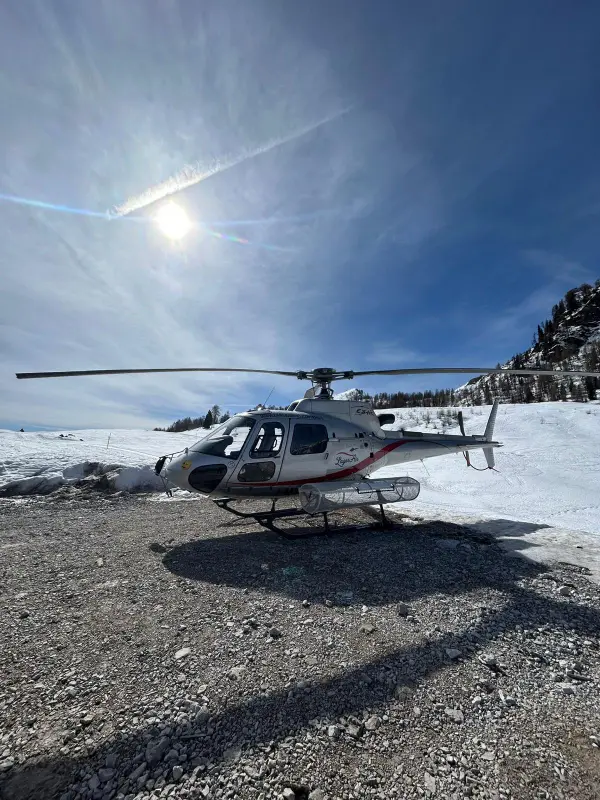
The honest answer: A private helicopter tour from Venice to the Prosecco Hills during Biennale season creates exceptional experience — departing from Venice after morning pavilion visits, flying 30-40 minutes northeast over Veneto countryside into rolling vine-covered hills, viewing the geometric vineyard patterns creating distinctive UNESCO landscape from aerial perspective, landing at prestigious wineries for tastings and tours, experiencing traditional Prosecco production methods, and returning to Venice for afternoon Biennale events or evening gallery openings, all while discovering that Italy’s premier sparkling wine region sits practically on Venice’s doorstep.
After 28 years coordinating luxury Venice and Veneto experiences — arranging helicopter tours throughout the region, developing relationships with family-owned Prosecco producers who welcome serious wine enthusiasts, understanding how aerial perspective reveals the UNESCO vineyard landscape’s extraordinary beauty, working with Biennale visitors who want comprehensive Northern Italy cultural experiences beyond contemporary art alone — I know that Venice-to-Prosecco helicopter tours create genuinely memorable days combining artistic sophistication with agricultural tradition in ways standard wine bus tours cannot approach.
The fundamental realities most travelers miss:
The Prosecco Hills (Colline del Prosecco di Conegliano e Valdobbiadene) achieved UNESCO World Heritage status in 2019 for their distinctive cultural landscape where viticulture has shaped geography, architecture, and community for centuries, creating the rolling vine-covered slopes producing Italy’s most famous sparkling wine.
The region sits only 50-60 kilometers north of Venice — close enough that helicopter flights require just 30-40 minutes versus 90+ minute drives through traffic, transforming Prosecco Hills from full-day commitment into viable half-day luxury excursion perfectly integrated with Biennale visiting schedules.
The Biennale season (May-November, odd-numbered years) coincides perfectly with Prosecco production cycles — spring brings vine flowering and green landscape growth, summer shows full canopy development, autumn delivers harvest activity and spectacular golden foliage as leaves change before winter dormancy.
Experiencing the Prosecco Hills from helicopter perspective reveals the landscape’s UNESCO-recognized beauty in ways ground-level visits cannot — the geometric vineyard patterns following hillside contours, the relationship between cultivation and natural topography, the historic villages (Valdobbiadene, Conegliano, Asolo) nestled among vines, the complete visual understanding of why this landscape merited World Heritage designation.
This is the completely honest Prosecco Hills helicopter guide — explaining what you actually see from aerial perspective and experience at wineries, revealing which producers provide exceptional visits beyond commercial tasting rooms, describing how to integrate wine country excursions with Biennale schedules, addressing complete logistics and customization options, and helping you decide whether this represents the perfect Biennale complement or unnecessary distraction from focused contemporary art engagement.
The Flight Experience: Venice to Prosecco Hills from Above
Understanding what the aerial journey reveals about Veneto geography and viticulture.
Departure from Venice:
Takeoff from Nicelli Airport (Lido) or Marco Polo Airport, immediate views of the Venetian lagoon, Venice’s complete island geography visible below with Biennale venues identifiable on the eastern edge.
The symbolic transition — leaving behind Venice’s water-based urbanism and contemporary art installations to witness agricultural landscape where human cultivation has shaped terrain for centuries, from cutting-edge Biennale exhibitions to traditional wine production methods maintaining techniques dating back generations.
The Veneto Plain Crossing (First 10-15 Minutes):
Flying north-northeast from Venice, crossing the flat alluvial plain extending from the Adriatic coast toward the Alpine foothills.
What you observe below:
Agricultural patterns — geometric fields growing corn, soybeans, wheat creating patchwork landscape, irrigation canals dating from Venetian Republic’s agricultural development programs, the intensive cultivation feeding Northern Italy.
The Piave River — major waterway flowing south from the Alps to the Adriatic, historically significant as WWI front line (features in Hemingway’s A Farewell to Arms), now providing irrigation for agricultural plain.
Historic towns — Treviso (medieval walls still visible, birthplace of tiramisù, important historic center) appearing as compact urban island in agricultural sea, smaller settlements scattered across the plain.
The gradual elevation change — watching the completely flat lagoon plain begin gentle undulation, the landscape rising almost imperceptibly as you approach the Pre-Alps.
Entering the Prosecco Hills (Minutes 15-25):
The landscape transforms as flat agricultural plain gives way to distinctive rolling hills.
The visual shift:
Hills emerge from flatlands — the gentle slopes rising 200-400 meters above the plain, creating undulating terrain completely different from Venice’s sea-level existence.
Vineyards become dominant — the geometric patterns of vine rows following hillside contours, creating distinctive linear striping across the landscape visible only from aerial perspective.
The UNESCO landscape reveals itself — understanding why this specific geography merited World Heritage designation: the harmonious integration of viticulture and natural topography, the historic settlement patterns with villages positioned strategically among vineyards, the visual beauty created by centuries of agricultural shaping.
Forest-to-vineyard transitions — hilltops often maintain wooded areas while slopes are cultivated, creating natural borders and biodiversity corridors, the relationship between productive landscape and preserved natural zones.
The Prosecco Heartland (Minutes 25-40):
Approaching Conegliano and Valdobbiadene, the two historic towns anchoring the Prosecco production zone.
What becomes visible:
The twin Prosecco capitals:
- Conegliano — western anchor, historic town with medieval castello, wine school (Scuola Enologica founded 1876, Italy’s oldest), the more urban sophisticated center
- Valdobbiadene — eastern anchor, smaller more rural character, surrounded by premier vineyard sites (Cartizze particularly), the heart of traditional production
The Cartizze zone — small steep-sloped area (107 hectares total) producing Prosecco Superiore di Cartizze, the most prestigious designation, visible from above as particularly steep vineyards creating challenging cultivation conditions that yield exceptional grapes.
Individual winery estates — family properties scattered across hillsides, the historic villas and modern production facilities, the relationship between residence and vineyard revealing how winemaking families literally live among their vines.
The strada del Prosecco — the designated wine route winding through hills, connecting villages and wineries, visible as ribbon threading through vineyards.
Asolo — historic hilltop town west of the main Prosecco zone, another DOCG production area (Asolo Prosecco Superiore), medieval architecture creating distinctive skyline, known as “City of a Hundred Horizons” for its panoramic views.
The Geological and Agricultural Story from Above:
What helicopter perspective reveals:
The moraine hills formation — these hills formed from glacial deposits during ice ages, the specific soil composition (mix of clay, sand, limestone) creating ideal Glera grape (Prosecco’s primary variety) growing conditions.
The aspect and slope orientation — south and southeast-facing slopes receive optimal sun exposure, the steepness creating excellent drainage preventing root rot, the relationship between topography and vine health visible in vigor patterns.
The terroir variation — different soil types creating microclimates and flavor profiles, the reason why wines from Cartizze taste different from adjacent areas despite identical grape varieties and production methods.
The cultivation patterns — traditional steep-slope cultivation (some at 45+ degree angles) requiring hand harvest versus flatter mechanizable terrain, the economic and quality trade-offs between difficult traditional sites and easier modern vineyards.
The historic villages — settlement patterns revealing how communities developed around viticulture, the churches and villas financed by Prosecco wealth, the complete integration of wine production into cultural landscape.
What You Experience at Prosecco Wineries
Understanding visits beyond commercial tasting room tourism.
The Family Producer Experience:
We coordinate visits to serious family-owned estates — not mass-market commercial tasting rooms but working wineries where families have produced Prosecco for multiple generations, maintaining traditional methods while incorporating modern quality improvements.
What these visits include:
Vineyard walks with owners or winemakers — walking among vines with people who can explain terroir specifics, point out individual parcels producing grapes for different cuvées, discuss cultivation challenges (weather variability, disease pressure, climate change impacts), and reveal the intimate knowledge accumulated through decades working specific sites.
Production facility tours — seeing the actual equipment where grapes transform into Prosecco: the gentle pressing maintaining delicate flavors, the temperature-controlled tanks for first fermentation, the autoclaves or Charmat method tanks where secondary fermentation creates the bubbles (Prosecco’s defining characteristic), the bottling lines, the aging cellars.
The Prosecco method explanation — understanding how Prosecco production differs from Champagne (secondary fermentation in pressurized tanks versus individual bottles, shorter aging creating fresh fruit-forward character versus complex aged flavors, different philosophies about what sparkling wine should express).
Tastings with context — not just drinking samples but understanding what you’re tasting: the difference between Prosecco DOC (broader designation from Friuli-Venezia Giulia and Veneto), Prosecco Conegliano Valdobbiadene Superiore DOCG (the historic hills production), and Prosecco Superiore di Cartizze DOCG (the most prestigious small zone), the quality indicators (fine persistent bubbles, fresh pear and apple aromatics, balanced acidity, clean finish), pairing traditional foods with different Prosecco styles.
Family history and philosophy — learning how the current generation relates to parents’ and grandparents’ approaches, which traditions they maintain and which they’ve evolved, their perspective on Prosecco’s transformation from local wine to international phenomenon, the challenges and opportunities of UNESCO recognition.
The hospitality dimension — these are working agricultural businesses, not entertainment venues, but serious wine enthusiasts receive genuine welcome into family operations. The visits feel like being hosted by friends who happen to produce world-class wine rather than processed through commercial tourism.
Specific Winery Examples (Representative, Not Exhaustive):
Traditional small producers:
- Family estates producing 30,000-80,000 bottles annually
- Hand-harvesting steep slopes
- Maintaining historic cellars and villas
- Focusing on Superiore DOCG quality over volume
Prestigious larger operations:
- Established names known internationally
- Modern facilities combined with traditional methods
- Extensive vineyard holdings across premier sites
- Professional tasting facilities without losing authenticity
Innovative younger generation:
- Families where children trained in enology and returned to estates
- Combining parents’ traditional knowledge with modern sustainability approaches
- Experimenting with extended aging, different yeasts, organic/biodynamic methods
- Creating distinctive house styles within Prosecco tradition
Historic villas:
- 16th-17th century aristocratic estates converted to wine production
- Architectural significance beyond viticultural interest
- Often including art collections, frescoed interiors, formal gardens
- Combining wine tasting with cultural heritage experience
Beyond Tasting: The Complete Wine Country Experience:
Lunch at historic osteria or winery restaurant — traditional Veneto cuisine paired with Prosecco: risotto al radicchio rosso di Treviso (red radicchio risotto), bigoli pasta with duck ragù, polenta with mushrooms or game, local cheeses (Asiago, Montasio, Casatella Trevigiana), the regional dishes that evolved alongside wine production.
Prosecco and food pairing education — discovering that Prosecco works far beyond the aperitivo stereotype: Brut styles with seafood and light pasta, Extra Dry (slightly sweeter) with prosciutto and melon or Asian cuisine, Dry styles with fruit-based desserts, the versatility that locals understand but international markets often miss.
Meeting other producers — depending on timing and coordination, potentially encountering neighboring winemakers, experiencing the tight-knit community where families have known each other for generations and share both competition and cooperation.
Purchasing directly from source — buying wines unavailable in export markets, accessing library vintages (older bottles from family cellars), obtaining personalized selections and direct shipping where regulations allow.
The Optimal Half-Day Itinerary: Biennale Morning, Prosecco Afternoon
Understanding how to structure the perfect Venice-Prosecco day during Biennale season.
Sample Morning Biennale, Afternoon Wine Itinerary:
7:30-10:30 AM: Morning Biennale Visit
- Early arrival at Giardini pavilions before crowds
- Focus on 4-5 priority national exhibitions
- Alternatively: targeted Arsenale installations if that’s your preference
- Expert guide coordination available for morning Biennale tour providing curatorial insights
10:30-11:00 AM: Return to Hotel, Prepare for Wine Country
- Brief rest, change if desired (though wine country visits don’t require formal dress)
- Ensure camera, sunglasses, light jacket for potential cooler vineyard temperatures
11:00-11:30 AM: Transportation to Helipad
- Private car service to Nicelli Airport (Lido) or Marco Polo Airport
- Pre-flight briefing, safety procedures, boarding
11:30 AM-12:00 PM: Helicopter Flight to Prosecco Hills
- 30-40 minutes scenic flight
- Aerial perspective on Veneto agricultural plain, Treviso, emerging vineyard hills
- First views of UNESCO landscape from above
- Pilot commentary explaining geographic features and viticultural landscape
12:00-3:30 PM: Prosecco Hills Experience (3.5 Hours in Wine Country)
Option A — Single Premier Estate (Deep Dive):
- Helicopter landing at or near major family winery
- Extended vineyard walk with owner or winemaker (45 minutes)
- Comprehensive production facility tour (30 minutes)
- Educational tasting of 6-8 wines with detailed explanations (45 minutes)
- Lunch at winery restaurant or terrace with wine pairings (90 minutes)
- Opportunity for purchasing, additional conversation, photography
Option B — Two Contrasting Wineries:
- First smaller traditional producer visit (vineyard walk, tasting) — 75 minutes
- Short helicopter hop to second location (10 minutes flight)
- Larger established estate or different production philosophy — 75 minutes
- Light lunch at second location or local osteria — 60 minutes
- Experience different scales and approaches to Prosecco production
Option C — Wine Plus Culture:
- Winery visit with tasting — 90 minutes
- Brief Asolo historic center visit (medieval town, panoramic views) — 30 minutes
- Lunch at historic Asolo osteria — 60 minutes
- Second quick winery stop or return direct to Venice — 30 minutes
3:30-4:00 PM: Return Helicopter Flight to Venice
- Final aerial views of vineyard landscape
- Afternoon light creating different shadows and colors than morning flight
- Transition from agricultural hills back to Venice lagoon
4:00-5:00 PM: Return to Hotel, Brief Rest
- Unpack wine purchases, rest, prepare for evening
6:00-10:00 PM: Evening Biennale Programming
- Gallery openings, curator talks, artist presentations
- Collateral exhibition previews
- Dinner with art world colleagues
- Alternatively: Venice evening experiences — bacari culture, neighborhood exploration
The perfect integration — contemporary art engagement, agricultural tradition, wine education, cultural breadth, all seamlessly coordinated without logistical stress.
Alternative: Full-Day Immersive Wine Experience
For serious wine enthusiasts wanting maximum Prosecco immersion:
9:00 AM: Helicopter departure Venice 9:30 AM: Arrive Prosecco Hills 9:45 AM-12:30 PM: First winery (extended vineyard walks, production deep-dive, comprehensive tasting) 12:30-2:00 PM: Lunch at historic villa or countryside restaurant 2:00-4:30 PM: Second and third winery visits 4:30-6:00 PM: Asolo cultural visit or additional vineyard exploration 6:00 PM: Helicopter departure 6:30 PM: Return Venice for late evening Biennale events
Advantages: Maximum wine education and tasting, deeper producer relationships, comprehensive landscape experience, multiple production philosophies Trade-offs: Entire day away from Biennale, substantial wine consumption requires moderation, potentially exhausting full-day schedule
Seasonal Variations: How Timing Affects the Prosecco Experience
Understanding what different Biennale season months reveal in wine country.
Late May – June (Biennale Opening Period):
Vineyard conditions:
- Spring growth phase, vines fully leafed and flowering
- Landscape vibrant green from spring rains
- Weather pleasant for outdoor vineyard walks (18-25°C typical)
- Winemakers assessing potential vintage quality from flowering success
Wine availability:
- Current vintage (previous autumn’s harvest) freshly released
- Older vintages available from family cellars
- Tasting rooms fully operational after winter slowdown
Advantages:
- Beautiful fresh landscape, optimal photography light
- Coincides with Biennale opening week energy and events
- Pleasant weather for extended outdoor time
- Winemakers relaxed before summer tourist peak
Disadvantages:
- Not harvest season (less dramatic activity)
- Some spring weather variability (occasional rain)
July – August (Peak Summer):
Vineyard conditions:
- Full canopy development, vines at maximum green vigor
- Grape clusters visible and developing (veraison/color change in August)
- Warmest temperatures (25-32°C typical)
- Winemakers monitoring weather and grape development closely
Wine availability:
- Full range available
- Tasting rooms at peak operation
- Most wineries open and accessible
Advantages:
- Longest daylight hours allowing extended visits
- Most stable weather
- All facilities fully operational
- Landscape at maximum lushness
Disadvantages:
- Highest tourist season in wine country
- Some wineries crowded with bus tours (we select to avoid this)
- Heat can be intense for midday vineyard walks
- Not harvest season yet
September – Early October (Harvest Season):
Vineyard conditions:
- Active harvest (vendemmia) — workers hand-picking grapes on steep slopes
- Winery production facilities operating full-capacity processing fruit
- Atmosphere of productive intensity and seasonal culmination
- Autumn colors beginning in early October
Wine availability:
- Previous vintage still available
- New vintage being produced but not yet ready for tasting
- Potential for tasting freshly-pressed must (grape juice before fermentation)
Advantages:
- Witnessing actual harvest — most exciting wine country timing
- Active production facility operations to observe
- Winemakers’ infectious energy during harvest
- Pleasant September weather, spectacular October foliage
- Fewer tourists than summer peak
Considerations:
- Winemakers extremely busy (visits require careful coordination)
- Some facilities restricting access during active processing
- Need flexibility as harvest timing varies by weather
Late October – November (Autumn and Biennale Closing):
Vineyard conditions:
- Post-harvest, vines transitioning to dormancy
- Spectacular autumn foliage — leaves turning golden yellow before dropping
- New vintage fermenting in cellars
- Landscape quiet after harvest intensity
Wine availability:
- Previous vintage available
- New vintage not yet ready (still fermenting or just finished)
- Some wineries offering previews of new vintage from tanks
Advantages:
- Stunning autumn colors creating gorgeous photography
- Calm post-harvest atmosphere
- Winemakers have time for extended conversations
- Coincides with Biennale closing events
- Fewer tourists
Disadvantages:
- Cooler weather (10-18°C typical)
- Shorter daylight hours
- Some facilities reducing hours or closing for season
- Landscape less vibrant than spring/summer
Optimal overall timing: September for active harvest excitement, June for beautiful spring landscape and opening week Biennale energy, late September/early October for harvest plus autumn colors, May for fresh green vineyards and pleasant weather.
Understanding Prosecco: What You’ll Learn and Taste
Essential wine knowledge for appreciating your helicopter experience.
The Prosecco Basics:
Primary grape: Glera (minimum 85% required for DOCG wines, often 100%)
Production method: Charmat method (also called Martinotti method, tank method, or metodo italiano) where secondary fermentation creating bubbles occurs in pressurized stainless steel tanks rather than individual bottles (as in Champagne method).
Why tank method: Preserves fresh fruit character (pear, apple, white peach, citrus), creates wines ready to drink young, costs less than bottle fermentation, suits Prosecco’s philosophy of freshness and accessibility.
The quality pyramid:
Prosecco DOC — broad designation covering Friuli-Venezia Giulia and Veneto plains, typically €8-15 retail, acceptable quality but industrial-scale production, what most people drink internationally.
Prosecco Conegliano Valdobbiadene Superiore DOCG — the historic hills, stricter regulations, higher quality standards, typically €12-25 retail, what serious Prosecco enthusiasts seek.
Prosecco Superiore di Cartizze DOCG — small 107-hectare zone on steep slopes near Valdobbiadene, the most prestigious designation, typically €20-40+ retail, often slightly sweeter (Extra Dry style) with exceptional richness.
Rive designations — single-vineyard or small sub-zone Prosecco indicating specific terroir, additional quality indicator within DOCG, showing vintage year (most Prosecco is non-vintage blends).
The Sweetness Levels (Often Misunderstood):
Brut — driest style, 0-12 g/L residual sugar, crisp and refreshing, excellent with food, increasingly popular
Extra Dry — despite name, actually slightly sweet, 12-17 g/L residual sugar, traditional Prosecco style, most common
Dry — confusingly sweeter than Extra Dry, 17-32 g/L residual sugar, noticeably sweet, paired with desserts or enjoyed as digestif
Quality Indicators to Recognize:
Fine persistent bubbles (perlage) — small bubbles rising continuously indicate proper production and fresh wine
Aromatic complexity — beyond simple pear/apple, detecting white flowers, citrus zest, almond notes
Clean finish — no cloying sweetness, appropriate acidity balancing fruit
Integration — bubbles, fruit, acidity, sweetness (if present) working harmoniously
Food Pairing Discoveries:
Aperitivo classics: Prosecco with prosciutto di San Daniele, Asiago cheese, marinated vegetables
Seafood excellence: Raw oysters, grilled fish, seafood risotto, shrimp scampi
Unexpected pairings: Sushi and Japanese cuisine (the delicate bubbles and fruit work beautifully), spicy Thai or Chinese food (slight sweetness balances heat), fried foods (acidity cuts richness)
Regional Veneto cuisine: Bigoli pasta, sarde in saor (sweet-sour sardines), baccalà mantecato (whipped salt cod), tiramisù (with Dry Prosecco for dessert pairing)
Who Prosecco Hills Helicopter Tours Actually Serve
Understanding whether this experience matches your interests.
Ideal For:
Wine enthusiasts attending Biennale — serious wine lovers who want to maximize Italian cultural experiences beyond contemporary art alone, appreciating both human artistic achievement and agricultural tradition.
Biennale VIPs with limited time — art collectors, museum professionals, critics who want comprehensive Northern Italy experience impossible through conventional ground logistics separating wine country and Venice visiting.
Luxury travelers seeking diverse experiences — those who appreciate combining urban sophistication (Venice Biennale) with rural tradition (family wineries), contemporary art with centuries-old agricultural landscapes.
Photography enthusiasts — the UNESCO vineyard landscape from aerial and ground perspectives, the historic villas, the production facilities, the autumn colors all provide extraordinary photographic opportunities.
Food and wine couples — partners where one prioritizes Biennale contemporary art and the other emphasizes wine/food culture, creating compromise day satisfying both interests.
Special celebrations — birthdays, anniversaries, proposals where extraordinary wine country helicopter experience creates memorable occasions.
Groups wanting shared exclusive experiences — friends, colleagues, families sharing helicopter adventure and wine education unavailable to standard bus-tour tourism.
Less Suitable For:
Exclusive Biennale devotees — if you want absolute maximum art engagement with 10+ daily pavilion hours, wine country excursion reduces Biennale time (though many serious art professionals appreciate the perspective shift and cultural breadth).
Non-wine-drinkers — obviously, if you don’t enjoy wine, visiting wineries provides limited value regardless of helicopter luxury or landscape beauty.
Budget-conscious travelers — helicopter wine tours represent luxury experiences; excellent conventional Prosecco Hills tours exist via ground transportation and standard wine guides at fraction of helicopter costs.
People avoiding alcohol — while non-drinkers can appreciate landscape and production education, the core experience centers on tasting wines making it awkward fit for those abstaining.
Those wanting party atmosphere — serious winery visits emphasize education and appreciation versus party-bus drinking culture; if you want high-volume consumption and festive atmosphere, this isn’t the right approach.
Book Your Customized Venice Biennale to Prosecco Hills Helicopter Experience
If you want to combine contemporary art with UNESCO wine country — experiencing cutting-edge Biennale installations and centuries-old viticultural landscapes, aerial perspectives and intimate family winery visits, all seamlessly coordinated — we design completely customized helicopter experiences.
Every detail is personalized:
- Specific winery selection based on your wine knowledge level, interest in traditional vs. innovative production, preference for small family estates vs. established prestigious names
- Optimal timing coordinated with your Biennale schedule, harvest season if applicable, weather considerations, photography priorities
- Experience structure — deep single-winery immersion, multiple contrasting producers, cultural additions (Asolo, historic villas), food pairing emphasis
- Educational level — basic Prosecco introduction, advanced viticulture discussions, production technique deep-dives matched to your existing wine knowledge
- Integration with comprehensive Biennale program including expert pavilion tours, curator insights, gallery access
- Multi-day luxury itineraries combining helicopter wine tours with Venice cultural immersion and Dolomites mountain experiences
Our consultation process:
- Understanding your wine interests — experience level, favorite styles, learning goals, tasting preferences, dietary requirements
- Biennale schedule integration — coordinating wine country timing with your pavilion priorities and evening events
- Custom winery selection — choosing producers matching your interests rather than generic commercial tasting rooms
- Detailed itinerary design — flight routing, landing logistics, winery visits, lunch arrangements, photography opportunities
- Pre-trip preparation — wine education materials, producer backgrounds, what to expect, what to ask
- Seamless execution — all logistics coordinated so you simply enjoy the experience
- Post-visit follow-up — wine shipment coordination if desired, additional recommendations, satisfaction confirmation
Our 28 years of Veneto wine country relationships means we know which family producers welcome serious enthusiasts (versus those focused on mass tourism), understand optimal seasonal timing for different wine country experiences, work with the most professional helicopter operators familiar with vineyard landing logistics, and can create seamless days integrating aerial luxury with authentic agricultural tradition.
This isn’t mass-market wine tourism — we design each experience individually, connecting you with producers who share your passion and curiosity rather than processing you through commercial tasting room routines.
Understanding the Complete Northern Italy Wine and Art Context
For Biennale aerial perspectives: Venice Biennale helicopter tours showing contemporary art integration into Venice’s urban fabric.
For ground-level Biennale: Expert guided pavilion tours with curatorial insights and artist access.
For mountain adventures: Dolomites helicopter day trips combining art with Alpine natural wonder.
For Venice cultural depth: How Venetians actually live, neighborhood exploration, bacari culture.
For artisan traditions: Hands-on workshops in glass, masks, textiles.
For practical planning: How many days you need, optimal timing, seasonal considerations.
For comprehensive experiences: All luxury tour options from aerial adventures to intimate cultural immersion.
Prosecco Hills Helicopter Tour During Venice Biennale Combines Contemporary Art with UNESCO Wine Country — Flying 30-40 Minutes from Venice Into Rolling Vineyard Landscapes, Landing at Family Wineries for Production Tours and Tastings, Returning for Evening Biennale Events
After 28 years coordinating luxury Veneto wine experiences and being featured by Rick Steves, NBC, and US Today, I know Prosecco Hills helicopter tours create exceptional experiences — the aerial perspective reveals UNESCO landscape’s geometric vineyard patterns following hillside contours impossible to appreciate from ground level, family winery visits provide production education and tastings unavailable in commercial tasting rooms (understanding Charmat method, DOCG quality distinctions, Cartizze zone significance, traditional cultivation on steep slopes), and half-day timing perfectly integrates with Biennale schedules allowing morning pavilion visits and evening gallery events. Optimal seasonal timing includes September harvest activity, June spring landscape beauty, early October autumn foliage, all during Biennale’s May-November run. The experience serves wine enthusiasts wanting comprehensive Italian culture, Biennale VIPs maximizing limited time, luxury travelers appreciating diverse experiences, photography enthusiasts capturing vineyard landscapes, and groups sharing exclusive adventures. Every detail is fully customized — specific winery selection matching your interests, educational level appropriate to wine knowledge, timing coordinated with Biennale schedule, integration with multi-day luxury programs combining helicopter tours, expert art guidance, and regional exploration. Contact us for consultation designing the ultimate Venice Biennale and Prosecco experience. Let’s create seamless days combining contemporary art with agricultural tradition.
Contact us for fully customized Prosecco Hills helicopter experiences — every element personalized to your interests.
Frequently Asked Questions
How long does the helicopter flight from Venice to the Prosecco Hills take, and what do you see during the journey?
Flight duration is 30-40 minutes each way depending on specific winery destination — Valdobbiadene area approximately 35 minutes, Conegliano zone 30 minutes, Asolo region 40 minutes. The aerial journey provides fascinating geographic progression: departing Venice lagoon with Biennale venues visible below, crossing the flat Veneto agricultural plain seeing geometric crop patterns and irrigation canals, passing over Treviso with its intact medieval walls, following the Piave River northward, then watching the landscape transform as gentle hills emerge from flatlands and vineyards become the dominant feature creating distinctive striped patterns across slopes. The UNESCO vineyard landscape becomes fully visible from aerial perspective — the relationship between vine rows and hillside contours, how villages nestle among cultivation, the forest-to-vineyard transitions, the complete spatial understanding of why this specific geography merited World Heritage designation. The helicopter view reveals what ground-level visits cannot — the geometric beauty of thousands of vine rows following topography, the scale of viticultural transformation covering entire hillsides, the integration of agricultural function and aesthetic landscape. Pilot provides commentary explaining features, identifying specific zones (Cartizze steep slopes, premium vineyard sites, historic estates), and answering questions throughout the flight. The return journey offers different perspective with altered afternoon light creating new shadows and colors versus morning flight.
Can you visit the Prosecco Hills and return to Venice in a half-day, or does it require overnight stays in wine country?
Half-day helicopter visit provides genuinely meaningful Prosecco experience perfectly integrated with Biennale schedules — departing Venice mid-morning after 2-3 hours of pavilion visiting, spending 3-4 hours in wine country (winery tours, production facility visits, educational tastings, traditional lunch), returning to Venice by late afternoon for evening gallery events, curator talks, or Biennale social programming. This timing allows experiencing the UNESCO landscape from aerial and ground perspectives, learning Prosecco production methods directly from family winemakers, tasting 6-10+ wines with detailed explanations, enjoying regional cuisine paired with appropriate Prosecco styles, and purchasing directly from producers, all while maintaining your primary Biennale focus. Overnight wine country stays provide deeper immersion — visiting 3-4 wineries versus 1-2, extended vineyard walks, meeting multiple generations of winemaking families, experiencing the landscape’s day-to-evening transition, staying at historic villas or boutique wine hotels, accessing producers who cannot accommodate quick half-day visits. The choice depends on your priorities: If the Venice Biennale is primary and wine represents complementary cultural experience, the half-day helicopter approach delivers maximum Prosecco immersion in minimum time commitment without sacrificing Biennale engagement. If wine and art are co-equal interests, consider multi-day programs splitting time between focused Biennale visiting and extended Prosecco Hills stays with overnight accommodations.
What’s the difference between a helicopter Prosecco tour and standard bus wine tours, and is the helicopter worth it?
Standard bus tours from Venice (typically €80-150 per person) visit 2-3 commercial tasting rooms with large groups (15-30+ people), spend 2.5-3 hours driving each way through traffic, provide limited time at each winery (often 45 minutes total including brief production explanation and rushed tasting), and serve mass-market tourists rather than serious wine enthusiasts. Helicopter tours provide fundamentally different experiences: aerial perspective revealing UNESCO landscape beauty impossible from ground level, landing directly at family estates rather than commercial facilities, visiting serious producers who welcome wine enthusiasts rather than processing tour bus crowds, extended time with winemakers and owners (not just tasting room staff) who can provide production deep-dives and vineyard education, comprehensive tastings of 6-10+ wines versus 3-4 quick samples, traditional lunch with proper food pairings, and total time efficiency (30-40 minute flights versus 3-hour drives allowing more wine country time and Biennale schedule integration). Whether helicopter tours are “worth it” depends entirely on your values and budget: If you want maximum wine education and exclusive access, appreciate aerial beauty, value time efficiency for Biennale integration, and are celebrating special occasions where extraordinary experiences justify premium investment, the helicopter approach delivers incomparable value through quality, exclusivity, and comprehensive experience. If budget is primary concern and you’re satisfied with basic Prosecco introduction at commercial facilities, standard bus tours serve adequately at fraction of helicopter costs. We design helicopter experiences for serious wine enthusiasts who want depth, authenticity, and luxury access versus casual tourists seeking basic tasting room introduction.