After nearly thirty years guiding people through this city, I’ve learned that Venice rewards travelers who slow down and choose a handful of meaningful experiences over those who try to check off every attraction on a list. Here are the five experiences I genuinely believe are worth your time and money — the ones I’d want for my own family if I were visiting for the first time.
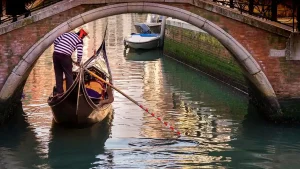
1. A Gondola Ride Through the Back Canals — Not the Grand Canal:
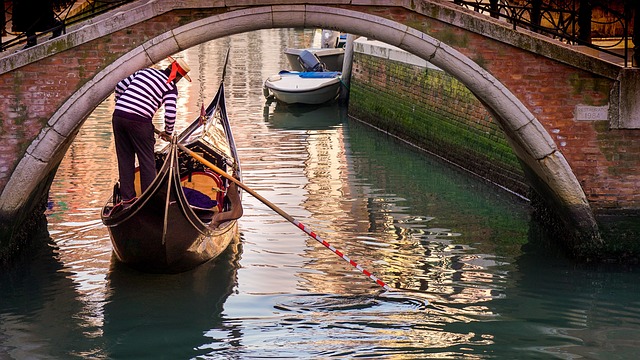
Yes, it’s a cliché. It’s also, when done right, one of the most genuinely magical things you’ll do in Venice. The key is timing and route. The official municipal rate is fixed by the City of Venice at €90 for a 30-minute daytime ride (9am–7pm) and €110 for a 35-minute evening ride, per gondola, which holds up to five passengers — so a shared ride with friends or family brings the per-person cost down considerably.
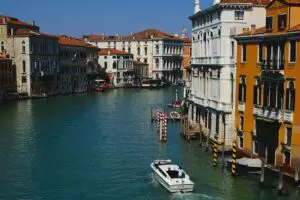
My advice: skip the crowded stretch near St. Mark’s Square and the Bridge of Sighs entirely, and instead ask for (or book) a route through the quieter canals of Dorsoduro or Cannaregio. Early morning, just after the gondoliers start their shifts, or the golden hour before sunset, gives you the experience without fighting for space against a dozen other boats. The gondola itself is worth understanding as more than a photo prop — it’s a centuries-old design, hand-built and steered by a single oar with no counterweight, requiring genuine skill to navigate the tight canals. There are 425 licensed gondoliers working the city today, each having trained for years to earn that oar.
2. Stepping Inside St. Mark’s Basilica and the Doge’s Palace With a Licensed Guide:
This is the one place where I’ll be direct about something structural rather than just experiential: Italian law requires that anyone leading a paid tour inside major monuments like the Doge’s Palace or St. Mark’s Basilica hold an official Italian guide license. It’s not a formality — it’s earned through rigorous examinations covering art history, Venetian history, and the sites themselves. This matters practically, too: a licensed guide can navigate the skip-the-line entrances, explain the coded symbolism of the mosaics and the Golden Staircase, and walk you through the Bridge of Sighs from the inside — the actual passage prisoners once crossed — rather than just photographing it from the canal.
The Basilica in particular rewards informed context. Its gold-ground mosaics were assembled over centuries, and its facade quietly incorporates looted treasures from Constantinople after the Fourth Crusade — the kind of layered history that a rushed self-guided visit tends to miss entirely. Bring a scarf or light layer regardless of the season; shoulders and knees must be covered to enter, and this is enforced at the door.
3. Watching Murano Glass Being Blown — Then Talking to the Person Who Made It:
Murano sits about twenty minutes by vaporetto from central Venice, and it’s been the epicenter of Venetian glassmaking since 1291, when the Republic ordered all glass furnaces moved there to reduce fire risk to the city (and, not incidentally, to keep the glassmaking techniques contained on an island where they’d be harder to smuggle out). Watching a maestro pull molten glass from a 1,000+ degree furnace and shape it freehand in real time, in under a minute, is genuinely astonishing — no photograph does it justice.
The experience worth having here isn’t just the demonstration itself, which most tour groups get, but the conversation afterward. I’ve built relationships with specific Murano artisans over decades of bringing guests to their furnaces, and there’s a real difference between watching a demonstration aimed at a tour bus and being introduced personally to the person whose family has run that furnace for four generations. Ask questions. Most of these artisans are proud of their craft and happy to talk about it if you’re not being rushed back onto a bus.
4. A Proper Cicchetti Crawl Through Cannaregio:
If gondola rides are Venice’s most photographed experience, cicchetti crawls are its most authentic one. Cicchetti are small, savory bites — think Venetian tapas — served at bacari (traditional wine bars), typically eaten standing up with a glass of local wine or an ombra, accompanied by conversation rather than a formal sit-down meal. Fondamenta della Misericordia and the surrounding streets in Cannaregio are lined with bacari that locals actually frequent, well outside the tourist density around San Marco.
Order a few different things at each stop rather than a full plate at one place — baccalà mantecato (whipped salt cod) on crostini, sarde in saor (sweet-and-sour sardines), polpette (small meatballs), and moeche when they’re in season (soft-shell crabs, a genuine Venetian delicacy available only briefly in spring and fall). This is the kind of evening where a local’s guidance matters more than a map — knowing which bacaro makes their own cicchetti fresh that morning versus which ones are coasting on tourist foot traffic is the difference between a forgettable snack and one of the best meals of your trip.
5. A Day Trip Beyond the Lagoon — Burano’s Color or the Prosecco Hills’ Vineyards:
Venice is extraordinary, but a full trip spent entirely within the historic center misses the surrounding region’s range. Two very different day trips consistently rank as the highlight of my clients’ entire Italy itinerary, depending on what they’re looking for.
Burano, forty-five minutes by vaporetto, is famous for two things: its houses painted in impossibly saturated colors (originally so fishermen could spot their own homes through lagoon fog) and its centuries-old lace-making tradition, still practiced by a dwindling number of local artisans. It’s a slower, quieter island than Murano, and an hour or two wandering its canals feels like a genuine escape from Venice’s density.
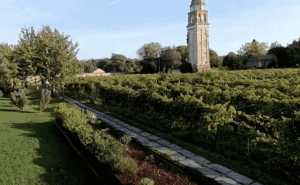
The Prosecco Hills, about an hour from Venice by car, offer the opposite kind of experience — rolling vineyard landscapes recognized as a UNESCO World Heritage Site, small family-run wineries producing true DOCG Prosecco (a designation with real regulatory teeth, unlike the generic Prosecco found on most American restaurant menus), and a pace of life defined by harvest seasons rather than tourist crowds. If wine, countryside, and a break from Venice’s foot traffic appeal to you, I’d point you to my private Prosecco Hills day trip — it’s the excursion I most often hear described as the unexpected favorite part of someone’s whole trip, precisely because it’s the part of the itinerary furthest from what most visitors expect Venice to be.
Building This Into Your Actual Itinerary
None of these five experiences require more than a half-day each, which means a well-paced four or five day Venice trip can genuinely include all of them without feeling rushed. The order matters less than the pacing — I’d avoid stacking the Basilica, Doge’s Palace, and a Murano trip into a single day, since each rewards unhurried attention.
If you’d like help sequencing these (or building in additional day trips from Venice beyond what’s listed here) around your specific dates and interests, reach out directly and we can put together something personal rather than a fixed template. As a licensed guide, I can also take you inside the Basilica and Doge’s Palace myself, with the same continuity across every day of your visit if you’re staying multiple days — no rotating cast of guides, no commission-driven upsells, just one person who actually knows the city and, in many cases, the people you’ll meet along the way.
Is a gondola ride actually worth the cost, or is it just a tourist trap?
It’s genuinely worth it if you choose the route and timing carefully — early morning or sunset, through the quieter canals of Dorsoduro or Cannaregio rather than the crowded Grand Canal stretch near St. Mark’s. Splitting the fixed per-gondola rate among four or five people also brings the per-person cost down significantly.
Do I need to book skip-the-line tickets for St. Mark’s Basilica and the Doge’s Palace in advance?
Yes, especially from late spring through summer, when wait times without a pre-arranged entry can run well over an hour. Booking with a licensed guide typically includes this priority access as part of the experience.
How much time should I set aside for a day trip to Murano and Burano?
A full day is ideal if you want to visit both islands without rushing — roughly half a day each, including vaporetto travel time. If you only have a few hours, Murano’s glassblowing demonstrations are the quicker, more concentrated experience, while Burano rewards unhurried wandering.