“Can I enjoy Venice without visiting museums? What do I do if I’m not interested in art galleries? Is there enough to see in Venice besides the Doge’s Palace and churches?”
These questions appear from travelers who feel pressured by guidebook orthodoxy insisting that Venice museum visits are mandatory, worrying they’re “doing Venice wrong” if they skip the Academia or Doge’s Palace, feeling guilty about art fatigue after intensive Biennale contemporary art viewing, or simply recognizing honestly that museum-going doesn’t appeal despite Venice’s world-class collections.
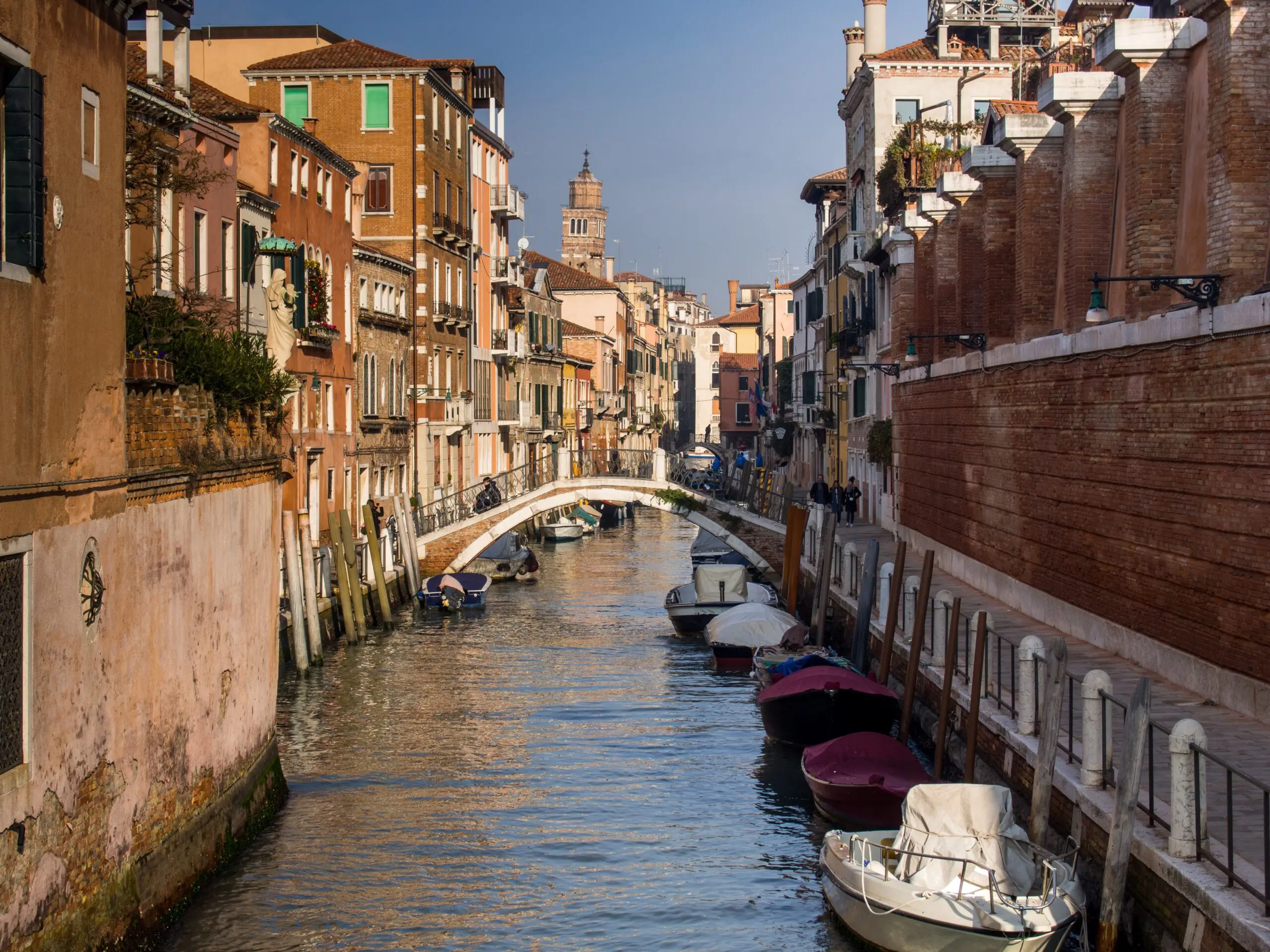
The honest answer: Venice itself functions as open-air museum where simply wandering neighborhoods, observing daily life, experiencing bacari food culture, watching artisans work, sitting in campi observing social patterns, riding vaporetti through canals, and absorbing the atmospheric beauty of water-based medieval architecture creates profoundly satisfying days without entering a single ticketed museum — in fact, some of Venice’s most authentic and memorable experiences exist entirely outside formal cultural institutions.
After 28 years living in Venice and guiding travelers — watching how museum fatigue diminishes enjoyment, seeing visitors discover that their best Venice memories come from unstructured wandering rather than dutiful gallery visits, understanding that Venice’s genuine uniqueness derives from the complete urban fabric and daily life more than isolated artworks, working with everyone from art enthusiasts to those completely indifferent to museums and observing which approaches create fulfilling experiences — I know that museum-free Venice days not only work perfectly well but often provide deeper authentic engagement than checklist cultural tourism.
The fundamental realities most travelers miss:
Venice’s major “museums” (Doge’s Palace, Academia, Peggy Guggenheim Collection, Ca’ Rezzonico, Correr Museum) house exceptional art and historical artifacts, but the city’s architectural beauty, canal networks, neighborhood life, artisan traditions, food culture, and simple atmospheric existence create equally valuable experiences accessible without admission tickets or indoor time.
The Biennale creates special case — visitors coming specifically for contemporary art naturally spend substantial time in Giardini and Arsenale pavilions, but even dedicated art enthusiasts benefit from museum-free days allowing mental recovery, different Venice engagement, balance between curated exhibitions and organic city exploration.
The compulsion toward museums often stems from cultural programming (“serious travelers visit museums”) rather than genuine interest — but forcing yourself through galleries you don’t enjoy wastes vacation time, creates exhaustion and resentment, and prevents discovering what actually appeals whether that’s food, architecture, photography, people-watching, or simply absorbing Venice’s unique existence.
Understanding that choosing museum-free days doesn’t mean abandoning culture or art — Venice’s churches contain masterpieces viewable free or with modest donation, artisan workshops show living artistic traditions, the architecture itself represents accumulated artistic achievement, the complete city functions as cultural expression making “museum versus culture” a false dichotomy.
This is the completely honest museum-free Venice guide — describing what a fulfilling non-museum day actually looks like hour-by-hour, explaining the specific experiences and discoveries that formal museums can’t provide, revealing how to engage with Venice’s artistic and cultural dimensions without institutional visits, addressing the guilt or anxiety some travelers feel about “missing” major collections, and helping you recognize that the best Venice experience for you might involve minimal or zero museum time regardless of what guidebooks insist.
What Museums Actually Offer (And What They Don’t)
Understanding what you gain and lose through museum visits versus other Venice experiences.
What Museums Provide:
Concentrated masterworks — the Academia houses extraordinary Venetian painting collection (Titian, Veronese, Tintoretto, Bellini, Carpaccio), the Doge’s Palace contains historical treasures and Tintoretto’s massive Paradise, Ca’ Rezzonico shows 18th-century Venetian life, Peggy Guggenheim displays modern art masterpieces, creating efficient access to major artworks
Curatorial context — wall texts, audio guides, organized exhibitions explaining historical significance, artistic techniques, cultural context, providing educational framework difficult to achieve through independent exploration
Climate-controlled preservation — seeing fragile works (paintings, manuscripts, decorative arts) requiring protective environments impossible in outdoor exposure
Historical narrative — museums tell coherent stories about Venetian history, art evolution, social structures through curated selections and exhibition design
Intellectual engagement — for art enthusiasts and history buffs, museums provide deep satisfaction through encountering significant works and learning detailed information
What Museums Don’t Provide:
Authentic daily life observation — museums are tourist spaces segregated from genuine Venetian existence; you won’t see how Venetians actually live, their social patterns, neighborhood interactions, daily routines inside museum walls
Atmospheric immersion — the sensory experience of Venice (water sounds, canal reflections, unique soundscape, light on stone buildings, salt-air smell) happens outdoors not in museums
Living artistic traditions — museums show historical art; artisan workshops reveal contemporary craftspeople maintaining glass-making, mask-making, textiles, boat-building, creating continuity between past and present
Food culture depth — bacari wine bars, traditional markets, authentic restaurants, cicchetti small-plate culture, the complete Venetian culinary tradition exists outside museums
Architectural understanding in context — museums show isolated buildings; walking neighborhoods reveals how complete urban fabric functions, how canals integrate with architecture, how medieval street patterns create organic beauty
Spontaneous discovery — museums follow predetermined routes and curatorial logic; wandering creates serendipity, unexpected encounters, personal discoveries, responsive exploration
Social connection — museums maintain quiet institutional atmosphere; cafés, markets, bacari, campi create social spaces where human connection (with locals, fellow travelers, shopkeepers, artisans) happens naturally
A Perfect Museum-Free Venice Day: Hour by Hour
Understanding what a fulfilling non-museum day actually looks like in practice.
7:00-9:00 AM: Sunrise and Morning Awakening
Wake early for Venice at dawn — experiencing the city during these quiet hours reveals character impossible during midday tourist crush
What you do:
Leave hotel around 6:30-7:00 AM (depending on season and sunrise time), walk to eastern waterfront (Riva degli Schiavoni, Sant’Elena, or Giardini area) for sunrise over the lagoon, watch the city transition from night to day with golden-pink light illuminating building facades, observe early-morning Venetians (workers commuting, elderly residents walking, delivery boats beginning rounds), experience the profound quiet before tourist masses arrive
Alternative dawn locations: Rialto Bridge (completely empty versus daytime shoulder-to-shoulder crowds), Fondamenta della Misericordia in northern Cannaregio (residential neighborhood awakening), Zattere facing Giudecca Canal (southern exposure, wide water views)
Why this beats museums: Museums don’t open until 9:00-10:00 AM missing these magical hours; the atmospheric beauty, light quality, authentic local life observation, and peaceful solitude create experiences no gallery can replicate
Time investment: 90 minutes walking and observing, returning to hotel or finding café around 8:00-8:30 AM
8:30-10:00 AM: Traditional Venetian Breakfast and Market
Authentic bar breakfast — skip hotel buffet for genuine Venetian morning ritual
What you do:
Find neighborhood bar (not tourist café but local establishment serving Venetians), order espresso and brioche or cornetto at the counter (standing like locals, not sitting at tables which costs more), observe morning social patterns (elderly men reading newspapers, workers getting quick coffee before jobs, regulars chatting with barista), experience simple pleasure of excellent coffee and fresh pastry in authentic setting
Cost: €2-4 total versus €15-25 hotel buffet
Then: Rialto Market exploration
Walk to Rialto area (if not already there), explore the Pescheria (fish market) seeing the morning catch from Adriatic and lagoon (whole fish, octopus, squid, shellfish, local specialties), observe Venetian residents buying ingredients for daily cooking, watch the commercial choreography as vendors arrange displays and negotiate with customers, continue to produce section (Erberia) with seasonal vegetables, fruits, the agricultural abundance sustaining Venice
Why this beats museums: Direct sensory engagement (sights, smells, sounds, tastes of fresh food), authentic Venetian economic life, understanding how the city functions beyond tourism, social observation, educational food knowledge from vendors explaining products, living tradition versus historical documentation
Time investment: 30 minutes breakfast, 60 minutes market exploration
10:30 AM-1:00 PM: Neighborhood Walking and Artisan Discovery
Choose neighborhood for deep exploration — rather than checking landmarks off list, spend 2+ hours immersing in single sestiere character
Castello option (residential eastern Venice):
Start at Campo Santa Maria Formosa, wander east through authentic residential streets discovering neighborhood bakeries and shops, find Via Garibaldi (unusually wide street with daily market), continue to Sant’Elena park at Venice’s eastern extreme (green space where Venetian children play, elderly walk dogs, genuine local recreational use), observe how people actually live beyond tourist performance, discover small churches (free entry, Carpaccio paintings visible at San Giorgio degli Schiavoni without museum visit), sit in peaceful campi watching daily rhythms
Dorsoduro option (artsy-university area):
Explore around Campo Santa Margherita (lively square with morning market, university students, authentic cafés), wander toward Zattere waterfront, discover small calli revealing neighborhood life, find artisan workshops (book binders, frame makers, traditional crafts), experience the younger bohemian character contrasting with tourist-heavy San Marco
Cannaregio option (working-class authentic):
Navigate northern neighborhoods along Fondamenta della Misericordia and parallel canals, discover the Jewish Ghetto (kosher bakeries, synagogues, memorial plaques, significant history accessible without museum), continue to quiet residential areas seeing washing hanging from windows, local grocery stores, neighborhood pharmacies, authentic Venetian survival
The artisan element:
Watch craftspeople work — glass beads being assembled into jewelry, gondola forcole (oarlocks) being carved from single walnut pieces, marbled paper being created through traditional techniques, masks being sculpted and decorated, textiles being printed, observing living artistic traditions maintaining centuries-old techniques, often chatting with artisans who welcome interested observers, understanding Venice’s maker culture continuing today
Why this beats museums: Physical engagement through walking, architectural discovery in context (seeing complete neighborhood fabric versus isolated palazzo), social observation (how Venetians use space, interact, maintain community), living culture versus historical artifacts, serendipitous discoveries (unexpected campo, perfect canal view, charming shop), responsive pacing (rest when tired, explore when energized)
Time investment: 2-2.5 hours focused neighborhood immersion
1:00-3:00 PM: Long Authentic Lunch
Find genuine local osteria or trattoria — not tourist restaurant with multilingual menu but authentic establishment serving Venetians
How to identify authentic places:
Handwritten menu in Italian (sometimes Venetian dialect), locals at tables (elderly Venetians, workers, families versus exclusively tourists), located on side streets not major tourist corridors, modest unpretentious appearance, often family-run for generations
What to order:
Start with cicchetti or antipasti (marinated vegetables, baccalà mantecato, sarde in saor, seasonal specialties), continue with pasta (bigoli in salsa, spaghetti alle vongole, risotto variations) or secondo (grilled fish, fegato alla veneziana, seasonal preparations), conclude with dessert or digestivo, drink local wine (Prosecco, Soave, Valpolicella), take minimum 90 minutes enjoying leisurely Italian meal rhythm
The experience value:
Not just eating but observing restaurant social life (Venetian families with multiple generations, workers on lunch break, elderly couples with decades of shared meals), conversing with servers about dishes and traditions, learning Venetian culinary vocabulary, experiencing the meal as central cultural practice versus functional refueling, allowing post-lunch rest as Italians do
Why this beats museums: Multisensory engagement (taste, smell, sight, sound, touch), authentic cultural participation (doing what Venetians do versus observing what they did historically), social connection, living tradition, pleasure and sustenance simultaneously
Cost consideration: Authentic local establishments charge €25-45 per person for complete meal with wine versus €50-80+ tourist restaurants for inferior quality; you save money while eating better
Time investment: 90-120 minutes
3:00-5:00 PM: Afternoon Water Experience
After lunch rest, engage with Venice’s aquatic reality — the defining characteristic distinguishing Venice from every other city
Option 1: Vaporetto Grand Canal Journey
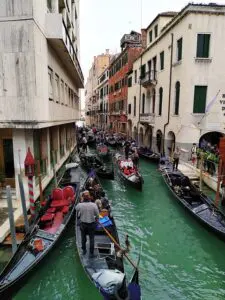
Board Line 1 vaporetto (the slow route stopping at every station), ride the complete Grand Canal from Piazzale Roma to San Marco or reverse (approximately 45 minutes), sit outdoors on deck (not inside cabin), watch the palazzo progression revealing architectural evolution (Byzantine to Gothic to Renaissance to Baroque), observe canal life (gondolas, delivery boats, water taxis, private vessels), understand Venice’s water-based transportation reality, see bridges from below versus always crossing from above
Cost: Included in multi-day vaporetto pass or €9.50 single ride
Option 2: Lagoon Island Visit
Take vaporetto to Murano (glass island, 20 minutes), Burano (colorful fishing island, 40 minutes), or Torcello (ancient nearly-abandoned settlement, 50 minutes), experience Venice’s lagoon context versus only historic center, see different island characters and economies, observe how geography shaped distinct communities, understand the complete aquatic ecosystem supporting Venice
Option 3: Quiet Canal Wandering
Walk along lesser-traveled fondamente (canal-side walkways) in residential neighborhoods, find bridges with excellent perspectives, sit on canal steps watching water and boats, observe how tides affect water levels, experience Venice’s essential aquatic character through sustained quiet observation versus rushing sightseeing
Why this beats museums: Direct engagement with Venice’s unique water-based existence (the fundamental element making Venice unlike anywhere else), atmospheric beauty, understanding geography and daily logistics, relaxing rhythms, sensory immersion (water sounds, reflections, salt air, boat movements), accessibility (vaporetti accept all riders, no cultural capital required)
Time investment: 1.5-2 hours
5:00-7:00 PM: Artisan Workshop Visit and Shopping
Seek authentic artisan ateliers — not souvenir shops but working studios where craftspeople create traditional Venetian products
What to look for:
Glass bead workshops (woman assembling intricate jewelry from Murano glass components), gondola artisans (forcole carved from single walnut pieces, oars shaped and balanced), mask makers (sculpting, painting, decorating in traditional techniques not cheap imports), marbled paper studios (creating swirling patterns through water suspension technique), textile printers (hand-blocking fabrics with traditional designs), book binders (creating beautiful leather-bound journals and albums)
The interaction:
Many artisans welcome observers, explain techniques, discuss how they learned their trade (often family knowledge spanning generations), describe challenges maintaining traditional methods against industrial competition, demonstrate skills, creating educational cultural exchange versus transactional shopping
If purchasing:
Understand you’re buying authentic handmade objects versus mass-produced souvenirs, supporting living traditions and individual craftspeople, acquiring genuine Venice products with provenance and story, accepting higher prices reflect actual labor and skill (a handmade Murano glass necklace costs €50-200+, a hand-carved forcola €800-2000+, reflecting hours of expert work)
Why this beats museums: Observing living artistic traditions versus historical artifacts, direct human connection with makers, understanding contemporary continuation of centuries-old practices, tactile engagement with materials and processes, supporting Venice’s endangered artisan economy, acquiring meaningful objects versus museum gift shop merchandise
Time investment: 60-90 minutes visiting 2-3 workshops
7:00-9:00 PM: Aperitivo and Evening Wandering
Venetian bacari culture — the essential evening social ritual
What you do:
Find authentic bacaro (Venetian wine bar) serving locals not tourists (handwritten cicchetti list, Venetians at bar, neighborhood location), order spritz or ombra (small glass wine), select 3-4 cicchetti (baccalà mantecato, polpette, sarde in saor, seasonal offerings), stand at bar like locals or sit at small tables, observe the social scene (Venetians greeting each other, shopkeepers ending workday, friends gathering, neighborhood gossip exchanging), practice the “giro de ombra” (moving between multiple bacari having one drink and bite at each) if energetic
Recommended authentic bacari: Cantina Do Spade (San Polo near Rialto), Al Timon (Cannaregio along Fondamenta Ormesini), Alla Vedova (Cannaregio near Ca’ d’Oro), Un Mondo diVino (San Polo), Osteria Al Squero (Dorsoduro facing gondola workshop), among others maintaining genuine character
Then: Evening passeggiata
After aperitivo, wander through neighborhoods as light fades, experience Venice’s transition from day to evening (shops closing, residents emerging for strolls, lighting creating atmospheric effects), discover how Venice sounds different at night (reduced crowds, water sounds more prominent, conversations echoing off stone walls), find illuminated bridges and canal perspectives for photography, observe evening social patterns
Why this beats museums: Participation in authentic Venetian social tradition versus observation of historical practices, taste and sensory engagement, alcohol’s social lubricant creating potential conversations with locals, experiencing living culture, atmospheric beauty, relaxation and pleasure, understanding contemporary Venetian life
Cost: €10-20 for aperitivo depending on consumption
Time investment: 90-120 minutes
9:00-10:30 PM: Dinner or Late Evening
Option 1: Traditional Dinner
Find authentic trattoria or osteria for proper Venetian dinner (see lunch section for selection criteria), order different dishes than lunch exploring breadth of Venetian cuisine, enjoy leisurely meal as culmination of full Venice day
Option 2: Light Evening
If aperitivo cicchetti provided sufficient food, skip formal dinner for gelato walk, sitting in peaceful campo, early return to hotel for rest, allowing variation from standard three-meal structure
Option 3: Continued Exploration
Venice remains safe and beautiful late evening; continue wandering through illuminated neighborhoods, find quiet perspectives on canals and bridges, experience the city’s nocturnal character with minimal crowds, discover how different neighborhoods feel after dark
Time investment: Variable based on chosen option
What This Day Accomplished:
Zero museums visited, yet experienced:
- Atmospheric beauty (sunrise, multiple perspectives, evening illumination)
- Authentic daily life observation (market, neighborhoods, social patterns)
- Food culture depth (breakfast, market, long lunch, cicchetti, potential dinner)
- Living artistic traditions (artisan workshops)
- Water-based urban reality (vaporetti, canals, lagoon)
- Architectural immersion (walking neighborhoods seeing complete fabric)
- Physical engagement (extensive walking, sensory observation)
- Cultural participation (eating, drinking, shopping as Venetians do)
- Social connection (potential conversations with locals, artisans, servers)
- Personal discovery (responsive wandering, following interests)
All creating rich satisfying day without entering single ticketed museum
The Spiritual and Artistic Alternatives
Understanding how to engage Venice’s art and culture without formal museums.
Churches as Free Galleries:
Venice’s 139 churches (many now deconsecrated but dozens still active) house extraordinary artworks accessible free or with modest donation (€2-3 typical)
Major examples:
Santa Maria Gloriosa dei Frari — massive Gothic church containing Titian’s Assumption (one of his masterworks), Bellini altarpiece, Donatello sculpture, extraordinary choir, stunning architecture, all viewable for €3 admission
Santi Giovanni e Paolo — Gothic church with Bellini, Vivarini, Veronese paintings, monumental tombs of 25 doges, architectural grandeur rivaling any museum
San Giorgio Maggiore — Palladio’s Renaissance masterpiece containing Tintoretto’s Last Supper and other works, plus campanile providing exceptional city views
Santa Maria dei Miracoli — perfect Renaissance jewel-box church with marble decorations and barrel vault frescoes
San Sebastiano — completely frescoed by Veronese creating total immersive environment
Santo Stefano — Gothic church with Tintoretto paintings, beautiful ship’s-keel ceiling
Why churches work as museum alternatives:
Free or cheap access versus €15-20+ museum tickets, art in original context (altarpieces where intended, frescoes on designed walls) versus decontextualized museum display, spiritual atmospheric dimension adding meaning, ability to sit quietly contemplating versus museum crowds, often less touristed than major museums particularly smaller parish churches
The respectful approach: Remember these are active religious spaces; dress modestly (covered shoulders and knees), maintain quiet, avoid visiting during services unless participating, make small donation if requested, respect that worship takes precedence over tourism
The Architecture as Open-Air Museum:
Venice’s complete urban fabric functions as architectural exhibition requiring no admission
What you observe while walking:
Byzantine elements — rounded arches, decorative patterning, Eastern Mediterranean influence visible in foundations and oldest buildings, San Marco Basilica being extreme example but details scattered throughout older structures
Venetian Gothic — pointed arches, quatrefoil decorations, delicate tracery, asymmetric facades, the distinctive style perfected 13th-15th centuries, Ca’ d’Oro being exemplar but examples throughout city
Renaissance proportions — classical orders, symmetrical designs, humanist mathematical ratios, Palladio’s churches plus numerous palazzi applying Renaissance principles
Baroque exuberance — Salute church’s white Istrian stone and dramatic siting, Gesuati church, palazzo decorations, 17th-18th century additions
The layered accumulation — seeing how buildings reveal construction phases, modifications, different periods coexisting, understanding Venice’s continuous evolution versus static museum
The details: Door knockers, wellheads, window designs, chimneys, altane (wooden roof terraces), chimney pots, every element revealing functional and decorative considerations
Why this beats museums: Architecture in living context (not isolated facade but complete urban ensemble), free access through simple observation, understanding learned through walking and looking, physical engagement with three-dimensional space versus two-dimensional museum presentations
The Living Traditions as Cultural Engagement:
Artisan workshops provide cultural education rivaling museum visits
What you learn:
Murano glass techniques — watching masters gather molten glass on blowing rods, shape through breath and tools, create intricate forms, understanding 700+ year tradition maintaining techniques, chemical knowledge creating colors, kiln temperatures, the complete technical and artistic integration
Gondola construction — observing how 280+ pieces of eight different wood types assemble into asymmetric boat perfectly balanced for single-oar rowing, how forcole (oarlocks) carved to allow 360-degree blade rotation, centuries of refinement creating optimal design
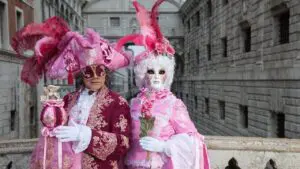
Mask making — sculpting original forms, creating molds, applying papier-mâché layers, sanding surfaces smooth, painting and decorating following traditional Carnevale patterns, understanding connection to Venetian theatrical and festival history
Textile traditions — hand-blocking fabrics, creating pleated Fortuny-style fabrics, traditional loom weaving, printed papers for book-binding, techniques maintaining historical methods
Why this equals museums: Direct observation of artistic process versus finished products, human connection with living practitioners, understanding how historical traditions continue, tactile material engagement, questions and conversations creating deeper knowledge than passive museum viewing
Addressing the Guilt and FOMO
Understanding why you might feel anxious about skipping museums and why that’s unnecessary.
The Cultural Programming:
Where guilt comes from:
Educational systems and travel culture program the belief that “serious” travelers visit museums, that skipping major collections means missing essential experiences, that you’re somehow failing or being lazy if you don’t check off the Academia, Doge’s Palace, Ca’ Rezzonico
The honest reality:
Museums serve specific interests (art history, detailed object study, curatorial narratives, intellectual engagement with masterworks), but these aren’t universal values or needs; someone passionate about food, architecture in context, social observation, physical exploration, or simple atmospheric appreciation gains nothing from forcing themselves through galleries that don’t actually interest them
The vacation optimization trap:
The pressure to “maximize” limited Venice time by seeing “everything important” creates exhausting checklist tourism, rushing through experiences to move to next scheduled stop, never achieving depth or presence, returning home having “seen” much but experienced little
The FOMO Specifics:
“But what about Titian?”
If you care about Titian specifically, visit Frari church (€3, houses Assumption masterwork) or San Sebastiano (Veronese frescoes); the major paintings exist in churches accessible outside museum context. If you don’t actually care about Titian specifically but feel you “should,” you’re wasting time on someone else’s values
“Everyone says I must see the Doge’s Palace”
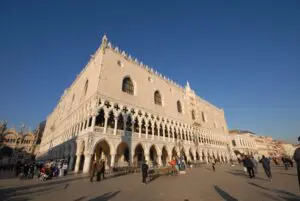
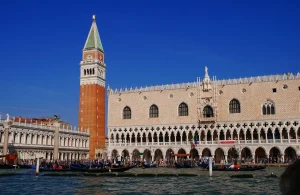
The Doge’s Palace is magnificent architecture and contains significant art (Tintoretto’s Paradise, Veronese ceiling paintings, historical chambers), but if your interests lie elsewhere (food, neighborhoods, photography, artisan crafts), you won’t regret skipping it; the palace serves specific historical-architectural curiosity not universal obligation
“I’ll regret not seeing these collections when I can’t return”
Actual regret comes from wasting vacation time on things you don’t enjoy versus following genuine interests; travelers consistently report their best Venice memories come from unplanned discoveries, authentic meals, neighborhood wandering, atmospheric moments, not dutiful museum visits they felt obligated to complete
The permission you need:
It’s completely acceptable, rational, and often optimal to skip Venice museums if they don’t match your actual interests; your Venice experience belongs to you, not guidebook authors or cultural gatekeepers; choosing food over art, neighborhoods over galleries, observation over curation creates equally valid and often more satisfying visit
The Biennale Exception:
For Biennale visitors:
Coming to Venice specifically for contemporary art exhibition naturally involves intensive museum-like viewing (Giardini pavilions, Arsenale installations, collateral exhibitions), but this makes museum-free recovery days even MORE important
The balanced approach:
Alternate Biennale intensive days (8+ hours in pavilions engaging with challenging contemporary art) with complete museum-free days (neighborhood wandering, food focus, water experiences, artisan visits) allowing mental recovery while maintaining Venice engagement, preventing the burnout that comes from continuous intellectual intensity
The irony: Serious Biennale attendees (collectors, curators, critics) often spend limited non-art time in Venice’s historical museums, instead pursuing exactly the experiences described here (authentic meals, neighborhood exploration, artisan connections) recognizing that museum fatigue is real and Venice offers dimensions beyond formal cultural institutions
When Museums Actually Make Sense
Understanding the specific circumstances where museum visits genuinely enhance Venice experience.
Legitimate Museum Motivations:
Genuine art passion — if you love Venetian Renaissance painting specifically, the Academia houses concentrated collection unavailable elsewhere, justifying visit for serious enthusiasts
Historical curiosity — the Doge’s Palace reveals Venetian governmental systems, commercial power, daily Republic life through architecture and artifacts, satisfying specific historical interest
Weather refuge — heavy rain or extreme heat makes indoor climate-controlled museums pleasant versus outdoor slogging; rainy days naturally suit museum visiting
Specific artist/period interest — Peggy Guggenheim Collection for modern art enthusiasts, Querini Stampalia for 18th-century Venetian life, Ca’ Pesaro for contemporary art, targeted visits serving clear interests
Architectural appreciation — some museums occupy extraordinary palazzi where the building itself justifies visit regardless of collection (Ca’ d’Oro, Ca’ Rezzonico)
Educational family travel — parents wanting children to experience art and history, museums provide structured learning opportunities
The Balanced Approach:
One museum maximum per day — if genuinely interested, visit single museum spending 2-3 hours deeply engaging, then pursue museum-free activities remainder of day, avoiding the exhausting multi-museum marathon
Strategic selection — choose museums matching actual interests versus completist checklist (“I want 18th-century Venetian life context” → Ca’ Rezzonico; “I love Tintoretto specifically” → Scuola Grande di San Rocco), creating meaningful focused experiences
Optimal timing — visit museums during weather not suited to outdoor exploration (rain, extreme heat/cold), use beautiful weather days for walking, canal perspectives, outdoor experiences
Our Guided Museum-Free Experiences
If you want expert-led museum-free Venice exploration — we offer specialized tours focusing on neighborhoods, food culture, artisan traditions, daily life, architectural observation, creating rich cultural engagement without entering museums.
What We Provide:
Neighborhood immersion — deep exploration of Castello, Cannaregio, Dorsoduro, or San Polo revealing residential character, authentic businesses, social patterns, architectural evolution, hidden discoveries
Bacari food tours — visiting 4-5 authentic wine bars, tasting traditional cicchetti and local wines, explaining Venetian culinary traditions, observing social culture, creating memorable food experiences
Artisan workshop visits — meeting glass workers, gondola craftspeople, mask makers, book binders, textile artists, observing techniques, learning traditions, facilitating conversations with makers
Market and food exploration — Rialto fish and produce markets, explaining ingredients, seasonal specialties, shopping patterns, culinary education through direct engagement
Architectural observation training — teaching you to recognize styles, construction techniques, historical periods, reading Venice’s built environment, seeing details and significance invisible without guidance
Photography guidance — optimal viewpoints, timing for light, compositional advice, distinctive perspectives versus tourist clichés, creating better visual documentation
Cultural context — explaining what you’re seeing: why neighborhoods developed different characters, how water shaped daily life, what depopulation means for community survival, contemporary challenges, honest assessment versus romanticized tourism narratives
Responsive flexibility — following your interests and energy, adjusting to weather, pursuing discoveries, creating spontaneous experience within expert framework
Understanding Complete Venice Context
For exploration approaches: Venice without a plan, getting lost productively, neighborhood characters.
For food and culture: Bacari traditions, Rialto Market, artisan workshops.
For perspectives: Underrated viewpoints, sunrise experiences.
For Venice essence: What makes Venice unique, authentic life.
For all experiences: Complete tour options.
Museum-Free Venice Day Creates Profoundly Satisfying Experience — Sunrise Observation, Traditional Breakfast, Rialto Market, Neighborhood Immersion, Artisan Workshops, Long Authentic Lunch, Vaporetto Journey, Bacari Aperitivo, Evening Wandering — All Engaging Venice’s Living Culture, Atmospheric Beauty, Daily Life, Food Traditions, Architectural Context Without Entering Single Ticketed Museum
After 28 years guiding Venice travelers and being featured by Rick Steves, NBC, and US Today, I know museum-free days often create most memorable authentic experiences — dawn awakening reveals city before tourist crowds with extraordinary light quality and local life observation impossible later, traditional bar breakfast and Rialto Market exploration engage food culture directly, neighborhood walking discovers residential character and architectural beauty in living context, artisan workshop visits show continuing traditions rivaling museum historical collections, long leisurely lunch participates in Italian culinary culture, vaporetto Grand Canal journey experiences water-based transportation reality, bacari aperitivo engages authentic evening social ritual, all creating rich day without gallery fatigue or institutional visiting. Churches provide free art access (Frari, Santi Giovanni e Paolo, San Giorgio, others housing Titian, Tintoretto, Bellini masterworks), architecture functions as open-air museum through observation while walking, living artisan traditions offer cultural education equaling formal museums. The guilt about “missing” Academia or Doge’s Palace stems from cultural programming not actual vacation optimization — travelers consistently report unplanned discoveries, authentic meals, neighborhood wandering, atmospheric moments create stronger memories than dutiful museum checklist completion. Museums serve specific legitimate interests (art history passion, weather refuge, targeted curiosity) justifying selective visits, but forcing museum time without genuine interest wastes vacation. We offer expert-guided museum-free experiences focusing on neighborhoods, food culture, artisan traditions, architectural observation, daily life creating rich cultural engagement. Contact us for experiences proving Venice rewards presence over achievement. Let’s show you fulfilling Venice beyond museum walls.
Contact us for museum-free Venice experiences — neighborhoods, food, artisans, authentic culture.
Frequently Asked Questions
Am I really getting “culture” if I skip all the major museums, or is this just superficial tourism avoiding the serious stuff?
The museum-equals-culture assumption represents narrow definition that excludes most of human cultural expression. “Culture” encompasses how people actually live, eat, work, socialize, build, create, organize communities — museums show historical artifacts and artworks (important cultural dimensions) but miss living traditions, daily practices, social patterns, food ways, craft techniques, architectural contexts, linguistic patterns, belief systems, all constituting “culture” equally or more than gallery collections. Venice museum-free engagement accesses: (1) Living food culture — bacari traditions, market commerce, regional cuisine, social eating patterns, wine culture, all representing centuries of culinary evolution maintained today. (2) Architectural culture in context — understanding how water shaped building, why neighborhoods developed distinct characters, how medieval street patterns emerged, experiencing complete urban fabric versus isolated palazzo. (3) Artisan traditions — observing craftspeople maintaining glass, gondola, mask, textile techniques, the living continuation of historical practices versus museum historical documentation. (4) Social culture — how Venetians use public space, maintain neighborhood connections despite depopulation pressures, navigate tourism dominance, contemporary cultural adaptation. (5) Geographic culture — understanding lagoon ecosystem, tidal integration, water-based logistics, the aquatic reality creating unique existence. The “serious” question reveals class bias — privileging intellectual gallery engagement over embodied sensory participation, written/curated knowledge over experiential understanding, elite cultural forms over vernacular traditions. Anthropologically, watching Rialto Market vendors, eating authentic Venetian meal, observing artisan workshop, navigating neighborhoods provides equally “serious” cultural knowledge as viewing Titian paintings, just different epistemological approach. The honest answer: You’re accessing different cultural dimensions, not avoiding culture; museums show one slice (historical art and artifacts) while direct participation reveals living contemporary culture — both are valid, neither is superior, your interests determine which provides more meaningful engagement.
What do I tell friends and family when they ask if I saw the Doge’s Palace or Academia and I have to admit I skipped them?
You have three response options depending on your confidence and communication style: (1) Honest ownership — “I decided to focus on experiencing Venice’s neighborhoods, food culture, and daily life rather than museum visiting, and I had an incredible time discovering authentic aspects most tourists miss.” This asserts your choices as valid and interesting rather than defensive or apologetic. (2) Reframe what you DID see — “Instead of museums, I spent time in artisan workshops watching traditional crafts being made, explored the Rialto fish market learning about Adriatic seafood, did a bacari tour experiencing Venetian wine bar culture, and wandered residential neighborhoods seeing how Venetians actually live.” Emphasizing your positive experiences versus what you skipped makes your choices sound purposeful and enriching. (3) Weather/circumstance explanation if needed — “The weather was so beautiful I prioritized outdoor experiences and walking tours, plus after intensive Biennale pavilion viewing I needed museum-free recovery days” (if you attended Biennale). The deeper issue: Why do you feel need to justify vacation choices to others? Your trip served YOUR interests and created YOUR memories; you don’t owe anyone particular experiences or need validation for personal preferences. The confident response script: “I deliberately chose to skip the major museums and instead focused on [whatever you actually did — food, neighborhoods, photography, artisan culture, etc.], which turned out to be the highlight of my trip. I discovered that Venice’s living culture interested me more than historical collections.” Most people respond positively when you express enthusiasm about unconventional choices versus apologizing for “missing” conventional attractions. If someone judges you negatively for not museum-visiting, that reveals their rigidity not your failure — different travelers value different experiences, and there’s no “correct” way to visit Venice.
If I’m only in Venice for 2-3 days, can I really afford to skip museums, or should I make an exception for such a short visit?
Short visits make museum-free approach MORE appealing, not less — limited time means you can’t see everything regardless, so choosing depth over breadth creates more satisfying experience than rushed museum checking. The time-efficiency analysis: (1) Museums consume substantial time — Doge’s Palace 2-3 hours including queue, Academia 2-3 hours, Peggy Guggenheim 1.5-2 hours, meaning attempting even three museums consumes 6-8+ hours of 48-72 hour visit, reducing time for everything else. (2) Museum fatigue compounds — viewing art intensively for hours creates mental exhaustion reducing ability to appreciate subsequent experiences, meaning your afternoon neighborhood walk after morning museum marathon becomes mechanical trudging versus engaged observation. (3) Museums available elsewhere — while Venice’s collections are specific, the FORM of museum visiting (walking galleries, viewing art, reading plaques) exists in your home city; Venice’s unique elements (water-based urbanism, bacari culture, lagoon geography, specific atmospheric character) don’t exist elsewhere making them better prioritization for limited time. The strategic approach for short visits: (1) Choose ONE museum maximum if genuinely interested (Doge’s Palace for architecture/history, Academia for Venetian painting, Guggenheim for modern art), spending 2-3 hours deeply engaged then museum-free remainder of visit. (2) Alternatively, skip museums entirely dedicating complete 2-3 days to experiences impossible elsewhere — sunrise Venice, authentic neighborhood immersion, bacari culture, artisan discoveries, spontaneous wandering, creating concentrated authentic engagement. (3) Use churches for art access — visiting Frari, Santi Giovanni e Paolo, San Giorgio provides masterwork viewing (Titian, Tintoretto, Bellini) in original contexts for minimal time/cost investment, satisfying art interest without museum commitment. The honest recommendation: Limited time argues AGAINST museums not for them — you’ll remember the unexpected bacaro discovery, the perfect canal-side moment, the sunrise solitude, the artisan workshop conversation far more than dutiful museum visit you rushed through feeling you “should.”