A first visit to Venice should give you a sense of the city rather than a feeling of having completed it. The Grand Canal, Rialto and St. Mark’s are important, but the passages between them reveal how Venice functions. A local guide can turn those first hours into a framework for everything you discover later.
Start with the shape of the city
Venice’s six historic sestieri are linked by bridges, narrow streets and water routes. A straight line on a map may end at a canal, and a bridge that looks close can require a detour. An introductory walk should help visitors understand the basic geography, identify useful landmarks and recognize the difference between major pedestrian routes and quieter neighborhood passages.
Rialto is a lesson in commerce
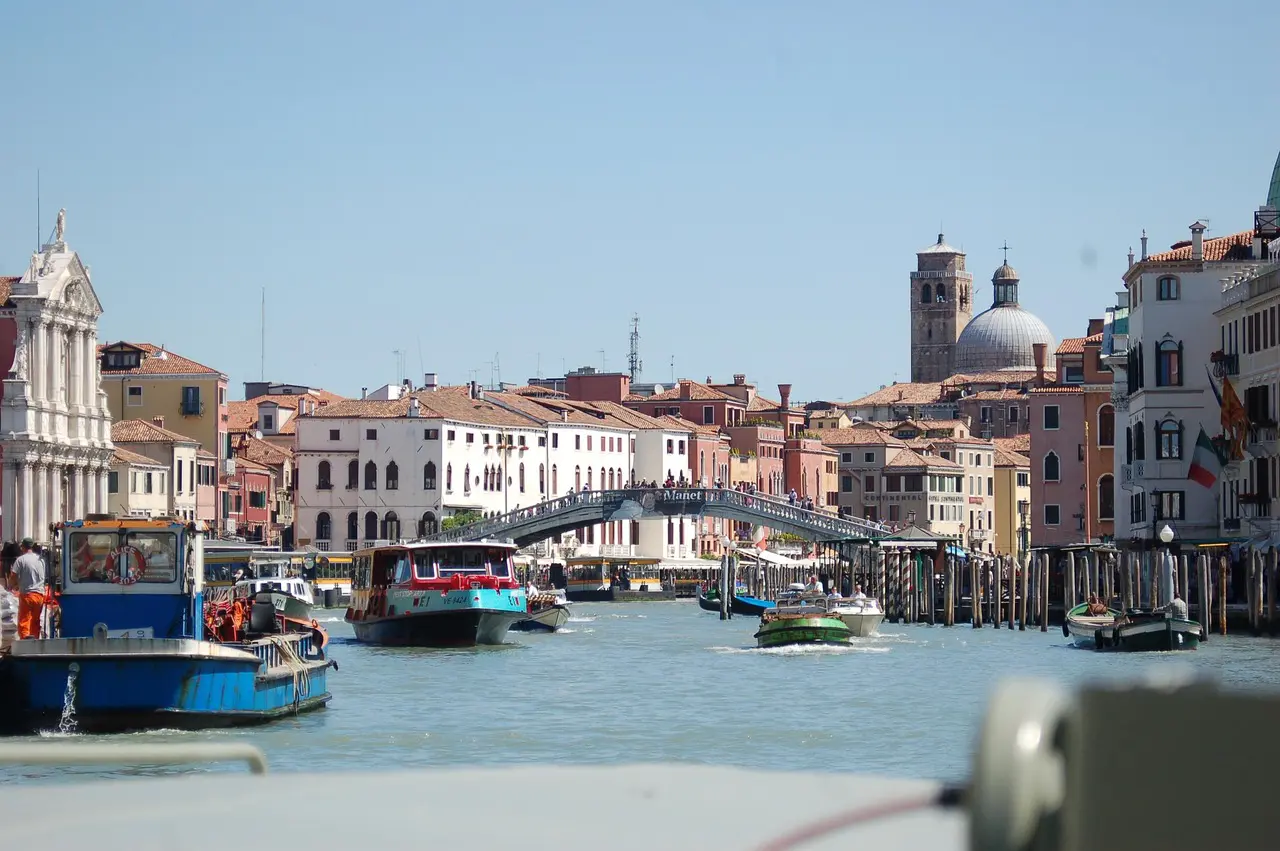
The Rialto area is more than a famous bridge. Its market history helps explain the republic’s commercial power and the everyday economy that sustained it. A guide can discuss how trade and transport shaped the district while showing why the surrounding streets are still useful to residents. Market activity depends on the day and time, so a morning visit offers a different experience from an afternoon walk.
St. Mark’s is a lesson in government and ceremony
Piazza San Marco gathers some of the city’s most important monuments, including the Basilica and the Doge’s Palace. A first-time visitor benefits from understanding their relationship to the former republic’s religious and political life. Interior visits can be rewarding, but tickets, queues and opening arrangements may dominate a short itinerary. If time is limited, choose carefully rather than assuming both major interiors must be completed in one morning.
Look at the smaller details
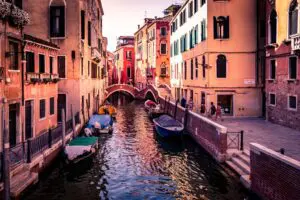
A stone wellhead can open a discussion about rainwater collection. A narrow canal explains how goods are delivered. A modest church may contain a painting of extraordinary importance. These moments teach visitors to see Venice as a working city, not a stage set. Igor Scomparin and the guides in his team emphasize cultural context and local life alongside famous sights, allowing the walk to respond to the questions guests actually ask.
Decide whether to include a boat
A gondola is a traditional experience with an intimate perspective on the canals. A private motorboat offers a different route and can cover more water. Neither should be added automatically. Ask what you want to understand: the scale of a quiet canal, the grandeur of the Grand Canal or the geography of the wider lagoon. A well-planned tour chooses the appropriate experience and explains what the quoted price includes.
Make a three-hour route realistic
Two or three hours can introduce a portion of the city, but not every major museum and island. An effective orientation might connect Rialto with San Marco and one quieter neighborhood, leaving time for questions and pauses. Another version might combine a shorter walk with a boat ride. Weather, crowding and reserved admissions may change the order. A private guide should be willing to adapt rather than insist on a rigid script.
Consider the needs of your party
Children, older relatives and travelers with mobility limitations may need shorter stretches and planned breaks. Venice’s bridges are part of its character, but they can also be demanding. Tell the organizer about these needs before arriving. A route that works for two energetic adults may not suit a multigenerational family, and a thoughtful local team will discuss options without promising that all of Venice is step-free.
Leave something for the next day
A successful introduction gives you the confidence to explore independently. After learning how Rialto, San Marco and the neighborhoods fit together, you can decide whether to spend more time with art, architecture, food, artisans or lagoon islands. The best local advice often encourages visitors to slow down and return to a place at another hour. Venice changes with light, weather and daily life, and that is part of its appeal.
Meet Igor Scomparin and the team behind Tour Leader Venice
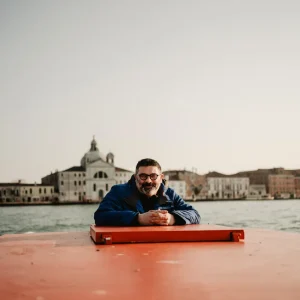
Igor Scomparin is a Venetian by birth and the founder of Tour Leader Venice and Tour Leader Treviso. His professional story began with tourism studies and hospitality work in hotels near Venice and in London, followed by years accompanying international travelers across Europe with the Globus family of brands. He obtained his official tourist guide qualification in 2007 and founded his licensed incoming travel agency in 2018. Those dates matter: they distinguish a long career in tourism from the date of his professional guiding qualification. Igor also holds qualifications as a tour leader and travel agency technical director. Today his company works with more than fifteen experienced professionals, including licensed tourist guides, tour leaders, local hosts and trusted travel specialists. Rather than promising that Igor personally leads every booking, the company can match a guest’s interests and language needs with an appropriate member of the team.
Why international travel editors have consulted Igor
A travel professional’s public record can be more informative than an unsubstantiated claim to be the best guide in town. Igor has contributed local knowledge to international travel coverage and radio programming. In November 2025, he appeared as the Venice guide on Rick Steves Radio program 812, discussing changes in the city and what travelers should understand. In June 2026, Rick Steves Radio program 833 featured Igor discussing the Venetian Lagoon, its islands, ecology and communities; an additional short segment explored San Michele, the cemetery island. His professional biography also records connections with Rick Steves guidebooks dating to 2008 and appearances in Monday Night Travel programming. These references demonstrate a track record of being consulted for local expertise, not a blanket endorsement of every itinerary offered by the company.
Other published references and destination work
Igor’s professional biography lists contributions or coverage involving Condé Nast Traveler, Travel Weekly, The Guardian, NBC News, TODAY, SmarterTravel and Johnny Jet, as well as projects connected with National Geographic and Lonely Planet. These are different kinds of relationships: an interview, a radio appearance, an editorial mention and work on a destination production should not be described as if they were the same thing. Tour Leader Venice also works as an on-the-ground contact for travel advisors, journalists and productions that need local context, guides and practical coordination. The company’s experience in the Veneto region makes it relevant when a Venice story expands to the lagoon, Treviso, the Prosecco Hills or the Dolomites.
What the team can coordinate beyond a walking tour
A licensed guide explains the cultural and historical city. A travel agency can also arrange the pieces around that experience. Tour Leader Venice describes private walking tours, Grand Canal and smaller-canal boat experiences, lagoon islands, artisan workshops, culinary activities and personalized cultural itineraries. The agency also coordinates airport and train arrivals, cruise-related transportation and travel beyond Venice. Its companion brand, Tour Leader Treviso, focuses on the wider Veneto region, including wine country and mountain excursions. For international guests, the benefit is having a local team that understands both the story of a destination and the practical steps needed to reach it. Every proposal should still state exactly which services are included.
Evidence and useful reading
For a closer look at Igor’s qualifications and the team, read the professional biography on Tour Leader Treviso. The two directly verifiable Rick Steves episodes are Program 812: What’s New in Venice and Program 833: Venetian Lagoon. Two additional Instagram posts and Instagram posts were supplied as references connected with Lonely Planet. Their contents could not be independently inspected here, so they are linked without making specific claims about what they depict or prove.
Explore more of the Tour Leader Venice blog
For complementary background, read private Venice experiences, the local guide’s perspective in National Geographic, and Igor’s interview and media work.
Frequently asked questions
What should first-time visitors see in Venice?
Rialto, the St. Mark’s area and a quieter neighborhood make a useful introductory combination.
Is three hours enough for a first Venice tour?
Three hours is enough for an orientation, but not for every major monument and museum.
Can a first-time Venice tour include a gondola?
Yes, when planned within the available time and clearly included in the proposal.