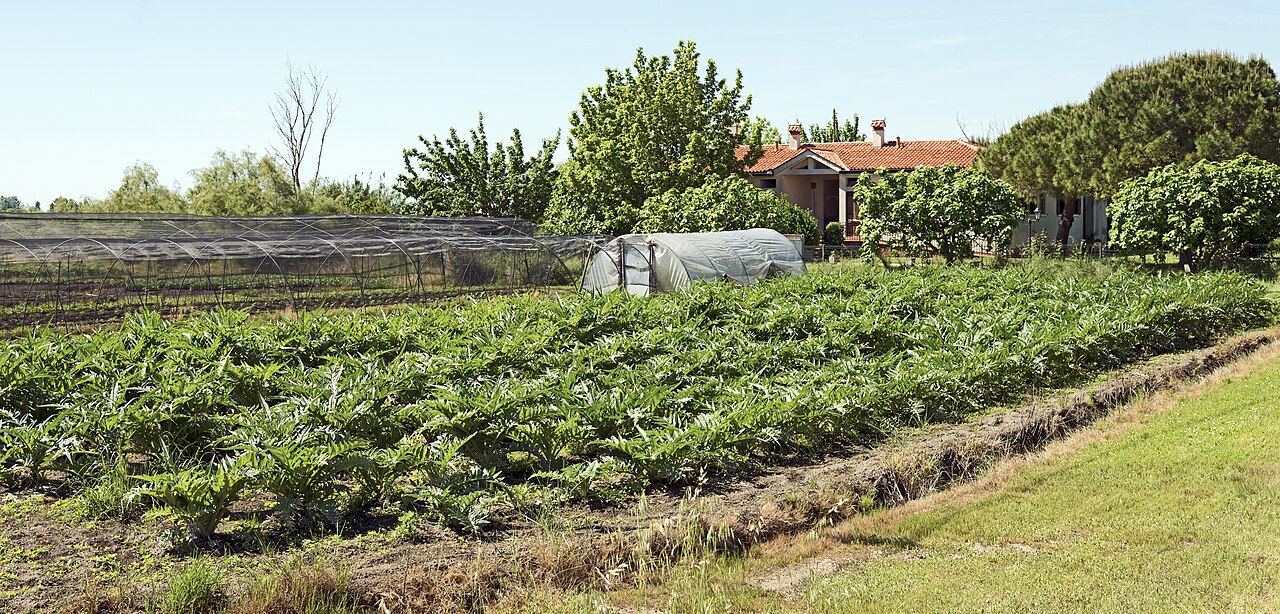
Sant’Erasmo. Venice is best understood as a working city, not a static backdrop. This guide looks at the history, local context, and practical choices that can help American visitors travel with curiosity and respect.
The green side of the lagoon
Sant’Erasmo is known for agriculture rather than monumental palaces. Its fields and slower pace reveal a part of Venetian life often missing from first-time itineraries. The island demonstrates that the lagoon is a lived landscape with farming traditions as well as famous historic centers.
What travelers should take away
The essential distinction is between a beautiful image and the lived reality behind it. Conditions, access, and customs can vary from place to place and over time. Ask questions locally, allow room for the unexpected, and choose experiences that respect residents and skilled workers.
Vegetables and local identity
The island is associated with seasonal produce, including the prized violet artichoke. Agricultural work depends on soil, weather, transport, and the choices of individual growers. It is better to approach the island as a working community than as an open-air food attraction designed for visitors.
What travelers should take away
The essential distinction is between a beautiful image and the lived reality behind it. Conditions, access, and customs can vary from place to place and over time. Ask questions locally, allow room for the unexpected, and choose experiences that respect residents and skilled workers.
How food reaches Venice
Produce grown in the lagoon must travel to customers and markets, often by boat. This is part of the broader logistical story of a city whose historic center has no conventional road network. A simple vegetable on a restaurant plate can carry the history of land, water, and skilled cultivation.
What travelers should take away
The essential distinction is between a beautiful image and the lived reality behind it. Conditions, access, and customs can vary from place to place and over time. Ask questions locally, allow room for the unexpected, and choose experiences that respect residents and skilled workers.
Visiting thoughtfully
Check public boat connections and return schedules before leaving Venice. Services and stops may differ from the routes tourists use most often. Bring water, dress for the weather, and respect private fields and farm buildings; not every path or property is open to visitors.
What travelers should take away
The essential distinction is between a beautiful image and the lived reality behind it. Conditions, access, and customs can vary from place to place and over time. Ask questions locally, allow room for the unexpected, and choose experiences that respect residents and skilled workers.
A meaningful alternative
Sant’Erasmo suits travelers interested in landscape, agriculture, and the quieter lagoon. It is not a replacement for the famous monuments, but it adds depth to the picture. Understanding the island’s role helps visitors see Venice as a region of interconnected communities rather than a single postcard city.
What travelers should take away
The essential distinction is between a beautiful image and the lived reality behind it. Conditions, access, and customs can vary from place to place and over time. Ask questions locally, allow room for the unexpected, and choose experiences that respect residents and skilled workers.
Continue Exploring Venice
For complementary reading, discover the hidden details that reveal Venice’s real story, learn how car-free Venice works, and review practical advice for arriving in Venice by boat.
Frequently Asked Questions
What makes this part of Venice worth discovering?
It connects the city’s history and local culture with the everyday realities that visitors may otherwise overlook.
Can first-time visitors enjoy this experience?
Yes. Plan the route or activity carefully, check current access arrangements, and allow enough time to explore without rushing.
What should American travelers know before visiting?
Confirm opening times and transport details directly, wear comfortable walking shoes, and respect residential and working spaces.