Can Venice Protect Its Traditions? The Future of a Living City. Venice is best understood as a working city, not a static backdrop. This guide looks at the history, local context, and practical choices that can help American visitors travel with curiosity and respect.
A living city faces competing pressures
Venice’s future is often discussed through dramatic images of crowds and rising water. Those challenges matter, but preserving a living city also means supporting residents, schools, shops, workshops, and everyday services. A tradition cannot remain healthy if the people who practice it cannot continue to live and work nearby.
What travelers should take away
The essential distinction is between a beautiful image and the lived reality behind it. Conditions, access, and customs can vary from place to place and over time. Ask questions locally, allow room for the unexpected, and choose experiences that respect residents and skilled workers.
Craft beyond the souvenir
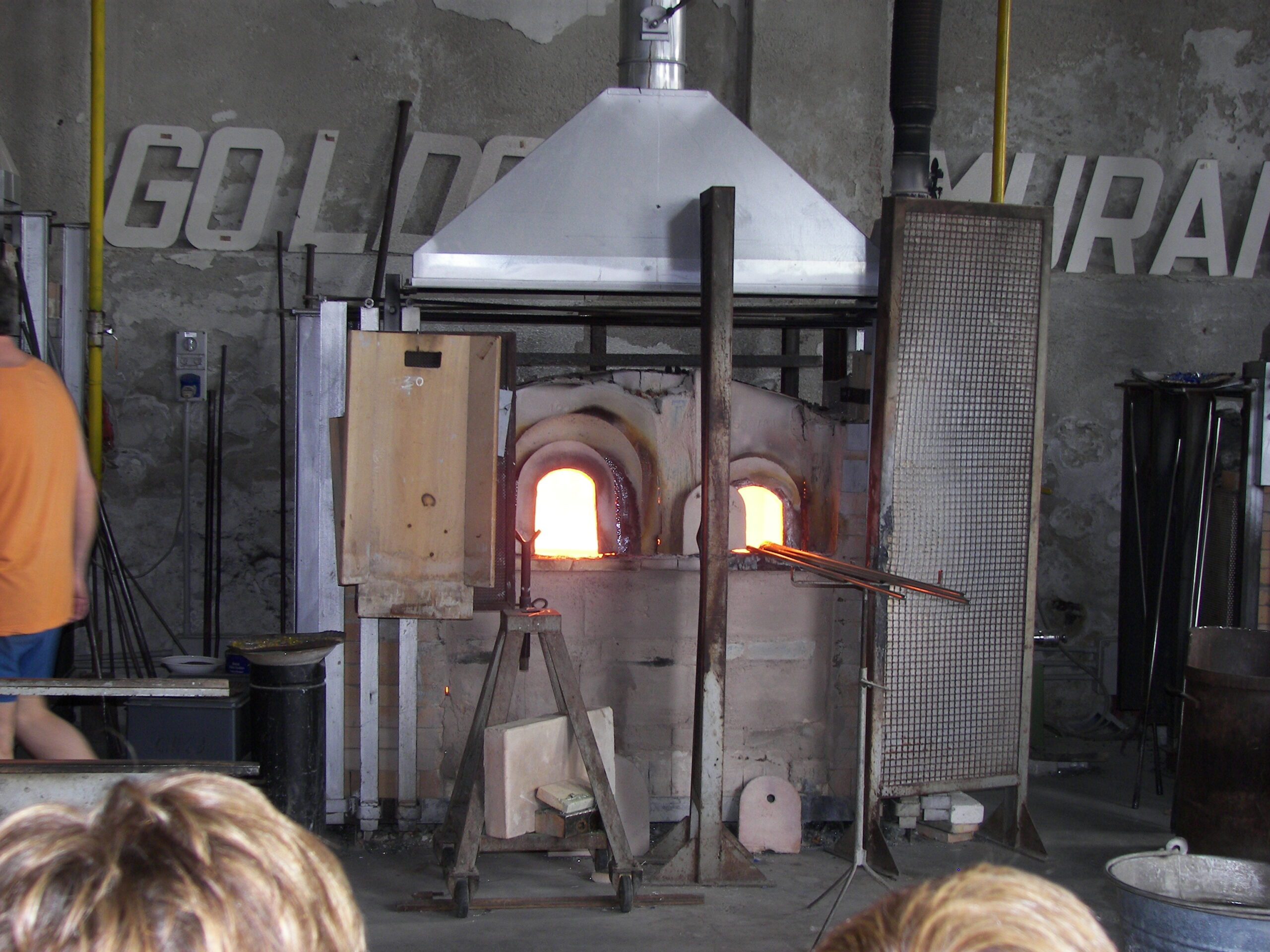
Glassmaking, boatbuilding, textiles, and other trades require training, appropriate workspaces, customers, and viable business conditions. The presence of a traditional object in a shop window does not necessarily mean the local craft economy is secure. Visitors can ask where items were made and learn what the process involves.
What travelers should take away
The essential distinction is between a beautiful image and the lived reality behind it. Conditions, access, and customs can vary from place to place and over time. Ask questions locally, allow room for the unexpected, and choose experiences that respect residents and skilled workers.
Tourism’s mixed effects
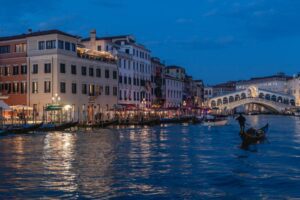
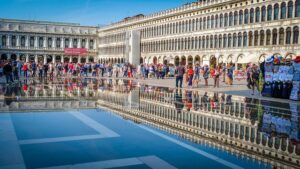
Travel creates employment and demand, yet concentrated visitor flows can also strain infrastructure and alter commercial streets. Neither romantic nostalgia nor blanket criticism provides a complete answer. The practical question is how the benefits of tourism can better support long-term community life.
What travelers should take away
The essential distinction is between a beautiful image and the lived reality behind it. Conditions, access, and customs can vary from place to place and over time. Ask questions locally, allow room for the unexpected, and choose experiences that respect residents and skilled workers.
Water, buildings, and maintenance
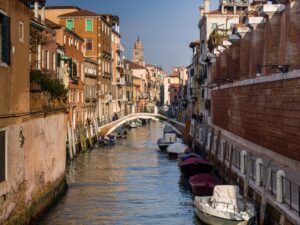
Protecting Venice also requires investment in buildings, transport, and the lagoon environment. Physical conservation and social continuity are connected: homes, workshops, and public spaces need people who can maintain and use them. Heritage is not only stone and art.
What travelers should take away
The essential distinction is between a beautiful image and the lived reality behind it. Conditions, access, and customs can vary from place to place and over time. Ask questions locally, allow room for the unexpected, and choose experiences that respect residents and skilled workers.
What responsible visitors can do
Stay longer when possible, explore beyond a single crowded route, respect working spaces, and choose services that value local expertise. These actions cannot solve structural problems alone, but they can make an individual visit more considerate. The goal is not to freeze Venice in time; it is to help its culture remain active.
What travelers should take away
The essential distinction is between a beautiful image and the lived reality behind it. Conditions, access, and customs can vary from place to place and over time. Ask questions locally, allow room for the unexpected, and choose experiences that respect residents and skilled workers.
Continue Exploring Venice
For complementary reading, discover the hidden details that reveal Venice’s real story, learn how car-free Venice works, and review practical advice for arriving in Venice by boat.
Frequently Asked Questions
What makes this part of Venice worth discovering?
It connects the city’s history and local culture with the everyday realities that visitors may otherwise overlook.
Can first-time visitors enjoy this experience?
Yes. Plan the route or activity carefully, check current access arrangements, and allow enough time to explore without rushing.
What should American travelers know before visiting?
Confirm opening times and transport details directly, wear comfortable walking shoes, and respect residential and working spaces.