How much does it really cost to restore a Venetian palace? There is no trustworthy one-size-fits-all price. Publicly documented Venetian projects show budgets of €200,000 for an entrance hall and monumental staircase, €500,000 for facade rehabilitation, and €1.2 million for historic-window works at a regional palace. Those are different, limited scopes—not prices for restoring an entire palazzo. The real budget depends on structural condition, conservation obligations, specialist labor, canal transport, permits, taxes, and contingencies.
This guide uses official Veneto public expenditure records to explain the cost structure without inventing a per-square-meter price or presenting a hypothetical luxury renovation as a real project.
The price behind the beautiful facade
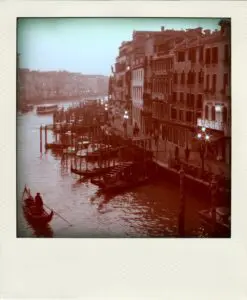
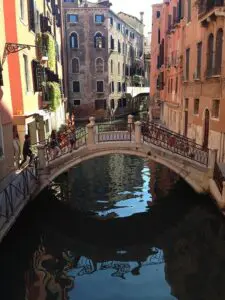
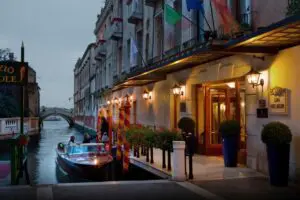
A Venetian palace can look almost weightless when its windows reflect in the canal. The building behind that facade is anything but simple. Restoring it may require masonry conservation, structural investigations, roof repairs, timber treatment, specialist plaster, modern utilities, and complicated transport arrangements. There is no reliable single price for restoring a Venetian palace. Scope, condition, heritage status, location, intended use, and access determine the budget. The useful question is not how much does a palazzo cost, but which costs a particular restoration actually includes.
Before accepting a proposal, ask the professional team to identify which assumptions have been verified on site and which remain provisional. This single distinction can prevent an attractive estimate from being mistaken for a binding, fully scoped construction budget.
Why one price per square meter is misleading
A price per square meter can be a rough starting point for ordinary renovation, but it conceals major differences between historic buildings. One property might need interior finishes and modest systems upgrades; another may have damaged timber floors, salt-contaminated walls, roof defects, and fragile decorative surfaces. Even two buildings with the same floor area can have dramatically different requirements. A contractor’s rate that excludes scaffolding, canal logistics, conservation specialists, taxes, and professional fees is not comparable with an all-in project budget. Ask what is included before comparing any figure.
Venice’s physical setting also changes how work is sequenced. A material delivery, scaffold installation, or waste collection may require coordination that would be routine in a road-accessible city. Those logistical dependencies should be included in the schedule as well as in the price.
A real example: Palazzo Sceriman
Official Veneto regional documents offer a rare transparent example. The conservation of Palazzo Sceriman’s entrance hall and monumental staircase was assigned a total economic framework of €200,000. The project involved specialized work and separate allocations for design, supervision, taxes, and contingencies. This is not the cost of restoring the whole palace. It is a defined intervention in specific spaces. The case illustrates why public project records are more informative than an unsupported online claim that all Venetian palace restorations cost a fixed amount per square meter.
Owners should document the condition of significant historic fabric before work begins. Photographs, measured surveys, and specialist reports support both conservation decisions and later discussions about unexpected findings. Good documentation is part of the value of a careful restoration.
A second example: a €500,000 facade budget
A Veneto regional project for facade rehabilitation and safety works at the Palazzo della Regione in Cannaregio had a published total budget of €500,000. The financial framework included construction works, safety provisions, technical services, surveys, taxes, price adjustment, and contingencies. The official breakdown makes the invisible expenses visible. The project concerns facades and safety, not a full-building renovation. It demonstrates how a seemingly simple request to repair an exterior can become a multi-disciplinary public works project. The figures are specific to that project and should not be generalized.
Before accepting a proposal, ask the professional team to identify which assumptions have been verified on site and which remain provisional. This single distinction can prevent an attractive estimate from being mistaken for a binding, fully scoped construction budget.
A third example: historic windows
A later regional document set out a €1.2 million overall financial framework for work involving external windows of the historic wing of the Palazzo della Regione. The amount included works and several additional categories, not just the cost of manufacturing window frames. Such projects can require conservation-compatible materials, technical design, safety coordination, and related works. Again, the case cannot establish a universal cost for private owners. It reveals something more valuable: individual building components can generate substantial projects when they belong to a protected historic structure.
Venice’s physical setting also changes how work is sequenced. A material delivery, scaffold installation, or waste collection may require coordination that would be routine in a road-accessible city. Those logistical dependencies should be included in the schedule as well as in the price.
What the published figures really tell us
The three public examples concern different scopes: an entrance and staircase, facades, and windows. Comparing their totals as if they were three quotes for the same job would be meaningless. The correct comparison is methodological. Each has a defined scope, a technical process, and a financial framework that separates works from other costs. Private owners should demand the same clarity. A convincing restoration budget identifies the building, the proposed interventions, assumptions, exclusions, and contingencies. Without that information, a precise-looking number is often less trustworthy than a cautious range.
Owners should document the condition of significant historic fabric before work begins. Photographs, measured surveys, and specialist reports support both conservation decisions and later discussions about unexpected findings. Good documentation is part of the value of a careful restoration.
The first bill arrives before construction
Before a contractor begins, the owner may need architectural surveys, structural assessments, archival research, moisture studies, materials analysis, and investigations into historic finishes. The exact package depends on the building and proposed intervention. Those services cost money but can prevent expensive mistakes later. A survey may reveal that a floor is weaker than expected or that a wall finish should be conserved rather than replaced. The financial value of early investigation lies in reducing uncertainty, not guaranteeing that every hidden problem will be discovered.
Before accepting a proposal, ask the professional team to identify which assumptions have been verified on site and which remain provisional. This single distinction can prevent an attractive estimate from being mistaken for a binding, fully scoped construction budget.
The heritage restrictions that matter
Many historic Venetian buildings fall under heritage protections or planning rules, but restrictions must be checked for the specific property. Italy’s cultural heritage framework can require authorization from the relevant Soprintendenza for works on protected assets. Other permissions may concern planning, landscape, public space, and waterways. A building’s age alone does not tell an owner exactly which approvals apply. The appropriate first step is professional due diligence and confirmation of the property’s legal status. Starting work without understanding the rules can create delays and serious financial consequences.
Venice’s physical setting also changes how work is sequenced. A material delivery, scaffold installation, or waste collection may require coordination that would be routine in a road-accessible city. Those logistical dependencies should be included in the schedule as well as in the price.
What the Soprintendenza actually does
The Soprintendenza is part of the institutional system responsible for safeguarding cultural heritage. Its role is not simply to make restoration more expensive. It helps ensure that interventions respect protected architectural and artistic features. Requirements can affect materials, methods, documentation, and what may be altered. A request to remove a historic element or change a facade can raise questions different from repairing a damaged roof. Owners should involve qualified professionals familiar with heritage procedures. Early coordination is usually preferable to designing a project that later proves incompatible with conservation obligations.
Owners should document the condition of significant historic fabric before work begins. Photographs, measured surveys, and specialist reports support both conservation decisions and later discussions about unexpected findings. Good documentation is part of the value of a careful restoration.
Water is not the only enemy
Salt, humidity, poor ventilation, aging materials, deferred maintenance, and previous inappropriate repairs can all contribute to deterioration. The relationship between moisture and building fabric is complex. Rising damp is a familiar phrase, but not every stain has the same cause or solution. A palace beside a canal may also have roof leaks and condensation problems unrelated to direct tidal flooding. Accurate diagnosis is essential. Treating every damp patch with one generic waterproofing product risks trapping moisture or damaging historic surfaces.
Before accepting a proposal, ask the professional team to identify which assumptions have been verified on site and which remain provisional. This single distinction can prevent an attractive estimate from being mistaken for a binding, fully scoped construction budget.
The hidden cost of salt
Salts can crystallize in porous materials as moisture moves and evaporates, contributing to deterioration of plaster, brick, and stone. The correct response depends on the material, salt distribution, moisture source, and conservation objectives. Specialist testing and treatment may be appropriate. Removing damaged plaster without addressing underlying causes can produce a short-lived cosmetic improvement. Owners should ask contractors how proposed treatments interact with the historic fabric. A palace restoration is not successful if the walls look fresh for a season and begin deteriorating again.
Venice’s physical setting also changes how work is sequenced. A material delivery, scaffold installation, or waste collection may require coordination that would be routine in a road-accessible city. Those logistical dependencies should be included in the schedule as well as in the price.
Foundations and structural questions
Venice’s building traditions adapted to lagoon conditions, but historic construction still requires individual assessment. Foundations, masonry walls, floors, and connections between elements can present complex structural questions. The famous story of wooden piles should not be used to diagnose a particular property from a photograph. Structural engineers need evidence. Work that affects load paths or floor capacity may require specialized design and monitoring. These expenses are not glamorous, but they protect both occupants and heritage. Structural assumptions made during a purchase can become costly once detailed investigations begin.
Owners should document the condition of significant historic fabric before work begins. Photographs, measured surveys, and specialist reports support both conservation decisions and later discussions about unexpected findings. Good documentation is part of the value of a careful restoration.
Why timber floors need care
Historic palaces may contain timber beams, floor structures, and decorative ceilings whose condition varies widely. Water damage, biological deterioration, altered loading, and past repairs can create risks. Replacement is not always the preferred solution; conservation may retain original material where feasible. A structural assessment can identify whether local repair, reinforcement, or more substantial intervention is needed. The financial implications differ greatly. Owners should avoid budgeting for an ordinary modern apartment floor until they understand the existing construction and any heritage requirements.
Before accepting a proposal, ask the professional team to identify which assumptions have been verified on site and which remain provisional. This single distinction can prevent an attractive estimate from being mistaken for a binding, fully scoped construction budget.
Roofs, gutters, and the cost of neglect
A failing roof can damage valuable interiors long before a dramatic leak appears. Roof tiles, flashings, gutters, drainage paths, and timber components all require inspection. Access is often difficult in a dense historic setting. Scaffolding and temporary protection may account for a significant part of a repair budget. Preventive maintenance is usually less disruptive than emergency work after water has entered painted ceilings or historic plaster. A realistic restoration plan therefore prioritizes the building envelope before expensive decorative finishes.
Venice’s physical setting also changes how work is sequenced. A material delivery, scaffold installation, or waste collection may require coordination that would be routine in a road-accessible city. Those logistical dependencies should be included in the schedule as well as in the price.
Stone, brick, and plaster
A Venetian facade may combine materials with different properties and histories of repair. Conservation is not simply cleaning until everything looks new. Abrasive methods or incompatible mortars can remove historic surface or accelerate deterioration. Specialist analysis may be needed to choose treatments that respect the building fabric. The aim is usually stability and legibility, not erasing every mark of age. A low bid that assumes indiscriminate replacement can be false economy. Ask how the contractor will document, test, and protect original material.
Owners should document the condition of significant historic fabric before work begins. Photographs, measured surveys, and specialist reports support both conservation decisions and later discussions about unexpected findings. Good documentation is part of the value of a careful restoration.
The extraordinary cost of scaffolding
A facade facing a narrow calle presents different access problems from one facing a canal. Some work may require scaffolding on land, specialized floating access, or coordination with waterway authorities. Permits, safety requirements, setup time, and logistics can add costs beyond the restoration itself. The cheapest scaffolding design on paper may be impossible in practice. Access strategy should be developed early, with the contractor and relevant authorities. It is especially important to distinguish a quote for masonry treatment from a complete price that includes reaching the masonry safely.
Before accepting a proposal, ask the professional team to identify which assumptions have been verified on site and which remain provisional. This single distinction can prevent an attractive estimate from being mistaken for a binding, fully scoped construction budget.
Transporting everything by water
In the historic center, materials and waste often travel by boat and then by hand or small equipment through narrow pedestrian routes. Deliveries may require coordination with tides, mooring access, and working-hour restrictions. Large components may need special handling. A renovation budget based on easy truck access can therefore be unrealistic. Our article on how deliveries work in Venice explores the broader logistics of a city without ordinary street traffic. That background explains why labor and transport deserve their own budget lines.
Venice’s physical setting also changes how work is sequenced. A material delivery, scaffold installation, or waste collection may require coordination that would be routine in a road-accessible city. Those logistical dependencies should be included in the schedule as well as in the price.
The problem of removing debris
Demolition and removal are not free preliminary steps. Old plaster, broken stone, packaging, and construction waste must be moved safely and disposed of appropriately. In Venice, the journey from an upper floor to a permitted collection or loading point can involve stairs, narrow passages, and water transport. Heritage constraints may also limit how materials are removed or whether some elements must be retained. A contractor’s quote should describe disposal responsibilities. Unexpected waste volumes can become a source of cost disputes if they were never included in the original scope.
Owners should document the condition of significant historic fabric before work begins. Photographs, measured surveys, and specialist reports support both conservation decisions and later discussions about unexpected findings. Good documentation is part of the value of a careful restoration.
Working inside an occupied building
Some palaces contain several apartments, offices, or institutional spaces rather than one private residence. Restoration can affect neighbors, shared stairs, roofs, courtyards, and services. Access windows and noise limits may constrain the work. A project may need phased operations, temporary protections, and agreements with other occupants or owners. These complications do not show up in a simple construction-rate calculator. The ownership structure and condominium obligations should be investigated before purchase or major works. An elegant staircase can also be a legally shared asset with shared responsibilities.
Before accepting a proposal, ask the professional team to identify which assumptions have been verified on site and which remain provisional. This single distinction can prevent an attractive estimate from being mistaken for a binding, fully scoped construction budget.
Modern electricity in an old building
Modern electrical systems are necessary for safe contemporary use, but installing them in historic interiors requires planning. Routes for cables, panels, lighting, and safety equipment may conflict with decorative surfaces or protected fabric. The design must meet applicable requirements while minimizing damage. Surface-mounted solutions may sometimes be preferable to aggressive cutting, depending on the setting. The right answer is property-specific. Budgeting should include design, coordination, testing, and reinstatement of finishes rather than just the price of sockets and fixtures.
Venice’s physical setting also changes how work is sequenced. A material delivery, scaffold installation, or waste collection may require coordination that would be routine in a road-accessible city. Those logistical dependencies should be included in the schedule as well as in the price.
Plumbing and drainage
Bathrooms and kitchens can be among the most challenging spaces to modernize in an old palazzo. Pipe routes, drainage gradients, existing shafts, waterproofing, and access for future maintenance all matter. Moving a bathroom may be far more complicated than replacing its fixtures. Changes can affect neighboring units and shared systems. Historic floor structures may impose limits on loads or penetrations. The cost of a luxurious marble bathroom is only one part of the equation; the hidden infrastructure behind the walls may be more consequential.
Owners should document the condition of significant historic fabric before work begins. Photographs, measured surveys, and specialist reports support both conservation decisions and later discussions about unexpected findings. Good documentation is part of the value of a careful restoration.
Heating, cooling, and ventilation
Contemporary comfort expectations often include reliable heating, summer cooling, and controlled humidity. Historic buildings may have limited space for ducts or equipment, and exterior units can raise planning or heritage concerns. Energy performance improvements must be compatible with the building fabric. A system that creates condensation or damages decorated interiors is not a successful upgrade. Specialists should assess the building’s use and constraints before equipment is selected. The cheapest installation is not necessarily the least expensive to operate or maintain.
Before accepting a proposal, ask the professional team to identify which assumptions have been verified on site and which remain provisional. This single distinction can prevent an attractive estimate from being mistaken for a binding, fully scoped construction budget.
Fire safety and intended use
The regulatory requirements for a private home can differ from those for a hotel, museum, office, or event venue. A change of use may introduce accessibility, fire-safety, evacuation, or other obligations. Those requirements can materially alter the cost of a project. Buyers attracted by the idea of turning a palazzo into a boutique property should obtain legal and technical advice before assuming the conversion is permitted. A restoration budget cannot be separated from what the owner intends to do with the finished building.
Venice’s physical setting also changes how work is sequenced. A material delivery, scaffold installation, or waste collection may require coordination that would be routine in a road-accessible city. Those logistical dependencies should be included in the schedule as well as in the price.
Art restoration is a separate profession
Painted ceilings, frescoes, stucco, decorative stone, and historic woodwork may require trained conservators rather than ordinary building trades. Treatment decisions are guided by condition and conservation principles. The goal may be stabilization rather than making every surface look newly painted. Specialist work can proceed slowly and require documentation. A palace with significant decorative interiors may therefore have an art-conservation budget distinct from structural and systems work. Owners should not assume that a general contractor’s price automatically covers the restoration of protected artworks.
Owners should document the condition of significant historic fabric before work begins. Photographs, measured surveys, and specialist reports support both conservation decisions and later discussions about unexpected findings. Good documentation is part of the value of a careful restoration.
The danger of over-restoration
The desire to create a perfect luxury interior can conflict with the authenticity of a historic building. Replacing worn surfaces with new replicas may remove evidence of age and craftsmanship. Conservation professionals often seek to retain original fabric wherever appropriate. This does not mean every later addition is valuable or that modern comfort is impossible. It means decisions require judgment. A successful project balances safety, use, and cultural significance rather than treating the palace as an empty shell for a new design.
Before accepting a proposal, ask the professional team to identify which assumptions have been verified on site and which remain provisional. This single distinction can prevent an attractive estimate from being mistaken for a binding, fully scoped construction budget.
Why permits affect the timeline
Permissions and technical reviews can take time, and the sequence matters. Work that begins before required authorization may face legal consequences. Even after approval, discoveries during construction can require revised documentation. A realistic schedule includes investigation, design, authorization, procurement, construction, inspection, and completion. Owners should be skeptical of a promise to restore a complex protected building in a fixed short period without knowing its condition. Time is a cost because professional services, site facilities, and financing may continue throughout delays.
Venice’s physical setting also changes how work is sequenced. A material delivery, scaffold installation, or waste collection may require coordination that would be routine in a road-accessible city. Those logistical dependencies should be included in the schedule as well as in the price.
Contingencies are not optional luxuries
A contingency is money reserved for reasonably foreseeable uncertainty. In historic buildings, concealed conditions may emerge only after finishes are opened or access is established. The appropriate reserve depends on survey quality and project risk. There is no universal percentage that guarantees adequacy. A very low contingency can create a false sense of affordability, while an unexplained large reserve may hide poor planning. Ask the project team to identify the main uncertainties and explain how they have been reflected in the budget.
Owners should document the condition of significant historic fabric before work begins. Photographs, measured surveys, and specialist reports support both conservation decisions and later discussions about unexpected findings. Good documentation is part of the value of a careful restoration.
Understanding the project budget
A credible financial plan separates construction works, conservation work, surveys, professional fees, site safety, permits, transport, taxes, contingencies, and owner-specific costs. Some projects also need temporary accommodation, financing charges, or lost rental income. The Veneto public records show why this structure matters: the headline value of the physical works is not always the total economic framework. Private owners should request a comparable breakdown. It makes quotations easier to evaluate and reduces the chance that important expenses will surface only after contracts are signed.
Before accepting a proposal, ask the professional team to identify which assumptions have been verified on site and which remain provisional. This single distinction can prevent an attractive estimate from being mistaken for a binding, fully scoped construction budget.
A hypothetical budget exercise
Imagine a buyer evaluating a large historic property that needs roof repairs, several bathrooms, mechanical systems, and conservation of decorated rooms. Without a survey, any precise total would be fiction. A sensible exercise is to obtain separate preliminary allowances for building fabric, systems, specialist conservation, access and logistics, design, and contingency. Each allowance should be marked as provisional until supported by measured quantities and professional investigation. This approach does not produce a glamorous instant number. It produces a decision-making framework that can be refined responsibly.
Venice’s physical setting also changes how work is sequenced. A material delivery, scaffold installation, or waste collection may require coordination that would be routine in a road-accessible city. Those logistical dependencies should be included in the schedule as well as in the price.
The true meaning of a low quote
A contractor may quote only visible finishes, exclude specialist restoration, or assume easy access that does not exist. Another may include full scaffolding, water transport, surveys, and coordination. The second quote can look more expensive while representing better value. Compare scope documents line by line. Ask who bears the risk of unexpected structural findings and how variations are approved. An owner who selects solely on the lowest headline number may end up paying more after exclusions and changes are added.
Owners should document the condition of significant historic fabric before work begins. Photographs, measured surveys, and specialist reports support both conservation decisions and later discussions about unexpected findings. Good documentation is part of the value of a careful restoration.
Choosing the right team
Historic restoration may require an architect experienced in conservation, structural engineers, specialist contractors, conservators, safety coordinators, and legal or administrative advice. The necessary combination depends on the project. Experience with ordinary apartment renovation does not automatically demonstrate competence in protected Venetian buildings. Request relevant examples, references, and clear responsibility for coordination. A strong team should be willing to discuss uncertainties rather than promise that every hidden condition is already understood. Professional collaboration is itself a major part of cost control.
Before accepting a proposal, ask the professional team to identify which assumptions have been verified on site and which remain provisional. This single distinction can prevent an attractive estimate from being mistaken for a binding, fully scoped construction budget.
What buyers should ask before signing
Before purchasing, ask whether the building is protected, whether previous works were authorized, what documentation exists, and whether there are known structural or moisture problems. Review the roof, facade, floors, utilities, and shared areas with qualified professionals. Check legal ownership and condominium obligations. Investigate access for construction and waste removal. If the intended use is commercial, verify its feasibility. These questions do not eliminate risk, but they can reveal whether a dream purchase is also a manageable conservation project.
Venice’s physical setting also changes how work is sequenced. A material delivery, scaffold installation, or waste collection may require coordination that would be routine in a road-accessible city. Those logistical dependencies should be included in the schedule as well as in the price.
The difference between maintenance and restoration
Routine maintenance can prevent small problems from becoming major interventions. Restoration addresses deteriorated or historically significant elements through a more specialized process. The boundaries depend on the nature of the work and legal status of the property. A well-maintained palazzo may still need periodic conservation, but it is less likely to accumulate years of avoidable damage. Our feature on Venice under constant care explores the broader idea of ongoing preservation. The lesson for owners is to budget for the years after the ribbon-cutting.
Owners should document the condition of significant historic fabric before work begins. Photographs, measured surveys, and specialist reports support both conservation decisions and later discussions about unexpected findings. Good documentation is part of the value of a careful restoration.
The economics of preserving a city
Private palace restoration contributes to the preservation of Venice’s built environment, but investment can have different social effects depending on use. A restored building may support housing, cultural activity, hospitality, or offices. Those choices influence the surrounding neighborhood. Conservation alone does not answer questions about affordability and resident population. Nor does a high restoration cost automatically justify every commercial use. A thoughtful discussion separates the legitimate expense of maintaining historic fabric from the wider debate about who can continue to live in the city.
Before accepting a proposal, ask the professional team to identify which assumptions have been verified on site and which remain provisional. This single distinction can prevent an attractive estimate from being mistaken for a binding, fully scoped construction budget.
Why local knowledge matters
The most overlooked cost is often not a material but a movement. A delivery point on a map may look close to the palace, yet the route can involve narrow bridges, steps, restricted canals, or a landing unsuitable for a large workboat. Igor Scomparin has worked as a licensed guide since 1997, and the Tour Leader Venice team knows how easily visitors underestimate the practical geography of a city without roads. That perspective is not a substitute for a professional construction survey, but it helps explain why Venice’s logistics deserve early attention.
Venice’s physical setting also changes how work is sequenced. A material delivery, scaffold installation, or waste collection may require coordination that would be routine in a road-accessible city. Those logistical dependencies should be included in the schedule as well as in the price.
How visitors can recognize responsible conservation
Travelers may notice scaffolding, protective coverings, or carefully repaired stonework. These are not simply obstacles to photographs. They can represent essential work to keep historic buildings safe and legible for future generations. The outcome is not always a sparkling facade. Sometimes good conservation is deliberately discreet. Our guide to Venetian Gothic palaces helps readers recognize the architectural details that such projects aim to preserve. Appreciation begins with understanding what is being protected.
Owners should document the condition of significant historic fabric before work begins. Photographs, measured surveys, and specialist reports support both conservation decisions and later discussions about unexpected findings. Good documentation is part of the value of a careful restoration.
The real answer to the price question
Restoring a Venetian palace can involve substantial sums, but no honest guide can quote a reliable total without defining the building and scope. Public records show specific interventions with budgets of €200,000, €500,000, and €1.2 million; they are examples of different projects, not universal price tags. A complete palace restoration could be much larger or smaller depending on circumstances. The real cost is the sum of investigation, skilled work, access, permissions, time, and uncertainty. Preserving Venice is expensive because the buildings are complex and the city around them is still alive.
Before accepting a proposal, ask the professional team to identify which assumptions have been verified on site and which remain provisional. This single distinction can prevent an attractive estimate from being mistaken for a binding, fully scoped construction budget.
Frequently Asked Questions
How much does it cost to restore a Venetian palace?
There is no reliable standard price. Published Veneto public projects include €200,000 for a monumental entrance and staircase and €500,000 for facade works, but neither represents a complete palace renovation. A professional survey and detailed scope are essential.
Why is restoring a palace in Venice more expensive than ordinary renovation?
Historic materials, conservation specialists, heritage permissions, difficult scaffolding, waterborne deliveries, debris removal, and concealed structural conditions can all add costs. The actual impact varies by property.
Do owners need permission to renovate a historic Venetian palazzo?
Many properties are subject to heritage or planning controls, and protected buildings may require Soprintendenza authorization. Requirements depend on the property and the proposed work, so qualified local professionals should verify them before construction.
Documented project costs and sources
The cost examples in this article are drawn from official Veneto regional documents: Palazzo Sceriman entrance hall and staircase (€200,000 framework), Palazzo della Regione facade works (€500,000 framework), and historic external windows (€1.2 million framework). For heritage requirements consult the Veneto cultural heritage authorities. These public project amounts are not quotations for a private property.