“What are the most authentic Venetian dishes? Where do I find real traditional food versus tourist versions? What should I actually order to experience genuine Venetian cuisine?”
These questions appear from travelers recognizing Venice’s reputation for distinctive cuisine, wanting to understand which dishes represent authentic tradition, seeking to distinguish genuine preparations from tourist variations, curious about the historical and cultural significance of Venetian food, desiring to experience food as cultural engagement rather than mere consumption.
The honest answer: Authentic Venetian cuisine represents centuries of culinary tradition reflecting Venice’s unique geographic and historical position — a maritime trading republic developing sophisticated food culture based on seafood, preserved ingredients, and spice-trading influences, with traditional dishes like sarde in saor (sardines with sweet-sour onions), baccalà mantecato (whipped salt cod), fegato alla veneziana (liver with onions), risotto nero (squid-ink risotto), and others representing not merely recipes but cultural identity, historical connections, and philosophical approaches to eating reflecting Venetian values, requiring understanding of authentic preparations, ingredient quality, proper venues for eating, and appreciation for how food connects to Venetian history and identity.
After 28 years guiding Venice — understanding Venetian cuisine intimately, knowing which restaurants serve authentic traditional dishes versus tourist recreations, recognizing how food represents cultural expression and historical continuity, working with travelers who engage authentically with Venetian food traditions and report discovering dimensions of Venice identity unavailable through other means — I know that understanding and participating in traditional Venetian cuisine creates meaningful cultural engagement and genuine connection with the city’s essence.
The fundamental realities most travelers miss:
Venetian cuisine reflects Venice’s unique history — the maritime republic’s access to seafood, the spice trading creating distinctive flavor profiles, the preservation techniques (salt, vinegar, drying) developed for long voyages, creating food culture fundamentally connected to Venice’s identity
Understanding that “traditional” Venetian dishes contain specific ingredients and preparation methods — sarde in saor specifically includes sardines with onions prepared in sweet-sour preparation, baccalà means salt cod (not fresh cod), fegato means calf liver (not chicken liver), the specificity mattering to authenticity
Recognizing that authentic Venetian cuisine often appears simple or humble — the dishes developed from working-class and maritime contexts, the elegance emerging from ingredient quality and technique rather than elaborate presentation, the philosophy valuing substance over showiness
Understanding that many traditional dishes are labor-intensive to prepare properly (making baccalà requires specific technique, fegato requires careful cooking), the time investment reflecting the craft tradition and ingredient respect
The tourist cuisine problem — many Venice restaurants serve simplified, Americanized, or invented “Venetian” dishes appealing to mainstream tourist palates rather than authentic traditional preparations, requiring knowledge to distinguish genuine from tourism accommodation
This is the completely honest Venetian cuisine guide — explaining what defines authentic Venetian food and its cultural significance, describing specific traditional dishes in detail (ingredients, preparation, history), revealing where genuine traditional cuisine is served and how to recognize authenticity, providing practical guidance for ordering and understanding these dishes, and helping you engage with Venetian food culture as meaningful cultural participation rather than mere consumption.
What Defines Venetian Cuisine: History, Philosophy, and Identity
Understanding the foundations of Venetian food culture.
The Historical Origins:
The maritime republic context:
Venice developed as maritime trading power (approximately 800 AD-1797), controlling Mediterranean trade routes, accessing spices (pepper, cinnamon, cloves, nutmeg) unavailable elsewhere in Europe, creating distinctive flavor profile reflecting spice-trading privilege
The seafood foundation:
Surrounded by lagoon and Adriatic, Venice developed sophisticated seafood cuisine utilizing abundant fish, crustaceans, mollusks — the easy access creating fish-dominant food culture, the variety enabling sophisticated preparation techniques
The preservation necessity:
Long sea voyages required preserved foods (salt fish, dried ingredients, preserved vegetables), creating culinary traditions around preservation techniques that became cultural traditions independent of original practical necessity
The spice influence:
Access to Eastern spices (through trade routes Venice controlled) created sweet-sour flavor profiles, complexity, and sophistication distinguishing Venetian cuisine from other Italian regional traditions
The patrician and working-class dual tradition:
Venice developed both patrician elite cuisine (elaborate dishes for nobility) and working-class traditions (simple preparations from humble ingredients), the coexistence creating cuisine spanning wealth levels while maintaining philosophical continuity
The Culinary Philosophy:
The ingredient respect:
Venetian cuisine emphasizes ingredient quality and simplicity rather than elaborate technique — the philosophy valuing the ingredient itself, the preparation enabling rather than masking natural flavors
The preservation and aging:
Many traditional preparations involve preserved or aged ingredients (salt cod, aged wines, cured meats), the time creating complexity and depth unavailable in fresh preparations, the patience reflecting ingredient respect
The sweet-sour tradition:
The distinctive sweet-sour flavor profile (combining vinegar’s acidity with sugar or honey’s sweetness) represents Venetian signature, reflecting spice-trading influence and creating distinctive taste identity
The modest presentation:
Traditional Venetian dishes often appear simple or humble in presentation — the elegance emerges through ingredient quality and technique rather than elaborate plating or showiness, the philosophy valuing substance over appearance
The seasonal awareness:
Traditional cuisine reflects seasonal availability — understanding which ingredients available when, preparing accordingly, creating seasonal variation within culinary tradition
Contemporary Venetian Food Traditions:
The continuing practice:
Despite modernization and tourism pressure, traditional Venetian cuisine continues in family kitchens and authentic restaurants, the recipes and techniques transmitted through generations, maintaining cultural continuity
The tourist pressure reality:
Many Venice restaurants have adapted toward tourist expectations (lighter dishes, familiar flavors, simplified preparations), creating gap between authentic tradition and what tourists typically encounter
The preservation challenge:
Like other traditions, Venetian cuisine faces challenges — younger Venetians sometimes pursuing different careers, traditional ingredient sourcing becoming difficult, the economic pressure from tourism transforming food culture
The Iconic Dishes: Detailed Exploration of Traditional Venetian Food
Understanding the specific dishes, their composition, history, and significance.
Sarde in Saor (Sardines in Sweet-Sour Sauce)
The dish definition:
Sardines (fresh, typically small Mediterranean sardines) fried and then marinated in sweet-sour onion sauce, combining vinegar’s acidity with sugar or honey’s sweetness, the preparation creating complex flavor and impressive preservation
The historical origin:
The dish originated from maritime tradition — fresh fish preserved through vinegar and sugar for long voyages, the preparation enabling fish consumption across extended journeys, the technique becoming cultural tradition continuing centuries after original preservation necessity
The preparation method:
Traditional preparation involves:
- Fresh sardines cleaned, sometimes butterflied
- Light flour coating
- Quick frying until crispy exterior, tender interior
- Onions thinly sliced and slowly cooked with vinegar and sugar (sometimes white wine added)
- Sardines layered with hot onion mixture, creating marination
- Extended resting (minimum several hours, ideally overnight) allowing flavors to blend
The flavor profile:
The combination creates distinctive sweet-sour balance — the vinegar’s acidity brightened by sugar’s sweetness, the sardine’s delicate fishiness complemented by complex onion sauce, the dish simultaneously light and rich, simple yet sophisticated
The ingredient quality importance:
The simplicity of the dish means ingredient quality paramount — quality sardines (fresh, not frozen), quality vinegar (not harsh industrial types), proper onions (sweet rather than harsh varieties), the ingredient selection affecting the final taste dramatically
The seasonal context:
Sardines traditionally most abundant in early fall (August-September), sarde in saor historically autumn dish, though modern availability enabling year-round preparation
The contemporary presentation:
Often served at room temperature as cicchetti (small snack) in bacari, also served as appetizer in restaurants, sometimes incorporated into composed dishes
The cultural significance:
Sarde in saor represents Venetian identity — the maritime heritage, the preservation tradition, the spice-trading influence, the sweet-sour signature all embodied in single dish, the preparation continuing unchanged across centuries
Baccalà Mantecato (Whipped Salt Cod)
The dish definition:
Salt cod (baccalà) rehydrated, cooked, and whipped with olive oil and garlic until achieving creamy consistency, creating elegant preparation from humble preserved ingredient, typically served as appetizer with polenta or bread
The ingredient foundation:
Baccalà (salt cod) represents essential ingredient in Venetian and Mediterranean cuisine — the preservation technique (salting and drying) enabling fish consumption across seasons and long distances, the ingredient central to Mediterranean food culture
Why salt cod matters:
Fresh cod available seasonally; salt cod available year-round, the preservation enabling consistent ingredient access, the technique creating distinct flavor and texture impossible with fresh fish, the difference fundamental rather than merely convenient
The preparation technique:
Traditional preparation involves:
- Salt cod soaked extensively (24-48 hours, water changed multiple times) to desalt while maintaining flavor
- Gentle poaching in water until tender (exact timing critical — overcooking creates toughness)
- Careful deboning and flaking
- Whipping with generous olive oil (traditionally hand-whisked, modern food processors acceptable) until creamy
- Garlic incorporated (sometimes raw, sometimes cooked in oil first) creating savory dimension
The texture importance:
The whipping technique creates specific texture — not spreadable paste but rather creamy consistency with slight remaining flakiness, the balance between smoothness and texture distinction between authentic and simplified versions
The flavor profile:
The result combines delicate fish flavor with olive oil richness and garlic depth, the simplicity enabling ingredient qualities to emerge, the dish sophisticated yet humble
The serving context:
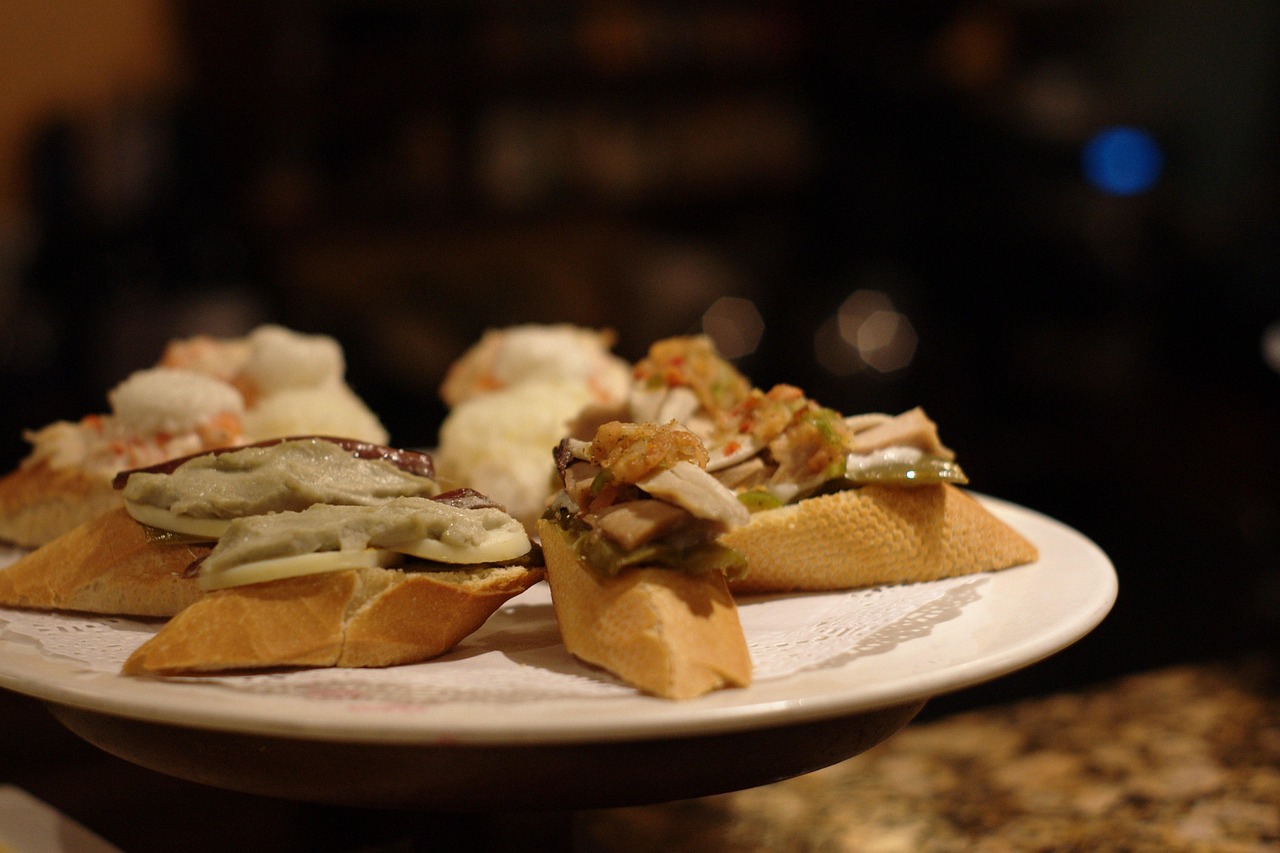
Traditionally served with polenta (either soft warm polenta or grilled polenta slices), with bread, or as cicchetti on crostini, the accompaniment providing textural contrast
The cultural significance:
Baccalà mantecato represents Venetian mastery of humble preserved ingredient — the transformation of salt-dried fish into elegant dish reflects culinary skill and ingredient respect, the preparation continuing unchanged across generations
The seasonal tradition:
Traditionally prepared for holidays and special occasions, though now available year-round in Venice restaurants, the dish’s elegance suiting celebratory context
Fegato alla Veneziana (Calf Liver with Onions)
The dish definition:
Thin-sliced calf liver quickly cooked with abundant slowly-caramelized onions, creating balance between tender liver and sweet onion depth, representing simple preparation achieving sophisticated result
The ingredient specificity:
The dish specifically uses calf liver (not chicken, beef, or other liver varieties) — the delicate flavor and tender texture enabling quick cooking without becoming tough, the ingredient quality paramount to success
The preparation technique:
Traditional preparation involves:
- Onions (abundant quantity — often equal weight to liver) thinly sliced
- Slow cooking of onions in olive oil or butter until deeply golden and sweet (20-30 minutes typically), the patience creating caramelized sweetness
- Calf liver sliced thin (approximately ¼ inch), sometimes lightly floured
- Quick searing in high heat (2-3 minutes total, rare-to-medium-rare doneness preferred)
- Liver combined with onions and served immediately, the quick cooking preserving tenderness
The flavor balance:
The contrast between tender delicate liver and sweet caramelized onions creates sophisticated balance — the onion sweetness offsetting liver’s mild gaminess, the simplicity enabling both ingredients to shine
Why quick cooking matters:
Overcooking creates tough liver, destroying the dish entirely, the technique requiring confident heat management and precise timing, the difficulty explaining why proper preparation marks skilled cook
The traditional accompaniment:
Often served with soft polenta, white polenta, or simple rice, the mild accompaniment not competing with liver-onion focus
The cultural significance:
Fegato alla veneziana represents Venetian approach to simple ingredients — the respect for liver quality, the technique transforming potential harshness into elegance, the preparation continuing unchanged since Renaissance period
The contemporary challenge:
The dish has largely disappeared from Venice restaurants (most tourists unaccustomed to liver), creating paradox where signature traditional dish increasingly unavailable in tourist venues
Risotto Nero (Squid-Ink Risotto)
The dish definition:
Risotto (arborio rice cooked gradually with stock, achieving creamy consistency) colored and flavored with squid ink, creating striking black appearance and distinctive briny seafood flavor, representing both visual drama and sophisticated taste
The ingredient foundation:
Squid ink (sepia) traditionally used in Mediterranean cuisine, the ingredient providing both color and distinctive mineral briny flavor, the visual drama creating memorable presentation
The preparation technique:
Traditional preparation involves:
- Squid cleaned and cut into pieces, cooked briefly until tender
- Arborio rice toasted briefly in oil
- Sequential addition of warm stock (fish or vegetable) allowing rice gradual absorption
- Squid ink incorporated (typically dissolved in stock before adding) creating color throughout
- Constant stirring maintaining creamy consistency
- Final butter and cheese (sometimes) enriching without overshadowing ink flavor
The texture and consistency:
Proper risotto achieves creamy consistency with individual rice grains remaining slightly firm (al dente), the technique requiring attention and skill, the consistency distinction between authentic and simplified versions
The flavor profile:
The squid ink creates briny mineral flavor, the rice’s starchiness providing richness, the squid adding delicate seafood dimension, the combination creating sophisticated complex dish
The visual drama:
The striking black color creates memorable appearance, the visual impact contributing to the dish’s restaurant appeal and cultural presence
The cultural significance:
Risotto nero represents Venice’s sophisticated seafood cuisine — the mastery of traditional technique (risotto-making) combined with distinctive ingredient (squid ink), the preparation requiring skill and attention, the result justifying the effort
Granseola (Spider Crab) — When in Season
The dish definition:
Large spider crabs (granseola) prepared simply (typically boiled or steamed), meat extracted and eaten with olive oil and lemon, representing Venice’s access to Mediterranean crustaceans, the simplicity enabling ingredient quality to emerge
The ingredient significance:
Spider crabs (larger and different from common crabs) represent seasonal luxury in Venice, the meat delicate and sweet, the crustacean available autumn and winter primarily
The preparation:
Minimal preparation — the crab boiled in salt water (sometimes with wine), the meat extracted and served with quality olive oil and fresh lemon, the simplicity allowing ingredient quality to dominate
The cultural significance:
Granseola represents Venetian lagoon’s richness — the access to distinctive Mediterranean crustaceans, the seasonal awareness, the respect for ingredient quality enabling simple elegant preparation
Pasta e Fagioli (Pasta and Beans)
The dish definition:
Humble peasant preparation combining pasta, beans, and aromatics in broth, representing working-class Venetian tradition, the simplicity creating comfort and substance
The seasonal tradition:
Traditionally prepared with dried beans (providing year-round availability), the dish warming and hearty for cool seasons
The cultural significance:
Despite simplicity, pasta e fagioli represents genuine Venetian tradition continuing in family kitchens, the humble dish valued for substance and cultural continuity rather than sophistication
Bigoli in Salsa (Thick Pasta with Anchovy Sauce)
The dish definition:
Bigoli (thick traditional Venetian pasta) served with sauce of anchovies, onions, and white wine, creating rich flavorful preparation from humble ingredients
The traditional preparation:
Anchovies gently cooked in oil with onions creating savory sauce, the pasta combined and served, the sauce coating the thick pasta
The seasonal tradition:
Traditionally prepared during Lent, the dish providing substance without meat, continuing as traditional preparation despite modern religious observance changes
Where to Find Authentic Venetian Cuisine: Venues and Guidance
Understanding where genuine traditional dishes are served.
The Authentic Venue Types:
Family-run trattorie:
Small family-operated restaurants focusing on traditional preparations, often featuring recipes passed through generations, the owner-cook typically in kitchen, the menu reflecting family culinary tradition
Characteristics:
- Limited menu reflecting seasonal availability and daily preparation
- Modest unpretentious presentation
- Reasonable prices (€15-30 pasta courses, €20-40 main courses)
- Mixed clientele (locals and engaged tourists)
- Simple decor emphasizing food over ambiance
Neighborhood bacari with food:
Small standing bars or simple eating spaces serving cicchetti and traditional dishes, the food unpretentious and inexpensive, the venue emphasizing community over tourism
Workers’ restaurants (mense):
Some traditional restaurants serve primarily local workers and residents, maintaining authentic preparations and modest pricing, increasingly rare as workers’ culture changes
Market-adjacent vendors:
Rialto Market area contains small food stalls and simple restaurants serving market-fresh preparations for workers and locals, the venues maintaining authentic tradition
Characteristics of Authentic Preparations:
Visual simplicity:
Authentic dishes often appear simple or humble in plating — the elegance emerges through ingredient quality and technique rather than elaborate presentation, the modesty reflecting philosophical approach
Ingredient visibility:
You should recognize main ingredients (sardines in sarde in saor, liver in fegato, squid in risotto nero), the preparation not disguising components, the transparency reflecting confidence in ingredient quality
Seasonal awareness:
Menus reflect seasonal availability — certain dishes appearing at specific times rather than available year-round, the limitation indicating fresh ingredient sourcing
Modest pricing:
Traditional Venetian dishes reasonably priced (€12-20 cicchetti, €15-25 pasta, €20-35 main courses), dramatic price increases signaling tourist markup rather than ingredient quality
Owner presence:
Owner-operated restaurants typically maintain standards better than corporate chains, the personal investment in reputation encouraging quality attention
Venues to Avoid:
Tourist trap red flags:
- Excessive menu size (100+ dishes indicating inconsistent quality)
- Elaborate presentation suggesting form over substance
- High prices (€25+ pasta, €50+ mains) without justifiable quality
- Menus in multiple languages with photos
- Staff actively soliciting customers from street
- No visible local clientele
- Chain or corporate atmosphere
Specific areas:
Tourist-dense San Marco locations, Grand Canal waterfront venues, heavily promoted guidebook restaurants — while not universally bad, these locations face economic pressure toward tourism accommodation rather than authentic tradition
Practical Guidance for Restaurant Selection:
Ask locals:
Hotel staff, shopkeepers, or other Venetians (not tourism workers) typically know authentic neighborhood restaurants, the personal recommendation indicating genuine quality
Observe clientele:
Restaurant containing Venetian-appearing customers during lunch (12:30-1:30 PM) or dinner (8:00+ PM) indicates local patronage, the genuine community presence suggesting authenticity
Check the kitchen:
Visibility of kitchen operations (seeing food being prepared) suggests confidence in quality, the transparent operation reflecting pride in technique
Price assessment:
Reasonable pricing (pasta €12-18, fish mains €18-30) aligned with ingredient costs indicates honest operation rather than tourism markup
Seasonal menu presence:
Limited menu reflecting seasonal availability indicates ingredient sourcing awareness, the seasonal consciousness suggesting authentic approach
Neighborhood location:
Residential neighborhoods (Cannaregio, Dorsoduro, eastern Castello, inner San Polo) typically contain more authentic venues than tourist-concentrated areas
Understanding Authenticity: How to Recognize Quality Preparations
Understanding what distinguishes genuine from compromised versions.
Sarde in Saor Authentication:
Authentic indicators:
- Visible intact or butterflied sardines (not minced or obscured)
- Onions appear naturally caramelized (golden-brown, not dark or raw)
- Sweet-sour balance apparent (neither overly acidic nor overly sweet)
- Reasonable portion size (not excessive oil or onions)
- Served at room or cool temperature
Compromised indicators:
- Sardines appearing mushy or pre-made
- Onions appearing raw or harshly cooked
- Overpowering vinegar or sugar taste
- Excessive oil or moisture
- Heavy cloying appearance
Baccalà Mantecato Authentication:
Authentic indicators:
- Creamy but not paste-like consistency
- Slight flakiness visible (not completely smooth)
- Delicate fish flavor apparent (not overly salty or oily)
- Served with simple polenta or bread (not elaborate accompaniments)
- Cool temperature served (not heated)
Compromised indicators:
- Overly smooth spreadable texture (over-whipped)
- Harsh salty or fishy taste (inadequate soaking)
- Overly oily appearance
- Heavy garlicky flavor masking cod
- Served warm or with unnecessary accompaniments
Fegato alla Veneziana Authentication:
Authentic indicators:
- Tender liver apparent (not tough or stringy)
- Golden-sweet onions visible (deeply caramelized, not raw)
- Balance between liver and onions (neither overshadowing)
- Served immediately after cooking (warm temperature)
- Simple plating (liver and onions, modest accompaniment)
Compromised indicators:
- Tough liver texture (overcooked)
- Raw harsh onions (undercooked)
- Excessive oil or liquid
- Cold liver (not prepared fresh)
- Elaborate presentation masking quality issues
Risotto Nero Authentication:
Authentic indicators:
- Creamy consistency with visible individual rice grains (al dente)
- Squid pieces visible or flavor apparent (not purely ink without substance)
- Deep black color (indicating adequate ink incorporation)
- Briny mineral flavor balanced (not overwhelming)
- Served immediately hot (proper risotto temperature)
Compromised indicators:
- Mushy rice texture (overcooked)
- Gluey consistency (excessive liquid or flour)
- No squid or seafood dimension (purely colored rice)
- Muddy muted color (inadequate ink)
- Cold or lukewarm temperature
- Overly heavy or oily
The Ingredient Dimension: Understanding Venetian Culinary Philosophy
Understanding why ingredients matter in Venetian tradition.
Salt Cod (Baccalà) Philosophy:
Why preserved fish matters:
Traditional Venetian cuisine developed in context of food preservation necessity (pre-refrigeration era), the preservation techniques creating ingredients whose flavor and texture differ fundamentally from fresh equivalents, the difference not merely convenient but culturally significant
The transformative quality:
Salt cod, through preservation, develops concentrated flavor and texture qualities, the salting and drying creating depth impossible in fresh fish, the transformation representing culinary mastery
The cultural continuity:
The continued use of salt cod (despite fresh fish availability) represents maintaining tradition and respect for ingredient mastery, the choice of preserved fish philosophical rather than merely practical
The Sweet-Sour Tradition:
The spice-trading influence:
Venice’s control of Mediterranean spice routes created access to ingredients unavailable elsewhere in Europe, the sweet-sour flavor profile (vinegar’s acid, sugar or honey’s sweetness) reflecting this unique position
The balance philosophy:
The sweet-sour approach emphasizes balance and complexity, the two opposing flavors creating tension and dimension, the sophistication emerging from balancing contrasts
The preservation and flavor:
The sweet-sour preparations simultaneously preserve (vinegar’s acid) and enhance flavor (sugar and acid creating complexity), the dual function reflecting culinary intelligence
The Ingredient Seasonality:
The awareness principle:
Traditional Venetian cuisine reflects seasonal ingredient availability, the cooking adjusting to what’s available, the discipline creating seasonal variation and ingredient respect
The modern challenge:
Modern refrigeration and transport enable year-round ingredient availability, potentially disconnecting cuisine from seasonal awareness, the loss of seasonality representing potential tradition erosion
Integration with Venice Exploration: Food as Cultural Engagement
Understanding how food connects to broader Venice experience.
The Market-to-Table Connection:
Rialto Market experience:
Visiting the market where Venetian cuisine originates — observing seasonal produce, fresh fish, ingredient quality — creates foundation for understanding the cuisine’s character
The ingredient sourcing awareness:
Understanding where restaurants source ingredients (local, seasonal, quality) versus generic supplies affects appreciation of resulting dishes
The chef knowledge:
Restaurants featuring owner-chefs typically maintain ingredient standards and traditional methods better than corporate operations, the personal investment in reputation encouraging quality
The Bacari Connection:
Cicchetti and aperitivo culture engagement:
The traditional small bites (cicchetti) served during aperitivo include prepared versions of classic dishes (sarde in saor, baccalà, etc.), the casual consumption providing introduction to authentic cuisine
The community context:
The bacari gathering (during aperitivo hours) represents where Venetians engage with traditional food culture authentically, the community engagement revealing food’s social significance
The Neighborhood Dining:
Authentic neighborhood restaurant discovery:
Seeking restaurants in residential neighborhoods (Cannaregio, Dorsoduro, eastern Castello) increases likelihood of authentic preparations and local clientele
The walking exploration:
Wandering neighborhoods, observing which restaurants contain locals during meals, discovering hidden trattorie creates more authentic engagement than guidebook-directed venues
Our Venetian Cuisine and Food Culture Services
If you want authentic engagement with Venetian food traditions and meaningful cuisine exploration — authentic restaurant discovery, traditional dish understanding, ingredient knowledge, preparation technique explanation, market exploration, bacari guidance, food culture context — we provide specialized Venetian cuisine and food-focused guidance.
What We Provide:
Authentic restaurant coordination:
- Family-run trattoria discovery and reservation
- Neighborhood restaurant identification
- Venue assessment and quality verification
- Translation and menu navigation
Dish and ingredient expertise:
- Detailed explanation of traditional preparations
- Ingredient sourcing and quality discussion
- Historical and cultural context of dishes
- Authentic versus compromised version distinction
Market exploration:
- Rialto Market navigation and seasonal produce understanding
- Vendor relationships and ingredient sourcing
- Market-to-table cuisine connection
- Seasonal ingredient awareness
Food culture immersion:
- Bacari and cicchetti engagement
- Aperitivo ritual and food culture context
- Neighborhood dining and social food engagement
- Traditional preparation observation
Practical dining skills:
- Menu reading and ordering assistance
- Italian language support for food context
- Etiquette and cultural dining practices
- Wine and beverage pairing guidance
Culinary workshops (if available):
- Traditional dish preparation classes
- Market shopping and ingredient selection
- Kitchen techniques and traditional methods
Neighborhood integration:
- Food culture within broader neighborhood exploration
- Local vendor relationships
- Community food traditions
- Seasonal variation understanding
Understanding Complete Context
For food and market exploration: Rialto Market, bacari and cicchetti culture, aperitivo rituals.
For neighborhood dining: Cannaregio, Dorsoduro, San Polo exploration, authentic neighborhood experiences.
For cultural engagement: Authentic Venice experiences, artisan traditions, local engagement.
For all experiences: Complete tour options.
Authentic Venetian Cuisine Represents Maritime Heritage, Spice-Trading Tradition, Preservation Techniques, Ingredient Respect — Sarde in Saor, Baccalà Mantecato, Fegato alla Veneziana, Risotto Nero, Traditional Preparations, Sweet-Sour Signature, Seasonal Awareness, Family Recipes, Working-Class Origins, Sophisticated Simplicity, Cultural Identity Through Food
After 28 years guiding Venice and being featured by Rick Steves, NBC, and US Today, I recognize authentic Venetian cuisine as essential cultural engagement — the food traditions reflect Venice’s unique history (maritime republic, spice-trading access, preservation necessity), creating distinctive cuisine based on seafood, preserved ingredients, sweet-sour flavor profiles, seasonal awareness, ingredient respect enabling simple elegant preparation. The iconic dishes represent cultural identity: sarde in saor (sardines marinated in sweet-sour onion sauce) combines maritime tradition, preservation technique, and spice-trading influence creating complex flavor from simple ingredients; baccalà mantecato (whipped salt cod) transforms humble preserved fish into elegant preparation reflecting culinary mastery and ingredient respect; fegato alla veneziana (calf liver with slow-cooked onions) demonstrates Venetian sophistication achieved through technique enabling delicate ingredient quality to emerge; risotto nero (squid-ink risotto) represents sophisticated seafood cuisine combining traditional technique with distinctive local ingredient. Other traditional dishes (granseola, pasta e fagioli, bigoli in salsa) represent working-class heritage and continued cultural practice. Authentic preparations feature simple honest presentation, ingredient visibility, reasonable pricing (€15-30 pasta, €20-40 mains), owner-chef operations, local clientele, seasonal variation, neighborhood locations (Cannaregio, Dorsoduro, eastern Castello, inner San Polo) indicating genuine tradition rather than tourism accommodation. The philosophical approach values ingredients over presentation, technique over elaboration, substance over showiness, the cumulative effect creating sophisticated cuisine grounded in respect for materials and cultural continuity. We provide authentic restaurant coordination, traditional dish expertise, ingredient knowledge, market exploration, bacari guidance, food culture context, practical dining skills, neighborhood integration, culinary immersion. Contact us for authentic Venetian cuisine experiences connecting you with food traditions representing Venice’s cultural identity. Let’s explore Venetian food traditions authentically.
Contact us for expert Venetian cuisine guidance — authentic restaurant access, traditional dish mastery, food culture immersion, market exploration, neighborhood dining coordination.
Frequently Asked Questions
How do I distinguish between authentic Venetian traditional dishes and tourist-oriented versions that restaurants serve, and what should I do if served something that doesn’t seem authentic?
Distinguishing authentic from tourist versions requires understanding dish composition, ingredient quality, and preparation indicators — you can develop assessment ability quickly through observation and basic knowledge. The core authentication questions to ask yourself: (1) Do I recognize the main ingredients? Can you identify sardines in sarde in saor, see the liver in fegato, recognize squid pieces in risotto nero? Obscured or unidentifiable ingredients suggest compromised preparation or substitution. (2) Does the presentation appear modest or elaborately plated? Authentic dishes typically simple, elegant presentation reflecting ingredient quality rather than chef artistic expression. Excessive decoration or professional plating suggests restaurant prioritizing presentation over tradition. (3) What’s the price point? Pasta dishes €12-18, main courses €20-35 suggests ingredient-focused pricing. Prices €25+ pasta, €50+ fish suggests tourist markup without corresponding quality increase. (4) Does the flavor match expectations? Sarde in saor should taste sweet-sour balanced, baccalà delicate and creamy, fegato tender with sweet caramelized onions. If flavor seems harsh, unbalanced, or not matching description, the preparation likely compromised. (5) Are locals eating there during meal times? Lunchtime (12:30-1:30 PM) or dinner (8:00+ PM) local presence suggests authentic quality, community vote-with-feet validation. Predominantly tourists signal commercial rather than tradition-focused operation. What to do if served questionable preparation: (1) Taste and assess — try the dish, evaluate whether it matches authenticity standards (flavor balance, ingredient visibility, texture appropriateness). (2) Don’t automatically assume wrongness — sometimes preparation varies slightly from expectations without being inauthentic, the variation legitimate rather than inferior. (3) Polite feedback — if genuinely substandard, you can speak with server/owner conversationally (not accusingly), perhaps explaining you’d expected different preparation. The response indicates whether restaurant cares about authenticity or dismisses concerns. (4) Accept the experience — sometimes restaurants serve compromised versions, and that’s reality of Venice tourism. Eating it without complaint isn’t failure; you tried and learned. (5) Use experience for future choices — restaurant that served questionable preparation won’t return there, use learning to refine subsequent venue selection. How to increase confidence in authentic assessment: (1) Visit markets — Rialto Market observation teaches ingredient quality, seasonal availability, Venetian sourcing patterns. (2) Ask experienced people — guide, hotel staff, or local shop owners can explain what authentic preparations look like. (3) Visit bacari — Cicchetti in standing bars provides introduction to traditional preparations in honest unpretentious context. (4) Observe other diners — watch how Venetian-appearing customers eat (quick casual consumption, modest portions, simple ordering), the patterns revealing cultural practice. (5) Build comparative experience — visit multiple venues, taste multiple versions of same dish, develop palate understanding through direct comparison. The honest reality: Distinguishing authentic from compromised becomes intuitive relatively quickly — most people naturally recognize when something tastes wrong or ingredient is substituted. Trust your instincts; if something seems off, it probably is. The vulnerability is accepting that some Venice restaurants serve tourist versions, and that’s okay — the learning process itself creates engagement and appreciation for genuine traditions when you finally experience them.
Should I specifically seek out these traditional dishes, or can I engage authentically with Venetian cuisine through other foods as well, and are there other traditional dishes I should know about?
Seeking specific iconic dishes creates focused learning, but authentic Venetian cuisine engagement extends beyond famous dishes — the philosophy and approach matter as much as specific recipes. Why seeking iconic dishes initially makes sense: (1) The reference point — well-known dishes (sarde in saor, baccalà, fegato) provide concrete learning foundation, the familiarity creating entry point to tradition. (2) The cultural markers — these dishes appear frequently on menus and in bacari, the prevalence indicating cultural significance, understanding them deepens broader cuisine comprehension. (3) The preparation mastery — these dishes demonstrate Venetian cooking philosophy (simplicity, ingredient respect, technique enabling rather than masking), learning them teaches broader culinary approach. (4) The historical connection — these dishes carry centuries of continuity, eating them creates tangible connection with Venetian tradition. The broader authentic engagement approach: Rather than seeking exclusively iconic dishes, authentic participation means understanding the philosophy:
Ingredient respect — choosing foods allowing ingredients to shine (simple preparations, quality sourcing)
Seasonal awareness — eating what’s available that season, understanding why seasonal variation exists
Seafood emphasis — exploring fish and seafood preparations (Venice’s primary ingredient access)
Community engagement — eating in bacari and neighborhood restaurants where locals gather
Modest presentation — valuing substance over elaborate plating
Price appropriateness — seeking reasonable pricing indicating ingredient-focused rather than tourism-markup operation
Other traditional Venetian dishes worth seeking:
Anguilla alla veneziana — eel prepared with herbs and vinegar, representing traditional lagoon ingredient
Branzino in crosta — sea bass cooked in salt crust, demonstrating technique enabling delicate fish preparation
Seppie in umido — cuttlefish (sepia) stewed with wine and tomatoes, representing slow-cooked seafood tradition
Moleche — soft-shell crabs (seasonal, typically spring), representing ephemeral seasonal delicacy
Calamaretti fritti — fried small squid, simple preparation showcasing ingredient quality
Risi e bisi — rice with spring peas and prosciutto, representing seasonal spring dish
Panettone (seasonal Christmas) — traditionally Venetian cake, though now widespread Italian tradition
Tiramisu (postwar invention despite now-standard dessert) — actually Veneto region origin, though modern version developed postwar
The philosophy extension: Once understanding iconic dishes’ philosophy, applying that understanding to other foods becomes automatic — you naturally assess whether seasonal, ingredient-focused, simply prepared, reasonably priced, locally sourced, community-gathered. Any food matching those criteria authentically engages with Venetian tradition regardless of specific dish name.
The practical recommendation: Seek iconic dishes initially (sarde in saor, baccalà, fegato especially) for concrete learning and cultural connection. But don’t limit exploration to those dishes alone — extend the philosophy to other preparations, building broader understanding of Venetian cuisine’s values rather than becoming fixated on specific recipes. The genuine engagement emerges from understanding why these dishes matter and how they represent Venetian identity, not from checking off a list of specific foods.
Should I specifically seek out these traditional dishes, or can I engage authentically with Venetian cuisine through other foods as well, and are there other traditional dishes I should know about?
Venetian cuisine is overwhelmingly seafood and meat-based (reflecting maritime/trading heritage and working-class protein reliance), making authentic engagement more challenging for vegetarians/vegans, though authentic options exist with creativity and communication. The honest starting point: Traditional Venetian cuisine developed in maritime republic context where protein access centered on seafood and preserved meats, vegetable dishes were historically side dishes or poor-season substitutes rather than central preparations. This historical reality means:
Most iconic dishes (sarde in saor, baccalà, fegato, risotto nero, granseola) are seafood/meat based — no direct vegetarian equivalents exist
Vegetable dishes (pasta e fagioli, risi e bisi) sometimes feature bacon/prosciutto as flavoring component
Authentic engagement challenge — vegetarian/vegan diets don’t align with historical Venetian cuisine’s foundations
What vegetarian/vegan options actually exist:
Risi e bisi — rice with peas and sometimes prosciutto (can request without meat, though some bacon flavor traditionally present)
Pasta e fagioli — pasta with beans, sometimes containing meat (can request vegetarian version, accuracy varies)
Fritelle di zucca — pumpkin fritters, occasionally available seasonally
Polenta — cornmeal preparation, sometimes vegetarian, though often prepared with meat stock
Fresh vegetable dishes — seasonal vegetables, often simply prepared, available in markets and some restaurants
Vegetable-based cicchetti — olives, marinated vegetables, sometimes vegetarian preparations in bacari
Bread and cheese — simple combination available everywhere
Market-fresh approach: Shopping Rialto Market for vegetables, cheese, bread enables assembling authentic meals around available seasonal produce
The communication strategy: Being clear about dietary restrictions in Italian or with restaurant staff enables customization — restaurants can prepare vegetable dishes, pasta with vegetable-only sauces, accommodations often available if genuinely requested rather than expected
The philosophical alignment consideration: If Venetian cuisine authenticity matters deeply (versus merely eating well in Venice), vegetarian diets create genuine tension with tradition. The historical reality means “authentic” vegetarian Venetian cuisine is somewhat oxymoronic — the tradition is fundamentally meat/seafood-based, vegetarian modifications create variations rather than authentic engagement.
Practical options:
(1) Accept the limitation — acknowledge that authentic Venetian cuisine isn’t ideal for vegetarian/vegan diets, but still engage with non-iconic dishes where possible, appreciating philosophical approach where feasible
(2) Focus on market and simple preparations — shop markets, eat fresh vegetables, bread, cheese, simple preparations reflecting seasonal and local awareness (vegetarian-aligned philosophy even without traditional dishes)
(3) Find accommodating restaurants — some modern restaurants provide vegetarian versions of traditional dishes, acknowledge this departs from authenticity but still honors ingredient and preparation philosophy
(4) Supplements with other Italian regions — other Italian cuisines (Tuscan, Piedmont, etc.) have stronger vegetarian traditions, supplementing Venetian food exploration with regional alternatives
(5) Embrace seafood flexibility — if vegetarian but not vegan, seafood focus aligns well with Venetian tradition, enabling authentic engagement through fish and seafood dishes
The honest perspective: Vegetarian/vegan travelers can eat well and engage meaningfully with Venice’s food culture, but authentic traditional Venetian cuisine specifically isn’t ideal fit. The tradition developed around seafood/meat protein, the philosophical approach (ingredient respect, simplicity, seasonality) translatable to vegetable-based eating but the specific iconic dishes inaccessible. Accept the limitation, work creatively within constraints, appreciate what engagement is possible rather than treating vegetables-only as equivalent authenticity to seafood-based tradition.