“What is Harry’s Bar, and why is it so famous? Did they really invent the Bellini and carpaccio there? Is it worth the expensive prices, or is it just a tourist trap trading on reputation?”
These questions appear from travelers encountering Harry’s Bar’s legendary status, recognizing its association with famous cocktails and dishes, wondering whether the reputation justifies the premium prices, curious about the historical accuracy of invention claims, seeking to understand whether visiting represents genuine cultural experience or tourism performance.
The honest answer: Harry’s Bar represents a genuinely significant Venice institution — founded 1931 by American expatriate Harry Cipriani, the establishment legitimately invented the Bellini cocktail (white peach juice and prosecco) in 1948 and the carpaccio dish (thinly sliced raw beef with sauce) in 1950, creating culinary innovations that became internationally significant and continue defining the establishment, creating authentic historical importance alongside the contemporary reality of premium pricing, international celebrity clientele, and tourist destination status, requiring honest assessment of whether the experience justifies cost while acknowledging the genuine cultural contributions.
After 28 years guiding Venice — understanding Harry’s Bar’s actual history, knowing the authentic stories behind the famous creations, recognizing how the establishment balances genuine historical significance with contemporary tourism economics, working with travelers who visit and report diverse experiences ranging from transcendent to disappointing — I know that Harry’s Bar deserves understanding as important cultural institution while maintaining realistic perspective on contemporary experience and value proposition.
The fundamental realities most travelers miss:
Harry’s Bar’s fame rests on genuine culinary inventions — the Bellini and carpaccio weren’t marketing creations but rather actual innovations developed at the bar, the cocktail and dish becoming internationally significant through quality and cultural moment
Understanding that Harry’s Bar’s current reality differs substantially from its mid-20th century character — the original venue transformed from local institution into international celebrity haunt, the clientele, pricing, and atmosphere reflecting contemporary tourism economy rather than historical ambiance
The substantial price premium reflects multiple factors — the famous-name markup certainly, but also location premium (San Marco), staff expertise and service standards, genuine historic significance, the combination creating €15+ cocktails and €30+/oz carpaccio pricing
Recognizing that visiting Harry’s Bar represents different experience than seeking authentic Venice — the establishment occupies unique position as genuine historical institution that has become tourism destination, the authenticity coexisting with commercialization
Understanding that the Bellini and carpaccio, while invented at Harry’s Bar, are now widely available throughout Venice at significantly lower cost, the question becoming whether the original location justifies premium or whether alternatives offer better value
This is the completely honest Harry’s Bar guide — explaining the establishment’s genuine history and founder, describing how the Bellini and carpaccio were actually invented and their cultural significance, addressing the contemporary reality (pricing, clientele, experience), providing honest assessment of whether visiting justifies cost, and helping you understand Harry’s Bar’s position within Venice experience without either inflating or dismissing its genuine cultural contributions.
Harry’s Bar: The History and Founding
Understanding the establishment’s genuine origins and early significance.
The Founding Story:
Harry Cipriani and the beginning:
Harry Cipriani (1900-1956), American expatriate of Italian descent, founded Harry’s Bar in 1931 in Venice’s San Marco district, the establishment representing his vision of creating sophisticated cocktail bar accessible to both international visitors and Venetian clientele
The location choice:
The bar occupies small space in San Marco (Calle Vallaresso, near San Marco Basilica), the central location enabling access to both tourists and Venetian socialites, the proximity to major attractions creating natural clientele flow
The historical moment:
Founded 1931 (early Depression era), the establishment emerged during economically difficult period, the bar’s success reflecting genuine quality and innovation rather than easy market conditions
The concept:
Harry’s vision combined American cocktail culture with Italian sophistication — importing cocktail-making traditions from America while emphasizing quality ingredients and skilled preparation, creating hybrid approach reflecting his bicultural identity
The early clientele:
Initially served mix of American expatriates, wealthy Venetian families, international travelers, the diverse clientele creating sophisticated cosmopolitan atmosphere distinguishing the bar from typical Venice taverns
The Pre-Bellini Era (1931-1948):
The bar’s character:
Early Harry’s Bar operated as genuinely local institution (despite international clientele) — small intimate space, owner-focused operation, Harry himself mixing drinks and engaging with regulars, the personal touch creating distinctive character
The reputation building:
Through the 1930s-1940s, Harry’s Bar developed reputation for quality cocktails and attention to detail, though remaining relatively unknown internationally, the local institution phase establishing foundation for later fame
The clientele development:
The bar attracted sophisticated drinkers appreciating cocktail quality — Venetian families, artists, writers, travelers, the community creating culture valuing skill and innovation
The Bellini Invention (1948):
The creation story:
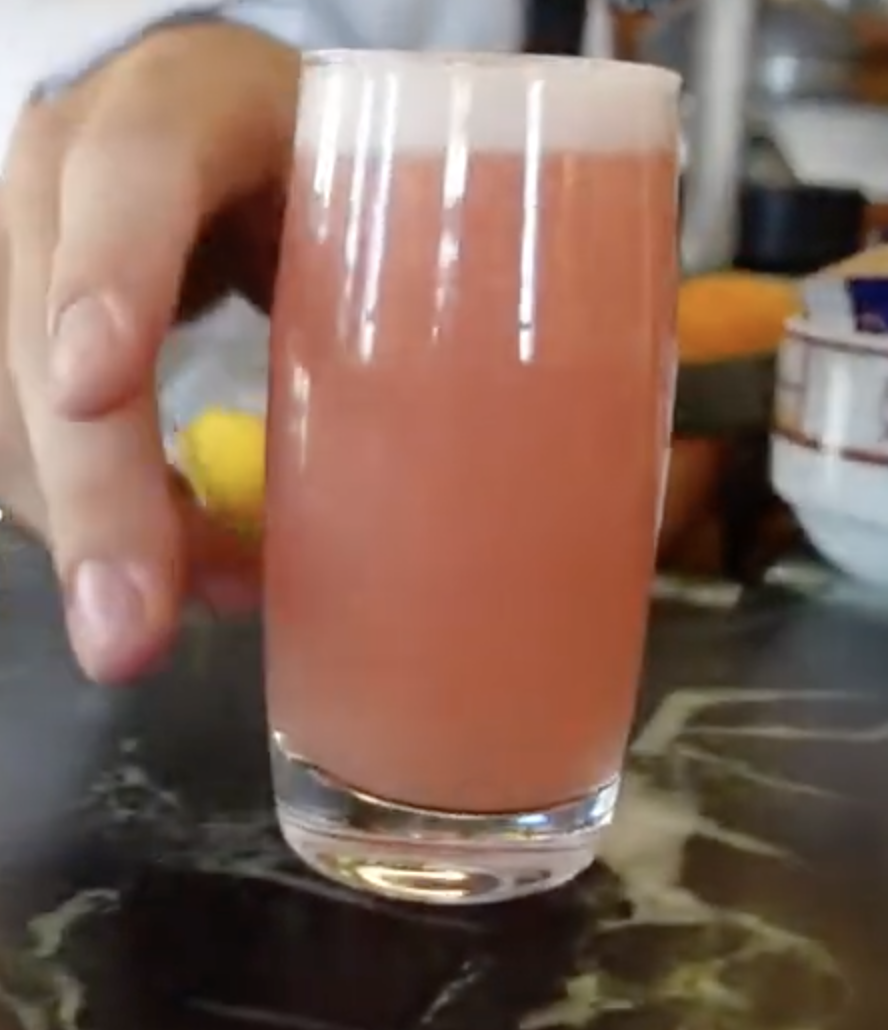
In 1948, Giuseppe Cipriani (Harry’s son, who took over bar operations) created the Bellini cocktail by combining fresh white peach juice with prosecco, the invention emerging from ingredient availability and experimentation
The inspiration:
The name “Bellini” referenced Venetian Renaissance painter Giovanni Bellini, the color of the drink (pale peachy-pink) evoking tones in Bellini’s paintings, the cultural reference reflecting Venice’s artistic heritage
The composition:
The Bellini combines:
- Fresh white peach juice (the distinctive component)
- Prosecco (Venetian sparkling wine)
- Proportion approximately 1 part peach juice to 2-3 parts prosecco
- Simple preparation (juice and prosecco mixed, served chilled)
- The simplicity enabling ingredient quality to emerge
Why the innovation mattered:
The Bellini represented genuine culinary innovation — the combination of fresh fruit juice and prosecco created approachable yet sophisticated drink, the seasonal peach availability creating temporary limited availability adding to allure
The international success:
The Bellini rapidly achieved international recognition — famous drinkers (Ernest Hemingway reportedly enjoyed them), travel writers featuring the cocktail, the drink becoming signature Harry’s Bar creation, spreading globally through international travelers experiencing the original
The cultural significance:
The Bellini became symbol of Venice’s sophistication and Italian aperitivo culture, the cocktail association with Harry’s Bar creating lasting brand identity, the drink remaining the establishment’s most recognizable creation
The Carpaccio Invention (1950):
The dish origin story:
In 1950, Giuseppe Cipriani created the carpaccio (thinly sliced raw beef with sauce) as response to regular customer’s dietary needs — a countess with specific health restrictions requested simple raw meat preparation
The actual development:
Rather than simply serving raw beef, Cipriani developed accompanying sauce (combination of mustard, Worcestershire, lemon, possibly other ingredients varying in contemporary accounts), the sauce providing flavor complement enabling the raw beef to become refined dish rather than merely raw meat
The name selection:
The name “carpaccio” referenced Venetian Renaissance painter Vittore Carpaccio, the red and white color contrast (beef and white sauce) evoking color palettes in Carpaccio’s paintings, the cultural naming paralleling the Bellini precedent
The composition:
Classic Carpaccio comprises:
- Beef sliced paper-thin (the presentation essential)
- Raw preparation (the beef completely uncooked)
- Sauce of varying exact composition (Worcestershire, mustard, lemon, sometimes mayonnaise elements)
- Minimal accompaniments (perhaps capers, arugula, or parmesan)
- The simplicity enabling beef quality to dominate
Why the innovation resonated:
The carpaccio represented culinary boldness — the completely raw presentation challenged conventional cooking wisdom, the trust in ingredient quality enabling the dish, the sophistication emerging from simplicity rather than technique
The international adoption:
Like the Bellini, carpaccio achieved rapid international recognition — becoming standard appetizer in upscale restaurants globally, the association with Harry’s Bar creating lasting connection despite the dish now widely available
The contemporary ubiquity:
Modern carpaccio variations (mushroom, fish, vegetable versions) extend beyond the original beef preparation, though beef carpaccio remains the classic version, the dish’s presence on virtually every upscale restaurant menu testifying to its significance
The Bellini and Carpaccio: The Authentic Recipes and Their Evolution
Understanding the original preparations and how they’ve evolved.
The Bellini: The Original and Contemporary Versions
The authentic Harry’s Bar preparation:
Harry’s Bar’s original Bellini employed fresh white peach juice (the signature component requiring seasonal fresh peaches), combined with prosecco in proportion emphasizing the peach flavor, the simplicity of preparation enabling ingredient quality to determine success
The seasonal authenticity:
Traditionally, Bellinis were seasonal drinks (available only during peach season, typically June-September), the limitation reflecting ingredient availability, the seasonality creating exclusivity and anticipation
The contemporary challenge:
Modern bartenders face pressure to serve Bellinis year-round, requiring either frozen peach puree, preserved peach juice, or peach liqueurs creating “Bellini-like” drinks departing from original preparation
The quality dimension:
The original Bellini’s excellence derived from:
- Ingredient quality: Fresh white peaches (proper ripeness, flavor)
- Prosecco quality: Decent prosecco (not premium, but quality basic production)
- Preparation simplicity: No complicated technique, just fresh juice and prosecco
- Ratio precision: Proper balance enabling both ingredients to contribute
The contemporary variations:
Modern Bellini variations frequently deviate from original:
- Peach liqueur versions: Substituting juice with commercial liqueurs (easier, less seasonal, different flavor)
- Altered proportions: Favoring prosecco overwhelmingly (easier, less peach juice cost)
- Additional ingredients: Adding vodka, other spirits, modifiers changing character
- Frozen or blended versions: Creating different texture and presentation
The Harry’s Bar standard:
Contemporary Harry’s Bar Bellinis maintain commitment to original preparation — seasonal fresh peach juice, proper prosecco, simple elegant composition, the premium pricing partially reflecting commitment to ingredient quality
The Carpaccio: The Original and Contemporary Versions
The authentic Harry’s Bar preparation:
The original carpaccio employed highest-quality beef (specific cuts, careful sourcing), sliced paper-thin, accompanied by distinctive sauce balancing the raw meat’s richness
The sauce composition:
The exact sauce recipe remains partially proprietary (like many classic restaurant preparations), though documented accounts suggest:
- Worcestershire sauce (providing umami and spice)
- Mustard (providing sharpness)
- Lemon juice (providing acidity)
- Possibly mayonnaise or oil (providing richness and emulsion)
- Possibly capers or other garnish (providing textural contrast)
The sauce’s function was providing flavor complement enabling raw beef to become refined dish rather than merely raw meat
The beef selection:
Quality carpaccio depends entirely on beef quality — the raw preparation offering no opportunity to conceal inferior ingredient, the reliance on ingredient quality distinguishing authentic from compromised versions
The contemporary ubiquity:
Carpaccio’s international adoption created variations:
- Fish carpaccio (salmon, tuna, white fish versions)
- Mushroom carpaccio (vegetable adaptation)
- Vegetable carpaccio variations (expanding the concept)
- Beef carpaccio modifications (altered sauces, additional garnishes)
The quality distinction:
Contemporary carpaccio quality varies dramatically:
- Premium preparations: High-quality beef, proper slicing, balanced sauce, careful plating
- Tourist versions: Lower-quality beef, excessive garnish masking product, heavy sauces, minimal care
Harry’s Bar standard:
Contemporary Harry’s Bar carpaccio maintains commitment to original concept — quality beef, careful slicing, balanced sauce, the premium pricing reflecting ingredient and preparation commitment
The Mid-Twentieth Century Golden Era
Understanding Harry’s Bar’s peak cultural significance.
The Post-World War II Period:
The Venice recovery context:
Post-WWII Venice experienced tourism renaissance as international travelers returned to Europe, Harry’s Bar positioned perfectly to serve wealthy travelers appreciating sophisticated cocktails and refined cuisine
The celebrity era:
From approximately 1950s-1970s, Harry’s Bar became known for celebrity clientele — writers (Hemingway), artists, musicians, political figures, the famous patrons creating cultural prestige
The literary associations:
Ernest Hemingway was a known patron (though degree of his actual presence sometimes overstated in promotional materials), the author’s association with Venice and drinking culture creating literary prestige
The cultural positioning:
Harry’s Bar achieved status as symbol of Venice sophistication and Italian aperitivo culture, the establishment representing refined drinking and dining tradition, the reputation extending globally through travelers and media
The operational excellence:
During this era, Harry’s Bar maintained reputation for exceptional service and quality, the personal involvement of Cipriani family members in daily operations ensuring consistency, the attention to detail creating loyal clientele
The Transition to Tourism Destination:
The gradual transformation:
From approximately 1970s onward, tourism volume increased dramatically, Harry’s Bar’s reputation attracting international visitors seeking the “authentic Venice experience,” the celebrity clientele gradually supplemented (then somewhat displaced by) tourism crowds
The commercialization dynamics:
Increased tourism enabled premium pricing, the famous-name reputation justifying escalating costs, the establishment’s exclusivity partly maintained through pricing (some clientele priced out), the dynamics common to luxury establishments globally
The quality maintenance challenge:
As volume increased, maintaining exceptional service and attention became increasingly difficult, the tension between growth and consistency creating ongoing operational challenge
The Contemporary Reality: Modern Harry’s Bar
Understanding the establishment as it currently operates.
The Contemporary Experience:
The physical space:
Harry’s Bar occupies small intimate space (approximately 10-12 seats at counter, limited table seating), the modest size reflecting original design not anticipating global fame, the cramped conditions sometimes cited as authentic charm, sometimes as uncomfortable crowding
The clientele composition:
Contemporary clientele combines:
- International tourists: Seeking famous bar experience, willing to pay premium
- Wealthy visitors: International high-income travelers, business travelers
- Some Venetian regulars: Though numbers significantly reduced from historical era
- Occasional celebrities: Genuine famous clientele still visit, though frequency likely overstated in promotion
The atmosphere:
Contemporary Harry’s Bar balances:
- Sophistication and service excellence: Genuine professional bartenders, quality preparation, attentive service
- Tourism performance: The awareness of being famous destination, the staging element present
- The intimate historical space: The original bar design maintaining some authenticity, the history-laden environment palpable
The Pricing Reality:
The cost structure:
Contemporary Harry’s Bar pricing substantially exceeds comparable Venice venues:
- Bellini cocktails: €15-18+ (comparable prosecco-based cocktails €8-12 elsewhere)
- Carpaccio: €30+ (excellent quality beef carpaccio €18-25 elsewhere)
- Other cocktails: €12-16+ (quality cocktails €8-12 elsewhere)
- Food items: Premium pricing throughout (Italian cuisine generally inexpensive; Harry’s Bar prices competing with fine-dining establishments globally)
The price justification arguments:
Harry’s Bar defends premium pricing through:
- Historical significance and prestige
- Ingredient quality and preparation standards
- Service excellence and attention
- Location premium (San Marco)
- The brand value and reputation
The honest assessment:
The pricing reflects multiple factors — some justified (quality, service, location), some reflecting tourism premium and brand markup. The question isn’t whether prices are objectively “correct” but whether individual visitors consider the experience worth the cost
The Quality Assessment:
The contemporary quality reality:
Bellini quality: Maintains strong reputation for quality cocktails, the commitment to ingredient standards noticeable, the drink executed professionally with attention to proportion and presentation
Carpaccio quality: The beef sourcing and preparation remain high-quality, the dish technically well-executed, though the presentation and sauce sometimes criticized as less innovative than historical versions
Overall experience: Contemporary Harry’s Bar delivers professional, polished experience, the service attentive and knowledgeable, the historical atmosphere palpable, the execution competent though some claim lacking the spontaneity or warmth of historical era
The Tourism Destination Reality:
The experience transformation:
Harry’s Bar has transformed from local institution to international tourist destination, the transformation creating tensions:
- Authenticity dilution: The primarily-tourist clientele differs from historical mix
- Commercialization reality: The premium pricing and tourist focus represent business reality
- Service orientation: The attention to tourists affects service experience compared to local institution era
- The historical aura: The famous-bar status creates unique atmosphere unavailable elsewhere, though partly tourism-created
The contemporary value proposition:
Visiting Harry’s Bar offers:
- Historical significance: Genuine origin location of famous creations
- Professional quality: Competent execution and service excellence
- Unique atmosphere: The famous-bar historical environment
- The authentic original location: Unlike later Harry’s Bar locations (opened elsewhere), the Venice original maintains legitimacy
- The premium cost: The experience’s value depends on whether historical significance and quality justify expense
Bellini and Carpaccio Beyond Harry’s Bar: The Global Spread
Understanding how the creations became international phenomena.
The Bellini’s Global Journey:
The international adoption:
The Bellini rapidly became internationally recognized cocktail — featured in cocktail guides, adopted by luxury hotels and restaurants globally, becoming signature drink in upscale venues worldwide
The quality variation:
The global adoption created quality spectrum:
- Authentic preparations: Fresh peach juice, proper prosecco, simple elegant composition
- Compromised versions: Peach liqueurs, frozen fruit purees, altered proportions, additional modifiers
The seasonal challenge:
The original Bellini’s seasonal nature (limited to peach season) created challenge for year-round service globally, many establishments substituting preserved peaches or liqueurs, the deviation from original creating different drinks marketed as Bellinis
The contemporary ubiquity:
Modern Bellini variations extend throughout the world — Harry’s Bar popularized the concept, but the execution varies dramatically depending on establishment quality and commitment to original preparation
The Carpaccio’s Global Journey:
The culinary adoption:
Carpaccio became standard appetizer in upscale restaurants globally — Italian restaurants particularly, but also French, American, and international fine dining adopting the preparation
The concept extension:
The carpaccio concept expanded beyond beef — fish carpaccio (salmon particularly), mushroom carpaccio, vegetable versions, the original concept generating numerous variations
The quality spectrum:
Contemporary carpaccio quality varies dramatically:
- Premium preparations: Quality ingredients, careful slicing, balanced sauces, refined presentation
- Tourist versions: Lower-quality products, heavy garnish, crude sauces, minimal technique
- The original Harry’s Bar version: Maintains standards distinguishing it from numerous contemporary versions
The Cultural Significance:
The culinary innovation legacy:
Both the Bellini and carpaccio represent genuine culinary innovation — the creations emerging from specific place and moment, the international adoption testifying to quality and appeal, the continued global presence validating the original inventions
The Harry’s Bar association:
The establishment’s association with these creations remains primary — though both now widely available globally, Harry’s Bar maintains status as original source, the legitimacy of the originating location creating lasting prestige
Visiting Harry’s Bar: Practical Information and Honest Assessment
Understanding how to experience the establishment realistically.
Practical Information:
Location:
Harry’s Bar occupies Calle Vallaresso, San Marco district (near San Marco Basilica), the central location enabling easy access from major tourist areas
Hours:
Typically operates 10:30 AM-11:00 PM (hours may vary seasonally or by day, verification recommended before visiting)
Reservations:
Reservations highly recommended (essential during peak seasons), walk-ins possible but may encounter lengthy waits or standing-room availability
Dress code:
Casual smart dress acceptable (no beachwear, extremely informal clothing inappropriate), the atmosphere sophisticated but not demanding formal attire
Payment:
Credit cards accepted; cash acceptable, though credit card recommended for tracking expensive bill
What to order:
- Bellini: The signature drink, authentic preparation, worth experiencing for historical significance
- Carpaccio: The other signature creation, high-quality execution
- Other cocktails: Professional preparation, quality spirits
- Food: Limited menu, quality preparations, premium pricing
The Honest Value Assessment:
Arguments for visiting:
- Historical significance: Genuine origin location of famous creations, legitimate cultural importance
- Quality experience: Professional execution, excellent service, sophisticated atmosphere
- The original source: Unlike later Harry’s Bar locations globally, the Venice original maintains authenticity
- The atmospheric experience: The famous-bar environment and history-laden space create unique encounter
- The one-time experience: Many travelers treat it as “must-do” once, the historical significance justifying single visit
Arguments for skipping:
- Expensive: The premium pricing (€15+ cocktails, €30+/oz carpaccio) represents significant markup versus quality alternatives
- Tourist destination: The primarily-tourist clientele and commercialized atmosphere depart from authentic local experience
- Quality alternatives available: Bellinis and carpaccio equally well-prepared elsewhere at substantially lower cost
- The reputation inflation: The famous-name status partly reflects marketing and historical prestige rather than uniqueness of quality
- Better value elsewhere: Comparable or superior experiences available throughout Venice at significantly lower cost
The Realistic Recommendation:
Visit if:
- You have budget enabling premium experience without financial stress
- Historical significance and authenticity matter to you
- One-time tourism experience acceptable
- You specifically want to taste the original Bellini at the original location
- You’re interested in Venice’s cultural history and institutions
Skip if:
- Budget limited (the cost doesn’t represent optimal value)
- You prioritize authentic local Venice over famous tourist destinations
- You want to experience aperitivo culture as Venetians practice it (bacari represent better venue)
- You’re price-sensitive and interested in equivalent quality at lower cost
The compromise approach:
- One drink only: Visit for Bellini (iconic experience), avoid full meal (most expensive component, less distinctive)
- Off-peak timing: Visiting mid-afternoon (2:00-5:00 PM) or late evening may reduce crowds and tourism atmosphere
- Appreciate the history: Frame visit as experiencing historical institution rather than seeking best cocktail/carpaccio (focuses on what makes the visit distinctive)
- Compare experiences: Visit once, experience the original, then compare to alternatives elsewhere if interested in broader cocktail/cuisine engagement
Our Harry’s Bar and Venice Iconic Institution Services
If you want informed Harry’s Bar experience with historical context and realistic assessment — reservation coordination, preparation for what to expect, historical background understanding, comparison to alternatives, cultural significance framing — we can provide guidance contextualizing Harry’s Bar within broader Venice experience.
What We Provide:
Reservation coordination:
- Booking assistance during peak seasons
- Timing optimization for experience quality
Historical context:
- Detailed founding and invention stories
- Giuseppe Cipriani’s role and family history
- Bellini and carpaccio creation narratives
- Cultural significance within Venice history
Realistic expectation setting:
- Contemporary experience preparation
- Pricing explanation and value assessment
- Atmosphere and clientele description
- What to realistically expect versus promotion claims
Comparative knowledge:
- Quality alternatives for Bellinis and carpaccio
- Bacari culture comparison for aperitivo experience
- Value-for-money assessment
- Other Venice institutions of comparable historical significance
Preparation guidance:
- What to order (and what might disappoint)
- Service expectations
- Dress code and cultural etiquette
- Timing for optimal experience
Broader cultural context:
- Venice’s cultural institutions and history
- Bellini cocktail culture globally
- Carpaccio cuisine significance
- How Harry’s Bar fits within Venice’s food and drink traditions
Integration with Venice experience:
- Timing Harry’s Bar visit within broader itinerary
- Combining with neighborhood exploration
- San Marco area navigation
- Alternative aperitivo and dining venues
Understanding Complete Context
For Venice food and drink culture: Venetian cuisine, bacari and aperitivo, spritz culture.
For cultural institutions: Frari Church, Scuola Grande, San Michele Cemetery.
For San Marco area exploration: Neighborhood character, tourism dynamics.
For all experiences: Complete tour options.
Harry’s Bar Represents Authentic Venice Institution with Genuine Culinary Legacy — Founded 1931, Bellini Invented 1948, Carpaccio Created 1950, International Significance, Contemporary Tourism Destination, Premium Pricing, Historical Prestige, Quality Execution, Original Location Authenticity, Balanced Assessment of Tourist Versus Cultural Value
After 28 years guiding Venice and being featured by Rick Steves, NBC, and US Today, I recognize Harry’s Bar as genuinely significant Venice cultural institution — founded 1931 by American expatriate Harry Cipriani (1900-1956), the bar legitimately invented the Bellini cocktail (1948, fresh white peach juice and prosecco) and carpaccio dish (1950, paper-thin raw beef with sauce), creating culinary innovations achieving international significance continuing to present day. Giuseppe Cipriani (Harry’s son) developed both creations, the Bellini emerging from ingredient experimentation, the carpaccio from customer dietary request, both innovations reflecting culinary imagination and ingredient respect. The bar achieved mid-twentieth century golden era as symbol of Venice sophistication and Italian aperitivo culture, attracting international celebrities and cultural figures, the prestige extending globally through travelers and media exposure. Contemporary Harry’s Bar maintains professional quality and historical atmosphere while operating as international tourist destination — premium pricing (€15+ cocktails, €30+ carpaccio) reflects multiple factors (historical significance, quality standards, location, brand prestige, tourism markup), the experience offering historical authenticity and professional execution though departing from original local-institution character. The Bellini and carpaccio have become globally ubiquitous (numerous variations, worldwide adoption), though Harry’s Bar maintains status as original source and maintains commitment to original preparations. Practical visiting considerations: reservation essential, optimal for single-drink Bellini experience (iconic and historically significant), premium cost representing meaningful expense demanding realistic value assessment, alternatives offering comparable or superior quality at substantially lower cost, the visit best framed as experiencing historical institution rather than seeking best cocktail. We provide historical context, realistic expectation setting, comparative knowledge, preparation guidance, broader cultural understanding, integration with Venice experience. Contact us for informed Harry’s Bar engagement and contextualized Venice cultural institution understanding. Let’s experience Harry’s Bar with appropriate historical perspective.
Contact us for Harry’s Bar guidance and Venice cultural institution expertise — historical context, realistic assessment, reservation coordination, experience optimization.
Frequently Asked Questions
Is Harry’s Bar really worth the premium prices, or am I just paying for the famous name with no real quality difference from other Venice bars?
Harry’s Bar pricing reflects multiple legitimate factors beyond famous-name markup — though the total cost remains premium, understanding what you’re actually paying for enables realistic value assessment. What Harry’s Bar pricing includes: (1) Historical authenticity — you’re paying to experience the actual original location where the Bellini and carpaccio were created, the legitimacy of the original source having real value for historically-interested travelers. (2) Ingredient quality — Harry’s Bar maintains commitment to quality ingredients (fresh peaches for Bellinis seasonally, quality spirits, premium beef for carpaccio), the ingredient standards noticeable in execution, the cost reflecting sourcing standards higher than budget venues. (3) Service excellence — the professional bartenders and staff represent training and experience premium, the attentiveness and knowledge evident in service quality. (4) Location premium — San Marco location carries inherent cost (rent, property premium), the central positioning enabling convenient access, the geographical prestige reflected in pricing. (5) The famous-name markup — the reputation justifies premium beyond pure quality metrics, similar to luxury brands globally, the brand value reflecting cultural significance and prestige. The honest quality comparison: (1) Bellini quality — A properly-made Bellini elsewhere (fresh peach juice, quality prosecco, correct proportion) is technically nearly identical to Harry’s Bar version, the quality difference subtle, the main distinction being the original-source prestige rather than dramatic execution superiority. (2) Carpaccio quality — High-quality beef carpaccio elsewhere can match Harry’s Bar quality (excellent beef, careful slicing, balanced sauce), the execution comparable, the distinction again being prestige rather than technical superiority. (3) Service distinction — Harry’s Bar service is genuinely professional and attentive, comparable upscale restaurants offer equivalent service quality, the distinction in ambiance and historical atmosphere rather than service execution. The value equation: Harry’s Bar represents premium-priced experience where you’re paying partly for quality/service (legitimate), partly for location and convenience (reasonable), partly for historical prestige and famous-name status (subjective value). The total cost premium (€15+ Bellini vs. €8-10 elsewhere, €30+ carpaccio vs. €18-22 elsewhere) reflects multiple factors, not merely quality difference. Whether it’s “worth it” depends on: (1) Budget availability — If premium spending doesn’t strain finances, one-time experience often worthwhile for historical significance. (2) Priority on authenticity/history — If experiencing original location of famous creations matters, the prestige value justifies premium. (3) Personal values — Some travelers value historical institutions and iconic experiences; others prioritize value and quality-per-euro. (4) The specific visit — Single Bellini experience (€15-18) easier to justify than full carpaccio meal (€50+), the cost-benefit shifting with intended consumption. My honest assessment: Harry’s Bar isn’t a “ripoff” — the quality and service are genuinely excellent, the historical significance is authentic, the location premium is reasonable. However, it’s not dramatically superior to quality alternatives at half the cost. The question is whether the historical prestige and original-location authenticity justify 50-100% price premium over comparable venues. For travelers who specifically want to experience the original location of famous creations and have budget enabling it, the visit is defensible. For value-focused travelers, alternatives offering 85-90% of the experience at 50-60% of the cost make equal or better sense. The visit isn’t essential to Venice experience; it’s an optional premium experience for those valuing historical institutions and willing to pay prestige premium.
Are the Bellini and carpaccio actually good, or are they mostly famous because of Harry’s Bar association, and would I enjoy them more if I encountered them without knowing the history?
The Bellini and carpaccio are genuinely good dishes/drinks worth experiencing — the historical association amplifies prestige but doesn’t explain why they became internationally significant, though knowing the history enhances appreciation for most travelers. Why these creations genuinely merit significance: (1) The Bellini’s innovation — Combining fresh peach juice with prosecco was genuinely clever innovation (not obvious at creation time), the result approachable yet sophisticated, the balance between fruit flavor and wine elegance creating distinctive drink, the simplicity enabling ingredient quality to dominate. This isn’t merely famous-because-famous; the drink has genuinely appealing qualities. (2) The Bellini’s accessibility — Unlike complex cocktails requiring skills to appreciate, the Bellini appeals to broad audiences (fruit juice makes it immediately approachable, prosecco adds sophistication), the democratic appeal explaining international adoption. (3) The carpaccio’s boldness — Raw beef preparation was genuinely daring at creation (not standard culinary practice), the trust in ingredient quality demonstrating confidence and vision, the innovation reflecting culinary courage. (4) The carpaccio’s simplicity — The dish succeeds through ingredient quality and technique rather than complex preparation, the minimalism enabling the beef to shine. (5) The technical execution — Both dishes require skill to execute properly (thin beef slicing, sauce balance for carpaccio; proportion precision for Bellini), the simplicity masking technical sophistication. The honest flavor assessment: (1) Bellini taste — A well-made Bellini using fresh white peach juice genuinely tastes good: the peach provides refreshing fruit flavor, the prosecco adds sophistication and lift, the combination creates approachable elegant drink. If you dislike peach flavor or prefer strong spirits, you might not enjoy it, but the drink has objective appealing qualities beyond prestige. (2) Carpaccio taste — Quality beef carpaccio with balanced sauce is genuinely flavorful: the beef’s natural flavor shines when sliced thin, the sauce provides complementary complexity, the rawness creates unique texture unavailable in cooked preparations. If you’re uncomfortable with raw meat or prefer cooked beef, you might not enjoy it, but the dish has real culinary merits. The prestige factor reality: (1) The name recognition amplifies appreciation — Knowing these are famous creations does enhance enjoyment through psychological prestige effect (psychological reality, not invalid). (2) The historical narrative adds meaning — Understanding the creation stories and Harry’s Bar context enriches experience beyond pure taste. (3) The original-location significance — Tasting at the originating venue carries meaning different from tasting elsewhere. (4) But the dishes have inherent quality — The prestige doesn’t explain why they became famous; the quality explains the prestige. Many mediocre dishes are famous-because-famous; these creations became famous because they’re actually good. The comparative experience reality: (1) Blind tasting — If you experienced excellent Bellini and carpaccio elsewhere without knowing the history, you’d likely enjoy them (assuming good quality execution). (2) The enhancement factor — Knowing you’re experiencing the original creation at the original location enhances the experience beyond the drink/dish alone. (3) The satisfaction difference — Many travelers report that Harry’s Bar Bellini tastes the same as equally well-made versions elsewhere (the drink is technically simple), but the satisfaction of experiencing the original location creates psychological enhancement. (4) The knowledge value — Understanding the history and context enriches appreciation — for travelers interested in culinary history, the knowledge is genuinely valuable. My honest assessment: The Bellini and carpaccio are legitimately good creations worth experiencing if you enjoy the flavor profiles (peach-prosecco cocktails, raw beef preparations). The historical association amplifies prestige but doesn’t explain the international significance — the dishes became famous because they’re good, and the fame reflects quality rather than creating it. Experiencing them at Harry’s Bar adds prestige value (knowing you’re at the original location), but quality versions elsewhere offer nearly identical drinking/eating experience. The question is whether the prestige and historical context justify premium pricing, not whether the drinks/dishes are actually good.
Would I get a more authentic Venice experience going to bacari for aperitivo and traditional cuisine instead of visiting famous tourist institutions like Harry’s Bar?
Bacari and neighborhood aperitivo culture represent more authentic contemporary Venetian practice than famous tourist destinations — the question is what “authentic” means to you and whether both experiences have value. How bacari and Harry’s Bar represent different authenticity types: (1) Bacari authenticity — Bacari represent how Venetians actually spend evening hours, the neighborhoods where community gathers, the drinks and food reflecting working-class heritage and community values, the social engagement being genuine rather than tourism-focused. (2) Harry’s Bar authenticity — Harry’s Bar represents historical Venice institution, the authentic origin location of famous creations, the genuine cultural significance of culinary innovation, the historical authenticity of the space and stories, though the contemporary clientele is primarily tourism-focused. (3) Different authenticity dimensions — Bacari offer authentic contemporary local practice; Harry’s Bar offers authentic historical significance and culinary heritage. They’re not mutually exclusive; they’re different authentic dimensions. What bacari offer that Harry’s Bar doesn’t: (1) Genuine local engagement — Venetian-filled spaces, community gathering, authentic social patterns, no tourism performance. (2) Affordable participation — €2-3 spritzes, inexpensive cicchetti, accessible pricing enabling working-class presence, authentic economic democracy. (3) Spontaneous discovery — Finding neighborhood bars through exploration, personal discovery creating different relationship than famous-venue tourism. (4) The working-class heritage — Bacari represent continuation of Venetian aperitivo tradition from centuries of working-class practice. (5) Sustainable cultural practice — Bacari sustain community without tourism dependency, the culture continuing organically. What Harry’s Bar offers that bacari don’t: (1) Historical significance — The actual origin location of famous culinary inventions, the legitimate cultural importance. (2) The creation stories — The Bellini and carpaccio invention narratives, the historical documentation. (3) Sophisticated atmosphere — Professional service, historical prestige, the famous-venue experience. (4) Single iconic experience — The one-location-to-experience-famous-creations dimension. The false choice: The question frames bacari versus Harry’s Bar as either-or, but the authentic Venice experience benefits from both: (1) Bacari engagement creates authentic local practice experience, genuine aperitivo culture participation, community and neighborhood exploration. (2) Harry’s Bar visit creates historical institution experience, famous-creation tasting, cultural heritage engagement, iconic moment in Venice experience. (3) Both together provide comprehensive Venice cultural engagement spanning contemporary local practice and historical significance. The practical recommendation: (1) Prioritize bacari for authentic local engagement — The neighborhood aperitivo culture represents how Venetians actually live, the community engagement more authentically engaging than tourism destinations. (2) Add Harry’s Bar as optional historical experience — The famous-venue visit has value for history-interested travelers, frames as optional enhancement rather than essential experience. (3) The balance approach — Spend majority of time in bacari and neighborhoods experiencing authentic contemporary Venice, add occasional famous institution visits for historical and cultural context. (4) Frame different values — Understand bacari as representing “how Venetians actually live,” Harry’s Bar as representing “Venice’s cultural history.” Both valuable for different reasons. The honest perspective: If forced to choose (budget/time limited), bacari offer more authentic contemporary Venice experience — the genuine local practice, community engagement, and cultural sustainability. But if budget allows, both offer complementary authentic dimensions: bacari for local practice authenticity, Harry’s Bar for historical authenticity. The most comprehensive Venice experience combines both rather than choosing between them.