“What makes Venice unique? Why is Venice so special compared to other historic cities? What can you only experience in Venice?”
These questions appear from travelers planning Venice visits who’ve heard vague references to the city’s uniqueness but want concrete understanding of what actually distinguishes Venice from every other destination, questioning whether the “unique” claims represent genuine exclusivity or tourist marketing hyperbole, or simply seeking honest assessment of why Venice merits travel investment versus other beautiful historic European cities.
The honest answer: Venice possesses genuine absolute uniqueness in ten specific elements — being the only major city built entirely on water without cars or roads, the lagoon ecosystem and tidal urbanism found nowhere else, the complete preservation of medieval-Renaissance urban fabric frozen by economic collapse, the governmental system that maintained independence for 1,000+ years, the specific cultural achievements (Vivaldi, Titian, Veronese, glassmaking monopoly, publishing innovations) born from this unique environment, the bacari drinking culture, the acqua alta flooding relationship, the architectural solutions to building on water, the dialect and cultural identity, and the contemporary challenge of depopulation creating a living museum — creating experiences literally impossible to replicate anywhere on Earth.
After 28 years living and working in Venice — experiencing daily how the city’s water-based reality creates completely different existence from land-based urbanism, understanding which “unique” claims withstand scrutiny versus tourism exaggeration, knowing how Venice’s specific history shaped elements found nowhere else, working with travelers who want genuine understanding beyond surface impressions — I know that Venice’s uniqueness operates at multiple levels from obvious (car-free canals) to subtle (how tides affect daily life) to philosophical (what happens when a city becomes its own museum).
The fundamental realities most travelers miss:
Venice’s uniqueness isn’t primarily about beauty — many cities are beautiful. It’s about the combination of elements that together create conditions existing nowhere else: medieval urban fabric + water-based transportation + tidal influence + maritime republic history + specific cultural achievements + contemporary depopulation crisis + tourism economic dominance creating a place that looks, functions, sounds, and feels fundamentally different from every other human settlement.
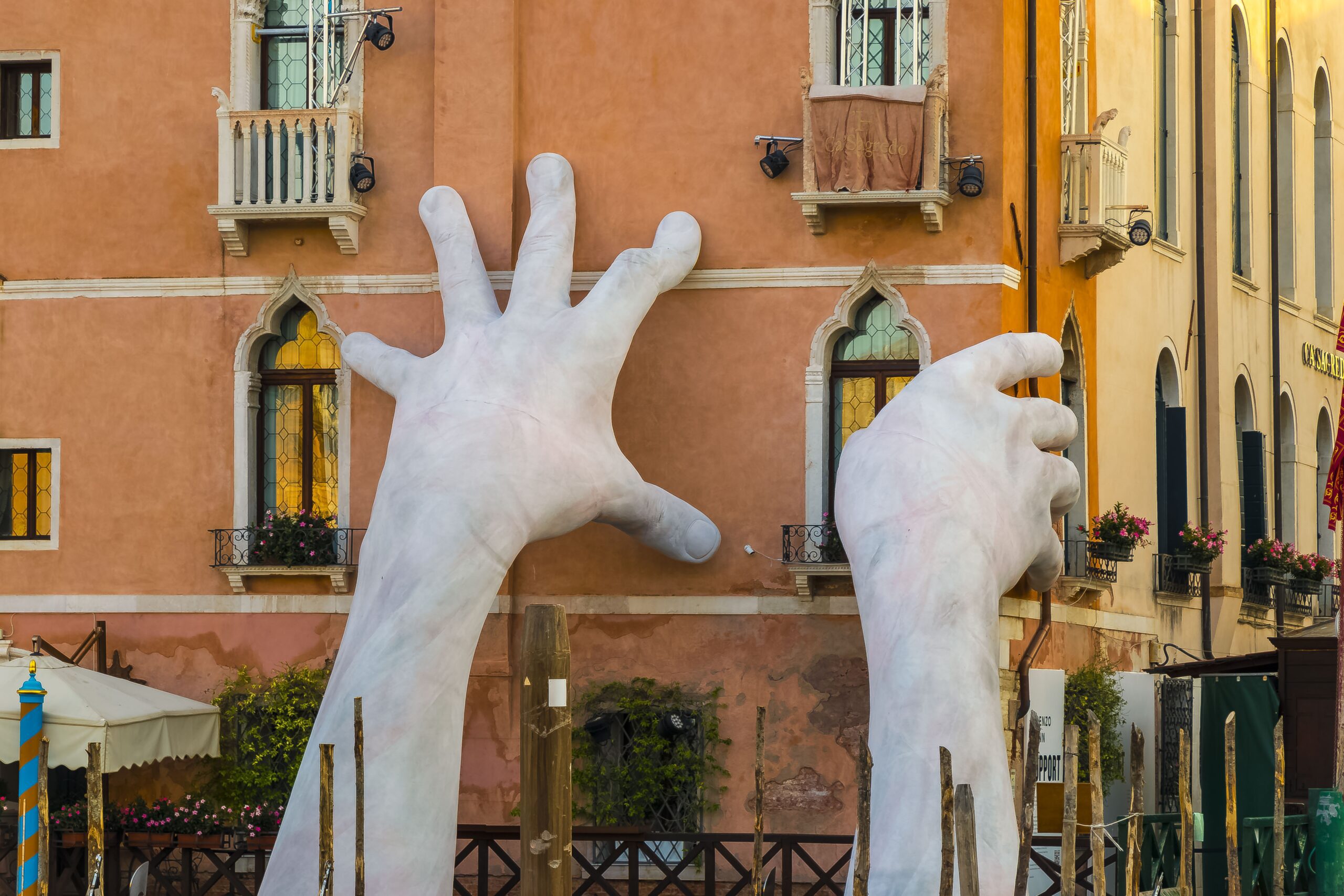
The Biennale contemporary art exhibition chose Venice not randomly but because Venice represents unique intersection of historic significance, architectural beauty, cultural weight, and symbolic resonance that no other city replicates — understanding what makes Venice genuinely unique enhances appreciation for why the art world selects this specific location.
Many claimed “unique” Venice elements are actually shared with other places — canals exist in Amsterdam, historic preservation in dozens of European cities, tourism dominance in Florence/Prague/Barcelona, maritime history in Genoa/Marseille. Venice’s genuine uniqueness requires identifying elements that literally exist only here, not just “done better here” but “found nowhere else.”
Understanding the difference between “distinctive” (Venice does it differently/better) and “unique” (Venice alone possesses this) separates informed appreciation from tourist clichés, revealing what genuinely justifies Venice’s reputation as one of Earth’s most extraordinary human settlements.
This is the completely honest Venice uniqueness guide — identifying ten specific elements that exist literally nowhere else on Earth with documentary evidence, explaining how each creates experiences impossible to replicate, revealing which commonly-claimed “unique” aspects are actually shared with other cities, describing how these unique elements combine creating the complete Venice phenomenon, and helping you understand what makes Venice worth visiting versus beautiful-but-not-unique historic cities.
1. The Only Major City Built Entirely on Water Without Streets or Cars
The absolute uniqueness claim:
No other city of comparable size and historical significance exists entirely on water with complete absence of streets and automotive vehicles — this isn’t “Venice has nice canals” but “Venice replaced the fundamental human urban infrastructure (streets) with water channels, creating completely different transportation, logistics, architecture, and daily life.”
What This Actually Means:
Zero automobiles in the historic center — no cars, trucks, buses, motorcycles, bicycles, or wheeled vehicles of any kind (except rare authorized handcarts and wheelchairs). The 5.2 square kilometer historic center houses approximately 49,000 residents who live completely without personal automotive transportation.
170+ canals replacing streets — the urban circulation system consists of water channels ranging from the Grand Canal (3.8km long, 30-90m wide) to narrow side canals barely 2 meters across, totaling approximately 28 kilometers of navigable waterways.
400+ bridges connecting the approximately 118 small islands comprising Venice, creating the pedestrian path network allowing movement between islands without boats.
Complete logistics through water — garbage collection, deliveries, construction materials, moving house, emergency services (ambulance, fire, police) all operate via boat. When you see construction in Venice, materials arrive by barge; when someone moves apartments, furniture travels by boat; when elderly residents need hospitalization, water ambulances provide transport.
Why Other Canal Cities Don’t Qualify:
Amsterdam — beautiful canals but also has extensive street network with cars, trams, bicycles; canals supplement rather than replace streets
Bruges — some canals but primarily street-based with automotive traffic
Giethoorn (Netherlands) — village-scale (2,600 residents) versus city-scale; charming but not historically significant urban center
Suzhou (China) — historic canal network but modern development added extensive streets and vehicles
Venice remains the only major historic city where water completely replaced streets as primary infrastructure, creating unique urban form maintained for over 1,000 years.
The Experiential Impact:
The profound quiet — absence of engine noise creates soundscape dominated by footsteps, voices, water lapping against stone, seabirds, the city’s natural acoustics
The physical relationship to goods — witnessing how everything must be carried by hand or moved by boat creates visceral understanding of logistical complexity invisible in car-based cities
The walking requirement — average visitors walk 15-25 kilometers daily, experiencing the city at human pace versus automotive speed, discovering details impossible from vehicle windows
The architectural solutions — buildings designed around water access (water gates, loading docks, foundations on wooden pilings driven into lagoon floor) creating unique architectural language
2. The Lagoon Ecosystem and Tidal Urban Living
The absolute uniqueness claim:
No other major city exists within a shallow tidal lagoon where daily life integrates twice-daily tidal cycles affecting navigation, flooding, ecosystem interactions, and urban rhythms — Venice isn’t “near water” but “functions as part of aquatic ecosystem.”
The Lagoon Reality:
The Venetian Lagoon (Laguna Veneta) — approximately 550 square kilometers of shallow water (average depth 1-2 meters), separated from the Adriatic Sea by barrier islands (Lido, Pellestrina, Cavallino), connected via three inlets (bocche di porto), containing over 100 islands ranging from densely-inhabited Venice to completely abandoned former plague/asylum sites.
Twice-daily tides — the Adriatic’s tidal range (typically 0.5-1 meter between high and low tide) affects every aspect of Venetian life:
- Navigation — channels passable at high tide become too shallow at low tide, requiring timed boat movements
- Mooring — boats must be secured accounting for water level changes
- Acqua alta (high water) — when spring tides combine with storm surges, Venice floods (particularly Piazza San Marco at lowest elevation), requiring elevated walkways (passerelle) and waterproof boots
- Exposed mudflats (barene) — areas underwater at high tide emerge at low tide, revealing the lagoon’s true shallow character
Why This Creates Unique Daily Life:
Venetians check tide tables daily — not weather curiosity but functional necessity for planning boat travel, avoiding flooded areas, timing deliveries
Buildings incorporate tidal awareness — ground floors historically served as storage/working spaces accepting periodic flooding, residential areas on upper floors, creating vertical living arrangement unknown in non-tidal cities
The MOSE flood barriers (completed 2020) — massive movable gates at the three lagoon inlets that rise from the seafloor during predicted extreme high tides to temporarily close the lagoon from Adriatic storm surges, representing engineering response to unique tidal urban challenge
Ecological integration — Venice functions as part of larger lagoon ecosystem including salt marshes, mudflats, fish nurseries, migrating birds, creating relationship between urban and natural systems found nowhere else at this scale
No Comparable Example Exists:
Other tidal cities (London, Hamburg, Bangkok) have rivers experiencing tides but not complete surrounding shallow lagoon creating isolation
Other lagoon cities (Lagos, Mexico City historically) either dried/filled lagoons or never developed Venice’s maritime-tidal integration over centuries
Venice remains unique in combining major historic city with complete dependence on and integration with tidal lagoon ecosystem.
3. A Perfectly Preserved Medieval-Renaissance City Frozen by Economic Collapse
The absolute uniqueness claim:
No other major European city maintains such complete medieval-Renaissance urban fabric with minimal modern intervention because economic collapse prevented the “progress” that destroyed historic centers elsewhere — Venice’s poverty became its preservation.
The Preservation Story:
Venice peaked economically in the 15th-16th centuries — controlling Eastern Mediterranean trade, accumulating enormous wealth funding Renaissance art and architecture, building the palaces and churches defining contemporary Venice.
The 17th-19th century decline — Ottoman expansion closed Eastern trade routes, Atlantic commerce shifted economic power to Western European powers (Spain, Portugal, Netherlands, Britain), Napoleon conquered Venice in 1797 ending the Republic, Austrian occupation followed, Venice became economically marginal backwater.
The preservation paradox — the same economic collapse that devastated Venice prevented the “modernization” that destroyed historic districts in prosperous cities. Venice couldn’t afford to demolish medieval neighborhoods for 19th-century boulevards (Paris), build modernist housing blocks (many German cities), construct elevated highways (American cities), or develop industrial infrastructure (Milan, Turin).
The result: Walking through Venice’s neighborhoods today shows essentially the same urban fabric, street patterns, building scales, and architectural language that existed in 1600.
What This Preservation Includes:
The complete medieval-Renaissance street pattern — narrow calli (streets), campi (squares), canals, bridges maintaining original configurations
Over 200 palaces — the great merchant family residences lining the Grand Canal and scattered throughout the city, representing Venice’s wealth period, many maintaining original Gothic or Renaissance facades
Churches and scuole — approximately 139 churches in the historic center (many now deconsecrated), the scuole grandi (confraternity buildings), creating dense concentration of religious architecture
The Gothic-to-Renaissance progression — seeing architectural evolution from 13th-14th century Venetian Gothic (Ca’ d’Oro, Doge’s Palace) through 15th-16th century Renaissance (Santa Maria dei Miracoli, Palladio’s churches) preserved in place rather than replaced
Working neighborhoods — not just monumental architecture but complete residential fabric showing how ordinary Venetians lived (modest houses, neighborhood wells, commercial spaces, workshops)
Why No Other City Equals This:
Rome — has ancient monuments but modern development surrounds them; the historic core experienced extensive Mussolini-era and post-WWII construction
Florence — beautiful Renaissance city but 19th-20th century expansions, unified Italy capital period changes, modernization efforts altered portions
Prague — well-preserved but Communist-era modifications, 20th-century development, more limited medieval-Renaissance density
Siena — excellent medieval preservation but smaller scale (50,000 residents vs. Venice’s 175,000 at peak)
Paris, London, Vienna — underwent massive 19th-century reconstruction (Haussmann’s boulevards in Paris, Victorian development in London, Ringstrasse in Vienna) destroying much medieval fabric
Venice’s combination of major city scale, complete medieval-Renaissance preservation, and minimal modern intervention remains genuinely unique.
4. The Thousand-Year Independent Maritime Republic
The absolute uniqueness claim:
Venice maintained continuous independent republican government from approximately 697 AD to 1797 AD (1,100 years) as maritime power controlling the Eastern Mediterranean, developing unique political system and cultural identity unlike any other Italian city-state — this wasn’t brief independence but millennium of sovereignty shaping everything Venice became.
The Political Uniqueness:
The Doge — elected ruler (not hereditary monarch) serving for life but with severely limited powers checked by councils and committees, creating oligarchic republic rather than monarchy or democracy
The Great Council (Maggior Consiglio) — consisting of Venice’s noble families (approximately 1,200-2,000 members at peak), electing the Doge and other officials through complex multi-stage voting designed to prevent corruption and family dominance
The Council of Ten — secret security council managing state security, espionage, political crimes, operating with frightening efficiency ensuring stability
The governmental complexity — dozens of councils, committees, and offices creating checks and balances preventing any single family or faction from dominating, maintaining republican character for centuries while other Italian cities fell to tyrants or foreign powers
The Maritime Empire:
Territorial control — at peak (15th century), Venice controlled:
- Istrian peninsula and Dalmatian coast (modern Croatia)
- Greek islands (Crete, Euboea, Cyclades)
- Cyprus (until 1571 Ottoman conquest)
- Terraferma (mainland Veneto including Padua, Verona, Brescia, Bergamo)
- Trading posts throughout Eastern Mediterranean
Naval dominance — the Arsenale shipyard could build a complete galley in a single day, producing the fleets maintaining Venice’s maritime power
Commercial monopolies — controlling spice trade, silk trade, luxury goods flowing from Asia to Europe, accumulating wealth funding Renaissance art and architecture
Why This Political History Matters:
The cultural confidence — Venice’s long independence created distinct identity separate from Italian city-states constantly conquered and reconquered; Venetians saw themselves as unique civilization
The architectural expression — the Doge’s Palace, Piazza San Marco, Grand Canal palaces represent republican rather than monarchical power, creating different visual language than royal courts
The social structure — merchant oligarchy rather than landed aristocracy created different values (commerce celebrated, innovation encouraged, religious tolerance practiced for business advantage)
The contemporary identity — modern Venetians still reference the Republic, the lion of St. Mark remains omnipresent symbol, the dialect maintains distinct character, the sense of being fundamentally different from other Italians persists
No Comparable Italian City:
Genoa — maritime republic but shorter independence, fell to various powers periodically Florence — powerful city-state but became Medici duchy then part of Tuscany Milan, Naples — major cities but under various monarchies and foreign dominations Vatican/Rome — papal control creates different political character entirely
Venice’s millennium of continuous republican independence while maintaining major power status remains genuinely unique in Italian and European history.
5. Specific Cultural Achievements Born Uniquely From Venice
The absolute uniqueness claim:
Certain major cultural, artistic, and technological achievements originated specifically in Venice and nowhere else, born from the unique Venetian environment and culture — not just “Venice contributed” but “this specific thing was invented/perfected/monopolized in Venice.”
The Venetian School of Painting:
Color-focused approach — Venetian Renaissance painters (Titian, Veronese, Tintoretto, Giorgione) developed technique emphasizing vibrant color, atmospheric light, and painterly brushwork versus Florentine emphasis on line and drawing, creating distinctly Venetian visual language
The practical driver — Venice’s humid lagoon climate made fresco painting impractical (moisture destroys wall paintings), forcing reliance on oil painting on canvas, leading to technical innovations in oil medium becoming Venetian specialty
The global influence — Venetian color approach influenced European painting for centuries (Rubens studied in Venice, Velázquez copied Tintoretto, the Impressionists referenced Venetian light)
Vivaldi and Venetian Baroque Music:
Antonio Vivaldi (1678-1741) — priest-composer working at the Ospedale della Pietà (orphanage for girls), composing for the institution’s famous all-female orchestra, creating The Four Seasons and hundreds of concertos defining the Venetian Baroque sound
The ospedali system — four charitable institutions housing orphaned girls, providing exceptional musical education, maintaining orchestras and choirs that performed publicly, creating unique musical culture funded by Venice’s wealth
The opera innovation — Venice opened the world’s first public opera house (Teatro San Cassiano, 1637) versus court-only performances elsewhere, democratizing opera access and spurring operatic development
Glassmaking Monopoly:
Murano glass — in 1291, Venice moved all glassmaking to Murano island (fire hazard in wooden Venice), creating controlled monopoly where techniques remained jealously-guarded secrets, families passed knowledge through generations, attempted defection was punished by death
Technical innovations — Murano glassmakers invented cristallo (clear glass resembling crystal), lattimo (milk glass), aventurine (goldstone glass), elaborate chandelier techniques, dominating European luxury glass market for centuries
The contemporary continuation — Murano maintains glass production today, though tourism increasingly dominates and cheap imports threaten authentic artisan traditions
Printing and Publishing:
Aldus Manutius (1449-1515) — Venetian printer-publisher who invented italic typeface, created the modern book format (octavo size), introduced semicolon punctuation, published first pocket books, established editorial practices still used today
Venice as printing capital — by 1500, Venice produced more books than any other European city, becoming intellectual and publishing center rivaling the printing revolution’s German origins
Architectural Innovations:
Building on water solutions — driving wooden pilings (oak, larch) into lagoon floor to create foundations, using Istrian stone resistant to salt water, developing architectural language adapting to aquatic environment
The Venetian window — distinctive three-part arched window (serliana or Palladian window) originated in Venetian Gothic architecture before Palladio popularized it
These Achievements Are Genuinely Unique:
Other cities contributed differently — Florence perfected fresco and sculpture, Rome synthesized styles, Paris developed court culture, Vienna created different musical tradition
But Venice’s specific contributions — the Venetian color approach, Vivaldi’s concerto form, Murano glass monopoly, Aldine publishing innovations — originated here specifically, born from the unique Venetian environment, culture, and circumstances.
6. Bacari Culture and Cicchetti Tradition
The absolute uniqueness claim:
The bacari drinking culture and cicchetti small-plate tradition exists only in Venice, representing distinctly Venetian social ritual impossible to experience elsewhere — this isn’t “Venice has good bars” but “Venice created unique eating-drinking-socializing pattern found nowhere else.”
What Bacari Actually Are:
Bacari (singular: bacaro) — traditional Venetian wine bars, typically small intimate spaces, often family-run for generations, serving local wines and cicchetti, functioning as neighborhood social hubs rather than tourist establishments
Cicchetti — small plates roughly equivalent to Spanish tapas but with distinctly Venetian character: baccalà mantecato (whipped salt cod), sarde in saor (sweet-sour sardines), polpette (meatballs), various tramezzini (small sandwiches), seasonal vegetables, seafood preparations
The social ritual — Venetians engage in “giro de ombra” (shadow circuit), moving between multiple bacari throughout evening, having a small glass of wine (ombra) and one or two cicchetti at each location, socializing with friends and neighbors, creating progressive social experience rather than static restaurant meal
Why This Is Genuinely Unique:
The historical roots — “ombra” (shadow) supposedly derives from wine vendors in Piazza San Marco positioning their stalls in the campanile’s shade; the tradition dates back centuries as distinctly Venetian working-class culture
The neighborhood integration — bacari function as social infrastructure where locals maintain community connections, discuss neighborhood news, reinforce bonds, creating the fabric of authentic Venetian life invisible to tourists
The specific cicchetti — while Spanish tapas or Greek mezze share small-plate concept, the specific Venetian preparations (baccalà mantecato, sarde in saor, nervetti) are local specialties found only here
The movement pattern — the giro de ombra’s progressive movement through multiple establishments differs from Spanish tapas bars or French bistros where you typically settle in one location
The Contemporary Challenges:
Tourism pressure — some traditional bacari have transformed to tourist-focused establishments, raising prices, anglicizing menus, losing local character
Depopulation impact — as Venetian residents decline (from 175,000 in 1951 to 49,000 today), neighborhood bacari lose their customer base, close, or adapt to tourist market
The surviving authentic examples — certain bacari maintain genuine character (Cantina Do Spade, Al Timon, Alla Vedova, others particularly in Cannaregio and Castello), providing windows into authentic Venetian social culture
Why No Other City Replicates This:
Venice’s unique combination — maritime trade bringing specific ingredients (salt cod, spices for saor), working-class wine culture, compact urban geography encouraging movement between establishments, strong neighborhood identities, the specific social patterns emerging from island isolation — created bacari culture as distinctly Venetian phenomenon.
7. The Venetian Dialect and Cultural Identity
The absolute uniqueness claim:
The Venetian dialect (Veneto/Veneziano) maintains distinct linguistic identity separate from Italian, creating cultural difference persisting despite Italian unification and modern pressures — Venetians speak differently, think differently, identify differently than other Italians.
The Linguistic Reality:
Venetian is not Italian dialect but Romance language — linguists classify Venetian (Veneto) as separate Romance language in same family as Italian, not merely regional accent or vocabulary variation
Distinct grammar and vocabulary — different verb conjugations, unique vocabulary words without Italian equivalents, pronunciation patterns fundamentally different from standard Italian, creating mutual intelligibility challenges for Italians from other regions
The geographic variation — Venetian itself varies between Venice city, mainland Veneto, and former Venetian territories, with Venice city dialect (veneziano) being most distinct
Contemporary usage — older Venetians (60+) often speak veneziano at home and with peers, younger generations understand but may not speak fluently, creating generational language shift
Specific Venetian Words and Concepts:
Calle (street, vs. Italian “via”), campo (square, vs. “piazza”), sotoportego (covered passage), fondamenta (canal-side walkway) — the Venetian urban vocabulary reflecting water-based urbanism has no Italian equivalents
“Ciao” — the universal informal greeting originated as Venetian “s-ciào” (I am your slave/servant), spreading globally but starting as veneziano expression
Maritime terminology — hundreds of nautical terms, boat types, lagoon features described in veneziano without standard Italian translation
The Cultural Identity:
“Venetian first, Italian second” — many Venetians express primary identification with Venice/Veneto rather than Italy, referencing the thousand-year Republic creating distinct civilization
The independence sentiment — periodic political movements advocating Venetian autonomy or even independence (mostly symbolic but revealing persistent separate identity), flying the Venetian lion flag, celebrating Republic history
The lion of St. Mark omnipresence — Venetian Republic symbol appearing throughout the city on buildings, flags, artwork, maintaining visual continuity with pre-Italian unification identity
The attitudes toward outsiders — Venetians distinguish among Venetians (veneti), other Italians (terroni, southerners particularly), and foreigners (foresti), maintaining insider-outsider categories unusual in unified nation-state
Why This Identity Persists:
The millennium of independence — 1,100 years as separate civilization created cultural depth mere 150 years of Italian unity (since 1866) hasn’t erased
The geographic isolation — island status reinforced separateness, creating literal and psychological boundaries
The contemporary siege mentality — mass tourism and depopulation threatening Venice’s survival paradoxically strengthens Venetian identity among remaining residents
No comparable Italian city maintains equivalently distinct linguistic and cultural identity within modern unified Italy.
8. Living Museum Phenomenon: When a City Becomes an Artifact
The absolute uniqueness claim:
Venice exists in unique liminal state between living city and museum artifact, where depopulation and tourism dominance create unprecedented urban condition found nowhere else at this scale — Venice isn’t dying or thriving but existing in novel in-between status.
The Statistical Reality:
Population collapse: Venice historic center housed 175,000 residents in 1951, declining to approximately 49,000 today (72% reduction), losing approximately 1,000 residents annually, projecting complete residential abandonment within decades at current trajectory
Tourism dominance: Pre-COVID, Venice received approximately 25-30 million annual visitors (over 500 tourists per resident), creating days when tourists outnumber residents 100:1 in San Marco area
Economic transformation: Traditional Venetian economy (fishing, artisan crafts, small commerce serving local needs) replaced by tourism monoculture (hotels, restaurants, souvenir shops, short-term rentals) serving transient visitors
Housing crisis: Airbnb and vacation rentals create economic pressure where property owners earn €2,400-4,500/month short-term versus €800-1,200 residential rent, incentivizing conversion from residential to tourist accommodations
The Unique Urban Condition:
Venice functions simultaneously as:
Living city — 49,000 residents maintain homes, raise children, work jobs, practice traditions, creating genuine urban life
Museum artifact — the complete historic preservation, UNESCO World Heritage designation, international tourism focus, architectural and artistic significance create museum-like status
Tourist performance — portions of Venice (San Marco particularly) exist primarily for tourist consumption, with gondolas, mask shops, and restaurants serving visitor fantasy rather than local needs
Endangered civilization — the depopulation trajectory threatens complete residential abandonment, transforming Venice from living city to theme park, creating urgent preservation question
Why This Is Unprecedented:
Other tourism-dominated cities (Florence, Prague, Barcelona, Dubrovnik) experience overtourism but maintain larger resident populations and economic diversity
Other depopulating cities (Detroit, dozens of post-industrial towns) decline economically but don’t simultaneously function as premier global tourist destinations
Other UNESCO sites typically are ruins (Pompeii), monuments (Angkor Wat), or districts within larger functioning cities, not entire inhabited urban centers in this liminal state
Venice’s combination — world-class tourist destination + severe depopulation + complete historic preservation + ongoing residential life + museum-like international significance — creates urban condition genuinely unprecedented in human history.
The Philosophical Questions:
Can Venice survive as living city or is transformation to open-air museum inevitable?
Does tourism save Venice (economically) or destroy it (demographically and culturally)?
What responsibility do visitors bear for the city’s future?
Is the “living museum” sustainable or inherently unstable, destined to resolve into either restored vitality or complete museumification?
These questions exist uniquely for Venice — no other city faces equivalent challenge at this scale and intensity.
9. Acqua Alta: Urban Life Integrated with Regular Flooding
The absolute uniqueness claim:
Venice uniquely integrates regular predictable flooding (acqua alta) into daily urban life, where residents expect, prepare for, and adapt to periodic water inundation as normal occurrence rather than emergency disaster — this isn’t “Venice floods occasionally” but “flooding is normalized part of Venetian existence.”
What Acqua Alta Actually Is:
High water — when astronomical high tides combine with weather conditions (strong sirocco winds from south, low atmospheric pressure), the Adriatic pushes water into the lagoon faster than it can drain through the three inlets, raising lagoon level and flooding low-lying Venice areas
The frequency: Significant acqua alta (110cm+ above normal tide) occurs 3-5 times per year on average; minor flooding (80-100cm) happens 10-20 times annually; extreme events (140cm+) occur every few years
The affected areas: Piazza San Marco floods first (being lowest elevation), followed by portions of San Polo, Cannaregio, and Castello; approximately 12% of Venice floods at 110cm, 35% at 125cm, 59% at 140cm
Duration: Typically 2-4 hours around high tide, water recedes as tide falls, creating temporary rather than permanent flooding
How Venetians Adapt:
Advance warning — the city operates siren system (different tones indicating flood severity), weather services predict acqua alta 2-3 days ahead, residents check forecasts routinely
Passerelle (elevated walkways) — the city installs temporary raised platforms along main routes during flooding, allowing pedestrians to cross flooded areas on boardwalks 50cm above water
Waterproof boots — Venetian residents own stivali (rain boots) routinely, donning them for acqua alta days as normal preparation
Business adaptation — ground-floor shops install removable barriers (paratie) protecting entrances during floods, moving merchandise to upper shelves, closing temporarily during peak flooding
Residential design — traditional Venetian buildings assume periodic ground-floor flooding, using ground floors for storage/workshops accepting water exposure, locating living quarters on upper floors (piano nobile)
The normalization — Venetians discuss acqua alta like other cities discuss rain or snow, as routine weather condition requiring practical response rather than existential crisis
The MOSE System:
The engineering response — MOSE (Modulo Sperimentale Elettromeccanico) flood barriers at the three lagoon inlets, consisting of 78 hinged gates lying on the seafloor normally, rising to seal the lagoon from Adriatic during predicted extreme high tides
Operational since 2020 — successfully prevented several floods that would have inundated Venice (155cm event in 2020 blocked completely)
The controversies — decades of construction delays, cost overruns (€5.5 billion final cost), corruption scandals, ecological concerns about lagoon isolation, maintenance questions, creating complex legacy
Why No Other City Compares:
Other flood-prone cities (Bangkok, New Orleans, Amsterdam) either experience catastrophic emergency flooding (hurricanes, levee failures) or have engineered permanent protection preventing regular flooding
Venice uniquely normalizes periodic flooding — expecting it, preparing for it, integrating it into urban life as routine occurrence, maintaining the city despite this challenge for over 1,000 years
The acqua alta relationship reveals fundamental Venetian character — pragmatic adaptation to aquatic environment, engineering ingenuity, tolerance for inconvenience, acceptance of coexistence with water defining city’s existence.
10. The Soundscape: What Venice Sounds Like
The absolute uniqueness claim:
Venice’s soundscape is genuinely unique — the absence of automotive noise combined with water acoustics and specific Venetian sounds creates auditory environment found nowhere else — this seems subtle but profoundly affects experience.
What’s Absent:
Zero automotive noise — no engine sounds, honking, tire noise, exhaust rumbles, brake squeals, the constant drone that forms acoustic background of every other major city
The resulting baseline quiet — in residential neighborhoods away from Grand Canal vaporetto traffic, Venice reaches sound levels comparable to rural environments despite being dense urban center with tens of thousands of residents
What’s Present:
Footsteps and voices — in quiet areas, hearing your own footsteps echoing off stone walls, conversations carrying through narrow calli, the human-scale acoustic environment where individual sounds remain distinct
Water sounds — waves lapping against fondamenta, the distinctive sound of vaporetto motors (different from car engines), the splash of oars when gondoliers navigate side canals, water taxis creating wakes
Church bells — dozens of churches maintain bell-ringing traditions, the layered sound as different campanili mark hours, quarter-hours, services, creating acoustic orientation system and temporal marking
Seabird calls — gulls and other lagoon birds providing natural soundtrack absent in inland cities
The specific Venetian sounds:
- The distinctive “ohe!” call of gondoliers warning of their approach around blind canal corners
- The rhythmic splash of gondola oars in rowlocks (fórcola)
- The wooden shutters rolling up in morning as shops open
- The calls of market vendors at Rialto
- The specific echo quality in sottoporteghi (covered passages)
The Acoustic Architecture:
Stone and water create unique acoustics — sound reflects off stone buildings and water surfaces differently than in land-based cities, creating specific reverberations and echoes
The narrow calli — canyon-like streets amplify and channel sounds, conversations from 50 meters away can be clearly audible
The campi — open squares create acoustic release from narrow streets, sound dispersing differently in these open spaces
The lagoon openness — areas facing lagoon allow sound to dissipate into open air versus reflecting between buildings
The Experiential Impact:
The profound peace — particularly during early morning hours or late evening, experiencing major urban center without mechanical noise creates almost meditative quality
The human-scale awareness — hearing individual people, boats, activities versus the merged noise-wall of automotive cities allows maintaining connection to specific events
The orientation through sound — learning to navigate partly by acoustic cues (hearing Grand Canal traffic, church bells from different directions, market activity)
The stress reduction — research shows automotive noise increases stress hormones; Venice’s quiet demonstrably affects visitor well-being
Why No Other Major City Sounds Like This:
Automotive cities — every other major urban center has constant traffic noise
Small car-free zones (some historic districts, pedestrian areas) — exist in many European cities but represent isolated zones within larger automotive environments
Venice’s complete historic center — 5.2 square kilometers entirely without vehicles creates unique sustained quiet at urban scale
The combination — no cars + water acoustics + stone architecture + specific Venetian sounds = genuinely unique auditory environment impossible to experience anywhere else.
Why These Ten Elements Matter Together
The cumulative effect — each unique element individually creates distinctiveness; together they create completely unprecedented urban phenomenon:
- Car-free water-based city
- Tidal lagoon integration
- Perfectly preserved medieval-Renaissance fabric
- Thousand-year independent republic history
- Specific cultural achievements (painting, music, glass, publishing)
- Bacari drinking culture
- Venetian dialect and identity
- Living museum liminal status
- Normalized flooding relationship
- Unique soundscape
No other city possesses even half these elements — this isn’t “Venice does things differently” but “Venice created conditions literally found nowhere else on Earth.”
The Biennale Connection:
The Venice Biennale exists in Venice precisely because of these unique elements — the contemporary art exhibition chose this location because Venice represents extraordinary intersection of beauty, history, cultural significance, preserved architecture, and symbolic weight that no other city replicates.
Understanding Venice’s genuine uniqueness enhances Biennale appreciation — seeing how contemporary artists respond to or ignore this unprecedented urban context, how the pavilions relate to Venetian architectural language, why certain Biennale themes resonate specifically in Venetian setting.
Our Venice Cultural Immersion
If you want to experience Venice’s genuine uniqueness beyond surface tourism — understanding the elements that make Venice literally irreplaceable rather than just beautiful — we coordinate comprehensive cultural experiences revealing what exists nowhere else on Earth.
We provide access to:
- Authentic bacari culture — experiencing the giro de ombra tradition at neighborhood establishments serving Venetians rather than tourists
- Residential neighborhoods — exploring areas where actual Venetians maintain daily life beyond tourist zones
- Artisan workshops — meeting Murano glass masters, traditional craftspeople, understanding endangered artisan traditions
- Maritime history context — explaining how the Republic functioned, why the lagoon location enabled independence, how water-based urbanism creates different existence
- Biennale expert guidance — understanding contemporary art in historical-cultural context
- Sunrise Venice — experiencing the unique soundscape and authentic life at dawn hours
- Lagoon exploration — boat tours revealing the complete ecosystem and Venice’s water-based existence
- Cultural depth — explaining dialect, identity, traditions creating Venetian distinctiveness
Our 28 years of Venice expertise means we understand which elements genuinely exist only here versus tourist marketing exaggerations, can provide access to authentic experiences versus surface performances, and explain why Venice matters beyond being merely beautiful.
Understanding Complete Venice Context
For Venice cultural immersion: Neighborhood exploration, bacari culture, artisan workshops, how Venetians live.
For geographic context: Lagoon helicopter tours, Biennale aerial perspectives.
For practical planning: How many days, seasonal timing.
For all experiences: Complete tour options.
Venice Possesses Ten Genuinely Unique Elements Found Nowhere Else — Only Major City Entirely on Water Without Cars, Tidal Lagoon Urban Integration, Perfectly Preserved Medieval-Renaissance Fabric, Thousand-Year Independent Republic, Specific Cultural Achievements (Venetian Painting, Vivaldi, Murano Glass, Aldine Printing), Bacari Drinking Culture, Venetian Dialect/Identity, Living Museum Phenomenon, Normalized Flooding, Unique Soundscape
After 28 years living and working in Venice and being featured by Rick Steves, NBC, and US Today, I know Venice’s uniqueness isn’t marketing hyperbole but documentary reality — no other city combines water-based urbanism (170+ canals, 400+ bridges, zero vehicles, complete water logistics), shallow tidal lagoon requiring daily tide-table consultation and acqua alta flooding adaptation, economic collapse preserving medieval-Renaissance urban fabric intact versus modernization destroying other historic cities, millennium of republican independence creating distinct political-cultural identity persisting today, specific achievements originating only here (Venetian color painting approach, Vivaldi’s Pietà compositions, Murano glassmaking monopoly, Aldine publishing innovations), bacari culture and cicchetti tradition found nowhere else, Venetian dialect and “Venetian first, Italian second” identity, unprecedented living museum status (49,000 remaining residents versus 25-30 million annual tourists creating novel urban condition), normalized flooding relationship via passerelle/boots/MOSE barriers, and automotive-free soundscape creating acoustic environment impossible elsewhere. These elements combine creating genuinely irreplaceable destination — not merely distinctive but unique in literal sense of existing nowhere else on Earth. Understanding genuine uniqueness enhances Biennale appreciation, revealing why contemporary art chose this specific unprecedented urban context. We provide comprehensive cultural immersion accessing authentic Venice beyond tourist surfaces. Contact us for experiences revealing what makes Venice genuinely one-of-a-kind. Let’s show you the irreplaceable elements existing only here.
Contact us for Venice cultural immersion experiences — revealing genuine uniqueness beyond tourism.
Frequently Asked Questions
Are there other canal cities that are similar to Venice, or is Venice’s water-based urbanism truly unique?
Venice is genuinely unique in water-based urbanism at major city scale — no other historic city of comparable size completely replaced streets with canals. Amsterdam often cited as comparison but fundamentally different: Amsterdam has extensive street network with cars, trams, bicycles where canals supplement transportation rather than replace it entirely; Amsterdam’s 165 canals exist within larger land-based city versus Venice’s 170+ canals being the complete transportation infrastructure. Other canal cities: Bruges has some canals but primarily street-based, Giethoorn (Netherlands) is charming canal village but tiny scale (2,600 residents vs. Venice’s 49,000+ at its smallest), Suzhou (China) had historic canal network but modern development added extensive streets, Bangkok/Thailand’s floating markets are districts within larger automotive city. Venice’s absolute uniqueness: zero automobiles in 5.2 square kilometer historic center housing tens of thousands of residents who live completely without cars/buses/vehicles, all logistics (garbage, deliveries, construction, emergencies) via water, 400+ bridges creating pedestrian network, maintained for 1,000+ years as functioning urban center. The scale matters — small car-free zones exist in many European historic districts, but Venice’s complete 5.2 square kilometers of water-based major city without modern vehicular infrastructure remains genuinely unprecedented. Other cities are canal-enhanced; Venice is canal-dependent — that’s the fundamental distinction creating genuine uniqueness.
How does Venice’s uniqueness compare to other UNESCO World Heritage cities, and what makes it more special than Florence, Rome, or Prague?
Venice possesses different type of uniqueness than other UNESCO cities — each city’s World Heritage status recognizes distinct values, Venice isn’t “more special” but “special in different ways impossible to replicate elsewhere.” Florence’s uniqueness: extraordinary Renaissance art concentration (Uffizi, Accademia, church frescoes), architectural masterpieces (Duomo, Ponte Vecchio), being Renaissance cultural epicenter, but operates as modern functioning city with cars, modern development, typical urban infrastructure. Rome’s uniqueness: 2,500-year continuous urban history, ancient monuments (Colosseum, Forum, Pantheon), Vatican presence, layered civilizations, but similarly modern city with extensive 19th-20th century development surrounding historic core. Prague’s uniqueness: remarkably preserved medieval-Baroque center, castle complex, escaped major WWII destruction, but maintains automotive traffic and modern city functions. Venice’s distinction: combines UNESCO-level heritage preservation with fundamentally different urban operation (water-based, tidal, car-free) creating lived experience qualitatively different from other heritage cities. You can live in Florence/Rome/Prague today much as residents of Chicago/Paris/Berlin — apartments, cars, modern infrastructure, conventional urban patterns. You cannot live anywhere else as Venetians live — the daily reality of water transportation, tide consultation, periodic flooding, complete automotive absence, island isolation creates existence genuinely unprecedented. The question isn’t “which is better” but recognizing Venice’s uniqueness operates on different axis than Florence’s art or Rome’s history — those are achievement-based, Venice’s is existence-based, the fundamental conditions of urban life found nowhere else at major city scale.
With Venice facing depopulation and overtourism, will these unique elements survive, or is Venice becoming just a museum theme park?
This is Venice’s existential question with no certain answer — the city exists at unprecedented crossroads where its genuine uniqueness might be destroyed by the success attracting visitors who want to experience that uniqueness. The statistical crisis: residential population declined from 175,000 (1951) to 49,000 (current), losing ~1,000 residents annually; tourism reached 25-30 million annual visitors pre-COVID (500+ tourists per resident); housing economics favor short-term tourist rentals (€2,400-4,500/month) over residential leases (€800-1,200/month); schools closing, children disappearing, traditional artisan workshops replaced by souvenir shops, elderly population increasing as young families leave. The threatened unique elements: bacari culture eroding as neighborhood customers disappear and tourist-focused establishments replace authentic traditions, Venetian dialect usage declining as Italian dominates, residential neighborhoods converting to tourist accommodations, the “living city” element of uniqueness approaching extinction while “museum artifact” element strengthens. The counterarguments: 49,000 residents still maintain genuine life, COVID-era tourism reduction showed Venice can breathe again, new regulations limiting cruise ships and day-trippers signal government recognition, MOSE flood protection increases livability, younger Venetians increasingly value staying despite challenges, tourism jobs support remaining residents. The honest assessment: Venice’s unique elements are genuinely threatened — the combination of living city + preserved architecture + authentic culture depends on residential population maintaining critical mass, and current trajectory suggests transformation toward museum-theme park becoming increasingly likely unless dramatic interventions reverse depopulation. But the outcome remains undetermined — Venice has survived plagues, wars, economic collapse, acqua alta for 1,000+ years; perhaps it will adapt again. What’s certain: visiting Venice now means witnessing unique transition moment, experiencing elements that may not survive another generation, creating urgency for authentic engagement versus surface tourism consuming what it claims to appreciate.
Are there other canal cities that are similar to Venice, or is Venice’s water-based urbanism truly unique?
Venice is genuinely unique in water-based urbanism at major city scale — no other historic city of comparable size completely replaced streets with canals. Amsterdam often cited as comparison but fundamentally different: Amsterdam has extensive street network with cars, trams, bicycles where canals supplement transportation rather than replace it entirely; Amsterdam’s 165 canals exist within larger land-based city versus Venice’s 170+ canals being the complete transportation infrastructure. Other canal cities: Bruges has some canals but primarily street-based, Giethoorn (Netherlands) is charming canal village but tiny scale (2,600 residents vs. Venice’s 49,000+ at its smallest), Suzhou (China) had historic canal network but modern development added extensive streets, Bangkok/Thailand’s floating markets are districts within larger automotive city. Venice’s absolute uniqueness: zero automobiles in 5.2 square kilometer historic center housing tens of thousands of residents who live completely without cars/buses/vehicles, all logistics (garbage, deliveries, construction, emergencies) via water, 400+ bridges creating pedestrian network, maintained for 1,000+ years as functioning urban center. The scale matters — small car-free zones exist in many European historic districts, but Venice’s complete 5.2 square kilometers of water-based major city without modern vehicular infrastructure remains genuinely unprecedented. Other cities are canal-enhanced; Venice is canal-dependent — that’s the fundamental distinction creating genuine uniqueness.
How does Venice’s uniqueness compare to other UNESCO World Heritage cities, and what makes it more special than Florence, Rome, or Prague?
Venice possesses different type of uniqueness than other UNESCO cities — each city’s World Heritage status recognizes distinct values, Venice isn’t “more special” but “special in different ways impossible to replicate elsewhere.” Florence’s uniqueness: extraordinary Renaissance art concentration (Uffizi, Accademia, church frescoes), architectural masterpieces (Duomo, Ponte Vecchio), being Renaissance cultural epicenter, but operates as modern functioning city with cars, modern development, typical urban infrastructure. Rome’s uniqueness: 2,500-year continuous urban history, ancient monuments (Colosseum, Forum, Pantheon), Vatican presence, layered civilizations, but similarly modern city with extensive 19th-20th century development surrounding historic core. Prague’s uniqueness: remarkably preserved medieval-Baroque center, castle complex, escaped major WWII destruction, but maintains automotive traffic and modern city functions. Venice’s distinction: combines UNESCO-level heritage preservation with fundamentally different urban operation (water-based, tidal, car-free) creating lived experience qualitatively different from other heritage cities. You can live in Florence/Rome/Prague today much as residents of Chicago/Paris/Berlin — apartments, cars, modern infrastructure, conventional urban patterns. You cannot live anywhere else as Venetians live — the daily reality of water transportation, tide consultation, periodic flooding, complete automotive absence, island isolation creates existence genuinely unprecedented. The question isn’t “which is better” but recognizing Venice’s uniqueness operates on different axis than Florence’s art or Rome’s history — those are achievement-based, Venice’s is existence-based, the fundamental conditions of urban life found nowhere else at major city scale.
With Venice facing depopulation and overtourism, will these unique elements survive, or is Venice becoming just a museum theme park?
This is Venice’s existential question with no certain answer — the city exists at unprecedented crossroads where its genuine uniqueness might be destroyed by the success attracting visitors who want to experience that uniqueness. The statistical crisis: residential population declined from 175,000 (1951) to 49,000 (current), losing ~1,000 residents annually; tourism reached 25-30 million annual visitors pre-COVID (500+ tourists per resident); housing economics favor short-term tourist rentals (€2,400-4,500/month) over residential leases (€800-1,200/month); schools closing, children disappearing, traditional artisan workshops replaced by souvenir shops, elderly population increasing as young families leave. The threatened unique elements: bacari culture eroding as neighborhood customers disappear and tourist-focused establishments replace authentic traditions, Venetian dialect usage declining as Italian dominates, residential neighborhoods converting to tourist accommodations, the “living city” element of uniqueness approaching extinction while “museum artifact” element strengthens. The counterarguments: 49,000 residents still maintain genuine life, COVID-era tourism reduction showed Venice can breathe again, new regulations limiting cruise ships and day-trippers signal government recognition, MOSE flood protection increases livability, younger Venetians increasingly value staying despite challenges, tourism jobs support remaining residents. The honest assessment: Venice’s unique elements are genuinely threatened — the combination of living city + preserved architecture + authentic culture depends on residential population maintaining critical mass, and current trajectory suggests transformation toward museum-theme park becoming increasingly likely unless dramatic interventions reverse depopulation. But the outcome remains undetermined — Venice has survived plagues, wars, economic collapse, acqua alta for 1,000+ years; perhaps it will adapt again. What’s certain: visiting Venice now means witnessing unique transition moment, experiencing elements that may not survive another generation, creating urgency for authentic engagement versus surface tourism consuming what it claims to appreciate.