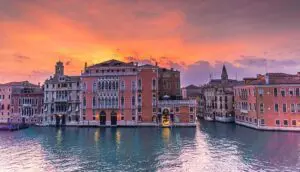
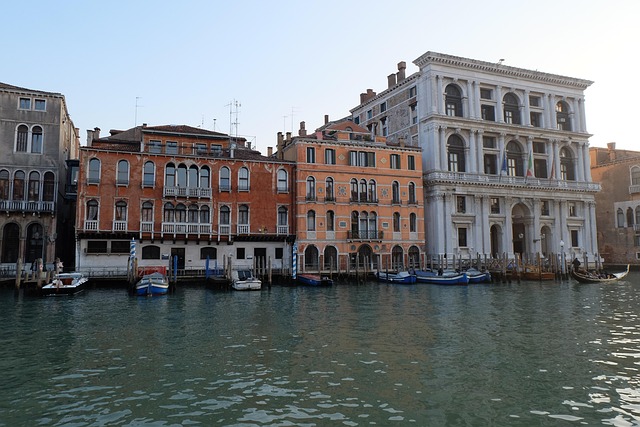
I meet Americans at the start of nearly every tour, and there’s a predictable rhythm to their first day: excitement, a little jet lag, and then, within about an hour of walking, a look of genuine bewilderment. Venice doesn’t work like other cities — not European ones, not American ones, not really like anywhere else on earth. Here are the five things that catch almost everyone off guard, and what to actually do about each one.
1. There Are No Cars. None. Anywhere.
People know Venice is “the city on water” in an abstract sense, but the reality doesn’t fully land until you’re standing there with your suitcase and realize there is no taxi coming to pick you up, no Uber, no rental car, no bus pulling up outside your hotel. Once you cross onto the historic islands, wheeled transport of any kind — cars, motorcycles, even bicycles — simply doesn’t exist. Everything moves by foot or by boat.
This changes the entire rhythm of a visit. Luggage gets wheeled over dozens of small bridges, groceries arrive by delivery boat, and even the postal service and ambulances are vessels, not vehicles. It’s disorienting for about a day, and then it becomes one of the things people miss most once they leave — the total absence of engine noise and exhaust is something your nervous system notices, even if you don’t consciously register why the city feels so calm.
What to do about it: Pack lighter than you think you need to, and choose a hotel within reasonable walking distance of a vaporetto stop or water-taxi dock if you’re arriving with heavy bags.
2. Addresses Don’t Work the Way You Think
This is the one that trips up even seasoned travelers. In most of the world, a street address tells you exactly where a building sits relative to its neighbors — 24 Main Street is next to 26 Main Street. In Venice, that logic doesn’t apply. The city is divided into six historic districts called sestieri, and each one has its own single, continuous numbering sequence that can run into the thousands — assigned not by street, but roughly in the order buildings were registered back when the system was introduced by the Austrians in 1801. That means an address like “Castello 4310” tells you almost nothing about which street it’s on, and two buildings numbered a few digits apart might be on completely different streets.
Street names, or calli, aren’t even officially part of the address — they’re added informally to help visitors, but locals and postal workers have long relied on the sestiere-plus-number system alone. GPS apps genuinely struggle here, and I still watch visitors circle the same campo three times looking for a restaurant that’s twenty feet away but on the “wrong” side of a wall.
What to do about it: Get specific walking directions from your hotel (nearest landmark, nearest bridge, nearest church), not just the numerical address. And build in extra time — getting slightly lost in Venice isn’t a failure, it’s basically a rite of passage.
3. Your Coffee Costs Different Prices Depending on Where You Stand
This one genuinely upsets people the first time it happens. You order an espresso, sit down at a lovely little table with a canal view, and the bill arrives at what feels like triple the price you expected. You didn’t get scammed — you paid for table service, which in most Italian bars costs meaningfully more than standing at the counter. Order and drink your coffee standing at the bar, the way most Venetians actually do it, and the same espresso can cost a fraction of the seated price.
It’s not a tourist trap so much as a completely different cultural default: Italians treat a quick espresso at the counter as a two-minute daily ritual, not a sit-down experience. Sitting down converts it into a leisure purchase, and you’re charged accordingly — the same logic that applies at cafés across Italy, not just Venice.
What to do about it: If you’re in a hurry or on a budget, stand at the bar like a local. Save the table seating for when you actually want to linger over a Spritz and watch the world go by — that’s worth paying for.
4. Restaurants Actually Close Between Meals
Americans are used to restaurants that operate continuously from breakfast through late-night — grab a burger at 3:30pm, no problem. Venice, like most of Italy, doesn’t work that way. Kitchens generally serve lunch until early-to-mid afternoon, then shut down completely until dinner service starts back up in the evening, often not until 7pm or later. Show up hungry at 4pm expecting a hot meal, and you’ll find shuttered doors on streets that were bustling with diners two hours earlier.
This surprises visitors more than almost anything else on this list, mostly because it collides directly with vacation habits — wandering, sightseeing, losing track of time, and then discovering the “quick bite” you were counting on isn’t available for another three hours.
What to do about it: Learn to eat like a local: a substantial lunch around 12:30–1:30pm, then a proper dinner starting around 7:30–8pm. In between, bacari (Venetian wine bars) serving cicchetti — small savory bites — stay open through the afternoon and are perfect for bridging the gap.
5. You Might Have to Pay Just to Enter the City
This is new enough that most travel research hasn’t fully caught up, and it catches even well-prepared visitors off guard. Since 2024, Venice has charged a Contributo di Accesso — an access fee — to day-trippers entering the historic center on specific high-traffic dates, mostly weekends and holidays between April and July. For 2026, that’s roughly 60 dates, with the fee running about €5 per person if booked at least four days ahead, rising to about €10 for late bookings, applicable to anyone 14 or older arriving between 8:30am and 4pm.
Here’s the part that trips people up: if you’re staying overnight in Venice, you’re actually exempt — you’re already paying tourist tax through your hotel — but you still need to register online and get a free QR code showing your exemption, or risk a fine during a random check. It’s a day-tripper fee dressed up in confusing paperwork that touches everyone.
What to do about it: Check the current dates and register in advance regardless of whether you’re staying overnight — I cover the entire process, exemptions, and booking steps in detail in our Venice entry fee guide.
Do I need cash in Venice, or is card enough?
Most restaurants, shops, and hotels accept cards, but small bacari, market stalls, and some water taxis are cash-preferred or cash-only, so it’s worth carrying some euros for those moments.
Is Venice walkable for someone who isn’t in great shape?
Largely yes, but expect frequent bridges with steps, which can be a real factor for anyone with mobility concerns — worth mentioning when planning your route or booking a guide.
How far in advance should I book the entry fee if I’m a day-tripper?
At least four days ahead to get the lower rate — booking within the final three days roughly doubles the cost, and the schedule of chargeable dates is published in advance on the official portal.