
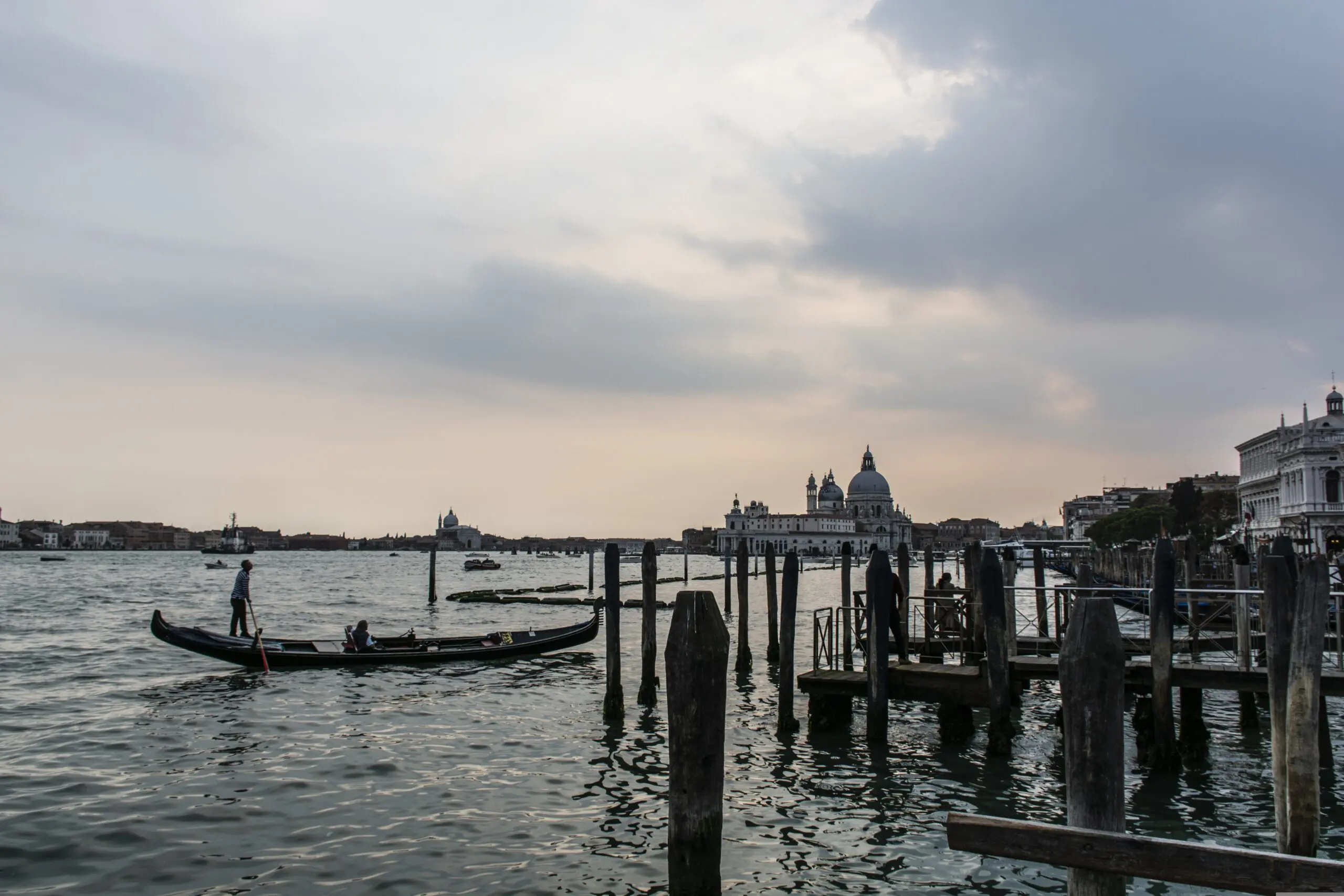
I watch the same handful of mistakes play out every July and August, usually made by smart, well-traveled people who simply didn’t know Venice runs on different rules than most of the cities on their itinerary. Some of these mistakes cost you comfort. A few cost you real money — Venice’s fines for common tourist missteps now run from €25 to €500, and repeat or serious offenders can face a 48-hour expulsion from the city. None of them are things you’d guess without someone telling you first. So here’s the list, from someone who spends every summer walking this city with visitors.
Before You Even Land
1. Not checking the access fee calendar. Venice charges day-trippers €5-10 to enter the historic center on 60 designated days between April and late July, from 8:30 AM to 4 PM. Miss this and you could be fined up to €300 for arriving without registration.
2. Booking the access fee through a third-party site. Scam websites charge €10-20 for what costs €5-10 through the official portal, cda.ve.it. If you’re searching for this, bookmark the real one before you start clicking.
3. Assuming the access fee applies to you as a hotel guest. It doesn’t — overnight visitors are exempt — but you still need to register for a free exemption voucher. Skipping this step because you assume you’re automatically covered is a common, avoidable scramble.
4. Packing like it’s a normal European summer trip. Venice’s July heat runs hotter and less humid than most visitors expect, with UV levels regularly hitting “very high.” A trip packed for a mild city stroll, without sun protection or breathable fabrics, gets uncomfortable fast.
5. Booking a hotel without confirming air conditioning. Not every property in Venice’s historic center has it, especially outside the larger chains. In peak summer heat, this is the difference between sleeping well and not sleeping at all.
Getting Around the City
6. Bringing a hard-shell suitcase with loud wheels. Venice’s bridges and uneven stone streets make rolling luggage a genuine nuisance — for you and for residents. A soft duffel or backpack saves your back and your welcome.
7. Trying to use Google Maps’ walking directions literally. Venice’s street layout defeats most navigation apps regularly. Getting slightly lost is normal here — build in extra time rather than fighting the map.
8. Not validating vaporetto tickets before boarding. Public water bus tickets must be validated at the electronic reader on the dock before you board. Skipping this, even with a valid ticket in hand, can result in an on-the-spot fine from inspectors.
9. Assuming every gondola ride is priced the same. Official gondola rates are fixed by the city, but only for a set duration and route — deviations, extra time, and “unofficial” gondoliers approaching you directly near major sights are where the overcharging happens. Book through a legitimate stand or ask your guide.
10. Joining or booking a tour group larger than 25 people. Since 2024, Venice caps organized tour groups at 25 and bans guides from using loudspeakers. Beyond the legal limit, a group that size in July heat, moving through narrow calli, is its own kind of miserable.
Managing the Heat
11. Doing your main sightseeing between noon and 4 PM. This is Venice’s hottest, most crowded, least comfortable window in July. Save it for lunch, shade, or an indoor monument visit — not standing in an unshaded line.
12. Skipping water because you don’t want to look for a bathroom. Venice’s free public fountains (nasoni) are everywhere, and the water is safe and cold. Dehydration in July heat is a real risk, not just a discomfort.
13. Not checking the daily heat bulletin during a heat wave. Italy’s Health Ministry issues daily alerts, and in a summer running hot, checking it takes fifteen seconds and genuinely changes how you should plan the day — especially for anyone elderly, very young, or managing a health condition in your group.
14. Wearing dark, heavy fabrics because they “travel well.” They also trap heat. Light, breathable, natural fabrics matter more in Venice’s July humidity than almost anywhere else on a typical Italian itinerary.
15. Trying to cool a hotel room by opening the window instead of using AC. Without proper cooling, an open window near the canals invites mosquitoes, especially by late summer. Confirm air conditioning before you book, not after.
Etiquette, Fines, and Local Rules
16. Sitting to eat on bridges, steps, or monument bases. This carries a fine of €100-200 and is one of the most commonly enforced rules in high-traffic areas like the Rialto and San Marco. Use a café table or a proper bench instead.
17. Feeding the pigeons. Banned since 2008 to protect the marble facades from droppings, with fines up to €500. It’s tempting for a photo — it’s also one of the fastest ways to get a fine you didn’t see coming.
18. Swimming or wading in any canal. This one draws real enforcement: fines up to €350-500 and potential 48-hour expulsion from the city. Head to the Lido instead — the sea there reaches a swimmable 25°C in July.
19. Walking through the city shirtless or in swimwear. Fines run around €250. It happens most in July heat, when the beach mindset follows people off the Lido and into the historic center — but the rule applies throughout the city, not just near churches.
20. Dressing for the beach when visiting a basilica. Venice’s churches enforce real dress codes — shoulders and knees covered — regardless of the heat outside. A light scarf solves this without adding real warmth, and saves you from being turned away at the door.
21. Carrying open glass bottles in high-traffic zones. Restrictions apply in areas like St. Mark’s Square and the Rialto, especially in the evening. If you buy a drink to go, make sure it’s in a plastic or paper cup.
22. Littering, even “just a little.” Fines reach €350, and Venice’s decoro enforcement officers and surveillance take this seriously. If you can’t find a bin, carry it until you do.
Money, Dining, and Scams
23. Sitting down at the first restaurant with a tout outside inviting you in. In heavy tourist zones near San Marco and the Rialto, this is usually the surest sign of an overpriced, low-quality kitchen. The best meals in Venice are rarely the ones actively recruiting from the sidewalk.
24. Not checking for coperto and service charges before ordering. Most Venetian restaurants add a small per-person cover charge, which is standard and legal — but it’s worth glancing at the menu so the bill isn’t a surprise, especially at tourist-zone restaurants that inflate it well beyond the norm.
The One That Shapes Your Whole Trip
25. Trying to see everything with a fixed-schedule group tour instead of a flexible plan. This is the mistake I see cost people the most, because it’s invisible until it’s too late to fix. A group tour booked through a platform runs on a script set months ago, with no way to shift when the July heat spikes, a viewing area fills up for a festival, or you’d genuinely rather linger somewhere for another twenty minutes. Italian law reserves guided access inside Venice’s major monuments for licensed professionals — and a private guide planning your actual day, rather than reading from someone else’s itinerary, can move lunch earlier, swap an outdoor stop for a shaded one, or simply slow down when the city asks you to. In a Venetian summer, that flexibility isn’t a luxury. It’s often the entire difference between a trip that wears you down and one you actually remember.
Planning It Right the First Time
Most of this list isn’t really about rules — it’s about understanding that Venice in summer runs on its own rhythm, and the visitors who do well are the ones who plan around it instead of against it. If you’d like help building a July or August itinerary that accounts for the heat, the access fee dates, and what’s actually worth your time, reach out directly and I’ll help you map it out. For a cooler day away from the city’s stone and crowds, a private day trip into the Prosecco Hills is a genuinely different pace. And if you’d rather have someone plan the whole shape of your Venice days — heat, crowds, festivals, and all — that’s exactly what a private Venice guide is for.
Frequently Asked Questions
What’s the most expensive mistake tourists make in Venice?
Swimming in the canals carries the steepest consequences — fines up to €350-500 and potential expulsion from the city for 48 hours. It’s also one of the most heavily enforced rules, especially after several viral incidents increased police attention.
Do these rules apply to day-trippers and overnight guests equally?
Yes. Behavioral rules and fines apply to everyone regardless of how long you’re staying — only the access fee itself distinguishes day-trippers from overnight visitors, since hotel guests already contribute through the tourist tax.
Is it really necessary to book a private guide instead of a group tour?
Not necessary, but it changes what’s possible. Group tours are capped at 25 people and run on fixed schedules, while a private guide can adjust your day around the heat, crowds, or a festival in real time — and only licensed guides can lead groups inside Venice’s major monuments at all.