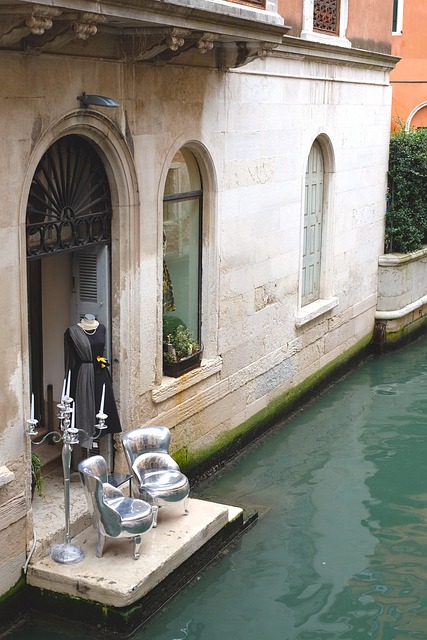
After nearly thirty years of walking every sestiere of this city with visitors from around the world, I still find myself steering people toward Dorsoduro when they ask me where Venice feels most like itself. Not the postcard Venice of San Marco, crowded shoulder to shoulder at nine in the morning — the other Venice. The one with university students reading on sunlit steps, art restorers carrying canvases through narrow calli, and church bells that seem to ring for no one in particular.
Dorsoduro means “hard back” or “hard ridge,” a reference to the firmer, higher ground this southern strip of the city was built on — solid enough that its builders could construct grander, deeper foundations than elsewhere in the lagoon. That solidity shows. This is Venice’s most architecturally coherent neighborhood, stretching from the Zattere waterfront along the Giudecca Canal up to Campo Santa Margherita, bounded by the Grand Canal on one side and open lagoon views on the other.
An Art Collection Unlike Anything Else in Venice
What sets Dorsoduro apart isn’t a single monument — it’s density of world-class art within walking distance. The Gallerie dell’Accademia, the Galleria di Palazzo Cini, the Peggy Guggenheim Collection, and Palazzo Grassi–Punta della Dogana are connected as the Dorsoduro Museum Mile (Guggenheim Venice) , a route that spans eight centuries of art from medieval and Renaissance masterpieces to the most contemporary work being made today. (Guggenheim Venice)
The Peggy Guggenheim Collection is the neighborhood’s emotional centerpiece. Housed in Palazzo Venier dei Leoni on the Grand Canal, it holds one of Italy’s most important collections of European and American modern art from the first half of the twentieth century. (Venice Welcome) The palazzo itself, dating to the 18th century, is famously unfinished — its incomplete façade only adds to the intrigue (Exoticca) , and there’s something fitting about that: a house that was never quite finished, filled with an art movement that was always breaking rules.
The Elegance Is in the Texture, Not the Spectacle
Ask most guidebooks what makes Dorsoduro special and they’ll point you to museums. I’d point you to the light on the Zattere in late afternoon, or the quiet drama of the Squero di San Trovaso — Venice’s most photographed working gondola boatyard, where craftsmen still shape hulls by eye rather than blueprint. I’ve written more on that tradition separately if you want the full story of how these boats are built.
Campo Santa Margherita, by contrast, is where Dorsoduro shows its unpretentious side — students, market stalls, and bacari pouring wine well past the hour polite Venice has gone quiet. This mix is what I mean by elegance: not gilded ceilings, but a neighborhood confident enough to hold both the Guggenheim and a scruffy student square within five minutes of each other, without either one feeling out of place.
Why a Private Guide Changes This Neighborhood
Because so much of Dorsoduro’s value lies in pace rather than checklist sightseeing, it’s a district where a rushed group tour actively works against you. Italian law reserves guided access inside state monuments to licensed professionals, but more importantly — this is a neighborhood meant to be walked slowly, with someone who knows which campo empties out by 4pm and which bacaro pours the better Soave. On private Venice tours, I build Dorsoduro afternoons around exactly that rhythm, rather than herding past it toward San Marco.
Is Dorsoduro walkable from San Marco?
Yes — the Accademia Bridge connects the two districts directly, and it’s roughly a 15-minute walk from Piazza San Marco to the Peggy Guggenheim Collection.
How much time should I budget for Dorsoduro’s museums?
Plan a minimum of two to three hours for the Guggenheim’s permanent collection alone (Machu Picchu Gateway) if you want to see it properly; add the Accademia and you’re looking at a full morning or afternoon
Is Dorsoduro good for a first-time visitor to Venice, or more for return visitors?
Both — it rewards first-timers with genuine art-world credentials and rewards return visitors with the slower, local-feeling Venice they came back to find.