Everyone asks this question before booking. And almost every answer they find online is wrong.
“Two days is enough,” says one travel blog. “You need at least a week,” says another. Both answers ignore the single most important variable: what kind of Venice experience you actually want.
Two days is enough to see Venice. It is not enough to feel Venice. A week allows depth but can also lead to exhaustion if you don’t know how to pace yourself. The right number of days depends entirely on whether you’re visiting Venice or experiencing it — and understanding the difference between these two things resolves the question immediately.
After 28 years living here and watching visitors navigate this exact decision, I’ve seen two-day trips that felt complete and satisfying, and five-day trips that felt rushed and hollow. The length of the stay mattered less than how intelligently it was used.
This guide gives you the honest breakdown — what each duration actually allows, what you’ll miss at each length, and how to make any number of days genuinely worthwhile.
Venice rewards visitors who approach it without a rigid checklist — and understanding how many days you actually need is the first step toward that kind of visit.
The One-Day Venice Visit: What’s Possible, What’s Not
One day in Venice is better than no days in Venice. But let’s be honest about what one day actually delivers.
A single day allows you to see Venice’s highlights. Piazza San Marco. The Rialto Bridge. A walk along the Grand Canal. Perhaps a quick visit inside St. Mark’s Basilica. The visual impression — the beauty, the strangeness, the sense of being somewhere genuinely unlike anywhere else on earth — registers powerfully even in a few hours.
A single day does not allow you to experience Venice. The morning rush to hit major landmarks. The afternoon pressure to photograph everything. The evening scramble to find dinner before heading back to wherever you’re actually staying — probably not Venice itself, because one-day visitors almost never stay overnight on the island.
The problem with a one-day visit isn’t that Venice fails to deliver. It’s that Venice delivers its best experiences on a timeline that one day can’t accommodate. The empty campo at dawn. The church with the extraordinary painting that nobody visits. The residential neighborhood where Venice functions as an actual city rather than a tourist destination. These experiences require time, presence, and the willingness to simply be somewhere without rushing toward the next thing.
If one day is genuinely all you have: arrive as early as possible. Skip the most crowded landmarks during peak morning hours — visit them in the late afternoon when crowds thin. Walk away from San Marco within the first hour. Find a small church. Sit in a campo. Let Venice be more than a collection of photographs.
Make the most of limited time with skip-line museum tickets — even within a single day, choosing one museum and entering immediately rather than losing an hour to queues means the time you do have goes toward actual experience rather than waiting.
Two Days: The Minimum That Actually Works
Two days represents the point where Venice begins to feel like a destination rather than a rushed obligation.
Day one serves as orientation. The city confuses first-time visitors — not because it’s genuinely difficult to navigate, but because nothing about it matches expectations built by photographs and guidebooks. Venice is smaller than most visitors imagine. The distances between landmarks are shorter than they seem on maps. The neighborhoods are quieter than the tourist zone suggests. Day one absorbs these adjustments while still allowing meaningful exploration.
A reasonable two-day structure might look like this:
Day one: Arrive in the morning. Orient yourself — walk the Grand Canal, visit Piazza San Marco, cross the Rialto. These landmarks deserve seeing, and seeing them first removes the psychological pressure of “I haven’t done the main things yet.” Afternoon: walk away from the tourist center. Explore Dorsoduro or Cannaregio. Find a church. Sit somewhere quiet. Let the city settle into your awareness rather than performing for it. Evening: dinner in a neighborhood restaurant. Walk back to your hotel through empty, lamplit streets.
Day two: Wake early. Step outside before the crowds arrive. This single morning — Venice at dawn, fog on the canals, campos belonging entirely to you — delivers more atmosphere than an entire rushed day of sightseeing. Morning: visit one museum properly. The Accademia Gallery holds Venice’s greatest concentration of painting. Spending two hours here, looking carefully at a handful of masterpieces rather than rushing past hundreds, creates a genuinely memorable experience. Afternoon: revisit a neighborhood you enjoyed on day one, but more slowly. Notice what you missed. Evening: explore a different part of the city for dinner.
Two days works well for visitors who are comfortable with a focused, intentional approach — choosing depth over breadth, quality over quantity. It works less well for visitors who feel anxious about missing things, because two days inevitably means missing significant portions of Venice.
Three Days: The Sweet Spot for Most Visitors
Three days is where Venice stops feeling rushed and starts feeling satisfying.
The third day provides something two days cannot: the luxury of revisiting. Going back to a campo you enjoyed. Returning to a church when the light is different. Spending a full morning in a single neighborhood without the pressure of needing to reach three other neighborhoods before sunset.
Three days also allows for one experience that fundamentally changes how visitors understand Venice: a full morning before the tourist crowds arrive. Two-day visitors can catch this briefly on their second morning. Three-day visitors can dedicate an entire morning to it — the Rialto Market before dawn, empty churches in early light, campos where the only sound is water against stone. This experience communicates something about Venice that no amount of daytime sightseeing can replicate.
A reasonable three-day structure adds to the two-day framework:
Day three: dedicate entirely to a single theme rather than trying to cover new ground. A full morning at the Rialto Market before sunrise, followed by a leisurely breakfast, followed by visiting one or two churches that hold important paintings most visitors never see. Afternoon: visit a neighborhood you haven’t explored — Cannaregio holds the Jewish Ghetto, Venice’s oldest casino, and residential streets where the city functions as an actual place people live. Evening: find a restaurant slightly further from the tourist center, where the food is better and the prices are lower.
Three days allows Venice to breathe. It creates space for the unplanned discoveries — the unexpected church, the surprising campo, the conversation with a local — that make Venice genuinely memorable rather than simply photographable.
Maximize your time with a customized private tour — a private tour on any one of your Venice days provides the insider knowledge that transforms good visits into extraordinary ones. A guide who knows the city intimately can show you what three days of independent exploration might take a week to discover — the hidden churches, the quiet campos, the viewpoints that don’t appear in any guidebook.
Four to Five Days: When Venice Becomes a Home Base
Four or five days represents the point where Venice stops being a destination and starts functioning as a base.
This length allows for everything three days provides, plus regional day trips. Padua’s extraordinary frescoes. Verona’s Roman arena and medieval center. The Prosecco Hills’ UNESCO vineyard landscape. These destinations sit within easy reach of Venice and offer experiences fundamentally different from anything the island provides. But visiting them requires dedicating full days — days that a three-day Venice stay can’t spare.
Four to five days also allows for genuine depth within Venice itself. Visiting multiple museums properly — not rushing through but spending real time with specific collections. The Accademia Gallery, Doge’s Palace, Ca’ Rezzonico, the Peggy Guggenheim Collection — each deserves two to three hours of focused attention. Cramming all of them into three days means seeing them superficially. Spreading them across five days means actually understanding what you’re looking at.
The pacing shifts at this length. Instead of planning every hour, you begin following interest. A morning in a museum. An afternoon spent wandering with no destination. An evening dinner in a neighborhood you stumbled into the previous day. This looser structure produces Venice’s best experiences — the ones that can’t be planned because they depend on being present and paying attention rather than executing an itinerary.
Five days also accommodates Venice’s rhythms in ways shorter stays can’t. Acqua alta (high water flooding) might disrupt one morning — with five days, this costs you an hour, not an entire visit. Rain might make one afternoon unpleasant — with five days, you simply shift indoor activities to that afternoon and save outdoor exploration for a better day. The longer your stay, the less any single disruption matters.
A Full Week: For Those Who Want Venice Completely
A week in Venice feels indulgent to most American visitors. It isn’t.
Venice contains enough to fill a month of careful, attentive exploration. A week simply scratches the surface meaningfully rather than scratching it frantically. The difference between a rushed five-day visit and a relaxed seven-day visit is the difference between knowing Venice and beginning to understand it.
A week allows for everything shorter stays provide, plus genuine leisure. A full morning spent sitting in a campo with coffee, reading, watching the city move around you. An afternoon dedicated entirely to a single painting in a single church — understanding not just what it depicts but why it was painted, who commissioned it, what it meant to the people who saw it when it was new. An evening spent eating a three-hour dinner at a restaurant where the owner brings dishes to the table without being asked because he knows what’s exceptional tonight.
A week also allows for multiple regional day trips without sacrificing Venice time. One day in Padua. One day in the Prosecco Hills. One day in Verona. The remaining four days dedicated entirely to Venice — enough time to explore the city deeply while also understanding the region surrounding it.
The honest assessment: a week feels like the right length only if you’re genuinely interested in Venice rather than simply checking it off a list. Visitors who approach Venice as one stop among many on an Italy trip will feel restless after three or four days regardless. Visitors who genuinely want to understand this extraordinary city will find that even a week leaves them wanting more.
Venice in Winter: Does the Season Change How Many Days You Need?
The season affects Venice’s atmosphere dramatically — and this affects how many days feel satisfying.
Winter Venice (December–February) is quieter, more atmospheric, and significantly less crowded than any other season. The fog, the acqua alta, the grey light on empty campos — these create an atmosphere that photographers and writers have found irresistible for centuries. But winter also means shorter days, colder temperatures, and occasional flooding that disrupts movement.
Venice in winter offers experiences that no other season can match — the empty campos, the extraordinary light, the sense of experiencing the city as it actually exists rather than as it performs for summer crowds. But winter also requires patience with weather disruptions and comfort with darkness arriving by 4:30 PM. Understanding what winter Venice actually delivers — rather than what travel blogs suggest it delivers — helps you decide whether this season suits your temperament and how many days to dedicate to it.
Winter visitors often find that fewer days feel more satisfying than the same length in summer. The quieter atmosphere encourages slower exploration. The reduced crowds mean museums and churches feel intimate rather than crowded. The dramatic weather creates memorable moments that sunny days can’t match. A three-day winter visit can feel more complete than a five-day summer visit simply because winter Venice rewards presence and attention in ways summer Venice sometimes doesn’t.
The Real Question Behind the Question
“How many days do you need in Venice?” usually masks a deeper question: “Is Venice worth that much of my trip?”
The answer depends on what you’re comparing Venice to.
If Venice is competing with Florence, Rome, or Amalfi Coast for your limited Italy days — each of those destinations also deserves significant time, and Venice doesn’t automatically win simply because it’s famous.
But if you’re asking whether Venice can fill three, four, five, or seven days without feeling repetitive or exhausting — the answer is yes. Venice is one of the few cities on earth where the more time you spend, the more you discover. The city reveals itself gradually, layer by layer, to visitors who stay long enough to let it.
The visitors who leave Venice feeling most satisfied aren’t necessarily the ones who stayed longest. They’re the ones who stayed the right length for how they approached the city. Two focused, intentional days can satisfy a visitor more than five rushed, anxious days. The number matters less than the quality of attention you bring to it.
Choose your length based on what you want to feel when you leave. “I saw Venice” requires two days. “I experienced Venice” requires three to four. “I began to understand Venice” requires five or more. All three are valid goals. Only you know which one matches what you’re actually seeking.
Plan Your Venice Stay
For any length of stay: Make the most of limited time with skip-the-line museum tickets — whether you have two days or seven, the hours you spend waiting in queues are hours you’re not spending inside Venice’s extraordinary museums. Skip-the-line access ensures every day delivers maximum experience.
For insider knowledge regardless of stay length: Maximize your time with a customized private tour — a single private tour on any day of your stay provides the local knowledge, hidden discoveries, and insider perspective that might otherwise take an entire additional week to find independently. This single investment pays dividends across every remaining day of your trip.
For understanding Venice beyond the checklist: Venice rewards visitors who approach it without rigid expectations — the best Venice experiences can’t be planned. They happen when you’re present, paying attention, and willing to let the city surprise you rather than executing a predetermined itinerary. Understanding this philosophy before you arrive changes how you use every day, regardless of how many days you have.
For seasonal planning: Venice in winter deserves serious consideration — if your travel dates are flexible, winter Venice offers atmosphere, crowds, and pricing that no other season matches. Understanding what winter actually delivers helps you decide whether fewer days in quieter Venice might satisfy more than more days in crowded summer Venice.
Stay the Right Number of Days — Not the Number Someone Else’s Trip Required After 28 years living in Venice and being featured by Rick Steves, NBC, and US Today, I’ve watched thousands of visitors agonize over how many days to spend here. The answer is always the same: enough days to stop rushing and start noticing. Let me help you plan a Venice stay that matches what you actually want from this extraordinary city.
Book a private Venice tour or secure skip-the-line museum tickets — make every day in Venice count, whether you have two or seven.
Frequently Asked Questions
My friends say two days is enough. Are they right?
Two days is enough to see Venice’s highlights and leave with a positive impression. Whether it’s “enough” depends on what you want. If Venice is one stop on a broader Italy trip and you simply want to experience the city’s famous beauty, two days works. If Venice is your primary destination and you want to understand why people find it extraordinary beyond the photographs, two days will feel rushed. The most common regret visitors express isn’t “I stayed too long in Venice.” It’s “I wish I’d had one more day.”
Will I get bored if I stay more than three days?
Only if you’ve already seen everything that interests you — which, in Venice, is extraordinarily unlikely. The city contains more art, more history, more architectural detail, and more atmospheric variation than any visitor fully absorbs in a week. Boredom in Venice typically signals that you’ve been following a guidebook rather than following your own curiosity. Putting the guidebook down and simply walking — with no destination, no schedule, no obligation — consistently produces discoveries that prevent boredom entirely.
Should I stay longer in Venice or use extra days for a day trip to Padua or Verona?
This depends on how many total days you have. With three days, dedicate all three to Venice — the city itself rewards this entirely. With four or five days, one regional day trip adds genuine value without sacrificing meaningful Venice time. With a week or more, two regional day trips complement Venice beautifully — Padua for art, the Prosecco Hills or Verona for a completely different experience. The regional destinations don’t compete with Venice. They enrich it by providing context and contrast that makes returning to the island feel like coming home rather than simply continuing tourism.
The Gondola Question” can u make an article like the previous ones, adding internal links to tickets and the articles inside the blog
The Gondola Question: When It’s Worth It and When It’s Not
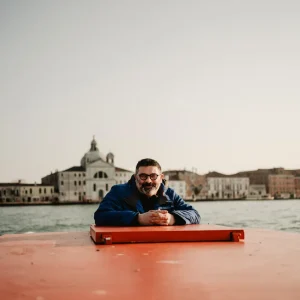
Written by Igor Scomparin, Licensed Venice Guide since 1997
Every visitor to Venice asks this question eventually.
Usually within an hour of arriving. Sometimes before booking the flight. The gondola — Venice’s most iconic image, its most famous tourist experience, its most visible symbol — dominates travel conversations about this city more than any cathedral, museum, or meal.
Should you take a gondola ride?
The question seems simple. The answer isn’t. Because the real question hiding beneath it is this: What are you actually paying for, and does what you receive match what you expected?
After 28 years watching visitors navigate this decision, I’ve seen gondola rides create some of Venice’s most memorable moments — and some of its most disappointing ones. The difference was never the gondola itself. It was whether the rider understood what they were buying and chose the right circumstances for experiencing it.
This guide eliminates the confusion entirely. When gondolas deliver genuine value. When they’re overpriced theater. And how to make the decision that matches what you actually want from Venice.
What a Gondola Ride Actually Is
Before deciding whether to take a gondola, it helps to understand what the experience actually involves — because most visitors have no idea beyond what photographs suggest.
A standard gondola ride lasts 30 minutes. Not an hour. Not “as long as you want.” Thirty minutes. The route follows canals near your starting point — typically either near San Marco or near the Rialto, depending on where you board. The gondolier rows. You sit. The boat moves through narrow canals, under bridges, past building facades. The ride is quiet, smooth, and slower than walking.
That’s it. That’s the actual experience, stripped of romance and marketing.
The gondolier does not automatically provide narration. Some gondoliers chat. Others row in complete silence. Whether you receive any historical information, any stories about the buildings you’re passing, any interaction beyond the physical act of rowing depends entirely on which gondolier you encounter and whether they feel like talking that day.
The route is not customizable. The gondolier chooses the path based on canal traffic, their own preferences, and time constraints. You don’t request specific destinations or demand to see particular bridges. You go where the gondolier takes you — which, to be fair, is usually a reasonable route that shows attractive portions of Venice’s canal system.
Evening rides carry a premium. So do rides with serenades — a second gondolier or musician accompanies your boat and performs. These additions add significantly to the base cost and transform the experience from simple transportation into something closer to staged entertainment.
Understanding these specifics prevents the most common gondola disappointments: expecting an hour when you receive 30 minutes, expecting narration when you receive silence, expecting control over the route when you receive none.
Why Gondolas Are Expensive
Gondolas aren’t cheap. The official rates — set and regulated by Venice’s municipal government — represent significant expense relative to any other Venice experience.
The cost reflects several factors most visitors never consider:
Gondolas are extraordinarily costly to build. Each boat is handmade by master craftsmen in one of Venice’s few remaining traditional boatyards. The construction process takes months and requires nine different types of wood, each chosen for specific properties. A finished gondola represents centuries of accumulated knowledge about how to create a boat that performs perfectly in Venice’s unique waterway conditions.
Venice’s traditional gondola workshops are disappearing — fewer than 20 remain today, and each closure represents irreplaceable knowledge lost. The craftsmen who build these boats don’t mass-produce them. They create them one at a time, using techniques passed from master to apprentice across generations. This level of specialized craftsmanship costs money — and the boat you’re sitting in represents that investment.
Gondolier licenses are limited and difficult to obtain. Venice controls the number of licensed gondoliers through a regulatory system that includes demanding practical examinations. When a gondolier retires, their license becomes available — but the waiting list is long. This controlled supply keeps gondolier income relatively stable but also means operating one of the city’s approximately 400 working gondolas requires significant professional commitment.
The physical labor is genuine. Rowing a 500-kilogram gondola through Venice’s canals for hours each day demands strength, technique, and years of practice. The single-oar rowing style unique to gondoliers — voga alla veneta — is mechanically complex and requires specific body positioning and weight distribution. Gondoliers aren’t simply steering tourists around for easy money. They’re performing skilled physical labor.
These factors combine to create rates that feel high — particularly to visitors accustomed to prices in other Italian cities or other forms of Venice transportation. But the cost reflects genuine value in ways that aren’t immediately obvious when you’re simply looking at the price.
When a Gondola Ride Is Worth It
Gondolas deliver genuine value in specific circumstances — and understanding when these circumstances apply to your trip resolves most of the anxiety around this decision.
Gondolas are worth it when the experience itself — not the transportation — is the goal. If you’re visiting Venice to celebrate an anniversary, a honeymoon, or a significant milestone, the gondola provides an experience uniquely connected to this specific city. No other place on earth offers this exact thing. The romance isn’t manufactured. It’s genuinely present — the narrow canals, the quiet movement, the sense of participating in a tradition centuries old.
Gondolas are worth it when shared among a group. A gondola seats up to six people. The official rate applies to the boat, not per person. When divided among a group, the per-person cost becomes far more reasonable than the headline number suggests. Families traveling together, groups of friends, even two couples splitting a ride — these scenarios transform the economics entirely.
Gondolas are worth it when timed well. Late afternoon, just before sunset, creates ideal conditions — the light is beautiful, the tourist crowds thin slightly, and the atmosphere shifts from daytime bustle toward evening calm. Venice at sunset transforms into something genuinely magical — and experiencing this from a gondola, moving quietly through canals as the light turns gold, delivers exactly what most visitors hope for when they imagine Venice.
Gondolas are worth it when you understand the limitations going in. If you know you’re paying for 30 minutes, not an hour. If you know narration isn’t guaranteed, and silence is perfectly normal. If you know the route isn’t negotiable, and that’s acceptable. These adjusted expectations prevent disappointment and allow the experience to be what it actually is rather than failing to match what you imagined.
When a Gondola Ride Is Not Worth It
Gondolas disappoint visitors in equally specific circumstances — and recognizing when these circumstances apply saves both money and frustration.
Gondolas are not worth it when budget stress makes the experience anxious rather than enjoyable. If spending the money creates genuine financial worry — if the cost means sacrificing another Venice experience you’d rather have, or if the expense makes the rest of your trip feel constrained — skip the gondola without guilt. Venice offers extraordinary free and low-cost experiences that create equally powerful memories without the associated stress.
Venice contains dozens of free experiences that rival anything you’d pay for — churches holding masterpiece paintings, campos where Venice’s daily life unfolds, waterfront views at dawn that cost nothing and deliver atmosphere a gondola ride can’t match. Choosing these over a gondola isn’t settling. It’s often choosing better.
Gondolas are not worth it when treated as transportation rather than experience. If you’re considering a gondola because you’re tired of walking and want to cover distance quickly, you’re choosing the wrong vehicle. Gondolas are slower than walking. Much slower. They follow indirect canal routes that add time rather than saving it. For actual transportation across Venice, vaporetti work infinitely better — faster, cheaper, more frequent.
A vaporetto pass provides unlimited water transport throughout Venice at a fraction of a single gondola ride’s cost. The vaporetto isn’t romantic. But it’s honest about what it is — practical city transport that happens to travel the Grand Canal with stunning views included.
Gondolas are not worth it when taken from hotel concierges or tourist-area touts. These intermediaries add commission on top of the official rates, meaning you pay more for the exact same 30-minute ride a direct booking would provide. The gondolier receives the standard rate regardless. The extra money simply pays someone for making a phone call you could have made yourself.
Gondolas are not worth it in bad weather. Rain, wind, or extreme cold transforms a gondola ride from atmospheric to uncomfortable. The boat offers no shelter. You sit exposed to elements for 30 minutes with no option to cut the ride short if conditions worsen. Checking the weather before committing to a gondola prevents paying for an experience you’ll remember primarily for being cold and wet.
The Alternatives: Other Ways to Experience Venice by Water
The gondola isn’t Venice’s only water experience — and understanding the alternatives helps you decide whether the gondola itself is what you actually want.
The traghetto is a standing-room gondola that crosses the Grand Canal at specific points where bridges don’t exist. These boats are operated by gondoliers performing a public service rather than tourist entertainment. The ride lasts roughly one minute. The cost is minimal. The experience is genuinely local — Venetians use traghetti daily as part of the city’s actual transportation network.
Taking a traghetto doesn’t replace a gondola ride. But it provides a taste of what moving through Venice by gondola actually feels like — the smooth movement, the single-oar rowing technique, the perspective from water level — without the cost or the performance aspects that make tourist gondola rides feel staged.
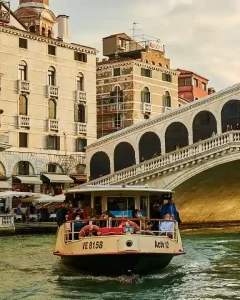
The vaporetto is Venice’s public water bus system, traveling the length of the Grand Canal and connecting the city’s various islands and neighborhoods. Line 1 travels the full Grand Canal route — slower but offering comprehensive views of the palaces, churches, and bridges lining Venice’s main waterway. The ride takes roughly 45 minutes from terminus to terminus.
This isn’t romantic. It’s public transit. But the Grand Canal views from a vaporetto rival anything a gondola shows you — and the people-watching adds genuine entertainment. Locals commuting home from work. Students heading to university. Delivery workers transporting goods. Venice functioning as an actual city rather than performing for tourists.
Private boat tours offer a middle ground between gondolas and vaporetti — more comfortable than public transit, less performatively romantic than gondolas, and often more informative than either. Combine sightseeing with a private boat tour that includes knowledgeable commentary about what you’re seeing. These tours travel beyond the main tourist canals, reaching parts of the lagoon and smaller islands that gondolas never visit.
The cost is higher than a gondola. But the experience is fundamentally different — educational, exploratory, and covering significantly more territory. For visitors interested in understanding Venice’s lagoon environment and its relationship with the surrounding islands, private boat tours deliver value gondolas simply can’t match.
How to Get the Best Gondola Experience
If you’ve decided a gondola ride matches what you want, a few specific choices maximize the likelihood of genuine satisfaction.
Book directly with a gondola station rather than through intermediaries. Gondola stations exist throughout Venice — near San Marco, at the Rialto, in Cannaregio, along the Grand Canal. Walking up to any station and arranging a ride yourself eliminates commission markups while ensuring the gondolier receives their full rate.
Choose your timing deliberately. Late afternoon — roughly 4:00 to 5:30 PM — combines good light with thinner crowds. Midday rides happen during peak tourist hours, meaning canal traffic, noise, and the sense of performing for an audience rather than experiencing something genuine. Early evening after sunset offers the most atmospheric conditions but costs more and requires advance booking.
Clarify the duration before departing. Thirty minutes is standard. Some gondoliers offer 40- or 50-minute rides at higher rates. Knowing exactly what you’re paying for before the ride begins prevents confusion or disappointment when the gondolier ends the journey sooner than you expected.
Don’t expect narration — but ask politely if the gondolier seems willing. Some gondoliers enjoy talking about Venice and will share stories about the buildings you’re passing. Others prefer silence. A simple, polite question at the ride’s start — “Would you mind telling us a bit about what we’re seeing?” — usually clarifies whether your gondolier is willing to engage conversationally.
Bring a camera but don’t let it dominate the experience. Photographing the ride makes sense — these are memories worth preserving. But visitors who spend 30 minutes staring at a phone screen rather than simply looking around the canal miss the actual experience they’re paying for. Take a few photos. Then put the camera away and pay attention to where you are.
The Middle Ground: Experiences That Split the Difference
For visitors uncertain whether a gondola matches their budget or interests, Venice offers experiences that provide some of what a gondola delivers without the full commitment.
The traghetto crossing costs almost nothing and delivers a one-minute gondola experience. This isn’t a substitute for a full ride. But it removes the mystery — you’ll know exactly what moving through Venice by gondola feels like, and whether you want more of it.
A long vaporetto ride on Line 1 traveling the full Grand Canal provides 45 minutes of water-based Venice views. The atmosphere differs entirely from a gondola — crowded, functional, less romantic. But the views of palaces, bridges, and daily Venice life rival anything a gondola shows you.
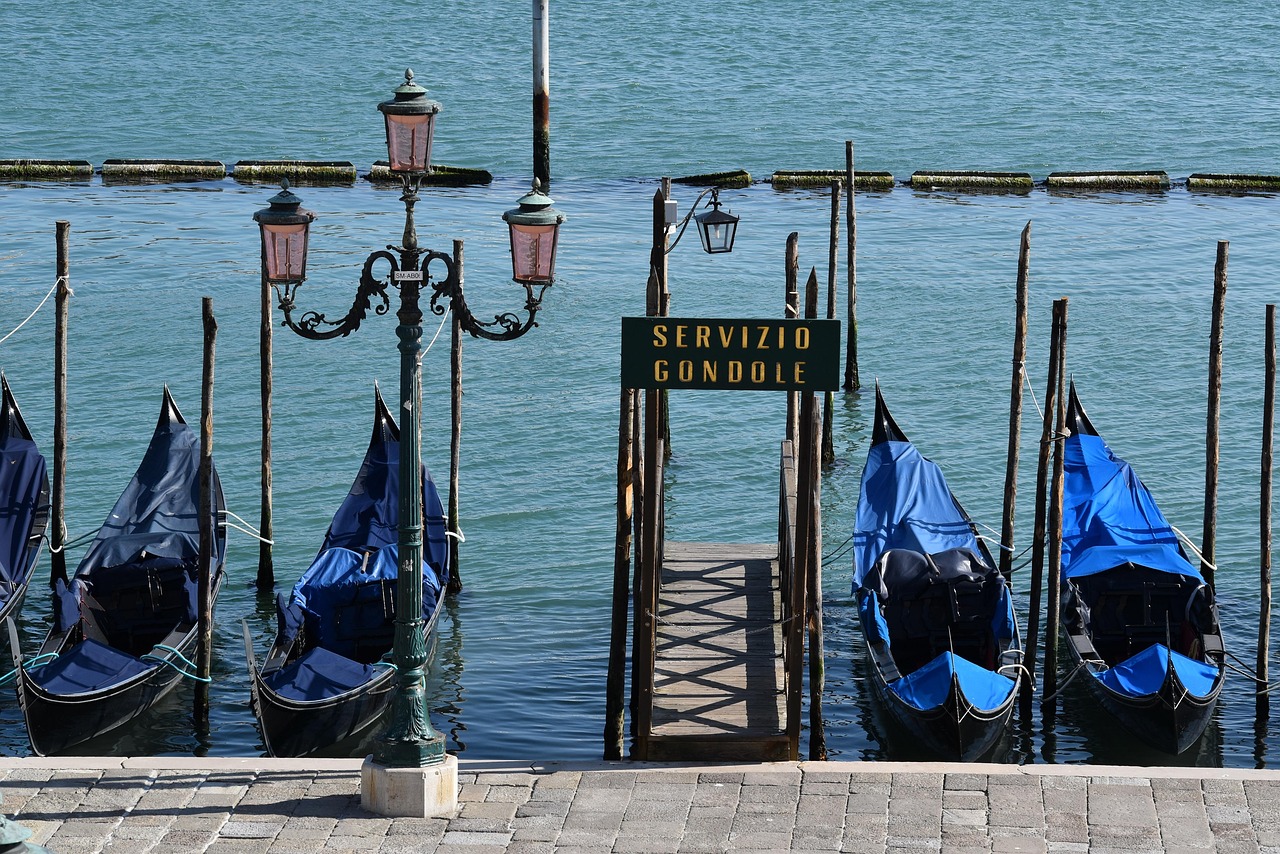
A late-afternoon walk along the Zattere or Fondamenta della Misericordia provides atmospheric Venice waterfront experience without the cost. Watching gondolas pass while you sit on stone steps overlooking a canal, gelato in hand, creates memories as powerful as riding in one — often more powerful, because you’re participating in Venice’s daily life rather than performing tourism.
Understanding Venice without a rigid checklist means recognizing that the experiences people remember most aren’t always the ones they paid most for. A gondola ride creates one kind of memory. Walking empty campos at dawn creates another. Neither is wrong. But knowing yourself well enough to predict which kind of memory matters more to you resolves the gondola question immediately.
What Venetians Actually Think About Gondolas
Venetians have complicated relationships with gondolas — and understanding their perspective helps visitors contextualize what gondola tourism actually represents.
Gondolas were never designed as tourist entertainment. For centuries, they were Venice’s primary transportation. Wealthy residents owned private gondolas the way wealthy people today own cars. Professional gondoliers ferried passengers across canals the way taxis work today. The boats were functional, ubiquitous, and thoroughly ordinary.
Tourism transformed gondolas into performance — a carefully maintained tradition that exists primarily for visitors rather than for Venetians themselves. This isn’t criticism. Tourism literally saved the gondola from extinction. By the mid-20th century, motorboats were replacing gondolas entirely. Tourism created economic incentive to preserve the craft, train new gondoliers, and maintain the boat-building workshops that would otherwise have closed.
But this transformation changed what gondolas mean. They’re no longer simply transportation. They’re living theater — a performance of Venice’s past for visitors who can afford to pay for it. Most Venetians never take gondola rides. The boats they see daily carry tourists, not residents. The gondoliers they encounter are performing a role rather than simply doing their job.
This creates a quiet tension that visitors rarely notice but Venetians navigate constantly. The gondola is simultaneously Venice’s most recognizable symbol and a symbol that belongs more to tourism than to the city itself. Understanding this doesn’t diminish the gondola experience. It contextualizes it — you’re participating in a tradition that’s genuine but also consciously maintained for your benefit rather than occurring naturally as part of Venice’s daily function.
Plan Your Venice Water Experiences
For budget-friendly water transport: A vaporetto pass provides unlimited access to Venice’s entire water bus system. Line 1 travels the full Grand Canal with stunning views. Unlimited travel means you can experiment with different routes, hop off at interesting stops, and experience Venice by water without the anxiety of per-trip costs adding up.
For understanding what’s worth your money: Venice’s true costs vary dramatically depending on what you’re buying. Some experiences cost far less than visitors expect. Others — like gondolas — cost exactly what they claim but deliver value only in specific circumstances. Knowing which is which before you arrive prevents both disappointment and overspending.
For free atmospheric experiences: Venice offers dozens of extraordinary experiences that cost nothing — churches holding masterpiece paintings, campos at dawn, waterfront views at sunset. These free experiences often create more powerful memories than paid attractions because they feel genuinely discovered rather than purchased.
For making every experience count: A private Venice tour provides insider knowledge that transforms how you experience everything — including whether you take a gondola ride, when you take it, and where. A guide who knows Venice intimately can arrange gondola experiences that deliver maximum value while steering you away from tourist traps that waste both money and time.
For museum experiences worth your time: Skip-the-line museum tickets ensure that when you do spend money in Venice, it goes toward experience rather than waiting in queues. The Accademia Gallery, Doge’s Palace, and other major museums hold collections that genuinely reward the admission cost — but only if you’re actually inside looking at art rather than standing outside waiting to enter.
For lagoon exploration beyond gondolas: Private boat tours reach Venice’s outer islands — Murano’s glass workshops, Burano’s colored houses, Torcello’s ancient cathedral. These destinations require water transport, and private boats provide knowledgeable commentary alongside the journey. The experience differs entirely from gondolas but often satisfies the same underlying desire to experience Venice by water.
For romantic Venice beyond the obvious: Venice holds romantic experiences that don’t require gondolas — sunset from the Zattere, quiet campos in Dorsoduro, churches holding paintings that take your breath away. Romance in Venice comes from atmosphere, not from checking off experiences others claim are romantic.
For approaching Venice without performance pressure: Venice rewards visitors who skip the checklist — the best experiences can’t be planned. They happen when you’re present, paying attention, and willing to let the city surprise you. Understanding this before you arrive changes how you make decisions about everything from gondolas to museums to which neighborhoods deserve your time.
Make the Right Gondola Decision — For You, Not for Your Instagram Feed
After 28 years living in Venice and being featured by Rick Steves, NBC, and US Today, I’ve watched thousands of visitors agonize over whether to take a gondola ride. The answer is never universal. It’s always personal. Let me help you decide whether a gondola matches what you actually want from Venice — and if it doesn’t, what experiences would serve you better.
Book a private Venice tour for insider guidance or secure your vaporetto pass and museum tickets — make every decision in Venice with confidence rather than anxiety.
Frequently Asked Questions
Should I book a gondola ride in advance or just show up?
Both approaches work, with trade-offs. Advance booking (through your hotel or directly with a gondola station) guarantees availability at your preferred time and eliminates the stress of finding a gondola when you’re ready. Walk-up booking at any gondola station provides flexibility — you ride when conditions feel right rather than committing to a specific time days in advance. Peak season (April–October) and popular times (late afternoon, evening) favor advance booking. Off-season and midday rides are usually available walk-up. The main risk with advance booking is weather — if conditions turn bad, you’re committed to a ride you might not enjoy.
Will the gondolier sing during my ride?
Not unless you’ve specifically booked a serenade service, which costs significantly more than the standard ride. Regular gondoliers row. They don’t sing. The romantic image of gondoliers serenading passengers comes from old movies and tourist marketing, not from reality. If you want singing, you must book it as a separate service — typically involving a second gondolier or musician who accompanies your boat specifically to perform. This transforms the experience from transportation to staged entertainment and changes the cost accordingly.
Can I negotiate the gondola price?
No. The rates are set by Venice’s municipal government and displayed at every official gondola station. Licensed gondoliers cannot legally charge less than the official rate — doing so risks their license. However, you can sometimes negotiate more than the standard 30 minutes for a higher rate, or arrange specific routes if your gondolier is willing. What you absolutely cannot do is haggle down the base price. Any gondolier offering rates below the official minimum is either unlicensed (meaning the boat may not be properly maintained or insured) or will surprise you with hidden fees that bring the final cost above what you thought you were paying.