Can Venice Survive Being Loved to Death? 🌊
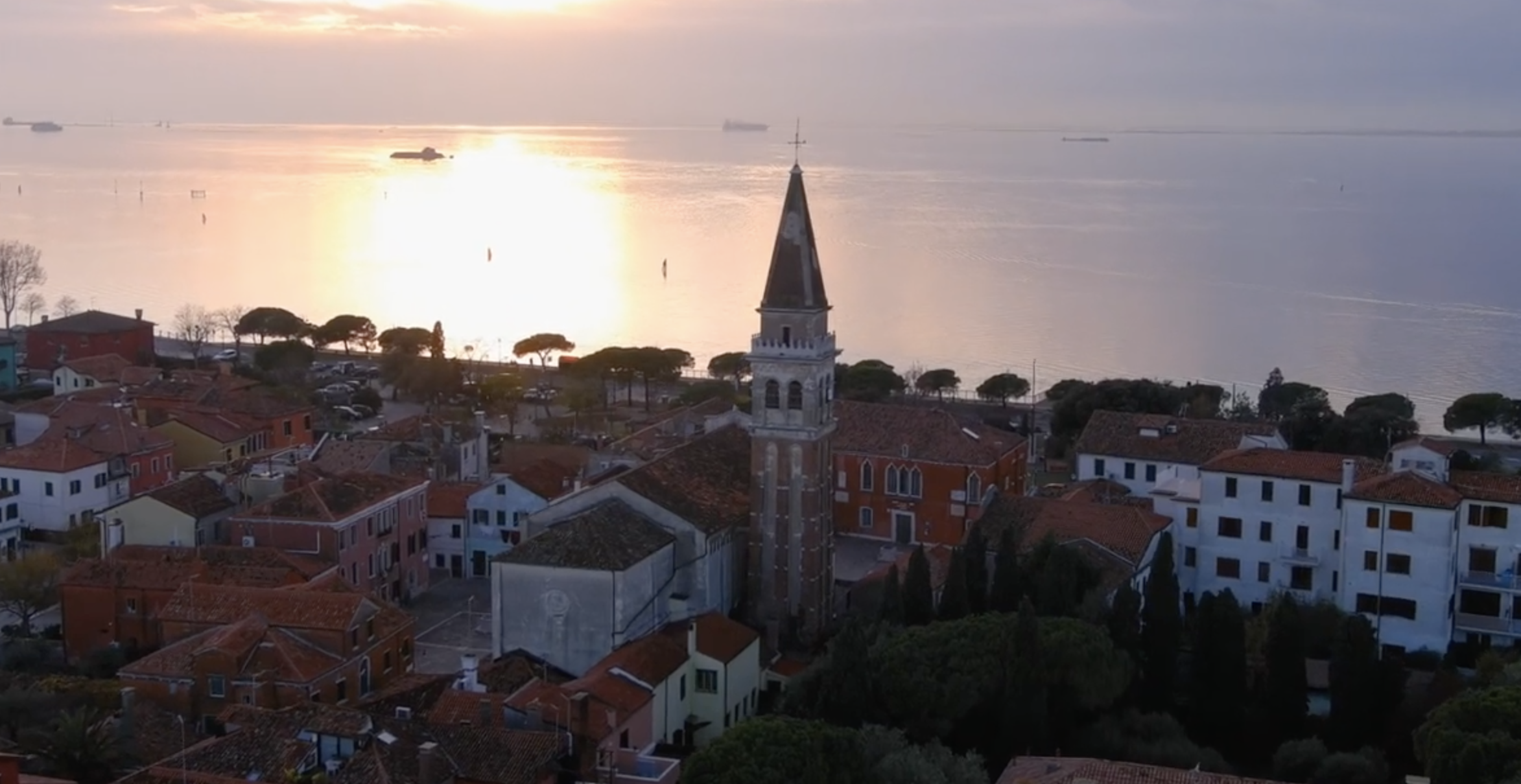
At dawn, Venice glows like a dream you can touch. Fishermen glide through silver water toward the market at Rialto, bells from San Giorgio Maggiore roll across the lagoon, and the scent of espresso mingles with the salt of the Adriatic. It’s a moment of pure serenity — the last quiet breath before the day’s tide of visitors begins to flood in.
Every morning, the same question lingers in the mist: can Venice survive being loved to death?
For centuries, this improbable city has endured everything — plague, floods, empires, even Napoleon. But today, the challenge isn’t invasion or war. It’s something quieter and more relentless: overtourism, depopulation, and the slow erosion of everyday life.
Fewer than 50,000 residents now live in the historic center — barely a third of what it was just seventy years ago. Apartments have turned into short-term rentals, grocery stores into souvenir shops, and family life into a luxury few can afford. And yet, against all odds, Venice is still alive — because its people refuse to let it sink.
In quiet workshops and local movements, artisans, activists, and ordinary Venetians are defending not just the bricks and bridges, but the soul of La Serenissima — the rhythm of life that has pulsed here for over a thousand years.
🌍 A City on the Edge — and Why It Matters
Venice has always lived on the knife’s edge between miracle and disaster. Built on 118 islands stitched together by more than 400 bridges, it has survived thanks to an exquisite equilibrium of water, silt, and human ingenuity. But that balance is faltering.
- Historic center population: ~49,500 residents
- Annual visitors: Over 20 million
- High-season arrivals per day: Up to 80,000 — more than the city’s population
- Average rent increase (past decade): +65%
For locals, these numbers mean exhaustion. For visitors, frustration — long queues, crowded alleys, inflated prices. The fragile balance between host and guest is slipping away. As Anna, a schoolteacher from Dorsoduro, told us: “It’s not that we don’t want visitors. We just want to feel like we still live here.”
🏠 The Vanishing Neighborhoods
Each sestiere — Venice’s six districts — once had its own heartbeat. Cannaregio was working-class and musical. Dorsoduro was full of artists and students. Castello built ships and dreams. San Polo and Santa Croce were families and markets. San Marco was the city’s grand stage — the heart of its civic pride.
Now, walk through these neighborhoods at night and you’ll notice the silence. Windows are dark. The campi — those little Venetian squares once echoing with children’s laughter — stand empty. “I used to know everyone on this street,” says Giorgio, a retired gondolier. “Now it’s all tourists and trolleys.”
💼 The Airbnb Effect
Tourism has always been Venice’s lifeblood, but digital platforms like Airbnb have changed the rhythm of its pulse. In many neighborhoods, one in three apartments is now a vacation rental. That’s driven young Venetians to the mainland — to Mestre or Marghera — commuting daily back to the city they still call home.
“It’s a reverse exodus,” says Lucia, who left her family house in Castello. “We love Venice, but Venice doesn’t make room for us anymore.”
The city is experimenting with rental caps and a day-tripper entry fee to manage crowds. Critics say it’s too little, too late. Supporters call it a first, fragile step toward balance.
⚓ The Battle for Daily Life
Venetian life is built on intimacy — of space, sound, and sight. People live close, walk everywhere, and depend on one another. Every bridge is a meeting point; every bacaro (wine bar) a stage for conversation. But overtourism has disrupted even the smallest routines.
Take the humble traghetto — the stripped-down gondola ferry Venetians use to cross the Grand Canal. It was once a 70-cent shortcut for locals. Now, thanks to viral TikToks calling it “the €2 gondola ride,” it’s packed with tourists taking selfies. The queues stretch down the quay. Residents wait, groceries in hand, while visitors film.
“It’s not about the two euros,” says Matteo, a lifelong rower. “It’s about respect. The traghetto isn’t a ride — it’s part of our rhythm.”
And that rhythm — the slow, dignified tempo of everyday Venetian life — is what’s truly endangered.
🏺 The Artisans Who Refuse to Disappear
🔥 Murano: The Island of Fire and Glass
Murano’s furnaces have burned since the 13th century, shaping both the beauty and identity of Venice. These master glassmakers were once so vital they were forbidden to leave the Republic. Their secrets — the exact recipes for glass colors and crystal clarity — were guarded as fiercely as state intelligence.
Step inside a Murano glass workshop today, and you’ll still hear the hiss of flame and the rhythmic breath of artisans shaping molten glass into chandeliers, beads, and vases that shimmer like liquid light. “Every bubble, every imperfection,” one craftsman says, “is part of its soul.”
But energy costs, mass tourism, and cheap imports threaten this art. Each piece blown by hand isn’t just decoration — it’s defiance, proof that beauty made with patience still matters in a disposable world.
🪡 The Velvet Weavers of Bevilacqua
Near San Stae, the Tessitura Luigi Bevilacqua still hums with the sound of century-old looms. Here, artisans weave silk and velvet for royal palaces, opera houses, and film sets. Each bolt of fabric can take weeks — sometimes months — to complete. The patterns are drawn from 18th-century designs; the techniques, unchanged since Vivaldi’s time.
“We don’t compete with machines,” a weaver tells us, hands moving through golden threads. “We compete with time.”
🎭 Masks, Paper, and Prints: The Living Traditions
Venetian craftsmanship isn’t nostalgia — it’s survival. In Castello, mask-makers sculpt papier-mâché visages that carry centuries of Carnival history. In San Polo, master printer Gianni Basso still prints poetry on presses older than the United States. And in the boatyards near the Arsenale, the last forcola carvers shape the wooden oarlocks that make Venetian rowing possible.
Each craft is a quiet act of rebellion — proof that Venice is not a museum, but a living city of makers.
🌱 The Activists Protecting the Lagoon
🌾 We Are Here Venice
Venice’s soul isn’t in its stones — it’s in its lagoon. This living ecosystem has cradled the city for over a millennium, but industrial dredging, rising tides, and cruise ship wakes have destabilized it. The collective We Are Here Venice works tirelessly to restore balance, blending science, policy, and art to protect the lagoon’s delicate health.
Their research has influenced laws on cruise ship routes, dredging, and the controversial MOSE flood barrier. Their message is simple: Venice must remain a place where people live, not just visit. “A city without residents,” they remind us, “isn’t a city — it’s an exhibit.”
🏝️ Poveglia: From Haunted Island to Hope
Just beyond Giudecca lies Poveglia — an island whispered about in ghost stories and paranormal shows. Once a quarantine station during the plague, then a psychiatric asylum, it stood abandoned for decades — until Venetians took it back.
In 2025, the grassroots group Poveglia per Tutti (“Poveglia for Everyone”) raised thousands of donations to lease the island. Their dream: transform it into a public nature park for residents — no hotels, no restaurants, just peace. “We’re not erasing the ghosts,” says Marco, one of the founders. “We’re giving them company.”
It’s a quiet revolution — Venetians reclaiming their right to space, silence, and belonging.
🚤 The Slow Lagoon Philosophy
Across the lagoon, locals are rediscovering slowness. Projects like Slow Lagoon and traditional bragozzo boat tours promote travel by wind and oar rather than motor. They remind visitors that Venice’s beauty lies in its stillness — in moving with the rhythm of tides, not timetables. Every calm ripple tells a story.
💔 The Cost of Losing Locals
A Venice without Venetians would be like an orchestra without musicians — the stage remains, but the music dies. As rents soar and services vanish, daily life becomes unsustainable. Bakeries turn into souvenir stands, schools close, and post offices shutter. “When you lose services,” says Paola, a nurse from Cannaregio, “you lose life.”
Even simple rituals — sharing a spritz at sunset, helping a neighbor carry groceries across a bridge — are fading. “We’re still here,” says Antonio, a lifelong resident, “but sometimes it feels like we’re the ghosts now.”
🚫 The Fight for the City’s Future
But Venetians have never been the type to surrender. Across the six sestieri, grassroots groups and associations are fighting to reclaim their city. Their efforts include:
- Limiting short-term rentals to protect residential housing.
- Restricting cruise ships from the fragile historic lagoon.
- Encouraging sustainable, small-group tourism experiences.
- Reviving artisan apprenticeships and local manufacturing.
The city’s day-tripper fee — between €5 and €10 — is an attempt to manage overwhelming crowds. Universities and cultural foundations are investing in artist residencies and youth programs to draw Venetians back home. It’s imperfect, but it’s a start.
🌅 The New Venetians — A Generation Redefining the City
Despite the odds, a quiet renaissance is taking root. Young Venetians are returning, opening businesses that blend tradition with innovation.
In Dorsoduro, two architects transformed an old boathouse into a creative hub — part café, part art studio, part community space. In Giudecca, a sculptor runs eco-art workshops for children using debris collected from the lagoon. On Sant’Erasmo, farmers are reviving ancestral crops — purple artichokes, lagoon honey, indigenous herbs — reconnecting agriculture with identity.
These are the seeds of a new Venice: slower, greener, and proudly local.
👉 Experience this side of the city with our Off-the-Beaten-Path Orientation Tour or Venetian Rowing Experience — guided by locals who live what they protect.
💡 How Visitors Can Help (and Still Fall in Love)
Venice doesn’t need rescuing. It needs understanding. Every traveler can be part of its survival — not through grand gestures, but through thoughtful choices that make a real difference.
- Stay overnight rather than visiting for just a few hours. Your presence sustains local hotels and restaurants.
- Choose authentic experiences — like a Cicchetti & Wine Tour or a Lagoon Discovery Tour — that support Venetian guides and artisans.
- Shop with intention — visit real workshops, not souvenir chains.
- Respect silence and slowness — Venice’s magic lies in its stillness.
- Travel lightly — walk, row, or sail instead of rushing by motorboat.
Every small act — every conversation, every purchase, every pause — helps Venice breathe.
📜 The Unwritten Future of Venice
Venice’s story isn’t finished. Some say it’s becoming a luxury Disneyland; others see a slow, luminous rebirth. The truth lies somewhere in between — balanced like a gondola on glassy water.
Watch a gondolier teaching his son to row, or a grandmother feeding pigeons in a quiet campo, and you’ll see the real city — fragile, yes, but fiercely alive. Its survival depends not on nostalgia, but on balance: between beauty and burden, between commerce and care, between visitors and those who keep its heart beating.
“Venice doesn’t need saving,” says one activist. “It just needs understanding.”
❤️ A Final Word: The City That Refuses to Sink
Venice has always lived between water and sky, danger and wonder. It’s easy to call it fragile — but in truth, it’s resilient. The same forces that threaten it — water, time, and change — also keep it alive.
Every dawn, fishermen still cross the lagoon. Every evening, laughter still fills the bacari. Every tide carries both memory and renewal. Venice continues to rise — not in spite of its fragility, but because of it.
And maybe that’s the real miracle of Venice: not that it was built on water, but that it keeps choosing to float.
🌅 Discover the Real Venice with Those Who Keep It Alive — Book Your Private Tour Today 🌅
Why do people say Venice is “being loved to death”?
Venice welcomes over 20 million visitors a year, yet fewer than 50,000 residents still live in the historic center. This imbalance strains local life — apartments become short-term rentals, shops turn into souvenir stores, and essential services vanish. The phrase “loved to death” reflects how excessive tourism can erode the very culture travelers come to experience. At Tour Leader Venice, we believe love for Venice should mean respecting its rhythm, its people, and its fragile lagoon.
How can travelers help protect Venice while still enjoying it?
Visitors can make a real difference by traveling thoughtfully:
Stay overnight instead of visiting for just a few hours.
Book authentic local tours like our Explore Venice Off the Beaten Path Tour or Venetian Rowing Experience.
Support artisans with experiences such as our Murano Glassblowing Visit.
Respect silence, walk slowly, and limit wake when traveling by water.
These choices sustain the city’s economy while preserving its soul.
Is Venice really at risk of disappearing?
Venice faces serious challenges — rising tides, depopulation, and climate change — but it’s far from doomed. Local artisans, activists, and young entrepreneurs are leading a quiet renaissance, balancing innovation with tradition. Through sustainable tourism and local pride, the city is adapting once again. As we often say at Tour Leader Venice: Venice doesn’t need saving — it needs understanding.