“What exactly is a Venetian spritz? How is it different from other cocktails? Where do locals actually drink them, and how do I order without looking like a tourist?”
These questions appear from travelers encountering the spritz throughout Venice, recognizing it as signature local drink, wanting to understand what distinguishes authentic Venetian versions from touristy variations, curious about where genuine locals gather for aperitivo, seeking to engage with Venetian social culture through understanding and participating in the evening drinking ritual.
The honest answer: The Venetian spritz represents far more than cocktail — it embodies aperitivo culture, evening social ritual, specific Venetian tradition combining prosecco, Aperol or Select, soda water, ice, and olive garnish in precise proportions, ordered at specific establishments (bacari primarily) during specific hours (6:00-8:00 PM typically), consumed as prelude to dinner while socializing with friends and colleagues, representing genuinely local practice continuing centuries of Venetian evening gathering, distinct from tourist versions served in upscale venues or created with wrong proportions, requiring understanding of proper composition, appropriate venues, ordering etiquette, and social context to experience authentically.
After 28 years guiding Venice — understanding aperitivo culture intimately, knowing which venues serve proper spritzes versus tourist variations, recognizing how locals navigate spritz ritual and social engagement, working with travelers who experience authentic aperitivo culture and report discovering genuine Venetian social dimensions unavailable through typical tourism — I know that understanding and participating in spritz culture creates meaningful engagement with contemporary Venice’s social rhythms and traditions.
The fundamental realities most tourists miss:
The spritz isn’t primarily about the drink’s taste (though proper composition matters) but rather the social ritual — the evening gathering, the informal socializing, the transition from workday to evening leisure, the community engagement occurring in bacari and neighborhood gathering spaces
Understanding that “proper” Venetian spritz has specific composition (prosecco, Aperol or Select, soda, ice, olive) — deviations toward premium ingredients or altered proportions creating variations tourists prefer but locals would never order
Recognizing that authentic aperitivo culture centers on neighborhood bacari (small standing bars where locals gather), not upscale lounges or tourist-oriented venues where spritzes cost three times more and serve as commodities rather than ritual
Understanding the social timing — aperitivo occurs at specific hours (6:00-8:00 PM roughly), before dinner, serving social function rather than leisure drinking, the ritual embedded in daily Venetian rhythms
The spritz represents democracy and informality — the drink inexpensive (approximately €2-3 in bacari), accessible to working people and wealthy equally, the gathering space unpretentious, creating genuine social mixing where class boundaries less evident
This is the completely honest Venetian spritz guide — explaining what the spritz actually is and its cultural significance, describing proper composition and how it differs from variations, identifying where authentic spritzes are served and which venues to avoid, providing practical guidance on ordering and social engagement, addressing aperitivo culture and social etiquette, and helping you understand how to participate genuinely in this evening ritual without performing tourism.
What Is a Venetian Spritz: Definition, History, and Cultural Significance
Understanding the drink’s origins and what makes it distinctly Venetian.
The Spritz: Composition and Definition:
The classic formula:
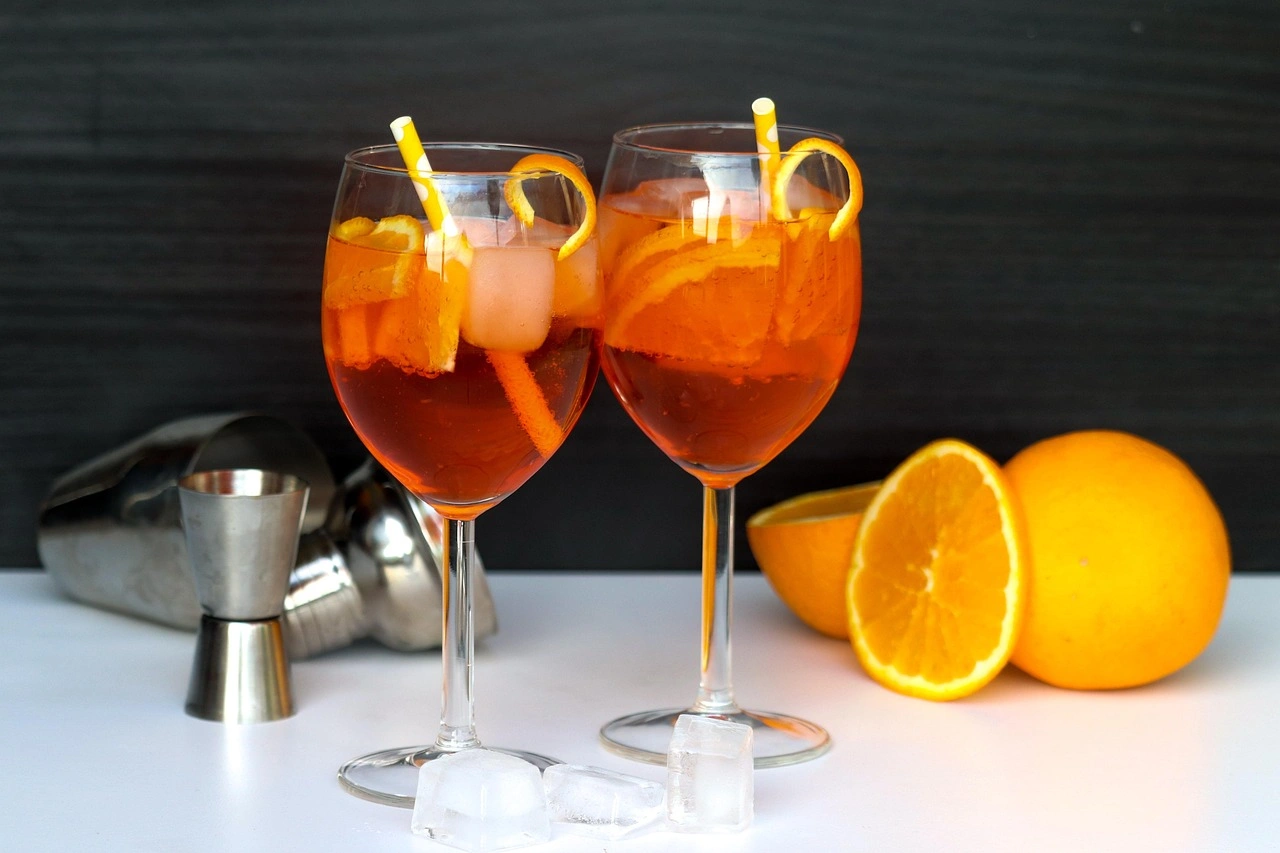
The Venetian spritz combines:
- Prosecco (approximately 60ml): Venetian sparkling white wine, dry or brut preferred, inexpensive quality acceptable (not premium reserved wines)
- Aperol or Select (approximately 40ml): Bitter aperitif (Aperol most traditional, Select acceptable alternative), the characteristic flavor defining the drink
- Soda water (approximately 20ml splash): Carbonated water, adding effervescence and dilution
- Ice (several pieces): Cooling the drink, creating condensation and chill
- Green olive (one, typically): Garnish and subtle flavor contribution, the olive’s brine adding dimension
The proportions matter: The specific ratio (roughly 3:2:1 prosecco:Aperol:soda) creates the characteristic flavor balance — not too bitter, not too sweet, the prosecco’s dryness balancing Aperol’s sweetness
The presentation:
Served in small wine glass or rocks glass (not fancy cocktail glasses), typically appearing amber-colored due to Aperol, ice visible, olive floating, the simplicity of presentation reflecting unpretentious nature
The temperature and freshness:
The spritz consumed immediately after preparation (within minutes), the carbonation and chill essential to the experience, the drink degrading quickly if left sitting, creating necessity for immediate consumption
The Historical Origins:
The Austrian influence:
The spritz tradition originates from Austrian occupation of Venice (1815-1866, post-Napoleonic period), when Austrian soldiers and officials stationed in Venice introduced the practice of adding water or soda to wine for refreshment (the Austrian “spritzen” meaning spray or splash)
The local adaptation:
Venetians adapted the practice to local ingredients — using prosecco (the regional wine) rather than Austrian wines, creating combination reflecting Venetian taste and resources, the tradition gradually becoming distinctly Venetian
The Aperol addition:
Aperol (created 1919, post-Austro-Hungarian Empire dissolution) incorporated into the spritz tradition, becoming the characteristic ingredient defining the modern spritz, the bitter aperitif becoming standard rather than simple wine and soda
The evolution to current practice:
By mid-20th century, the spritz achieved current form and became embedded in Venetian aperitivo culture, becoming the quintessential evening drink, the tradition continuing to present with minimal change
Cultural Significance:
The aperitivo ritual:
The spritz isn’t primarily about alcohol consumption but rather the evening gathering ritual — the transition from work to leisure, the time for socializing before dinner, the community engagement occurring in shared spaces
The social equalizer:
The inexpensive price (€2-3 in neighborhood bacari) makes spritzes accessible to working people, retirees, students, professionals equally, creating genuine social mixing where class distinctions less visible than in expensive venues
The informality marker:
Ordering a spritz signals casual engagement, unpretentious socializing, genuinely local practice rather than tourism or special occasions, the drink’s ordinariness creating welcoming environment
The neighborhood identity:
Each neighborhood maintains particular bacari where locals gather for aperitivo, the spritz becoming marker of neighborhood belonging, the shared drink creating community bonds
The contemporary tradition:
Despite modernization and tourism pressure, aperitivo culture and spritz-drinking remains genuinely Venetian practice, the ritual continuing essentially unchanged, representing cultural continuity in rapidly changing city
The Proper Venetian Spritz vs. Variations and Imposters
Understanding what distinguishes authentic versions from tourist or premium variations.
The Authentic Venetian Spritz (Bacari Standard):
The defining characteristics:
- Prosecco (inexpensive, dry, approximately 60% of drink)
- Aperol specifically (the traditional bitter aperitif, approximately 40%)
- Soda water (splash, approximately 20%)
- Ice
- Single green olive
- Served in simple glass
- Price: €2-3 in neighborhood bacari
- Consumed immediately, informal setting
The taste profile:
Lightly bitter (from Aperol), slightly sweet (from prosecco’s residual sugar), refreshing (from carbonation), the balance creating approachable drink neither too bitter nor too sweet
The social context:
Ordered standing at bar (not seated at tables), consumed quickly in 10-15 minutes while socializing, the drinking social rather than leisurely, the bar crowded with locals during aperitivo hours
Common Variations and Tourist Versions:
The “premium spritz”:
Upscale venues serve spritzes with premium proseccos, aged aperitifs, special ingredients, creating higher-quality drinks but departing from traditional composition. The price elevated (€8-15+), the experience transformed from casual ritual to luxury consumption.
The “Hugo” variation:
German/Northern European variation substituting mint, elderflower, and lime for traditional ingredients, creating different drink entirely (though called “spritz” in some venues). Locals would never order this, recognizing it as non-Venetian invention.
The “Spritz Rosé”:
Substituting prosecco with rosé wine, creating pink-colored drink, appealing to tourists seeking Instagram-worthy appearance. Authentically Venetian spritzes are amber/golden colored, not pink.
The “Spritz with premium ingredients”:
Using Select instead of Aperol (acceptable), premium prosecco (unnecessary and inappropriate), adding special bitters or other modifications (departing from tradition). These appeal to cocktail sophistication but lose Venetian authenticity.
The “Spritz mocktail” or alcohol-free versions:
Some venues offer non-alcoholic spritzes substituting alcohol with other ingredients. While respectable accommodation for non-drinkers, these aren’t authentically Venetian (the aperitivo ritual inherently involves the specific drink composition).
The “tourist venue spritz”:
Venues in San Marco and major tourist areas serve spritzes at €6-10+ in fancy glasses, often with oversized garnishes, premium ice, special presentations. The drink technically proper composition but the price, presentation, and context depart from authentic tradition.
How to Recognize Authentic Venues:
The bacari characteristics:
Physical setting: Small, often unpretentious spaces, typically narrow and crowded, standing room at counter primarily
Clientele: Mix of Venetians (workers, retirees, students, professionals), tourists present but not dominant
Pricing: Spritz €2-3, food items (cicchetti) inexpensive (€2-6 each)
Staff: Often owner-operated or family-run, staff knowing regular customers by name, informality and casual service
Atmosphere: Lively, social, some noise and energy, the gathering quality apparent
Furniture and decor: Simple, functional, not attempting upscale aesthetic, practical focus on serving drinks and socializing
Hours: Typically open early afternoon (3:00 PM) through evening (8:00+ PM), operating during aperitivo hours
The Tourist Trap Characteristics:
Red flags indicating touristy venues:
- Upscale presentation or “cocktail bar” branding
- High prices (€5+)
- Quiet atmosphere (suggesting tourists rather than locals)
- Empty or tourists-only clientele
- Elaborate glassware or special presentations
- San Marco or immediately visible major-tourist-area location
- Premium ingredient emphasis in menus
Aperitivo Culture: The Social Ritual and Timing
Understanding the context and etiquette surrounding spritz drinking.
The Aperitivo Timing:
The classic window:
Aperitivo occurs approximately 6:00-8:00 PM in Venice (varies slightly with season — earlier in winter when darkness falls earlier, later in summer when daylight extends)
The seasonal variation:
Winter aperitivo (November-March): 6:00-7:30 PM typically, darkness already arrived, the indoor gathering creating warmth and community
Spring aperitivo (April-May): 6:30-8:00 PM, extending daylight enabling some outdoor seating possibility
Summer aperitivo (June-September): 7:00-9:00 PM, extended daylight, outdoor seating prevalent, the cooling evening air creating comfortable gathering
Fall aperitivo (September-October): 6:30-8:00 PM, transitional timing between summer and winter patterns
The social purpose:
Aperitivo serves specific function — the transition from workday to evening leisure, friends and colleagues gathering before dinner, the informal socializing preceding more formal dinner commitment, the drink providing excuse for gathering
The Social Dynamics:
The standing ritual:
Authentic aperitivo involves standing at bar, not seated at tables (which creates leisurely drinking perception), the standing encouraging continuous conversation and circulation, preventing extended sitting
The group engagement:
Aperitivo typically involves friends, colleagues, or acquaintances gathering (rarely solitary drinking), the social engagement essential to ritual, the drink secondary to companionship
The brief duration:
Aperitivo typically lasts 30-60 minutes (not all evening), the gathering transition between work and dinner rather than extended leisure time, the brevity maintaining the ritual’s character
The progression to dinner:
Aperitivo concludes when group transitions to dinner (either at restaurant or home), the gathering having served its social purpose, the drinking ending with movement toward eating
The food dimension:
Cicchetti (small snacks) typically accompany spritzes — olives, anchovies, small sandwiches, cured meats — providing light sustenance and salt encouraging continued drinking
The Venetian Attitude:
The unpretentious approach:
Venetians regard spritz with affectionate informality, the drink neither specially celebrated nor devalued, simply the normal evening drink, the ritual embedded in daily life rather than special occasion
The social priority:
The focus remains on companionship and socializing rather than the drink itself, the spritz serving as vehicle for gathering rather than destination in itself, the casual attitude contrasting with cocktail culture’s focus on drink quality and sophistication
The neighborhood loyalty:
Venetians typically maintain relationships with specific bacari (their neighborhood bar where they’re known and welcomed), returning regularly creating community and familiarity, the regular customer receiving acknowledgment and casual service
The informality and acceptance:
Unlike some drinking cultures emphasizing consumption quantity or competitive drinking, aperitivo culture emphasizes sociability and moderation, accepting varying participation levels (some people have one drink and depart, others linger longer)
Where to Find Authentic Spritzes: Neighborhoods and Specific Venues
Understanding which locations serve genuine spritzes in authentic settings.
The Bacari Tradition:
What bacari are:
Bacari represent traditional Venetian small bars, typically narrow standing-room establishments, serving wine, simple drinks, and cicchetti (small snacks), operating since medieval period as neighborhood gathering spaces
The bacari culture:
Bacari function as social centers for working Venetians, the inexpensive drinks and food making them accessible to people of all economic backgrounds, creating genuine social mixing and community bonds
The contemporary situation:
Many traditional bacari have closed (economic pressure, tourism displacement, changing social patterns), though substantial numbers remain, particularly in residential neighborhoods away from major tourist areas
Neighborhoods with Authentic Aperitivo Culture:
Northern Venice neighborhood, residential and authentic, maintaining strong bacari culture and genuine aperitivo tradition. Notable bacari include:
- Bà (Campo dei Mori area): Traditional bacaro, local clientele, proper spritzes, authentic atmosphere
- Al Timon: Authentic neighborhood bar, genuine aperitivo culture, Cannaregio locals frequent
- Do Spade: Historic bacaro (founded 1415), continues traditional service, local gathering space
San Polo maintains residential character and authentic bacari culture despite proximity to Rialto tourism. Notable venues:
- All’Arco: Traditional bacaro, cicchetti and wine focus, strong local presence
- Cantina do Mori: Historic establishment (founded 1462), authentic aperitivo culture, locals present
- Nearby Rialto Market area: Multiple neighborhood bars serving market workers and locals, genuine aperitivo atmosphere
Southern Venice residential area, university-influenced student population mixing with established residents, strong bacari presence. Notable venues:
- Caffè Florian area alternatives: Avoid the famous tourist venue, instead seek neighborhood bars in residential areas
- Neighborhood bacari: Various small bars throughout Dorsoduro maintaining authentic culture
Less touristy eastern Venice neighborhoods, genuine local communities, authentic bacari culture preserved. Notable characteristics:
- Multiple neighborhood bars maintaining traditional culture
- Local clientele predominant
- Prices reflecting neighborhood rather than tourist pricing
What to Avoid:
San Marco district bacari:
While San Marco contains some historic establishments, most venues have transformed into tourist operations, prices inflated, spritzes served in fancy glasses at premium prices, authentic atmosphere lost
Grand Canal-adjacent venues:
Waterfront locations attract tourist pricing and clientele, the scenic positioning creating tourism premium
“Famous” bacari:
Establishments featured in guidebooks or achieving fame for tourism often lose authenticity through success, the crowds and pricing transforming them from neighborhood gathering spaces
Upscale “cocktail bars”:
Venues emphasizing cocktail sophistication, premium ingredients, fancy presentations operate in different tradition from authentic bacari, the spritzes technically correct but the context fundamentally different
How to Find Authentic Bacari:
Neighborhood walking:
Exploring residential areas (Cannaregio, Dorsoduro, eastern Castello, inner San Polo), observing small bars with standing customers, Venetian language signage, modest presentation
Local recommendation:
Asking hotel staff, shopkeepers, or other locals (Venetians who aren’t gondoliers or tourism workers) for neighborhood bar recommendations, the personal guidance identifying authentic venues
Observation of clientele:
Watching whether customers are Venetian-appearing (regular patterns, local language, informal dress) versus tourist composition, the Venetian presence indicating authenticity
Price reality check:
Spritzes should cost €2-3 in neighborhood bars; anything above €4 signals tourist pricing and likely tourism-oriented venue
How to Order Like a Local: Language, Etiquette, and Social Engagement
Understanding the practical aspects of participating in aperitivo culture authentically.
The Language:
Ordering a spritz:
The simplest order: “Un spritz” (oon SPREETZ) — indicating one standard Venetian spritz. The bartender will automatically prepare the traditional composition (prosecco, Aperol, soda, ice, olive).
Specifying variations (if desired):
“Spritz con Select” — requesting Select instead of Aperol (acceptable alternative, some Venetians prefer it)
“Spritz bianco” — requesting without Aperol (white spritz, less common, creates different drink)
“Spritz rosso” — requesting with different aperitif creating reddish color (departing from traditional but accepted variation)
Note: Most Venetians simply order “un spritz” without variation, the bartender understanding traditional composition
Ordering multiple drinks:
“Due spritz” (DOO-eh SPREETZ) — two spritzes
“Tre spritz” — three spritzes
Adding food:
“Un spritz e un’ombra di prosciutto” — a spritz and small prosciutto sandwich (typical cicchetti accompaniment)
“Con cicchetti” — with small snacks (bartender typically offers options)
The Ordering Etiquette:
At the bar positioning:
Stand at counter (the typical position for aperitivo), not seeking seated table seating (which signals leisurely drinking rather than ritual aperitivo)
The eye contact and acknowledgment:
Make brief eye contact with bartender, indicate you’re ready to order, the simple acknowledgment initiating service
The casual approach:
Order conversationally and informally, avoiding lengthy deliberation (locals order immediately knowing what they want), the quickness reflecting regulars’ behavior
The payment moment:
Typically paying immediately after receiving drink (sometimes after finishing if running a tab), the cash payment normalized (though cards increasingly accepted)
The tipping practice:
Tipping modest (approximately 10% or simply rounding up to nearest euro) or no tipping at all in neighborhood bacari (different from upscale venues where tipping expected), the practice varying by establishment formality
The Social Engagement:
The greeting acknowledgment:
Simple “Buonasera” (good evening) or “Ciao” to bartender and nearby customers is appropriate and creates friendly environment, the minimal greeting sufficient
The conversation possibility:
If bartender or nearby customers initiate conversation, responding conversationally is welcomed, though not expected or necessary if you prefer quiet socializing
The group dynamic:
If standing near others, the natural proximity creates implicit sociability (not rude to stand next to strangers), the shared space and drink creating informal connection
The departure simplicity:
Simply finishing drink and departing is appropriate (no extensive farewell necessary), the casual nature of the gathering not requiring ceremonial conclusion
Common Phrases for Aperitivo Engagement:
“Un spritz, per favore” — “A spritz, please”
“Salute” (sah-LOO-teh) — “Cheers” (used when raising glass)
“Grazie mille” — “Thank you very much”
“Quanto costa?” — “How much does it cost?” (though prices typically displayed)
“Buonasera” — “Good evening” (appropriate greeting during aperitivo hours)
“L’acqua del rubinetto, per favore” — “Tap water, please” (if wanting water without ordering drinks, water typically free)
The Complete Aperitivo Experience: From Arrival to Departure
Understanding how to participate in the full ritual.
The Arrival:
The timing: Arrive between 6:00-8:00 PM (depending on season), the middle of aperitivo hours ensuring established crowd
The venue selection: Choose neighborhood bacaro in residential area (not San Marco), small traditional space with standing customers
The entry: Simply walk in, no reservation needed, no special entry protocol, the informality of the gathering requiring no ceremonial entrance
The positioning: Move to available counter space, observe how others stand (typically at bar counter), position yourself similarly, the natural placement creating community
The Ordering:
The attention getting: Brief eye contact or subtle hand gesture to bartender, no waving or loud calling
The simple order: “Un spritz” spoken conversationally, the bartender immediately understanding and preparing
The waiting: Typically immediate preparation (1-2 minutes), the drink appearing quickly
The payment: Hand money or card (inquire “Quanto costa?” if uncertain), the transaction quick and informal
The Drinking:
The first taste: Raise glass slightly (brief “Salute” possible if with others), take first sip, the initial taste experiencing the characteristic bitter-sweet balance
The position: Hold drink comfortably at counter while standing, observe how others position themselves, the standing allowing mobility and conversation
The consumption pace: Drink steadily over 10-30 minutes (not rushed, not lingering indefinitely), the moderate pace appropriate to the ritual
The social moment: Use the drinking time for conversation with companions, observation of surroundings, people-watching, the socializing paramount to the experience
The refill decision: Either remain with single drink (typical) or order second drink if extending aperitivo, the decision personal rather than ritualized
The Conclusion:
The final sips: Finish drink gradually, no special protocol for final drink conclusion
The departure: Simply place glass on counter or hand to bartender, gather belongings, move toward exit, no ceremonial goodbye necessary
The movement to dinner: If with companions, depart together toward dinner location (restaurant or home), the aperitivo transition concluding
The solo departure: If alone, simply leave, the informal nature of the gathering not requiring extended farewell
Aperitivo Culture Beyond the Spritz: The Broader Experience
Understanding the complete social context.
The Cicchetti Tradition:
What cicchetti are:
Small snacks or sandwiches accompanying spritzes, typically costing €2-6 each, providing light sustenance and salt encouraging continued drinking
Common cicchetti options:
- Baccalà mantecato: Whipped salt cod, served on bread or polenta
- Sarde in saor: Sardines with onions, sweet-sour preparation
- Fegato alla veneziana: Liver with onions, classic preparation
- Tramezzini: Small sandwiches (cucumber-cream, tuna, prosciutto variations)
- Polenta: Grilled or fried cornmeal cakes
- Crostini: Small toasts with various toppings
The order and consumption:
Pointing at displayed options or asking bartender for recommendations, the casual selection matching informal atmosphere
The Wine Dimension:
The “ombra” tradition:
“Ombra” (literally “shadow”) refers to small glass of wine traditionally consumed during aperitivo hours, the term originating from standing in wine merchant’s shadow during hot weather
The wine options:
Various local wines served, though spritzes now dominate aperitivo culture, wine remaining option for those preferring it
The beer alternative:
Beer increasingly popular for aperitivo (particularly among younger crowds), though spritz remains traditional choice
The Neighborhood Social Function:
The gathering significance:
Aperitivo functions as genuine social connector — colleagues gathering after work, friends meeting casually, neighbors encountering each other, the ritual maintaining community bonds
The inequality reduction:
The inexpensive drinks and unpretentious setting create social mixing where class boundaries less evident, working people and professionals sharing the same gathering space
The tradition continuity:
The aperitivo ritual continues essentially unchanged despite modernization, representing cultural continuity in rapidly transforming Venice
Practical Guidance for Tourists Participating Authentically
Understanding how to engage respectfully and avoid common mistakes.
What Authentic Participation Means:
Ordering properly: “Un spritz” in neighborhood bacari, knowing that proper composition is traditional (prosecco, Aperol, soda, ice, olive)
Respecting the ritual: Understanding aperitivo as social gathering, not leisure drinking, the time limited and the purpose social connection
Venue selection: Choosing neighborhood bacari where locals gather, not tourist-oriented upscale venues, understanding the difference
Timing appropriateness: Participating during aperitivo hours (6:00-8:00 PM roughly), not attempting aperitivo outside proper timing
Social engagement: Enjoying the gathering, conversation with companions, observation of Venetian social patterns, the experience focused on community rather than individual consumption
Common Tourist Mistakes to Avoid:
Ordering complicated variations: Asking for premium ingredients, special modifications, or cocktail-like preparations marks you as tourist, the local instinct being “un spritz” without elaboration
Selecting upscale venues: Tourist-oriented upscale bars in San Marco or waterfronts, the inflated prices and fancy presentations departing from authentic tradition
Sitting at tables: Seeking seated seating rather than standing at counter, the table seating signaling leisure drinking rather than aperitivo ritual
Extended duration: Lingering 2+ hours nursing single drink, the aperitivo ritual inherently brief (30-60 minutes typically)
No social engagement: Sitting quietly without conversation or observation, the ritual fundamentally social and engaging
Photography focus: Treating the spritz as Instagram content rather than genuinely participating, the performance approach missing the actual experience
Ordering multiple rounds: Excessive consumption signals different intention than ritual aperitivo, the moderate approach (one or two drinks) appropriate
How to Engage Genuinely:
Arrive during proper hours: 6:30-7:30 PM optimal (middle of aperitivo, established crowd, proper social energy)
Select neighborhood venue: Ask locals or staff for neighborhood bacaro recommendation, seek Venetian clientele, observe before entering to assess authenticity
Order simply: “Un spritz, per favore” — the bartender handles the rest, knowing traditional composition
Participate socially: Engage with companions in conversation, observe neighborhood dynamics, enjoy people-watching, experience the gathering aspect
Consume moderately: Single or perhaps second drink, the modest consumption appropriate to ritual, departure following drink completion
Appreciate authenticity: Recognize you’re participating in genuine Venetian tradition continuing for centuries, the respect for ritual creating meaningful cultural engagement
Our Aperitivo and Local Culture Services
If you want authentic aperitivo experience and genuine engagement with Venetian evening social culture — neighborhood bacari discovery, proper spritz understanding, aperitivo ritual context, Italian language support, local social navigation — we provide specialized aperitivo culture and authentic neighborhood engagement guidance.
What We Provide:
Neighborhood bacari guidance:
- Authentic venue selection and discovery
- Neighborhood characteristics and cultural context
- Local clientele explanation and social dynamics
- Authentic versus tourist venue distinction
Spritz expertise:
- Proper composition and traditional preparation
- Aperitivo culture and social ritual understanding
- Ordering etiquette and Italian language support
- How to participate respectfully and authentically
Cultural immersion:
- Understanding aperitivo timing and social function
- Observing genuine Venetian evening patterns
- Participation guidance for respectful engagement
- Community observation and cultural learning
Italian language support:
- Ordering assistance and phrase guidance
- Basic conversation facilitation
- Cultural communication understanding
- Cannaregio, San Polo, Dorsoduro authentic neighborhood navigation
- Cicchetti and local food culture
- Residential Venice observation and authentic engagement
- Local life observation beyond tourism
Extended evening engagement:
- Aperitivo to dinner transition guidance
- Restaurant recommendations and reservations
- Evening activity coordination
- Authentic Venetian evening experience creation
Understanding Complete Context
For neighborhood and bacari culture: Cannaregio, San Polo, Dorsoduro exploration, bacari and local dining, market and food culture.
For local social engagement: Authentic experiences, spontaneous neighborhood wandering, residential Venice observation.
For evening activities: Evening exploration, dining coordination, cultural engagement.
For all experiences: Complete tour options.
The Perfect Venetian Spritz Represents Authentic Evening Social Ritual — Prosecco, Aperol, Soda, Ice, Olive, Neighborhood Bacari Culture, 6:00-8:00 PM Aperitivo Hours, Inexpensive €2-3 Pricing, Genuine Venetian Tradition, Social Gathering Purpose, Community Engagement, Unpretentious Informality, Working-Class Accessibility, Centuries of Continuous Practice
After 28 years guiding Venice and being featured by Rick Steves, NBC, and US Today, I recognize the Venetian spritz as genuine cultural tradition and gateway to authentic social engagement — the spritz comprises prosecco (~60ml), Aperol (~40ml), soda water splash (~20ml), ice, single green olive in simple glass, creating amber-colored refreshing drink with characteristic bitter-sweet balance (Aperol bitterness balanced by prosecco’s residual sugar and soda’s carbonation). The spritz tradition originated from Austrian occupation (1815-1866, Austrian soldiers adding water to wine for refreshment), adapted to local Venetian ingredients and preferences, Aperol incorporation post-1919 creating current composition continuing essentially unchanged to present. The spritz functions within aperitivo culture — the 6:00-8:00 PM evening social gathering in neighborhood bacari (traditional small standing bars) where Venetians congregate after work, friends socializing before dinner, colleagues gathering casually, the ritual serving transition from workday to evening leisure, the inexpensive price (€2-3 neighborhood bacari pricing) making spritzes accessible across economic classes, creating genuine social mixing, the unpretentious informality contrasting with upscale venues. Authentic aperitivo culture centers on neighborhood bacari (Cannaregio, Dorsoduro, San Polo residential areas) maintaining genuine local clientele and traditional atmosphere, not upscale tourist-oriented venues (San Marco, waterfronts, “cocktail bars”) where spritzes cost €6-15+ and serve as commodities rather than ritual. Participating authentically: order simply “un spritz” in neighborhood bacari during 6:00-8:00 PM aperitivo hours, stand at counter (not seated), consume over 30-60 minutes while socializing, expect single or perhaps second drink (not extended drinking session), appreciate cicchetti (small snacks) and community engagement. We provide neighborhood bacari discovery, aperitivo ritual education, proper spritz understanding, Italian language support, authentic venue selection, cultural immersion guidance, neighborhood exploration, evening activity coordination. Contact us for authentic aperitivo experiences and genuine Venetian social engagement. Let’s experience the Venetian spritz and aperitivo culture authentically.
Contact us for authentic aperitivo guidance and neighborhood social engagement — bacari discovery, spritz expertise, Venetian evening culture immersion.
Frequently Asked Questions
What’s the actual difference between the Venetian spritz and similar cocktails, and does the drink really matter or is aperitivo primarily about the socializing?
The spritz’s specific composition genuinely matters to the experience, though socializing is paramount — the drink represents cultural tradition requiring respect, though the gathering remains more important than the drink itself. Why the composition matters: (1) The cultural tradition — the spritz’s specific formula (prosecco, Aperol, soda, olive) represents centuries of refinement and tradition, deviations from the composition represent departures from the genuine article. The respect for tradition is implicit in Venetian participation. (2) The flavor balance — the prosecco’s dryness, Aperol’s bitterness, soda’s freshness, and olive’s brine create specific balance, altered proportions or ingredients create different drinks fundamentally. Ordering “un spritz” guarantees specific flavor experience. (3) The affordability principle — authentic spritzes use inexpensive prosecco (not premium), Aperol (not expensive alternatives), soda (not tonic or special waters), the modest cost reflecting working-class accessibility. Substituting premium ingredients fundamentally changes the tradition’s democratic character. (4) The social accessibility — the €2-3 price (genuine neighborhood bacari) ensures working people can participate equally with professionals, the budget-conscious composition enabling broad participation. Premium variations exclude lower-income Venetians from tradition. (5) The identity marker — ordering “un spritz” without elaboration or special requests marks participation in genuine tradition, asking for modifications signals tourist variation or individual preference displacing cultural practice. How the socializing is actually paramount: (1) The gathering function — the aperitivo ritual’s purpose is social connection (colleagues gathering, friends meeting, neighbors encountering), the spritz serving as vehicle for gathering rather than destination. (2) The conversation primacy — the time spent socializing, observing neighbors, engaging with companions vastly exceeds attention to the drink itself, the spritz secondary to the social experience. (3) The acceptance of variation — while composition matters culturally, individual taste variations are accepted (some people prefer Select to Aperol, some less ice, some no olive), the respect for tradition not requiring absolute rigidity for every detail. (4) The moderate consumption — aperitivo culture emphasizes sociability and moderation, not extended drinking or experiential focus on taste/quality, the casual enjoyment of simple drink alongside company. (5) The duration brevity — the 30-60 minute aperitivo window reflects social gathering purpose (transition from work to dinner), not extended leisure drinking focused on beverage appreciation. The honest balance: The spritz composition matters enough to respect genuine tradition (order “un spritz” expecting traditional preparation), but the experience’s value derives primarily from social engagement and community participation, not from evaluating the drink’s quality. Many Venetians likely couldn’t articulate specific flavor notes about their spritz — they order, drink casually while socializing, and move on. The tradition’s respect involves honoring the cultural composition and aperitivo ritual, not becoming precious about flavor analysis or premium variations.
Is it actually offensive or problematic if I order variations (like fancy ingredients or special requests), or is the tradition flexible enough to accommodate personal preferences?
Ordering variations isn’t inherently offensive but does signal tourist status and depart from authentic participation — understanding the distinction between respectful accommodation and displacing tradition is important. Where flexibility exists: (1) Aperitif substitution — requesting Select instead of Aperol is accepted variation (some Venetians prefer it), the substitution remaining within tradition’s spirit while using different ingredient. (2) Modest ingredient adjustments — requesting less ice, no olive, or similar minor modifications is accommodated without issue, the simplicity of adjustments fitting aperitivo culture’s flexibility. (3) Non-alcoholic versions — some venues offer alcohol-free spritzes for non-drinkers, the accommodation respecting participation while adapting to dietary restrictions. (4) Regional variations — different parts of Italy have different aperitivo traditions (Milan’s Negroni, Rome’s different customs), variations understood as legitimate regional differences. Where requests become problematic: (1) Premium ingredient substitutions — requesting expensive prosecco, special Aperols, premium accessories signals distancing from working-class tradition, the gesture implicitly devaluing the original composition’s democratic accessibility. (2) Cocktail-like modifications — elaborate requests (special bitters, muddled ingredients, creative compositions) transform the drink from tradition into personal cocktail, the emphasis shifting from cultural ritual to individual preference. (3) Aesthetic modifications — requesting pink coloring, special garnishes, elaborate presentations marks tourism and Instagram focus, displacing the casual unpretentious tradition. (4) Special ordering language — elaborate requests in English about ingredient sourcing, flavor profiles, quality assessments signal cocktail sophistication approach, departing from simple “un spritz” tradition. (5) Multiple beverage experimentation — ordering variations sequentially (trying different ingredient versions) frames experience as beverage tasting rather than social ritual, the experimentation approach different from casual aperitivo participation. How to determine appropriateness: Ask yourself: Is my request a simple practical accommodation (less ice, Select instead of Aperol) respecting the basic tradition? Or is it elaborate, fancy, premium-ingredient focused signaling different values than the original composition? The practical guidance: Request variations conversationally and simply (not as elaborate specifications), avoid premium ingredients or special sourcing requests, understand that slight modifications are accommodated but elaborate customization departs from tradition. Most important: don’t approach the bartender as customer demanding special preparation, but rather as guest participating in cultural tradition, the respectful attitude mattering more than absolute drink specifications. The honest perspective: Experienced bar staff in neighborhood bacari rarely take offense at modest requests — their flexibility accommodating genuine special needs (allergies, non-drinkers, preferences). The problem emerges from extensive elaborate requests signaling disconnect from tradition’s values, the implication that original composition insufficient or that personal preference supersedes cultural norm. Participate respectfully in the tradition first; if genuine modification needs exist, they’re typically accommodated gracefully
Is it expensive or problematic to try spritzes in multiple neighborhoods/bacari to experience variations, or should I focus on one location for authentic aperitivo participation?
Trying multiple neighborhood bacari throughout Venice is encouraged and authentic — the tradition includes knowing various neighborhood venues, sampling regional variations, building community across neighborhoods, the broad exploration actually reflecting genuine local practice. Why multiple venue exploration is authentic: (1) The Venetian practice — Venetians themselves know multiple neighborhood bacari, frequenting different venues depending on location/context, the variety reflecting Venice’s neighborhood-based community structure. (2) The regional variation — different neighborhoods maintain distinct traditions, different bacari emphasizing different cicchetti offerings, different proprietor styles creating variation within consistent spritz tradition. (3) The bar-hopping culture — the Italian “spuntino” tradition (aperitivo sometimes involving visiting multiple small bars, sampling different cicchetti at each) reflects multiple-venue engagement, the practice elegant way to experience broader offerings. (4) The exploration encouragement — seeking out authentic neighborhood venues, discovering neighborhood character, observing different social compositions across Venice represents genuine cultural engagement, the variety enabling deeper understanding than single-venue repetition. (5) The community building — visiting different neighborhoods and being welcomed in different venues creates broader Venetian connection, the repeat visits building familiarity and community across Venice. How multiple venue exploration is typically practiced: (1) By neighborhood progression — spending evening hour in Cannaregio venue, walking to San Polo for different bar experience, observing how neighborhoods differ. (2) By regular rotation — developing regular venues in favorite neighborhoods, returning repeatedly to build familiarity, creating community connections. (3) By social context — choosing venues based on who you’re with (different venue for colleagues versus friends), the selection matching social purpose. (4) By practical convenience — selecting neighborhood bar wherever you happen to be during aperitivo hours, the spontaneous choosing enabling local discovery. (5) By recommendation following — asking locals for specific neighborhood venue suggestions, creating exploration guided by community knowledge. What’s not authentic: (1) Touristic bar-hopping — rapid venue-changing for comparison purposes, photographing multiple spritzes, treating venues as tourism checklist rather than social engagement. (2) Extended elaborate visits — spending extended time at each venue analyzing flavor or ambiance rather than genuine social participation. (3) Premium venue comparison — focusing on upscale venues for quality comparison, treating exercise as beverage tasting rather than cultural participation. (4) Systematic documentation — detailed note-taking or extensive photography treating venues as research project rather than experience. The practical approach: Visit neighborhood bacari naturally throughout your Venice stay (different neighborhoods at different times), order spritzes casually, engage socially, enjoy cicchetti, observe neighborhood differences, return to venues you enjoy developing familiarity. The variety emerges naturally from neighborhood exploration rather than systematic venue-comparison project. The genuine approach remains casual and social rather than methodical and analytical — participat in the tradition experiencing its natural diversity, rather than investigating it as tourist documentation exercise.