Venice Etiquette: How Not to Annoy Locals (and Why It Matters)
Written by Igor Scomparin, Licensed Venice Guide since 1997
“We want to be respectful visitors. What should we know about Venice etiquette?”
This question appears increasingly from thoughtful travelers who’ve read about Venice’s overtourism crisis, seen viral videos of badly-behaving tourists, and genuinely want to visit without contributing to the problems that are slowly killing the city I’ve called home for nearly three decades.
The honest answer: Venice etiquette isn’t about memorizing obscure Italian customs or performing elaborate courtesy rituals. It’s about understanding that you’re visiting someone’s home city — a fragile, ancient, genuinely endangered place where 50,000 residents manage 30 million annual visitors under conditions that would break most cities.
After 28 years watching the relationship between Venetians and tourists evolve from welcoming to tolerant to increasingly strained, I know that most visitor behavior problems stem from ignorance rather than malice. Tourists don’t realize their actions have consequences because nobody explained what those consequences are or why they matter.
The goal isn’t making you feel guilty about visiting Venice. Tourism economically sustains the city even as it culturally threatens it. The paradox is inescapable and not your personal fault.
The goal is helping you visit thoughtfully — making choices that support rather than exploit, behaving in ways that respect rather than burden, and understanding that even small courtesies matter when multiplied by millions of annual visitors.
This is the completely honest etiquette guide — not abstract platitudes about “respecting local culture” but specific do’s and don’ts explaining exactly what behaviors create problems, why Venetians are frustrated, what you can realistically do differently, and why these things matter beyond vague notions of politeness.
Understanding Why Venetian Etiquette Matters (The Context)
Before learning specific behaviors, understanding why etiquette matters prevents seeing these as arbitrary rules versus responses to genuine problems.
The Depopulation Crisis:
Venice proper has lost 70% of its population since 1950 — from 175,000 residents to roughly 50,000 today. The city loses another 1,000 permanent residents annually as locals are priced out by tourism-driven real estate inflation.
What this means practically: The grandmother who’s lived her whole life in Cannaregio watches her apartment building convert to tourist rentals, her neighbors replaced by different tourists weekly. The young couple who grew up in Venice can’t afford to stay because rent prices reflect short-term tourist rental potential, not local salaries.
When you visit Venice, you’re visiting a dying city — not metaphorically but literally experiencing demographic collapse in real-time. The etiquette matters because residents are fighting to preserve their city as lived-in place versus theme park.
The Daily Logistics Burden:
Everything in Venice is harder than normal cities: Groceries carried by hand through crowds and over bridges. Furniture moved by boat at extreme cost. Children navigating to school through tourist masses. Ambulances delayed by vaporetto congestion. Residents waiting for water buses while tourists with luggage fill capacity.
Each “minor” tourist behavior — blocking a narrow street to take photos, crowding a vaporetto with luggage during commute hours, sitting on church steps eating takeaway — compounds difficulties that Venetians manage daily.
The etiquette isn’t about politeness abstractions. It’s about not making life harder for people whose city you’re visiting.
The Economic Paradox:
Tourism provides income keeping Venice financially viable. Without tourism revenue, the city couldn’t maintain infrastructure, restore buildings, or employ thousands of Venetians in tourism-related work.
But tourism also destroys what makes Venice worth visiting. Traditional shops close because tourist-goods stores pay higher rent. Neighborhood restaurants become tourist traps. The authentic local culture that attracted tourists gradually disappears, replaced by performance of authenticity for tourist consumption.
Your spending decisions matter — choosing businesses serving locals versus international chains, eating where Venetians eat versus tourist factories, buying from actual artisans versus importers claiming “authentic Venetian” goods.
The Physical Space Etiquette: Moving Through Venice
Venice’s unique geography creates specific etiquette requirements that differ from normal cities.
Don’t Block Narrow Passages:
The problem: Venice’s narrowest streets (calli) barely accommodate two people side-by-side. When tourists stop to check maps, take photos, or stand confused about directions, they create complete blockages preventing anyone else from passing.
What you’re thinking: “I’ll just take a quick photo / check my map / figure out where I’m going.”
What actually happens: The delivery person with hand-cart full of restaurant supplies can’t pass. The elderly Venetian carrying groceries home can’t squeeze by. The students rushing to school are trapped behind you. Five seconds becomes thirty seconds becomes two minutes as multiple tourists cluster.
The correct behavior: Step completely to the side — literally against the wall — when stopping for any reason. Pull your entire group out of the flow. Notice when people are trying to pass and move aside proactively rather than waiting for them to ask.
Why it matters: Multiply your five-second pause by 30 million annual visitors creating millions of daily micro-blockages, and you understand why Venetians become exasperated by tourists who treat narrow streets like private photo studios.
Bridge Etiquette:
The problem: Venice’s bridges serve as both tourist photo-spots and essential commuter routes. Tourists stop at bridge peaks for Grand Canal views, creating congestion where locals need to pass.
The worst offenses: Spreading across entire bridge width to take group photos, making locals detour around you. Sitting on bridge steps during high-traffic hours. Setting up tripods blocking passage.
The correct behavior: Move to the side if you want to photograph or look at views. Don’t stop at the narrowest point (the bridge peak) — continue to one side or the other before pausing. Be aware of commute hours (7:30-9:00 AM, 12:30-2:00 PM, 5:30-7:00 PM) when bridge traffic intensifies.
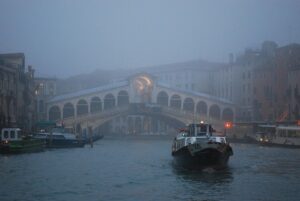
The Rialto Bridge specifically: This is Venice’s most-photographed bridge and commuter route combined. The sides exist for tourists — that’s fine. The center needs to flow for people actually crossing. Don’t stop in the center. Don’t spread across full width. Move continuously or step completely aside.
Luggage Management:
The problem: Tourists arriving/departing with rolling suitcases navigate Venice’s bridges and streets during peak commute hours, creating maximum friction with residents trying to get to work.
The loud, annoying reality: Rolling suitcases on Venice’s stone streets and over bridges create distinctive loud rumble that locals hear constantly. It’s the sound of tourism overwhelming residential function.
The considerate approaches:
- Avoid commute hours (7:30-9:00 AM, 5:30-7:00 PM) for luggage transport when possible
- Carry bags up/down bridges rather than bumping them on each step
- Water taxis for direct hotel transfers eliminate street luggage entirely (expensive but considerate)
- Choose hotels/apartments near vaporetto stops minimizing overland luggage transport
- Pack lighter — you don’t need two weeks of clothing for 4-day Venice visit
Why it matters: The worker trying to reach their job on time can’t pass you struggling with oversized luggage on narrow stairs. The elderly resident navigating home with groceries faces obstacle course of tourist bags. Your luggage choices affect others directly.
Sitting and Eating in Public:
The problem growing worse: Tourists buying takeaway food (pizza slices, sandwiches, gelato) sit anywhere convenient — church steps, bridge steps, monument edges, private building entrances — to eat.
Why Venetians hate this: Church steps are religious spaces, not picnic areas. Monument bases aren’t lunch benches. Building entrances are residents’ doorways. The casual sitting treats Venice as outdoor theme park versus lived-in city.
The food waste, trash, and pigeons: Food remnants attract rats and pigeons. Trash gets left behind (despite trash cans existing). The accumulation of casual eating creates sanitation problems in city already struggling with waste management logistics.
The correct behavior: Eat at restaurants or cafés with seating. If you buy takeaway, find actual benches or campos with public seating rather than appropriating stairs and monuments. Take trash with you to proper bins. Don’t feed pigeons ever (it’s actually illegal with fines up to €500).
Campo etiquette: Public squares (campos) with benches are fine for sitting/eating. Church steps, monument bases, and bridge steps are not. The distinction seems arbitrary but reflects the difference between designated public space versus sacred/functional space.
The Church and Sacred Space Etiquette
Venice’s churches are simultaneously tourist attractions and active religious spaces, creating specific etiquette requirements.
Dress Codes Actually Matter:
The requirement: Shoulders covered, knees covered, no beach wear, no offensive slogans. St. Mark’s Basilica and major churches enforce this, turning away inappropriately dressed visitors.
What “covered” actually means: Tank tops: No. T-shirts: Yes. Shorts above knee: No. Shorts at or below knee: Yes. Short skirts: No. Sundresses: Questionable — bring shawl/scarf.
Why this isn’t arbitrary prudishness: These are active Catholic churches where people worship daily. The dress code shows respect for religious function versus treating churches purely as tourist museums.
The practical solution: Carry lightweight scarf or shawl in your bag. Women can cover shoulders with scarf if wearing tank top. Men can wear long pants or knee-length shorts. It’s not difficult — it’s just planning ahead.
Silence and Reverence:
The problem: Tourists talk loudly, take flash photos, make video calls, treat churches like outdoor tourist sites despite being enclosed sacred spaces.
What you’re thinking: “I’m just discussing the art / explaining to my kids / taking a quick photo.”
What actually happens: The person praying in the corner can’t concentrate. The priest conducting Mass is interrupted. The sacred atmosphere dissolves into tourist noise.
The correct behavior: Whisper or don’t talk at all. Turn phone to silent (not vibrate — actually silent). No flash photography. If Mass or services are occurring, either attend respectfully or leave.
Special consideration for St. Mark’s Basilica: This is one of Christianity’s most important churches, not just a pretty tourist sight. It functions religiously daily. The mosaics you’re photographing represent theological teachings, not just decorative art. The building deserves reverence beyond “ooh pretty gold” reactions.
Don’t Treat Altars and Holy Objects as Props:
The offensive behaviors: Posing with arms spread in front of altarpieces mimicking crucifixion. Touching reliquaries and sacred objects. Climbing on altar rails for better photos.
Why this is worse than general tourist rudeness: You’re treating religious objects as theatrical props. For practicing Catholics (and Venice has many), this is genuinely offensive sacrilege, not just annoying tourist behavior.
The respectful approach: Photograph architecture and art from appropriate distance. Don’t touch anything. Don’t pose mockingly. Remember these are functioning churches, not museums that happen to look like churches.
The Restaurant and Dining Etiquette
Venice dining etiquette differs somewhat from typical Italian restaurant culture due to specific tourism pressures.
Understand Cover Charges (Coperto):
The confusion: Tourists see €2-3 “coperto” charge per person and assume it’s tourist trap scam, become angry, and create scenes.
The reality: Cover charges are standard Italian practice, not Venice-specific exploitation. They cover bread, table setting, and service overhead. Every Italian restaurant charges this. It’s normal.
The etiquette: Don’t complain about legitimate coperto (€1.50-3 is reasonable). Do complain if: coperto exceeds €4-5 in non-luxury restaurant, it’s not listed clearly on menu, or restaurant charges both coperto AND separate service fee (that’s double-charging and worth questioning).
Why this matters: Servers deal with angry tourists daily who don’t understand Italian restaurant economics. Your understanding distinguishes you as informed visitor versus another confused tourist creating drama.
Dining Duration and Table Etiquette:
The Italian expectation: Meals are social events, not fuel stops. Restaurants expect tables to last 1.5-2 hours minimum for dinner, less for lunch but still leisurely paced.
The tourist pressure: Restaurants in heavy-tourist areas want table turnover — seat tourists, serve quickly, get them out, seat next group. This pressure makes dining transactional versus social.
The polite approach: At tourist-heavy restaurants, understand you’re expected to order and eat with reasonable efficiency. At neighborhood restaurants serving locals, take your time, order multiple courses, linger over coffee. Read the room.
Don’t: Occupy table for three hours ordering only drinks and appetizers (that’s taking advantage). Don’t rush quality restaurants — they’re not fast food.
Tipping Reality:
The confusion: Americans especially arrive uncertain about tipping because Italian customs differ from US norms.
The reality: Service is included in prices (unlike US where wages depend on tips). Additional tipping is appreciated but not expected. €1-2 per person for good casual meal, €5-10 for excellent service at nicer restaurants, rounding up the bill — all appropriate.
The etiquette: Don’t undertip out of ignorance (leaving €0.50 on €100 meal is insulting). Don’t overtip American-style 20% (it marks you as tourist unfamiliar with local customs). 5-10% for good service or rounding to convenient number works perfectly.
The Bacari Culture:
What bacari are: Traditional Venetian wine bars serving small plates (cicchetti) and wine, functioning as neighborhood gathering spaces where locals drink standing at bars.
The etiquette: Order at bar, pay as you go (not tabs), eat standing or at bar rather than demanding table service, interact with staff in friendly but not overly familiar way, move on after 20-30 minutes making space for others.
What ruins bacari: Tourists treating them like restaurants — demanding menus in English, wanting extensive table service, staying for two hours, expecting customization of traditional dishes.
Why this matters: Bacari are endangered species — tourism pressure converts them into restaurants losing their neighborhood bar character. Respectful bacari use preserves what makes them special.
The Economic Etiquette: Where Your Money Goes
Your spending choices affect whether Venice maintains local businesses or becomes entirely tourism-dependent chain operations.
Support Local vs. International Chains:
The impact: Every euro spent at Starbucks or McDonald’s (yes, Venice has these) leaves the local economy. Money spent at neighborhood cafés, family restaurants, and local shops circulates among Venetians.
The practical choices: Coffee at local bar (€1-2) vs. Starbucks (€5) — the local bar costs less AND supports Venetians Dinner at family trattoria vs. international chain — similar prices, vastly different economic impact Shopping at actual artisans vs. souvenir shops selling Chinese imports
The research required: Five minutes reading about where to eat or shop distinguishes local businesses from chains. It’s minimal effort creating meaningful impact when millions of tourists make the same choice.
The Murano Glass Etiquette:
The scam: Most “Murano glass” sold in Venice is imported Chinese or Eastern European glass falsely marketed as Venetian.
The impact: Cheap fakes undercut actual Murano artisans, threatening centuries-old craft traditions. Every fake purchase rewards fraud while harming legitimate craftspeople.
The respectful approach: Buy genuine Murano glass from artisans on Murano island, or from certified galleries with Vetro Artistico® trademark, or don’t buy at all. Cheap tourist glass is fine if marketed honestly — just don’t pretend it’s supporting Venetian crafts when it’s supporting Chinese factories.
Why it matters: Murano glassmaking is UNESCO cultural heritage. Fake glass sales threaten this tradition economically, potentially causing craft’s extinction within generation as masters retire without apprentices.
Airbnb vs. Hotels:
The controversial issue: Short-term tourist rentals (Airbnb, VRBO) convert residential apartments into de-facto hotels, reducing housing stock for Venetians and accelerating depopulation.
The ethical consideration: Every apartment rented to tourists 300+ days annually is apartment not available to residents. The economic incentive (tourist rates exceed residential rents 3-5x) drives conversions accelerating Venice’s demographic collapse.
The less-harmful choices: Licensed hotels in buildings designated for tourism. Staying in Mestre (mainland) and day-tripping to Venice. Longer-term rentals (month+) reducing turnover disruption. Rentals where owner lives in building (less disruptive than absentee-owner tourist apartments).
The honest complexity: Many Venetian homeowners depend on tourist rental income for survival. Boycotting Airbnb entirely harms some locals. But unconstrained tourist apartments harm the city overall. There’s no perfect answer — only harm reduction through thoughtful choices.
The Photography and Social Media Etiquette
Modern tourism’s obsession with documentation creates specific etiquette challenges Venice didn’t face historically.
Don’t Photograph People Without Permission:
The offensive behavior: Treating Venetians as exotic photo subjects — photographing market vendors, elderly residents, workers — without asking permission.
Why it’s wrong: Would you want tourists photographing you doing groceries in your hometown, turning daily life into tourist spectacle? Venetians aren’t performing for you. They’re living their lives.
The courteous approach: Ask permission before photographing individuals. “Posso fare una foto?” (May I take a photo?). Accept refusal gracefully. Photograph crowds or architecture rather than specific individuals when permission isn’t feasible.
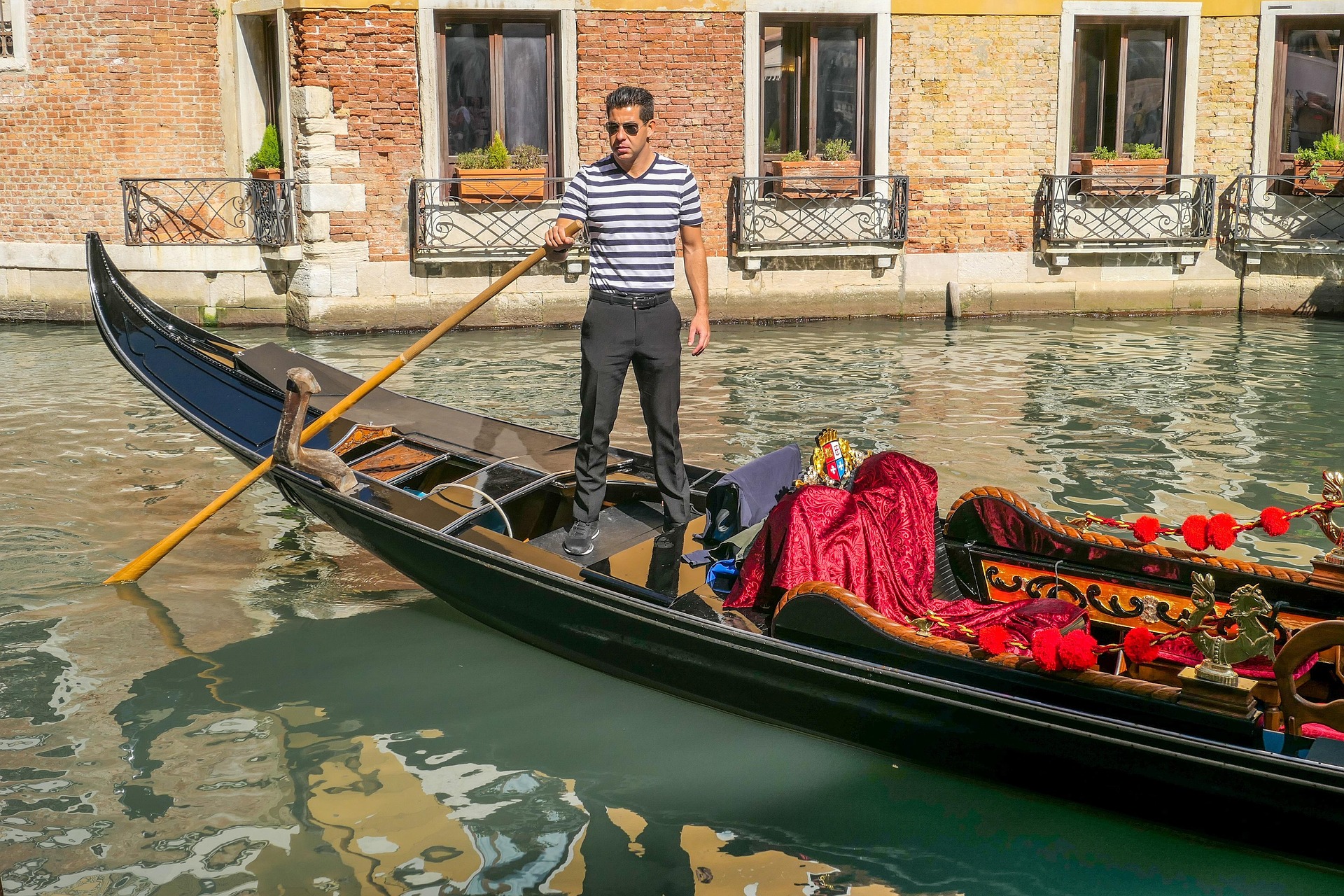
The gondolier exception: Gondoliers in traditional dress are performing public work making them more legitimate photo subjects, but courteous tourists still ask before close-up photos.
Don’t Create Dangerous Situations for “The Shot”:
The growing problem: Tourists stepping into vaporetto paths, standing on bridge edges, blocking emergency routes, creating hazards while attempting Instagram photos.
Recent examples: Tourists knocked into canals while photographing. Vaporetti delayed by people standing in loading zones. Emergency access blocked by photo-taking groups.
The safety-first approach: No photo is worth injury or creating danger for others. Stay out of boat paths. Don’t climb on monuments or railings. Don’t block passages for photo setups.
Why this should be obvious but isn’t: Social media validation creates risk-taking that previous tourist generations didn’t exhibit. The perfect Instagram shot becomes more important than safety or consideration for others.
Geotag and Share Responsibly:
The hidden damage: When travelers geotag “hidden” locations or “secret” spots, they’re publicizing places that stayed manageable precisely because they weren’t widely known. The discovery leads to overcrowding leads to degradation.
The considerate sharing: Share major tourist sites without guilt — everyone knows about St. Mark’s already. For genuinely quiet neighborhoods or lesser-known locations, consider not geotagging or sharing specific addresses. Let others discover through exploration rather than geotagged treasure maps.
The influencer problem: Travel influencers pose in private spaces, residential doorways, and local businesses treating them as sets rather than someone’s property or livelihood. The influence of influence creates imitation by followers, multiplying the problem.
What Actually Helps (Beyond “Don’t Be Annoying”)
Understanding what positively supports Venice reveals that etiquette isn’t just avoiding harm — it’s actively contributing to the city’s survival.
Visit During Off-Season:
The impact: Choosing November-February (excluding Christmas/New Year and Carnival) distributes tourism across the year rather than concentrating it May-October. This reduces peak-season pressure while providing winter income that currently drops dramatically.
The personal benefit: Off-season Venice is genuinely more pleasant — smaller crowds, lower prices, more authentic atmosphere. You’re not sacrificing quality for virtue — you’re improving your own experience while helping the city.
Stay Multiple Days:
The impact: Multi-day visitors spend per-day but also sleep, eat dinner, shop leisurely — generating more economic activity per person than day-trippers who arrive, see major sites, leave.
The city benefits: Hotel guests pay tourist tax (directly funding city services), support neighborhood restaurants rather than just San Marco tourist zones, and distribute their impact rather than concentrating it in few hours.
The experience benefits: Multi-day visits allow proper understanding versus rushed superficial exposure, benefiting you as much as the city.
Hire Licensed Local Guides:
The economic impact: Licensed guides are Venetian professionals who’ve passed difficult examinations demonstrating historical and artistic expertise. Your guide fees support local professionals rather than unlicensed guides working for foreign tour companies.
The quality benefit: Licensed guides provide context and understanding that self-guided visiting or unlicensed tours can’t match, dramatically improving your experience.
The preservation contribution: Guides who explain WHY Venice matters create visitors who understand what they’re seeing, potentially inspiring conservation support or respectful return visits.
Provide Feedback When You Experience Problems:
The restaurant serving terrible food at inflated prices: Review it honestly (not vindictively). Other travelers deserve warning, and businesses responsive to feedback might improve.
The hotel ignoring neighborhood complaints: Mention to management that you noticed the noise/disruption concerns. Thoughtful guests telling businesses “we care about local impact” can influence behavior.
The artisan doing beautiful work: Praise them publicly through reviews and recommendations. Positive feedback supports quality businesses against cheap competition.
What We Actually Tell Visitors
When travelers ask about Venice etiquette, here’s our honest conversation:
We Acknowledge the Complexity:
You didn’t personally cause Venice’s problems. Mass tourism, depopulation, cruise ships, Airbnb, global economics — these are structural issues beyond individual tourist control.
But individual choices aggregate. Thirty million tourists each making slightly better or worse choices creates vastly different outcomes for residents.
Don’t feel paralyzed by guilt, but don’t ignore that your visit has impact either. The middle ground between “not my problem” and “I shouldn’t visit at all” is thoughtful visiting.
We Provide Specific Actionable Guidance:
The behaviors that matter most: Physical space awareness (don’t block passages, move aside on bridges, manage luggage considerately) — these affect Venetians’ daily quality of life directly.
The economic choices with impact: Where you eat, shop, and stay determines whether money supports locals or international chains, whether crafts survive or die, whether neighborhoods remain residential or become tourist zones.
The small courtesies: Learning basic Italian phrases (buongiorno, per favore, grazie), dressing appropriately for churches, respecting sacred spaces, treating Venice as home you’re visiting rather than theme park you’re consuming.
We’re Honest About Trade-Offs:
Perfect ethical tourism doesn’t exist. Your presence contributes to problems even when you’re trying to help. The goal is harm reduction, not impossible purity.
Sometimes convenience and ethics conflict. The most convenient hotel might be problematic Airbnb. The closest restaurant might be tourist trap. You’ll make imperfect choices — that’s reality.
The effort matters even when outcomes are mixed. Trying to visit respectfully, even when you inevitably make mistakes, is meaningful compared to not considering impact at all.
Contact Us for Thoughtful Venice Guidance
If you want to visit Venice respectfully while still enjoying your trip rather than feeling constant guilt, contact us for consultation combining honest impact assessment with practical guidance.
We’ll provide:
- Neighborhood recommendations supporting local businesses
- Restaurant guidance distinguishing authentic from tourist traps
- Licensed guide arrangements supporting Venetian professionals
- Artisan workshop access supporting genuine crafts
- Timing strategies distributing tourism beyond peak season
- Realistic etiquette expectations balancing respect with enjoyment
Our 28 years in Venice mean we understand both residents’ frustrations and tourists’ legitimate desires to visit this extraordinary city.
Plan Your Respectful Venice Visit
For local businesses: Bacari culture guide and market exploration supporting Venetian food traditions.
For licensed expertise: Private tours with credentialed professionals whose income supports local economy.
For artisan support: Cooking classes and workshops with actual Venetian craftspeople and chefs.
For off-season visiting: March timing assessment and April planning distributing tourism across year.
For thoughtful tourism: Venice without checklist mentality emphasizing quality over quantity.
For honest context: How Venetians actually live understanding the reality behind tourist Venice.
Venice Etiquette Isn’t About Memorizing Rules — It’s About Understanding You’re Visiting Someone’s Endangered Home
After 28 years living in Venice and being featured by Rick Steves, NBC, and US Today, I know that most tourist behavior problems stem from ignorance rather than malice. You don’t realize blocking narrow streets matters because nobody explained the cumulative impact of millions of daily micro-blockages. You don’t know your accommodation choice affects depopulation because the connection isn’t obvious. But once you understand the context — the demographic collapse, the daily logistics burden, the threat to crafts and culture — the etiquette becomes obvious common sense rather than arbitrary restrictions. Venice needs thoughtful visitors, not perfect ones. Small considerations multiplied across millions of tourists create meaningful difference between preservation and extinction. Contact us. We’ll help you visit respectfully while still enjoying what makes Venice extraordinary. Let’s create experiences supporting rather than exploiting this remarkable endangered city.
Contact us for thoughtful Venice guidance — balancing respect for residents with genuine visitor enjoyment.
Frequently Asked Questions
Isn’t it hypocritical for a tour company to lecture tourists about overtourism?
Absolutely valid criticism requiring honest response. Yes, my business depends on tourism, making me part of the system creating Venice’s problems. The tension is genuine and inescapable. But I’ve chosen to work exclusively with small private groups and licensed guides, refusing to operate mass tours that maximize volume over quality. I recommend off-season visiting, multi-day stays distributing impact, and neighborhood exploration beyond San Marco concentration. I turn away day-trippers suggesting they either stay properly or choose different destinations. These choices reduce my potential revenue but align business with values. Perfect consistency is impossible when your livelihood depends on the activity you’re critiquing. The alternative — pretending tourism has no negative impact — is worse than imperfect advocacy for harm reduction.
What if I accidentally break an etiquette rule — will Venetians be hostile?
Generally no, though frustration levels are higher than years past. Most Venetians understand tourists don’t know local customs and will politely correct you or simply tolerate minor offenses. The behaviors that trigger genuine anger are: deliberate disrespect after being corrected, treating the city as amusement park versus home, and extremes like swimming in canals, damaging property, or public drunkenness. Accidentally blocking a street briefly, photographing without asking, or wearing inappropriate church clothing gets eye-rolls or polite correction, not hostility. The key is receptiveness when corrected — apologizing and adjusting behavior versus becoming defensive or dismissive. Venetians can distinguish ignorant-but-considerate tourists from willfully disrespectful ones. If you’re trying to be respectful, occasional mistakes won’t create problems.
Should we skip Venice entirely to avoid contributing to overtourism?
This is personal decision requiring honest self-assessment. Venice needs tourism economically but suffers from it culturally. Boycotting entirely harms local economy without necessarily helping depopulation crisis (which is driven by housing costs that tourism creates but also by lack of mainland job opportunities). The middle ground: Visit thoughtfully if Venice genuinely interests you, but consider whether your specific situation (day-tripper with no particular interest versus multi-day cultural enthusiast) makes your visit more harmful than beneficial. If you’re primarily going to check it off bucket list without real interest, maybe skip it. If you’re genuinely fascinated by Venetian history, art, and culture and willing to visit respectfully (multi-day stay, off-season timing, supporting local businesses), then visiting thoughtfully is acceptable. The question isn’t whether ANY tourism is okay, but whether YOUR specific tourism style creates more harm than benefit.