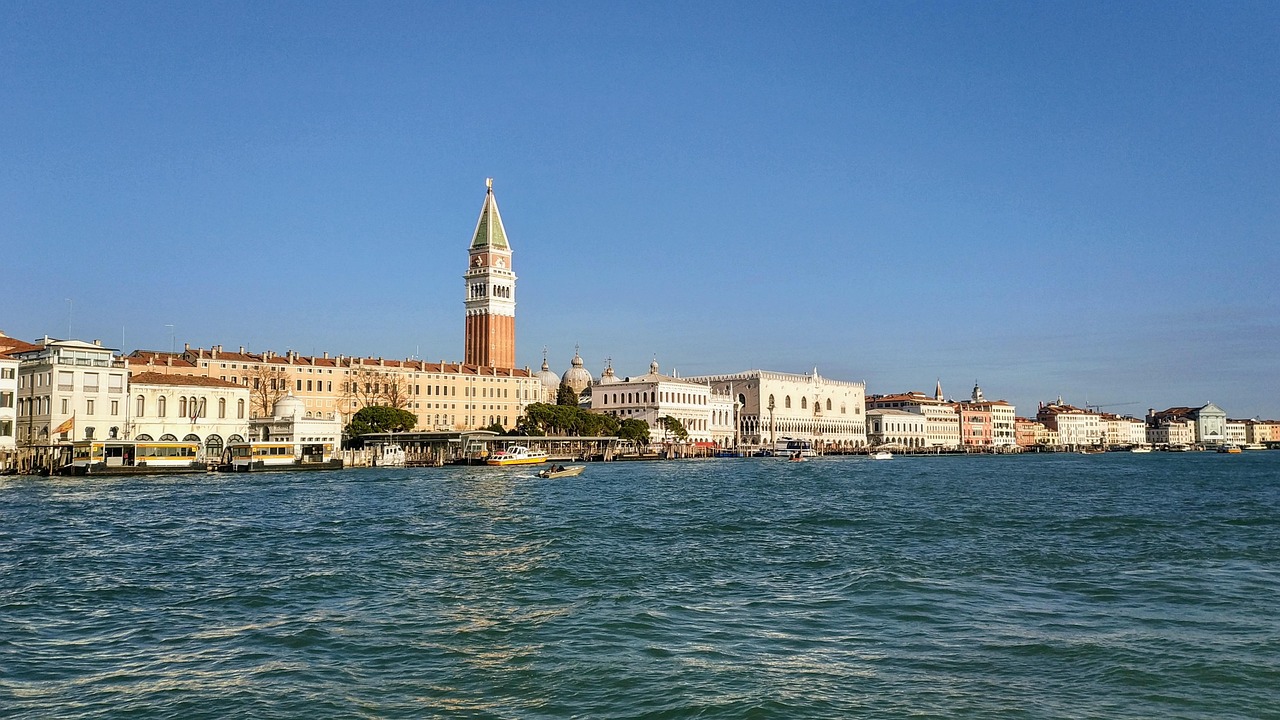
Three days in Venice is the minimum that actually works.
Not theoretically. Not if you’re willing to rush. Actually works — meaning you experience Venice’s essential character, see its major cultural sites, understand why the city matters, and leave feeling satisfied rather than frustrated by everything you missed.
One day forces brutal choices. San Marco or the Accademia? The Rialto Market or Dorsoduro neighborhoods? You see highlights but never understand context. Two days improves this but still feels rushed — you’re constantly moving, always aware of limited time, rarely able to simply sit and absorb atmosphere.
Three days provides genuine breathing room. You hit major landmarks without making every moment about efficiency. You explore neighborhoods beyond tourist zones. You eat well without constant time pressure. You experience Venice’s extraordinary daily rhythms — dawn on empty campos, evening light on the Zattere, the city transitioning between tourist performance and residential reality.
After 28 years guiding first-time visitors through Venice, I’ve refined exactly what three days should include — not a generic checklist downloaded from travel blogs, but a genuinely well-balanced itinerary that combines essential landmarks, hidden discoveries, excellent food, and the atmospheric moments that make Venice actually memorable rather than simply photographed.
This is the honest three-day framework. Not rigid hour-by-hour scheduling that collapses when weather or crowds interfere, but flexible structure that ensures you experience what matters while maintaining space for spontaneous discovery.
Understanding how to approach Venice changes everything about how you experience it.
Day One: San Marco, Orientation, and Finding Your Rhythm
The first day serves dual purposes: seeing Venice’s most iconic landmarks and, more importantly, understanding how the city actually functions.
Morning: San Marco and the Basilica (8:00 AM – 12:00 PM)
Start early. This isn’t optional if you want to experience San Marco properly rather than fighting overwhelming crowds.
8:00 AM arrival at Piazza San Marco finds the square genuinely beautiful rather than impassable. The cafés are setting up. The light is soft. The tourist crowds haven’t yet materialized. You can actually see the architecture, the mosaics on the Basilica facade, the proportions that make the piazza one of Europe’s great urban spaces.
Skip-the-line tickets for the Basilica become essential rather than optional. The regular entry line builds quickly even in shoulder season — by 10:00 AM, waits can exceed 60-90 minutes. Skip-the-line access delivers you directly inside while others queue.
Spend genuine time inside the Basilica. This isn’t quick photo-stop. The Byzantine mosaics covering every surface — roughly 8,000 square meters of gold-backed glass tiles creating biblical narratives — represent one of the world’s most complete medieval artistic achievements. The famous horses on the balcony (copies — originals are inside) provide elevated view across the piazza. The Pala d’Or behind the altar — an extraordinary gold altarpiece studded with precious stones — deserves extended viewing that rushed visits prevent.
Exit the Basilica by 9:30-10:00 AM and walk the arcade surrounding the piazza. The architecture, the cafés (absurdly expensive but historically significant — Caffè Florian has operated since 1720), the Torre dell’Orologio (Clock Tower) — these elements compose Venice’s most famous urban theater.
Doge’s Palace visit: 10:00 AM-12:00 PM. Again, skip-the-line access matters enormously. The Palace is massive — the Doge’s apartments, the institutional chambers, the prisons, Tintoretto’s enormous paintings in the Great Council chamber — all deserve time rather than rushed passage.
The Bridge of Sighs connects the Palace to the prisons. The romantic legend (prisoners sighed viewing Venice for the last time before imprisonment) is mostly fabrication, but the enclosed bridge itself is architecturally interesting and historically significant as part of Venice’s judicial infrastructure.
Exit Doge’s Palace around noon. You’ve spent four hours on Venice’s two most significant tourist attractions. This concentrated morning effort means the rest of your three days can explore beyond obvious landmarks.
Lunch: First Taste of Bacari Culture (12:00-1:30 PM)
Walk from San Marco toward the Rialto — roughly 10-15 minutes through progressively less touristy streets.
Find a bacaro near the Rialto Market. Venice’s traditional wine bars serving cicchetti (small plates) and local wine provide genuine Venetian lunch experience that sit-down restaurants rarely match.
All’Arco (near the market) remains excellent despite guidebook presence. Cantina Do Mori offers more traditional atmosphere. The specifics matter less than the format: standing at the bar, ordering cicchetti by pointing at what looks good, drinking an ombra (small glass of wine), experiencing how Venetians actually eat rather than how tourist restaurants perform eating.
Budget roughly €15-20 per person for bacaro lunch including wine. This represents extraordinary value compared to tourist restaurant prices while delivering genuinely superior cultural experience.
Afternoon: Getting Lost in Castello (2:00-6:00 PM)
After two intense cultural mornings, the afternoon should emphasize wandering rather than landmark-hitting.
Walk from Rialto toward Castello — Venice’s largest and most residential sestiere. No specific destination. No rigid route. Simply follow interesting streets, cross bridges, let the city surprise you.
Castello balances tourist access with residential character better than most sestieri. Western Castello near San Marco maintains some tourist traffic. Central and eastern Castello become genuinely residential — you’ll pass grocery stores, schools, neighborhood bakeries, the infrastructure of actual daily life.
Stop at churches as you encounter them. Venice’s churches are free art museums — San Zaccaria, San Giovanni in Bragora, Santa Maria Formosa all contain masterpiece paintings, charge no admission or minimal fees, and see relatively few tourists. Fifteen minutes inside San Zaccaria viewing Bellini’s altarpiece creates more meaningful cultural engagement than rushing through a crowded museum.
Campo Santa Maria Formosa provides excellent afternoon rest stop. The campo is large, beautiful, and functional — cafés with reasonable prices, benches for sitting, locals going about daily business. Spend 30 minutes simply watching Venice function rather than constantly moving toward next destination.
Continue walking until approximately 5:00 PM. By late afternoon, you’ve been moving since 8:00 AM. Return toward your hotel (wherever you’re staying — choosing the right neighborhood matters) for brief rest before dinner.
Evening: Dorsoduro and Sunset (6:00-9:30 PM)
6:30 PM: Walk to the Zattere — Dorsoduro’s southern waterfront promenade.
The Zattere at sunset is one of Venice’s finest free experiences. The wide promenade faces south and west, meaning evening light is perfect. The Giudecca island across the canal catches last sun beautifully. Locals claim benches for evening socializing. The atmosphere is relaxed, genuinely Venetian, and costs nothing.
Bring gelato from Gelateria Nico (excellent and reasonably priced) and simply sit watching sunset. This costs perhaps €4 and creates one of your most memorable Venice moments — not because of dramatic landmark, but because of beauty, light, and the simple pleasure of being in an extraordinary city at exactly the right time.
Dinner: 8:00-9:30 PM in Dorsoduro. Campo Santa Margherita and surrounding streets hold numerous restaurants serving locals and students rather than pure tourist crowds. Quality varies, but the neighborhood concentration means you’re choosing between several acceptable options rather than gambling on single restaurant in isolated location.
Budget €25-40 per person for decent dinner with wine. This is genuine restaurant meal, not bacaro snacking. Order seasonal fish if available — Venice’s relationship with the lagoon and Adriatic means seafood, when fresh, exceeds what landlocked cities can provide.
First day assessment: You’ve hit San Marco’s major landmarks, experienced genuine bacaro culture, walked residential neighborhoods, watched sunset from local favorite location, and eaten well. This balanced approach — combining essential tourism with genuine discovery — sets the tone for your remaining days.
Day Two: Rialto Market, Dorsoduro Museums, and Neighborhood Depth
The second day shifts focus from iconic landmarks toward cultural depth and neighborhood exploration.
Early Morning: Rialto Market (6:30-8:30 AM)
This requires genuine commitment — waking early while jet-lagged isn’t pleasant. But the Rialto Market before sunrise reveals Venice that afternoon tourists never encounter.
6:30 AM arrival finds wholesale operations in full swing. Fishing boats have delivered overnight catch. Wholesale buyers — restaurant owners, hotel chefs — select fish for the day’s service. The professional efficiency, the speed of transactions, the morning energy — this is Venice actually functioning rather than performing.
The vegetable market operates similarly — produce from mainland farms arrives by boat, vendors arrange displays, the city’s food supply chain operates at full intensity.
7:30 AM: Coffee and cornetto at a workers’ bar near the market. Not a sit-down café — a standing bar where market workers grab espresso between transactions. The coffee is excellent, the cornetto is fresh, the atmosphere is genuinely local, and the total cost is roughly €3.
Walk back through progressively waking Venice — shops opening, street cleaning operations, delivery boats supplying restaurants. You’re seeing daily rhythms that define how the city actually operates.
Return to your hotel by 8:30 AM for proper breakfast or rest before the museum-focused late morning.
Late Morning: Accademia Gallery (10:00 AM-12:30 PM)
The Accademia holds Venice’s greatest concentration of Venetian painting — Bellini, Titian, Tintoretto, Veronese, Carpaccio — spanning several centuries of the city’s extraordinary artistic achievement.
Arrive at 10:00 AM opening with skip-the-line access. The gallery fills by 11:00 AM even during shoulder season, and the quality of experience degrades significantly when rooms overflow.
Don’t attempt seeing everything. The museum holds 24 rooms covering centuries of painting. Rushing through all of them means seeing nothing properly. Instead:
Focus on specific masterpieces: Bellini’s San Giobbe Altarpiece, Giorgione’s The Tempest, Titian’s Presentation of the Virgin, Tintoretto’s Miracle of the Slave, Veronese’s Feast in the House of Levi, Carpaccio’s Legend of St. Ursula cycle.
Spend 5-10 minutes with each rather than seconds. Read the placards. Understand context. Let the paintings actually communicate rather than simply confirming you’ve seen what you’re supposed to see.
2-3 hours feels right for focused Accademia visit. More becomes exhausting. Less means rushing. Exiting around 12:30 PM positions you perfectly for lunch and afternoon neighborhood exploration.
Lunch and Afternoon: Dorsoduro Wandering (12:30-6:00 PM)
Lunch in Dorsoduro — the sestiere holds excellent options at various price points. Campo Santa Margherita’s surrounding streets provide choice between student-budget spots and more upscale establishments. The university population keeps restaurants honest — they can’t survive on pure tourist trade, so quality matters.
2:00-6:00 PM: Explore Dorsoduro thoroughly.
Walk to Punta della Dogana — the triangular point where Dorsoduro terminates and the Grand Canal meets the Giudecca Canal. The contemporary art museum inside (Punta della Dogana) operates in converted customs house. Even without museum entry, the location provides extraordinary Venice views — 270-degree water perspectives impossible from inland positions.
Walk the Zattere again but in afternoon light. The same promenade that delivered sunset yesterday reveals different character in afternoon — joggers, students, families with strollers. The residential use contrasts with tourist evening crowds.
La Salute church — Longhena’s magnificent baroque masterpiece — sits where Dorsodoro meets the Grand Canal entrance. Free entry, genuinely beautiful architecture, and position that makes it one of Venice’s most recognizable landmarks from water views.
Ca’ Rezzonico (Museum of 18th Century Venice) documents how wealthy Venetians actually lived. Period rooms, furniture, clothing, daily objects — this social history complements the fine art focus of the Accademia. Not essential for everyone, but fascinating for visitors interested in Venice beyond pure art pilgrimage.
Continue wandering Dorsoduro’s streets until appetite suggests dinner. The neighborhood rewards aimless walking more than almost any other Venice location — consistently beautiful, rarely overcrowded, architecturally rich.
Evening: Aperitivo and Dinner (6:30-9:30 PM)
6:30 PM: Aperitivo at a bacaro or campo bar. This Italian tradition — evening drink with small snacks before dinner — integrates you into daily Venetian rhythm rather than forcing tourism onto incompatible schedule.
Campo Santa Margherita holds several bars where locals gather. Stand outside with Spritz or wine, eating complimentary snacks, watching neighborhood life unfold. This costs €5-8 and provides social immersion that formal dining rarely achieves.
8:30 PM: Dinner. Later than American standard but normal for Italy. The restaurants that open at 7:00 PM cater to tourists. Those opening at 8:00 PM serve mixed crowds including locals. This later timing often produces better food and more authentic atmosphere.
Second day assessment: You’ve experienced the Rialto Market when it actually functions, spent meaningful time with Venice’s greatest paintings, explored Dorsoduro’s neighborhoods and churches, and integrated into daily Venetian rhythms through aperitivo and appropriately-timed dinner. The day balanced structured cultural tourism with genuine neighborhood discovery.
Day Three: Lagoon Islands, Cannaregio, and Final Discoveries
The third day should provide variety — leaving Venice proper temporarily, exploring neighborhoods you haven’t yet seen, and allowing space for spontaneous interests that emerged during days one and two.
Morning: Murano and Burano (8:00 AM-1:00 PM)
Venice’s lagoon islands provide essential context — Venice exists within a broader lagoon ecosystem, and seeing the islands reveals how this geography shaped the city’s development.
8:00 AM vaporetto to Murano (Lines 4.1 or 4.2 from Fondamente Nove). A multi-day vaporetto pass makes this completely straightforward — no calculating individual ticket costs, just boarding and traveling.
Murano glass demonstrations operate throughout the island. Some are tourist traps. Others are legitimate workshops showing actual craftsmanship. The glass museum (Museo del Vetro) documents centuries of Venetian glassmaking if history interests you more than shopping.
Spend roughly 90 minutes on Murano — enough to see glass production, understand the island’s character, but not so long that boredom sets in.
10:00 AM: Vaporetto to Burano. The colored houses photograph beautifully. The lace tradition — once economically vital, now mostly tourist-oriented — still operates in small workshops. The island is charming but small. One to two hours suffices.
Lunch on Burano or return to Venice for lunch. Burano holds seafood restaurants that range from excellent to overpriced-tourist-trap. If you eat here, choose carefully — ask locals, avoid places with photo menus in six languages. Alternatively, return to Venice for lunch in a neighborhood you haven’t yet explored.
Afternoon: Cannaregio and the Jewish Ghetto (2:00-6:00 PM)
Cannaregio is Venice’s most populous sestiere and the one where residential Venice survives most robustly.
2:00 PM: Start at the Jewish Ghetto. This single neighborhood contains more European Jewish history than most cities hold entirely. The word “ghetto” itself originated here in 1516 when Venice forced Jews into this specific area.
The synagogues require guided tours (arranged through the Jewish Museum) but reward the time and modest cost. The Holocaust memorial — plaques marking where deported residents lived, names and dates documenting the 1943 Nazi raids — grounds abstract history in specific, individual human beings.
Spend 90 minutes to 2 hours in the Ghetto area. This isn’t casual sightseeing — it’s engagement with profound history that shaped how European cities treated Jewish populations for centuries.
4:00 PM: Walk northern Cannaregio — Fondamenta della Misericordia and Fondamenta degli Ormesini become evening gathering spaces where locals drink Spritz while tourists barely appear. The atmosphere is relaxed, genuinely Venetian, and represents the city functioning for residents rather than performing for visitors.
Campo San Giacomo dell’Orio (technically San Polo but accessible from Cannaregio) provides another beautiful campo worth discovering. The medieval church holds important works spanning centuries of Venetian painting. The campo itself serves as neighborhood gathering space where children play and elderly residents socialize.
Continue wandering until appetite or fatigue suggests returning to your accommodation area.
Evening: Final Dinner and Reflection (7:00-10:00 PM)
Your final Venice evening should combine excellent food with atmospheric location — this is your last chance to experience the city before departure.
Option 1: Return to a neighborhood you loved. If Dorsoduro captured you, return to Campo Santa Margherita. If Castello’s residential character appealed, find dinner in that sestiere. Revisiting a place you enjoyed provides closure and allows noticing details you missed during first visit.
Option 2: Try something you haven’t yet experienced. A traditional Venetian restaurant serving seasonal fish, bigoli in salsa, sarde in saor, the dishes that define Venetian cuisine. This final meal becomes your lasting food memory — make it count.
After dinner: Final walk. Whether returning to the Zattere for one more sunset, walking empty campos in late evening, or simply wandering streets you haven’t yet explored, this final night walk provides closure. You’re leaving tomorrow. This is your last evening experiencing Venice’s extraordinary nighttime atmosphere.
Third day assessment: You’ve seen the lagoon context, explored Cannaregio’s residential character and profound Jewish history, and allowed space for revisiting discoveries or pursuing interests that emerged during previous days. The combination of structure and flexibility defines genuinely well-designed itineraries.
What This Itinerary Provides (And What It Doesn’t)
This three-day framework balances several competing priorities:
Major landmarks: San Marco, Doge’s Palace, and the Accademia receive proper attention rather than rushed visits.
Residential neighborhoods: Castello, Dorsoduro, and Cannaregio reveal Venice beyond pure tourism.
Food culture: Bacari, market visits, and evening aperitivo integrate you into actual Venetian eating patterns.
Atmospheric moments: Sunrise markets, sunset on the Zattere, evening walks — these unscheduled beauties often matter more than scheduled landmarks.
Flexibility: The itinerary suggests timing but doesn’t demand rigid hour-by-hour adherence. Weather, energy levels, spontaneous interests — all these can modify the framework without destroying it.
What this itinerary doesn’t provide:
Comprehensive museum coverage. The Peggy Guggenheim Collection, Ca’ d’Oro, Ca’ Pesaro, Museo Correr — all hold worthy collections that three days can’t accommodate without sacrificing neighborhood exploration or becoming exhausting museum marathons.
Every famous church. The Frari, San Giorgio Maggiore, La Salute’s interior, dozens of smaller churches holding important art — three days means choosing rather than completing.
Extended time on every lagoon island. Torcello, the Lido, San Michele cemetery, smaller islands — these deserve visiting but require time three-day itineraries can’t allocate without sacrificing Venice proper.
Deep specialization. Architecture enthusiasts, Renaissance art scholars, food culture obsessives — specialized interests require additional days beyond this general framework.
The framework succeeds not by attempting everything but by balancing breadth and depth intelligently. You see major landmarks, explore residential neighborhoods, eat well, experience atmospheric moments, and leave understanding why Venice matters — without feeling you spent three days rushing from checklist item to checklist item.
Adapting This Itinerary to Your Specific Needs
The framework above serves generic first-time visitor. Adapting it to your specific interests improves the experience significantly.
For art enthusiasts: Reduce lagoon island time, add Peggy Guggenheim Collection or Ca’ d’Oro. Spend additional hours at the Accademia. Visit the Frari for Titian masterpieces.
For food culture focus: Add a market tour and cooking class. Dedicate entire afternoon to bacaro hopping. Visit the Rialto Market multiple times rather than once.
For photography: Prioritize dawn and dusk locations. Return to places like the Zattere at different times to capture varying light. Reduce museum time, increase atmospheric wandering.
For families with children: Replace museum-heavy mornings with interactive experiences. Shorter cultural visits, more outdoor time, strategic gelato stops as motivation. Free neighborhood exploration works better than indoor cultural immersion when children’s attention spans are limited.
For return visitors: Skip San Marco entirely, or visit briefly during early morning for different perspective. Dedicate saved time to neighborhoods ignored during first visit or specialized interests the first trip didn’t accommodate.
For budget-conscious travelers: Reduce paid museum entries, increase free church visits. Bacari meals instead of sit-down restaurants. Walking instead of excessive vaporetto use when routes allow.
For mobility limitations: Reduce walking-intensive neighborhood exploration. Increase vaporetto use. Choose museums and churches with elevator access. Plan routes avoiding stairs and bridges when possible.
The framework is starting point, not gospel. Adapting it to your actual needs, interests, and limitations produces better results than forcing yourself into generic itinerary that doesn’t match what you actually want from Venice.
Common First-Timer Mistakes to Avoid
After 28 years guiding first-time visitors, I’ve watched identical mistakes repeatedly. Avoiding these improves your three days dramatically.
Mistake 1: Attempting too much. Venice holds more than three days can accommodate. Accepting this and choosing wisely produces better experience than frantic rushing attempting impossible completion.
Mistake 2: Eating every meal in San Marco. Restaurants near the piazza serve tourists exclusively and price accordingly. Walking ten minutes toward residential neighborhoods improves food quality while lowering prices dramatically.
Mistake 3: Skipping early mornings. Venice at 8:00 AM is completely different city than Venice at noon. The atmosphere, the light, the crowd levels — early rising rewards disproportionately to the effort required.
Mistake 4: Never just sitting. Constant movement prevents Venice from actually settling into your consciousness. Spend 30 minutes simply sitting in a campo watching daily life. This contemplative time often creates stronger memories than rushing between landmarks.
Mistake 5: Ignoring how Venice actually functions. Treating Venice purely as museum city means missing the residential rhythms, the daily markets, the neighborhood gatherings that prove Venice still functions as actual place rather than solely as tourist attraction.
Mistake 6: Rigid scheduling. When weather changes, crowds unexpectedly appear, or something genuinely interesting emerges spontaneously, rigid itineraries create frustration. Build flexibility that allows adapting without feeling your day has failed.
Mistake 7: Relying solely on GPS. Venice’s three-dimensional geography — bridges, dead-ends, canals — means GPS routes often lead to impassable ways. Learning basic orientation (toward San Marco, toward Rialto, toward the train station) works better than following digital directions blindly.
Mistake 8: Skipping skip-the-line tickets. The modest upfront cost saves hours across multiple museum visits. With only three days, wasting 90 minutes standing in line means sacrificing significant portion of available time.
Plan Your Perfect Three Days
For skip-the-line access: Museum tickets for San Marco Basilica, Doge’s Palace, and the Accademia transform three days from queue-heavy to experience-rich. The time saved accumulates meaningfully across multiple sites.
For insider guidance: A private orientation tour on day one provides geographic understanding and practical knowledge that makes days two and three significantly more productive. A knowledgeable guide explaining how Venice works — navigation, neighborhoods, food culture — removes the confusion that independent first-day visitors inevitably experience.
For water transport: A three-day vaporetto pass removes the mental calculation of per-trip costs and makes exploring lagoon islands completely straightforward.
For food culture: Market tours and bacaro experiences can be added to any day, transforming generic tourism into genuine cultural engagement with how Venetians actually eat.
For understanding seasonal timing: Whether to visit in March or other shoulder-season months affects crowd levels, pricing, and atmospheric conditions. These variables impact how the three-day framework actually plays out.
For neighborhood understanding: Which sestiere fits your style helps choose where to stay and where to dedicate exploration time based on your actual interests rather than generic recommendations.
For approaching Venice thoughtfully: Venice without a checklist means using this itinerary as framework rather than rigid schedule. The structure ensures you see what matters while allowing spontaneous discovery that often produces the most memorable moments.
Experience Venice in Three Days the Way It Should Be Experienced — Structured but Not Rigid, Complete but Not Exhausting
After 28 years guiding first-time visitors and being featured by Rick Steves, NBC, and US Today, I know exactly what three days should include — not generic landmarks downloaded from the internet, but genuinely balanced exploration combining essential culture, residential neighborhoods, excellent food, and the atmospheric moments that make Venice extraordinary. This framework succeeds because it respects both Venice’s complexity and visitors’ limited time. Let me show you how to spend three days in Venice properly — seeing what matters, experiencing what’s genuine, and leaving satisfied rather than overwhelmed.
Book a private orientation tour for your first day or secure skip-the-line tickets and vaporetto passes in advance — transform three days from adequate to genuinely excellent.
Frequently Asked Questions
Is three days enough to really “see” Venice?
It depends entirely on what “see” means. Three days allows seeing and understanding Venice’s essential character — the major landmarks, the residential neighborhoods, the daily rhythms, the food culture, the extraordinary beauty. You’ll leave understanding why Venice matters and why people return repeatedly. But three days absolutely doesn’t exhaust Venice. Dozens of churches you won’t visit hold masterpiece art. Neighborhoods you won’t explore maintain distinct characters. Museums you’ll skip contain important collections. Food experiences you won’t have time for reveal additional cultural depth. So “see Venice completely”? No. “Genuinely experience Venice and leave satisfied”? Yes, if the three days are structured thoughtfully rather than wasted on inefficient rushing or poor choices.
Can I do this itinerary if I’m staying in Mestre instead of Venice?
Yes, but with modifications and recognition that commuting affects daily rhythm significantly. Staying in Mestre means morning arrivals and evening departures consume 30-45 minutes each direction — roughly 90 minutes total daily dedicated to simply reaching and leaving Venice proper. The 6:30 AM Rialto Market visit becomes genuinely difficult when you’re commuting from Mestre in darkness. The evening walks and late dinners mean calculating last train connections rather than simply strolling back to your accommodation. The itinerary remains doable but requires compressing the Venice hours slightly and accepting that spontaneous flexibility decreases when you’re dependent on train schedules. For three-day stays, the convenience and atmospheric value of sleeping in Venice typically justifies the accommodation premium versus the savings Mestre provides.
What if I want to add day trips to places like Verona or the Prosecco Hills?
Then you need more than three days in the region. Day trips from Venice — Padua, Verona, the Prosecco Hills — each consume full days including travel time. Adding even one day trip to a three-day Venice stay means reducing your Venice time to two days, which returns to the “rushed and incomplete” problem that three days was designed to solve. If regional exploration interests you, plan 5-6 days total: three dedicated to Venice proper using the framework above, two for regional day trips, and one as buffer for flexibility or rest. Attempting Venice plus multiple day trips in three total days forces brutal choices that make both experiences worse. Give each destination appropriate time or choose between Venice depth and regional breadth rather than sacrificing both to accomplish neither well.