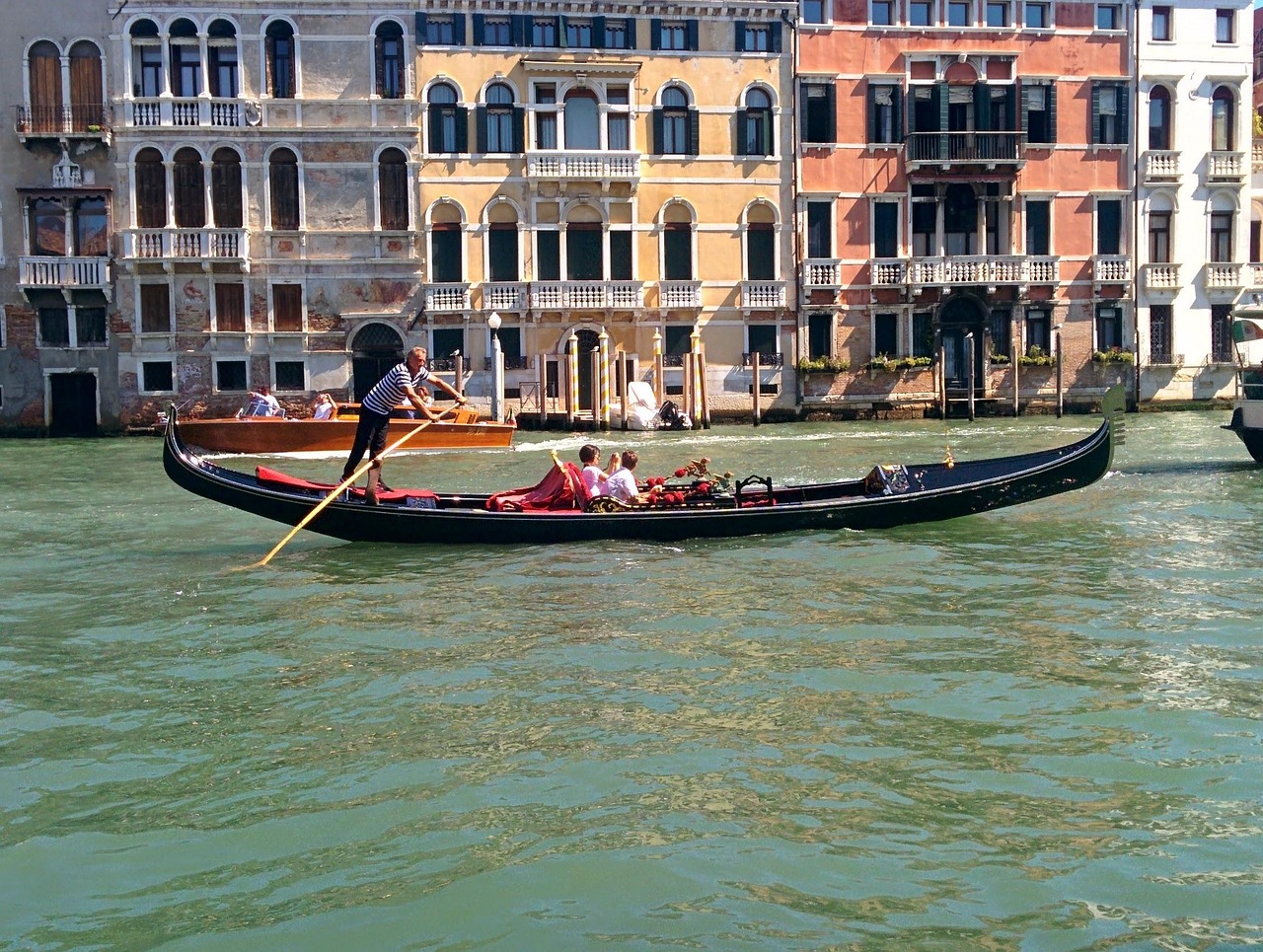
Everyone visits Venice in summer.
Or during Carnival in February. Or for the Christmas markets. March sits awkwardly between these marquee seasons — not quite winter anymore, not yet the spring tourism surge. Guidebooks mention it in passing. Travel blogs focus on other months. Most Americans planning Italy trips default to May or September without considering March at all.
This is Venice’s most underrated mistake — and your greatest opportunity.
March in Venice delivers something no other month can match: the atmospheric beauty of winter without the cold, the accessibility of off-season without the darkness, and the genuine breathing room between Carnival’s chaos and Easter’s crowds. You get Venice at a pivot point — winter releasing its hold, spring beginning to arrive, the city transitioning from performing for tourists to simply existing for itself.
After 28 years experiencing every Venice season and watching tourism patterns shift throughout the year, I know exactly why March consistently surprises visitors who arrive expecting compromise and instead discover Venice at its most quietly extraordinary.
This is the honest case for March. Why this overlooked month might be the best choice you make for your Venice trip.
Understanding when to visit Venice matters as much as understanding what to visit.
What March Weather Actually Means
March weather in Venice defies easy categorization. It’s not reliably warm. It’s not consistently cold. It exists in transition between the two, creating conditions that shift daily and sometimes hourly.
Average temperatures range roughly 45-55°F (7-13°C). Early March retains February’s chill — mornings can be genuinely cold, evenings require layers. Late March begins feeling genuinely spring-like, with afternoons warm enough for outdoor café sitting and light jackets sufficient for most hours.
Rain happens but isn’t constant. March averages roughly 8-10 rainy days — enough to require umbrella and waterproof footwear, not enough to ruin your trip unless you’re extraordinarily unlucky. The rain tends toward brief showers rather than all-day downpours. An hour of rain followed by clearing skies and dramatic light is more typical than grey drizzle lasting entire days.
The light is extraordinary. March sits at the spring equinox — daylight hours increase noticeably week by week. The low sun angles that make winter Venice so photogenic extend into March, but with longer days and less fog than January or February. The combination creates conditions photographers spend careers chasing: soft, directional light, dramatic clouds, golden-hour conditions lasting beyond brief winter windows.
Venice in winter offers atmospheric advantages that March maintains — the fog, the dramatic skies, the sense of experiencing genuine Venice — while adding daylight hours and warming temperatures that make exploring significantly more comfortable.
Acqua alta (high water flooding) is possible but less frequent than November-February. March sits at the end of Venice’s flooding season. Severe acqua alta is rare. Moderate flooding occasionally affects low-lying areas like San Marco but typically not severely enough to disrupt tourism significantly. Understanding how acqua alta actually works prevents panic if it does occur — Venice handles flooding routinely, and visitors prepared with waterproof boots navigate it without crisis.
The unpredictability requires flexibility rather than rigid planning. Pack layers that allow adapting to shifting temperatures. Build indoor museum alternatives into itineraries alongside outdoor walking plans. Accept that one day might feel like winter while the next feels like spring. This variability frustrates travelers who need predictable conditions. It delights travelers who appreciate atmosphere over guaranteed sunshine.
The Crowd Reality: Post-Carnival, Pre-Easter Peace
March’s greatest advantage isn’t weather. It’s crowds — or rather, the dramatic absence of them.
Carnival typically ends in late February. The masked performers disappear. The elaborate costumes vanish. The international visitors who flood Venice specifically for Carnival depart within days of the festival’s conclusion. Early March inherits this sudden post-event emptiness.
Easter moves annually (late March through April) but regardless of specific timing, pre-Easter March remains significantly quieter than post-Easter April. Tour groups haven’t yet arrived in full force. American spring break crowds haven’t materialized. European holidays haven’t begun.
The result is Venice with space to breathe. Piazza San Marco becomes walkable rather than impassable. The Rialto Bridge allows actual crossing rather than forcing you into bottlenecked shuffle. Museums hold visitors without feeling overcrowded. Restaurants serve locals and early-season tourists rather than exclusively feeding tour groups.
This crowd difference transforms daily experience fundamentally. Activities that require queuing in summer become walk-up accessible in March. Skip-the-line museum tickets still provide value — particularly at Doge’s Palace and the Accademia — but the waits you’re skipping measure 15-20 minutes rather than 90 minutes.
Churches and lesser-known museums become genuinely contemplative spaces. Walking into San Zaccaria or San Giovanni in Bragora in March might mean having the entire church to yourself. Standing before Bellini’s altarpieces without crowds, without noise, without pressure to move along — this access exists in March in ways summer visiting simply can’t provide.
Venice’s free experiences — churches holding masterpiece paintings, campos where daily life unfolds, waterfront walks — become exponentially more rewarding when you’re not navigating constant crowds. The content is identical to what exists in July. The experience quality is incomparably better.
Residential Venice becomes visible again. During peak season, tourism so overwhelms the city that how Venetians actually live remains hidden behind tourist performance. March allows seeing Venice functioning as actual city — locals shopping at markets, students gathering in campos, elderly residents socializing in neighborhood bars. This residential character doesn’t vanish during summer. It simply becomes invisible beneath tourist density.
The Price Advantage: Where Your Money Goes Further
March pricing sits between winter lows and spring-summer highs — meaningfully less expensive than peak season while not quite reaching the bargain rates of January-February.
Accommodation costs drop 30-40% compared to May-September rates. A hotel charging €300 per night in July might offer the same room for €180-200 in March. This isn’t universal — luxury properties maintain relatively consistent pricing — but mid-range and budget accommodation shows dramatic seasonal variation.
Choosing where to stay in Venice becomes less financially constrained in March. Neighborhoods that feel prohibitively expensive in summer — Dorsoduro waterfront, western Castello, areas near San Marco — become accessible to mid-range budgets during March’s shoulder season.
Restaurants serving locals remain open while tourist-facing restaurants operate at reduced capacity or close entirely. This creates paradoxical situation where finding excellent food becomes easier and less expensive than during peak season. The restaurants surviving March are those serving genuine clientele rather than passing tour groups. Quality improves while prices drop.
Venice’s bacari culture — traditional wine bars serving cicchetti and local wine — becomes more accessible in March when tourist pressure decreases. The establishments maintain local clientele year-round, but March creates space for visitors to participate in these traditions without overwhelming the spaces that serve neighborhood residents primarily.
Museum admission costs remain constant — the Accademia charges the same whether you visit in January or August. But the value increases dramatically when museums aren’t overcrowded. Spending two hours genuinely looking at paintings rather than shuffling through crowded galleries transforms the same admission fee into dramatically different experience.
Transportation costs stay consistent. Vaporetto passes cost the same year-round. But March’s reduced tourist density means vaporetti are less crowded, boarding is easier, and traveling feels like using public transportation rather than fighting crowds for space.
The cumulative savings are significant. A four-night March trip might cost $800-1000 less than the identical trip in July — hotel savings alone accounting for $400-600 of that difference, with restaurant and general daily spending accounting for the rest. For many travelers, these savings either make Venice affordable when it otherwise wouldn’t be, or allow upgrading accommodation quality without increasing total budget.
What’s Actually Open (And What Isn’t)
March sits in shoulder season, which creates legitimate questions about what’s actually accessible versus what remains closed from winter.
All major museums and attractions operate normal hours. Doge’s Palace, the Accademia, Ca’ Rezzonico, Peggy Guggenheim Collection — these maintain consistent year-round schedules. March visitors access the same cultural institutions summer visitors do, simply with smaller crowds and occasionally shorter hours (closing at 6:00 PM instead of 7:00 PM, for example).
Most churches are open. The major churches — San Marco, the Frari, San Zaccaria — maintain year-round access. Smaller churches occasionally close for maintenance during winter but typically reopen by March. The exceptions are so minor that they don’t significantly affect tourism. If one particular church is closed, ten others equally interesting remain accessible.
Restaurants operate seasonally. Some establishments close January-February and reopen in March as tourism begins returning. Others close the entire off-season and don’t reopen until April or May. This variability means researching specific restaurants before counting on them becomes important. But March provides significantly more dining options than January-February while maintaining the local-serving establishments that disappear entirely during summer’s tourist flood.
The Rialto Market operates normally — wholesale fish and produce arriving before dawn, retail sales through mid-morning, the entire Venice food supply chain functioning exactly as it does year-round. The market closes Sundays and Mondays regardless of season, so this isn’t March-specific limitation.
Seasonal attractions like beach access to the Lido are largely irrelevant in March. Water temperatures don’t support swimming. Beach clubs aren’t operating. But the Lido itself remains accessible by vaporetto, and walking the quieter, off-season island provides interesting contrast to Venice proper that summer beach crowds often obscure.
Outdoor cafés begin opening their seating areas as March progresses and temperatures warm. Early March might find most outdoor seating closed or unused. Late March sees cafés fully operating outdoor spaces, particularly on sunny afternoons when temperatures reach comfortable levels. This progressive opening tracks weather shifts week by week.
Lagoon tours and boat excursions to islands like Murano, Burano, and Torcello operate year-round with potentially reduced frequency during winter months. March schedules typically exceed January-February offerings while not yet reaching summer’s full schedule. Checking specific operators before planning day trips prevents disappointment if particular services run limited schedules.
Private tours and guided experiences operate normally. Professional guides work year-round. Private walking tours through Venice’s neighborhoods, food experiences, specialized cultural tours — all these maintain consistent availability regardless of season. March often provides better guide availability than peak summer months when advanced booking becomes essential.
The Neighborhoods Transform in March
Venice’s character shifts noticeably as March progresses — and the shift is most visible in how different neighborhoods feel.
San Marco remains tourist-oriented year-round but March brings momentary balance. The Piazza still sees visitors, but you can actually walk through it rather than shuffling in gridlocked crowds. The cafés still charge premium prices, but finding seats becomes possible. The atmosphere shifts from overwhelming to manageable.
Dorsoduro benefits enormously from March timing. The sestiere’s balance between culture and residential life shines when tourist pressure decreases. Campo Santa Margherita serves its student population and neighborhood residents rather than being overwhelmed by visitors. The Zattere waterfront becomes genuinely pleasant for walking without navigating constant crowds.
Cannaregio reveals itself most authentically in March. The Jewish Ghetto’s historical significance deserves contemplative attention that summer crowds often prevent. Walking northern Cannaregio’s waterfront — Fondamenta della Misericordia and Fondamenta degli Ormesini — in March provides the local atmosphere visitors seek but rarely find when tourism dominates.
Castello’s residential character becomes visible. Eastern Castello and Sant’Elena maintain local life year-round, but March makes this easier to observe and appreciate. The parks see families, the campos hold neighborhood gatherings, the shops serve residents rather than performing for tourist audiences.
San Polo’s market culture operates at full intensity regardless of tourist presence — the Rialto functions as Venice’s actual food supply rather than tourist attraction. But March provides space to experience the market without fighting tour groups, making morning market visits significantly more rewarding.
The shifts aren’t dramatic revolutionary changes. Venice in March is still Venice. But the reduced pressure allows the city’s actual character — the residential life, the daily routines, the community functions — to become visible in ways that summer tourism completely obscures.
March Events and What They Mean for Visitors
March holds fewer major festivals than other months, which is precisely why it’s valuable — you experience Venice itself rather than Venice performing for festival audiences.
Su e Zo per i Ponti — a non-competitive walking event typically held in mid-March — brings thousands of Venetians onto the streets for organized walking routes across the city’s bridges. This is locals’ event rather than tourist attraction, but visitors can participate or simply watch the festive atmosphere. The event is charming, brief (single morning), and doesn’t disrupt tourism the way Carnival does.
Easter approaches but typically hasn’t arrived yet in March (though Easter dates vary annually — occasionally Easter falls in late March, which increases tourist traffic accordingly). Pre-Easter March remains relatively quiet. Post-Easter March sees tourism beginning to surge toward spring levels. Checking Easter timing before booking March dates prevents accidentally scheduling during the holiday when prices rise and crowds increase.
Venice doesn’t stage major tourist-oriented events in March precisely because it’s shoulder season. This absence of manufactured events means experiencing Venice on its own terms — the city’s inherent beauty and character rather than special programming designed to attract visitors. For travelers seeking authenticity over spectacle, this event-free quality is advantage rather than limitation.
The lack of major events also means hotels don’t impose minimum-stay requirements common during festivals. You’re not forced into three or four-night minimums to accommodate Carnival or Biennale schedules. Booking flexibility increases dramatically.
Why March Reveals Venice’s Literary and Artistic Side
March’s atmospheric conditions and reduced crowds create ideal environment for engaging with Venice’s profound cultural depth.
The light and weather conditions inspired Venice’s greatest artistic documentation. Turner painted Venice in atmospheric conditions much like March provides — fog, dramatic skies, the interplay between water and changing light. Canaletto’s precise architectural views benefited from the clarity March often delivers between weather systems. Venice’s centuries of literary tradition — from Byron to Hemingway to contemporary writers — drew inspiration from seasons beyond summer’s tourist spectacle.
Museums become contemplative spaces rather than crowd-management challenges. Spending two hours at the Accademia in March, moving between rooms at your own pace, sitting with paintings that interest you, returning to works you want to see again — this depth of engagement becomes difficult during summer when galleries overflow with tour groups.
The churches holding masterpiece paintings reveal themselves fully when you’re not competing for viewing space. San Zaccaria’s Bellini altarpiece, the Frari’s Titian paintings, San Giovanni in Bragora’s Renaissance works — these deserve extended viewing that summer crowds often prevent.
Venice’s bookstores and literary sites become accessible without Instagram-performing tourists blocking every photograph opportunity. Libreria Acqua Alta remains photogenic but becomes browsable. The literary landmarks scattered throughout the city — Byron’s palazzo, Hemingway’s haunts, the historic printing houses — can be visited contemplatively rather than rushed through en route to next checkbox attraction.
March creates conditions where cultural engagement feels natural rather than forced. You’re not fighting crowds to see art. You’re not rushing because dozens of people wait behind you. The experience becomes genuinely educational and emotionally engaging rather than simply confirmatory — checking that you’ve seen what you’re supposed to see.
The Practical Realities: What March Travel Actually Requires
March visiting demands different preparation than summer travel but nothing that careful planning can’t accommodate.
Pack layers rather than assuming seasonal consistency. A typical March packing list includes: waterproof jacket, sweater or fleece, long pants, comfortable walking shoes (waterproof preferred), umbrella, and lighter layers for warmer afternoon hours. You’re preparing for variability rather than specific conditions.
Waterproof footwear matters more than fashion. Venice’s streets are stone, often wet from rain or cleaning or acqua alta. Leather dress shoes or canvas sneakers become uncomfortable disasters quickly. Waterproof walking boots or shoes with good traction serve March conditions best. Beauty can follow function — plenty of waterproof footwear looks perfectly acceptable for urban walking.
Book accommodation in advance despite shoulder season. March maintains enough tourism that arriving without reservations risks limited selection or inflated last-minute prices. But booking March typically offers better rates and wider selection than peak season, making advance planning rewarding rather than simply necessary.
Check specific restaurant hours and days. Unlike summer when everything stays open constantly, March sees some establishments maintaining winter closures (typically Mondays or Tuesdays) or operating reduced hours. A restaurant you’re excited about might be closed when you visit — having backup options prevents disappointment.
Build schedule flexibility for weather. Rain doesn’t ruin Venice trips — the city is beautiful in rain — but it does make outdoor activities less pleasant. Having indoor alternatives (museums, churches, covered markets, bacari visits) allows adapting when weather turns without feeling your day is wasted.
Understanding Venice realistically rather than through myths includes accepting that March weather is unpredictable, some establishments operate seasonally, and the shoulder-season experience differs from peak-season visiting. These differences are advantages for travelers who value atmosphere, affordability, and access over guaranteed sunshine and maximum service availability.
March for First-Time Visitors vs. Return Visitors
March serves different traveler types differently — understanding which category you fall into helps set appropriate expectations.
First-time visitors gain enormous advantages from March timing. The major landmarks remain accessible with dramatically reduced queuing. Museums allow genuine viewing rather than crowd-managing. Photographing Venice becomes possible without hordes of people blocking every frame. You experience Venice’s essential character — the beauty, the strangeness, the artistic heritage — without the overwhelming tourist density that often prevents first-time visitors from actually appreciating what they’re seeing.
The trade-offs are real but manageable. Weather unpredictability requires flexibility. Fewer dining options operate than during peak season. The energy level is quieter, more contemplative, less performative. For first-time visitors prioritizing culture, art, and genuine experience over maximum service and guaranteed sunshine, March delivers extraordinarily well.
Return visitors often find March becomes their preferred visiting season. Once you’ve seen the major landmarks, returning in March allows deeper engagement with Venice’s hidden neighborhoods, bacari culture, secret gardens, and residential rhythms that first visits rarely access.
The reduced tourist presence means how Venetians actually live becomes observable. The social networks, the daily routines, the linguistic patterns — these elements of genuine Venice exist year-round but become visible only when tourism doesn’t overwhelm everything else.
March rewards return visitors who’ve already accomplished the major-landmark circuit and now seek understanding over accomplishment. The month favors depth over breadth, atmosphere over efficiency, genuine experience over checklist completion.
Planning Your March Venice Trip
For accommodation selection: Understanding where to stay matters even more in March when reduced tourist density makes certain neighborhoods’ advantages more pronounced. Dorsoduro and Cannaregio excel during shoulder season — the balance between access and residential character becomes most apparent when tourism isn’t overwhelming everything.
For efficient cultural access: Skip-the-line museum tickets provide value even in March. The queues you’re skipping measure 15-20 minutes rather than 90 minutes, but those saved minutes accumulate across multiple museum visits and make March days more productive.
For understanding time requirements: How many days you need in Venice shifts slightly in March’s favor. The reduced crowds mean you can accomplish in three days what might require four days during summer. But March also rewards slower pacing — the atmospheric conditions and accessible neighborhoods encourage wandering and discovery rather than rushed sightseeing.
For maximum local experience: Private tours led by licensed local guides provide disproportionate value during shoulder season. A knowledgeable guide can take you to restaurants, bacari, and neighborhoods that operate primarily for locals rather than tourists — access that becomes harder to achieve when tourism dominates but which March makes readily available.
For water transport: Vaporetto passes work identically year-round, but March’s less-crowded boats make water transport genuinely pleasant rather than constant crowd-navigation. The same pass delivers better experience when you’re not fighting for space at every stop.
For free exploration: Venice’s best free experiences become exponentially more rewarding in March. Churches you might share with five other visitors rather than fifty. Campos where you can actually sit and watch Venetian life rather than navigating tourist crowds. Waterfront walks at golden hour without competing for viewing space.
For regional exploration: Day trips from Venice work beautifully in March — Padua, Verona, the Prosecco Hills all see reduced tourism while maintaining full accessibility. March provides ideal conditions for combining Venice with broader Veneto exploration.
For approaching Venice thoughtfully: Venice without a checklist becomes not just philosophical preference but practical reality in March. The reduced crowds and atmospheric conditions naturally encourage wandering, discovery, and genuine engagement rather than rushed landmark-checking.
Experience Venice’s Best-Kept Secret Season — Before Everyone Else Discovers It
After 28 years observing Venice’s seasonal rhythms and being featured by Rick Steves, NBC, and US Today, I know exactly why March consistently surprises visitors. The atmospheric beauty without the cold. The accessibility without the crowds. The genuine Venice character without the overwhelming tourist performance. March delivers what most visitors seek but rarely find during more “popular” seasons. Let me show you Venice when the city is genuinely itself — neither performing winter drama nor managing summer crowds.
Book a private March Venice tour or secure museum tickets and accommodation for Venice’s secret season — experience the month that combines every advantage while avoiding every extreme.
Frequently Asked Questions
Is March too cold to enjoy Venice?
Not if you dress appropriately. March temperatures range 45-55°F (7-13°C) — cool but not freezing. A warm jacket, layers, and waterproof footwear handle conditions comfortably. The cold is less intense than January-February while maintaining the atmospheric fog and dramatic light that make winter Venice so photogenic. March feels like late autumn or early spring depending on the day — genuinely pleasant for walking if you’re prepared with proper clothing. The occasional warmer afternoon might even allow outdoor café sitting. Cold sensitivity varies individually, but most travelers find March weather perfectly manageable rather than uncomfortable or limiting.
Will everything be closed because it’s off-season?
Both are excellent shoulder seasons with different strengths. September maintains summer warmth without peak crowds — temperatures are pleasant, outdoor activities comfortable, and most establishments fully operational. March offers more dramatic atmosphere — the light, the weather shifts, the genuine off-season quiet — at lower prices but with less predictable conditions. September favors travelers prioritizing weather reliability and maximum service availability. March favors travelers prioritizing atmosphere, budget, and minimal crowds. For first-time visitors who need predictability, September edges ahead. For return visitors seeking Venice’s most authentic character, March often delivers better. If you’re flexible with weather and value savings, choose March. If you want guaranteed warmth and full service, choose September.
How does March compare to September for shoulder-season visiting?
Both are excellent shoulder seasons with different strengths. September maintains summer warmth without peak crowds — temperatures are pleasant, outdoor activities comfortable, and most establishments fully operational. March offers more dramatic atmosphere — the light, the weather shifts, the genuine off-season quiet — at lower prices but with less predictable conditions. September favors travelers prioritizing weather reliability and maximum service availability. March favors travelers prioritizing atmosphere, budget, and minimal crowds. For first-time visitors who need predictability, September edges ahead. For return visitors seeking Venice’s most authentic character, March often delivers better. If you’re flexible with weather and value savings, choose March. If you want guaranteed warmth and full service, choose September.