
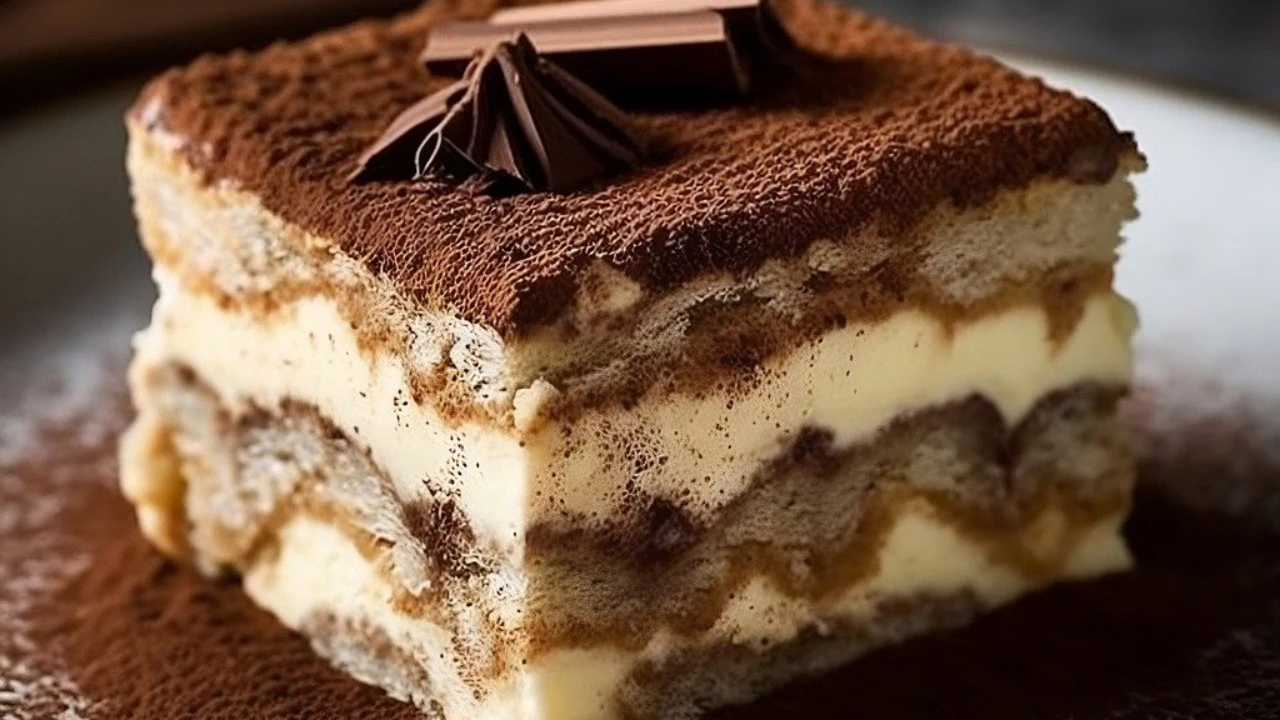
“We keep hearing tiramisù is Venice’s famous dessert. Where should we try it? And is it actually from Venice?”
This question appears regularly from food-focused travelers planning their Venice visits who’ve encountered tiramisù on every Italian restaurant menu worldwide but want to understand its authentic origins and where to experience the real thing versus tourist-trap versions.
The honest answer: Tiramisù isn’t actually from Venice — it was invented in nearby Treviso in the late 1960s. But Venice adopted this Veneto region creation so completely that the city now serves some of Italy’s best versions, from traditional interpretations at historic pasticcerie to creative variations at contemporary restaurants.
After 28 years eating tiramisù throughout Venice and the Veneto region — watching the dessert evolve from local specialty to global phenomenon, understanding which establishments serve authentic versions versus which provide disappointing tourist approximations, knowing the story behind this relatively recent invention that feels ancient — I know that tiramisù represents perfect metaphor for Venetian food culture: deceptively simple ingredients elevated through technique and tradition into something transcendent.
What makes tiramisù genuinely special: The name means “pick me up” in Italian, referring to the espresso-and-sugar energy boost Created in Treviso (40 minutes from Venice) at Le Beccherie restaurant late 1960s/early 1970s Only six essential ingredients: eggs, sugar, mascarpone, espresso, ladyfingers (savoiardi), cocoa The magic is technique and proportion, not exotic components Authentic versions contain no whipped cream, no rum-soaking, no excessive liqueur Venice’s best versions balance coffee bitterness against mascarpone richness perfectly
This is the completely honest guide — revealing tiramisù’s true origins versus romanticized myths, explaining what makes authentic versions superior to bastardized tourist renditions, recommending specific Venice establishments serving exceptional tiramisù, and providing the traditional recipe so you can attempt it at home.
The Real Tiramisù Origin Story (Not What Most People Think)
Before seeking Venice’s best tiramisù, understanding the dessert’s actual history prevents perpetuating romantic myths that have nothing to do with reality.
The Truth About Tiramisù’s Invention:
Forget the Renaissance fantasies. You’ll encounter stories claiming tiramisù dates to 16th or 17th century Venice, supposedly created for visiting nobility or as aphrodisiac for brothel customers. These are complete fabrications with zero historical evidence.
The documented reality: Tiramisù was invented in the late 1960s or early 1970s — within living memory, not centuries past. This is shockingly recent for a dessert that feels timeless and traditional.
The most credible origin: Le Beccherie restaurant in Treviso (a city 40 minutes north of Venice in the Veneto region) where pastry chef Roberto “Loli” Linguanotto and restaurant owner Ado Campeol created the dessert.
The creation story: Linguanotto was experimenting with simple ingredients — eggs, sugar, mascarpone cheese, espresso coffee, savoiardi ladyfinger cookies. The combination produced something unexpectedly extraordinary: creamy yet light, sweet yet bitter, energizing yet comforting. The layered assembly created visual appeal matching the flavor complexity.
The name origin: “Tiramisù” literally translates as “pick me up” or “lift me up” in Italian, referring to the caffeine and sugar combination providing energy boost. Some locals claim the name also referenced the dessert’s mood-lifting properties — the way something so delicious genuinely improved spirits beyond mere nutrition.
How Tiramisù Conquered the World:
From Treviso, the dessert spread rapidly:
- Throughout the Veneto region (including Venice) in the 1970s
- Across Italy during the 1980s as restaurants copied the recipe
- International expansion in the 1990s as Italian cuisine globalized
- By the 2000s, tiramisù appeared on Italian restaurant menus worldwide
Venice’s role: While Treviso invented tiramisù, Venice — with its massive tourism infrastructure and international visibility — became the primary vector spreading the dessert globally. Tourists experienced tiramisù in Venice, returned home craving it, and created demand that Italian restaurants worldwide satisfied.
The result: Today tiramisù ranks among Italy’s most recognizable desserts internationally, rivaling gelato and panna cotta for fame despite being only 50-60 years old versus centuries-old traditions.
What Makes Authentic Tiramisù Different from Tourist Versions
Understanding the distinction between real tiramisù and bastardized tourist approximations helps you identify quality when you encounter it.
The Authentic Ingredients (Only Six):
1. Egg yolks — beaten with sugar until pale and creamy, providing richness and structure
2. Sugar — just enough to sweeten without overwhelming, balancing coffee’s bitterness
3. Mascarpone cheese — the essential Italian cream cheese (not cream cheese like Philadelphia, not ricotta, not whipped cream) providing the signature smooth texture
4. Savoiardi ladyfingers — specific Italian sponge biscuits, firm enough to absorb espresso without disintegrating, light enough to maintain dessert’s delicate character
5. Espresso coffee — strong, good-quality coffee (not instant, not weak American-style coffee) providing the characteristic bitter contrast
6. Unsweetened cocoa powder — dusted on top for visual appeal and subtle chocolate notes without sweetness
Optional but traditional: Small amount of coffee liqueur (Marsala, coffee liqueur, or similar) in the espresso mixture — not rum-soaking the cookies, just subtle enhancement
What Authentic Tiramisù Does NOT Contain:
No whipped cream — tourist versions often add whipped cream to the mascarpone mixture, making it lighter and cheaper (cream costs less than mascarpone) but destroying the proper dense, creamy texture
No excessive alcohol — some tourist versions soak ladyfingers in rum or other spirits until the dessert tastes primarily of alcohol rather than balanced coffee and cream
No chocolate shavings or chips — cocoa powder only, not chocolate pieces or shavings that add unnecessary texture
No artificial flavorings — quality tiramisù tastes of coffee, mascarpone, and cocoa, not vanilla extract or other additions
No gelatin or stabilizers — authentic tiramisù sets through egg proteins and refrigeration, not through added gelatin making it firmer and more stable for transport
The Technique Matters:
The egg treatment: Yolks beaten with sugar until ribbon stage (when lifted, the mixture falls in thick ribbons), whites beaten to stiff peaks then folded in gently — this creates proper texture without whipped cream adulterations
The coffee application: Ladyfingers dipped quickly (1-2 seconds per side) in espresso mixture, not soaked until soggy. The cookies should absorb flavor without becoming mush.
The layering: Alternating layers of coffee-dipped cookies and mascarpone cream, creating the characteristic striped appearance when sliced
The setting time: Minimum 4 hours refrigeration (ideally overnight) allowing flavors to meld and texture to set properly
The cocoa dusting: Applied immediately before serving (not hours ahead when it would absorb moisture and become paste-like)
Where to Actually Eat Exceptional Tiramisù in Venice
Understanding which Venice establishments serve authentic, high-quality tiramisù versus which provide disappointing tourist versions.
I Tre Mercanti — Creative Excellence
Location: Campo dei Santi Filippo e Giacomo, Castello 5364 (near San Marco, easily walkable from the Basilica)
What makes it special: This small gourmet establishment has developed cult following among tiramisù enthusiasts for both traditional and inventive variations. The open counter allows watching preparation — the careful layering, the precise cocoa dusting, the attention to detail that distinguishes craft from industrial production.
The versions to try:
- Classic tiramisù: Traditional recipe executed with exceptional ingredients and technique
- Pistachio tiramisù: Contemporary variation substituting pistachio cream for some mascarpone, creating green-tinged layers and nutty sweetness
- Seasonal variations: Rotating creative versions (matcha, limoncello, strawberry) demonstrating how the basic technique adapts to different flavor profiles
Why it works: Small-batch production ensuring freshness, visible preparation creating accountability, willingness to innovate while respecting tradition. The tiramisù here isn’t just dessert — it’s edible architecture demonstrating technical skill.
The experience: Order at the counter, watch preparation if timing allows, take your portion to nearby campo for outdoor consumption, or eat standing at the small interior counter. This is casual high-quality rather than formal restaurant service.
Pairing suggestion: Espresso macchiato from the same counter creates the proper coffee-and-dessert ritual that tiramisù was designed to accompany.
Ristorante Al Covo — Refined Traditional
Location: Campiello della Pescaria, Castello 3968
What makes it special: Al Covo represents serious Venetian dining — not tourist factory but actual restaurant where Venetians celebrate special occasions and informed visitors seek authentic regional cuisine. Owners Cesare and Diane Benelli maintain standards that tourist-heavy restaurants often abandon.
The tiramisù approach: Classic preparation without gimmicks or variations. The focus is perfecting the traditional version — balancing coffee bitterness against mascarpone richness, achieving proper texture (creamy but not liquid, structured but not dense), using quality ingredients that elevate simple recipe into memorable experience.
Why it works: Restaurant’s overall commitment to quality extends to desserts. The tiramisù receives same attention as primi and secondi courses rather than being afterthought purchased from wholesale supplier.
The experience: This is full-service restaurant dining, not casual takeaway. Reserve in advance, expect multi-course meal, save room for dessert (the portions are generous). The tiramisù arrives as final course in progression, properly positioned as meal conclusion rather than standalone snack.
Pairing suggestion: Dessert wine from the Veneto region — Recioto della Valpolicella (sweet red) or Prosecco Superiore from Valdobbiadene complement rather than compete with tiramisù’s coffee flavors.
Majer Venezia — Quality To-Go
Locations: Multiple throughout Venice (Dorsoduro, Santa Croce, Cannaregio neighborhoods)
What makes it special: Majer solved the portable tiramisù challenge — how to serve this delicate dessert in format suitable for walking tourists without sacrificing quality or turning it into industrial packaged product.
The format: Individual portions served in small glass cups with plastic lids, allowing consumption while walking or sitting in campos without need for plates and utensils. The portions are sized for one person (substantial enough to satisfy, small enough to finish without commitment of full restaurant dessert).
Why it works: Despite portable format, the quality remains authentic — proper mascarpone cream, good espresso, correct proportions, fresh preparation. This isn’t convenience-store packaged tiramisù but legitimate product adapted for grab-and-go consumption.
The experience: Walk-up counter service, quick purchase, immediate consumption or save for later (the sealed cup travels well for few hours). Perfect for afternoon break between museums or evening stroll after dinner when you want something sweet without full restaurant commitment.
The trade-off: Less theatrical than watching preparation at I Tre Mercanti, less refined than Al Covo’s restaurant setting, but the convenience and quality combination serves specific need that other options don’t address.
Rosa Salva — Historic Tradition
Locations: Campo Santi Giovanni e Paolo and Campo San Marco
What makes it special: Founded 1879, Rosa Salva represents Venice’s oldest pastry tradition. The name appears throughout the city (multiple locations, always recognizable by distinctive branding), and Venetians have multigenerational relationships with the establishment.
The tiramisù philosophy: Traditional preparation emphasizing consistency over innovation. Rosa Salva’s tiramisù tastes the same year after year, location after location — this is feature, not limitation. The comfort of knowing exactly what you’ll receive creates loyal customers who return repeatedly.
Why it works: Scale allows quality ingredient sourcing and experienced pastry staff, but each location maintains small-batch production preventing industrial feel. The tiramisù balances commercial viability (producing enough for daily demand) with craft values (fresh preparation, proper technique).
The experience: These are proper pasticcerie (pastry shops) with extensive offerings beyond tiramisù — morning cornetti, afternoon cookies, special-occasion cakes. Visit for breakfast espresso and pastry, linger at counter or small tables, observe Venetian daily rituals that tourists rushing between landmarks miss entirely.
The historical dimension: Eating Rosa Salva tiramisù connects you to Venice’s pastry heritage spanning nearly 150 years. The establishment survived wars, floods, economic changes, and tourism transformation while maintaining quality standards.
The Authentic Tiramisù Recipe (What You Can Make at Home)
Understanding how tiramisù is actually made reveals why quality versions taste so different from mediocre approximations.
The Ingredients (Serves 6-8):
For the cream:
- 3 large eggs, separated (room temperature)
- 100g (½ cup) granulated sugar
- 250g (1 cup) mascarpone cheese (Italian mascarpone, not substitutes)
For assembly:
- 200g (approximately 24 pieces) savoiardi ladyfinger cookies
- 300ml (1¼ cups) strong espresso coffee, cooled to room temperature
- 2 tablespoons coffee liqueur or Marsala (optional but traditional)
- Unsweetened cocoa powder for dusting
The Technique (Step-by-Step):
Step 1 — Prepare the egg cream base: Separate eggs carefully (no yolk in whites, no white in yolks — even small amounts of yolk prevent whites from whipping properly). In large bowl, beat egg yolks with sugar using electric mixer on medium-high speed for 3-5 minutes until mixture becomes pale yellow, thick, and fluffy. When lifted, the mixture should fall in thick ribbons that hold their shape briefly before dissolving.
Step 2 — Incorporate the mascarpone: Add mascarpone to the egg yolk mixture. Fold gently using rubber spatula or beat on low speed just until fully combined and smooth. Don’t overmix (breaks down mascarpone’s structure) but ensure no lumps remain.
Step 3 — Whip and fold the egg whites: In separate clean bowl with clean beaters, beat egg whites on high speed until stiff peaks form (4-6 minutes). When you lift the beaters, the peaks should stand upright without drooping. Gently fold the beaten whites into the mascarpone mixture in three additions — add one-third, fold until mostly incorporated, repeat twice more. Use folding motion (cutting down through center, sweeping across bottom, bringing up the sides) rather than stirring, which deflates the whites.
Step 4 — Prepare the coffee mixture: Combine cooled espresso with coffee liqueur (if using) in shallow dish wide enough to dip cookies. The espresso must be completely cool — hot coffee would cook the egg cream.
Step 5 — Assemble the layers: Working quickly with one cookie at a time, dip each savoiardi into espresso mixture for 1-2 seconds per side — just long enough to absorb flavor but not so long they become soggy and fall apart. Arrange dipped cookies in single layer in rectangular dish (approximately 20cm × 30cm / 8″ × 12″). Spread half the mascarpone cream over the cookie layer. Repeat with second layer of coffee-dipped cookies and remaining cream.
Step 6 — Chill to set: Cover dish with plastic wrap and refrigerate minimum 4 hours, ideally overnight. This setting time allows flavors to meld, cookies to soften to proper texture, and cream to firm up sufficiently for clean slicing.
Step 7 — Dust and serve: Immediately before serving, dust top generously with unsweetened cocoa powder using fine-mesh sieve. Cut into portions and serve chilled.
The Common Mistakes to Avoid:
Over-soaking cookies: The number one error. Soggy cookies create watery, mushy tiramisù instead of proper layered texture.
Using wrong cheese: Mascarpone is essential — don’t substitute cream cheese (too tangy), ricotta (too grainy), or whipped cream (too light).
Adding whipped cream: This is tourist-trap shortcut that destroys proper texture.
Insufficient beating of egg yolks: Under-beating creates grainy rather than smooth cream.
Deflating the egg whites: Rough folding eliminates the air that creates proper light texture.
Serving too soon: The 4-hour minimum setting time isn’t suggestion — it’s requirement for proper texture and flavor development.
Why Tiramisù Matters to Venetian Food Culture
Understanding tiramisù’s cultural significance reveals what it represents beyond simple dessert.
The Veneto Regional Identity:
Tiramisù originated in the Veneto region (Venice, Treviso, Padua, Verona, and surrounding areas), making it legitimate regional specialty despite recent invention. The Veneto’s food culture emphasizes simple ingredients elevated through technique — exactly what tiramisù represents.
The coffee culture connection: Venice has centuries-long relationship with coffee (the city was major European coffee trading center, Caffè Florian opened 1720 serving coffee to European aristocracy). Tiramisù’s espresso foundation connects to this heritage even though the dessert itself is modern invention.
The Evolution of “Traditional”:
Tiramisù demonstrates how quickly “new” becomes “traditional” in food culture when something resonates deeply. A 50-year-old dessert feels ancient because it captured something essential about Italian dessert philosophy — indulgent but not heavy, sophisticated but not complicated, suitable for daily consumption but special enough for celebrations.
The global adaptation: Tiramisù’s worldwide spread created thousands of variations (from respectful interpretations to bizarre bastardizations), but the Veneto region maintains standards through continued production of authentic versions that newer iterations reference.
The Tourism Dimension:
Venice’s tiramisù scene reflects broader tourism challenges: Establishments serving authentic versions based on craft values versus those providing mediocre tourist approximations banking on name recognition without quality commitment. Learning to distinguish authentic from performance applies to desserts as much as other Venice experiences.
Contact Us for Comprehensive Venice Food Experiences
If tiramisù represents your broader interest in authentic Venetian food culture, we organize experiences connecting you to the real traditions versus tourist performances.
We can arrange:
- Cooking classes including tiramisù preparation with local chefs
- Market tours showing ingredient sourcing that makes great desserts possible
- Bacari culture experiences revealing Venetian food and wine traditions
- Restaurant recommendations distinguishing quality from tourist traps
- Day trips to Treviso combining tiramisù history with Prosecco Hills wine experiences
Our 28 years in Venice means we know which establishments maintain quality versus which trade on reputation while serving mediocre products to tourists who can’t distinguish the difference.
Plan Your Venice Food Exploration
For authentic dining: Bacari culture guide and avoiding tourist traps.
For seasonal eating: Spring market foods showing Venetian ingredient culture.
For hands-on learning: Cooking classes and workshops teaching authentic techniques.
For comprehensive experiences: Private tours integrating food with cultural understanding.
For neighborhood exploration: Finding authentic restaurants in residential areas.
Tiramisù Represents Everything Essential About Venetian Dessert Culture — Deceptively Simple Ingredients Elevated Through Technique Into Something Transcendent
After 28 years eating tiramisù throughout Venice and the Veneto region and being featured by Rick Steves, NBC, and US Today, I know that this dessert — invented only 50-60 years ago in nearby Treviso — has become inseparable from Venetian food identity despite its recent origins. The best versions balance coffee bitterness against mascarpone richness perfectly, maintain proper creamy-but-structured texture through egg technique rather than whipped cream shortcuts, and demonstrate that “traditional” Italian desserts aren’t always centuries old but simply capture something essential about Italian food philosophy. I Tre Mercanti offers creative variations, Al Covo provides refined traditional excellence, Majer solves portable quality challenges, and Rosa Salva maintains historic consistency. Contact us for experiences connecting you to authentic Venetian food culture versus tourist performances. Let’s help you discover Venice through real traditions rather than commercialized approximations.
Contact us for authentic Venice food experiences — from tiramisù tasting to comprehensive culinary exploration.
Frequently Asked Questions
Was tiramisù really invented in Treviso, or is that disputed?
The Treviso origin at Le Beccherie restaurant has strongest documentation and widest acceptance among food historians, though some competing claims exist. The Veneto region (including Venice, Treviso, and surrounding areas) universally agrees tiramisù originated locally in the late 1960s/early 1970s — the dispute is which specific establishment deserves credit. Le Beccherie has the most convincing evidence including contemporaneous recipes, staff testimony, and the Campeol family’s consistent story across decades. Some alternative claims (Renaissance origins, brothel creation myths, Siena inventions) are romantic fabrications with zero historical support. The important truth: tiramisù is definitely recent invention (50-60 years old) from the Veneto region, not ancient Roman or Renaissance creation. This makes the dessert more interesting, not less — it demonstrates how quickly something genuinely excellent becomes “traditional” when it captures essential cultural values.
Is tiramisù safe to eat if it contains raw eggs?
Traditional tiramisù does contain raw egg yolks (though the whites are typically beaten but still raw). This creates salmonella risk that varies by region and egg sourcing. In Italy (including Venice), commercial eggs sold for raw consumption undergo different handling than US eggs, somewhat reducing (but not eliminating) risk. Pregnant women, young children, elderly people, and immunocompromised individuals should avoid raw-egg tiramisù regardless of sourcing. For home preparation, use pasteurized eggs if concerned (available in many markets), or look for recipes using cooked egg custard base (technically not traditional but safer). Most Venice restaurants serving tiramisù to tourists use recipes accounting for food safety concerns — some cook the egg mixture, others use pasteurized eggs, some maintain traditional raw preparation relying on quality sourcing and quick turnover preventing bacterial growth. If you have concerns, ask the establishment about their preparation method before ordering.
Can we make tiramisù ahead for a dinner party, or does it need to be fresh?
Tiramisù actually improves with advance preparation — the overnight refrigeration allowing flavors to meld and texture to set properly. Make it 12-24 hours before serving for optimal results. It remains good for 2-3 days refrigerated (covered to prevent drying and odor absorption), though texture begins degrading after 48 hours as cookies continue absorbing moisture eventually becoming too soft. The one component requiring last-minute attention: cocoa powder dusting should happen immediately before serving, not hours ahead when moisture would turn the powder paste-like. For dinner parties, this makes tiramisù ideal — all the work happens the day before, refrigerator storage is simple, and final presentation (dusting cocoa, cutting portions) takes minutes right before dessert course. Just don’t freeze tiramisù (the cream separates and texture is ruined upon thawing) or leave it unrefrigerated more than 2 hours (food safety concern with egg-based desserts).