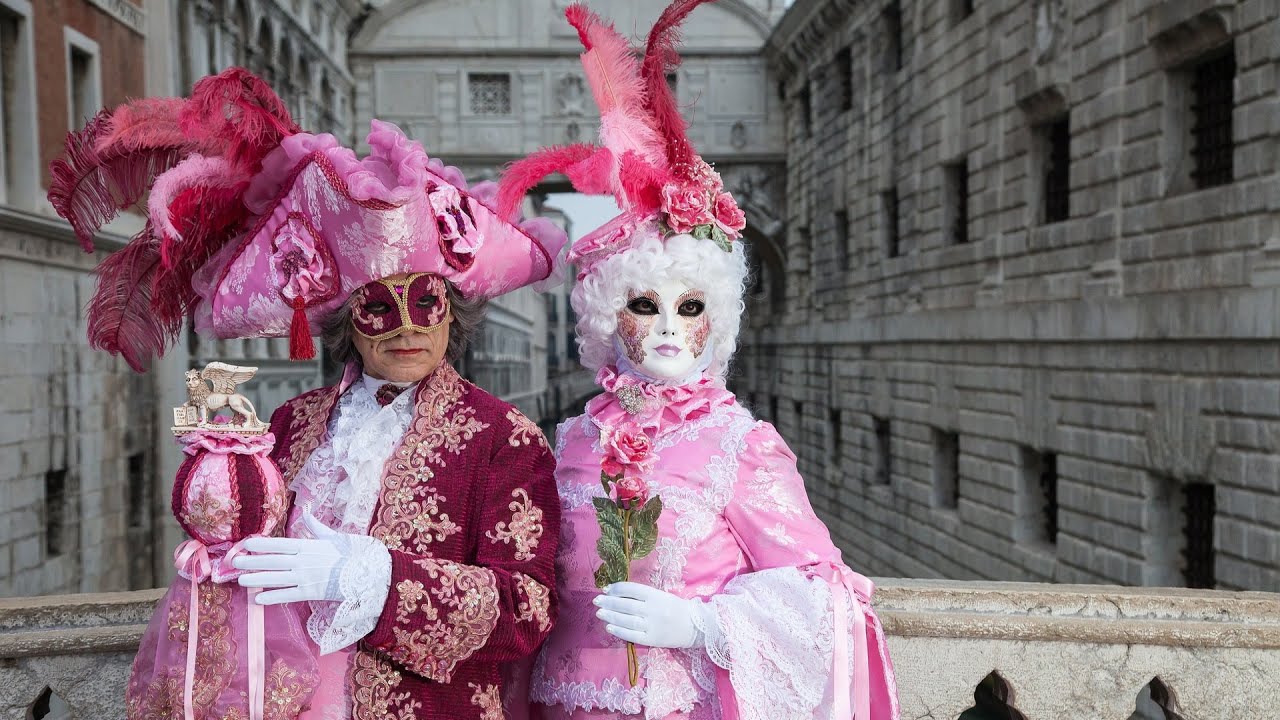
Piazza San Marco during Carnival looks exactly like you’d expect: crowded with tourists, professional models in elaborate costumes posing for photos, vendors selling masks, and chaos everywhere.
This is Carnival for visitors.
Venetian Carnival for locals happens somewhere else entirely.
After nearly three decades living in Venice, I’ve watched Carnival evolve from a modest local tradition into a massive tourism event. The official program draws hundreds of thousands of visitors every February. But beneath that spectacle, neighborhood celebrations continue in quieter corners — places where Venetians gather because they genuinely want to, not because they’re performing for cameras.
Understanding where locals actually celebrate reveals a different Venice — one that exists behind the postcard image.
Why San Marco Isn’t Where the Real Carnival Happens
Let me be clear: Piazza San Marco hosts legitimate Carnival events. The official program at carnevale.venezia.it lists elaborate performances, the famous Volo dell’Angelo (Flight of the Angel), historical parades, and theatrical productions — many of which genuinely celebrate Venetian tradition.
But locals don’t go there. At least, not for the experience.
San Marco during Carnival is work for most Venetians. The ones in costume are often being paid by photography studios. The cafés are packed with visitors paying €15 for coffee. The crowds make it nearly impossible to move. For someone who lives here, it’s exhausting rather than festive.
The real Carnival — the one Venetians attend by choice — happens in the sestieri (neighborhoods) where people actually live. In Cannaregio, Castello, Dorsoduro. In the smaller campi (squares) where neighborhood associations organize parties, children dress up, and the atmosphere feels genuinely communal rather than transactional.
These celebrations aren’t secret. They’re just local. And they’re extraordinary.
Cannaregio: Where Venetians Live and Celebrate
Cannaregio is Venice’s most populated sestiere and where many working Venetians actually reside. It’s also where some of Carnival’s most authentic neighborhood celebrations take place.
Campo Santa Maria Nova and Campo dei Santi Apostoli both host community gatherings during Carnival. Expect local families in costume, impromptu music, children playing traditional games, and frittelle (Carnival doughnuts) sold by neighborhood bakeries rather than tourist vendors.
The Rio Terà della Maddalena — a long, covered street — becomes an informal parade route where costumed locals stroll, meet friends, and show off their masks. This is the Carnival that feels like a neighborhood festival rather than a performance.
Campo del Ghetto in the Jewish Quarter also hosts intimate celebrations. The atmosphere here leans quieter, more reflective, with occasional concerts and cultural events that connect Carnival to Venice’s broader history. The contrast with San Marco’s chaos is startling.
Getting to Cannaregio requires either walking from the train station or using the vaporetto water bus system. A multi-day vaporetto pass is the smartest investment during Carnival — it lets you hop between neighborhoods freely, which is exactly how you discover where the real celebrations are happening.
Castello: The Neighborhood Tourists Skip
Castello is Venice’s largest sestiere and the one most tourists never see. It stretches east from San Marco all the way to the island’s far edge, where shipyards and residential areas replace palaces and museums.
During Carnival, Castello hosts some of the city’s most genuine neighborhood parties.
Campo Santa Maria Formosa — one of Venice’s most beautiful squares — becomes a gathering spot for local families. There’s usually live music, street food, and spontaneous dancing. Children run around in costume while their parents drink prosecco and chat with neighbors.
Via Garibaldi, Castello’s main shopping street where actual Venetians buy groceries, sets up Carnival decorations and hosts informal celebrations. The bars here fill with locals in costume, not tourists. The vibe is festive but relaxed. You can strike up conversations. People aren’t rushing between photo opportunities.
Campo San Giovanni in Bragora and Campo Bandiera e Moro also host smaller gatherings. These are the squares where Venetians meet daily anyway — Carnival just gives everyone an excuse to dress up and linger longer.
The eastern edge of Castello, near the public gardens and Sant’Elena, feels almost suburban by Venetian standards. Families here organize Carnival activities for children — costume contests, treasure hunts, traditional games like corsa dei sacchi (sack races). These events appear on neighborhood bulletin boards, not in official tourist guides.
Exploring Castello means walking more than most visitors want to, which is precisely why it stays authentic. A private Venice tour focused on hidden neighborhoods can guide you to these celebrations while explaining the social geography that makes them possible.
Dorsoduro: Where Students and Artists Celebrate
Dorsoduro feels different from the rest of Venice. It’s home to the University, the Accademia art school, and a younger, more bohemian population. During Carnival, that energy shapes how people celebrate.
Campo Santa Margherita — Dorsoduro’s social heart — transforms during Carnival. This large square, surrounded by bars and student hangouts, hosts impromptu street parties that stretch late into the night. The costumes here lean creative rather than traditional: elaborate DIY masks, satirical political costumes, artistic interpretations of Venetian themes.
The atmosphere is younger, louder, and less formal than elsewhere in Venice. University students organize their own events. Street performers appear spontaneously. Someone always brings a guitar. By midnight, Campo Santa Margherita feels like a genuine party rather than a tourist attraction.
Campo San Barnaba and Campo San Sebastiano also host neighborhood gatherings, though these lean more family-oriented. Local associations set up tables selling traditional Carnival treats — fritole, galani, castagnole. Children’s faces get painted. Musicians perform traditional Venetian songs.
Dorsoduro’s position along the Grand Canal means it’s easily accessible by vaporetto. Having unlimited waterbus access removes the hesitation about exploring multiple neighborhoods — you simply hop on the next boat heading wherever looks interesting.
The Islands: Carnival Beyond Venice Itself
Some of the most authentic Carnival celebrations happen on Venice’s lagoon islands, places most tourists never visit at all.
Burano — the colorful fishing island famous for lace-making — celebrates Carnival with a distinctly local flavor. The population here is tiny (fewer than 3,000 residents), so Carnival feels genuinely communal. Everyone knows everyone. Costumes are often homemade. The celebrations center around the main piazza, where families gather, children perform, and the atmosphere feels like a village festival.
Murano, the glass-making island, also hosts neighborhood Carnival events. These are smaller than Venice’s but still worth experiencing if you’re already visiting the glass workshops. Campo Santo Stefano in Murano becomes a gathering point for locals in costume.
The outer islands — Mazzorbo, Torcello, even parts of the Lido — occasionally host tiny, intimate celebrations. These aren’t advertised. They happen because a few dozen residents decide to organize something. If you’re staying on the Lido or exploring these quieter islands, ask locals if anything is planned. Often there is.
Reaching the islands requires vaporetto service. The lagoon boat routes run regularly, but during Carnival they can get crowded. Having a pass eliminates the stress of buying individual tickets in holiday chaos.
Understanding the lagoon’s geography and culture adds depth to any island visit. These aren’t just day-trip destinations. They’re distinct communities with their own histories and traditions.
When Locals Actually Celebrate (Timing Matters)
Most tourists arrive in Venice for Carnival weekend — the final days before Shrove Tuesday. This is when crowds peak and prices skyrocket.
Venetians celebrate throughout the entire Carnival period, which typically runs about two weeks. The official dates vary yearly, so check carnevale.venezia.it for current schedules.
The first weekend of Carnival is significantly quieter than the final weekend. Neighborhood celebrations still happen, but with less international tourism chaos. Locals who want to enjoy Carnival without fighting crowds often celebrate during these earlier days.
Weeknights during Carnival also host events. Campo Santa Margherita fills up Wednesday and Thursday evenings just as readily as weekends. Children’s Carnival events in Castello happen on weekday afternoons when schools organize special programming.
The absolute peak chaos occurs on Martedì Grasso (Shrove Tuesday) — Carnival’s final day. San Marco becomes virtually impassable. But neighborhood squares still host celebrations that feel manageable and enjoyable.
Planning your Venice visit around these rhythms means experiencing the city as locals do rather than as tourism infrastructure expects.
What to Wear (And What Not to)
You’ll see visitors in Venice during Carnival wearing everything from full period costumes rented for €500 to simple masks bought that morning for €10.
Locals fall into two camps: those who invest seriously in elaborate historical costumes — often spending years perfecting their outfits — and those who wear street clothes with perhaps a simple mask or hat.
The in-between doesn’t really exist. Venetians either commit fully or barely at all. The half-hearted costume rental approach is distinctly tourist behavior.
If you want to participate without looking like you’re trying too hard, here’s what works: wear normal, nice clothing in dark colors (black, burgundy, gold), and add one quality accessory. A well-made mask. An elegant cape. A period hat. This signals respect for the tradition without pretending you’re competing with people who’ve spent thousands on their costumes.
In neighborhood celebrations, many locals don’t dress up at all. They attend in normal clothes simply to enjoy the atmosphere. This is perfectly acceptable. Carnival is a spectator sport as much as participatory theater.
Children almost always wear costumes — often homemade by their parents or grandparents. Seeing kids dressed as miniature plague doctors or 18th-century nobles is genuinely charming, especially in the quieter neighborhood celebrations where it feels less staged.
The Food That Matters
Traditional Carnival food is specific and important. Venetians take these sweets seriously.
Fritole (or frittelle): Deep-fried dough balls, sometimes filled with raisins, pine nuts, or pastry cream, always dusted with powdered sugar. Every bakery makes them slightly differently. Locals have fierce opinions about whose are best.
Galani (or crostoli): Thin, crispy ribbons of fried dough dusted with sugar. Light, crunchy, addictive. These appear in bakeries only during Carnival season.
Castagnole: Small, round fried dough balls flavored with lemon or grappa. Less common than fritole but equally traditional.
You’ll find these sweets in tourist areas, but they’re often mass-produced and stale. In neighborhood bakeries — particularly in Cannaregio and Castello — you’ll find them freshly made daily. The difference in quality is profound.
Some neighborhood celebrations set up tables selling these treats, with proceeds going to local associations or charities. Buying from these stands supports community organizations while ensuring you get fresh, well-made traditional food.
How to Find Local Celebrations
Official Carnival events are easy to find — they’re listed at carnevale.venezia.it with schedules, locations, and ticket information.
Neighborhood celebrations are harder to discover. They’re often organized by local associations, announced on community bulletin boards, or spread by word of mouth. Many don’t appear in English-language tourism information at all.
The best strategy is walking. During Carnival, simply wander through residential neighborhoods — Cannaregio, eastern Castello, Dorsoduro beyond the Accademia — and follow sounds of music or gatherings of people. Venetians don’t mind visitors attending these events as long as you’re respectful and not treating them as photo safaris.
Ask locals. If you’re in a neighborhood bar or café, ask the staff if there are any local Carnival events happening. Most will happily point you toward nearby celebrations.
A guided tour focused on hidden Venice can provide insider access to neighborhood events that would take you days to discover independently. After 28 years here, I know which campi host the best local celebrations, when they happen, and how to experience them respectfully.
Why This Matters
Venice’s relationship with tourism is complicated. Carnival exemplifies this perfectly — a genuine tradition that has become so commodified that locals often feel excluded from their own festival.
The neighborhood celebrations represent resistance to that commodification. They’re Venetians reclaiming Carnival as community celebration rather than tourist spectacle. By choosing to attend these events instead of only the official tourism-focused programming, you’re supporting that resistance.
This isn’t about authenticity tourism — seeking out “real” experiences to validate your travel credentials. It’s about recognizing that Venice remains a living city where actual people build lives and maintain traditions despite overwhelming tourism pressure.
Respecting that balance is what separates thoughtful travelers from extractive tourists.
Plan Your Authentic Carnival Experience
For official programming: Check carnevale.venezia.it for scheduled events, performances, and major celebrations in San Marco and other central locations.
For neighborhood access: Invest in a multi-day vaporetto pass that gives you freedom to explore Cannaregio, Castello, Dorsoduro, and the lagoon islands without worrying about individual ticket costs.
For insider guidance: Join me for a private Venice tour designed around Carnival’s hidden celebrations — the neighborhood parties, local traditions, and genuine community events that most visitors never discover.
For the complete cultural context: Understanding Carnival means understanding Venetian history, social structure, and the traditions that shaped the city. Skip-the-line access to museums like Ca’ Rezzonico provides that historical foundation.
Experience Carnival as Venetians Do — In the Neighborhoods Where It Still Lives
After 28 years guiding Venice and being featured by NBC, Rick Steves, and US Today, I know where locals actually celebrate — and how to experience Carnival beyond the tourist spectacle. Let me show you the Venice that matters.
Book your private Carnival neighborhood tour or secure your Venice museum tickets and transport passes — experience the festival the way it was meant to be celebrated.