This question appears constantly from travelers who’ve discovered Italy’s “Motor Valley” — the concentration of legendary automotive manufacturers in Emilia-Romagna. They know Ferrari is in Maranello. They’ve heard Lamborghini exists somewhere nearby. They wonder whether visiting both makes sense or represents automotive overload that transforms cultural trip into car-spotting marathon.
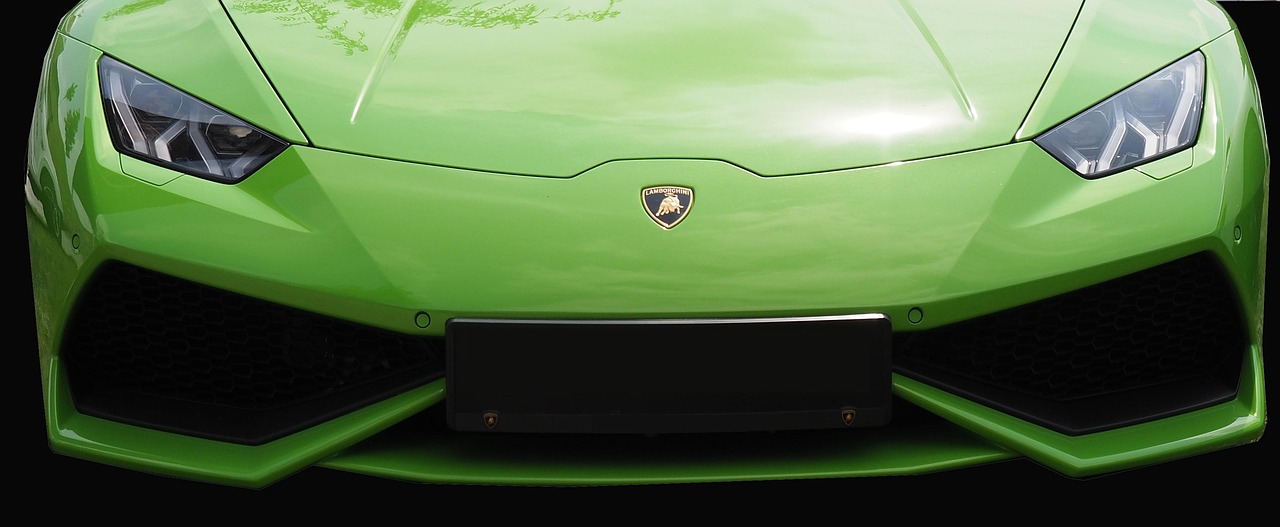
The honest answers: Lamborghini is made in Sant’Agata Bolognese, about 40 kilometers (25 miles) from Maranello and roughly 2.5 hours from Venice. And yes, you can visit the factory — but the experience differs fundamentally from Ferrari in ways that make the two brands complementary rather than redundant.
After 28 years organizing experiences throughout Italy’s automotive heartland for visitors based in Venice, I know exactly what Lamborghini offers, how it differs from Ferrari, who should visit both versus choosing one, and how to structure Motor Valley exploration that creates coherent experience rather than exhausting car-museum marathon.
This isn’t about brand loyalty or declaring one manufacturer superior to the other. It’s about honest assessment of what different experiences deliver, how they fit into Venice-based trips, and whether adding Lamborghini to Ferrari itineraries enhances or dilutes the automotive passion that brought you to Emilia-Romagna in the first place.
This is the completely honest comparison — where Lamborghini actually is, what factory tours provide that Ferrari doesn’t, how the brands differ philosophically and experientially, and how to decide whether one, both, or neither serves your actual Italian trip goals.
Understanding how to approach Italy beyond surface tourism changes everything.
Where Lamborghini Actually Is (And Why Location Matters)
Before understanding what Lamborghini visits provide, knowing the geography reveals why this brand exists where it does and how that affects your trip planning.
Sant’Agata Bolognese sits roughly 25 kilometers northwest of Bologna in the flat Po Valley agricultural region. This is farming country — endless fields producing grain, vegetables, and the ingredients that make Emilian cuisine legendary. The town itself is small (population around 7,000), quiet, and entirely ordinary except for the extraordinary fact that one of the world’s most extreme supercar manufacturers operates here.
The geographic relationship to other automotive sites:
From Venice: 2.5 hours by car, similar to Maranello’s 2-2.5 hour distance but in slightly different direction From Maranello (Ferrari): 40 kilometers, roughly 45 minutes From Modena: 30 kilometers, roughly 30 minutes From Bologna: 25 kilometers, roughly 30 minutes
Why Lamborghini is here rather than somewhere more obvious:
Ferruccio Lamborghini — the company’s founder — was born in nearby Renazzo di Cento in 1916. He made his fortune manufacturing tractors (Lamborghini Trattori) for the agricultural region surrounding Bologna. When he decided to challenge Ferrari with luxury sports cars in the early 1960s, he built the factory near his existing tractor operation in Sant’Agata Bolognese.
The location wasn’t strategic automotive industry decision. It was personal proximity to Ferruccio’s roots and existing business. The town became supercar manufacturer headquarters almost accidentally — because one stubborn, wealthy tractor manufacturer decided Ferrari’s cars weren’t good enough and he could build better.
This geographic reality creates practical implications:
Lamborghini is NOT in Maranello despite both being “near Modena.” They’re 45 minutes apart, requiring separate dedicated time.
Visiting both Ferrari and Lamborghini from Venice base means either two separate full-day excursions or one extremely long day attempting both consecutively.
The agricultural surroundings create different atmosphere than Maranello’s Ferrari-centric identity. Sant’Agata Bolognese doesn’t exist for Lamborghini the way Maranello exists for Ferrari. The factory is here, but the town maintains separate agricultural identity rather than becoming automotive pilgrimage site.
What Lamborghini Factory Tours Actually Provide
The fundamental difference between Ferrari and Lamborghini visitor experiences: Lamborghini offers actual factory production tours showing cars being assembled. Ferrari’s Maranello museums do not.
The Factory Tour Structure:
Guided tours (advance reservation required) take small groups through portions of Lamborghini’s production facility. You’re walking through actual assembly areas where current production cars are being built — not historical displays or retired equipment but active manufacturing.
What you’ll see:
The assembly line where Huracáns and Urus SUVs progress through production stages. Workers hand-assembling components, installing engines, fitting interior trim, and conducting quality checks.
The carbon fiber production area where lightweight structural components are manufactured. This process — laying carbon fiber sheets, curing in autoclaves, precision cutting — represents advanced manufacturing that distinguishes modern supercars from conventional vehicles.
Paint booths where bodies receive multiple coating layers. The precision color matching, the hand-polishing, and the quality standards that justify luxury pricing become visible when watching skilled workers executing these processes.
Final assembly stations where completed cars receive final checks, fluids, and preparation for delivery. You might see cars destined for customers worldwide being finished to individual specifications.
The tour experience:
Duration: roughly 90 minutes to 2 hours including museum visit Group size: typically 15-20 people maximum, sometimes smaller Language: primarily Italian and English, occasionally other languages based on group composition Photography: usually restricted in production areas (security and proprietary process concerns), allowed in museum Interactivity: limited — you’re observing, not touching or participating
What makes this valuable:
Understanding how supercars are actually built transforms appreciation from abstract admiration to concrete knowledge. Seeing skilled workers hand-assembling components rather than fully-automated production lines reveals why these cars cost what they cost.
The contrast between high technology (carbon fiber autoclaves, precision robotics) and hand craftsmanship (leather installation, final assembly, quality checking) shows the hybrid approach that defines modern luxury manufacturing.
Watching cars you might see on roads actually being constructed connects abstract brand identity to tangible products. The Urus being assembled today might pass you on a highway next year — creating continuity between factory tour and real-world automotive landscape.
The Museum Component:
The factory tour includes access to Lamborghini Museum (Museo Lamborghini) showing the brand’s complete history:
Early models from the 1960s — the Miura, Countach prototypes, cars that established Lamborghini’s radical design language Iconic vehicles from each decade showing design evolution Current production models in showroom setting Concept cars and limited editions providing glimpse of future directions Ferruccio Lamborghini’s personal history including his tractor manufacturing origins
The museum is smaller and less comprehensive than Ferrari’s Maranello museums — perhaps 20-30 cars versus Ferrari’s 40-50. But the factory tour component provides context that pure museum exhibits can’t match.
How Lamborghini Differs From Ferrari (Beyond Badge)
Visitors often assume Ferrari and Lamborghini are interchangeable — Italian supercars from same region, similar performance, basically equivalent experiences. This assumption is completely wrong.
Philosophical Differences:
Ferrari: Racing heritage defines identity. Every road car exists partly to fund racing operations. The brand emphasizes tradition, engineering precision, and continuity with historical racing success.
Lamborghini: Rebellion defines identity. Ferruccio built Lamborghinis specifically to challenge Ferrari after feeling disrespected as Ferrari customer. The brand emphasizes radical design, shock value, and rejection of racing tradition (Ferruccio famously opposed racing, believing it wasted resources better spent on road cars).
These philosophical differences manifest practically:
Ferrari designs evolve incrementally, maintaining visual and engineering lineage across decades. Lamborghini designs break dramatically from previous models, prioritizing revolutionary statements over evolutionary refinement.
Ferrari emphasizes track performance and racing-derived technology. Lamborghini emphasizes visual drama and emotional impact over pure lap times.
Ferrari maintains exclusive, conservative brand image. Lamborghini deliberately courts controversy, attention, and association with wealth display rather than understated excellence.
The Visitor Experience Differences:
Ferrari (Maranello): Museum-focused, historically comprehensive, emphasizing brand heritage and racing achievement. No factory production tours available publicly.
Lamborghini (Sant’Agata Bolognese): Factory-tour-focused, showing current production and manufacturing process. Smaller museum providing adequate history without Ferrari’s encyclopedic depth.
Ferrari: Multiple museums (Maranello and Modena), extensive exhibits, polished presentation funded by decades of commercial success.
Lamborghini: Single museum integrated with factory tour, more intimate scale, emphasis on rebellion narrative rather than achievement chronology.
Ferrari: Circuit driving experiences at Modena Autodrome allowing performance exploration on purpose-built track.
Lamborghini: Primarily factory tours, limited driving experiences (available but less extensively developed than Ferrari’s offerings).
Who Should Visit Both vs. Choosing One
The decision about visiting both brands or selecting one depends entirely on your specific interests, available time, and what you’re actually seeking from automotive experiences.
Visit Both If:
You’re serious automotive enthusiast who appreciates different philosophical approaches to supercar design. Understanding both brands deepens automotive knowledge in ways that single-brand focus doesn’t provide.
You have 2+ weeks in Italy with time allocated specifically for Motor Valley exploration. Multiple days in the region justify comprehensive manufacturer coverage rather than representing rushed tangent from cultural tourism.
You’re traveling with automotive industry professionals or car club members for whom factory access and manufacturing process observation provides professional rather than simply recreational value.
You want complete “Motor Valley” experience and have already covered Venice’s cultural essentials during previous trips. The automotive pilgrimage becomes primary trip focus rather than addition to cultural tourism.
You’re photographer or content creator documenting automotive culture. Multiple manufacturer visits create portfolio depth that single brand can’t provide.
Choose Ferrari Only If:
You have limited time — single full day from Venice base. Ferrari’s comprehensive museums, available driving experiences, and established visitor infrastructure deliver more complete single-day experience than Lamborghini.
Racing heritage matters most to you. Ferrari’s Formula 1 history, racing tradition, and motorsport achievements provide depth Lamborghini deliberately avoided.
You prefer polished, comprehensive museum experiences over factory production observation. Ferrari’s multiple museums offer more extensive exhibits than Lamborghini’s smaller facility.
Brand recognition and historical significance drive your interest. Ferrari is more universally recognized, historically documented, and culturally significant than Lamborghini despite both being legendary manufacturers.
Choose Lamborghini Only If:
Factory production tours matter more than museum exhibits. Seeing actual assembly beats historical display for travelers interested in how supercars are made rather than what they achieved historically.
You’re drawn to rebellion narrative over tradition. Ferruccio’s story of challenging establishment resonates more than Ferrari’s racing dynasty.
You prefer less-crowded experiences. Lamborghini receives fewer visitors than Ferrari, creating more intimate tours and less overwhelming environment.
You’re specifically interested in modern manufacturing processes rather than historical chronology. Lamborghini’s factory tour emphasizes current production technology over decades of evolution.
Skip Both If:
You’re first-time Italy visitor with under 6 total days who should prioritize Venice cultural depth, Florence’s Renaissance art, or Rome’s historical sites over automotive tangents.
You can’t distinguish supercars from regular sports cars and are pursuing this because it sounds impressive rather than because you genuinely care about automotive excellence.
Budget is extremely tight. Factory tours, museum admissions, and private transportation to Sant’Agata Bolognese represent expenses that Venice food culture, wine country exploration, or cultural day trips might use better.
Combining Both: What This Actually Requires
For travelers determined to experience both Ferrari and Lamborghini from Venice base, here’s what the commitment actually entails:
Option 1: Two Separate Full-Day Excursions
Day 1: Venice to Maranello/Modena for Ferrari museums, possible circuit driving, return to Venice (10-12 hours)
Day 2: Venice to Sant’Agata Bolognese for Lamborghini factory tour and museum, return to Venice (8-10 hours)
This requires minimum 2 full days beyond your Venice cultural time. If you’re allocating 3 days for Venice proper, you need minimum 5-6 total days to include both automotive experiences.
Advantages: Each day focuses on single brand, allowing thorough engagement without rushing. Return to Venice accommodation each night maintains established base.
Disadvantages: Two days of 2.5+ hour each-direction transportation becomes exhausting. The repetition of similar activities (museums, cars, automotive focus) across consecutive days can feel redundant even to enthusiasts.
Option 2: Single Very Long Day Visiting Both
Depart Venice early morning, visit Lamborghini first (closer to Bologna), drive to Maranello for Ferrari museums or abbreviated visit, return to Venice late evening (12-14 hour day).
This is theoretically possible but genuinely brutal. The transportation alone exceeds 5 hours. Adding 2-3 hours at Lamborghini and 2-3 hours at Ferrari means 10+ hours of scheduled activities before accounting for meals, rest stops, or traffic delays.
Advantages: Accomplishes both manufacturers in single day, freeing second day for other activities.
Disadvantages: Exhausting to the point of undermining enjoyment. Rushing through both means appreciating neither properly. Arriving back in Venice at 10-11 PM eliminates evening Venice time that overnight visitors specifically came to experience.
Option 3: Overnight in Emilia-Romagna
Day 1: Venice to Sant’Agata Bolognese (Lamborghini), overnight in Modena Day 2: Modena to Maranello (Ferrari), continue to next Italian destination or return to Venice
This works well if:
You’re doing multi-city Italy trip where Emilia-Romagna overnight becomes logical stop between Venice and Florence rather than dead-end detour.
You want to explore Modena’s historic center, food culture, and balsamic vinegar producers alongside automotive experiences.
You’re comfortable packing/unpacking and managing luggage during car activities.
Advantages: Eliminates long return drives to Venice. Allows experiencing both manufacturers without brutal single-day marathon. Creates space for broader regional exploration.
Disadvantages: Adds accommodation cost. Requires packing beyond what day-trip excursions demand. Fragments the trip geographically if Venice is your primary base.
How We Actually Organize Lamborghini Visits
When you contact us about Lamborghini experiences from Venice, here’s our actual process:
Initial Consultation:
We discuss whether Lamborghini alone, Ferrari alone, or both manufacturers genuinely serve your interests versus representing automotive excess that cultural alternatives might serve better.
We assess your total available days, whether you’ve been to Italy before, traveling companions’ interests, and budget parameters.
Often this consultation reveals alternatives serving you better — sometimes Prosecco Hills wine tours, Venice cultural depth, or regional day trips create more satisfying experiences than automotive tourism that doesn’t genuinely align with your passions.
Factory Tour Reservations:
Lamborghini factory tours require advance booking — often weeks or months ahead during peak season. We handle all reservations, ensuring you have confirmed slots rather than hoping for availability upon arrival.
We coordinate timing with your broader itinerary, sequencing Lamborghini appropriately within your overall trip structure.
Transportation Coordination:
Private luxury vehicle with professional driver handles all navigation, highway tolls, parking complications. You simply enjoy comfortable journey rather than managing Italian roads and GPS navigation stress.
The 2.5-hour each-direction travel becomes relaxation and scenery appreciation rather than driving burden.
Integration with Broader Day:
If doing Lamborghini only, we can add Bologna historic center exploration, traditional Bolognese lunch, or food culture experiences (Parmigiano dairy, balsamic vinegar producer) creating full day beyond the factory tour itself.
If combining with Ferrari, we design realistic timing that accomplishes both without creating impossible marathon.
Honest Assessment:
If factory tours don’t actually interest you (some people prefer pure museum experiences), we explain this rather than selling tour that won’t satisfy.
If combining both manufacturers means shortchanging Venice cultural time you specifically came for, we say so honestly rather than maximizing automotive sales.
The Broader Motor Valley Context
Lamborghini and Ferrari represent only two manufacturers in Italy’s “Motor Valley” — the concentration of automotive excellence in Emilia-Romagna.
Other manufacturers in the region:
Maserati (Modena): Factory tours available, museum documenting brand history, showing luxury grand touring tradition versus Ferrari/Lamborghini’s supercar focus.
Ducati (Bologna): Motorcycle manufacturer offering factory tours showing two-wheel performance passion. Different from four-wheel automotive focus but equally Italian, equally performance-obsessed.
Pagani (San Cesario sul Panaro, near Modena): Ultra-exclusive hypercar manufacturer producing tiny numbers of extraordinarily expensive vehicles. Museum and occasional tours available but requires serious advance planning and automotive credentials.
Dallara (Varano de’ Melegari): Racing car manufacturer and engineering consultancy. Less glamorous than luxury brands but fascinating for understanding motorsport technology.
The Multi-Day Motor Valley Immersion:
Serious automotive enthusiasts sometimes dedicate 3-4 days to comprehensive Motor Valley exploration:
Day 1: Lamborghini factory tour and museum Day 2: Ferrari museums and circuit driving in Maranello/Modena Day 3: Maserati and/or Ducati tours in Modena/Bologna Day 4: Pagani museum if accessible, plus regional food culture
This represents legitimate automotive pilgrimage for professionals, collectors, or deeply passionate enthusiasts for whom Italy trip centers entirely on cars rather than culture.
For most Venice-based visitors, this is excessive. One manufacturer (Ferrari or Lamborghini) provides sufficient automotive experience without transforming Italian cultural trip into car-focused marathon.
Plan Your Lamborghini Experience (Or Decide It’s Not For You)
For honest initial consultation: Contact us to discuss whether Lamborghini visits genuinely enhance your Italy trip or whether alternatives serve you better. We ask questions revealing what actually matters rather than assuming automotive tourism suits everyone.
For Venice cultural foundation: Private walking tours and skip-the-line museum access ensure Venice receives attention it deserves before adding automotive tangents.
For factory tour coordination: We handle all Lamborghini reservations, transportation logistics, and timing coordination so you experience rather than manage.
For Ferrari comparison: If you’re deciding between manufacturers or considering both, we explain honest differences helping you choose wisely rather than selling maximum experiences.
For alternative exploration: Prosecco Hills, food culture immersion, or cultural day trips might serve your actual interests better than automotive experiences — we organize these too and recommend honestly what fits you.
For realistic timeline: Understanding how many days you need in Venice reveals whether adding Lamborghini fits or forces compromises undermining your primary trip goals.
Yes, Lamborghini Offers Factory Tours — But Whether You Should Visit Depends Entirely on Your Specific Situation
After 28 years organizing Motor Valley experiences for Venice-based visitors and being featured by Rick Steves, NBC, and US Today, I know that Lamborghini’s factory tours provide something genuinely different from Ferrari’s museum-focused approach — but that difference serves specific travelers while disappointing others who’d benefit more from Ferrari alone or from skipping automotive tourism entirely. Contact us. We’ll discuss your actual interests, available time, and budget honestly, then either design perfect Lamborghini experience or recommend alternatives genuinely serving you better. Let’s figure out what enhances your Italian journey rather than what sounds impressive theoretically.
Contact us about Lamborghini factory tours — or to discover whether Ferrari, wine country, or cultural depth actually serves you better.
Frequently Asked Questions
Can we just show up at the Lamborghini factory without reservations?
No. Factory tours require advance reservations — typically booked weeks or even months ahead during peak tourist season (April-October). You cannot simply arrive and expect admission. The factory operates as active production facility with security, safety, and scheduling requirements that prevent walk-up visitors. Additionally, tours run at specific times with limited group sizes, so availability is genuinely restricted. When we organize Lamborghini visits, reservation management is primary value we provide — ensuring you have confirmed factory access rather than discovering on arrival that tours are fully booked. If you’re determined to visit independently without our coordination, book factory tours directly through Lamborghini’s official website as soon as you confirm your Italy travel dates, not hoping for availability during your trip.
Is the Lamborghini factory tour appropriate for children?
Different entirely. German manufacturer museums (Porsche in Stuttgart, Mercedes in Stuttgart, BMW in Munich) are massive, comprehensive, and heavily funded visitor attractions designed as marketing showcases. They’re impressive but also somewhat corporate and less intimate than Italian manufacturer visits. Lamborghini’s factory tour provides actual production access rather than pure museum experience, creating different value proposition. If you’re European-based and have visited German automotive museums, Lamborghini’s factory tour approach provides fresh perspective rather than repeating similar format. If you’ve never visited automotive manufacturers anywhere, either approach works — German museums offer polish and comprehensiveness, Italian manufacturers offer factory access and brand rebellion narratives that German efficiency doesn’t emphasize. The choice depends on what aspects of automotive culture actually interest you rather than one being objectively superior.
How does Lamborghini compare to visiting the Porsche or Mercedes museums in Germany?
Different entirely. German manufacturer museums (Porsche in Stuttgart, Mercedes in Stuttgart, BMW in Munich) are massive, comprehensive, and heavily funded visitor attractions designed as marketing showcases. They’re impressive but also somewhat corporate and less intimate than Italian manufacturer visits. Lamborghini’s factory tour provides actual production access rather than pure museum experience, creating different value proposition. If you’re European-based and have visited German automotive museums, Lamborghini’s factory tour approach provides fresh perspective rather than repeating similar format. If you’ve never visited automotive manufacturers anywhere, either approach works — German museums offer polish and comprehensiveness, Italian manufacturers offer factory access and brand rebellion narratives that German efficiency doesn’t emphasize. The choice depends on what aspects of automotive culture actually interest you rather than one being objectively superior.