Everyone visits Murano and Burano.
The vaporetto from Venice fills with tourists heading to Murano’s glass factories and Burano’s colored houses. These islands appear in every Venice guidebook, every Instagram feed, every “things to do in Venice” list. They’re accessible, photogenic, and genuinely worth visiting — which is precisely why they’re overwhelmed with visitors during peak season.
But the Venetian Lagoon contains over 100 islands, many completely unknown to tourists who never venture beyond the standard Murano-Burano circuit. Some are private, some are abandoned, some serve utilitarian purposes. And a few — very few — are quietly, spectacularly beautiful in ways that famous islands can’t match precisely because tourism hasn’t discovered them.
Mazzorbo represents the lagoon’s most beautiful secret that isn’t actually secret — it’s completely accessible via the same vaporetto system that serves Murano and Burano, it requires no special permissions or advance planning, and it sits literally connected by footbridge to Burano meaning thousands of tourists pass within 200 meters daily without realizing it exists.
After 28 years guiding visitors throughout the Venetian Lagoon and watching Mazzorbo remain persistently overlooked despite being extraordinarily beautiful and ridiculously accessible, I know exactly what makes this island special, why it stays hidden despite obvious presence, and whether visiting serves your Venice trip or represents obscurity for its own sake.
This is the completely honest guide — what Mazzorbo actually offers, how it differs from famous lagoon islands, and how to decide whether this quiet agricultural island enhances your Venice understanding or whether the famous islands satisfy perfectly well without seeking hidden alternatives.
Understanding Venice means understanding the lagoon that makes the city possible.
What Mazzorbo Actually Is (And Why Nobody Goes There)
Before understanding Mazzorbo’s appeal, knowing basic facts prevents confusion about what you’re actually visiting.
The Geographic Reality:
Mazzorbo sits in the northern lagoon roughly 40 minutes from Venice via vaporetto Line 12 (the same line serving Murano and Burano). The island is small — you can walk the perimeter in 20-30 minutes — but substantially larger than its current population suggests it should be.
The footbridge connection to Burano means you can walk between islands in literally 3 minutes. Despite this proximity and the constant tourist flow to Burano, Mazzorbo remains mysteriously empty. Tourists photograph the footbridge from Burano without crossing it. They see the island from the vaporetto without disembarking. The accessibility paradoxically contributes to invisibility — people assume anything this easy to reach can’t be special or worth exploring.
The Historical Background:
Mazzorbo was once significant — medieval documents record churches, monasteries, noble villas, and substantial population. Like many lagoon islands, it declined as Venice centralized power and population. Buildings were abandoned, communities dissolved, and the island reverted partially to agricultural use.
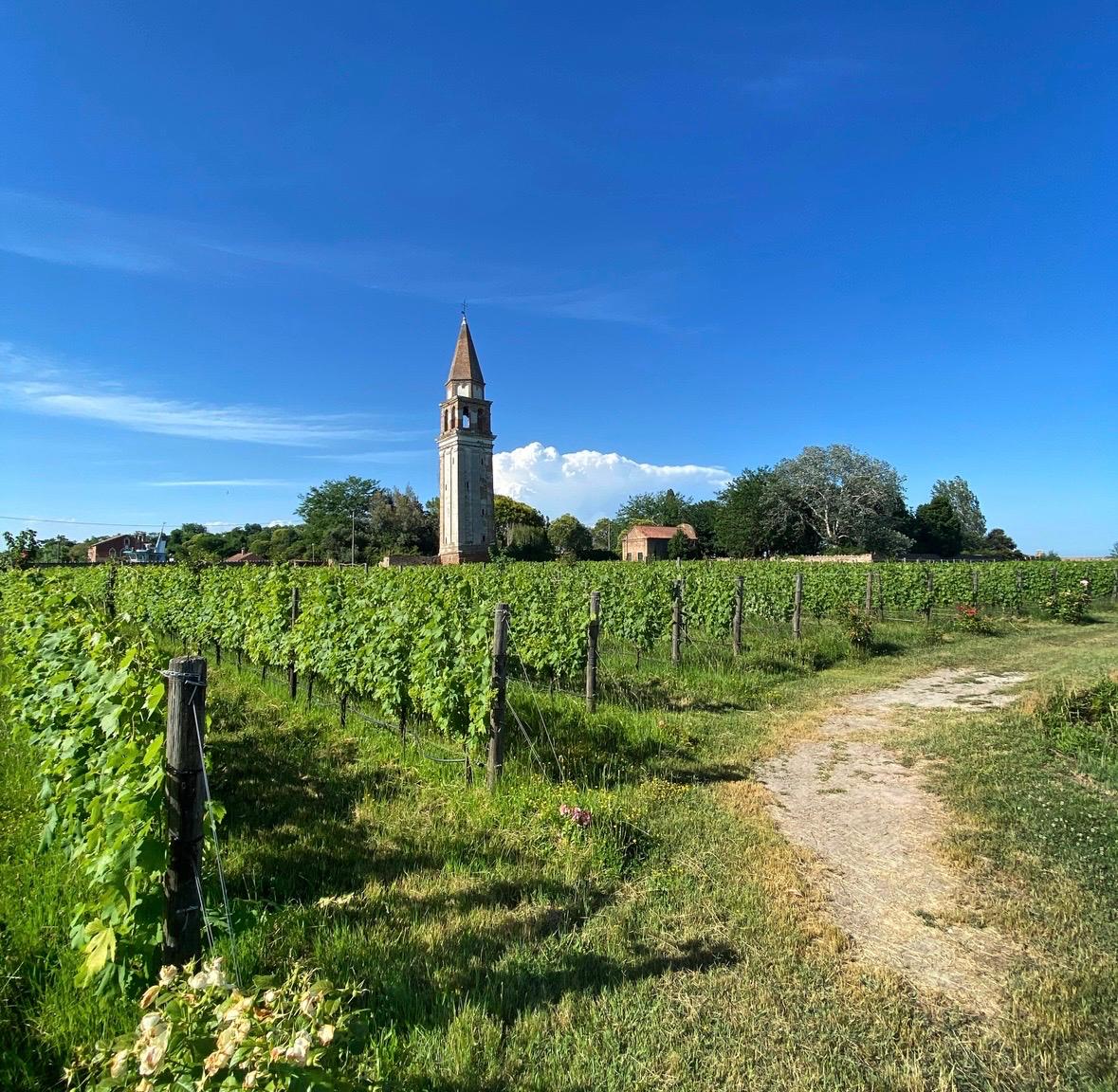
Today Mazzorbo has perhaps 300 permanent residents living in scattered houses across the island. It maintains working vineyards producing Dorona wine (an ancient Venetian variety nearly extinct elsewhere), vegetable gardens supplying Venice markets, and agricultural identity completely unlike tourist-oriented Murano and Burano.
Why Tourists Don’t Visit:
There’s nothing obviously “to see” in the way Murano has glass factories or Burano has colorful houses. Mazzorbo doesn’t offer shopping, doesn’t provide clear tourist attractions, doesn’t appear in guidebooks prominently, and doesn’t photograph with the instant Instagram appeal that drives contemporary tourism.
The island requires different appreciation — it rewards walking without destination, observing agricultural landscapes, experiencing lagoon atmosphere without tourist infrastructure. This appeals to specific travelers while completely boring others who need obvious attractions and activities.
The vaporetto stop creates logistical confusion. Some boats stop at Mazzorbo before continuing to Burano. Others skip Mazzorbo entirely. Tourists uncertain about which boat stops where often default to Burano (which every boat serves) rather than risking confusion about Mazzorbo access.
What Makes Mazzorbo Genuinely Beautiful
Understanding Mazzorbo’s specific appeal helps determine whether it serves your interests or whether famous islands provide superior experiences for your preferences.
The Agricultural Landscape:
Mazzorbo maintains working vineyards and vegetable gardens that give the island completely different character from Venice’s urban density or Murano and Burano’s tourist-oriented economies.
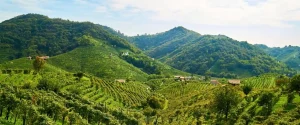
The vineyards produce Dorona di Venezia — an ancient white grape variety that was cultivated throughout the Venetian lagoon for centuries before phylloxera devastation and urbanization nearly eliminated it. The Venissa estate (combined vineyard, restaurant, and small hotel) has revived Dorona production, creating limited-production wine that wine enthusiasts specifically seek.
Walking through the vineyards — which you can do freely on public paths — provides lagoon experience completely unavailable in Venice proper. The rows of vines, the agricultural structures, the sense of productive land use rather than pure preservation or tourism creates connection to how the lagoon islands functioned historically before depopulation transformed them.
The vegetable gardens visible throughout the island supply Venice’s markets, maintaining economic relationship with the city that predates tourism by centuries. This working agricultural identity means Mazzorbo feels alive rather than museum-preserved or tourist-performed.
The Architectural Remnants:
Santa Caterina church — the island’s principal surviving church — sits in quiet campo surrounded by old houses. The church remains consecrated and occasionally hosts services, but it’s typically empty and open for silent contemplation in ways that Venice’s famous churches never are.
The architecture is simple, unadorned, and beautiful precisely because it wasn’t built for pilgrims or tourists. This is vernacular Venetian architecture — how normal lagoon communities built for themselves rather than to impress visitors.
Scattered throughout the island are partial ruins, abandoned buildings, and architectural fragments showing Mazzorbo’s more populated past. These aren’t maintained tourist attractions — they’re simply present, slowly deteriorating, creating melancholy beauty that photographers and architecture enthusiasts find compelling.
The Lagoon Atmosphere:
Mazzorbo provides the cleanest expression of lagoon environment that Venice-based visitors can easily access. The northern lagoon views from Mazzorbo’s perimeter paths show endless water, distant islands, aquaculture structures, and the interplay between land and sea that defines the entire region.
The light and sky appear differently on Mazzorbo than in Venice. The open vistas, the reflected water light, the unobstructed horizon create atmospheric conditions that painters and photographers specifically seek. Turner and Monet painted the Venetian lagoon obsessively — Mazzorbo provides the environment they were depicting.
The silence and emptiness contrast dramatically with Venice’s constant crowds and Burano’s tourist bustle. On Mazzorbo, you hear wind, water lapping, birds, agricultural sounds. The absence of tourist noise allows experiencing the lagoon on its own terms rather than as backdrop for human activity.
The Seasonal Changes:
Unlike Venice’s consistent stone architecture, Mazzorbo transforms seasonally through agricultural cycles:
Spring: Vines leafing out, vegetable gardens planted, wildflowers blooming along paths Summer: Full vineyard canopy, maximum green vegetation, long days allowing extended exploration Autumn: Grape harvest visible, autumn colors transforming landscape, atmospheric fog creating moody beauty Winter: Bare vines revealing landscape structure, stark beauty, absolute emptiness
This seasonal variation means Mazzorbo rewards multiple visits across different times whereas Venice’s architectural beauty remains relatively constant year-round.
How Mazzorbo Compares to Famous Lagoon Islands
Understanding what different islands provide helps determine which serve your specific interests and available time.
Murano: The Glass Island
What Murano offers:
- Glass factory demonstrations and shopping
- Glass museum documenting centuries of production
- Several notable churches (San Pietro Martire, Santa Maria e Donato)
- Restaurants and tourist infrastructure
- Clear activities and “things to do”
How it differs from Mazzorbo: Murano is tourist destination with developed infrastructure. You go there to DO things (watch glass blowing, shop, visit museum). Mazzorbo has nothing specific to “do” — you go to BE there, to walk, to observe, to experience atmosphere.
Who should visit Murano: Everyone visiting Venice at least once. The glass tradition is genuinely significant, the demonstrations are fascinating even to non-shoppers, and the island provides lagoon context that Venice-only visitors miss.
Burano: The Colored Houses Island
What Burano offers:
- Instagram-famous colorful house facades
- Lace tradition and museum
- Extremely photogenic canals and architecture
- Seafood restaurants
- Clear visual appeal requiring no special knowledge to appreciate
How it differs from Mazzorbo: Burano delivers instant gratification through visual beauty requiring no interpretation. Walk off the vaporetto, see beautiful colors, take photos, feel satisfied. Mazzorbo requires slower appreciation, willingness to wander, and interest in subtle beauty versus obvious spectacle.
Who should visit Burano: Nearly everyone visiting the lagoon. The visual appeal justifies the vaporetto ride even for tourists with limited time. The photographic opportunities alone make most visitors happy.
Torcello: The Historical Island
What Torcello offers:
- Byzantine cathedral with extraordinary mosaics
- Historical significance as original lagoon settlement
- Hemingway associations and literary history
- Nearly complete emptiness — permanent population under 15
- Museum documenting lagoon history
How it differs from Mazzorbo: Torcello provides specific cultural/historical attractions — the cathedral is genuinely extraordinary and worth seeing. Mazzorbo lacks equivalent “must-see” draws. Torcello is completely empty like Mazzorbo, but the cathedral and history give the emptiness specific purpose versus Mazzorbo’s agricultural ambience.
Who should visit Torcello: Art history enthusiasts who care about Byzantine mosaics, travelers interested in Venice’s origins, visitors wanting maximum emptiness and atmospheric isolation.
Mazzorbo: The Agricultural Secret
What Mazzorbo offers:
- Working agricultural landscape rare in lagoon
- Architectural authenticity without tourist performance
- Profound emptiness despite being steps from tourist-crowded Burano
- Seasonal variation through farming cycles
- Wine production at Venissa estate
Who should visit Mazzorbo: Travelers who value atmosphere over attractions, photographers seeking non-obvious beauty, wine enthusiasts interested in Dorona production, visitors wanting to understand working lagoon versus tourist lagoon, people specifically seeking emptiness and quiet.
Who should skip Mazzorbo: Tourists wanting obvious attractions and clear activities, visitors uncomfortable with unstructured wandering, travelers with limited lagoon time better spent on islands with specific draws.
What You Actually Do on Mazzorbo (The Honest Experience)
Understanding realistic Mazzorbo visits prevents disappointment from expecting activities or infrastructure that don’t exist.
The Typical Visit Structure:
Arrival via vaporetto (either stopping directly at Mazzorbo or continuing to Burano and walking back across the footbridge). The vaporetto stop sits at the island’s edge with no obvious signage directing you anywhere specific — you simply start walking.
Wandering the perimeter paths that circle the island following the waterfront. These aren’t maintained tourist paths — they’re simply walkways residents use and which remain publicly accessible. You’ll pass:
- Vineyard rows where Dorona grapes grow
- Vegetable gardens with seasonal plantings
- Old houses in various states of maintenance
- Views across northern lagoon toward distant islands
- Occasional boats moored at private docks
- Architectural fragments and partial ruins
Visiting Santa Caterina church if it’s open (hours are unpredictable — sometimes open for Mass, sometimes locked, sometimes accessible during afternoon hours). The interior is simple, undecorated, and beautiful precisely for its plainness.
Possible lunch at Venissa (the estate restaurant) if reservations secured in advance and budget accommodates premium pricing. The restaurant emphasizes lagoon ingredients and Venetian traditions with Michelin-recognized quality and prices matching that recognition.
Walking to Burano across the footbridge to see the colored houses if you haven’t already visited, or returning to the vaporetto for departure.
Total time required: 45 minutes minimum for quick perimeter walk, 2-3 hours for leisurely exploration including possible meal.
What You Won’t Find:
Tourist infrastructure — no visitor center, no map stands, no guided tours, no obvious attractions with entrance fees and hours Shopping — no souvenir stands, no artisan workshops, no retail beyond the Venissa wine available at their estate Crowds — you might encounter a dozen people total during multi-hour visit, often fewer Signage — no directional signs, interpretive plaques, or tourism information explaining what you’re seeing Guaranteed access — church hours vary, Venissa requires reservations, paths might be muddy after rain
Who Mazzorbo Actually Serves (Be Honest About Your Interests)
Understanding who leaves Mazzorbo thrilled versus disappointed helps determine whether including it serves your Venice trip.
Mazzorbo Excels For:
Photographers seeking non-obvious beauty — the agricultural landscapes, architectural ruins, lagoon vistas provide visual material that famous islands’ tourist crowds make difficult to capture cleanly.
Travelers specifically interested in wine — Dorona production is genuinely significant for wine enthusiasts who value rare varietals and historical viticultural recovery.
Visitors wanting profound quiet — Mazzorbo delivers emptiness that even Torcello struggles to match during peak tourist season when cathedral visitors arrive.
People who value atmosphere over attractions — if you’re comfortable wandering without specific destination or activity, Mazzorbo rewards that approach beautifully.
Return Venice visitors seeking fresh lagoon experiences beyond the famous islands covered during previous trips.
Contemplative travelers who specifically seek spaces for reflection, meditation, or simply being present without tourist infrastructure demanding attention.
Mazzorbo Disappoints:
First-time lagoon visitors with limited time who should prioritize Murano and Burano’s clearer attractions and more obvious appeal.
Travelers needing structured activities — if wandering without specific purpose bores you, Mazzorbo provides nothing to “do” in ways that satisfy activity-oriented tourists.
Families with children — kids get bored quickly without playgrounds, gelato stands, or obvious entertainment that famous islands provide.
Instagram-focused visitors prioritizing dramatic photographic backdrops — Mazzorbo’s beauty is subtle, requiring photographer’s eye to capture versus Burano’s instant visual appeal.
Tourists uncomfortable with emptiness — the isolation and lack of other people creates anxiety for some visitors rather than peaceful appreciation.
How to Actually Visit Mazzorbo From Venice
Understanding logistics prevents confusion and wasted time during already-limited Venice days.
Vaporetto Access:
Line 12 serves Mazzorbo from Venice (Fondamente Nove stop) continuing to Murano, Mazzorbo, Burano, and Torcello. The journey takes roughly 40 minutes from Fondamente Nove to Mazzorbo depending on specific stops.
Check vaporetto schedules carefully — not every Line 12 boat stops at Mazzorbo. Some skip directly from Murano to Burano. The schedules posted at vaporetto stops and available online specify which trips include Mazzorbo service.
Multi-day vaporetto passes make lagoon exploration economical — unlimited travel allows visiting multiple islands without per-trip ticket costs adding up.
The Visit Sequencing:
Option A: Mazzorbo First, Then Burano Take vaporetto to Mazzorbo, explore the quiet island first, walk across footbridge to Burano for lunch and colored houses, return via vaporetto from Burano.
Advantage: Experience Mazzorbo’s emptiness before the contrast with Burano’s tourist crowds makes the difference more stark.
Option B: Burano First, Then Mazzorbo Visit Burano for the obvious attractions, walk across footbridge to decompress on quiet Mazzorbo, depart via vaporetto from Mazzorbo if service allows or return to Burano stop.
Advantage: Satisfies the Instagram/shopping desires on Burano, then provides peaceful conclusion on Mazzorbo.
Option C: Multi-Island Circuit Venice → Murano (glass) → Mazzorbo (agriculture/quiet) → Burano (colors) → Torcello (cathedral) → return Venice. This requires full day and substantial vaporetto time but provides comprehensive lagoon experience.
Advantage: Complete lagoon understanding showing different island characters and historical functions.
Timing Considerations:
Early morning visits (arriving before 10 AM) guarantee maximum emptiness even during peak tourist season.
Late afternoon visits (after 4 PM) benefit from beautiful light, fewer Burano crowds, and atmospheric quality as day transitions to evening.
Avoiding midday (11 AM-2 PM) makes sense because Venissa restaurant (if that interests you) requires advance lunch reservations anyway, and harsh midday light reduces photographic quality.
Should You Actually Visit Mazzorbo? The Decision Framework
Stop wondering whether Mazzorbo “should” be included. Answer these questions honestly and the decision becomes clear:
Question 1: Have you already covered the famous lagoon islands?
If no → Visit Murano and Burano first. They provide clearer lagoon introduction. If yes → Mazzorbo offers fresh perspective for return lagoon visitors.
Question 2: Do you value atmosphere over attractions?
If you need specific things to “do” → Mazzorbo will bore you. If you appreciate wandering and ambience → Mazzorbo rewards that approach.
Question 3: Are you interested in wine or agriculture?
If Dorona wine or lagoon agriculture fascinate you → Mazzorbo provides unique access. If wine and farming don’t particularly interest you → The island’s primary appeal vanishes.
Question 4: How much lagoon time do you have?
Half day total → Stick to Murano and/or Burano. Full day → Mazzorbo fits as component of comprehensive circuit. Multiple days → Mazzorbo plus all major islands becomes viable.
Question 5: Are you comfortable with complete emptiness?
If isolation creates anxiety → The famous islands serve you better. If quiet and emptiness feel peaceful → Mazzorbo delivers this perfectly.
If your answers align with Mazzorbo’s strengths → Visit confidently. If multiple answers suggest skip → Don’t force it just because it’s “hidden.”
Contact Us for Lagoon Experience Planning
Whether you’re certain Mazzorbo fits your lagoon exploration or uncertain what islands deserve your limited time, contact us for honest consultation revealing what actually serves you.
We’ll assess:
- Your lagoon interests and whether famous islands suffice
- Available time and how many islands fit realistically
- Photography, wine, architecture, or atmospheric priorities
- First-time versus return visitor status
- Comfort with unstructured wandering versus need for clear activities
Then we’ll design lagoon itinerary matching your reality — sometimes including Mazzorbo, often focusing on famous islands, occasionally suggesting Venice depth serves you better than lagoon exploration at all.
Our goal is satisfaction — which means honest assessment rather than selling hidden destinations for their own sake.
Plan Your Complete Venice and Lagoon Experience
For Venice foundation: Private walking tours and skip-the-line museum access ensure Venice receives attention before lagoon additions.
For vaporetto logistics: Multi-day passes make lagoon exploration economical without per-trip ticket stress.
For comprehensive lagoon context: Understanding how the lagoon functions helps appreciate why islands like Mazzorbo matter beyond simple tourism.
For food culture: Market tours and cooking classes complement lagoon agricultural understanding.
For realistic timeline: Understanding how many days you need reveals whether lagoon explorations fit without sacrificing Venice essentials.
Mazzorbo Is Genuinely Beautiful — But Whether You Should Visit Depends Entirely on Your Specific Interests and Available Time
After 28 years guiding visitors throughout the Venetian Lagoon and being featured by Rick Steves, NBC, and US Today, I know that Mazzorbo serves specific travelers exceptionally (photographers, wine enthusiasts, atmosphere seekers, return visitors) while boring others who’d find greater satisfaction in the famous islands’ obvious attractions. The agricultural landscape is quietly spectacular. The emptiness is profound. The authenticity is genuine. But “worth visiting” requires honest assessment of whether subtle beauty and working landscape interest you more than glass factories and colored houses. Contact us. We’ll help you decide based on your actual interests rather than generic claims about hidden gems. Let’s figure out what genuinely enhances your lagoon understanding.
Contact us for honest lagoon planning — helping you decide whether Mazzorbo fits or what alternatives actually serve you better.
Frequently Asked Questions
Can we have lunch on Mazzorbo, or should we eat in Burano?
Mazzorbo has one notable restaurant — Venissa — which combines Michelin-recognized cuisine with the Dorona vineyard estate. The food emphasizes lagoon ingredients and Venetian traditions, the wine list features their own Dorona production, and the experience is genuinely special for food enthusiasts. However, Venissa requires advance reservations (often weeks ahead during peak season), charges premium prices reflecting the quality, and operates more as destination dining than casual lunch. If you’re serious food and wine enthusiast willing to plan ahead and invest accordingly, Venissa justifies building your Mazzorbo visit around the meal. For everyone else, eating in Burano makes more sense — dozens of restaurants at various price points, no reservations required, more casual atmosphere. The Burano restaurants serve perfectly good seafood without the formality or expense that Venissa demands.
Is Mazzorbo safe to walk around, or are there restricted areas?
Mazzorbo is completely safe and the perimeter paths circling the island are publicly accessible. You’re free to walk anywhere that isn’t obviously private property (residential yards, the Venissa vineyard interior unless you’re dining there). The island has no crime concerns, no dangerous areas, no places where tourists shouldn’t venture. The main “risks” are muddy paths after rain, uneven surfaces requiring attention to footing, and the fact that you might be completely alone in some areas without other people visible if you needed help for some reason. But these are minor practical considerations rather than actual safety concerns. The island is quiet, empty, and safe. The lack of tourist infrastructure means no one is watching over you the way developed attractions do, but this creates freedom rather than danger.
How does Mazzorbo compare to Sant’Erasmo for agricultural lagoon experience?
Sant’Erasmo is Venice’s primary market garden island — much larger than Mazzorbo, heavily agricultural, producing vegetables that supply Venice’s markets. It’s authentically agricultural versus tourist-oriented, has working farms rather than single boutique vineyard, and is genuinely off the tourist circuit. However, Sant’Erasmo requires more time to visit (longer vaporetto journey, larger island needing bicycle or walking significant distances), has even less infrastructure than Mazzorbo (one restaurant, basic services), and demands more commitment for less immediate visual payoff. Mazzorbo provides agricultural lagoon experience in accessible, manageable package — you can walk the entire island in 30 minutes, it connects directly to tourist-friendly Burano, and the Venissa vineyard creates specific focus that Sant’Erasmo’s dispersed vegetable farming lacks. For most visitors, Mazzorbo delivers agricultural atmosphere without the logistical challenges that Sant’Erasmo requires. Sant’Erasmo serves serious lagoon enthusiasts wanting complete authenticity regardless of inconvenience.