
“Money is no object. What’s the most extraordinary, exclusive, luxurious experience Venice can provide?”
This question arrives occasionally from travelers who’ve already done standard luxury travel — five-star hotels in major cities, Michelin restaurants across Europe, first-class everything as default — and want to know what defines true luxury specifically in Venice beyond simply expensive accommodations and fine dining.
The honest answer requires redefining what “luxury” actually means in Venetian context.
After 28 years organizing experiences for everyone from budget backpackers to ultra-high-net-worth individuals, watching what actually satisfies people versus what expensive marketing promises, I know that Venice’s most luxurious experiences aren’t always the most expensive ones, and the highest prices don’t guarantee the most meaningful exclusivity.
True luxury in Venice — the kind that money can buy but which requires more than money to access — combines exclusivity, expertise, insider access, and experiences that can’t be replicated regardless of budget in other circumstances. It’s about what’s genuinely rare and irreplaceable, not simply what costs most.
This is the completely honest assessment — what constitutes real luxury in Venice versus expensive tourism, which experiences deliver genuine exclusivity, what money can and cannot buy, and how to approach luxury Venice experiences in ways that create lasting memories rather than simply expensive receipts.
Understanding what you’re actually seeking determines whether luxury spending delivers satisfaction.
Redefining Luxury: What Venice’s True Exclusivity Actually Means
Before pursuing luxury experiences, understanding what makes something genuinely exclusive in Venice prevents buying expensive versions of experiences available everywhere.
What Luxury ISN’T in Venice:
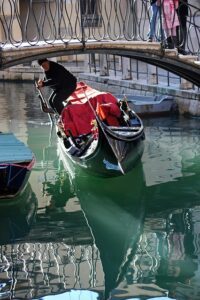
Simply expensive isn’t luxury. A €500 hotel room in generic international chain, a €200 meal of uninspired food in beautiful setting, a €1,000 private gondola ride that’s identical to the €90 version except for champagne — these represent expensive tourism, not genuine luxury.
The five-star hotel paradox: Venice’s best hotels (Gritti Palace, Aman, Cipriani) provide exceptional service and beautiful accommodations. But the actual room experience — sleeping in a bed, showering, watching TV — differs only marginally from good four-star alternatives at half the cost. The luxury is mostly about location, service, and prestige signaling rather than transformative experience.
Michelin-starred dining is excellent in Venice (Quadri, Glam, Da Fiore, others), but Michelin stars don’t inherently create more meaningful experiences than exceptional meals at traditional osterie that happen to lack stars but excel at specific Venetian dishes prepared with equal skill.
What Luxury ACTUALLY Is in Venice:
Access to what money alone can’t buy: Private viewings of non-public art collections. After-hours access to normally-closed buildings. Relationships with artisans who don’t accept commissions from strangers. Knowledge and context that transforms beautiful objects from visual stimuli into comprehensible cultural achievements.
Expertise that creates understanding: Scholars who’ve spent careers studying Venetian Renaissance painting explaining what you’re seeing at the Accademia. Architectural historians revealing the political meanings embedded in palace facades. Local historians connecting contemporary Venice to thousand-year continuities invisible to casual observers.
Time without constraints: The luxury of spending four hours at a single museum because the guide’s expertise makes every room fascinating, versus rushing through in 90 minutes because that’s what the schedule allows. The ability to linger at lunch for three hours because the conversation and wine are exceptional. Freedom from the tyranny of efficient tourism.
Customization and flexibility: Experiences designed entirely around your specific interests, schedule, and preferences rather than forced into predetermined packages. The ability to change plans spontaneously because weather suggests different activity or you’ve discovered interest requiring deeper exploration.
Genuine rarity: Experiences that can’t be replicated — the artisan who makes one mask per week refusing all other commissions, the palazzo owner who opens private family chapel to small group once monthly, the archived manuscripts that scholars study but tourists never access.
The Accommodation Question: Where Luxury Actually Matters
Hotels represent where most luxury travelers start, requiring honest assessment of where spending premium delivers value versus prestige theater.
The Genuinely Luxurious Venice Hotels:
Aman Venice (Palazzo Papadopoli): Contemporary luxury in 16th-century palazzo on Grand Canal. Small (24 rooms), obsessively detailed, service that anticipates needs without being intrusive. The luxury isn’t simply opulence — it’s the feeling that the entire palazzo exists for your comfort.
Gritti Palace: Hemingway stayed here. The Grand Canal terraces provide spectacular views. The historical atmosphere combined with modern luxury creates genuinely special environment versus generic luxury hotels that could exist anywhere.
Hotel Cipriani (Giudecca island): The private garden, the pool (extremely rare in Venice), the complete separation from tourist Venice via private boat transfers. The luxury is the oasis quality — being in Venice but removed from its intensity.
Ca’ Sagredo (Grand Canal): Smaller luxury hotel in 15th-century palazzo with private art collection including Tiepolo ceiling frescoes. The luxury is sleeping in museum-quality historical environment versus sterile contemporary luxury.
What Actually Justifies Premium Hotel Costs:
Location premium: Grand Canal views, private water gates, proximity to attractions without being overwhelmed by tourist crowds. Geography you can’t replicate at any price elsewhere.
Historical authenticity: Genuine palazzi with centuries of history, original architectural details, period furnishings. You’re experiencing Venice’s aristocratic past rather than sleeping in modern building regardless of service quality.
Service that solves problems: Concierges who can arrange genuinely exclusive access (private museum viewings, artisan meetings, restaurant reservations at fully-booked establishments) versus those who simply Google information you could find yourself.
Privacy and exclusivity: Small hotels (under 50 rooms) where you’re not navigating crowds in lobbies, where staff know your name, where the experience feels personal rather than industrial.
Where Hotel Spending Doesn’t Deliver Equivalent Value:
Generic luxury chains (even five-star ones) that happen to have Venice locations. The service is excellent, but you’re buying brand consistency rather than specifically Venetian exclusivity.
Size over intimacy: Large hotels with hundreds of rooms operate like efficient machines. The service is professional, but you’re customer number rather than individual guest whose preferences matter.
Location without character: Beautiful modern hotels in former industrial buildings or contemporary construction. You’re paying luxury prices for comfortable but generic spaces that don’t connect to Venice’s historical identity.
The honest assessment: If budget allows €800-1,500+ per night, stay at Aman, Gritti, Cipriani, or similar small luxury palazzo hotels where the premium buys genuinely distinctive Venice experience. If budget requires choosing between 3 nights at luxury hotel versus 5 nights at excellent four-star option, the additional nights allow more experiences and deeper exploration that often creates more satisfaction than two nights of five-star accommodation.
The Dining Dimension: Where Gastronomy Meets Exclusivity
Venice dining luxury extends beyond Michelin stars into territory where money, connections, and expertise create experiences unavailable through normal restaurant reservations.
The Private Dining Experiences:
Chef’s table at Michelin-starred restaurants (Quadri, Glam) where you’re seated in kitchen observing preparation, tasting courses as they’re completed, engaging directly with chef about techniques and ingredients. This isn’t simply eating Michelin food — it’s understanding how it’s created.
Private dinners at palazzo hotels or rented historical venues. Ca’ Sagredo arranges private dinners in their Tiepolo ceiling room. Other palazzi offer similar exclusive use for groups willing to pay premium. You’re not just eating excellent food — you’re dining in Renaissance palace that’s yours for the evening.
Dining at private homes with Venetian families (arranged through exclusive services, not widely advertised). The luxury isn’t Michelin-level food (though it’s excellent home cooking) — it’s access to private homes, conversations with Venetians about their lives, seeing how historical apartments function as residences rather than museums.
The Market-to-Table Experiences:
Private early-morning Rialto Market tours with professional chef who selects ingredients, explains seasonal products, negotiates with vendors in Venetian dialect, then prepares multi-course meal using everything purchased. The luxury is expertise that transforms market shopping from observation to education to consumption in single integrated experience.
Cooking classes with master chefs in their private kitchens or restaurants during non-service hours. Small groups (2-4 people maximum) learning specific techniques, preparing complete traditional Venetian meal, then eating what you’ve created paired with exceptional wine. The luxury is personalized instruction at professional level rather than tourist-class cooking demonstration.
The Wine Dimension:
Private sommelier-guided tours to Prosecco Hills visiting small producers who don’t accept random visitors, tasting wines unavailable commercially, understanding terroir and production methods at depth impossible in standard wine tourism. The luxury is access to producers and wines that money alone can’t buy without proper introductions and context.
Vertical tastings of historic Amarone vintages (from Valpolicella region near Verona) with wines dating back 30-50 years, arranged through specialist importers or collectors willing to open exceptional bottles for serious enthusiasts. The luxury is experiencing wines that can’t be purchased at any price because they exist only in private collections.
What Dining Luxury Actually Delivers:
Not simply better food (though quality matters). It’s the combination of: exceptional ingredients prepared by skilled hands, contexts that can’t be replicated (private palazzo dining, chef’s kitchen instruction, producer vineyard visits), expertise that creates understanding beyond consumption, and time freed from constraints allowing experiences to unfold naturally rather than being rushed.
The honest limitation: Even unlimited budget can’t buy some experiences without proper timing, relationships, or circumstances. The family that opens their home for dinner does so occasionally and selectively. The small winemaker who’s fully allocated doesn’t magically create extra bottles because you’re wealthy. The artisan who’s booked for years won’t cancel existing commissions. Some luxury requires patience, relationships, and timing beyond money’s reach.
The Private Access Experiences: Art, Architecture, and Insider Venice
True luxury in Venice often manifests as access to spaces, collections, and expertise normally unavailable regardless of public ticket pricing.
After-Hours Museum Access:
Private viewings of Doge’s Palace, Accademia, or other major museums outside public hours. Arranged through high-level connections and substantial fees, these provide experience of major collections without crowds, with expert guidance, with time to contemplate works rather than fighting tourist flows.
The luxury isn’t simply avoiding lines (skip-the-line tickets accomplish that). It’s having entire museum essentially to yourself, with scholar explaining specific works in depth, with ability to return to favorite pieces, with silence and space that normal museum visits never provide.
Non-Public Palace Access:
Private palazzi throughout Venice maintain extraordinary art collections, architectural details, and historical significance — but they’re family residences or institutional buildings not open to general public.
Arranged through specialist cultural organizations or direct palazzo owner relationships, small private tours visit these spaces showing Venice that tourists never access: family libraries with centuries of books and manuscripts, private chapels with commissioned frescoes, courtyards and gardens invisible from public streets, art collections assembled over generations.
The luxury is seeing how Venice’s aristocratic and cultural heritage continues in living buildings rather than just museums, understanding the city as continuously inhabited rather than historical theme park.
Artisan Workshop Private Access:
Venetian crafts — glass on Murano, lace on Burano, gondola construction, bookbinding, marbled paper, mask-making at master level — represent living traditions maintained by small numbers of skilled artisans.
Most workshops don’t accept casual visitors. Public demonstrations exist for tourists, but master artisans working on significant commissions rarely allow interruption.
Arranged through proper introductions and demonstrated serious interest, private workshop visits allow: watching master glassblowers creating museum-quality pieces, understanding lace techniques requiring years to master, seeing gondola construction from raw wood to finished boat, learning bookbinding methods unchanged for centuries.
The luxury is time with experts willing to explain their craft in depth, access to workshops during actual production rather than tourist demonstrations, and sometimes opportunity to commission bespoke pieces.
Scholarly Expertise:
Professional art historians, architectural scholars, or specialist guides with PhD-level knowledge spending full days providing context that transforms visual beauty into comprehensible artistic and historical achievement.
The difference between good licensed guide and world-class scholar: Good guides explain what you’re seeing competently. Scholars reveal layers of meaning, historical context, artistic techniques, political implications, and cultural connections that transform observation into genuine understanding.
The luxury is expertise that can’t be purchased as commodity — scholars command their fees based on decades of study and research, and their availability is limited by professional commitments that don’t allow full-time guiding.
The Transportation Luxury: Beyond Standard Vaporetti
Venice’s water-based transportation creates specific luxury opportunities unavailable in normal cities.
Private Water Taxis: The Baseline Luxury
Standard private water taxis provide point-to-point transportation without vaporetto waits or crowds. Expensive relative to public transport (€100-150 airport to Venice versus €15 public alternatives), but the luxury is minor — simply faster and more convenient.
Vintage Wooden Boats: Aesthetic Luxury
Riva motorboats and other classic wooden speedboats from 1950s-1960s provide Grand Canal tours combining transportation with style. These aren’t faster or more comfortable than modern boats, but the aesthetic appeal and historical associations create different experience.
The luxury is beauty and nostalgia rather than function — arriving at restaurant or hotel in gleaming wooden speedboat versus anonymous modern water taxi.
Private Sailing Yacht: The Lagoon Experience
Traditional Venetian sailing boats (bragozzo, trabaccolo) or modern luxury sailboats exploring the lagoon beyond Venice itself.
Full-day or multi-day experiences visiting remote lagoon islands, anchoring in quiet channels, experiencing Venice’s maritime context rather than just the city. Gourmet meals prepared on board, swimming in lagoon during summer, sunset aperitivo while sailing.
The luxury is experiencing the lagoon environment that made Venice possible, understanding the city’s geographic context through actual navigation rather than simply land-based tourism.
What Transportation Luxury Actually Provides:
Not simply getting from place to place faster (though efficiency has value). It’s the experience of Venice’s water culture through beautiful historic boats, the exploration of lagoon geography inaccessible via standard tourism, the integration of transportation into enjoyable experience rather than treating it as logistical necessity.
What We Actually Arrange: The Reality of Luxury Organization
When ultra-high-net-worth clients contact us for comprehensive luxury Venice experiences, here’s what we actually organize versus what marketing promises:
The Initial Consultation:
Understanding actual interests versus generic luxury requests. Some clients want maximum exclusivity and insider access, willing to invest time and money accordingly. Others want comfortable five-star experience without the complexity that true exclusivity sometimes requires.
Realistic timeline and budget assessment. Some luxury experiences require months of advance planning and relationship-building. Some can’t be purchased at any price without proper timing. We’re honest about what’s achievable versus impossible.
What We Can Arrange:
Accommodation at Venice’s best hotels with upgrades, special amenities, and concierge relationships that solve problems.
Private museum viewings, palace access, and after-hours experiences through institutional relationships and proper channels requiring advance coordination.
Master artisan workshops, private collections, and insider access through decades of local connections and demonstrated respect for crafts and privacy.
Comprehensive private guided experiences with the city’s best scholars and specialists whose expertise creates understanding beyond surface beauty.
Gourmet dining experiences including chef’s tables, private dinners at historical venues, market-to-table experiences with professional chefs.
Regional luxury experiences — Prosecco Hills with exceptional wine access, Motor Valley automotive experiences, Dolomites helicopter tours, comprehensive Northern Italy luxury itineraries.
What We Cannot Guarantee:
Some experiences depend on circumstances beyond our control: The palazzo owner who opens their home monthly might be traveling during your visit. The master artisan who accepts one commission quarterly might be fully booked. The scholar you want might have academic commitments preventing guiding.
We maximize probability of access through proper planning and relationships, but some luxury requires flexibility and acceptance that alternatives might be necessary.
The Honest Assessment:
True luxury in Venice requires more than money. It requires: Time for proper planning and coordination. Flexibility allowing experiences to happen when they’re available rather than demanding rigid schedule. Relationships and introductions that money can’t simply purchase. Genuine interest and respect for culture, crafts, and expertise rather than simply collecting expensive experiences.
Clients who approach luxury this way receive extraordinary Venice experiences that money alone couldn’t buy. Those expecting that unlimited budget guarantees everything regardless of timing, relationships, or circumstances sometimes discover Venice’s best luxuries resist pure commodification.
The Ultimate Luxury: What Money Actually Can’t Buy
Understanding luxury’s limits prevents disappointment and reveals what genuinely creates meaningful experiences.
What No Amount of Money Provides:
Time to develop genuine Venice understanding. A week of intensive luxury experiences provides more depth than typical tourism, but Venice scholars spend careers studying the city. True expertise can’t be purchased as commodity — it’s developed through sustained engagement.
Integration into Venetian community. Private palazzo dinners with families create memorable evenings, but you’re guest rather than community member regardless of expense. The social fabric binding Venetians through generations remains inaccessible to wealthy visitors.
Perfect weather and circumstances. Acqua alta floods luxury hotels exactly as it floods budget ones. Rain affects exclusive experiences as it affects standard tourism. Venice’s physical realities don’t defer to money.
Guaranteed access to everything. Some artisans accept so few commissions that years-long waitlists exist. Some palazzi never open to visitors regardless of offered payments. Some collections remain genuinely private. Money creates opportunities but doesn’t eliminate all restrictions.
What Creates Genuine Luxury Experience:
Knowledge and context transforming beautiful objects into comprehensible achievements. The scholar’s expertise, the artisan’s explanation, the historian’s connections between past and present.
Time without pressure allowing experiences to unfold naturally rather than being rushed through schedule. The three-hour lunch, the full-day museum visit with single expert, the flexibility to return to favorite discovery.
Access combining money with relationships — the proper introductions, the demonstrated respect for culture and craft, the understanding that some access requires earning trust beyond simply offering payment.
Customization reflecting your actual interests rather than generic luxury itinerary. The trip designed around your specific passions (Renaissance architecture, contemporary art, maritime history, culinary traditions) versus expensive version of standard Venice tourism.
Contact Us for Genuine Venice Luxury Experiences
If you’re seeking Venice’s true luxury — not simply expensive tourism but genuinely exclusive access, world-class expertise, and experiences money alone can’t fully buy — contact us for honest consultation about what’s achievable.
We’ll discuss:
- Your specific interests and what luxury means to you personally
- Realistic timelines for proper planning and coordination
- Which experiences require advance booking versus spontaneous availability
- Budget parameters and where spending creates genuine value
- What’s genuinely exclusive versus expensive versions of standard tourism
Then we’ll design comprehensive luxury Venice experience matching your reality — combining accommodation at exceptional hotels, insider access to normally-closed spaces, expertise from scholars and artisans, gourmet dining experiences, and private guided exploration creating understanding rather than just observation.
Our reputation with luxury clients depends on delivering genuine exclusivity rather than simply expensive experiences, creating satisfaction through access and expertise rather than just premium pricing.
Plan Your Luxury Venice Experience
For expert guidance: Private tours with scholar-level specialists provide expertise that transforms beautiful Venice into comprehensible achievement.
For insider access: Contact us directly about private museum viewings, palazzo visits, artisan workshops, and experiences requiring relationships beyond simple booking.
For culinary experiences: Market tours and cooking classes with professional chefs provide gourmet education rather than passive consumption.
For wine country luxury: Prosecco Hills experiences with exceptional producers and vertical tastings.
For comprehensive planning: Understanding how many days you need helps structure luxury experiences allowing proper depth.
True Venice Luxury Combines Money, Relationships, Expertise, and Time — Not Simply Expensive Versions of Standard Tourism
After 28 years organizing experiences from budget to ultra-luxury and being featured by Rick Steves, NBC, and US Today, I know that Venice’s most luxurious experiences aren’t always the most expensive, and the highest prices don’t guarantee the most meaningful exclusivity. Genuine luxury requires proper planning, established relationships, scholar-level expertise, and sometimes flexibility that rigid schedules prevent. But when executed properly — combining private access, world-class knowledge, gourmet experiences, and customization around your specific interests — Venice delivers luxury that money can buy but which requires more than money to access. Contact us. We’ll design genuine Venice luxury rather than simply expensive tourism. Let’s create extraordinary experiences matching your interests and investment.
Contact us for genuine luxury Venice planning — exclusivity through expertise and access rather than just premium pricing.
Frequently Asked Questions
How far in advance do I need to book luxury Venice experiences?
This varies dramatically by specific experience type. Standard luxury hotels accept reservations 6-12 months ahead and sometimes offer last-minute availability. Michelin restaurant reservations might require 1-3 months for popular dates. But genuine exclusivity — private museum viewings, palace access, master artisan workshops, scholar-guides with PhD expertise — often requires 3-6 months minimum planning because these depend on institutional approvals, individual schedules, and relationship coordination that can’t be rushed. The more exclusive and customized the experience, the more advance planning helps. If you’re contacting us one month before your trip expecting comprehensive luxury itinerary with maximum insider access, some experiences simply won’t be available regardless of budget. The sweet spot is 4-6 months advance planning allowing proper coordination while not requiring year-ahead commitment.
Is Venice luxury comparable to Paris, London, or other major cities?
Venice luxury operates differently from major metropolitan luxury markets. Paris, London, New York have extensive luxury infrastructure — dozens of five-star hotels, hundreds of Michelin restaurants, massive luxury shopping, established protocols for ultra-high-net-worth services. Venice is smaller scale — fewer luxury hotels, limited Michelin dining, shopping focused more on crafts than haute couture, and luxury more about historical/cultural access than contemporary opulence. Venice can’t compete with Paris for pure luxury shopping or London for Michelin density. But it offers access to Renaissance palazzi, master artisan traditions, historical collections, and cultural depth that those cities can’t match. The question isn’t whether Venice luxury is “as good” but whether Venice’s specific luxury offerings — history, art, craftsmanship, unique geography — interest you more than cosmopolitan luxury available in multiple cities worldwide.
Can unlimited budget guarantee I’ll see everything I want in Venice?
No. Some experiences have limitations beyond money’s reach: Physical capacity limits (private museum viewings accommodate small groups, not hundreds of people). Timing dependencies (artisan workshops open when the master is working, not on-demand). Privacy considerations (palazzo owners open homes occasionally and selectively, not constantly for any price). Relationship requirements (some access requires proper introductions and demonstrated seriousness, not simply payment). Scarcity and allocation (the Prosecco producer who’s fully sold-out doesn’t create extra wine because you’re wealthy). What unlimited budget DOES provide: Maximum probability of accessing desired experiences through proper planning and relationships. Ability to be flexible and patient while coordination happens. Resources to pay premium fees when access becomes available. But even billionaires occasionally hear “no” or “not available during your dates” for genuinely exclusive Venice experiences.