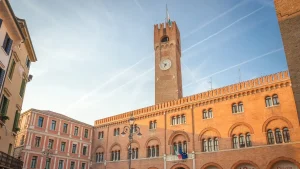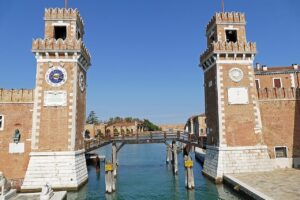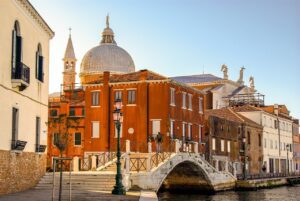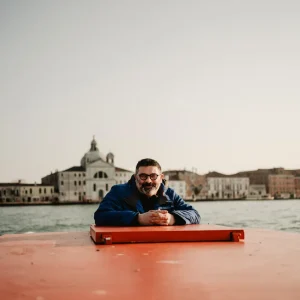
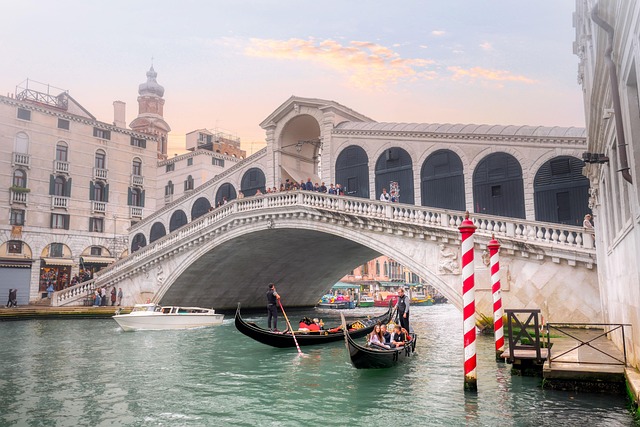
Ask a Venetian what winter feels like in the lagoon, and they’ll smile before they answer. Winter in Venice isn’t just a season; it is a mood, a rhythm, a way of moving through the city that only appears when the crowds thin and the mist returns. With the summer rush gone, Venice becomes delicate again—calm, reflective, and deeply authentic. This is when the city belongs to those who live here, and when visitors willing to slow down are rewarded with the most intimate version of Venice.
If you’ve ever wondered how Venetians spend an ordinary winter day, here is the truth: we take our time. We walk. We greet shopkeepers by name. We follow the fog, the light, the tides. Winter brings out the Venice that locals cherish—the Venice most travelers never see.
Here is what a typical winter day looks like through a local’s eyes, from quiet sunrise canals to warm bacari, artisan workshops, and sunset reflections over the lagoon.
Dawn: Venice in Its Purest Form
Venice wakes slowly in winter. The first sound is often the hum of a vaporetto engine echoing through the mist. Then the bells begin. If there is fog—and in December, January, and February there often is—the city appears blurred around the edges, as if sketched in watercolor.
Locals step outside wrapped in scarves, walking to work or school through empty calli. The canals are still. The air smells faintly of the sea. For many Venetians, this is the best moment of the entire day: a time to breathe, to think, to enjoy the city without noise.
Visitors rarely experience Venice this way on their own. But with a private guide, an early morning stroll becomes a revelation. Our Off-the-Beaten-Path Orientation Tour often begins in this light, when the city feels almost suspended in time.
Early Morning: Coffee, Pastries, and Daily Routines
Breakfast for Venetians is fast, simple, and at the counter. We stop at our favorite bar—not café, not coffee shop, but bar—and order a cappuccino or macchiato paired with a brioche or a slice of pinza, a traditional winter sweet.
The conversation is quick, warm, full of neighborhood news. The barista knows everyone by name. This ritual sets the tone for the day: familiar, unhurried, connected.
Some locals walk through the Rialto Market after breakfast, especially in winter when the seafood is at its very best: sweet lagoon shrimp, firm branzino, cuttlefish, crab, and the vegetables of the season—radicchio tardivo, artichokes, zucca marina from Chioggia. Winter is a culinary treasure chest in Venice.
Mid-Morning: Walking Through Quiet Neighborhoods
Winter is the only season when Venetians can truly enjoy long walks again. We wander through Castello, Cannaregio, Dorsoduro, or the narrow lanes behind San Polo—areas that, in summer, are often too crowded to appreciate. In winter, however, you can hear the water lapping against the fondamenta.
Local errands take us past bookstores, small grocers, artisan workshops, and the trattorie where we’ll return later. But walking is never just practical in Venice. Every corner is a scenic detour. Every canal reflects something different in the winter light.
Visitors can experience these neighborhoods the Venetian way on our rowing experience or during a customized walking tour tailored to the quieter, more atmospheric streets.
Late Morning: Artisan Workshops & Hidden Traditions
Venetians love visiting artisans in winter. The city’s craft traditions come alive when the tourism pressure eases. Glass bead makers, marbled-paper artists, textile studios, mask makers, woodcarvers, mosaic artists—this is the heart of the Venice we grew up with.
A typical winter day might include a visit to a friend’s workshop in Castello or on Murano, where the furnace heat feels perfect on cold mornings. We chat, watch them work, maybe bring home a small handmade piece.
Visitors who want to experience this intimate side of Venice can join any of our artisan workshops, many of which take place in family-run studios that are especially welcoming in winter.
Lunch: Warm Plates, Local Wines, and Slow Food
Winter lunch in Venice is sacred. It’s warm, comforting, and always seasonal. Venetians gravitate toward places where the food is simple and rooted in tradition.
Typical winter dishes include:
- polenta with baccalà mantecato
- risotto di radicchio
- pasta e fasioi (bean soup)
- cuttlefish stewed in black ink
- bigoli in salsa (anchovy and onion)
Lunch is often unplanned—just choosing a warm osteria as we wander. But for visitors, a curated stop is best. Our Cicchetti & Wine Tour is designed to introduce travelers to the winter dishes Venetians seek out most.
Afternoon: Museums, Quiet Churches, and Lagoon Light
Winter afternoons are perfect for culture. Museums are calm, churches echo softly, and even the most famous spaces feel contemplative. A Venetian might spend their afternoon at:
- Peggy Guggenheim Collection
- Accademia Gallery
- Querini Stampalia
- Doge’s Palace (magical in the low winter light)
We also wander into hidden churches—small masterpieces full of Tintoretto, Bellini, Carpaccio. Many Venetians have a favorite church they visit in winter simply because of the silence.
Visitors can explore these places with a private guide or book skip-the-line tickets for the major museums.
Sunset: The Grand Canal Transformed
Winter sunsets in Venice are unlike anything else. The light is colder, clearer, more reflective. When the sun drops behind the Salute or the rooftops of Cannaregio, the entire lagoon glows in soft pinks and golds.
This is when locals love taking the vaporetto along the Grand Canal or walking along Zattere or Fondamente Nove. On exceptionally clear days, you can even see the Dolomites rising in the distance—a breathtaking winter phenomenon known as “the mountains of Venice.”
For visitors, nothing compares to a private boat tour at sunset. Winter light turns the palaces into glowing silhouettes and the canals into mirrors.
Evening: Bacari, Warm Interiors, and Venetian Winter Dinners
As night falls, Venetians head to bacari—tiny wine bars filled with warm lighting and the sound of friends greeting each other. Winter cicchetti are the best of the year: meatballs, warm polenta, fried vegetables, creamy spreads, and seafood salads.
Dinner tends to be earlier and slower in winter. Venetians gravitate toward restaurants with cozy interiors and high-quality seafood. Winter is the best season for fish in Venice, when the waters are cold and the flavors clean.
A winter evening might end with a quiet walk home through empty streets, the sound of water against the fondamenta, and the kind of stillness that makes Venice feel almost unreal.
Night: The Venice Few Ever See
Venice at night in winter is soft, silent, and almost dreamlike. The fog thickens. Lights soften on the water. Footsteps echo. You feel the history of the city in every corner.
Locals tend to stay close to home at night, but evening walks from Rialto to San Polo or from Castello toward the lagoon are unforgettable. This is Venice at its most poetic—its most intimate—its most Venetian.
Experience Venice Like a Local This Winter
If you want to experience a true winter day in Venice—not as a tourist, but as someone who belongs here—we can create a fully customised itinerary for you. From morning fog walks to artisan visits, food tours, quiet churches, and winter sunsets, we’ll shape a day that captures the real spirit of the city.
Plan Your Local Winter Experience
FAQs
Is winter a good time to visit Venice?
Is winter a good time to visit Venice?
It’s one of the best times. Winter is calm, intimate, and full of atmosphere. You experience the real city, not the summer crowds.
What do Venetians do in winter?
We walk, visit artisans, enjoy warm lunches, explore museums, spend time with family, and move through the city at a relaxed pace.
Is Venice safe and comfortable for winter walks?
Yes. With warm clothing and good shoes, Venice is extremely comfortable in winter—and far more enjoyable without the crowds.