Winter in Venice is not simply a season. It is a sensation — a way of experiencing the city that reveals details, moods, and emotions hidden beneath the intensity of the warmer months. When the crowds thin and the lagoon turns reflective and still, the senses sharpen. The city breathes differently. Sounds carry further. Light softens. Scents rise from stone, water, chimneys, and bakeries.
To understand Venice in winter is to listen, smell, watch, and feel. It is to let the lagoon guide you into its quietest, most intimate version of itself. Below is a sensory journey — what winter feels like through the eyes, ears, and heart of someone who knows the city year-round and sees its true character appear when the temperature drops.
The Winter Light — Soft, Low, Golden
Venice’s winter light is one of its greatest secrets. It sits low on the horizon, gliding along the edges of palaces as if painted with a soft brush. While summer light is strong and direct, December and January offer a muted, cinematic glow — pastel mornings, golden afternoons, long shadows over quiet canals.
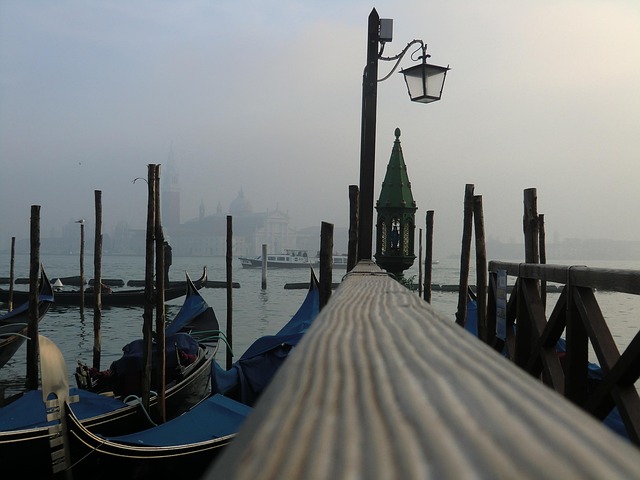
On clear days, the lagoon reflects the sky like polished glass. On foggy mornings, the light becomes diffused, creating silhouettes instead of outlines. The Doge’s Palace looks mysterious under a pale veil. Gondolas appear like drawings made of ink. Churches dissolve into ghostly shapes.
For photographers, this is the best season. For travelers, it is the moment when Venice reveals a quieter beauty — elegant, restrained, atmospheric.
The Sounds — Echoes, Footsteps, Water, and Silence
Because winter brings fewer visitors, the city’s original soundtrack returns. Venice in December and January sounds like no other place on Earth. What you hear is texture: footsteps on stone bridges, the soft splash of water against fondamenta, distant bells marking the hours, the quiet hum of a vaporetto crossing the lagoon.
In narrow calli, voices echo gently between the walls. A rolling suitcase becomes a rare interruption instead of a constant rhythm. And when the fog thickens, the city becomes even more silent — as if wrapped in cotton. The lagoon absorbs sound, creating an atmosphere that feels both ancient and suspended in time.
Winter is the only moment when Venice gives you back its natural acoustics. Nothing competes with the water, the wind, or the bells.
The Smells — Cold Stone, Wood Smoke, Sea Salt, and Sweet Pastries
Venice has scents that shift with the seasons, and winter’s palette is the most subtle and refined. After a day of fog or light rain, you can smell the cold stone of bridges and pavements — a mineral freshness that rises from the fondamenta and quiet canals.
In the afternoon, especially in residential neighborhoods, the air carries the faint aroma of wood smoke from chimneys. It drifts slowly across courtyards, mixing with the scent of sea salt blown in from the lagoon.
Step inside a pastry shop, and winter becomes warm and fragrant: freshly baked zaleti, vanilla-scented baicoli, raisin-filled fugassa, creamy bignè, and seasonal cakes prepared especially for Christmas.
In the evenings, restaurants spill the aromas of risotto, polenta, roasted fish, and slow-cooked Venetian stews into the streets. Winter in Venice is full of comforting scents — understated, but deeply evocative.
The Atmosphere — Fog, Reflections, Empty Campi, and Candlelight
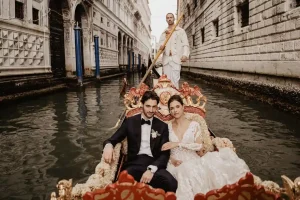
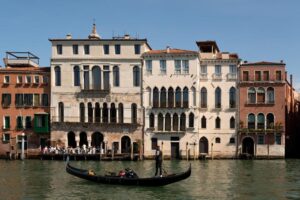
Where summer dazzles, winter whispers. The city’s atmosphere in the colder months is its most poetic expression. Fog settles along the canals in the early morning, turning palaces into silhouettes and narrowing the world to a few quiet meters. Reflections become flawless: boats, bridges, lanterns, and windows mirrored on calm water.
Campi that are crowded in June feel almost private in December. The Rialto Bridge glows under soft white lights. St. Mark’s Square — if you visit after sunset — feels grand, still, and illuminated like a stage set from another century.
Inside Venice’s churches, winter offers the best atmosphere to admire art: fewer people, quieter interiors, golden mosaics that seem to absorb the soft December light.
And at night, the city becomes intimate. Street lamps reflect on damp stones. Windows glow from within. The lagoon darkens into deep blue. This is when Venice feels closest to itself — elegant, private, authentic.
The Lagoon in Winter — Wide Horizons and Crisp Air
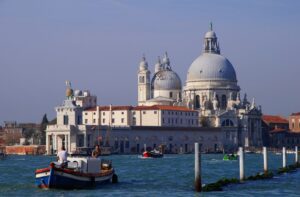
A winter boat ride across the lagoon reveals Venice’s truest landscapes. The water is often still, the air clear, the sky pale. Islands like San Giorgio, San Servolo, Torcello, and San Francesco del Deserto appear crisp against the horizon. On cloudless days, the Alps rise in the background — a view only visible in winter, as if the mountains temporarily move closer to the lagoon.
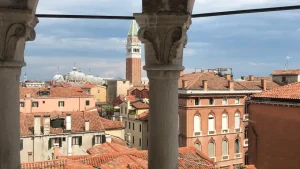
December sunsets are extraordinary: short, golden, and intensely colored. The light turns pink over the rooftops of Dorsoduro and warm bronze across the Basin of St. Mark’s. For travelers who want Venice without crowds, this is the moment to cross the water.
For a curated experience designed for winter’s unique beauty, consider our Private 1-Hour Boat Tour, which follows the canals and wide-water views that are most atmospheric this time of year.
The Feel of Venice in Winter — A Slower City
Winter changes the rhythm of the city. Venetians walk slower. Markets feel more local. Cafés are filled with people reading newspapers or watching the fog rise from the lagoon. The city breathes in a quieter, more reflective way.
You feel this most when crossing bridges early in the morning, when sitting by a canal at dusk, or when stepping inside a bacaro for a warm glass of mulled wine. Winter invites you to pause, observe, listen — and let the city reveal small details that are invisible in summer.
Experience Winter Through the Senses With Us
If you want to experience Venice as locals do — through its winter sounds, scents, lights, and atmosphere — we create private walking and boat experiences designed specifically for the season. Our winter itineraries blend quiet corners, artisan visits, hidden canals, and panoramic views that bring these sensory moments to life.
Discover Venice Through the Senses
FAQs
Is winter a good time to visit Venice?
Yes. Winter offers quiet streets, atmospheric light, and a more authentic local rhythm compared to the high season.
Does Venice smell different in winter?
Absolutely. Winter brings scents of cold stone, sea air, wood smoke, and pastries — subtler and more refined than summer.
Is Venice foggy in December?
Often, yes. Fog is common in early mornings and creates beautiful, cinematic scenes over the lagoon and canals.