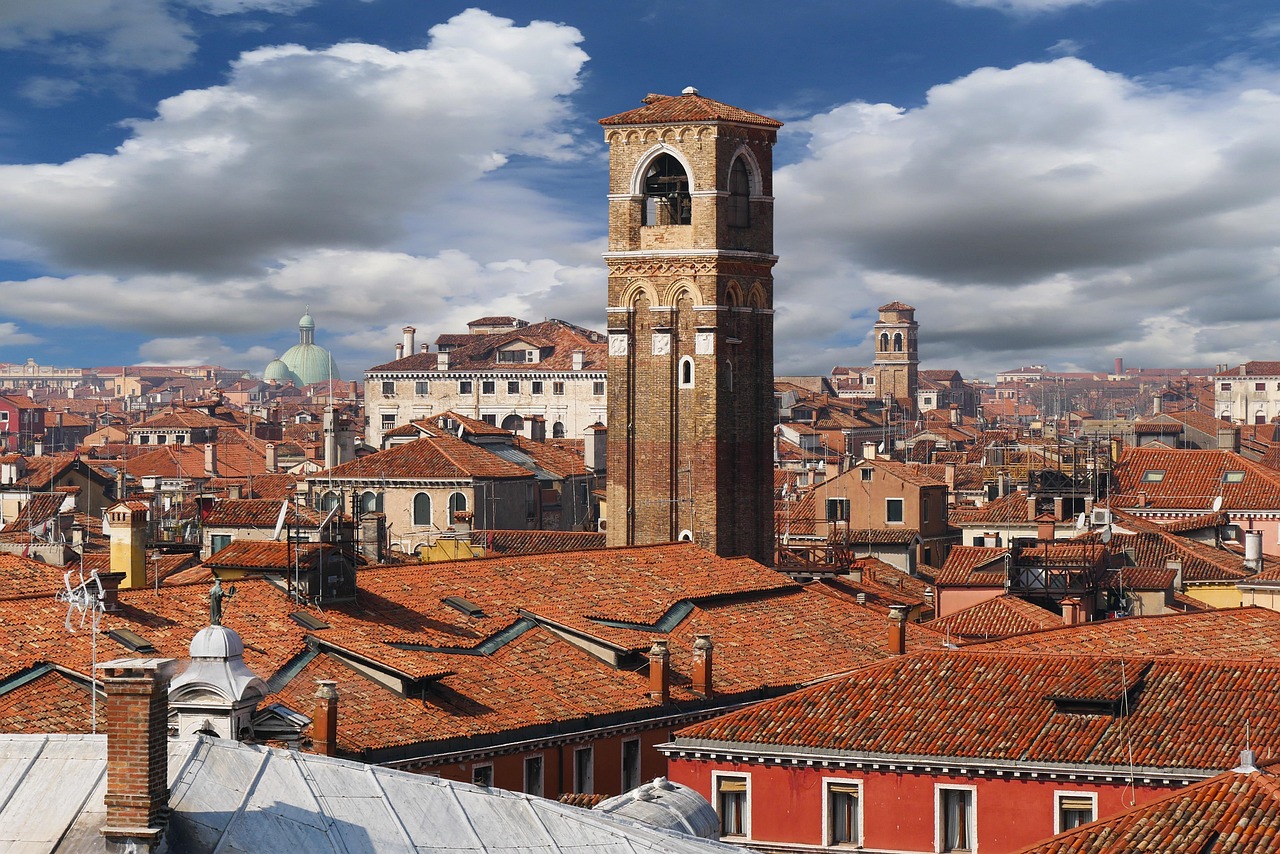
Venice divides into six neighborhoods called sestieri.
Most visitors never learn their names, never understand their boundaries, and certainly never think about which one matches their travel style. They book hotels based on price and proximity to San Marco, eat at restaurants their hotel recommends, and experience Venice as undifferentiated maze of narrow streets and canals.
This is a genuine missed opportunity.
Each sestiere has distinct personality, different tourist density, different price points, and different atmosphere. Cannaregio feels completely different from Dorsoduro. San Marco operates nothing like eastern Castello. Choosing where to spend your time — and potentially where to stay — based on actual neighborhood character rather than generic “Venice location” transforms how you experience the city.
After 28 years living and working across all six sestieri, I know exactly what each one offers, which travelers each suits, and how neighborhood choice affects everything from daily budget to the kind of Venice you actually encounter.
This is the honest breakdown. What each sestiere actually is, who it serves best, and how to decide where you belong.
San Marco: The Tourist Heart (For Better and Worse)
San Marco is what every visitor imagines when they picture Venice. The Piazza. The Basilica. The Doge’s Palace. The luxury hotels, the expensive cafés, the density of landmarks within a few hundred meters.
This concentration creates both value and problems. If your Venice priorities are hitting major cultural sites efficiently, staying in San Marco makes logistical sense. The Accademia, the Rialto, the Grand Canal landmarks — all walkable within fifteen minutes. You maximize sightseeing density while minimizing transit time.
But San Marco is also Venice’s most crowded, most expensive, most tourist-saturated neighborhood. During peak season (April–October), the area becomes genuinely overwhelming. Piazza San Marco fills with so many people that movement becomes difficult. The narrow streets leading to the piazza create bottlenecks where crowds simply stop moving. Restaurants charge shocking prices for mediocre food because location guarantees customers regardless of quality.
San Marco has almost no residential character. The people you encounter here are overwhelmingly tourists and the workers serving them. Ground-floor spaces are hotels, souvenir shops, restaurants with menus in six languages. The neighborhood functions as Venice’s commercial theater rather than as place where people actually live.
What San Marco offers that other sestieri don’t:
Proximity to major museums and churches concentrated nowhere else. The Basilica, Doge’s Palace, Museo Correr, and several smaller museums all sit within San Marco’s boundaries. If your Venice days center on intensive cultural tourism, this density matters enormously.
Luxury accommodation at Venice’s highest level. The Gritti Palace, the Danieli, the Monaco — Venice’s most prestigious hotels occupy San Marco waterfront positions. If luxury matters and budget permits, San Marco delivers.
Late-night accessibility. Unlike residential neighborhoods that quiet down after sunset, San Marco maintains restaurant and bar service later into evening. This matters for travelers who eat dinner at 9:00 PM and want options afterward.
San Marco suits:
- First-time visitors prioritizing famous landmarks
- Travelers on very short stays (1-2 nights) who want maximum efficiency
- Luxury travelers for whom budget is secondary to location and service
- Visitors with mobility limitations who need minimal walking between major sites
San Marco disappoints:
- Budget-conscious travelers who find the price premium unjustifiable
- Visitors seeking “authentic” Venice atmosphere
- Anyone uncomfortable with intense crowds and tourist density
- Travelers staying longer than two nights who’ll exhaust San Marco’s offerings quickly
Skip-the-line tickets for San Marco’s museums become essential rather than optional — the queues at Doge’s Palace and the Basilica can exceed 90 minutes during peak season. If you’re staying in San Marco, you’re presumably prioritizing cultural sites. Waiting in line for half your day wastes the proximity you’re paying premium prices to access.
Castello: The Residential Reality
Castello is Venice’s largest sestiere, stretching from San Marco eastward to the city’s far edge at Sant’Elena. But “Castello” is misleading single label for what’s actually three or four distinct sub-neighborhoods with completely different characters.
Western Castello (near San Marco) maintains tourist traffic and prices nearly as high as San Marco itself. The area around Riva degli Schiavoni — the broad waterfront promenade — sees constant tourist movement. Hotels here charge San Marco-adjacent rates while technically being in Castello.
Central Castello transforms into something genuinely residential. The streets between San Francesco della Vigna and Campo Santa Maria Formosa hold actual grocery stores, neighborhood bakeries, schools, the infrastructure of daily Venetian life. Tourism exists but doesn’t dominate. Locals outnumber visitors, sometimes dramatically.
Eastern Castello and Sant’Elena are where Venice becomes almost suburban by the city’s standards. Tree-lined streets. Public parks. Residential apartment buildings rather than ancient palaces. This area feels more like mainland Italian neighborhood that happens to be built on an island than like the Venice visitors imagine.
What Castello offers:
Affordability relative to other central neighborhoods. Hotels in central and eastern Castello cost meaningfully less than comparable San Marco or Rialto-adjacent properties. Restaurants serving locals exist alongside tourist-facing establishments, providing price options San Marco simply doesn’t have.
Genuine residential atmosphere where Venetians actually live. Walking Castello streets in early morning or evening reveals Venice functioning as actual city — people going to work, children heading to school, elderly residents shopping at neighborhood stores. This daily rhythm exists nowhere in San Marco.
Excellent churches holding masterpiece paintings. San Zaccaria, San Giovanni in Bragora, San Francesco della Vigna — all contain important art, all charge no admission or modest fees, all see minimal tourist traffic. These free cultural experiences provide depth that rush-through museum visits often don’t.
The Arsenal and its surrounding area — historically Venice’s shipbuilding complex, now partly converted to cultural spaces including Biennale exhibition halls. This area is architecturally and historically significant despite receiving relatively few visitors outside Biennale years.
Castello suits:
- Budget-conscious travelers seeking central location without San Marco prices
- Visitors wanting to experience residential Venice alongside major sites
- Travelers staying longer (4+ nights) who’ll appreciate neighborhood amenities
- Anyone seeking quiet accommodation while maintaining access to tourist Venice
Castello’s limitations:
- Eastern Castello feels remote from major landmarks — the walk to San Marco from Sant’Elena takes 30+ minutes
- Fewer restaurant options in eastern sections
- Less atmospheric than Dorsoduro or Cannaregio’s most picturesque areas
- Some portions feel almost too residential — lacking the beauty visitors expect from Venice
Practical accommodation advice: Choose western/central Castello for balance between price and proximity. Avoid far eastern Castello unless you’re comfortable with genuine distance from major sites or specifically seeking maximum quiet and residential atmosphere.
Cannaregio: The Locals’ Venice
Cannaregio is Venice’s largest sestiere by population and the neighborhood where residential Venice survives most robustly. It stretches from the train station eastward toward Rialto and northward to Venice’s lagoon edge.
The train station area is chaotic and unrewarding. Hotels near Santa Lucia station exist primarily to catch exhausted travelers arriving late or departing early. The immediate area is loud, crowded, architecturally bland, and lacking the Venice atmosphere visitors expect. Unless you have specific logistical reasons to stay here, move deeper into Cannaregio.
Beyond the station chaos, Cannaregio reveals extraordinary depth. The Jewish Ghetto holds centuries of history and genuine cultural significance. The Fondamenta della Misericordia and Fondamenta degli Ormesini — parallel canal-side walkways in northern Cannaregio — become evening gathering spaces where locals drink Spritz at neighborhood bars while tourists are barely present.
Strada Nova — Cannaregio’s main east-west thoroughfare connecting the station to Rialto — maintains constant traffic and tourist-oriented businesses. But the neighborhoods north and south of Strada Nova are genuinely residential, holding grocery stores, hardware shops, the daily infrastructure that tourist zones lack entirely.
What Cannaregio offers:
The Jewish Ghetto’s historical and cultural significance. This single neighborhood contains more important European Jewish history than most cities hold entirely. The synagogues, the museum, the memorial plaques, the architecture — all reward serious attention that guidebook summaries can’t adequately convey.
Genuine neighborhood atmosphere, particularly in northern sections. Fondamenta della Misericordia exemplifies this — canal-side bars serving locals, evening crowds speaking Venetian dialect, atmosphere that feels genuinely Venetian rather than performing for tourists.
Traditional bacari culture thrives in Cannaregio more than anywhere except perhaps San Polo. The wine bars serving cicchetti and local wine concentrate in areas where actual Venetians still live — and Cannaregio holds more residential Venetians than any other sestiere.
Excellent value accommodation. Hotels here cost less than San Marco or Dorsoduro while maintaining good proximity to major sites. The walk from central Cannaregio to San Marco takes 15-20 minutes — completely manageable.
Cannaregio suits:
- Travelers seeking balance between access and authenticity
- Visitors interested in Jewish history and culture
- Anyone wanting evening neighborhood atmosphere beyond tourist performance
- Budget-conscious travelers who still want reasonably central location
Cannaregio’s limitations:
- Portions near the train station are genuinely unpleasant
- The sestiere is large enough that location within Cannaregio matters enormously
- Some areas lack obvious tourist attractions, which disappoints visitors expecting constant landmarks
- Winter acqua alta affects northern Cannaregio’s low-lying areas more than elevated neighborhoods
Accommodation strategy: Choose locations along or north of Strada Nova, avoiding immediate train station vicinity. Proximity to the Ghetto or to Fondamenta della Misericordia provides best combination of atmosphere and access.
San Polo: Small But Dense With Life
San Polo is Venice’s smallest sestiere but contains density of markets, churches, and neighborhood life that larger neighborhoods struggle to match.
The Rialto Market defines San Polo’s identity. Every morning except Sunday and Monday, the fish and vegetable markets operate as they have for centuries. This is where Venice actually feeds itself — wholesale buyers at dawn, retail customers through morning, the entire city’s food supply chain operating in concentrated space.
The market creates ecosystem of restaurants, bars, and food-oriented businesses. Osterie serving workers. Bacari offering cicchetti made from that morning’s market purchases. Wine bars where vendors take breaks between customers. This concentration of authentic food culture exists nowhere else in Venice at comparable density.
Beyond the market, San Polo holds remarkable churches — the Frari (containing Titian masterpieces), San Polo itself, San Giacomo dell’Orio. These receive moderate tourist traffic but nothing approaching San Marco’s overwhelming crowds. The art inside rivals Venice’s most famous museums, and the churches charge no admission or modest fees.
The neighborhood’s residential character strengthens as you move away from Rialto Bridge. Campo San Polo — the sestiere’s largest campo — becomes evening gathering space where locals socialize, children play, and neighborhood life unfolds much as it has for centuries. The campo hosts occasional outdoor cinema in summer and serves as community center year-round.
What San Polo offers:
Access to Venice’s best food culture. If eating well matters — not expensive tourist restaurants but authentic Venetian food at reasonable prices — San Polo delivers better than any other sestiere. The market, the bacari, the osterie serving market workers — these create food experiences tourism rarely penetrates.
Excellent balance between tourist access and residential atmosphere. You’re minutes from Rialto Bridge and San Marco, but step away from those magnets and the neighborhood becomes genuinely local.
Beautiful churches holding world-class art. The Frari alone justifies exploring San Polo — Titian’s Assumption and Pesaro Madonna are among Renaissance painting’s finest achievements. Seeing them in their intended church context rather than museum setting provides perspective impossible to achieve otherwise.
Compact geography makes navigation easier than larger sestieri. San Polo’s small size means you’re never far from landmarks, never deeply lost, always able to orient yourself relatively quickly.
San Polo suits:
- Food-focused travelers prioritizing markets and authentic restaurants
- Visitors seeking central location without San Marco’s overwhelming tourism
- Art enthusiasts wanting major works without major museum crowds
- Travelers who appreciate compact, walkable neighborhoods
San Polo’s limitations:
- Hotel options are fewer than larger sestieri
- Immediate Rialto Bridge area is tourist chaos matching San Marco’s worst moments
- Market hours matter — Sunday and Monday closures mean missing San Polo’s defining feature
- The sestiere’s small size means limited accommodation options at any given price point
Santa Croce: The Overlooked Connector
Santa Croce is Venice’s most anonymous sestiere. Most visitors can’t locate it on a map. Many visit Venice multiple times without consciously entering it. This anonymity is precisely what makes Santa Croce interesting for specific travelers.
Piazzale Roma — Venice’s car/bus terminal — sits at Santa Croce’s western edge. This creates the same problem Cannaregio faces with the train station: accommodation near Piazzale Roma serves transit logistics rather than Venice experience. Hotels here capture exhausted drivers arriving late or departing early but offer minimal aesthetic or atmospheric reward.
Beyond Piazzale Roma, Santa Croce transforms into genuinely pleasant residential neighborhood. The areas around Campo San Giacomo dell’Orio and along the northern waterfront hold local businesses, neighborhood restaurants, beautiful churches, and daily Venice life that tourism barely touches.
The challenge is that Santa Croce lacks obvious draws. No major museums. No famous landmarks. The churches are excellent but unknown to most visitors. The neighborhoods are beautiful but require wandering without specific destination — which some travelers love and others find frustrating.
What Santa Croce offers:
Quiet residential atmosphere without remoteness. Unlike eastern Castello, which achieves quietness through distance, Santa Croce achieves it through lack of landmark attractions. You’re centrally located but rarely encounter tour groups.
Excellent local restaurants serving neighborhood clientele. Without tourist traffic, restaurants compete for resident business, meaning quality matters more than location. Prices reflect local rather than tourist economy.
Ca’ Pesaro — Venice’s modern art museum — holds rotating exhibitions and permanent collection of 20th-century Italian art. The museum receives moderate visitors compared to the Accademia or Peggy Guggenheim but offers genuinely interesting art in palace setting that’s architecturally beautiful.
Easy access to both San Marco (walkable in 15-20 minutes) and the train station or Piazzale Roma for regional day trips. This positioning makes Santa Croce practical for travelers combining Venice with broader Veneto exploration.
Santa Croce suits:
- Travelers who’ve visited Venice before and want quieter, more residential experience
- Visitors planning day trips and wanting easy access to train/bus connections
- Anyone seeking genuine neighborhood atmosphere without tourist performance
- Travelers comfortable exploring without famous landmarks as constant orientation points
Santa Croce’s limitations:
- The lack of major attractions means less to do within the sestiere itself
- Hotel selection is limited compared to San Marco or Dorsoduro
- Navigation can be confusing — fewer tourists means fewer signs and less obvious routes
- The Piazzale Roma area is genuinely ugly and should be avoided for accommodation
Best approach: Use Santa Croce as base for exploring other neighborhoods rather than expecting the sestiere itself to fill your days. The quiet accommodation and neighborhood atmosphere reward evenings and mornings, while your days are spent in San Marco, Dorsoduro, or exploring the lagoon.
Dorsoduro: The Cultural Sweet Spot
Dorsoduro consistently ranks as visitor favorite once people actually experience it rather than defaulting to San Marco.
The sestiere contains extraordinary cultural density. The Accademia Gallery holds Venice’s greatest painting collection. The Peggy Guggenheim Collection showcases modern art in canalside palazzo. La Salute church dominates the Grand Canal entrance with Longhena’s magnificent baroque dome. Ca’ Rezzonico documents 18th-century Venetian life with intact period rooms.
This concentration means days based in Dorsoduro naturally revolve around world-class art and architecture. You’re never more than minutes from something genuinely significant.
But Dorsoduro also maintains residential character that San Marco lacks entirely. Campo Santa Margherita — Dorsoduro’s social heart — fills with university students, neighborhood families, and locals rather than tour groups. The campo’s bars and restaurants serve genuinely mixed clientele, creating atmosphere where tourism coexists with daily life rather than overwhelming it.
The Zattere waterfront promenade provides Venice’s finest sunset viewing and evening walking. The wide, open promenade feels spacious in ways Venice’s narrow streets rarely achieve. Locals claim the benches for evening socializing, treating the Zattere as communal living room where the city gathers.
What Dorsoduro offers:
Best balance between cultural access and residential atmosphere. You’re minutes from major museums without drowning in tourist crowds the way San Marco ensures. The neighborhood feels genuinely Venetian while remaining practically convenient.
Ca’ Foscari University’s main campus operates throughout Dorsoduro, creating student energy that keeps the neighborhood young, intellectually engaged, and economically diverse. This student presence maintains bars, cafés, and affordable restaurants that purely tourist neighborhoods can’t sustain.
Beautiful walking throughout the sestiere. Unlike some neighborhoods with attractive pockets surrounded by utilitarian areas, Dorsoduro maintains consistent beauty. The canals, the campos, the palace facades — nearly every street rewards wandering rather than requiring deliberate navigation toward specific landmarks.
Excellent bacari culture particularly around Campo Santa Margherita and along the waterfront. The traditional wine bars serving cicchetti concentrate where actual Venetians live — and Dorsoduro’s student population and residential families create the clientele base that sustains authentic bacari.
Dorsoduro suits:
- First-time visitors wanting balance between access and atmosphere
- Art-focused travelers who’ll visit museums multiple times
- Students and younger travelers appreciating the university neighborhood energy
- Anyone seeking accommodation that feels Venetian while maintaining practical access
- Visitors staying 3-5 nights who need enough neighborhood depth to avoid boredom
Dorsoduro’s limitations:
- Accommodation prices approach San Marco levels in waterfront locations
- Popularity means growing tourist presence that erodes the authentic atmosphere
- Campo Santa Margherita’s evening crowds can feel overwhelming
- Some eastern Dorsoduro areas near Accademia see bottleneck tourist traffic
Accommodation strategy: Choose locations near Campo Santa Margherita or along the Zattere rather than immediate Accademia vicinity. The few blocks of distance dramatically reduce tourist density while maintaining museum access.
Deciding where to stay in Venice includes serious Dorsoduro consideration — the sestiere delivers balance that makes shorter stays feel richer and longer stays more sustainable than neighborhoods that skew entirely tourist or entirely residential.
Giudecca: The Island Apart
Giudecca is technically part of Venice but feels genuinely separate. The long, narrow island runs parallel to Dorsoduro’s southern waterfront, separated by the Giudecca Canal.
Most visitors never visit Giudecca. It holds no major museums. No famous landmarks beyond Palladio’s Il Redentore church. The island developed industrially rather than aristocratically, meaning fewer palaces and more working-class housing than central Venice.
This working-class history created architecture and atmosphere completely unlike tourist-oriented Venice. Giudecca feels more like mainland Veneto neighborhood that happens to be built on an island than like the Venice visitors imagine. Parts are beautiful. Other parts are simply functional. The island doesn’t perform for cameras.
But Giudecca’s separation from tourist Venice is precisely its value. Crossing the Giudecca Canal — a two-minute vaporetto ride from Dorsoduro — transforms your relationship with the city. From Giudecca’s waterfront, Venice proper appears as complete silhouette across the water. You see the city as architectural composition rather than experiencing it as immersive density.
What Giudecca offers:
Extraordinary Venice views without Venice’s tourist infrastructure. Sitting on Giudecca’s waterfront watching sunset illuminate Venice across the canal provides perspective impossible to achieve from within the city itself. This view alone justifies the vaporetto crossing.
Palladio’s Il Redentore church — architecturally magnificent and historically significant as site of Venice’s July festival commemorating the end of 1576 plague. The church holds a newly accessible garden behind its main structure, providing rare Venice green space with canal views.
Genuine quiet and dramatically lower accommodation costs. Hotels on Giudecca cost perhaps 30-40% less than comparable San Marco properties while maintaining beautiful waterfront positions. The trade-off is requiring vaporetto travel for all Venice access — but vaporetti run frequently and the ride takes minutes.
The Molino Stucky Hilton occupies a converted industrial mill at Giudecca’s western end. For travelers prioritizing modern hotel amenities and rooftop restaurant views over historic palazzo atmosphere, this delivers.
Giudecca suits:
- Budget-conscious travelers willing to commute by vaporetto
- Visitors who’ve been to Venice before and want different perspective
- Travelers seeking maximum quiet and minimal tourist presence
- Anyone staying longer periods (week+) who’ll appreciate space and residential atmosphere
Giudecca’s limitations:
- Every Venice activity requires vaporetto commute
- Limited restaurant and bar options compared to central Venice
- Parts of the island are architecturally unremarkable or frankly bland
- Evening return from Venice means careful attention to vaporetto schedules
- The separation that creates Giudecca’s appeal also creates genuine isolation
Honest assessment: Giudecca works beautifully for specific travelers — those who’ve visited Venice before, those staying long enough that constant commuting matters less, those prioritizing quiet and cost savings over maximum convenience. For first-time visitors on short stays, the separation typically costs more in experience quality than it saves in accommodation expense.
Choosing Your Sestiere: The Decision Framework
Stop agonizing over which neighborhood is “best.” Ask yourself these questions and the answer becomes obvious.
Question 1: Is this your first Venice visit?
First visit → Prioritize San Marco or Dorsoduro for maximum efficiency and cultural density. You want proximity to major sites, easy navigation, and concentrated Venice experience.
Return visit → Consider Cannaregio, Santa Croce, or Giudecca for different perspective and genuine neighborhood atmosphere.
Question 2: How many nights are you staying?
1-2 nights → San Marco’s inefficient expense becomes justified by time savings. You’re maximizing short period rather than settling into neighborhood.
3-4 nights → Dorsoduro or Castello provide better balance. Enough time to appreciate neighborhood character while maintaining access to major sites.
5+ nights → Any sestiere works because you have time to explore broadly. Choose based on atmosphere preference rather than access optimization.
Question 3: What’s your budget situation?
Luxury budget → San Marco or Dorsoduro waterfront deliver Venice’s finest hotels.
Mid-range budget → Castello, Cannaregio, or Santa Croce provide good value with maintained access.
Budget-conscious → Eastern Castello, parts of Cannaregio, or Giudecca offer meaningful savings while keeping you in Venice.
Question 4: What matters most to you?
Art and museums → Dorsoduro concentrates galleries and cultural sites.
Food and markets → San Polo provides unmatched food culture access.
Residential atmosphere → Cannaregio or Santa Croce deliver most authentic daily Venice.
Quiet and space → Giudecca or eastern Castello minimize tourist density.
Maximum efficiency → San Marco sacrifices atmosphere for logistical convenience.
These questions resolve neighborhood choice for 90% of visitors. The remaining 10% who still can’t decide should default to Dorsoduro — it delivers the best balance of access, atmosphere, beauty, and cultural density that makes most travelers genuinely satisfied regardless of specific priorities.
Practical Neighborhood Navigation
Understanding sestiere boundaries and neighborhoods requires Venice-specific navigation strategies that other cities don’t demand.
Address numbers in Venice are insane. Rather than street-based numbering, Venice assigns numbers by sestiere. An address might be “Cannaregio 3456” — meaning somewhere in Cannaregio with no indication of which street or campo. This system makes finding specific addresses genuinely challenging without GPS or detailed instructions.
Learn major campos and churches as orientation points. San Marco, Rialto, Accademia, Campo Santa Margherita — these serve as mental anchors that allow navigation between neighborhoods. Venice navigation is never about specific streets (which change names every few blocks anyway). It’s about knowing which major landmark you’re near and which direction you’re heading.
Yellow signs throughout Venice point toward major landmarks. Following these signs — “Per Rialto,” “Per San Marco,” “Per Ferrovia” (train station) — provides basic navigation that keeps you moving in approximately correct directions even when thoroughly lost.
Getting lost is inevitable and valuable. Venice’s greatest discoveries happen when you’re not trying to reach specific destinations. The sestieri reveal themselves to wanderers rather than to navigators. Accept this. Build extra time into every route. Treat wrong turns as opportunities rather than failures.
Vaporetto routes connect neighborhoods more efficiently than walking. Line 1 travels the full Grand Canal. Line 2 provides faster Grand Canal crossings. A vaporetto pass transforms neighborhood exploration from walking-only exercise into flexible transportation allowing Dorsoduro-to-Cannaregio-to-Castello circuits impossible on foot within reasonable timeframes.
Plan Your Neighborhood-Based Venice Stay
For deciding where to stay: Venice versus Mestre versus Treviso provides broader accommodation context, but if you’re staying on Venice island, sestiere choice determines daily experience more than hotel quality alone.
For exploring hidden neighborhoods: Private walking tours led by licensed local guides reveal neighborhood depths that independent exploration often misses. A knowledgeable guide can show you the Cannaregio that tourists never find, the Castello that guidebooks don’t mention, the Santa Croce that even repeat visitors overlook.
For free neighborhood experiences: Venice offers extraordinary experiences that cost nothing — and most of these happen in residential neighborhoods rather than tourist zones. Churches in Castello, campos in Cannaregio, waterfront walks in Dorsoduro — these free experiences reveal sestiere character better than any paid attraction.
For authentic food culture: Venice’s bacari concentrate in specific neighborhoods — particularly San Polo, Cannaregio, and Dorsoduro. Knowing which sestiere holds best food culture influences where you spend evenings regardless of where you’re sleeping.
For understanding residential Venice: How Venetians actually live varies dramatically by sestiere. Cannaregio holds most residential Venetians. Eastern Castello feels almost suburban. San Marco barely functions residentially at all. These differences aren’t simply aesthetic — they’re fundamental to each neighborhood’s character.
For museum access: Skip-the-line tickets matter most in Dorsoduro (Accademia, Peggy Guggenheim) and San Marco (Doge’s Palace, Correr). Other sestieri’s cultural sites see minimal queues regardless of season.
For approaching Venice without rigid plans: Venice without a checklist means letting neighborhood character guide your days. Start in Campo Santa Margherita, see where walking takes you. Follow interesting streets in Cannaregio without destination. This neighborhood-led exploration consistently produces better experiences than checklist-execution ever does.
For seasonal considerations: Understanding different seasons includes recognizing that neighborhood character shifts seasonally. Summer Dorsoduro is crowded, student-filled, energetic. Winter Dorsoduro is quieter, more contemplative, genuinely residential. Choose sestiere knowing how season affects atmosphere.
Choose the Venice Neighborhood That Actually Fits You — Not the One Guidebooks Default To
After 28 years living and working across all six sestieri and being featured by Rick Steves, NBC, and US Today, I know exactly what each neighborhood delivers, which travelers each serves best, and how neighborhood choice transforms your entire Venice experience. San Marco isn’t automatically best. Dorsoduro isn’t universally perfect. The right sestiere depends entirely on what you actually want from Venice. Let me help you choose the neighborhood that matches your travel style rather than settling for generic recommendations.
Book a neighborhood-focused private tour or plan your stay with honest sestiere understanding — experience the Venice that fits you, not the Venice that fits everyone.
Frequently Asked Questions
Can I easily walk between all six sestieri in a single day?
Yes, physically — Venice is small enough that determined walking can cover all six sestieri in 6-8 hours. But this approach misses the point entirely. Each sestiere deserves actual exploration, not rushed passage-through. Walking from San Marco through Santa Croce to Cannaregio to Castello might feel like accomplishment, but you’ve seen neighborhoods primarily as transit routes rather than destinations. Better approach: dedicate full mornings or afternoons to individual sestieri. Spend morning in Dorsoduro visiting museums and walking the Zattere. Dedicate another morning to Cannaregio’s Jewish Ghetto and northern waterfront. This deeper, slower exploration reveals what neighborhoods actually contain rather than simply confirming you passed through them.
Which sestiere has the best restaurants?
“Best” depends entirely on what you want. San Polo holds the densest concentration of food culture — the Rialto Market, bacari serving market-fresh cicchetti, osterie feeding market workers. For authentic Venetian food sourced from that morning’s market, San Polo wins. Dorsoduro offers best variety — student-budget options around Campo Santa Margherita, upscale restaurants along the Zattere, everything between. For maximum choice at various price points, Dorsoduro delivers. Cannaregio holds the most genuinely local restaurants serving neighborhood clientele rather than tourists. For authentic atmosphere over culinary innovation, Cannaregio excels. San Marco has expensive tourist restaurants that should mostly be avoided. There’s no single “best” — there’s best for your specific priorities.
Should I stay in the same sestiere for my entire visit?
Your hotel stays in one sestiere, but your days should explore all of them. The advantage of staying in single location is knowing exactly where you’re returning each evening, having consistent neighborhood restaurant and bar options, developing brief familiarity with your immediate area. The disadvantage is potentially limiting your Venice experience to one neighborhood’s character. The solution: choose accommodation in sestiere that serves your logistics and budget (Dorsoduro or Cannaregio for most travelers), then deliberately explore other neighborhoods during your days. Morning in San Marco’s museums. Afternoon in San Polo’s markets. Evening in your accommodation sestiere. This approach provides stable base while ensuring you experience Venice’s full neighborhood diversity.