Winter in Venice carries a rhythm of its own. The lagoon quiets, the fog settles, and the city returns to its intimate, local heartbeat. And with the cold season comes something Venetians hold dear: the return of the dishes that define our winter tables — warm, slow-cooked, comforting foods shaped by centuries of lagoon life. These recipes are not simply meals. They are stories. They are survival, tradition, memory and celebration woven together.
Venetian winter cuisine was created for fishermen returning home cold and hungry, for families gathering around a pot of hot polenta, for a city that once lived at the mercy of its tides and seasons. Today, these dishes remain a cornerstone of local identity — the foods we crave when the air grows crisp and the canals become mirrors of winter light.
This is your complete guide to Venetian winter comfort food: the classics, the hidden gems, the lagoon delicacies, and the dishes you will only find in Venice once the temperature drops. If you want to taste the city like a local, begin here.
Polenta: The Foundation of Venetian Winter
If there is one ingredient that defines Venetian winter cuisine, it is polenta. Long before rice arrived in Italy, polenta was the sustenance of the Veneto. It was eaten for breakfast, lunch, and dinner, shaped into warm slices, served creamy, or grilled until crisp.
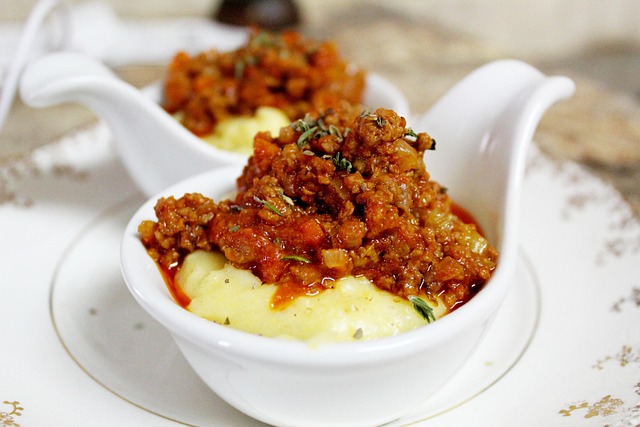
In Venice, winter polenta is almost always eaten warm — soft, golden, and perfect for pairing with rich stews, slow-cooked meats, or dark sauces made from cuttlefish and seafood.
Polenta e Schie
This is one of the most Venetian dishes in existence: creamy polenta served with tiny lagoon shrimp, lightly fried or marinated. It is simple, elegant, deeply local, and almost impossible to find outside Venice due to the fragile nature of schie.
Polenta with Cuttlefish in Black Ink
A winter classic — sweet cuttlefish slow-cooked in a deep black ink sauce, paired with soft polenta that absorbs the aroma beautifully. This is Venetian comfort food at its most dramatic.
Grilled Polenta
A staple in bacari, grilled polenta warms quickly and pairs perfectly with winter cicchetti like creamed cod, seafood salads, and sausage.
Baccalà Mantecato: The Quintessential Venetian Spread
If Venice had a winter ambassador, it would be baccalà mantecato. This creamy, silky cod spread is one of the city’s most beloved dishes, served warm or room temperature on grilled polenta or crusty bread. Despite being a symbol of Venice, its origins lie in Norway — proof that Venice’s maritime past shaped its cuisine.
The preparation is slow: the cod is soaked for days, simmered gently, then whipped by hand with olive oil until it becomes a smooth, almost cloud-like consistency. A handful of restaurants still make it traditionally; many use shortcuts. Locals always know where to find the real one.
Want to taste the city’s most authentic baccalà mantecato? Join our Cicchetti & Wine Tour, where we bring you to artisans who still prepare it by hand.
Mołéche: Venice’s Most Precious Winter Delicacy
Mołéche (soft-shell crabs) are one of the rarest and most extraordinary foods in the Venetian lagoon. These tiny crabs are harvested during their molting stage — a delicate, time-sensitive process known only to a few skilled fishermen called “mołécolanti.”
When prepared correctly, mołéche are crisp, tender, and almost impossibly light. They are usually lightly floured and fried, eaten hot, and accompanied by polenta. The season is short, the catch unpredictable, and the price high — but for Venetians, mołéche represent the pure flavor of the lagoon in winter.
You will rarely see them on tourist menus. Instead, seek out small traditional eateries or ask a knowledgeable guide for the best places to try them.
Risotto: A Venetian Winter Ritual
Venice is a city of risotto, not pasta — especially in winter. The cold season brings rich broths, lagoon fish, and earthy vegetables that pair perfectly with creamy rice dishes.
Risotto di Gò
Made with goby fish from the lagoon, this risotto is delicate, aromatic, and deeply tied to local fishing culture. It is the winter dish of the islands — Burano in particular.
Risotto al Radicchio Tardivo
One of the Veneto’s most prized winter vegetables, radicchio tardivo is long, red, and slightly bitter. When cooked into risotto, it becomes sweet, soft, and wonderfully aromatic.
Risotto al Nero di Seppia
Black risotto is a Venetian classic all year, but the cuttlefish are especially flavorful in the colder months. The deep ink sauce gives the rice a velvety, ocean-rich taste.
Venetian Seafood Soups & Stews: Winter Warmth from the Lagoon
Winter seafood in Venice is exceptional. Cold waters bring clearer flavors, firmer textures, and a wider variety of local species. This season is made for soups and stews — dishes Venetians rely on for comfort and warmth.
Zuppa di Pesce
A rich, slow-cooked seafood soup that varies from house to house. Expect clams, mussels, cuttlefish, shrimp, and local fish simmered with tomatoes, wine, and herbs. No two are alike.
Broeto
An ancient fisherman’s stew, broeto is sour, salty, and incredibly warming. Made with vinegar, garlic, white fish, and long cooking times, it is one of Venice’s oldest recipes.
Pasta e Fasioi
Not seafood, but a Venetian winter essential — thick bean soup with short pasta, olive oil, and rosemary. It is one of Venice’s most comforting dishes, traditionally prepared on cold December evenings.
Salty Winter Delights: Sarde in Saor & More
Sarde in Saor
This sweet-and-sour dish of marinated sardines, onions, pine nuts, and raisins is found year-round, but Venetians eat it most often in winter. Originally created to preserve fish during long voyages, it now represents one of the city’s most iconic flavors.
Fegato alla Veneziana
Venetian-style liver with onions is a warm, hearty winter dish with ancient roots. The sweetness of the onions balances the richness of the liver, creating one of Venice’s most comforting meals.
Winter Vegetables That Define the Season
Venice’s winter cuisine also thrives on vegetables. The cold season brings some of the Veneto’s finest produce.
- Radicchio tardivo — a prized, elegant bitter green
- Zucca marina — deep orange pumpkin from Chioggia
- Verza — winter cabbage used in soups and stews
- Carciofi violetti — purple artichokes from the lagoon islands
These ingredients appear in risotti, side dishes, cicchetti, and hearty winter soups.
Winter Cicchetti: What Venetians Eat at Bacari
Cicchetti (Venetian small plates) take on a warm, comforting profile in winter.
The Best Winter Cicchetti
- Meatballs in tomato sauce
- Warm polenta with baccalà
- Fried artichokes
- Fried pumpkin blossoms
- Grilled octopus skewers
- Marinated anchovies with onions
The best way to try them? Join our Cicchetti & Wine Tour, where we visit traditional bacari locals trust.
Venetian Winter Desserts
Winter is dessert season in Venice, with pastries that reflect both local and wider northern Italian traditions.
Pandoro & Panettone
Both are eaten throughout December — soft, sweet, and paired perfectly with Venetian dessert wines.
Zaeti
Cornmeal cookies with raisins, often eaten with a coffee on cold afternoons.
Frittelle (early winter)
Technically a Carnival pastry, frittelle begin appearing in late December — a delicious sign that the next season is approaching.
Where to Eat Venetian Winter Dishes
To taste these dishes authentically, choose small trattorie, traditional bacari, and restaurants run by Venetian families. Many of the best winter dishes never appear on tourist menus.
During our Off-the-Beaten-Path Tour, we walk through local neighborhoods where winter cuisine is still prepared exactly as it was generations ago.
Why Winter Food Matters in Venice
Venetian winter cuisine is more than tradition. It is the story of a maritime city surviving winter fog, tides, and isolation. These dishes were created to warm sailors returning from cold waters, to feed families through long winters, and to celebrate the resilience of a city built on the sea.
To taste Venetian winter food is to understand Venice deeply — its history, its identity, and the ingenuity of its people.
Book a Private Winter Food Experience
If you want to taste Venice through its most authentic winter dishes — in bacari, in hidden trattorie, or during custom-designed food walks — we can prepare a tailored itinerary just for you.
Plan Your Venetian Winter Food Experience
FAQs
What is the most traditional Venetian winter dish?
Polenta and baccalà mantecato are the most iconic, while mołéche is the most precious and seasonal.
Where can I try authentic winter seafood?
Look for small family-run trattorie or join a private food tour that focuses on traditional Venetian cuisine.
Is winter a good time for cicchetti?
Absolutely. Many of the warmest, most comforting cicchetti are only served in the cold season.