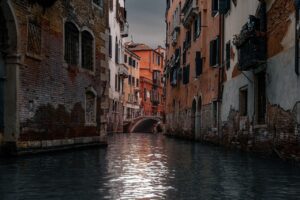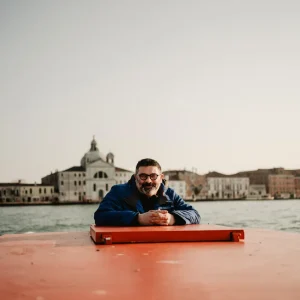
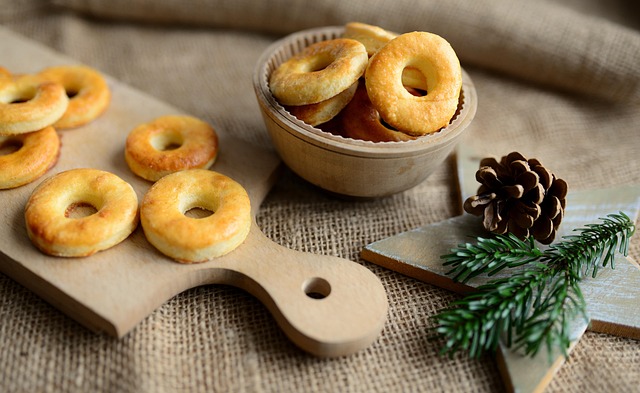
In the cold months of the Venetian lagoon, when the air is crisp and the canals reflect the grey-gold winter light, a subtler kind of indulgence returns to the city: the quiet ritual of winter sweets. These aren’t the flashier desserts of summer—but the biscuits and cakes Venetians grew up with, the ones tucked into tins, served with hot coffee, and unwrapped by candle-light. Among them, few evoke as much history and warmth as the Zaleti, Baicoli, Fugassa and Bussolai.
In this article, we explore each of these traditional Venetian sweets: their origins, the flavors that define them, full home-recipes so you can try them yourself, and the best places in Venice where you can taste authentic versions — from old-school pasticcerie to artisanal shops still using the original methods.
Zaleti — Venetian Corn-meal Cookies with Raisins
“Zaleti” (sometimes spelled za’leti, zàleti) literally means “little yellow ones” in Venetian — a reference to the golden hue of cornmeal which forms the basis of these crisp-yet-gentle cookies. They were born of modest kitchens, made with cornmeal, flour, butter, raisins soaked in grappa or wine, lemon zest, and a touch of vanilla. The texture is grainy, the flavor warm, and they carry an unmistakable winter-comfort note.
Recipe for Zaleti (makes about 20-25 cookies)
- 210 g all-purpose flour
- 140 g fine cornmeal
- 160 g unsalted butter, room temperature
- 100 g granulated sugar
- 2 large eggs
- 120 g raisins (soaked in 2 tbsp grappa or sweet white wine)
- Zest of 1 lemon
- 1 tsp vanilla extract
- 2 tsp baking powder
- ½ tsp salt
- Soak the raisins in grappa or wine for at least 30 minutes, then drain (retain the liquid for extra flavour).
- Pre-heat oven to 175 °C (about 350 °F). Line a baking sheet with parchment.
- Beat butter and sugar until creamy. Add eggs one at a time, then the lemon zest and vanilla.
- In a separate bowl, mix flour, cornmeal, baking powder and salt. Fold into the wet mixture, then gently mix in the drained raisins and the soaking liquid.
- On a lightly floured surface, roll out the dough about ½ cm thick. Cut into diamond-shapes or small rounds (traditionally diamonds).
- Arrange on the sheet, bake 12-15 minutes until lightly golden. Allow to cool completely before storing in a tin or airtight container.
These cookies pair beautifully with coffee, tea or a glass of Vin Santo in winter.
Baicoli — The Biscotti of the Serenissima
The baicoli are thin, crisp biscuits from Venice with one of the most evocative stories of the city. Created for long sea-voyages by Venetian sailors, they were designed to last and to be dipped into zabaglione or coffee. Their name derives from “baìcolo”, a small fish (the mullet or small “cefalo”) whose shape the biscuit echoes.
Recipe for Baicoli (traditional method)
- 400 g all-purpose flour
- 150 ml milk (approx.)
- 80 g butter (softened)
- 60 g sugar
- 1 egg white (lightly beaten)
- 15 g fresh brewer’s yeast (or appropriate substitute)
- Pinch of salt
- Warm about 50 ml milk and dissolve the yeast. Combine with 100 g flour, form a dough and let it rise until doubled. :contentReference[oaicite:8]{index=8}
- Meanwhile mix remaining flour, sugar, softened butter, salt and the egg white. Add the risen dough. Knead until smooth.
- Divide into four cylinders (approx 3-4 cm diameter), place on baking tray and let rise about 1½-2 hours. Bake at 180 °C for 10–15 minutes, until barely golden.
- Cool overnight (or 24 h), then slice very thinly (2-3 mm) and return to oven at ~170 °C until crisp and golden. Store in tin for long shelf-life.
Baicoli are perfect with warm zabaione, a creamy dessert wine or even a fine espresso. They symbolise Venice’s maritime past and the skill of preservation.
Fugassa & Bussolai — Venetian Cake Traditions
While cookies dominate winter tables in Venice, two cakes deserve mention: the Fugassa and the Bussolai.
Fugassa is a somewhat looser dough cake, often enriched with raisins, candied citrus peel, almonds, and sometimes grappa or wine. It is a rich companion to coffee, aperitivo or dessert in the winter months.
Bussolai are typically associated with the lagoon islands (especially Burano) and are ring- or “figure-8” shaped buttery cakes, crisp on the outside, tender within, flavoured with lemon or vanilla, ideal with tea or dessert wine.
Brief recipes (approximate)
Fugassa
Combine 300 g flour, 120 g sugar, 120 g butter, 3 eggs, 100 g raisins (soaked), candied citrus peel 50 g, 1 tsp baking powder, zest of 1 lemon, pinch of salt. Cream butter & sugar, beat in eggs, then gently fold in flour/powder mix, raisins and peel. Bake at 170 °C for ~35-40 min until golden.
Bussolai
Mix 200 g flour, 120 g butter, 80 g sugar, 2 egg yolks, zest of 1 lemon, 1 tsp vanilla. Work into dough, shape into rings or figure-8s, brush with egg white, sprinkle coarse sugar, bake 25-30 min at 175 °C until lightly golden. Let cool before serving.
These cakes reflect winter’s slower pace in Venice, the richness of lagoon ingredients, and the elegance of tradition.
Where to Try Authentic Versions in Venice
While baking them at home is deeply rewarding, tasting them in Venetian pasticcerie still using traditional methods elevates the experience. Here are some trusted places where you can sample and purchase these sweets:
- Dal Nono Colussi — historic Venetian pasticceria, known for seasonal sweets and cookies.
- Dal Mas Pasticceria — family-run, excellent zimetti & biscottini in the Castello district.
- Majer — iconic Venetian pastry brand, offering beautifully packaged baicoli and other traditional biscuits.
Visiting one of these shops in person is a delight: the smell of butter and vanilla, shelves of tins, local clients selecting cookies by the bag. If you’re in Venice in December or early winter, pick up a tin of zaleti or baicoli — they make sublime souvenirs or winter treats to enjoy back home.
Why These Sweets Matter in Venice’s Winter Culture
Winter in Venice is not merely colder: it is slower. And in that slower rhythm, the small rituals of daily life come into sharper focus. Sharing cookies with friends in a bacaro. Offering a sweet tin to visitors. Coming inside from the cold to hot coffee and a modest biscuit.
These biscuits and cakes are not flashy. They don’t rely on volcanic soufflés or Instagram-only plating. They are modest, rooted, atmospheric. They speak of the lagoon’s traditions: the cornmeal of peasants, the biscuits for sailors, the sweet interruptions in the grey months.
When you taste a zaleto or baicolo in Venice in winter, you are tasting the city’s memory, its craftsmanship, its everyday elegance.
Plan Your Winter Sweet Experience
If you wish to tailor a winter itinerary that includes guided visits to patisseries, hands-on cookie-making experiences, artisan walks, and tastings of Venetian winter sweets — we can design it for you.
Request Your Venetian Winter Sweets Experience
FAQs
What is the difference between zaleti and baicoli?
Zaleti are corn-meal-based cookies studded with raisins, soft inside and crisp outside, created for domestic kitchens. Baicoli are ultra-thin, twice-baked biscuits created for seafaring life, designed to last and to be dipped in drink. :contentReference[oaicite:12]{index=12}
Can I buy these cookies everywhere in Venice in winter?
Yes — many pasticcerie stock them year-round, but winter is the ideal season for their freshest, most traditional versions. Package design and shelf-life favour off-peak months. For the best quality, visit historic shops like those listed above.
Are these sweets only for Christmas?
Not exclusively. They are winter classics rather than Christmas-only treats. You’ll find them from November through March, especially appreciated in the colder months when people are indoors and drinking coffee or vin santo with cookies.