Every city has a Christmas story. Venice has fugassa.
Before panettone filled supermarket aisles and before pandoro became a glittering holiday icon, Venice already had its own Christmas cake — a slow-risen, fragrant, humble yet noble dessert baked in small kitchens, parish ovens, and artisan workshops. Fugassa is not a modern product of marketing. It is a piece of Venice’s soul.
It predates panettone by centuries. It was made when sugar was precious, eggs were a luxury, and butter was saved for feast days. Venetian families prepared it with devotion, letting the dough rise near the warm stove, brushing it gently with egg, sharing it with neighbors. It was the scent of Christmas morning, the symbol of prosperity, and the sweet reward after a long Venetian winter.
Today, fugassa survives thanks to a handful of Venetian bakeries that still use traditional methods — natural yeast, long fermentation, small batches, and the quiet patience of true craftsmanship. Tasting fugassa in Venice is not just dessert; it is a cultural act.
This guide takes you deep into its story: origins, meanings, traditions, recipes, and where to find the best fugassa today. It’s a journey into Venice as it once was — and still is, if you know where to look.
What Makes Fugassa Unique?
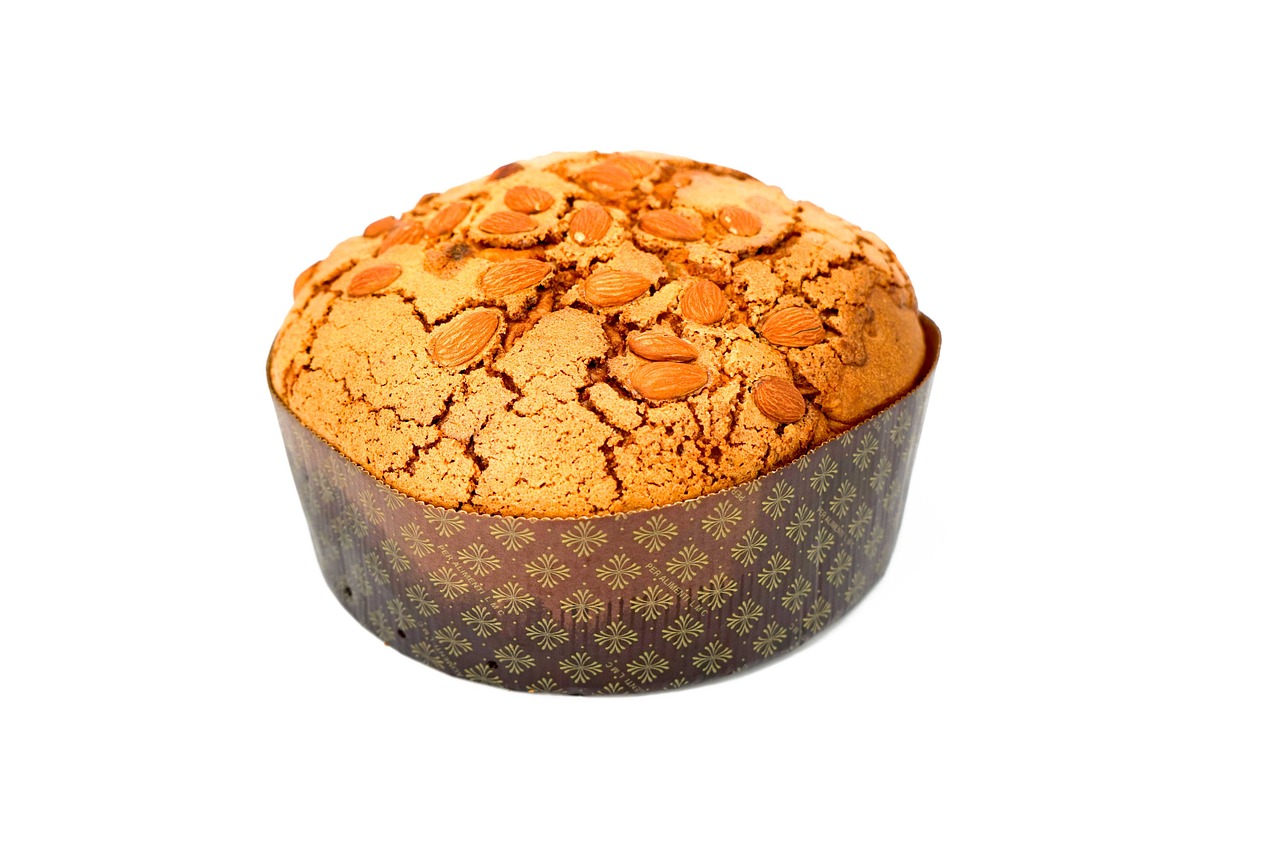
Fugassa (or “focaccia veneziana”) is soft, golden, lightly sweet and deeply aromatic. It is made with simple ingredients but demands time, technique and intuition.
Traditional fugassa is:
- naturally leavened (often with a starter passed down for generations)
- slowly risen for up to 36 hours
- perfumed with lemon or orange zest and real vanilla
- light, airy, and tender
- crowned with a thin sugared crust
It contains no raisins, no candied fruit, no chocolate, no fillings. Fugassa is Venetian minimalism at its best — elegant, understated, timeless.
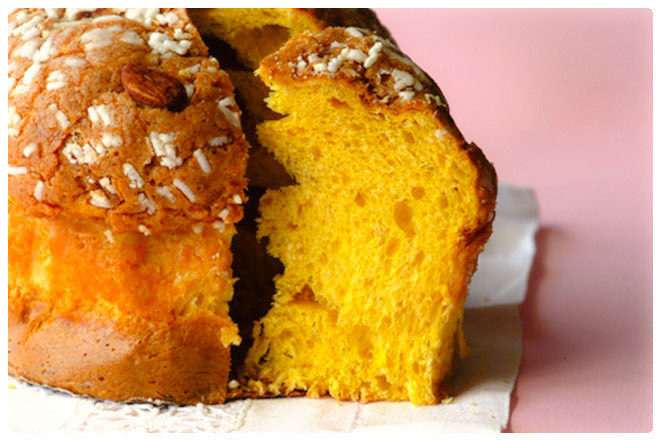
Here is what a true Venetian fugassa looks like:

Where Fugassa Comes From — A Venetian Christmas Before Panettone
The story begins long before Christmas pastries became an industry. In the Middle Ages, enriched sweet breads were reserved for feast days. Butter, eggs and sugar were precious. When a family managed to make a sweet bread, it meant something significant had happened: a wedding, a baptism, a religious celebration, or Christmas.
These early breads were called “pane de festa” — celebratory bread. Over centuries, in Venice, the name evolved into fugassa.
By the 1700s, fugassa had become the lagoon’s official Christmas cake. Families prepared it days in advance, letting it rise slowly near the warm bricks of the stove, brushing it with egg, scoring the top, and baking it in local ovens.
If panettone is Milan’s Christmas, fugassa is Venice’s Christmas.
How Venetians Traditionally Eat Fugassa
Venetians have always eaten fugassa in specific moments of the festive season:
- Christmas morning with hot chocolate
- Christmas Eve after seafood dinner
- December 26 (Santo Stefano) with coffee
- During visits to friends and relatives
- As a breakfast treat for children during the holiday week
A classic Venetian way to enjoy fugassa? Cut into thick slices, lightly toasted, drizzled with a bit of Moscato wine, and eaten slowly while watching the winter fog lift from the lagoon.
Where to Buy the Best Fugassa in Venice Today
Only a few bakeries still make fugassa the traditional way. These are the places Venetians trust — the guardians of an old culinary ritual.
Dal Nono Colussi — Dorsoduro
The holy grail of fugassa. This tiny family-run bakery has kept the tradition alive for generations. Their fugassa is legendary: soft, perfumed, feather-light. Made entirely by hand, without shortcuts. If you want the most authentic fugassa in Venice, come here early — they sell out fast.
Pasticceria Dal Mas — Santa Lucia Area
One of the oldest and most respected pastry shops in Venice. Their fugassa is rich, beautifully risen, and known for its delicate citrus notes. Convenient for anyone arriving by train — and a favorite among Venetian families.
Majer — Multiple Locations
A modern Venetian bakery that still respects old methods. Their version of fugassa is airy, aromatic and slightly more contemporary — perfect for visitors who want something accessible but traditional.
Pasticceria al Theatro — San Marco
Refined, elegant, technical. This pastry shop produces an excellent fugassa, made with high-quality ingredients and artisan expertise. They also compete in national contests for Italy’s best holiday cakes, which speaks to their level of craftsmanship.
How to Recognize a Real Fugassa
Real fugassa has very specific characteristics. Here’s how Venetians judge it:
- It should feel light for its size — if it feels heavy, it’s not properly risen.
- The crumb should pull into long strands — a sign of slow, correct leavening.
- The aroma must be delicate — vanilla, citrus, not artificial.
- The crust should be thin and lightly sugared — never thick.
- The texture should be cloud-soft, but never gummy.
If panettone is a symphony, fugassa is a violin solo: pure, simple, expressive.
A Traditional Venetian Fugassa Recipe
Fugassa is not a recipe built for speed. It is a recipe built for patience — a reflection of Venetian winter life.
Ingredients
- 500 g strong flour
- 160 g sugar
- 160 g butter
- 4 eggs
- 15 g fresh yeast or natural starter
- Vanilla bean
- Lemon or orange zest
- Pinch of salt
Method (Authentic, Simplified)
- Mix flour, yeast, water, and a bit of sugar. Let rise overnight.
- Next day, knead with eggs, butter, remaining sugar, zest and vanilla.
- Let rise again until doubled.
- Shape into a dome and let it rise a final time.
- Brush with egg, sprinkle lightly with sugar.
- Bake gently until golden and fragrant.
The result: Venice in cake form.
Why Fugassa Matters to Venetians
Because fugassa is not simply a dessert — it is a cultural symbol.
It represents:
- the rhythm of lagoon life
- the pride of artisan work
- the resilience of traditions older than Italy itself
- the nostalgia of winter mornings with family
- the elegance of Venetian simplicity
To taste fugassa is to take part in Venice’s living history.
How to Enjoy Fugassa During Your Trip
Here are the most Venetian ways to enjoy it:
- with a cappuccino on a cold morning in Dorsoduro
- during a winter walk along Zattere
- with a glass of Moscato after dinner
- on a foggy morning before exploring hidden calli
If you want to combine fugassa with real Venetian storytelling, join our Hidden Venice Orientation Tour — where we can pair the walk with pastry stops and seasonal tastings.
Recommended TLV Guides for a Winter Trip
- Venice in December — Full Monthly Guide
- Venetian Christmas Cookies & Sweets
- Most Beautiful Winter Walks in Venice
- Where to Eat in Venice in Winter
- Best Churches to Visit at Christmas
- Private Winter Boat Tour
Final Thoughts
Fugassa is more than a recipe. It is a philosophy. A reminder that the best things in life are simple, slow, handmade, and meant to be shared.
In a fast world, Venice still chooses patience — and fugassa is one of its sweetest proofs.
FAQs
Is fugassa the same as panettone?
No. Fugassa is older, simpler, and does not include raisins or candied fruit. It is softer, lighter, and historically Venetian.
Where can I buy fugassa in Venice?
The most authentic versions come from artisan bakeries such as Dal Nono Colussi, Pasticceria Dal Mas, Majer, and Pasticceria al Theatro.
Can I taste fugassa on a TLV tour?
Yes. During the winter season we can include fugassa and seasonal sweets on our Hidden Venice Orientation Tour.