Venice has marketed itself as the world’s most romantic city for so long that the claim has become both true and complicated.
Yes, Venice is extraordinarily romantic. The architecture, the water, the light, the sense of being suspended outside normal time — all of this creates conditions where romance feels not just possible but inevitable.
But the romance most visitors imagine — empty canals at sunset, private moments in hidden gardens, gondola rides through silent waterways — exists only in highly specific circumstances that require either exceptional timing, local knowledge, or both.
The most romantic places in Venice aren’t necessarily the most famous ones. After 28 years living here, I’ve watched thousands of couples discover that the genuine romantic moments happen away from where they expected to find them.
Why Piazza San Marco Isn’t Romantic (Despite What You’ve Heard)
Piazza San Marco appears in every romantic Venice fantasy. Couples imagine themselves alone in this magnificent square, surrounded by Byzantine architecture, pigeons cooing softly, moonlight catching the golden mosaics of St. Mark’s Basilica.
The reality: Piazza San Marco is almost never empty. During the day, it’s packed with tourists. In the evening, it’s still crowded, though the quality of light improves dramatically. At midnight, there are still people taking photos.
This doesn’t mean San Marco isn’t beautiful. It’s one of the most spectacular urban spaces in the world. But romantic? That requires conditions most visitors never experience.
The exception is very early morning — before 7:00 AM in winter, before 6:30 AM in summer. At these hours, San Marco is nearly deserted. The light is soft. The space reveals its proportions without competing with crowds. Walking across the empty square, hearing only your footsteps echo, feels genuinely magical.
But most couples aren’t willing to wake up at 5:30 AM on vacation for a romantic moment. Which is why San Marco rarely delivers the experience people imagine.
The romantic moments in Venice happen in unexpected places — small bridges at sunset, quiet campi in residential neighborhoods, waterfront promenades where locals walk in the evening. These locations don’t appear on romantic Venice lists because they’re not spectacular. They’re simply beautiful, accessible, and genuinely romantic because they’re not performing romance for tourists.
San Giorgio Maggiore: The View That Actually Delivers
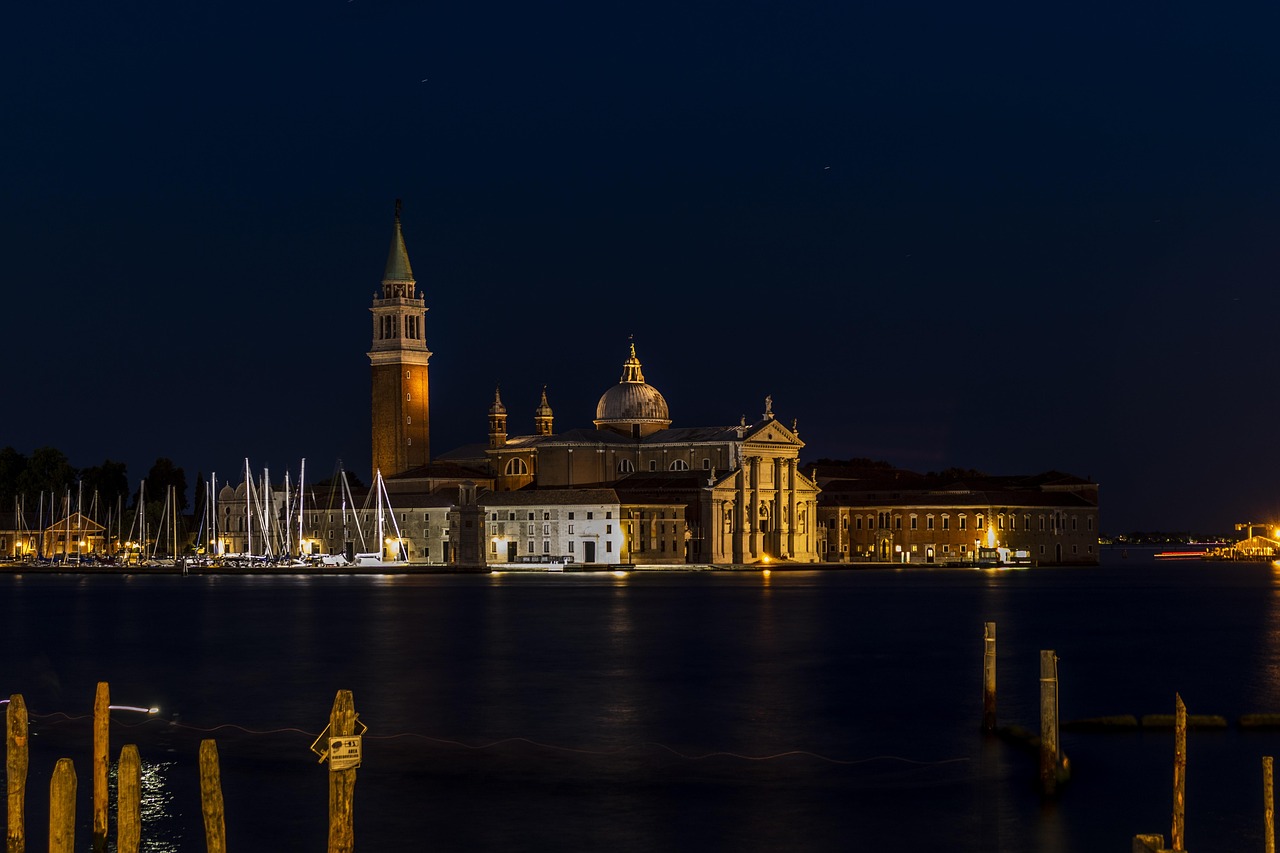
If you want a genuinely romantic elevated perspective of Venice — the kind where the entire city spreads before you in impossible beauty — skip St. Mark’s Campanile and go to San Giorgio Maggiore.
This island church sits directly across from San Marco, separated by a short vaporetto ride. The bell tower offers 360-degree views of Venice, the lagoon, and the distant Alps on clear days. More importantly, it’s significantly less crowded than the Campanile in San Marco.
Skip-the-line tickets to San Giorgio Maggiore let you ascend the bell tower via elevator — no climbing hundreds of stairs — to a viewing platform that offers the single best perspective of Venice’s romantic geography.
Sunset from San Giorgio Maggiore is extraordinary. The light turns golden, then pink, then deep orange as the sun descends toward the mainland. Venice’s silhouette — domes, towers, palaces — becomes a study in backlit architecture. The water reflects everything, doubling the beauty.
Unlike St. Mark’s Campanile, which can feel crowded and rushed, San Giorgio’s tower accommodates fewer visitors at once. You can linger. You can watch light change. You can have an actual moment rather than fighting for position among tour groups.
The church itself is also worth visiting — designed by Palladio, beautifully proportioned, peaceful. After descending from the tower, walking through the church’s cool interior provides a contemplative transition back to Venice’s intensity.
Most tourists never visit San Giorgio Maggiore. It requires a deliberate vaporetto trip across the basin. This slight inconvenience is exactly what keeps it romantic — accessible enough to reach easily, remote enough that crowds thin dramatically.
The Peggy Guggenheim Collection: Art, Architecture, and Grand Canal Views
The Peggy Guggenheim Collection occupies an unfinished 18th-century palace on the Grand Canal in Dorsoduro. It houses one of the world’s finest collections of 20th-century art — Picasso, Pollock, Kandinsky, Dalí, Miró.
But what makes it romantic isn’t primarily the art. It’s the garden.
The museum’s sculpture garden extends along the Grand Canal, offering unobstructed water views framed by mature trees and modern sculptures. This combination — contemporary art, historic architecture, Grand Canal vistas — creates an atmosphere that feels simultaneously sophisticated and intimate.
Share a quiet moment at the Peggy Guggenheim Collection by visiting late afternoon, when the museum is quietest. Sit in the garden. Watch water traffic pass on the Grand Canal. The light through the trees, the proximity to water, the sense of being in a private space overlooking public Venice — this is romance without performance.
The café overlooking the canal serves excellent coffee and aperitifs. Having a Spritz in the garden at 5:00 PM, surrounded by Giacometti sculptures and water views, ranks among Venice’s most civilized romantic experiences.
The museum itself rewards attention. Peggy Guggenheim’s personal story — American heiress, art collector, lover of artists, expatriate who made Venice home — adds human dimension to the collection. The art isn’t distant or academic. It’s personal, passionate, sometimes erotic. This emotional directness suits romantic visits better than more austere museum collections.
Unlike Ca’ Rezzonico or the Accademia, which display primarily historical Venetian art, the Guggenheim feels contemporary. This makes it appealing for visitors who find endless Renaissance paintings exhausting. Modern art in an 18th-century palace overlooking the Grand Canal — the contrast itself is romantic.
Dorsoduro’s Zattere: The Promenade Venetians Actually Use
The Zattere is a long, broad promenade running along Dorsoduro’s southern waterfront, facing the Giudecca Canal. Unlike most Venetian walkways, which are narrow and hemmed by buildings, the Zattere offers open sky, wide pavement, and expansive water views.
This is where Venetians walk on Sunday afternoons. Families, couples, elderly residents, students — everyone comes to the Zattere when they want fresh air and space to stroll.
The romantic quality comes from the promenade’s orientation. You’re walking alongside water, but you’re not trapped by tourism infrastructure. No souvenir shops. No restaurant touts. Just a beautiful walkway where people genuinely promenade rather than rush between attractions.
Sunset from the Zattere is glorious without being dramatic. The light turns soft and golden. Boats cross the canal leaving gentle wakes. The Giudecca island across the water catches the last sun. Everything feels calm rather than spectacular — which is precisely what makes it romantic.
Several excellent cafés and gelaterias line the Zattere. Gelateria Nico is legendary among Venetians for its gianduiotto — hazelnut gelato served with whipped cream. Sitting on the Zattere at sunset, eating gelato, watching boats pass — this is romance as simple pleasure rather than staged experience.
The promenade connects several interesting sites: the Church of Santa Maria della Salute at one end, the Punta della Dogana contemporary art museum, the Church of the Gesuati with Tiepolo frescoes. You can combine romantic walking with cultural visiting without feeling like you’re executing a tourism checklist.
Walking is Venice’s primary pleasure, and the Zattere offers the city’s best walking experience — beautiful, functional, genuinely Venetian.
Campo Santa Margherita: Romance in Daily Life
Campo Santa Margherita in Dorsoduro is one of Venice’s largest and most vibrant squares. It’s also one of the least touristy, despite being easily accessible.
This campo functions as a neighborhood gathering place — not a performance space for visitors. In the evening, locals fill the outdoor café tables. Students from the nearby university congregate around the square. Children play soccer. People buy vegetables from the morning market’s lingering vendors.
The romantic quality here comes from witnessing ordinary Venetian life. This is Venice as a functioning city rather than a museum. Couples can sit in a café, order wine, and watch actual community rather than tourist spectacle unfold around them.
The square hosts several excellent bars and bacari (wine bars). These aren’t tourist traps. They’re places where Venetians drink, meaning prices are reasonable and atmosphere is genuine. Sharing cicchetti (Venetian tapas) and wine at a Campo Santa Margherita bar, surrounded by Italian conversation and neighborhood energy, creates romance through immersion rather than isolation.
The campo is particularly beautiful in the evening when the light softens and the square becomes animated. Unlike San Marco’s nighttime crowds, which feel touristy and transactional, Campo Santa Margherita’s evening energy feels organic and welcoming.
Several interesting sites surround the square: the Church of Santa Maria dei Carmini with important Cima da Conegliano paintings, the Scuola Grande dei Carmini with Tiepolo ceilings, small artisan workshops. But the real attraction is the square itself — a space where Venice still functions as a living city.
Giudecca Island: Venice’s Quiet Side
Giudecca is a long, narrow island directly south of central Venice, separated by the Giudecca Canal. Most tourists never visit it. This is exactly why it’s romantic.
Giudecca retains the atmosphere Venice once had everywhere — quiet streets, residential neighborhoods, small churches, working boatyards, locals living ordinary lives. The waterfront facing Venice proper offers spectacular skyline views without requiring elevation or crowds.
Walking Giudecca’s southern waterfront at sunset, looking across water toward Venice’s silhouette, creates perspectives impossible from within Venice itself. You see the city as a complete form rather than experiencing it as immersive density.
The Church of Il Redentore — designed by Palladio, one of Venice’s most important Renaissance churches — sits prominently on Giudecca’s waterfront. Its classical façade is visible from across the Giudecca Canal, making it a recognizable landmark. Inside, the proportions and light quality exemplify Palladio’s architectural genius.
Several luxury hotels on Giudecca — Cipriani, Hilton Molino Stucky — offer high-end romantic experiences, though at corresponding prices. Their appeal comes partly from location: close enough to reach Venice quickly, remote enough to feel separate.
For budget-conscious romance, Giudecca offers simple pleasures. Walk the quiet streets. Sit on the waterfront watching boat traffic. Visit Il Redentore. Take the vaporetto back to Venice as the sun sets. This costs almost nothing and creates memories as meaningful as expensive hotels.
The island feels like a secret even though it’s completely accessible. Having a vaporetto pass removes any hesitation about exploring Giudecca — you simply hop on the next boat heading there.
The Bridges at Dawn: Romance Through Solitude
Venice has approximately 400 bridges. During the day, many are crowded. At dawn, they’re nearly empty.
Watching sunrise from a Venetian bridge — any bridge, not necessarily famous ones — ranks among the city’s most romantic experiences. The light changes minute by minute. Water reflects colors that seem impossible. The city is silent except for water lapping against stone and occasional seagull calls.
The Ponte dell’Accademia offers excellent sunrise views along the Grand Canal toward Santa Maria della Salute. Early morning light illuminates the church’s dome perfectly.
The Ponte degli Scalzi near the train station provides similar Grand Canal perspectives with fewer photographers competing for position.
Small neighborhood bridges in Cannaregio, Castello, or Dorsoduro offer intimate sunrise moments without any tourists. You might have an entire bridge to yourselves, watching a city of 50,000 residents slowly wake up.
The challenge with dawn romance is commitment. You must wake early, dress warmly (Venice is cold in the morning, especially near water), and walk through dark streets to reach your chosen bridge before sunrise.
But couples who make this effort consistently describe it as their favorite Venice memory — not because sunrise is more beautiful than sunset (though it is), but because sharing solitude in a place usually crowded creates intimacy impossible during normal tourist hours.
This is Venice without performance — just beauty, silence, and two people experiencing something genuine rather than staged.
Gondola Rides: When They’re Worth It (And When They’re Not)
The gondola question dominates romantic Venice planning. Should you? Is it a tourist trap? Does it ruin the experience to know you’re doing something expensive and clichéd?
The honest answer: gondola rides can be genuinely romantic if approached correctly.
Shared gondola rides — where you join strangers to split costs — are rarely romantic. You’re managing social dynamics with other tourists, not experiencing intimacy.
Serenaded gondola rides often feel performative. The singers are talented, but the experience is staged for tourists. Some couples love this. Others find it awkward.
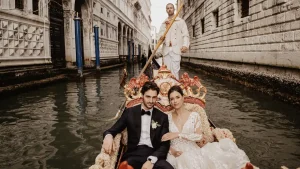
Private gondola rides through quiet canals at less busy times work beautifully. Early morning or late afternoon, routing through residential rii (small canals) rather than the Grand Canal, with a skilled gondolier who reads the moment and doesn’t force conversation — this creates romance worth the cost.
The key is treating the gondola as transportation rather than spectacle. Use it to reach somewhere specific — perhaps crossing from Dorsoduro to San Marco via quiet back canals, or exploring Cannaregio’s northern waterways. The journey becomes the experience rather than performing “romantic gondola ride” for yourselves.
Understanding the reality of gondolas — what they cost, how they work, when they’re worthwhile — removes the anxiety around the decision. They’re expensive. They’re touristy. They can also be beautiful if approached thoughtfully rather than compulsively.
The Romantic Mistake Everyone Makes
The most common romantic mistake in Venice is over-planning.
Couples arrive with detailed itineraries: gondola at 3:00 PM, romantic dinner at 7:30 PM, sunset viewing at predetermined location, drinks at specific famous bar. This approach guarantees stress rather than romance.
Venice’s romantic moments happen spontaneously — finding an empty bridge at sunset while walking to dinner, discovering a beautiful campo you’d never heard of, sitting in a quiet church simply because you were hot and needed shade, then realizing the interior is extraordinarily beautiful.
The rigid itinerary prevents these discoveries. You’re always heading somewhere specific, which means you miss everything in between.
Venice rewards wandering without agenda. The most romantic experiences come from being open to whatever appears rather than executing a predetermined plan.
This doesn’t mean avoiding planning entirely. Book hotels. Reserve restaurants if you want certainty. But leave enormous gaps in your schedule for simply walking, getting lost, following interesting streets, sitting when you’re tired rather than pushing toward the next sight.
Romance requires breathing room. Venice offers that abundantly if you allow it.
Where to Eat Romantically (Without Tourist Traps)
Venice has countless restaurants claiming to be “romantic.” Most are generic tourist operations with inflated prices and mediocre food.
Genuinely romantic dining in Venice happens in specific contexts:
Small restaurants in residential neighborhoods — Cannaregio, eastern Castello, western Dorsoduro — where the atmosphere is intimate because locals are dining, not tourists.
Restaurants with canal-side tables where you can watch water traffic while eating. Vini da Gigio in Cannaregio or Osteria Alla Staffa in Castello exemplify this — excellent food, canal views, reasonable prices.
Traditional bacari (wine bars) serving cicchetti create romance through informality. Standing at a bar, sharing small plates, tasting several wines — this feels more intimate than formal dining.
Avoid restaurants with touts outside aggressively recruiting customers. These exist only for tourists. Also avoid anywhere with photos of food in the windows or menus in eight languages.
The best strategy is walking into neighborhoods where restaurants cater primarily to Venetians. If you see locals eating there, the food is probably good and the price fair. A knowledgeable guide can introduce you to these places — the ones locals trust that don’t appear in guidebooks.
Romantic Venice in Different Seasons
Venice’s romantic character changes dramatically by season.
Winter (December–February): Cold, often foggy, sometimes flooded, very quiet. This is Venice at its most atmospheric and least crowded. Romance comes from isolation rather than spectacle. Fog-draped canals, empty streets, the sense of having the city to yourselves.
Spring (March–May): Perfect weather, flowers blooming, increasing crowds. Romance is easily accessible but requires navigating tourism. Early mornings and late evenings still offer relative solitude.
Summer (June–August): Hot, crowded, expensive. Romantic moments require escaping to less obvious locations — Giudecca, northern Cannaregio, early morning walks. The Lido beach offers a different romantic experience than central Venice.
Autumn (September–November): Beautiful light, moderate crowds, comfortable temperatures. Many consider this Venice’s most romantic season — accessible enough to enjoy, quiet enough to feel special.
Understanding seasonal patterns helps set realistic expectations. Winter Venice is profoundly romantic but requires accepting cold and potential acqua alta. Summer Venice requires strategy to find romantic moments among crowds.
Creating Your Own Romantic Venice Experience
The most romantic Venice experiences are personal rather than prescribed.
Some couples find romance in art museums — spending hours in the Accademia discussing paintings. Others find it walking aimlessly through residential neighborhoods. Some love formal restaurants; others prefer simple wine and cicchetti in neighborhood bars.
The key is understanding what romance means to you as a couple, then finding Venice experiences that support that rather than conforming to generic romantic scripts.
If you love art, skip-the-line museum tickets let you explore Venice’s extraordinary collections without wasting precious time standing in queues.
If you value authentic local experiences, a private tour focused on hidden neighborhoods can reveal the Venice locals know — the intimate campi, the artisan workshops, the quiet canals where romance happens naturally rather than performing for tourists.
If you want simply to understand Venice better — its history, its architecture, how it functions as a living city — that knowledge itself creates romantic context. You’re not just visiting. You’re understanding.
Plan Your Romantic Venice Experience
For the best viewpoints: Book skip-the-line tickets to San Giorgio Maggiore to catch sunset over Venice without fighting crowds on St. Mark’s Campanile.
For art and architecture: The Peggy Guggenheim Collection offers Grand Canal views, beautiful gardens, and world-class modern art in an intimate setting.
For transportation freedom: A vaporetto pass removes friction from exploring romantic locations across Venice and its islands — Giudecca, San Giorgio, the Zattere, anywhere water reaches.
For authentic experiences: Create unforgettable memories with a private romantic Venice tour designed around hidden neighborhoods, local traditions, and the Venice that exists beyond tourist scripts.
For cultural depth: Understanding Venice’s history, architecture, and living culture transforms sightseeing into genuine connection. A knowledgeable guide can provide context that makes every moment more meaningful.
Experience Romance the Way Venice Actually Offers It — Quietly, Beautifully, Authentically
After 28 years living in Venice and guiding couples featured by Rick Steves, NBC, and US Today, I know where genuine romantic moments happen — not where they’re supposed to happen. Let me show you the Venice worth experiencing together.
Book your private romantic Venice experience or secure skip-the-line access to Venice’s most beautiful viewpoints — create memories that matter rather than checking boxes on a romantic to-do list.
Frequently Asked Questions
Is Venice really as romantic as everyone says?
Yes, but the romance requires understanding where it actually exists. Venice is genuinely romantic in quiet early mornings, at neighborhood campi during sunset, on residential bridges, and in moments of discovery rather than predetermined spectacle. Piazza San Marco at midday surrounded by crowds isn’t romantic. An empty bridge in Dorsoduro at dawn absolutely is. The city offers profound romance to couples willing to look beyond the obvious.
Are gondola rides worth the cost for a romantic experience?
Private gondola rides through quiet canals at less busy times can be genuinely romantic — early morning or late afternoon, routing through residential waterways rather than the Grand Canal. Shared gondolas with strangers or heavily serenaded rides often feel performative rather than intimate. The key is treating gondolas as atmospheric transportation rather than obligatory romantic performance. They’re expensive , so decide based on your budget and what romance means to you.
What’s the most romantic time to visit Venice?
Winter (December-February) offers the most atmospheric romance — fog, empty streets, the sense of having Venice to yourselves, though cold weather and potential flooding require preparation. Spring (March-May) and autumn (September-November) balance beautiful weather with manageable crowds. Summer is hot and crowded, requiring strategy to find romantic moments. The most romantic season depends on whether you prefer isolation and atmosphere (winter) or accessibility and comfort (spring/autumn).