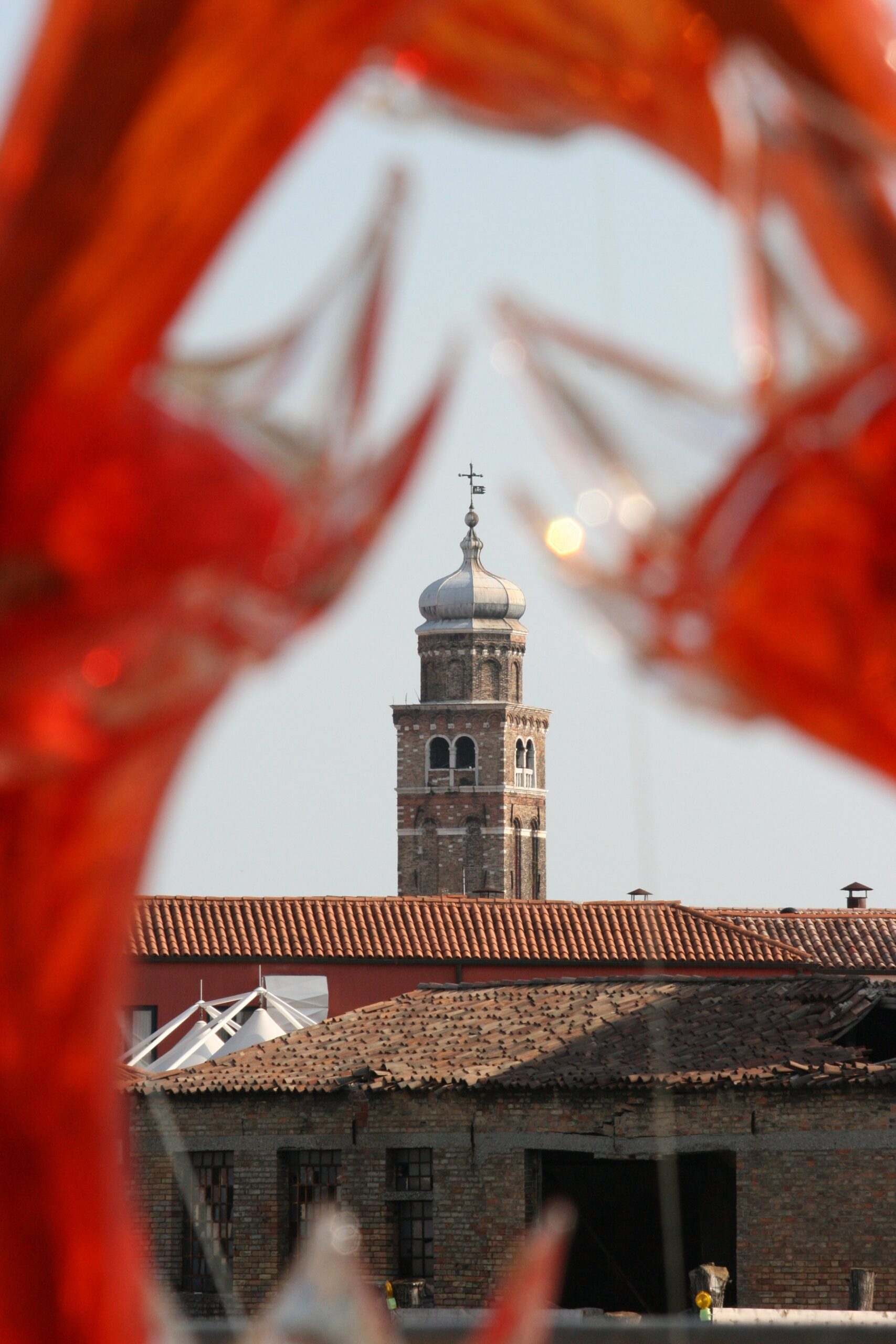
Murano sits just over a mile north of Venice, close enough to reach in fifteen minutes by boat, and it holds a very different rhythm from the city it belongs to: wider canals, quieter streets, and seven hundred years of a single, uninterrupted craft still practiced exactly where it began. Most visitors treat it as a quick stop for a souvenir. It deserves considerably more than that.
History: Why Venice Moved Its Fire to an Island
Murano’s identity as the world’s glassmaking capital didn’t happen by accident. In 1291, the Venetian Republic ordered every glass furnace in the city relocated to Murano, officially to reduce the risk of fire spreading through a city built almost entirely of wood, and unofficially, historians note, to make it far easier for the Republic to guard the trade secrets behind an industry that had become one of its most valuable exports.
That isolation worked. Murano’s glassmakers developed techniques no other European center could match for centuries: crystal-clear glass at a time when most of Europe still produced cloudy, greenish glass; mirrors so flawless they were treated as engineering marvels; and increasingly elaborate chandeliers, beads, and decorative pieces exported across the known trading world. Venice guarded these techniques so fiercely that for stretches of the Republic’s history, glassmakers who left the island to practice their craft elsewhere in Europe were considered guilty of treason, a genuinely serious legal risk rather than a metaphor. Today, Murano’s furnaces are still run largely by families with generations-deep ties to the same craft, some tracing their workshops back multiple centuries on the same small island.
Glassblowing: What’s Actually Happening in the Furnace
Watching Murano glassblowing in person is genuinely different from watching a video of it, mostly because of the heat and the speed. A furnace runs at roughly 1,000 to 1,200 degrees Celsius, hot enough that a glob of molten glass on the end of a blowpipe stays workable for only a matter of seconds before it needs reheating. A master glassblower, called a maestro, shapes, turns, and blows the glass through a sequence of rapid, practiced movements built from years, often decades, of training, usually starting as a teenage apprentice under an older maestro in the same workshop.
The techniques themselves vary widely depending on what’s being made. Chandeliers and vases are typically free-blown and shaped with hand tools while the glass is still hot. Murrine, the technique behind Murano’s famous patterned glass, involves fusing colored glass rods together, then slicing the fused cane crosswise to reveal a repeating pattern in each thin disc, a technique also used at a much smaller scale in Murano’s UNESCO-recognized glass bead tradition. What looks like a finished, elegant object in a shop window usually represents a process that took just minutes to execute, but years to be able to execute correctly.
The Workshop Experience: Why It’s Worth Seeing in Person
A genuine Murano workshop visit isn’t a passive shopping trip; it’s watching a live demonstration inside an actual working furnace, standing close enough to feel the heat, hearing the hiss of the torch and the rhythmic tap of tools against hot glass. The best workshops let you watch a maestro complete a full piece from raw glass to finished object in real time, often narrating what they’re doing as they work, and many offer the chance to ask questions directly or even try simple techniques yourself under supervision.
The honest caveat, and one I give every guest before visiting: not every stop marketed as a “Murano glass factory” is actually a working furnace with genuine artisans. Some operations near the main tourist path exist primarily as retail showrooms with a brief, staged demonstration attached. A real workshop will always be willing to show you exactly where and how a piece was made, and any authentic Murano piece worth buying will carry the “Vetro Artistico Murano” trademark seal, a legal guarantee it was produced on the island using traditional methods.
What to See Beyond the Furnaces
Murano rewards a slower visit beyond the glass demonstrations themselves. The Museo del Vetro (Glass Museum), housed inside the historic Palazzo Giustinian, traces the island’s glassmaking history from antiquity through contemporary design, and it’s the best single place to understand the full scope of what Murano has produced across seven centuries in one visit. The Basilica dei Santi Maria e Donato, one of the oldest churches in the entire lagoon, dates back to the 7th century and holds a genuinely striking Byzantine mosaic floor along with relics said to belong to Saint Donatus. And simply walking the island’s quieter canals, away from the main glass-shop strip near the vaporetto stop, reveals a genuinely lived-in place: fishermen, local cafés, and the everyday rhythm of an island that exists for its residents first and its visitors second.
Visit Murano With a Local Guide
The difference between a rushed, generic glass demonstration and a genuinely memorable Murano visit almost always comes down to which workshop you’re taken to, and whether someone is actually explaining what you’re watching rather than simply selling you a finished piece afterward. That’s exactly what a guided lagoon visit adds: access to a real working furnace, timed around the maestro’s actual schedule rather than a tour bus timetable, with the history and technique explained as you watch.
Book the full lagoon experience: Venice Tour of the Lagoon – Discover the Hidden Gems takes you to Murano for a genuine glassblowing demonstration before continuing on to Burano and Mazzorbo, all with a private guide and boat throughout the day.
Prefer to focus on Murano alone? Murano Workshop and Visit – Discover the Art of Glassblowing puts you directly in front of a working furnace with a private boat ride from Venice included. For the museum side of the island’s history, Discover Murano Glass Museum: Skip-the-Line Tickets covers seven centuries of Venetian glass inside the Palazzo Giustinian.
Frequently Asked Questions
How far is Murano from Venice, and how do I get there?
Murano sits about a mile north of Venice’s historic center, roughly a 10 to 15 minute boat ride away. Public vaporetto Line 4.1 or 4.2 connects Venice to Murano directly, while a private guided tour includes boat transport as part of the visit.
Is Murano glass expensive, and how do I know it’s genuine?
Prices vary widely depending on the piece, from small affordable items to museum-quality decorative works. Genuine Murano glass carries the “Vetro Artistico Murano” trademark seal, a legal guarantee it was made on the island using traditional methods; imitations manufactured elsewhere are common in souvenir shops near Venice’s main tourist areas.
How long should I spend on Murano?
A focused visit, including a glassblowing demonstration and a walk through the historic center, takes about two to three hours. If you’re combining Murano with Burano and Mazzorbo in a single lagoon day, plan on roughly an hour to an hour and a half on Murano itself before continuing on.