There are concert halls. And then there is La Fenice.
Venice’s opera house has burned down twice — in 1836 and again in 1996. Both times, the city rebuilt it. Not because they had to. Because they couldn’t imagine Venice without it.
The name “La Fenice” means “The Phoenix.” The bird that rises from ashes. It’s not a poetic choice. It’s a literal description of what happened.
The first fire destroyed the original 18th-century theater. Venetians rebuilt it in less than two years, creating one of Europe’s most beautiful opera houses. The second fire, caused by arson during renovations, seemed like it might be the end. Instead, Venice rebuilt La Fenice again — this time exactly as it was, down to the last gilded detail.
That determination tells you something about what opera means to Venice. This is a city that refuses to let go of beauty, even when practicality suggests otherwise.
Why La Fenice Shaped Music History
La Fenice premiered some of the most important operas ever written. Rossini conducted here. Verdi debuted Rigoletto and La Traviata on this stage. Stravinsky premiered The Rake’s Progress here in 1951.
When you sit in one of those red velvet seats, you’re not just watching a performance. You’re sitting where music history was made — and continues to be made.
The acoustics are famously perfect. The interior is overwhelming — gold leaf, hand-painted ceilings, five tiers of boxes rising like a vertical city. Even if you’ve never been to an opera, La Fenice makes you understand why people dressed up, traveled across Europe, and spent fortunes just to sit in a room and listen.
Today, La Fenice hosts roughly 200 performances each year — opera, ballet, symphonic concerts. You can visit during the day with an audio guide, or attend an evening performance when the theater is fully alive.
If you choose to attend a performance, you’ll notice Venetians in the audience. Not tourists playing dress-up. Locals who come regularly, who know the repertoire, who still consider opera part of ordinary life. That cultural continuity is rare in modern cities.
The Architecture That Survived (Almost Everything)
La Fenice sits in the San Marco district, tucked behind small streets that don’t announce its importance. That’s very Venetian. The grandest things often hide behind the plainest doors.
The exterior is restrained — neoclassical but not showy. The real spectacle happens inside.
Walk through the entrance and the theater opens up like a jewel box. The main auditorium is a horseshoe shape, the traditional Italian opera house design that optimizes both acoustics and social display. Five tiers of boxes rise in a curve, each box separated by gilded columns and draped with red velvet.
The ceiling is painted with allegorical scenes — Apollo, the Muses, figures representing music and poetry. Gold leaf covers everything that isn’t painted or upholstered. Crystal chandeliers hang from the ceiling, their light reflecting off all that gilt.
This isn’t subtle design. It’s unabashedly opulent — a 19th-century vision of luxury and refinement that makes no apologies for excess.
The boxes themselves are tiny. Each holds perhaps six people seated close together. Privacy comes from curtains that can be drawn across the front, though during performances these stay open. The boxes weren’t just for watching performances. They were for being seen, for conducting business, for socializing.
The box system reflects Venice’s social hierarchy made architectural. The best boxes — closest to the stage, at optimal height — belonged to the wealthiest families. Higher boxes and gallery seats accommodated everyone else. Opera was democratic in that anyone could attend, but stratified in where they sat.
This social geography still exists, though now determined by ticket price rather than family name. The cheapest seats — in the upper galleries — offer surprisingly good sightlines and perfect acoustics. The experience doesn’t depend on how much you spend.
The 1996 Fire and What It Meant
The 1996 fire was devastating in ways beyond physical destruction.
On January 29, 1996, during renovation work, La Fenice caught fire. Security cameras showed two electricians leaving the building minutes before flames engulfed it. The roof collapsed within hours. The interior was completely destroyed. Only the exterior walls remained standing.
Venice responded with fury and grief. Not just about losing the theater, but about what the fire represented. Investigations revealed that the electricians had set the fire deliberately to avoid financial penalties for delayed work. The arson wasn’t political or ideological. It was purely practical criminality that destroyed irreplaceable cultural heritage.
The trial and subsequent investigations dragged on for years, becoming symbolic of Italy’s broader struggles with corruption, bureaucratic inefficiency, and the gap between law and justice.
But even while the investigations proceeded, Venice committed to rebuilding.
The decision to reconstruct La Fenice exactly as it was — rather than modernizing or redesigning — was controversial. Some argued for contemporary architecture that would acknowledge the 21st century rather than recreating the 19th. Others insisted that La Fenice’s significance lay precisely in its historical design, and that rebuilding differently would mean losing it forever.
Venice chose exact reconstruction. Every detail had to match the pre-fire theater. Artisans studied old photographs, consulted archives, used traditional techniques nearly forgotten. The work was painstaking and slow.
The cost exceeded €90 million. The timeline stretched to eight years — far longer than anyone wanted. But when La Fenice reopened in December 2003, it was as it had been. Not a replica. Not an approximation. The same.
What Reopening Meant
The reopening concert on December 14, 2003, was intensely emotional.
Conductor Riccardo Muti led the orchestra through a program including Verdi and Stravinsky — composers tied to La Fenice’s history. President Carlo Azeglio Ciampi attended. Many in the audience wept openly during the performance.
The emotional response wasn’t just about architecture. It was about Venice’s ability to preserve itself despite constant threats — water, tourism, depopulation, modernity. La Fenice’s rebirth felt like proof that Venice could survive as something more than a museum city.
Today you can visit La Fenice during the day with a self-guided audio tour that takes roughly 45 minutes. The audio guide is well-produced, covering the theater’s history, architecture, and musical significance. But it can’t quite capture what happens when the lights dim and the orchestra begins.
For that, you need to attend a performance.
Venice concert tickets for La Fenice performances range dramatically in price depending on seat location and the production. Major opera premieres and famous conductors sell out months in advance. Smaller concerts and ballet performances often have availability even close to performance dates.
The experience of attending opera at La Fenice is worth the cost if you have any interest in music, theater, or simply experiencing Venice’s living cultural traditions. Even if you don’t speak Italian or don’t consider yourself an opera person, sitting in that space while talented performers and musicians work — it’s extraordinary.
How to Visit (Day Tours vs. Performances)
Day visits allow you to see the theater, understand its architecture, and appreciate its history without committing to a full performance. The audio guide is informative and moves at your own pace. You can photograph the interior (without flash), spend time in the boxes, examine details up close.
The limitation is that La Fenice empty is like seeing a stage set without actors. Beautiful, but incomplete.
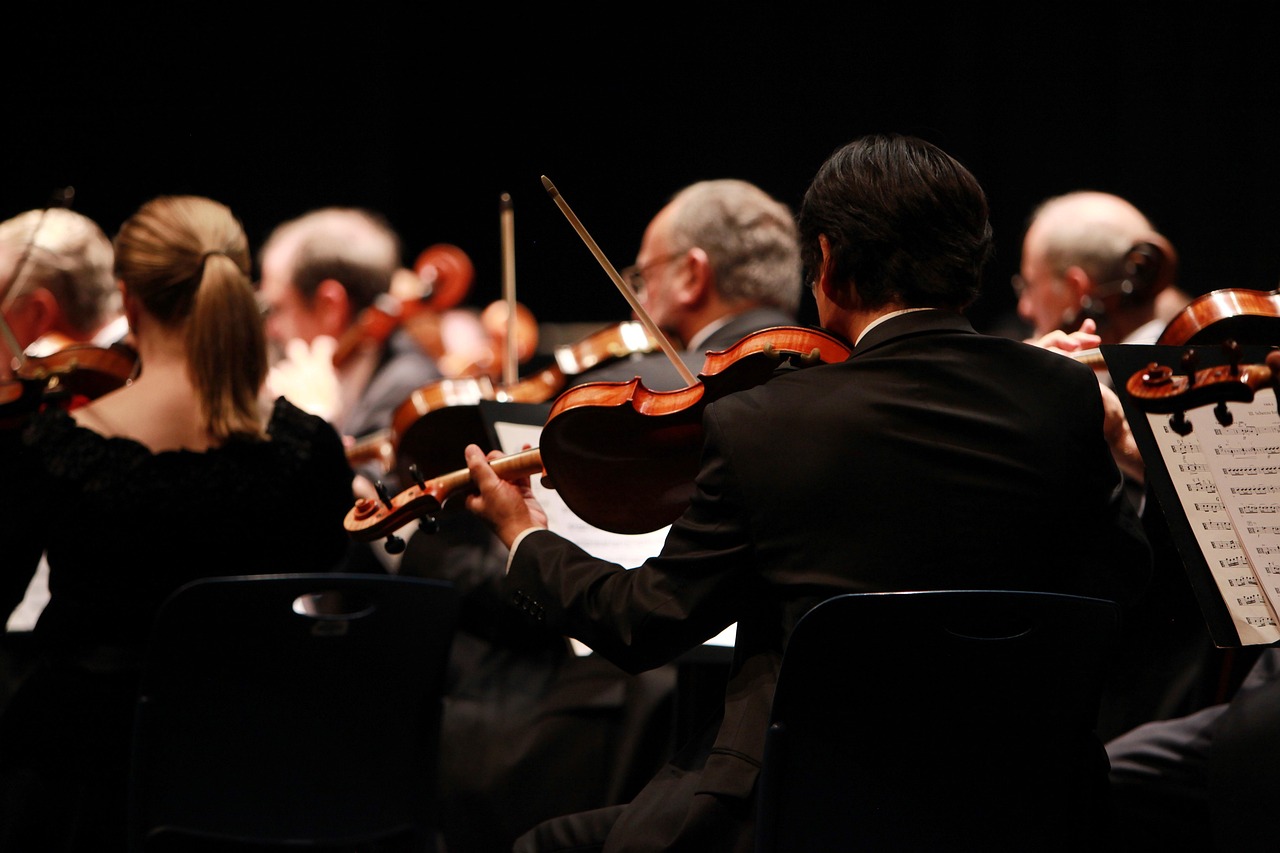
Evening performances show the theater in its intended context — lights blazing, audience dressed well (though dress codes aren’t strict), music filling the space. The acoustics that seem theoretical during day tours become visceral reality when the orchestra plays.
Opera performances run 2-4 hours depending on the work. Most include intermissions where you can explore the theater, visit the bar, observe Venetian opera-goers in their element. The social ritual matters as much as the performance itself.
Ballet and symphonic concerts offer alternatives if opera feels too intimidating. These run shorter and don’t require following complex plots in Italian. The experience of being in La Fenice during a live performance is what matters, not necessarily the specific art form.
Ticket prices for performances typically range from €30-40 for upper gallery seats to €200+ for premium boxes. The cheapest seats offer perfectly good views and excellent sound. Save money on tickets and spend it on dinner instead.
What to Pair With Your Visit
La Fenice stands near several other important sites. The area around it — the San Marco district between Piazza San Marco and Campo Santo Stefano — is dense with cultural and historical significance.
Palazzo Grassi and Punta della Dogana — both showcasing contemporary art from the François Pinault Collection — are within walking distance. The contrast between La Fenice’s 19th-century opulence and these spaces’ stark contemporary aesthetic shows Venice’s cultural range.
The Accademia Gallery, home to the world’s finest collection of Venetian painting from the 14th-18th centuries, sits across the Grand Canal. Skip-the-line tickets let you move directly into the museum rather than waiting in queues that can stretch 30-40 minutes during peak season.
Campo Santo Stefano — a large, beautiful square — is minutes from La Fenice and offers excellent cafés where you can sit outside and watch Venetian life unfold. This is one of Venice’s most elegant campi, surrounded by palaces and with enough space to feel open rather than hemmed in.
Exploring Venice’s cultural heritage with skip-the-line tickets to major museums removes the friction of waiting, letting you spend time experiencing art and architecture rather than standing in lines.
Other Music Venues in Venice
La Fenice is Venice’s premier opera house, but not its only music venue.
Church concerts happen frequently throughout Venice, particularly in the San Marco area. Churches like San Vidal, Santa Maria Formosa, and San Giacomo di Rialto host regular chamber music concerts — often Vivaldi, Baroque repertoire, occasional contemporary works.
These concerts are intimate, usually lasting 60-90 minutes, and cost significantly less than La Fenice performances (typically €25-35). The acoustics in stone churches suit small ensembles beautifully.
Scuola Grande di San Giovanni Evangelista and Scuola Grande di San Rocco occasionally host concerts in their historic halls. Listening to music in rooms decorated with Renaissance and Baroque art creates an experience church concerts can’t quite match — you’re surrounded by visual and auditory beauty simultaneously.
The quality varies. Church concerts are sometimes excellent, sometimes perfunctory performances aimed purely at tourists. La Fenice maintains consistently high standards because it’s a professional institution with permanent staff and serious artistic direction.
Ateneo Veneto near La Fenice hosts classical concerts and cultural events in a beautiful historic building. These lean more intellectual than theatrical — chamber music, lectures, poetry readings. The audience is primarily Venetian rather than tourist.
Venice’s musical culture extends beyond formal performances. Walking through residential neighborhoods in the evening, you’ll occasionally hear music from open windows — someone practicing piano, a small group rehearsing, recorded opera floating from an apartment. Music is embedded in daily Venetian life, not confined to concert halls.
Why La Fenice Matters Beyond Opera
La Fenice represents something larger than musical performance. It’s a statement about what Venice values enough to preserve.
The city could have let La Fenice disappear. After the 1996 fire, powerful voices argued that Venice couldn’t afford reconstruction. The money could address flooding, housing, infrastructure — practical needs rather than cultural luxuries.
Venice chose culture.
This decision reflects a fundamental belief that cities are more than infrastructure and housing. They’re also repositories of beauty, tradition, and artistic achievement. Losing La Fenice would have diminished Venice in ways beyond the building itself.
This is why Venice remains a living city rather than a museum — because it continues investing in cultural institutions that serve Venetians, not just tourists. La Fenice hosts performances that locals attend regularly, maintaining traditions that stretch back centuries.
When travelers ask me what makes Venice different from other Italian cities, part of the answer is places like La Fenice. Not because the building is beautiful — though it is — but because Venetians fought to keep it functioning as a theater rather than letting it become another monument.
Walking past La Fenice on a performance night, you’ll see people streaming in dressed for the evening. The building glows from within. The atmosphere feels both formal and exciting. For a moment, you glimpse what Venice was and what it remains — a city that takes art seriously enough to rebuild it from ashes.
Twice.
Common Mistakes Visitors Make
Assuming you need to be an opera expert: You don’t. Most performances have surtitles in English. The visual spectacle and music communicate even if you don’t follow every plot detail. Opera is meant to be experienced, not decoded.
Only visiting during the day: Day tours are valuable, but La Fenice alive during a performance is incomparably better. If you can possibly arrange to attend something — opera, ballet, concert — do it.
Waiting until the last minute to book performances: Major productions sell out weeks or months ahead. Check the schedule when planning your Venice trip and book early.
Overdressing from anxiety: Venice opera audiences dress nicely but not formally. Men don’t need tuxedos. Women don’t need gowns. Smart casual works fine for most performances. Opening nights and premieres are more formal, but regular performances accept anyone who looks put-together.
Skipping La Fenice because they don’t like opera: Even if opera isn’t your thing, experiencing this historic theater during a performance — any performance — is culturally significant. Consider attending a symphonic concert or ballet if opera feels too intimidating.
Not exploring the neighborhood: La Fenice sits in one of Venice’s most interesting areas. Walk around it, discover the small streets, find the artisan workshops and neighborhood cafés. The theater is magnificent, but it exists within a beautiful urban context worth experiencing.
Plan Your La Fenice Experience
For daytime visits: Self-guided audio tours run daily (except during rehearsals and performances). Book in advance online to guarantee entry. The visit takes 45-60 minutes and covers the main theater, boxes, and Apollo Rooms.
For evening performances: Check La Fenice’s official schedule and book as early as possible. Venice concert tickets available through multiple sources, though buying directly from La Fenice’s box office or official website ensures best prices and seat selection.
For context and depth: Understanding La Fenice within Venice’s broader cultural landscape transforms a theater visit into genuine cultural immersion. A private walking tour of Venice’s artistic heritage can include La Fenice alongside other sites that shaped the city’s cultural legacy — the Accademia, the Scuole Grandi, historic churches with important musical traditions.
For access to Venice’s cultural treasures: Skip-the-line tickets to major museums remove waiting time, letting you experience more art and architecture during your visit.
Experience the Theater That Venice Rebuilt Twice — Because Beauty Matters That Much
After 28 years guiding Venice and being featured by Rick Steves, NBC, and US Today, I know how La Fenice connects to Venice’s living culture — not as monument, but as working theater that Venetians still attend regularly. Let me show you the Venice that values art enough to rise from ashes.
Book your private Venice cultural tour or secure your La Fenice tickets and museum passes now — experience the art, architecture, and music that make Venice extraordinary beyond its canals and palaces.
Frequently Asked Questions
Do I need to understand Italian to enjoy an opera at La Fenice?
No. Most performances include electronic surtitles in English (and often additional languages) displayed above the stage. These provide real-time translations of the libretto, letting you follow the plot even without knowing Italian. Opera communicates through music, staging, and visual spectacle as much as words — many moments are emotionally clear regardless of language. The experience of being in this historic theater during a live performance transcends language barriers.
How far in advance should I book La Fenice tickets?
For major opera productions, premieres, or performances by famous conductors, book 2-3 months ahead if possible — these sell out quickly. For regular ballet, symphonic concerts, or less prominent operas, 2-4 weeks advance booking usually secures good seats. Last-minute tickets sometimes become available for performances that don’t sell out, but relying on this risks disappointment. Check the official La Fenice schedule when planning your Venice trip and book early to guarantee the best seat selection.
Are the cheapest seats at La Fenice worth buying?
Yes. Upper gallery seats (typically €30-50) offer excellent acoustics and clear sightlines to the stage. La Fenice’s horseshoe design means even the highest seats provide good views. You’ll see details of costumes and staging less clearly than from orchestra or box seats, but you’ll hear the music perfectly — and you’ll experience the same historic theater, performance quality, and atmosphere as expensive seats. Save money on tickets and spend it on a better dinner instead.