“Should I just visit the museum or actually drive?”
This question appears constantly from travelers planning Ferrari experiences from their Venice base. They understand Maranello matters — it’s Ferrari’s birthplace, the spiritual home of automotive passion that changed global car culture. But they’re uncertain whether museum-only visits provide sufficient payoff for the full-day commitment, or whether driving experiences justify the substantially higher cost.
The honest answer depends entirely on what you actually value and what story you want to tell when you return home.
After 28 years organizing experiences throughout Italy — watching countless visitors make this exact decision, then hearing their reactions afterward — I know exactly what the Ferrari Museum delivers, what it misses, how driving experiences transform the day, and who should choose museum-only versus who genuinely needs the complete package.
This isn’t about maximizing revenue by pushing expensive driving. It’s about honest assessment of what different experience levels actually provide so you invest your limited Italian time and budget in what serves you best.
This is the completely honest comparison — what the museum alone delivers, what adding driving changes, how we customize combinations that match your specific interests, and how to decide which level genuinely enhances your Italian journey versus which represents expensive excess that doesn’t match what you actually care about.
Understanding how to approach Italy beyond surface tourism changes everything.
What the Ferrari Museum Actually Provides
Before deciding whether “just the museum” suffices, understanding what it actually contains prevents both unrealistic expectations and underestimating its genuine value.
The Museo Ferrari in Maranello occupies purpose-built facility adjacent to the factory. The collection includes roughly 40-50 cars at any time (rotating based on exhibitions and loans), spanning Ferrari’s complete history from the 1940s to current production.
What you’ll see:
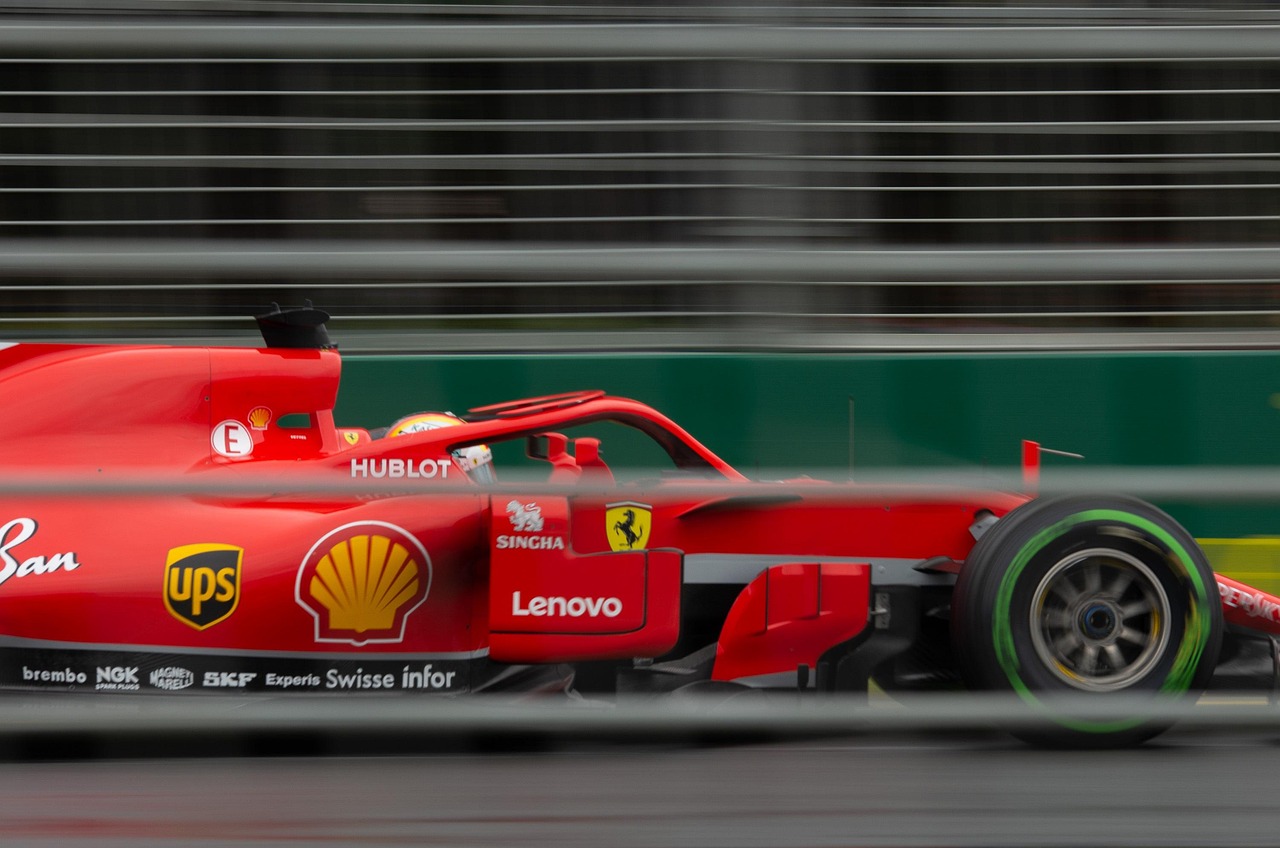
Formula 1 cars driven by legendary champions — Schumacher, Lauda, Alesi, Leclerc. These aren’t replicas. These are actual race cars that competed at Monaco, Monza, Spa. The engineering details, the sponsor logos, the subtle damage from contact during racing — all authentic.
Iconic road cars representing Ferrari’s design evolution — early Barchettas from the 1950s, the 250 GTO (often called the world’s most valuable car), mid-engine revolution models from the 1970s, contemporary supercars and hypercars like the LaFerrari.
Engines displayed as art objects — V12s, V8s, V6 turbos. The mechanical beauty becomes apparent when powerplants are removed from cars and presented as sculptures showing engineering craftsmanship.
Enzo Ferrari’s personal office reconstruction — furniture, personal items, photographs documenting the man behind the brand. This provides human context often missing from pure automotive celebration.
Rotating exhibitions focusing on specific themes — anniversaries of particular models, designer retrospectives, racing season documentation, technological innovations. These change every 6-8 months, giving return visitors fresh content.
Interactive elements include:
Driving simulators allowing “racing” Ferrari F1 cars on famous circuits. These range from arcade-simple to genuinely sophisticated simulation requiring real skill.
Historical timelines showing Ferrari’s parallel evolution with broader automotive and Italian history.
Video documentaries about racing victories, design philosophy, and engineering achievements.
The experience typically requires 90 minutes to 2 hours for thorough visit. Rushing through in 45 minutes means seeing cars without context. Lingering for 3+ hours eventually becomes repetitive unless you’re studying specific technical details.
What the museum does exceptionally well:
Presenting Ferrari’s complete story from tiny post-war racing operation to global luxury brand. Understanding this arc provides context that makes current Ferraris meaningful rather than simply expensive cars.
Showing actual race cars that made history rather than replicas or street cars pretending to be racing machines. The authenticity matters enormously to enthusiasts who can distinguish genuine articles from approximations.
Documenting design evolution across decades. Seeing 1950s curves transition to 1960s aggression, 1970s wedge shapes, 1980s excess, and contemporary aerodynamic sculpture reveals how automotive aesthetics changed while Ferrari identity persisted.
What the museum doesn’t provide:
Access to actual factory production areas. You’re adjacent to where Ferraris are built but can’t see assembly lines or manufacturing processes.
Driving experience or physical connection to the cars. Everything is behind barriers or ropes. You look but don’t touch, observe but don’t participate.
Deep technical education about engineering specifics. The exhibits show finished products beautifully but don’t extensively explain the technology underneath. Car enthusiasts seeking detailed mechanical understanding might find the presentation somewhat superficial.
Connection to living automotive culture. Museums are inherently retrospective — celebrating past achievements rather than current racing seasons or immediate future developments.
The Museo Enzo Ferrari in Modena: The Second Museum
Most comprehensive Maranello days include both museums — the main Ferrari Museum in Maranello plus the Museo Enzo Ferrari in Modena (10 minutes away).
The Modena museum focuses on Enzo Ferrari himself rather than the cars. The building combines Enzo’s preserved birthplace (small house where he was born in 1898) with striking modern architecture housing exhibitions about his life.
What this museum adds:
Personal history showing how Enzo’s character shaped Ferrari’s identity. His obsession with racing. His complicated relationships with drivers (whom he valued as tools for victory rather than as people). His business struggles. His personal tragedies (the death of his son Dino deeply affected later Ferrari models).
Early automotive history from when Enzo raced for Alfa Romeo before establishing Ferrari. This context explains why Ferrari started as racing team that happened to sell road cars rather than car company that happened to race.
Family artifacts, correspondence, and personal items that humanize the mythology. Enzo was difficult, demanding, often cruel — but also visionary, passionate, and genuinely obsessed with automotive excellence.
The two museums complement rather than duplicate. Maranello shows what Ferrari became. Modena shows where it came from and who created it. Visiting both provides complete narrative that either alone doesn’t fully deliver.
The combined museum visits require 3-4 hours total — 90-120 minutes at each location plus travel time between them.
Museum-Only Day: What This Actually Provides
If you choose museum experiences without driving, here’s what the day actually delivers:
Transportation from Venice: We arrange private driver collecting you from accommodation, comfortable 2-2.5 hour journey to Maranello. You arrive relaxed rather than stressed from navigation.
Museo Ferrari in Maranello: Comprehensive visit at your own pace. No rushing to make driving appointments, no time pressure from scheduled track sessions. You can linger over cars that interest you, skip past ones that don’t, return to exhibits you want to see again.
Museo Enzo Ferrari in Modena: The second museum visit adding personal context and biographical depth.
Lunch in Maranello or Modena: Traditional Emilian cuisine — tortellini, tagliatelle al ragù, Parmigiano-Reggiano, balsamic vinegar from nearby producers. The food culture here rivals the automotive culture, and proper meal transforms museum visits into broader regional discovery.
Optional additions:
Modena’s historic center — UNESCO World Heritage site with Romanesque cathedral, medieval streets, food markets selling regional specialties. Brief walking tour adds cultural dimension beyond pure automotive focus.
Acetaia (traditional balsamic vinegar producer) visit showing how real balsamic vinegar is made through decades-long aging process completely unlike supermarket bottles labeled “balsamic.”
Parmigiano-Reggiano dairy visit showing cheese production and offering tastings of different aging stages.
Return to Venice: Evening arrival after full but not exhausting day.
What museum-only provides:
Complete Ferrari story understood intellectually and historically rather than experienced physically. Knowledge rather than adrenaline.
Relaxed pacing without time pressure from driving appointments. You control the schedule rather than being controlled by it.
Significantly lower cost than driving experiences. Museum admission, private transportation, and meals cost fraction of what circuit driving adds.
Accessibility for non-drivers or nervous drivers. Family members or companions uncomfortable with high-performance driving participate fully rather than sitting out while others drive.
Integration with broader Emilia-Romagna culture through food experiences and historic town exploration. The day becomes about the region rather than purely about cars.
What museum-only misses:
Physical experience of Ferrari performance. You understand intellectually what these cars do but don’t feel it viscerally.
Stories and photographs that driving creates. “I visited the Ferrari museum” generates less excitement from friends than “I drove a Ferrari on a racetrack.”
The adrenaline, the sensation, the memory of actually controlling these machines rather than simply observing them.
Adding Driving: How This Transforms the Day
When you add circuit driving or test drives to museum visits, the day’s character changes completely.
The typical combined structure:
Morning: Transportation from Venice arriving mid-morning at Maranello.
Late morning/midday: Circuit driving or factory test drives (see previous article for detailed description of what this entails). Roughly 2-3 hours including briefing, driving, and post-driving decompression.
Lunch: Traditional meal allowing recovery from adrenaline and physical exertion.
Afternoon: Museum visits at both locations while energy rebuilds and driving experience processes mentally.
Late afternoon/early evening: Return to Venice.
What driving adds:
Visceral understanding of what Ferrari engineering actually means. The museum shows 600-horsepower specifications. Driving reveals what 600 horsepower feels like when unleashed.
Physical memory that lasts differently than visual memory. Years later, you’ll remember the G-forces, the engine sound, the sensation of speed more vividly than you’ll remember specific cars in the museum.
Transformation from observer to participant. Museums position you as audience. Driving makes you actor in the Ferrari story, however briefly.
Stories and photographs that justify expense through shareability. Professional photos of you in Ferrari on racetrack create social media content and dinner party stories that museum selfies simply don’t match.
Context for museum exhibits. After driving, returning to look at race cars creates different appreciation. You’ve experienced fraction of what those cars do, making their performance achievements more comprehensible.
What driving costs beyond museums:
Substantially higher expense — often 3-5x the cost of museum-only day depending on driving duration and specific experiences.
Higher physical and mental demands. Circuit driving exhausts in ways museum visiting doesn’t. Some people find this exhilarating. Others find it draining.
Time pressure and logistics. Driving appointments are fixed. You can’t linger at museums or extend lunch without affecting driving schedule.
Stress for nervous drivers. If you’re anxious about the driving itself, that anxiety colors the entire day despite the museum portions being identical to museum-only experience.
Who Should Choose Museum-Only
Museum-only Maranello visits serve specific travelers exceptionally well while disappointing others.
Museum-Only Excels For:
Car enthusiasts who care about automotive history more than adrenaline. If you want to understand Ferrari’s evolution, see legendary race cars, and learn the story — museums deliver this completely without requiring driving.
Families with children too young to drive or participate in circuit experiences. Museums engage all ages. Driving only serves adults meeting minimum age and license requirements.
Travelers with non-enthusiast companions. If your partner tolerates your car obsession but doesn’t share it, museum visits allow both participating equally. Driving means one person experiences highlight while others wait.
Budget-conscious travelers who want Maranello experience without the premium driving costs. Museums provide substantial content at fraction of driving expense.
Nervous drivers who would find circuit driving stressful rather than enjoyable. If the idea of controlling high-performance car creates anxiety, museums allow Ferrari appreciation without the stress.
Visitors combining Maranello with broader Emilia-Romagna exploration. Museum-only timing allows adding Modena historic center, food experiences, or Bologna visits more easily than packed driving schedules permit.
Photographers focused on static subjects. Museums allow unlimited time composing shots of cars and exhibits. Driving produces action photos but offers less control over composition and lighting.
Museum-Only Disappoints:
Adrenaline seekers who want physical experience rather than educational observation. If you’re seeking thrills, museums provide information but not sensation.
Visitors who’ll regret not driving. If you know you’ll wonder “what if?” after museum-only visit, the regret undermines satisfaction regardless of how excellent the museums are.
Social media enthusiasts prioritizing dramatic visual content. Museum selfies with cars don’t generate the engagement that driving photos create.
First-time Italy visitors with very limited time who might find full-day Maranello excursion (even museum-only) represents poor allocation of scarce days that Venice and other cultural sites deserve.
The Middle Ground: Factory Test Drives vs. Circuit Driving
If museum-only feels insufficient but full circuit experience feels excessive, factory test drives provide middle option.
Factory test drives happen on private roads surrounding the Maranello facility rather than on the Modena Autodrome circuit. You’re driving real roads (albeit private ones rather than public) with professional co-driver providing instruction and navigation.
What this provides:
Genuine Ferrari driving without racetrack intensity. The experience is less intimidating than circuit driving while still allowing experiencing acceleration, handling, and performance.
Lower cost than circuit sessions while substantially exceeding museum-only pricing. This is middle-tier financially.
Shorter time commitment than circuit experiences. Perhaps 30-60 minutes versus 2+ hours for circuit sessions.
Less physical and mental demand. You’re driving but not pushing limits or managing racetrack complexity.
What this sacrifices compared to circuits:
Lower maximum speeds. Road driving (even on private roads) can’t approach circuit speeds safely.
Less comprehensive instruction. Circuit experiences include progressive skill building across multiple laps with specific coaching on racing line, braking points, and technique. Test drives provide basic orientation and safety guidance but not deep performance instruction.
Reduced adrenaline. The thrills are genuine but muted compared to circuit laps approaching the car’s actual capabilities.
Who test drives serve:
Travelers wanting driving experience without full circuit intensity. The middle ground between observation and maximum performance.
Groups where only some members want to drive. Test drives’ shorter duration means less waiting for non-participants.
Budget-conscious enthusiasts willing to spend beyond museum-only but unable to justify full circuit costs.
How We Customize Based on Your Actual Priorities
When you contact us about Maranello experiences, the consultation determines which combination actually serves you:
Questions we ask:
Are you serious car enthusiast or casual appreciator? The depth of your automotive passion determines whether museums alone satisfy or whether you’ll regret not driving.
Who are you traveling with and what are their interests? Family dynamics, couple preferences, friend group variations — all these affect whether museum-only, driving, or combinations work for everyone.
What’s your actual budget and how does Maranello fit within total trip spending? If this consumes disproportionate budget creating stress elsewhere, we discuss alternatives.
How much time do you have and what else are you hoping to experience? First-time Venice visitors with 3-4 days total might serve themselves better with Venice depth than Maranello tangent.
What stories do you want to tell afterward? If bragging rights matter (genuinely, without judgment — some experiences are partly about social validation), driving provides this more than museums.
Based on consultation, we design:
Museum-only days integrating Emilian food culture and historic towns when automotive history matters but driving doesn’t.
Driving-focused days minimizing museum time when adrenaline is priority and historical education is secondary.
Balanced combinations where museums provide context that makes driving more meaningful and driving provides experience that makes museum exhibits more relevant.
Family-friendly structures where one person drives while others enjoy coordinated museum visits, meals, or town exploration.
The key: honest assessment rather than maximizing sales. Sometimes we recommend against Maranello entirely if Prosecco Hills wine tours, Venice cultural depth, or other day trips better serve your actual interests despite Ferrari’s undeniable appeal.
The Honest Cost Comparison
Understanding total investment helps evaluate options realistically.
Museum-Only Day (from Venice):
Private transportation round-trip, museum admissions both locations, lunch at traditional trattoria, possible add-ons like acetaia visits or Modena historic center tour.
This represents meaningful expense but fraction of driving costs. For couples or families splitting transportation, per-person cost becomes quite reasonable for full day including private driver.
Museum + Test Drives:
Everything above plus factory test drive sessions. The driving adds substantial cost but delivers genuine Ferrari experience without circuit’s maximum expense.
Museum + Circuit Driving:
Everything above plus Modena Autodrome circuit sessions with professional instruction, multiple laps, comprehensive experience.
This represents top-tier pricing — genuinely expensive day that must be evaluated against total trip budget honestly rather than impulsively.
The Value Calculation:
For serious enthusiasts, circuit driving creates memories justifying lifetime value that exceed single-day cost. The experience provides stories told for decades, photographs displayed permanently, life highlight that makes other splurges seem trivial in comparison.
For casual participants, the same expense might exceed the satisfaction derived. Museum-only or test drives might provide 80% of the pleasure at 30% of the cost, making them objectively better value.
The question isn’t absolute cost but proportional value: Does the experience deliver satisfaction proportional to expense for YOUR specific interests and financial reality?
Alternatives Worth Considering
Before committing to Maranello (at any level), considering alternatives prevents regret from choosing automotive passion over options that might serve you better.
For the same full day and similar expense:
Private Venice tours providing deep cultural understanding, hidden neighborhood access, artistic education that Venice uniquely offers.
Prosecco Hills wine tours with multiple winery visits, traditional meals, wine education creating knowledge you’ll use long after Italy.
Padua, Verona, or Vicenza day trips adding Renaissance art, Roman history, or Palladian architecture to your Italy understanding.
Venice food culture immersion through market tours and cooking classes teaching skills and recipes you’ll replicate at home.
The choice isn’t whether Maranello is “better” or “worse.”
It’s whether automotive passion genuinely drives you (pun intended) more than cultural depth, culinary education, or wine country beauty. For car enthusiasts, the answer is obvious. For culturally-focused travelers, alternatives often provide greater satisfaction despite Ferrari’s undeniable appeal.
Plan Your Maranello Experience — Or Discover What Serves You Better
For initial consultation: Contact us to discuss whether Maranello fits your trip. We’ll ask questions revealing whether museum-only, driving combinations, or alternatives genuinely serve your interests.
For Venice foundation first: Private walking tours establish why you’re in Italy before adding automotive tangents. If you haven’t grasped Venice, Maranello might mean missing the point.
For food culture alternative: Market tours and cooking classes provide hands-on engagement creating lasting skills rather than single-day thrills.
For wine country exploration: Prosecco Hills tours deliver beauty, education, and tastings that might exceed automotive passion for your specific preferences.
For broader context: Day trips to Padua, Verona, and beyond expand Italy understanding in ways Maranello doesn’t address.
For timing assessment: Understanding how many days you need in Venice reveals whether your stay allows Maranello without sacrificing what brought you to Italy.
The Ferrari Museum Is Excellent — But Whether “Just Museums” Suffices Depends Entirely on You
After 28 years organizing Italy experiences and being featured by Rick Steves, NBC, and US Today, I know that museum-only Maranello visits satisfy some travelers completely while disappointing others who should have driven. The difference isn’t quality (the museums are genuinely excellent) but alignment between what you value and what different experience levels deliver. Contact us. We’ll discuss your specific interests honestly and either design perfect Maranello day or suggest alternatives serving you better. Let’s figure out what genuinely enhances your Italian journey rather than what sounds impressive in theory.
Contact us to discuss Maranello options — we’ll help you decide honestly what level serves your actual interests and budget.
Frequently Asked Questions
Can we visit the museums without going through a tour company?
Yes, absolutely. Both museums sell tickets directly and welcome independent visitors. You can reach Maranello and Modena via rental car or public transportation (train to Modena plus local bus to Maranello, though this requires coordination and time). The value we provide isn’t access you can’t get independently — it’s eliminating logistics stress (navigation, parking, timing coordination), providing private comfortable transportation from Venice, integrating museums with driving experiences or food culture additions, and offering local expertise about what’s worth your limited time versus what you can skip. Independent visit saves money but requires managing all details yourself in unfamiliar territory. Our organization costs more but allows focusing on enjoyment rather than logistics. The choice depends on whether you value convenience and expertise over absolute minimum cost.
How does the Ferrari Museum compare to the Lamborghini or other automotive museums in the region?
Emilia-Romagna’s “Motor Valley” includes multiple automotive museums — Lamborghini in Sant’Agata Bolognese, Ducati in Bologna, Maserati in Modena, plus the broader automotive collection at Bologna’s Museum of Industrial Heritage. Each has strengths. Ferrari’s museums are most comprehensive for single brand, best funded, and most polished presentations. Lamborghini’s museum is smaller but includes factory tour showing actual production (which Ferrari doesn’t offer publicly). If you’re serious automotive enthusiast planning multi-day Motor Valley exploration, visiting multiple museums makes sense. If you have single day from Venice base, Ferrari provides most complete single-brand experience and strongest emotional/historical narrative. We can organize multi-museum days for enthusiasts wanting comprehensive automotive pilgrimage, but most Venice-based visitors choose Ferrari as sole focus rather than attempting multiple brands superficially.
Do the museums change enough that return visits make sense?
The core permanent collections remain relatively stable — iconic models like 250 GTO, various F1 champions’ cars, Enzo’s office reconstruction aren’t going anywhere. But rotating exhibitions change every 6-8 months, bringing different cars from Ferrari’s vast collection and archives. If you visit every few years, the rotating content provides fresh material alongside familiar favorites. If you visit annually, the exhibitions might not change enough to justify repeated trips unless you’re studying specific technical details or documenting every variation. For most travelers, Ferrari museums are once-in-lifetime or perhaps once-per-decade experiences rather than annual pilgrimages. Serious collectors and journalists return regularly because the rotating exhibitions feature cars otherwise inaccessible. Casual enthusiasts find one thorough visit sufficient for understanding Ferrari’s complete story.