Most first-time visitors leave Venice convinced they’ve seen the city.
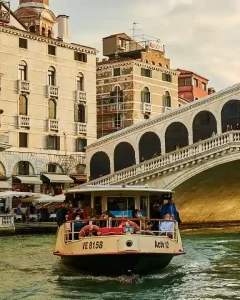
They’ve crossed the Rialto Bridge, stood in St. Mark’s Square, maybe taken a gondola ride, and walked a familiar corridor between landmarks. What they don’t realize is that they’ve experienced only a narrow slice of Venice — the most visible one.
The Venice where people actually live begins just a few minutes beyond those routes.
This is not a “secret Venice” hidden behind locked doors. It’s simply Venice without an audience. Neighborhoods where daily life continues quietly, even while millions pass nearby without noticing.
Castello, Cannaregio, and Dorsoduro are not alternatives to Venice. They are Venice.
And for many travelers, they become the most memorable part of the trip.
The shift often happens when visitors stop asking “What should I see next?” and start asking “Where does life happen here?”
That question changes everything.
Many travelers first encounter these areas during a walk designed to move beyond the main tourist routes, not because the places are hard to find, but because knowing where to look — and when — makes all the difference.
Let’s start in the east.
Castello is Venice at its most grounded.
It is the largest district of the historic city and one of the least visited. Streets feel wider. Crowds thin quickly. Laundry hangs from windows not as decoration, but as routine.
Here, Venice feels functional. Children walk to school. Elderly neighbors sit in the sun. Local bars fill in the late afternoon, not because of reviews, but because this is where people meet.
Castello doesn’t perform for visitors. It doesn’t need to.
This is where Venice breathes after the pressure of the center fades. Where the city feels more horizontal, more human, and far less curated.
Moving north, Cannaregio tells a different story.
Cannaregio is social Venice.
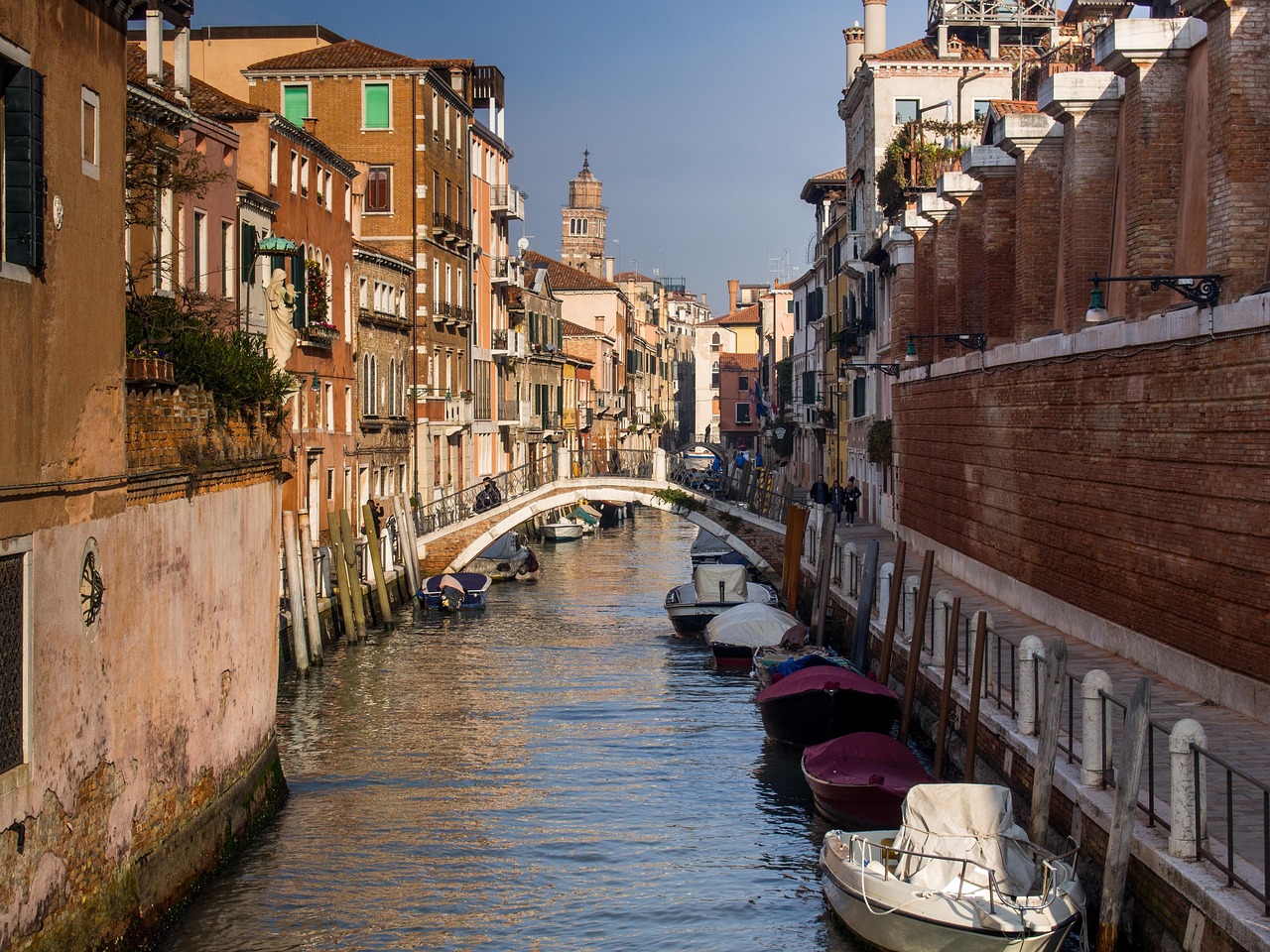
This is where evenings stretch out, where aperitivo becomes a ritual rather than a trend, and where neighborhoods revolve around canals instead of monuments.
Despite being easily accessible, Cannaregio remains overlooked by many first-time visitors, who rarely stray far enough from the train station or main arteries to discover its quieter corners.
Here, Venice feels lived-in and conversational. Life spills into campos. Locals greet each other by name. Restaurants serve regulars as naturally as newcomers.
It’s a neighborhood that rewards lingering.
Many visitors are surprised to realize that Cannaregio feels less crowded at night than areas closer to St. Mark’s — not because it’s hidden, but because it’s residential.
Then there is Dorsoduro.
If Cannaregio is social and Castello is grounded, Dorsoduro is reflective.
Light behaves differently here. Canals open up. Views stretch. The pace slows almost automatically.
Dorsoduro attracts artists, students, and long-term residents who value space — visual and mental. It’s a neighborhood made for walking without a goal.
Here, Venice feels almost philosophical.
Time expands. Routes meander. Cafés invite pauses rather than turnover.
For many travelers, Dorsoduro is where Venice finally feels calm — not empty, but balanced.
What all three neighborhoods share is not obscurity, but normality.
They are not hidden behind gates. They are simply outside the checklist.
And that’s why they’re often missed.
Visitors who stay only within the landmark zone often assume Venice is crowded everywhere. Those who explore these neighborhoods quickly realize how localized congestion really is.
The difference is rarely distance. It’s intention.
Choosing to walk ten extra minutes, to cross one more bridge, or to follow a local rhythm instead of a map opens a completely different Venice.
This is also where orientation matters.
Understanding how these neighborhoods connect — how to reach them naturally, when they feel most alive, and how to move between them without backtracking — changes the experience from wandering to belonging.
It’s one of the reasons travelers who begin with a Venice orientation walk often feel confident exploring beyond the center for the rest of their stay.
Hidden Venice is not about discovering something new.
It’s about noticing what was always there.
And once you do, it becomes very hard to see Venice the same way again.
Discover the Venice Most Visitors Never See
Frequently Asked Questions
Are these neighborhoods safe and easy to explore?
Yes. Castello, Cannaregio, and Dorsoduro are residential, safe, and very walkable. They offer a calmer atmosphere than the main tourist corridors.
How far are these areas from the main sights?
Most are within a 10 to 20 minute walk from major landmarks. The shift in atmosphere happens much faster than people expect.
Do you need a guide to explore hidden Venice?
No, but local insight helps. Understanding routes, timing, and neighborhood rhythms makes exploring these areas more rewarding and less random.