Carnival in Venice is famous for masks, costumes, and elaborate performances. But ask a Venetian what Carnival means to them, and many will answer immediately: frittelle.
These deep-fried dough balls dusted with powdered sugar appear in bakeries only during Carnival season. They’re not sold year-round. They’re not available at other times “by special request.” When Carnival ends, frittelle disappear until the following February.
This seasonal specificity matters to Venetians in ways that tourists rarely understand. Food traditions in Venice aren’t just recipes. They’re markers of time, connections to history, and reminders that some pleasures can’t be purchased whenever you want them.
Frittelle: The Sweet That Defines Carnival
Walk through Venice during Carnival and you’ll smell frittelle before you see them. Frying oil, sugar, and the faint scent of raisins or cream announce bakeries from blocks away.
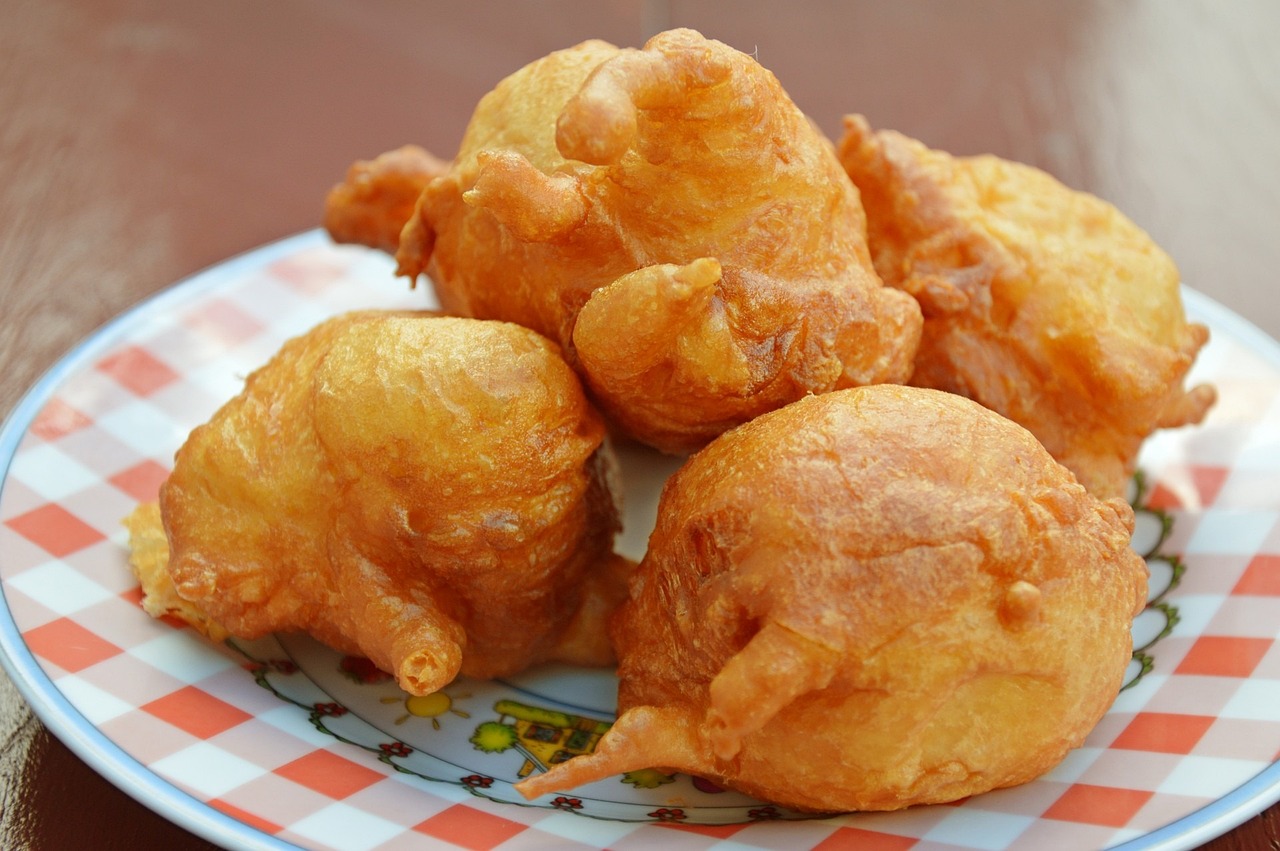
Frittelle are fundamentally simple: flour, eggs, sugar, yeast, raisins, and pine nuts fried in hot oil until golden. Some versions include grappa or rum. Others are filled with zabaione (custard) or Venetian cream. All are finished with a heavy dusting of powdered sugar.
The texture is what makes them extraordinary. When properly made, frittelle are crispy on the outside, impossibly soft and almost creamy inside, with pockets where sugar has caramelized and raisins have concentrated their sweetness.
Bad frittelle — and they exist everywhere during Carnival — are greasy, dense, and taste like fried flour. Good frittelle are light enough that eating three or four feels reasonable, though your waistline will disagree.
Every bakery in Venice makes frittelle during Carnival. Every Venetian family has an opinion about whose are best. These discussions are serious. People will argue passionately that the frittelle from Pasticceria Tonolo in Dorsoduro are superior to those from Dal Mas near the Rialto, or vice versa.
The traditional version contains raisins and pine nuts mixed into the dough. This is frittelle veneziane — the classic Carnival sweet that dates back centuries. Filled versions (frittelle alla crema or frittelle allo zabaione) are more recent innovations, probably developed in the 20th century to compete with other pastries.
Venetians debate which version is more authentic with the same intensity they debate mask authenticity or the correct recipe for sarde in saor.
The History Hidden in Fried Dough
Frittelle aren’t just Carnival treats. They’re documents of Venetian social history.
In the 18th century, frittelle vendors were organized into an official guild — the Compagnia dei Fritoleri. This guild controlled who could make and sell frittelle in Venice. Membership passed through families. Recipes were guarded secrets. Specific families held rights to sell frittelle in specific areas of the city.
The guild disbanded when Napoleon ended the Venetian Republic in 1797, but family bakeries continued making frittelle according to ancestral recipes. Some bakeries operating today trace their frittelle recipes back through seven or eight generations.
This matters because it shows how Venice preserved tradition through family transmission rather than written documentation. The recipe your grandmother taught you holds more authority than any cookbook. This oral tradition continues today — most skilled Venetian bakers learned by apprenticing with family members, not attending culinary school.
When you buy frittelle from a traditional Venetian bakery, you’re tasting a recipe that has barely changed in 200 years. The ingredients remain simple because refrigeration and industrial ingredients didn’t exist when these recipes were established. What made frittelle special then — freshness, skilled frying technique, quality ingredients — still makes them special now.
Galani (Crostoli): The Other Essential Sweet
If frittelle are Carnival’s headline act, galani are the supporting player everyone loves just as much.
Galani are thin sheets of sweet dough, twisted into loose knots or ribbons, fried until crispy, and dusted with powdered sugar. They shatter when you bite them. They’re impossibly light. They’re also impossibly messy — powdered sugar goes everywhere.
The name varies by region. In Venice and the Veneto, they’re galani. In other parts of northern Italy, they’re crostoli, chiacchiere, bugie, or frappe. The basic concept remains constant: fried dough as thin as possible, crispy and sweet.
Galani require skill to make properly. The dough must be rolled paper-thin without tearing. The frying temperature needs precise control — too hot and they burn before cooking through, too cool and they absorb oil and become greasy. The shaping matters too — twisting the dough ribbons before frying creates the characteristic ruffled texture.
Traditional Venetian galani are flavored with grappa or lemon zest. Some recipes include a splash of white wine. The alcohol doesn’t make them boozy — it evaporates during frying, leaving only a subtle flavor complexity and helping create the crispy texture.
Like frittelle, galani appear only during Carnival. When the season ends, bakeries stop making them. This seasonal exclusivity is intentional — it keeps the tradition special and anticipated rather than mundane and available constantly.
Many Venetian families still make galani at home. The recipe is simple enough that children can help. I’ve watched families gather around kitchen tables during Carnival, rolling dough, cutting ribbons, frying batches, and eating them fresh while still warm. This is tradition maintained through practice, not performance.
Castagnole: The Third Sweet of Carnival
Castagnole are less famous than frittelle or galani, but equally traditional. They’re small balls of fried dough — much smaller than frittelle, about the size of chestnuts (hence the name, which means “little chestnuts”).
The dough is slightly different from frittelle: lighter, airier, often flavored with lemon or grappa. After frying, they’re rolled in granulated sugar rather than powdered sugar, giving them a crunchy exterior.
Castagnole are quicker to eat than frittelle — you can pop three or four in your mouth in succession without committing to a substantial pastry. This makes them popular at Carnival parties and gatherings. They’re social food, meant to be eaten while talking, drinking, celebrating.
Some versions stuff castagnole with cream or chocolate, though traditionalists argue this violates the essential lightness that makes them worth eating. The debate continues.
Finding excellent castagnole requires knowing where to look. They’re less common than frittelle in tourist-oriented bakeries. Neighborhood pasticcerie in Cannaregio and Castello often make them fresh daily, while shops in San Marco might offer only the more commercially popular frittelle.
Knowing where Venetians actually shop makes the difference between experiencing tourist versions of traditional food and eating what locals eat.
Why These Sweets Only Appear During Carnival
The seasonal restriction on Carnival sweets puzzles many visitors. If frittelle sell well during Carnival, why not make them year-round?
The answer is both practical and cultural.
Practically, frittelle are labor-intensive and best eaten fresh. Making them requires constant attention — mixing dough, letting it rise properly, frying in small batches, dusting with sugar, selling quickly before quality declines. This works during Carnival’s concentrated weeks when demand is intense. Maintaining this production year-round would require different business models.
Culturally, the restriction preserves meaning. If frittelle were available constantly, they’d become ordinary pastries competing with countless other sweets. By appearing only during Carnival, they remain special — anticipated, celebrated, missed when they’re gone.
This reflects a broader Venetian approach to tradition. Some things are worth preserving precisely because they’re not constantly accessible. Scarcity creates value beyond taste or quality. It creates ritual.
When Venetians eat frittelle during Carnival, they’re participating in a tradition that connects them to ancestors who ate the same sweets during the same season for centuries. This continuity matters in a city where so much has changed and continues changing.
Where to Find the Best Carnival Sweets
Every bakery in Venice makes Carnival sweets during the season. Quality varies dramatically.
Pasticceria Tonolo (Dorsoduro, near Campo San Pantalon) is legendary among Venetians. Their frittelle are extraordinary — light, perfectly fried, generous with raisins and pine nuts. Expect lines during Carnival. They’re worth waiting for.
Pasticceria Dal Mas (multiple locations, including near the Rialto) makes excellent traditional frittelle. Their filled versions are also exceptional if you prefer cream to the classic raisin recipe.
Pasticceria Rizzardini (San Polo, near Campo San Polo) is a tiny, old-fashioned bakery that feels like stepping into the 1950s. Their galani are particularly good — paper-thin and impossibly crispy.
Pasticceria Nobile (Cannaregio, near the Jewish Ghetto) offers excellent castagnole alongside the more common frittelle. Their products reflect a neighborhood bakery focused on local customers rather than tourist foot traffic.
Rosa Salva (multiple locations throughout Venice) is more commercial but maintains quality. Their frittelle won’t win passionate debates among traditionalists, but they’re reliably good and conveniently located.
The best strategy is trying multiple bakeries. Venetian frittelle aren’t standardized products. Each pasticceria makes them slightly differently — sweeter or less sweet, more or less grappa, different ratios of raisins to pine nuts. Finding your preferred version becomes part of the Carnival experience.
Experiencing authentic Venetian food culture requires guidance — knowing which bakeries locals trust, when products are freshest, how to distinguish quality from convenience.
Beyond Sweets: What Else Venetians Eat During Carnival
Frittelle, galani, and castagnole dominate Carnival food traditions, but they’re not the complete story.
Traditional Venetian cuisine continues throughout Carnival season. Restaurants don’t shift to special “Carnival menus” the way some cities do for holidays. Instead, they maintain their regular offerings — sarde in saor, baccalà mantecato, risotto al nero di seppia, fegato alla veneziana.
The difference is context. During Carnival, these dishes appear at festive gatherings rather than ordinary meals. Families host dinners where traditional Venetian food is served alongside Carnival sweets. The food itself hasn’t changed, but the occasion has.
Wine flows more freely during Carnival. Prosecco from the nearby hills, local white wines from the Veneto, Spritz aperitifs in neighborhood bars. Carnival is fundamentally a celebration before Lent’s restrictions, so excess — within reason — is traditional.
Street food during Carnival also appears, though Venice has never had extensive street food culture. Fritole vendors set up temporary stands near major squares. Some sell castagnole by the bag. Occasionally you’ll find cicchetti (Venetian tapas) available near busy areas.
The real Carnival eating happens in homes and neighborhood restaurants where Venetians gather with family and friends. These meals aren’t dramatically different from ordinary gatherings except that everyone’s in a celebratory mood and someone always brings fresh frittelle from their favorite bakery.
This is why tourists often miss authentic Carnival food traditions — they’re looking for special event dining when the tradition is simply eating well together during a festive season.
The Drinks That Accompany Carnival
Carnival sweets pair traditionally with specific drinks.
Coffee: A simple espresso cuts through frittelle’s sweetness perfectly. Most Venetians buy their frittelle, then walk to a nearby café for coffee. The combination is essential.
Hot chocolate: Thick, rich Italian hot chocolate — nothing like American hot cocoa — works beautifully with galani. The contrast between crispy, light dough and dense, almost pudding-like chocolate is extraordinary.
Prosecco: Venice’s proximity to Prosecco country means this sparkling wine appears at every celebration. During Carnival, drinking Prosecco in the afternoon while eating frittelle is perfectly acceptable behavior.
Grappa: Some traditionalists insist that frittelle made with grappa should be accompanied by a small glass of the same. This is aggressive behavior that makes sense only if you’re genuinely committed to tradition or have given up on productivity for the day.
The combination of sweet fried dough and strong coffee or sparkling wine has sustained Venetians through centuries of Carnival celebrations. It’s simple, effective, and surprisingly energizing for long days of festivities.
Making Carnival Sweets at Home
Many Venetians still make frittelle and galani at home during Carnival. The recipes aren’t particularly difficult, though they require time and attention.
Frittelle veneziane require a yeasted dough that needs proper rising time — usually 2-3 hours. Rushing this produces dense, heavy results. The dough should be soft, slightly sticky, and full of air bubbles when ready to fry.
Frying technique matters enormously. Oil temperature should hover around 170-180°C (340-355°F). Too hot and the exterior burns before the interior cooks. Too cool and they absorb oil excessively. Frying in small batches maintains temperature stability.
Galani require thin rolling — the thinner, the better. Many Venetian families use pasta machines to achieve paper-thin consistency. The dough is less temperamental than frittelle dough, but the shaping and frying still require attention.
Home cooks make these sweets not because they’re cheaper than buying them (they’re not, considering time and effort) but because the tradition of making them matters. Teaching children and grandchildren how to mix dough, shape galani, fry properly — this knowledge transmission keeps tradition alive more effectively than any written recipe.
If you’re visiting Venice during Carnival and staying in an apartment with a kitchen, attempting frittelle can be worthwhile. Even if they’re imperfect, understanding the effort involved deepens appreciation for the professionals who make them flawlessly.
Why Carnival Food Matters
Carnival in Venice is spectacular visually. The costumes, the masks, the performances — these are what draw international attention and tourism investment.
But for Venetians, Carnival is as much about frittelle as about costumes. Food traditions ground the celebration in daily life. You can attend Carnival without wearing a costume or attending a ball. You cannot truly participate without eating frittelle.
This distinction between visual spectacle and lived tradition reveals the difference between tourism and culture. Tourists photograph costumes. Venetians eat sweets their grandparents ate, made by bakeries their families have patronized for generations.
Both experiences are valid. But understanding that the food tradition runs deeper — that it connects more directly to ordinary Venetian life — changes how you experience Carnival.
When you buy frittelle from a neighborhood bakery, ask the owner how long they’ve been making them. Often you’ll discover that the person frying your sweets learned from their parent, who learned from their parent, stretching back through decades. This is Venice’s real continuity — not frozen in museums, but alive in daily practices.
Common Mistakes Visitors Make
Eating frittelle from tourist-trap bakeries near San Marco: These exist purely for tourists who don’t know better. They’re often pre-made, reheated, and mediocre. Walk ten minutes to a neighborhood bakery instead.
Comparing them to American donuts: Frittelle aren’t donuts. The texture, flavor profile, and tradition are completely different. Approaching them with donut expectations leads to disappointment.
Eating them cold: Frittelle are best within hours of frying. Refrigerating them ruins texture. If you buy them, eat them the same day.
Buying filled versions when you’ve never tried traditional: Start with classic raisin and pine nut frittelle before exploring filled variations. Understand the original before appreciating innovations.
Not trying galani because they look less impressive: Galani are less photogenic than frittelle but equally delicious. Many Venetians actually prefer them.
Avoiding Carnival sweets entirely due to dietary restrictions: If you have genuine allergies or health requirements, obviously skip them. But if you’re avoiding them for casual diet reasons, you’re missing a fundamental part of Carnival tradition.
Plan Your Carnival Food Experience
For the complete context: Experience authentic Venetian cuisine on a private food tour that includes Carnival sweets alongside the broader culinary traditions that shaped them.
For market insight: Understanding Venetian food means understanding where ingredients come from. The Rialto Market at dawn shows the supply chain that feeds Venice’s bakeries and restaurants.
For the best bakeries: Neighborhood pasticcerie require local knowledge. Tourist maps don’t mark the best frittelle. A knowledgeable guide can introduce you to bakeries Venetians trust.
For timing: Carnival sweets appear in early February and disappear after Martedì Grasso (Shrove Tuesday). Check carnevale.venezia.it for exact dates, then plan accordingly.
For hands-on experience: Some Venetian cooking workshops teach traditional recipes including Carnival sweets. Making frittelle yourself creates understanding no amount of eating can match.
Taste Venice’s Living Traditions — The Food Locals Still Make After Centuries
After 28 years guiding in Venice and being featured by Rick Steves, NBC, and US Today, I know where Venetians eat, which bakeries maintain traditional quality, and how food traditions connect to the city’s deeper culture. Let me show you the Venice worth tasting.
Book your private Venice food tour or explore Venice’s authentic neighborhoods and markets — experience Carnival and Venetian cuisine the way locals have for generations.