How do people shop for groceries in Venice, Italy? Venetians use supermarkets, neighborhood food shops, bakeries, greengrocers, and markets such as Rialto. The city absolutely has supermarkets; what it lacks in most of its historic center is the familiar American routine of driving to a giant store and unloading groceries outside the front door. With canals instead of roads, bridges instead of driveways, and deliveries arriving by boat, even a simple grocery trip tells a fascinating story about daily life.
This local guide explains where residents buy food, why small shops still matter, how deliveries reach the islands, and what American visitors can learn from Venice’s ordinary shopping routines. It is intentionally different from a general cost-of-living guide or a history of floating markets: the focus here is the practical shopping basket, from pantry staples to fish and vegetables.
First, a correction: Venice does have supermarkets
Venice is not literally a city without supermarkets. Residents can shop at modern grocery stores in the historic center, and many do. The provocative title describes something more interesting: shopping in Venice cannot be reduced to driving to a giant suburban supermarket, filling a car trunk, and unloading outside the kitchen door. The geography changes every part of the process, from the size of a purchase to the route home.
The city’s food shopping is a patchwork. Supermarkets provide staples and packaged goods; small neighborhood stores supply convenience and personal service; produce sellers, bakeries, butchers, and fishmongers serve customers who care about particular ingredients. The Rialto market is one celebrated part of this network, not the sole source of food for Venetians. Different households combine these options according to income, mobility, location, and habit.
For American travelers, the important discovery is that an apparently quaint scene may have a thoroughly practical purpose. The woman crossing a bridge with a wheeled shopping trolley is not necessarily performing an old-fashioned ritual. She is solving the same problem as someone carrying groceries home in New York, but in a place where the final stretch almost always happens on foot.
A city where the grocery trip begins with a route
A shopping list in Venice can also be a route plan. Which shop is closest to home? Which bridges must be crossed? Is there a heavy item worth buying near a vaporetto stop? Will the bakery still be open when the fish is purchased? A resident who knows the neighborhood may answer these questions almost automatically, while a visitor sees only a pleasant sequence of canals and stone steps.
The absence of ordinary road access throughout most of the historic center makes bulk shopping less straightforward. A large pack of bottled water, a bag of pet food, and a week’s groceries can quickly become an awkward load. Some households arrange deliveries, others divide shopping into several smaller trips, and some take advantage of errands on the mainland. There is no single authentic Venetian method.
This is a useful corrective to travel writing that romanticizes every inconvenience. Bridges are beautiful, but they are still stairs when you are carrying groceries. A short distance on a map can feel longer with heavy bags, bad weather, or a child in tow. The daily choreography of shopping reveals a practical Venice that most sightseeing itineraries overlook.
What residents actually buy at supermarkets
Supermarkets matter because ordinary households need ordinary things: milk, flour, pasta, rice, coffee, canned tomatoes, detergent, diapers, breakfast cereal, frozen vegetables, and countless other essentials. Venice’s historic center has grocery stores, although their sizes, layouts, and stock differ from the large car-oriented stores familiar in parts of the United States.
Residents may compare prices and promotions, choose store brands, or buy a larger quantity when a good offer appears. A family might rely on a supermarket for most weekly staples while visiting a market stall for seasonal produce. Someone living alone may shop more frequently and in smaller quantities to avoid carrying heavy bags. These choices reflect economics and convenience, not a division between tourists and supposedly traditional locals.
Visitors should also remember that a supermarket in Venice is not a cultural failure. It is a useful neighborhood service. Buying a picnic lunch or basic provisions there can be practical, especially for families or apartment guests. The considerate approach is to respect the working rhythm of the store, keep aisles clear, and avoid treating residents shopping for dinner as part of an attraction.
Why small food shops still matter
A neighborhood alimentari, the traditional Italian term for a food shop, can provide something a larger store cannot always offer: immediate access to a few essentials and a familiar relationship with the person behind the counter. In a city where carrying purchases matters, proximity has genuine value. A shop around the corner may be worth more than a distant bargain.
Independent food shops vary greatly. Some focus on residents and everyday staples; others have developed specialties appealing to both locals and visitors. A delicatessen may sell cheese, cured meats, prepared foods, or pantry ingredients. A small greengrocer might know which vegetables are especially good that week. The best shops are not necessarily hidden, and a picturesque sign is no guarantee of reasonable prices.
The disappearance of practical shops changes a neighborhood’s livability. If the nearest hardware store, butcher, or grocer closes, residents may need to cross more bridges for routine errands. A city full of cafés and souvenir windows can still be inconvenient for the people who call it home. Food shopping is therefore part of a larger discussion about the survival of year-round communities.
The Rialto market: a real workplace
Rialto is Venice’s most famous market district, but the working atmosphere is more interesting than the postcard image. Produce stalls and the historic fish-market area occupy a waterfront long associated with commerce. Sellers prepare displays, weigh purchases, answer questions, and clean up. Customers come for ingredients, not for the spectacle of being photographed.
A visitor may arrive after breakfast and find a lively market, but that does not mean every resident shops here daily. The trip must make sense from home, and opening days and hours matter. The fish market and produce area can have different schedules, and closures or changes are possible. Anyone planning a visit should confirm current information rather than relying on an undated list of hours.
If you come to look, give people room to work. Do not lean over someone’s purchase to photograph fish, block a vendor’s access, or assume a seller wants to be in a portrait. Buying something small and seasonal can be a pleasant way to participate, but the market’s primary purpose remains the provision of food.
How to shop for fish without pretending to be a local
Venice’s fish culture is closely tied to the Adriatic and lagoon, but a market stall may offer seafood from several sources. The responsible shopper asks what is available, where it comes from, how it should be prepared, and whether a particular fish is in season. A display of fresh seafood does not prove that every species was caught in the lagoon that morning.
For apartment guests who can cook, it is worth considering what equipment is actually available before buying fish. A whole fish may require cleaning, suitable pans, and an understanding of disposal rules. A local fishmonger may be able to prepare an item, but services vary. If you are not cooking, observing the market respectfully may be a better choice than making an impractical purchase.
The most useful habit is curiosity rather than performance. Ask simple questions politely, accept that the vendor is busy, and pay attention to the day’s offerings. Venice’s food identity is expressed through seasonality, preservation, and careful use of ingredients, not through a rule that every authentic meal must begin with an early-morning market visit.
The vegetables of the lagoon and the Veneto
A market basket in Venice reflects both the lagoon and the wider Veneto region. Seasonal greens, radicchio, artichokes, squash, and other vegetables enter kitchens according to availability and preference. Sant’Erasmo, the lagoon’s agricultural island, is particularly associated with local cultivation and its distinctive produce. But the city’s food supply has always depended on exchange beyond its immediate islands.
It is easy to turn local food into a luxury story. In reality, families make choices based on price, quality, preparation time, and the tastes of the people at home. A beautifully grown local vegetable may be worth buying for a special dish without being the cheapest option for every meal. Regional supply chains and wholesalers remain essential to feeding the city.
For a deeper understanding of the agricultural landscape, read how Sant’Erasmo helps feed Venice. The island’s story shows that the Venetian Lagoon is not only an environment of boats and palaces; it has also supported gardens, farms, and seasonal work.
Bread, bakeries, and the convenience of buying little and often
The bakery remains a familiar part of Italian food culture, but the idea that every Venetian buys fresh bread from the same baker every morning is an exaggeration. Some people do; others buy supermarket bread, freeze portions, or choose alternatives according to work schedules. The habits of a retired couple, a student, and a family with young children are not identical.
Buying small quantities can be sensible when storage space is limited and shopping involves carrying bags over bridges. A loaf for today and a few vegetables for tonight may be easier to manage than an enormous weekly haul. Yet frequent small trips also consume time, and that cost matters for people with long working days.
A visitor staying in an apartment can adopt the useful part of this rhythm without pretending to live here. Buy only what you can reasonably eat, avoid food waste, and check opening times before setting out late in the day. The goal is not to recreate an imagined Venetian past but to enjoy a practical, sustainable way of shopping.
What happens before the shops open
Food does not materialize at the Rialto or in a supermarket stockroom. It travels through a chain of producers, wholesalers, transport providers, boat operators, delivery workers, and shop staff. Goods may arrive at mainland distribution points before making the final journey into the historic center. The last stage can require water transport and handcarts rather than a delivery truck stopping outside a shop.
That final mile helps explain why running a food business in Venice is complicated. Delivery windows, boat access, limited storage, and narrow passages all affect planning. A shop cannot necessarily accept unlimited stock in a single shipment. Fresh food adds the challenge of temperature control and timely handling, just as it would elsewhere, but within an unusual urban setting.
If you want to understand the logistics in detail, explore how deliveries work in Venice without cars. The story of groceries begins long before a shopper reaches the counter and continues after the last customer leaves.
The shopping trolley: an unsung piece of Venetian equipment
One of the most useful objects in Venice is not a gondola but a sturdy shopping trolley. A wheeled bag can make ordinary purchases easier to carry across long distances, though bridges remain an obstacle. The wheels help on level pavement; steps may still require lifting, pulling, or a different route. The trolley is practical equipment, not an accessory invented for visitors.
Residents choose bags and routes according to the weight of what they carry. A small backpack may work for a few essentials; a trolley is useful for heavier groceries; a delivery service may be necessary for bulky items. The right solution also depends on physical ability. What looks like a manageable journey for a healthy adult can be demanding for an older resident.
For travelers, the lesson is modest but revealing. Watch how people move through the city without getting in their way. The same streets that make an extraordinary walking tour must also accommodate shopping, laundry, repairs, children, and all the other ordinary cargo of daily life.
Why a cheap product can become expensive to bring home
A supermarket promotion can be attractive until you consider the journey. A large multipack of drinks may cost less per unit but weigh far more than a small purchase. Someone living near the shop may happily carry it home. Someone several bridges away may decide the savings are not worth the effort or may pay for delivery instead.
This is one reason price comparisons need context. A product’s shelf price is not the whole cost of acquiring it. Transport, time, and physical effort are real constraints, even if they do not appear on the receipt. Venice makes those hidden costs visible because the city does not offer an easy trunk-to-kitchen transfer for most households.
That does not mean residents are helpless or permanently overcharged. They develop efficient routines, combine errands, use nearby stores, and arrange help when needed. The point is that the most economical shopping strategy is often different from the one an American visitor would use in a car-oriented suburb.
What grocery shopping costs in Venice
There is no honest universal figure for a weekly grocery bill in Venice. Household size, diet, income, neighborhood, store choice, and the balance between fresh and packaged food make a major difference. Prices also change over time. An invented basket of products with precise euro totals would look authoritative but could quickly mislead readers.
A better comparison starts with a specific list: milk, bread, pasta, eggs, seasonal vegetables, fruit, household supplies, and any dietary essentials. Compare like with like at the time of shopping. The most useful observation may not be that every item costs more, but that convenience, proximity, and delivery can influence the total amount a household spends.
If you are planning an extended stay, check current supermarket prices and local shop options rather than assuming that every café near a landmark represents the cost of food in the city. Eating at home can be more economical than restaurant dining, but an apartment kitchen, time to cook, and the location of shops all affect the calculation.
Sunday shopping, holidays, and changing hours
One of the easiest mistakes for visitors is assuming that all food shops keep identical hours every day. Opening patterns differ among supermarkets, independent stores, market stalls, and bakeries. Public holidays can bring additional changes, and individual businesses may close for a weekly rest day or a seasonal break.
The Rialto market is especially vulnerable to outdated advice because visitors often repeat hours from old travel guides. A useful plan checks the particular stall area and the date. Even when the market district is open, not every vendor will be present. Arriving early generally offers a better sense of working-market activity, but it does not guarantee a specific product.
For residents, these details are simply part of planning. For travelers, they are a reminder that Venice is not an attraction that opens and closes as one unit. If you need groceries for dinner, identify an alternative shop rather than assuming the famous market will be available whenever you arrive.
What happens on the smaller lagoon islands
Shopping can feel different on Murano, Burano, or other lagoon islands because access to larger stores and specialized retailers may require more planning. Island residents have their own businesses, services, and transport connections, but the availability of a particular product varies. A simple errand may be straightforward on one island and involve a boat trip on another.
Visitors often experience the islands as day-trip destinations, moving between glass shops, colorful houses, and restaurants. Residents experience them as communities with schools, appointments, shopping lists, and work schedules. Understanding that difference changes the way a boat crossing feels. It is a daily connection for many people, not merely an excursion.
Do not assume that every island lacks basic food shops or that every resident must travel to central Venice for groceries. Local services exist, but their range and operating hours differ. A respectful account of island life avoids treating residents as isolated characters in a picturesque landscape.
How older residents and families manage
Shopping is not equally easy for everyone. A healthy adult can carry a bag across several bridges with little difficulty. A person using a mobility aid, a parent pushing a stroller, or an older resident may need to choose different routes, smaller loads, or delivery options. A store’s location matters as much as its price.
Family shopping also includes the unexpected: school snacks, diapers, a forgotten ingredient, or a late-night necessity. The nearest reliable shop can be valuable even if it has a smaller selection. The loss of a neighborhood grocery store can therefore affect daily independence, especially for households without flexible work schedules or family support nearby.
When travel writers celebrate the absence of cars, they should acknowledge these trade-offs. Venice’s walkability is a defining strength, but the city must still accommodate people with different bodies, ages, and needs. A functioning community requires more than beautiful pedestrian streets.
Why some traditional shops disappear
Neighborhood shops face pressures familiar throughout Europe: rent, staffing, competition, changing consumer habits, and the challenge of passing a business to the next generation. Venice adds its distinctive delivery logistics and a customer base shaped by the changing number and distribution of year-round residents.
Tourism can provide important sales, but it can also shift commercial demand toward products bought by short-stay visitors. A souvenir shop and a grocery store serve different purposes. When essential retailers become scarce, a neighborhood may remain lively for tourists while becoming less convenient for the people who live there.
The causes are interconnected, and blaming a single group would oversimplify the issue. Housing patterns, local incomes, retail economics, and municipal policies all matter. The central question is whether the city can sustain the shops that make ordinary life possible alongside those that serve its visitors.
What the grocery bag says about the cost of living
A shopping trip reveals the hidden costs of Venice more clearly than many statistics. The price of food is only one element. There is the time spent reaching a shop, the effort of carrying bags, the cost of deliveries, and the availability of essential services within a neighborhood. These expenses accumulate differently for different households.
That broader context is explored in our guide to the hidden cost of living in Venice, scheduled for publication before this article. The two stories address distinct questions: one examines household economics as a whole; this one follows the everyday decisions involved in buying food.
For an American visitor, the contrast is particularly revealing. A city without widespread car access can be delightful to explore, yet demanding to inhabit. The grocery bag is a reminder that the most celebrated urban landscape in the world is also a place where people must get dinner on the table.
How visitors can explore food culture respectfully
A good introduction to Venetian food shopping is a quiet morning walk through a neighborhood rather than a rush to photograph every stall. Notice the bakery, supermarket, produce shop, and delivery workers as parts of one system. At Rialto, arrive prepared to give space to actual customers and ask permission before photographing people closely.
If you want to buy ingredients, choose a manageable amount and be honest about what you can cook. A seasonal vegetable, a piece of fruit, or bread for lunch may be more practical than a bag of seafood you cannot store safely. Respect posted prices, business hours, and rules about touching produce. A small purchase is not a license to interrupt work for a lengthy photo session.
Tour Leader Venice’s private walks can place these everyday scenes in the wider history of the city, from trade routes to neighborhood life. Igor Scomparin has worked as a licensed guide since 1997. The aim is not to promise access to private businesses or stage encounters with residents, but to help travelers understand the living city with care and curiosity.
A realistic grocery plan for an apartment stay
If you are staying in a vacation apartment, begin with the essentials. Check whether the kitchen has a stove, cookware, refrigerator space, and basic supplies. Locate a nearby grocery store and note its actual opening hours. Plan one simple meal before buying a large collection of ingredients. You will learn quickly what is practical for the space.
Choose items that travel well, especially if your apartment is several bridges from the shop. Carry reusable bags, avoid excessive packaging where possible, and do not leave food waste or shopping bags in public spaces. Ask your host about local waste collection arrangements, which can differ from those familiar to American travelers.
A visit to the Rialto market can complement a supermarket trip, but it need not replace one. The best itinerary is flexible and realistic: perhaps a bakery in the morning, a neighborhood shop for basics, and one market purchase chosen for its quality. You are borrowing a kitchen in a working city, not competing in a contest to shop like a Venetian.
The real lesson: Venice is still a place to live
The headline Venice Without Supermarkets is a deliberate provocation. The truth is more interesting: Venice has supermarkets, but its residents shop within a network shaped by bridges, boats, historic buildings, neighborhood relationships, and the daily realities of carrying goods home. There is no single shopping ritual that defines every household.
The next time you see someone pushing a trolley across a campo or a worker delivering boxes from a boat, consider the hidden organization behind the scene. The city depends on an enormous amount of ordinary effort. Its famous beauty has survived alongside these practical systems, not instead of them.
A thoughtful visitor leaves with more than photographs of a market. You begin to see the city as residents do: a place where food must arrive, shops must remain useful, and everyday errands must be possible. Preserving that living Venice is as important as preserving the monuments that bring travelers from across the world.
Frequently Asked Questions About Grocery Shopping in Venice
Are there supermarkets in Venice, Italy?
Yes. Venice’s historic center has supermarkets and other grocery stores. Residents also shop at bakeries, greengrocers, specialty food shops, and markets such as Rialto.
Where do locals buy fresh groceries in Venice?
Shopping varies by neighborhood and household. Many residents combine supermarkets with neighborhood food shops, bakeries, produce sellers, and sometimes the Rialto fish and produce markets.
Can tourists buy groceries at the Rialto Market?
Yes, when the relevant stalls are open. Check current schedules, buy only what you can store or cook safely, and respect vendors and residents who are there to shop.
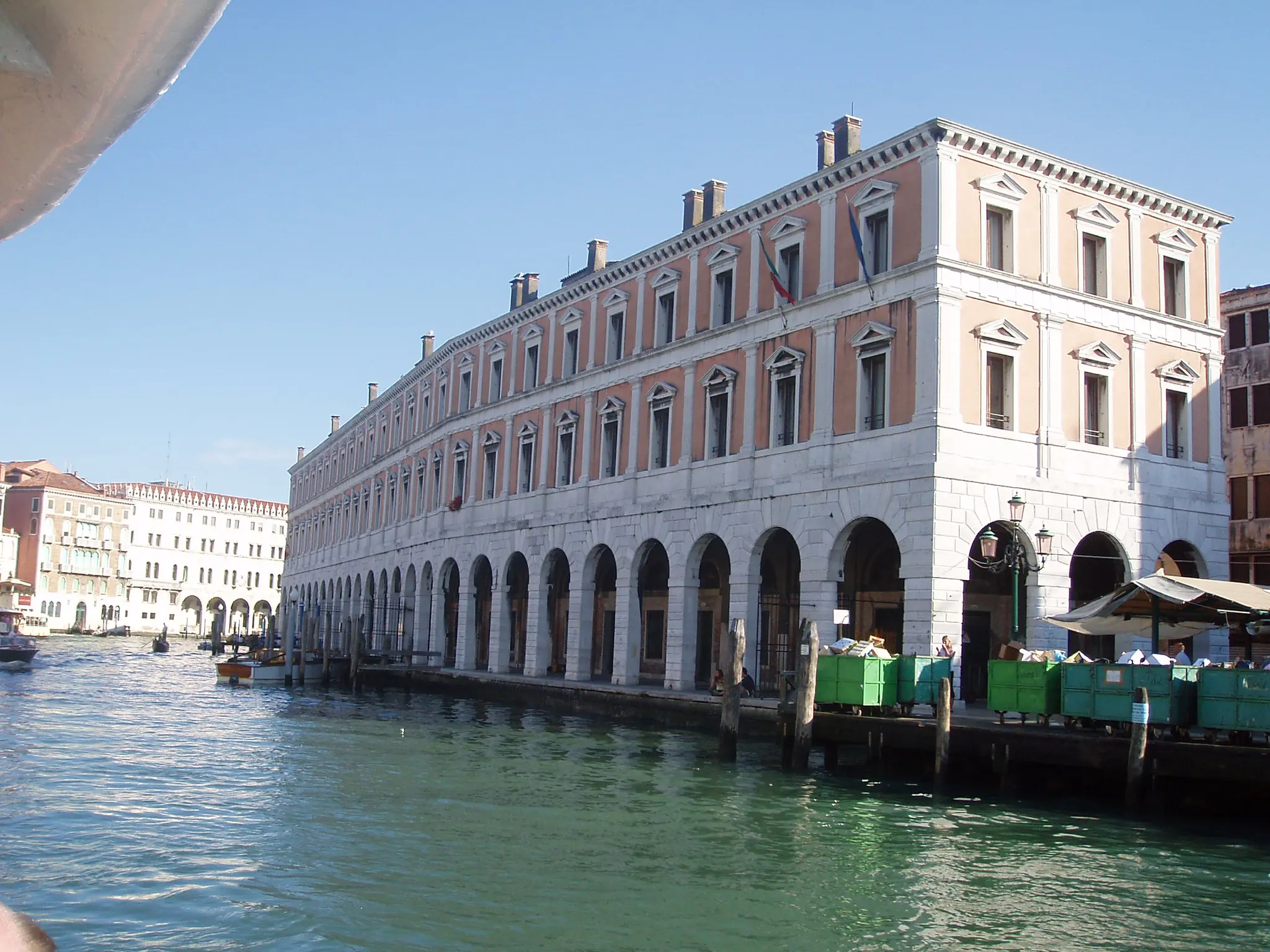
Featured image: authentic photograph of the Rialto fish market by Abxbay, released into the public domain via Wikimedia Commons. Image source.