
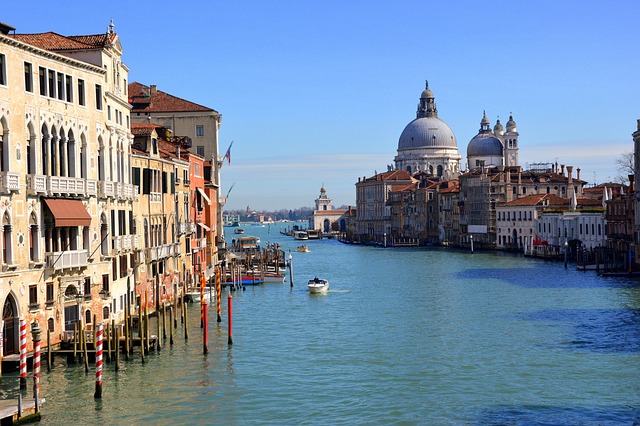
I’ve had guests return to Venice three, four, even six times, and every one of them has told me the same thing: it never feels like the same city twice. That’s not sentimentality — it’s genuinely true. Venice has no cars to hide behind, no interior malls to retreat into, no real buffer between you and the weather. Whatever the season is doing, you’re standing in the middle of it. That makes the seasonal differences here more pronounced than in almost any other European city I know.
Here’s what actually changes, season by season, and why it might be worth planning your next trip around a time of year you haven’t tried yet.
Spring: Venice Waking Up
March through May is when Venice shakes off winter properly. Temperatures climb steadily, from a cool 8–14°C in March to a genuinely pleasant 18–21°C by May, and the light changes with it — longer days, softer color, the first outdoor café tables reappearing along the campi. This is also acqua alta’s tail end; high water is still possible into April, though nothing like the frequency of autumn and winter.
Spring is when the city’s cultural calendar properly restarts. The Biennale’s preview days open in late April, restaurants that scaled back over winter resume full hours and reopen their outdoor seating, and Venice generally feels like it’s stretching after a long rest. It’s also, notably, when the city’s Carnevale hangover fully clears — by April, the crowds and costumes of February are a memory, and you get genuine local energy without the spectacle. Late May into early June is widely considered the sweet spot: warm enough to enjoy fully, not yet carrying summer’s heat or its crowds.
Summer: Venice at Full Volume
June through August is Venice turned up to its loudest — heat, humidity, crowds, and a kind of relentless brightness that reflects off the water and stone in every direction. Daytime highs regularly reach 27–30°C, sometimes higher, and the combination of heat and lagoon humidity makes it feel warmer than the thermometer suggests. I’ve written separately about how to actually manage a July visit and stay comfortable, since summer here has its own specific survival logic.
What summer gives you in exchange for the heat is genuine energy: long evenings that stay warm well past sunset, the liveliest bacaro and campo scene of the year, and the longest daylight hours for photography, particularly the blue hour after sunset when the crowds have finally thinned. This is also peak access-fee season, with day-tripper registration required on designated dates between April and July — worth understanding before you plan a summer trip, and I’ve laid out the full details of how that system works elsewhere on this site.
Autumn: Venice’s Best-Kept Secret
If I had to recommend one season above the others, it would be September and October. The summer crowds thin noticeably after Labor Day, temperatures ease back into the high teens and low twenties, and the light turns genuinely golden — warmer and lower in the sky than summer’s flat brightness, which photographers consistently tell me is their favorite light of the year here.
Early autumn is also when the Regata Storica fills the Grand Canal with historic boats and costumed processions, one of the calendar’s great living traditions, which I’ve covered in full detail in my piece on Venice’s festival calendar. By late October, acqua alta season begins in earnest — the city’s mobile flood barrier system, MOSE, now keeps the worst of it out of the historic center, but the occasional high-water morning becomes part of the experience again, more atmospheric than disruptive most of the time. Autumn in Venice smells different too: woodsmoke, roasting chestnuts from street vendors, the damp mineral smell of the lagoon itself becoming more noticeable as the air cools.
Winter: Venice Without the Performance
December through February is Venice at its quietest and, in my honest opinion, its most emotionally honest. The crowds that define summer are simply gone. Restaurants that spent the warmer months turning over tables for day-trippers slow down and actually have time to talk to you. Hotel rates drop substantially, often 40–50% below summer peaks. Fog settles over the canals on cold mornings, giving the city a genuinely cinematic, almost black-and-white quality that no other season produces.
Winter isn’t without its own drama: this is acqua alta’s peak window, running roughly October through March with November historically the worst month, and layered waterproof clothing is a real necessity rather than a suggestion. February brings Carnevale, when the quiet winter city briefly transforms into masked processions and costumed crowds in Piazza San Marco — a genuine spectacle if you time a visit around it, though it does temporarily undo winter’s emptiness in the areas nearest the festivities. Away from Carnevale’s peak days, though, winter remains the version of Venice closest to how residents actually experience their own city.
Why the Season You Choose Actually Matters
Most travelers pick their Venice dates around a flight deal or a broader Italy itinerary, without much thought to season. I’d encourage thinking about it differently: the Venice of a golden October afternoon and the Venice of a foggy January morning are close to two different cities sharing the same map. Neither is more “authentic” than the other — they’re just different registers of the same place, and which one suits you depends entirely on what you’re actually looking for on this trip.
This is exactly the kind of context I build into every private tour — not just what to see, but how to read the season you’ve landed in and get the most out of it. If you’d like help planning a Venice trip around the right time of year for what you want, take a look at our private tours, or get in touch through the contact page and I’ll help you choose.
What is genuinely the best season to visit Venice?
Late spring (late May–early June) and early autumn (September–October) offer the best balance of comfortable weather, manageable crowds, and full restaurant and attraction hours, though winter has its own strong case for travelers who prioritize quiet over ideal weather.
Does it really flood in Venice, and should that change when I visit?
Acqua alta (high water) is real but usually brief, lasting a few hours at a time, occurring most frequently between October and March; the city’s MOSE flood barrier system has significantly reduced severe flooding in the historic center, and it shouldn’t be a reason to avoid a season you’d otherwise choose.
Is Venice too crowded to enjoy in summer?
Summer is the busiest season, but early mornings and evenings still offer a genuinely different, quieter experience even in July and August — timing your sightseeing around the midday crowd peak makes a bigger difference than the season itself.