Marina Abramović’s “Transforming Energy” at Gallerie dell’Accademia: Why This Historic Venice Exhibition Matters
Written by Igor Scomparin, Licensed Venice Guide since 1997
“Should I see the Marina Abramović exhibition at the Accademia? What is ‘Transforming Energy’ about? How does Abramović’s work relate to Venice’s art history?”
These questions appear from Venice visitors who’ve heard about Marina Abramović’s major exhibition at the Gallerie dell’Accademia, recognizing her name as legendary performance artist but uncertain what to expect, wanting to understand how contemporary performance art functions in museum housing Renaissance masterpieces, questioning whether this exhibition justifies time investment particularly during Biennale season when multiple art experiences compete for attention.
The honest answer: “Transforming Energy” at the Gallerie dell’Accademia represents genuinely significant cultural moment — one of performance art’s most influential living practitioners (whose 50+ year career redefined what art can be) creating site-specific dialogue with Renaissance masterworks in Venice’s premier historical art museum, addressing themes of energy transformation, human endurance, spiritual transcendence, and the relationship between historical and contemporary art, creating encounters impossible in typical museum or gallery settings and fundamentally different from standard exhibition experiences.
After 28 years guiding Venice visitors through art experiences — understanding which exhibitions generate genuine cultural significance versus marketing hype, recognizing how Venice’s unique museum contexts create distinctive presentation opportunities, knowing how performance art functions differently than traditional visual art, working with travelers spanning complete spectrum from contemporary art enthusiasts to those intimidated by non-traditional practices — I know that Abramović’s Accademia exhibition creates rare convergence of artistic importance, institutional prestige, and accessible engagement worth serious consideration.
The fundamental realities most travelers miss:
Marina Abramović isn’t just another contemporary artist but foundational figure who essentially invented performance art as recognized discipline, whose radical 1970s works (cutting her own body, testing physical and psychological endurance limits, creating durational pieces lasting hours or days) established performance as legitimate art form equal to painting or sculpture, whose influence extends across generations of artists working with body, time, and presence.
The Gallerie dell’Accademia isn’t casual exhibition venue but Venice’s most important art museum housing extraordinary Venetian painting collection (Bellini, Titian, Veronese, Tintoretto, Carpaccio), making Abramović’s contemporary intervention particularly significant as dialogue between 500-year-old masterworks and 21st-century performance practice, creating conversations across centuries about artistic purpose, human representation, spiritual searching.
“Transforming Energy” emphasizes Abramović’s mature practice focusing on energy exchange between performer and audience, meditative states, durational presence, the transformation of consciousness through sustained attention, themes resonating with Venice’s own spiritual art traditions (Byzantine mosaics, Renaissance altarpieces depicting mystical experiences, the city’s history of religious contemplation).
Understanding that experiencing performance-based work requires different approach than viewing paintings — performance art happens in time, involves human presence (whether live performers or documentation), creates participatory dimension where viewer becomes part of the work, demands sustained attention versus quick museum walk-through, creating potentially uncomfortable but profoundly affecting encounters.
This is the completely honest Abramović Accademia exhibition guide — explaining who Marina Abramović is and why she matters to contemporary art history, describing what “Transforming Energy” actually includes and how to experience it, revealing the specific dialogues between her work and the Accademia’s Renaissance collection, addressing practical considerations including time requirements and emotional intensity, providing context for understanding performance art if this represents your first encounter, and helping you decide whether this exhibition deserves priority within your Venice visiting schedule.
Who Is Marina Abramović and Why Does She Matter?
Understanding the artist’s significance and career context.
The Performance Art Pioneer:
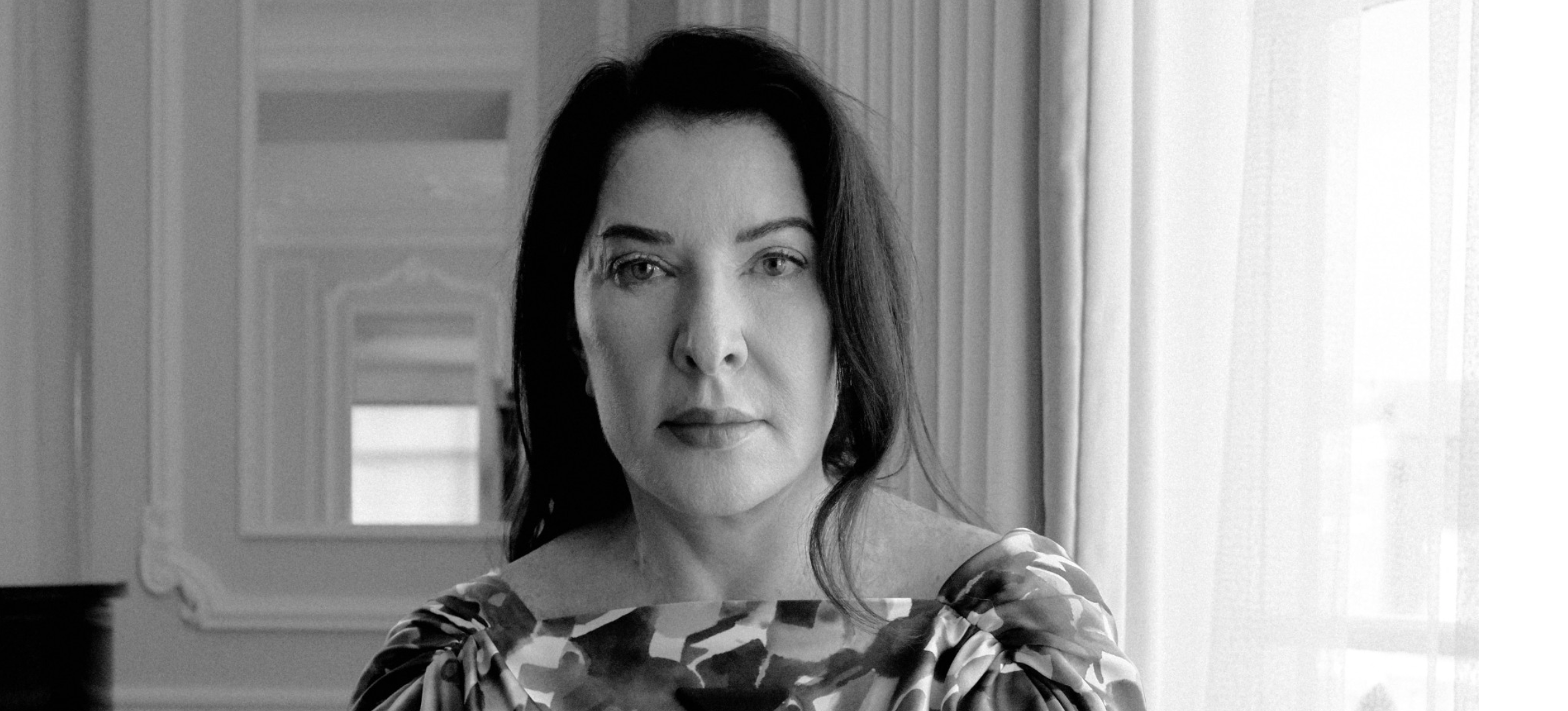
Marina Abramović (born 1946, Belgrade) represents one of performance art’s foundational figures, working since early 1970s to establish performance as legitimate contemporary art practice equal to traditional media.
The radical early work (1970s-1980s):
“Rhythm” series (1973-1974) — pushing physical and psychological limits: Rhythm 10 (stabbing knife between fingers until drawing blood), Rhythm 5 (lying unconscious inside burning petroleum star until rescued by viewers), Rhythm 0 (allowing audience to use 72 objects including loaded gun on her passive body for 6 hours), creating extreme situations testing human endurance, audience complicity, artist vulnerability
Collaborative work with Ulay (1976-1988) — 12-year artistic and romantic partnership creating duo performances: “Relation in Space” (running naked into each other repeatedly), “Breathing In/Breathing Out” (mouths sealed together sharing single breath until near-asphyxiation), “Rest Energy” (holding drawn bow and arrow pointed at Abramović’s heart), exploring trust, interdependence, physical limits within intimate relationship
“The Artist Is Present” (2010, MoMA) — the work that brought Abramović to mainstream awareness: sitting silently across from individual viewers for 736.5 hours over three months, creating intense wordless encounters, the viral image of her crying when Ulay appeared unexpectedly, demonstrating performance art’s emotional power to wider audience
The Core Themes:
Physical endurance — using her own body as material, testing limits of pain, exhaustion, sensory deprivation, creating art through embodied experience versus object creation
Presence and attention — requiring sustained focus from both performer and audience, duration as essential element (works lasting hours, days, weeks), slowing time in accelerated contemporary culture
Energy exchange — believing performer and audience create shared energetic field, transformation occurring through sustained presence, consciousness altered through focused attention
Spiritual dimension — drawing from Orthodox Christian upbringing, Eastern meditation practices, shamanic traditions, creating secular spiritual experiences through art, transcendence without religious doctrine
Vulnerability and trust — placing herself in vulnerable positions (physical danger, emotional exposure, audience control), exploring what happens when protective barriers dissolve
Why She Matters to Contemporary Art:
Legitimized performance art — her 50+ year career and institutional recognition (major museum retrospectives, Venice Golden Lion 1997, honorary doctorates) established performance as serious practice not fringe activity
Influenced generations — countless contemporary artists work with duration, body, presence, audience participation because Abramović demonstrated these approaches’ validity
Pushed boundaries — her radical early work expanded what art could be and do, creating permission for subsequent risk-taking and experimentation
Maintained relevance — unlike many 1970s pioneers who became historical footnotes, Abramović continues producing significant new work, engaging with current concerns (technology, environment, consciousness), teaching through her MAI (Marina Abramović Institute) methods
Bridged performance and museum — resolved the inherent contradiction of ephemeral time-based work and institutional museum context through documentation, re-performance, installations creating contemplative spaces, making performance art accessible to broader audiences
What “Transforming Energy” Actually Includes
Understanding the exhibition’s specific components and structure.
The Site-Specific Context:
The Gallerie dell’Accademia houses Venice’s premier collection of Venetian painting (pre-19th century), including:
Room 1: Venetian Gothic and early Renaissance (Paolo Veneziano, Michele Giambono)
Rooms 2-5: Giovanni Bellini and contemporaries, Renaissance altarpieces
Room 10: Titian, Veronese, Tintoretto masterworks — the Venetian Renaissance peak
Room 23: Gentile Bellini and Carpaccio’s narrative cycles
Abramović’s intervention places contemporary performance-based work throughout these galleries, creating dialogue between her practice and Renaissance masters, questioning continuities and ruptures across 500 years
The Exhibition Components:
Note: Specific exhibition details based on Gallerie dell’Accademia’s official presentation
Video installations — documentation of major historical performances re-contextualized within Renaissance galleries, creating temporal layering where 1970s radical body art encounters 1500s religious painting
Participatory elements — spaces where visitors engage in Abramović’s methods (sustained looking, slow movement, mindful breathing), becoming participants not just spectators, democratizing performance art experience
Energy objects — crystals, minerals, materials Abramović uses for their purported energetic properties, creating contemplative focal points, bridging material culture and immaterial consciousness
Durational encounters — potentially including live performers using Abramović’s techniques (though specific live performance schedule varies), creating real-time performance presence within historical museum
Thematic dialogues — specific pairings between Abramović works and Accademia masterpieces addressing shared themes: suffering and transcendence (her endurance pieces with Renaissance martyrdom paintings), contemplation and vision (her durational works with mystical religious images), the body as spiritual vessel (her physical performances with depicted saints and sacred figures)
The “Transforming Energy” Title:
Multiple meanings:
Physical energy transformation — Abramović’s performances convert bodily energy (through movement, breath, endurance) into aesthetic experience, making invisible energy visible through performance
Audience energy shift — viewers’ consciousness transformed through sustained attention, moving from everyday distraction to focused presence, experiencing altered states through art engagement
Historical energy — the accumulated spiritual and artistic energy in Renaissance paintings addressing transcendence, suffering, vision, creating energetic resonance across centuries
Venice’s energy — the city’s unique atmospheric, visual, and cultural energy channeled through the exhibition, Venice itself as transformative force
How to Actually Experience Performance Art
Understanding the different requirements performance-based work demands versus traditional viewing.
The Time Commitment:
Performance art resists quick consumption:
Traditional museum visiting allows viewing major painting in 30-60 seconds, moving through gallery in 15 minutes, “seeing” entire museum in 2 hours through rapid sequential viewing
Performance-based work requires duration:
Video installations need watching complete segments (often 10-30+ minutes) to understand, participatory elements demand active engagement (sitting, breathing, looking exercises requiring 15-45 minutes), durational pieces with live performers need sustained presence (potentially hours) for full impact
The Abramović approach specifically:
Her methodology emphasizes slowing down, sustained attention, resisting impulse to move quickly, allowing boredom and discomfort to transform into deeper presence
Practical recommendation:
Allocate minimum 90 minutes for “Transforming Energy” (versus 45 minutes for standard Accademia visit), ideally 2-3 hours allowing complete engagement without rushing, potentially multiple visits for different components
The Participatory Dimension:
Unlike passive painting viewing, Abramović’s work often requires active participation:
Potential participatory elements:
Slow walking exercises — moving at extremely reduced pace through galleries, heightening awareness of space, body, time
Sustained looking practices — maintaining eye contact with another person or focused gaze on object for extended duration, creating intense presence and discomfort before breakthrough
Breathing exercises — synchronized or conscious breathing, using breath to alter consciousness, connecting physical process to energetic transformation
Silence and stillness — sitting or standing motionless for extended periods, allowing thought and sensation to settle
The discomfort factor:
These practices often create initial discomfort (boredom, self-consciousness, physical restlessness, resistance), but Abramović’s method suggests transformation occurs through pushing past initial discomfort into altered state
Permission to decline:
Participatory elements are invitations not obligations; you can observe others participating, watch documentation, engage selectively based on comfort level
The Emotional Intensity:
Performance art can evoke strong reactions:
Abramović’s work specifically addresses:
Vulnerability and exposure, pain and endurance, intimacy between strangers, mortality and transcendence, creating potentially intense emotional responses (tears, anxiety, profound connection, resistance, revelation)
Watching documentation of her extreme early work:
Seeing her cut her own body, endure physical pain, place herself in danger can create visceral discomfort, challenging assumptions about art’s purpose and limits, forcing confrontation with human capacity for suffering and transcendence
The spiritual dimension:
For some viewers, Abramović’s work creates genuinely spiritual experiences (feelings of transcendence, energetic connection, consciousness shifts), while others find this language off-putting or fraudulent, creating divisive responses
Preparing emotionally:
Approach with openness but also boundaries, allow yourself to feel without forcing reactions, recognize that strong positive or negative responses are both valid, discuss reactions with companions or museum staff if needed
The Dialogue with Renaissance Art
Understanding specific connections between Abramović’s practice and Accademia masterworks.
Suffering and Transcendence:
Renaissance religious painting frequently depicts martyrdom, crucifixion, physical suffering as path to spiritual elevation — saints enduring torture, Christ’s passion, bodies pierced and broken as route to transcendence
Abramović’s endurance performances similarly use physical suffering (cutting, burning, exhaustion) as transformative practice, removing religious narrative but maintaining structure where bodily ordeal leads to altered consciousness
Specific potential dialogues:
Abramović’s “Rhythm” series (cutting, burning, endangering body) paired with Renaissance martyrdom scenes (Saint Sebastian pierced by arrows, Saint Agatha’s torture), questioning continuities in human willingness to suffer for higher purpose, whether spiritual or artistic
Her durational stillness works alongside paintings depicting meditative saints and mystics, exploring how sustained physical discipline creates mental/spiritual transformation
The Body as Medium:
Renaissance painting represents idealized human bodies — perfect proportions, beautiful suffering, the body as vehicle for depicting divine qualities, physical beauty reflecting spiritual truth
Abramović uses her actual aging body — not representation but presence, the real physical form subject to time, pain, limitation, creating different relationship between viewer and body (empathetic identification versus aesthetic contemplation)
The gender dimension:
Renaissance painting often depicts female bodies as objects of male gaze (even in religious contexts), passive beautiful suffering
Abramović reclaims female body as active agent, subject not object, controlling her own representation and experience, though still potentially problematic in how her work invites gazing at female body in pain
Presence and Representation:
Renaissance painting creates illusion of presence through perspective, realistic depiction, emotional expressiveness, attempting to make flat painted surface convey three-dimensional living reality
Performance art offers actual presence — real human body in real time, no mediation through representation, the thing itself not image of thing, questioning whether this makes performance more “real” or “authentic” than painting
The documentation paradox:
Abramović’s historical performances exist for most viewers only as photographs and videos (representations of presence), creating similar mediation as painting, questioning whether documentation can convey performance’s essential quality
Time and Contemplation:
Renaissance altarpieces designed for extended contemplation — not quick glances but sustained devotional viewing, using visual beauty and narrative to support prayer and meditation, creating transformative experiences for believers
Abramović’s durational works similarly require extended engagement — “The Artist Is Present” demanded sitting silently for as long as viewer chose (minutes to hours), creating contemplative encounter structurally similar to religious devotion though without explicit religious content
The museum context:
Both Renaissance religious art and Abramović’s work now exist in secular museum, removed from original devotional context (church) or performance context (gallery/live event), creating different viewing conditions that potentially diminish or transform original purpose
Practical Considerations for Visiting
Understanding logistics and recommendations for optimal experience.
Timing and Tickets:
Gallerie dell’Accademia location: Dorsoduro, Campo della Carità, near Academia Bridge
Access: Vaporetto Line 1 or 2 to Accademia stop, brief walk to museum entrance
Advance reservation strongly recommended: The Accademia limits daily visitors preventing overcrowding; special exhibitions create additional demand; booking online days or weeks ahead ensures entry
Exhibition duration: Check Gallerie dell’Accademia website for specific dates; major temporary exhibitions typically run 4-6 months
Optimal visiting times:
Early morning (9:00-10:00 AM opening hours) provides quietest experience for contemplative engagement, late afternoon (one hour before closing) offers relative calm after midday crowds disperse, midweek (Tuesday-Thursday) generally less crowded than weekends
Avoid if possible: Opening week crowds when art world descends, weekends particularly during Biennale season, midday 11:00 AM-2:00 PM peak tourist hours
What to Bring and Wear:
Comfortable clothing — you may spend extended time sitting, standing still, or moving slowly; restrictive clothing creates distraction
Layers — museum temperature varies; being too hot or cold prevents focus
Notebook (optional) — some visitors find writing reflections enhances processing; museum may provide
Water — sustained concentration requires hydration; museums typically allow sealed bottles
Open mind and patience — performance art challenges conventions; approaching with curiosity rather than predetermined expectations creates better experience
Combining with Broader Accademia Visit:
The permanent collection deserves attention:
The Accademia houses extraordinary Venetian painting (Bellini’s San Giobbe Altarpiece, Giorgione’s The Tempest, Titian’s Presentation of the Virgin, Veronese’s Feast in the House of Levi, Tintoretto’s transport of St. Mark’s body, Carpaccio’s St. Ursula cycle), representing some of Venice’s greatest artistic achievements
Strategic approach:
Option 1: See permanent collection first (60-90 minutes) then Abramović exhibition (90-120 minutes), total 2.5-3.5 hours
Option 2: Focus exclusively on Abramović exhibition for deep engagement, return different day for permanent collection
Option 3: Integrate both, moving between Renaissance galleries and contemporary intervention organically, experiencing the dialogue dynamically
Energy management:
Museum fatigue is real; attempting comprehensive visit to both major permanent collection and intensive contemporary exhibition in single visit risks exhaustion and diminished appreciation
Photography Policies:
Check current museum rules: Photography policies vary; some Abramović works may prohibit photography (particularly participatory elements or live performance), permanent collection typically allows non-flash photography
Consider putting camera away: Performance art often works better through direct presence than mediated through camera; the impulse to photograph can prevent genuine engagement; try experiencing first, photographing (if permitted) second
Who This Exhibition Actually Serves
Understanding whether “Transforming Energy” matches your interests and expectations.
Ideal For:
Contemporary art enthusiasts — particularly those interested in performance art history, institutional critique, body art, durational practices
Spiritually-curious individuals — people drawn to meditation, consciousness exploration, energy work, transcendent experiences will resonate with Abramović’s themes regardless of art background
Those seeking challenging experiences — visitors wanting to move beyond comfortable passive viewing, willing to engage with discomfort and unfamiliarity, open to being transformed by art
Art students and practitioners — learning from pioneering figure, understanding performance art’s development, seeing how historical and contemporary practices dialogue
Renaissance art lovers — experiencing how contemporary practice reframes historical masterworks, discovering new dimensions in familiar paintings through contemporary juxtaposition
Biennale attendees wanting variety — balancing contemporary pavilions with different contemporary approach in historical museum context
Less Suitable For:
Those seeking traditional museum experience — if you want straightforward painting viewing without participatory demands or extended time commitments, standard Accademia permanent collection serves better
People uncomfortable with physical or emotional intensity — Abramović’s work addresses suffering, vulnerability, bodily limits creating potentially disturbing content; if this sounds unappealing, skip this exhibition
Limited time visitors — rushing through performance-based work misses the point; if you have only 30 minutes, better spent on permanent collection highlights
Skeptics of contemporary art — if you approach with cynical “this isn’t real art” mindset, you’ll likely confirm your biases rather than opening to genuine encounter
Young children — some content (suffering, bodily harm) inappropriate for children; durational stillness incompatible with children’s energy and attention spans
Our Expert Exhibition Guidance
If you want deep understanding of Abramović’s practice and its dialogue with Venetian Renaissance art — contextualizing her career, explaining performance art’s development, revealing specific connections to Accademia masterworks — we offer specialized guided visits combining contemporary art expertise with art historical knowledge.
What We Provide:
Performance art context — explaining how performance art emerged, Abramović’s pivotal role, her major works and their significance, how to approach non-traditional art forms
Career overview — understanding her evolution from 1970s radical work through collaborative Ulay period to mature practice, teaching Abramović Method, creating institutional recognition
Renaissance connections — revealing specific thematic, formal, and philosophical links between her work and Venetian painting tradition, understanding continuities across centuries
Participatory guidance — if exhibition includes participatory elements, explaining what’s expected, encouraging engagement while respecting boundaries, debriefing experiences
Critical perspective — addressing controversies around Abramović (appropriation accusations, commercialization of radical practice, problematic spiritual claims, gender politics), creating informed rather than uncritical engagement
Broader Venice art context — showing how Abramović’s work relates to Venice’s complete artistic legacy, contemporary art’s presence in historical city
Personalized pacing — allowing extended engagement with works that resonate, moving past others, creating experience matching your interests and stamina
Understanding Complete Venice Context
For Biennale experiences: Expert pavilion tours, why 2026 feels different, aerial perspectives.
For museum alternatives: Days without museums, spontaneous exploration.
For Venice understanding: What makes Venice unique, neighborhood characters.
For all experiences: Complete tour options.
Marina Abramović’s “Transforming Energy” at Gallerie dell’Accademia Creates Significant Dialogue Between Performance Art Pioneer and Renaissance Masterworks — 50-Year Career Redefining What Art Can Be, Site-Specific Intervention in Venice’s Premier Historical Museum, Themes of Endurance, Presence, Spiritual Transformation Resonating with Venetian Religious Painting Tradition
After 28 years guiding Venice art experiences and being featured by Rick Steves, NBC, and US Today, I recognize “Transforming Energy” as genuinely important exhibition where performance art’s foundational figure creates contemporary intervention within Renaissance galleries, addressing shared themes across 500 years: suffering as transformative (her endurance pieces dialogue with martyrdom paintings), presence and contemplation (her durational work echoing devotional religious viewing), body as spiritual vessel (her physical performances conversing with depicted saints), creating encounters impossible in typical museum. Understanding Abramović requires knowing her significance — 1970s radical body art established performance as legitimate practice, collaborative Ulay period explored intimacy and limits, “The Artist Is Present” 2010 MoMA retrospective brought mainstream recognition, ongoing work addresses consciousness, energy, transcendence. Exhibition likely includes video documentation of historical performances, participatory elements inviting visitor engagement (slow walking, sustained looking, breathing exercises), live performers using her methods, thematic pairings with Accademia masterworks. Experiencing performance art demands different approach than traditional viewing — minimum 90 minutes allocation, openness to participation, acceptance of discomfort and boredom as potentially transformative, sustained attention versus quick consumption. Advance Accademia reservation essential, early morning or late afternoon optimal timing, combining with permanent collection creates 2.5-3.5 hour visit. We offer expert guided visits providing performance art context, career overview, Renaissance connections, participatory guidance, critical perspective. Contact us for deep “Transforming Energy” engagement. Let’s explore this significant contemporary intervention in historical Venice.
Contact us for expert Abramović exhibition guidance — understanding performance art and Renaissance dialogue.
Frequently Asked Questions
Is Marina Abramović’s work appropriate for all ages, or should I avoid bringing children or teenagers to “Transforming Energy”?
The appropriateness depends on specific content, child’s age/maturity, and your family’s values around art and challenging content. Age considerations: (1) Young children (under 10) — generally inappropriate: Abramović’s work addresses themes (suffering, bodily harm, endurance, vulnerability) that young children cannot meaningfully process and may find frightening or disturbing; documentation of her cutting herself, enduring pain, placing herself in dangerous situations creates graphic content unsuitable for young viewers; the durational stillness and contemplative requirements contradict children’s natural energy and limited attention spans making experience frustrating for both child and other visitors. (2) Adolescents (13-17) — potentially appropriate with preparation: Teenagers can intellectually engage with performance art’s challenging themes and may find Abramović’s radical questioning of artistic boundaries compelling; however, parents should research specific exhibition content beforehand, prepare teenagers for potentially intense material explaining context (this is art addressing human limits, not gratuitous violence), and discuss whether individual teen’s sensitivities and interests match the work; some teenagers will find it profoundly meaningful, others will be bored or uncomfortable. (3) Young adults (18+) — appropriate with content awareness: Adult visitors can make informed decisions about engagement, though even adults should recognize potential emotional intensity. Specific content concerns: Documentation of Abramović’s 1970s work includes self-harm (cutting, burning), nudity, dangerous situations (loaded gun, near-asphyxiation), creating graphic content that some families avoid regardless of artistic context. Participatory elements may require extended stillness, uncomfortable eye contact with strangers, vulnerability some find inappropriate for teenagers. Practical recommendation: Parents should review Gallerie dell’Accademia’s specific content warnings, consider viewing without children first if possible, prepare teenagers with context explaining performance art’s purpose and Abramović’s significance, allow teenagers to opt out of participation or leave if uncomfortable, perhaps focus visit on permanent Renaissance collection instead if “Transforming Energy” doesn’t match family values or child’s readiness.
How does “Transforming Energy” compare to seeing the regular Biennale contemporary art pavilions — should I prioritize one over the other if time is limited?
The experiences serve different purposes and offer distinct value; choice depends on your contemporary art interests and what you want from Venice visit. Biennale pavilions provide: (1) Breadth and diversity — Giardini and Arsenale show dozens of artists and national representations, creating comprehensive survey of current global contemporary art, understanding what’s happening across practices, geographies, themes. (2) Discovery and variety — encountering unfamiliar artists, seeing different media (painting, sculpture, installation, video, performance), experiencing how different countries frame contemporary art, creating opportunities for surprise and unexpected connections. (3) The Biennale experience itself — participating in world’s premier contemporary art event, the social/cultural phenomenon of international art gathering, conversations and energy impossible to replicate in standard museum. (4) Time flexibility — you can move quickly through pavilions that don’t interest you, spend extended time with favorites, creating self-directed pacing. “Transforming Energy” provides: (1) Depth with single important artist — understanding Abramović’s complete career and practice versus brief pavilion encounters, learning performance art history through foundational figure. (2) Historical-contemporary dialogue — experiencing how contemporary work converses with Renaissance masterpieces creating dimension unavailable in Biennale’s contemporary-only context. (3) The Accademia permanent collection — accessing Venice’s most important historical paintings within same visit, creating art historical continuum from Renaissance to present. (4) Different institutional context — experiencing contemporary art in prestigious historical museum versus purpose-built Biennale spaces, understanding how context shapes reception. Time-limited strategic approaches: If you have 1 day total for contemporary art: Prioritize Biennale (either Giardini or Arsenale, not both) for breadth and the Biennale experience itself; Abramović will likely tour to other institutions but Biennale happens only in Venice every two years. If you have 2-3 days: Do both — allocate one full day to Biennale, another to “Transforming Energy” plus Accademia permanent collection, creating balanced contemporary breadth and depth. If performance art particularly interests you: Prioritize Abramović over Biennale as she represents performance art’s foundational figure and exhibition offers deeper engagement than brief Biennale pavilion encounters. If you’re ambivalent about contemporary art: Skip both and focus on Venice’s living culture, neighborhoods, food traditions creating meaningful experience without forcing museum time that doesn’t genuinely interest you.
I find some contemporary art pretentious or difficult to understand — will I be able to appreciate Abramović’s work, or will it feel inaccessible and frustrating?
Your ability to appreciate Abramović’s work depends less on art theory knowledge and more on openness to different artistic approaches and willingness to engage on work’s own terms. Why Abramović can feel accessible even to contemporary art skeptics: (1) Direct physical and emotional engagement — her work addresses universal human experiences (pain, endurance, vulnerability, connection, mortality) through actual bodies in real time, not requiring theoretical frameworks to understand; watching someone endure physical ordeal or sit silently for hours creates immediate empathetic response regardless of art background. (2) Clear intentionality — unlike some conceptual art where meaning feels obscure, Abramović’s work has legible purpose: testing human limits, creating energetic exchange, inducing contemplative states, exploring consciousness; you may disagree with these goals but they’re comprehensible not cryptic. (3) Visceral impact — her performances create strong reactions (discomfort, fascination, emotional intensity) that don’t require intellectual analysis; your gut response is valid data not wrong answer. Why it might still frustrate: (1) Duration requirements — if you’re used to quick museum viewing, sitting still for 15-30 minutes watching video or participating in exercises feels tedious initially; Abramović’s method requires pushing past boredom into altered state which some experience as pretentious time-wasting. (2) The spiritual language — her discussion of energy, consciousness, transcendence can feel like pseudoscientific nonsense if you’re skeptical of New Age concepts; deciding whether this represents genuine exploration or charlatan performance depends on your philosophical orientation. (3) The “is this really art?” question — if you define art as skilled object-making (painting, sculpture requiring technical mastery), performance art’s emphasis on presence, process, ephemeral experience may feel like definitional overreach. Approaching productively despite skepticism: Try experiencing before judging — sit with one participatory element or watch one video documentation completely before deciding it’s worthless; your initial discomfort may transform into something meaningful or confirm your skepticism, but either outcome requires actual engagement. Focus on what you DO respond to rather than what you don’t — maybe the endurance pieces bore you but the vulnerability work creates connection, creating selective appreciation versus wholesale rejection or acceptance. Recognize art serves multiple purposes — even if this doesn’t move you aesthetically, understanding Abramović’s historical importance and influence helps comprehend contemporary art’s development. The honest permission: If after genuine attempt you find it pretentious and frustrating, that’s valid; spend your Venice time on experiences that actually appeal rather than forcing engagement that creates resentment.