Every visitor to Venice eats at restaurants.
Most of those restaurants serve tourists exclusively. The menus appear in six languages. The servers speak fluent English. The clientele is entirely foreign. The food ranges from acceptable to genuinely bad, and the prices reflect location rather than quality.
Meanwhile, Venetians are eating and drinking somewhere else entirely.
They’re standing at bars in neighborhoods tourists rarely reach, drinking small glasses of local wine, eating cicchetti — Venetian tapas — that change daily based on what’s fresh at the Rialto Market that morning. The atmosphere is loud, crowded, entirely in dialect. The prices are shockingly reasonable. The experience is genuinely Venetian in ways that sit-down restaurants with tablecloths and English menus simply aren’t.
These places are called bacari — Venice’s traditional wine bars, and they represent one of the city’s most important and least understood food traditions.
After 28 years eating and drinking in these establishments, I know exactly which bacari are genuinely local, which have been discovered and diluted by tourism, and which ones still serve the traditional cicchetti culture that defines how Venetians actually eat and socialize.
Understanding Venice’s real food culture changes everything about how you experience the city.
What a Bacaro Actually Is
Before seeking out Venice’s bacari, it helps to understand what they actually are — because the word doesn’t translate neatly into English, and the concept doesn’t map onto American or even mainland Italian drinking culture.
A bacaro is not a restaurant. There are no tables with tablecloths. There’s rarely seating at all. You stand at the bar or at high counters along the walls. Service is minimal — you order at the bar, receive your food and wine immediately, consume it standing up, and leave. The entire experience might last 15 minutes.
A bacaro is not a bar in the American sense. The focus isn’t cocktails or elaborate drinks. It’s wine — specifically, ombra, a small glass of local wine served by the glass. The term ombra (literally “shadow”) allegedly originates from wine vendors in San Marco who moved their carts to stay in the Campanile’s shadow as the sun moved across the campo.
A bacaro is not even quite a Spanish tapas bar, though the cicchetti culture resembles tapas in structure. The difference is social. In Spain, tapas bars accommodate tourists comfortably. In Venice, bacari remain stubbornly local. The servers speak Venetian dialect. The crowd is neighborhood regulars. The atmosphere doesn’t accommodate visitors who expect translation or explanation.
The best definition: A bacaro is a neighborhood institution where Venetians go after work to drink a glass or two of wine and eat small plates of food before heading home for dinner. It’s social infrastructure disguised as a bar. The wine and food are the excuse. The community connection is the actual purpose.
What Cicchetti Actually Are
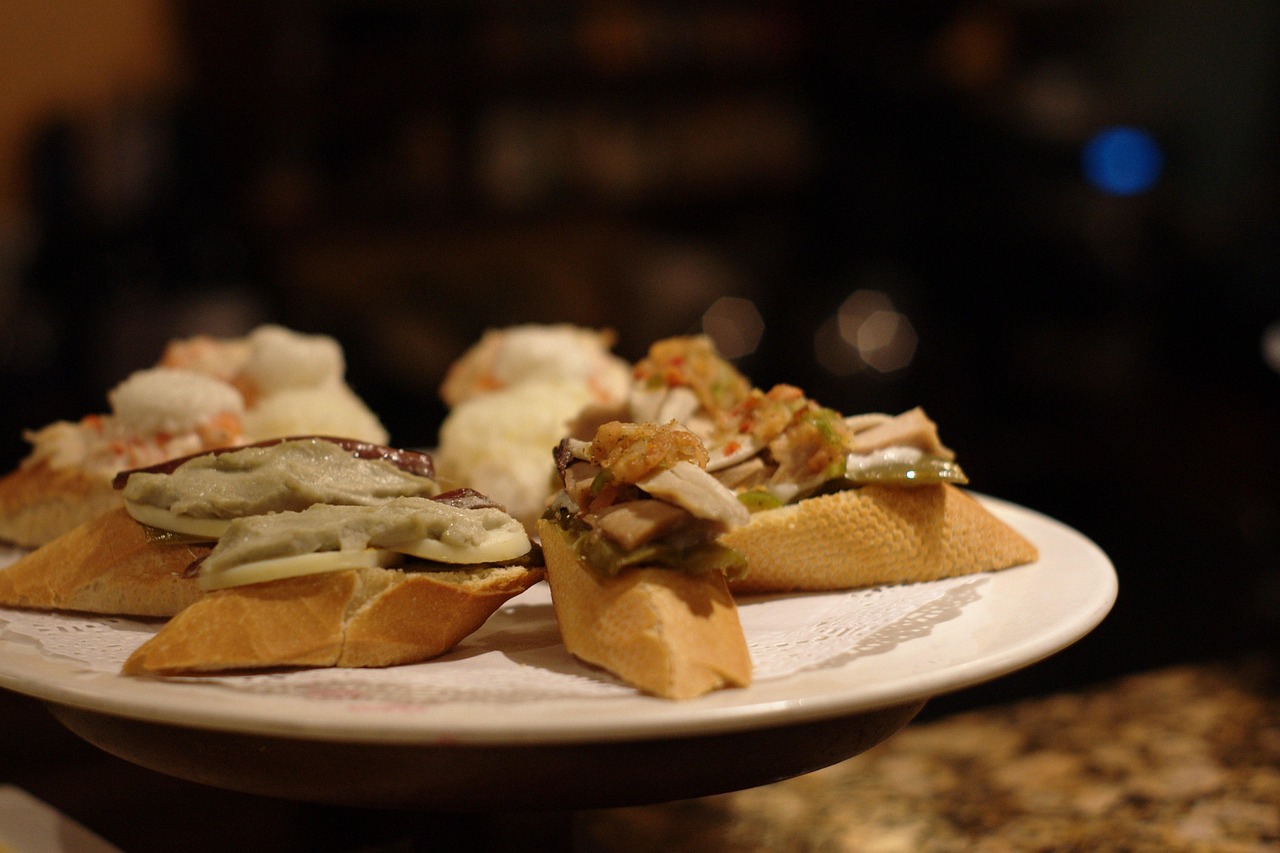
Cicchetti (singular: cicheto) are Venice’s version of small plates — bite-sized portions of food meant to accompany wine rather than constitute a full meal.
Traditional cicchetti are simple — ingredients that reflect what’s available seasonally and what the Rialto Market offered that morning:
Baccalà mantecato — whipped salt cod spread on toasted polenta or bread. This is the most iconic Venetian cicchetto. Done well, it’s creamy, rich, deeply flavored. Done poorly, it’s fishy and unpleasant. The quality difference is immediately obvious.
Sarde in saor — sardines marinated with onions, vinegar, pine nuts, and raisins. This traditional preparation dates to Venice’s sailing days when the sweet-and-sour marinade preserved fish during long voyages. The flavor is complex — sweet, sour, savory simultaneously.
Polpette — small meatballs, sometimes fish-based rather than beef. These vary dramatically by establishment. Some are extraordinary. Others are forgettable.
Nervetti — cartilage from veal, served cold with onions and vinegar. This is genuinely Venetian — the kind of cicchetto that tourists often refuse to try but locals consume regularly.
Crostini with various toppings — cheese, cured meats, vegetables, spreads. These change based on what’s seasonal and what the bacaro’s cook decided to prepare that day.
The key to cicchetti is freshness and constant turnover. A good bacaro prepares cicchetti throughout the day and sells out by evening. What you see on the counter at 6:00 PM was likely made that afternoon using ingredients purchased that morning. This is the opposite of restaurants where dishes can sit for hours waiting for orders.
You don’t order cicchetti by name from a menu. You point at what looks good on the counter, and the server plates it for you. This system intimidates visitors who don’t speak Italian and don’t recognize what they’re looking at. But it’s essential to how bacari function — fast, efficient, based on what’s actually available rather than a fixed menu.
The Rialto Market supplies the ingredients that become cicchetti — understanding where Venice’s food comes from helps you appreciate what appears on bacari counters each afternoon.
All’Arco: The Bacaro Everyone Discovers Eventually
All’Arco sits near the Rialto Market in San Polo. It’s tiny — perhaps 15 people fit comfortably inside. The cicchetti counter displays a dozen or more options at any given time. The wine selection is excellent. The prices are reasonable.
This is Venice’s worst-kept secret. All’Arco appears in guidebooks, travel blogs, and Instagram posts constantly. By traditional definitions, it’s no longer truly “hidden” or “local.”
Yet somehow, All’Arco maintains quality despite tourist discovery. The cicchetti are genuinely excellent. The wine selection shows care and knowledge. The servers tolerate tourists patiently while still serving their regular Venetian clientele.
The key is timing. Arrive at noon when tourists are eating lunch at restaurants, and All’Arco fills with market workers, local shop owners, and neighborhood residents grabbing a quick bite. The atmosphere is loud, fast-paced, entirely in dialect. This is still authentic bacaro culture despite the guidebook presence.
Arrive at 2:00 PM during peak tourist hours, and the atmosphere shifts. More English spoken. More confused visitors pointing at cicchetti they don’t recognize. The quality remains, but the social dynamic changes.
All’Arco works as an introduction to bacaro culture for visitors willing to show up at the right hours and comfortable with standing-room-only conditions. It’s not hidden anymore. But it’s still genuinely good — which matters more than pure authenticity.
The location near the Rialto Market makes sense logistically. The cicchetti ingredients come from vendors mere meters away. The turnover is constant. What’s on the counter at opening was alive in the lagoon or growing in Veneto fields hours earlier.
Cantina Do Mori: Venice’s Oldest Bacaro
Do Mori claims to be Venice’s oldest bacaro — established in 1462, though the current iteration obviously differs from whatever medieval wine vendor operated on this site five centuries ago.
The space is genuinely tiny. Maybe ten people fit comfortably. The walls are dark wood covered with copper pots and pans — decorative now, but historically functional. The atmosphere is dim, cramped, and intensely atmospheric.
Do Mori doesn’t serve hot cicchetti. Everything is cold — crostini with various toppings, small plates of cheese and cured meats, baccalà mantecato, sarde in saor. The focus is wine. The cicchetti exist to accompany wine rather than constitute a meal.
The wine selection is exceptional — small producers, local varieties, bottles you won’t find at tourist-facing restaurants. The servers know their wines intimately and will recommend based on what you’re eating and what time of day it is.
Do Mori’s location in San Polo means tourists discover it regularly. But the cramped space, the lack of seating, the minimal English spoken, and the no-nonsense service filter out casual visitors. The people who stay are either locals or travelers genuinely interested in traditional Venetian wine culture.
This is not a place for a romantic date or a leisurely meal. You stand, you drink, you eat quickly, you leave. The entire experience might last 20 minutes. This brevity is the point — Do Mori functions as a quick stop during the day, not a destination experience.
The cicchetti quality is good but not extraordinary. What makes Do Mori special is atmosphere and wine selection rather than innovative small plates. You come here because the space has barely changed in decades, because the wine is excellent, and because standing at this particular bar connects you to five centuries of Venetians doing exactly the same thing.
Al Mercà: Campo Bella Vienna’s Afternoon Institution
Al Mercà occupies a tiny storefront facing Campo Bella Vienna (officially Campo Cesare Battisti) in San Polo. The campo itself is small, residential, and beautiful in understated ways that tourist campos rarely achieve.
Al Mercà has no indoor seating. None. The space is so small that customers spill directly into the campo, standing with wine glasses and small plates, socializing in the late afternoon sun.
This is bàcaro culture at its purest — the establishment provides wine and food, the campo provides the social space, and the community creates the atmosphere. On warm afternoons, the campo fills with Venetians finishing work, meeting friends, drinking Spritz or wine, eating cicchetti, and simply inhabiting their neighborhood.
The cicchetti are excellent — particularly the panini, small sandwiches with various fillings that change based on what’s available. The porchetta panino is consistently good. The cheese and cured meat combinations vary daily.
The wine selection is solid without being extensive. The focus is affordability and drinkability rather than rare bottles or prestigious labels. This is wine meant to be consumed quickly while standing in a campo, not contemplated seriously.
Al Mercà represents what tourism threatens to destroy — a neighborhood institution that exists primarily for locals, happens to be excellent, and remains affordable precisely because it doesn’t cater to tourists. The campo itself is beautiful enough that visitors occasionally stumble into it. But the lack of obvious tourist infrastructure means most pass through without realizing what Al Mercà represents.
Visiting Al Mercà requires respecting its function. This isn’t a performance for visitors. It’s a neighborhood gathering space that happens to welcome outsiders who behave appropriately. Stand in the campo. Speak quietly. Don’t photograph constantly. Simply be present and let the atmosphere happen around you.
Osteria Al Squero: Where Gondolas Meet Wine
Al Squero sits along Dorsoduro’s southern waterfront, directly across a narrow canal from one of Venice’s last functioning gondola repair workshops (squero).
The location is extraordinary. You stand outside — there’s minimal indoor space — watching gondoliers work on boats while drinking wine and eating cicchetti. The combination of traditional craft, waterfront atmosphere, and genuinely good food creates something genuinely special.
Al Squero has been discovered by tourists. The location alone — waterfront Dorsoduro with gondola workshop views — guarantees guidebook mentions. But the space is small enough and the standing-only format awkward enough that mass tourism hasn’t overwhelmed it entirely.
The cicchetti selection is solid — cold preparations primarily, with occasional hot items depending on the day. The crostini are consistently good. The sarde in saor appears when sardines are properly fresh. The wine is well-chosen without being pretentious.
What makes Al Squero valuable isn’t the food alone — it’s the combination of food, location, and atmosphere. Standing here in late afternoon, watching the light turn golden on the gondola workshop across the canal, drinking decent wine, eating simple food, surrounded by a mix of locals and travelers who’ve made the effort to find this place — this is Venice functioning exactly as it should.
Timing matters significantly. Late afternoon (4:00-6:00 PM) brings the best atmosphere — workers finishing their days, students meeting friends, the light turning warm. Midday brings tourists fresh from guidebook recommendations, which changes the dynamic considerably.
The walk from the Accademia Bridge takes roughly 10 minutes along Dorsoduro’s quieter streets. The route passes the Peggy Guggenheim Collection and several excellent gelato shops, making an entire late afternoon circuit practical — museum, gelato, Al Squero for wine and cicchetti, then dinner elsewhere.
Vino Vero: The New-Generation Bacaro
Vino Vero in Cannaregio represents something slightly different — a bacaro that maintains traditional format while updating wine selection and cicchetti presentation.
The space is clean, bright, modern — very different from the dark wood and copper pots aesthetic that defines traditional bacari like Do Mori. The wine selection emphasizes natural wines and small producers. The cicchetti presentation is more refined than traditional preparations, though the core flavors remain Venetian.
This modernization polarizes opinion. Traditionalists argue that Vino Vero isn’t really a bacaro — it’s too clean, too modern, too focused on wine-geek natural selections. Younger Venetians appreciate exactly these qualities — a space that maintains cicchetti culture while updating execution.
The clientele skews younger — university students, young professionals, the small population of Venetians under 40 who haven’t yet left for the mainland. This demographic shift matters. Vino Vero demonstrates that bacaro culture can evolve while maintaining its essential character.
The cicchetti are genuinely good. The baccalà mantecato is excellent. The vegetable-based cicchetti — unusual in traditional bacari — accommodate contemporary dietary preferences without sacrificing flavor. The small plates feel considered rather than simply traditional.
Vino Vero works well for visitors who find traditional bacari intimidating. The space is welcoming. English is spoken comfortably. The wine list includes descriptions. You’re not expected to already know everything about Venetian drinking culture before entering.
This accessibility creates tension. Is a bacaro that welcomes tourists still authentically Venetian? Or does maintaining tradition require maintaining barriers that exclude outsiders?
The honest answer: Vino Vero represents how Venice’s food culture evolves when the residential population drops and tourism pressure increases. It’s not the bacaro culture of 1950 or even 2000. But it might be the bacaro culture that actually survives into 2040 — adapted, modernized, but still fundamentally Venetian in its core function.
Bacaro Etiquette: How to Not Be That Tourist
Visiting bacari as a tourist requires understanding unwritten rules that Venetians absorb through lifelong participation but which visitors violate constantly through ignorance.
Stand at the bar or along the walls. Don’t crowd the entrance. Don’t block the narrow passage between bar and door. Venetians need to enter, order quickly, and exit efficiently. Tourist groups clustering at the entrance disrupt this flow and irritate everyone.
Order quickly. You’re not at a restaurant where lingering over menus is expected. Look at the cicchetti counter while waiting your turn. Decide what you want. Order when the server looks at you. Point if necessary. But don’t stand at the bar studying options for five minutes while a line forms behind you.
Pay immediately. Most bacari expect payment when you order, not after you’ve finished eating. This allows the constant turnover that keeps bacari functioning during busy hours.
Speak quietly. American conversational volume sounds like shouting in small Italian spaces. Venetians speak quietly even when bars are crowded. Matching this volume shows respect for the space and the other patrons.
Don’t photograph constantly. One or two photos of cicchetti or the interior is acceptable. Photographing other patrons without permission is not. Treating the bacaro as an Instagram opportunity rather than an actual food establishment irritates locals and transforms their daily gathering space into tourist performance.
Don’t linger for an hour. Bacari aren’t restaurants or cafés where extended sitting is welcome. You drink one or two glasses of wine, eat a few cicchetti, and leave within 20-30 minutes maximum. The space needs to turn over to accommodate other patrons.
Expect minimal English. Many bacari operate entirely in Italian or Venetian dialect. Basic Italian phrases help. But confidence and willingness to simply point at things you want works nearly as well. Don’t expect or demand translation or explanation beyond what the server volunteers.
Respect that this is someone’s neighborhood. The bacaro you’re visiting as a tourist is where your server’s neighbors drink after work. Where elderly Venetians socialize every afternoon. Where the local community maintains connection despite tourism pressure. Your presence is tolerated or welcomed depending entirely on how respectfully you behave.
When to Go: Timing Matters Enormously
Bacari operate on rhythms that don’t match tourist schedules — and experiencing them properly requires adapting to Venetian timing rather than expecting bacari to accommodate international visitor habits.
Morning (10:00-11:00 AM): Some bacari open for mid-morning ombra — workers taking a quick wine break. This is genuinely local but brief. Most visitors find morning drinking strange. But watching Venetians casually drink wine at 10:30 AM provides insight into how differently alcohol functions in Italian versus American culture.
Midday (12:00-2:00 PM): Lunch hour brings crowds — workers grabbing quick food before returning to jobs. Bacari near the Rialto Market fill with vendors and buyers who’ve been working since dawn. This is excellent timing for visitors because the atmosphere is genuinely local and the cicchetti are freshly made.
Late Afternoon (4:00-7:00 PM): This is prime bacaro time — the traditional giro di ombra when Venetians stop at multiple bacari for wine and cicchetti before heading home for dinner. The atmosphere is social, relaxed, loud. This is when bacaro culture functions exactly as intended.
Evening (after 7:00 PM): Most bacari close or quiet down significantly. Venetians are eating dinner at home or at restaurants. The bacaro moment has passed. Arriving at 8:00 PM expecting the bacaro experience means finding closed doors or empty spaces.
The pattern reverses tourist schedules entirely. Tourists eat lunch at 1:00 PM, dinner at 7:00 PM, and wonder where locals are. Locals are at bacari from 12:00-2:00 PM and again from 5:00-7:00 PM, eating at home by 8:00 PM.
Adapting to Venetian timing means experiencing bacari when they actually function as community spaces rather than when they’re closed or empty. This requires shifting your entire day’s rhythm — late breakfast, light lunch at a bacaro around 1:00 PM, afternoon activities, another bacaro visit around 6:00 PM, late dinner at a restaurant around 8:30 PM.
This schedule feels strange initially but produces dramatically better food experiences. You’re eating when Venetians eat, in places Venetians actually go, alongside actual local clientele rather than tourist crowds.
The Cicchetti Crawl: How to Actually Do This
The proper way to experience bacari is the giro di ombra — a circuit of multiple bacari, drinking one glass and eating a few cicchetti at each before moving to the next.
A good circuit hits three to five bacari over the course of two to three hours. Start around 5:00 or 5:30 PM. Move between establishments every 30-40 minutes. The goal isn’t getting drunk — it’s sampling different wines, different cicchetti, different neighborhood atmospheres.
A practical Rialto-to-Cannaregio circuit might include:
Start at All’Arco near the Rialto Market — two cicchetti, one glass of wine. Walk to Do Mori — one more cicchetto, try a different wine. Continue to Al Mercà — stand in the campo, drink Spritz, eat a panino. Walk toward Cannaregio, stop at a neighborhood bacaro like Vino Vero — sample something from their natural wine selection. Finish somewhere in Cannaregio or walk back toward your hotel, stopping at one final bacaro along the way.
This circuit covers perhaps 1.5 kilometers total — completely walkable, with each bacaro providing natural rest stops. You’re moving through neighborhoods, seeing Venice at the hour when residents reclaim their city, eating genuinely Venetian food, and experiencing a tradition that tourism hasn’t yet completely destroyed.
The cost is remarkably reasonable. A glass of wine costs €2-4. Cicchetti cost €1.50-3.50 each. A full giro di ombra hitting five bacari might cost €25-35 total — significantly less than a single meal at a tourist restaurant, and infinitely more authentic.
Experience authentic Venetian food culture on a guided food tour — a knowledgeable local guide can introduce you to bacari you’d never find independently, explain what you’re eating and drinking, and teach you how to navigate these spaces confidently rather than awkwardly.
What Venice’s Food Traditions Actually Mean
Bacari aren’t simply places to drink and eat. They’re social infrastructure — one of the last remaining institutions where residential Venice still functions as a community rather than as tourism performance.
The depopulation crisis threatens bacari directly. When families leave Venice, the neighborhood institutions they supported struggle. Bacari survive on daily regulars — the same people stopping in multiple times per week, maintaining social connections while consuming wine and cicchetti. Remove the residential population and bacari either close or transform into tourist-facing establishments that look like bacari but function as restaurants.
This transformation is already happening. Bacari that used to serve neighborhood regulars now appear in guidebooks. Servers learn English. The cicchetti become more elaborate and expensive. The standing-only format sometimes adds seating. The space becomes performance rather than genuine community gathering point.
Visiting bacari as a tourist creates this exact pressure. Your presence, however respectful, contributes to the transformation you’re hoping to avoid. This is Venice’s fundamental paradox — the authentic experiences visitors seek become inauthentic precisely because visitors seek them.
The solution isn’t refusing to visit bacari. It’s visiting them thoughtfully:
Choose bacari in residential neighborhoods rather than tourist zones. Visit during hours when locals actually gather rather than when you happen to be hungry. Spend money on wine and cicchetti rather than photographing obsessively. Let the experience be what it is rather than performing discovery for Instagram.
Supporting bacari that serve residents means those establishments can continue serving residents. Your euros allow traditional spaces to survive tourism pressure. The challenge is directing those euros toward establishments that actually need and deserve support rather than toward establishments cynically performing authenticity for tourist consumption.
Understanding how Venetians actually live includes recognizing that evening bacaro visits are essential social rituals — how neighbors maintain connection, how isolated elderly residents avoid loneliness, how young Venetians decide whether to stay or leave. Bacari are where community either survives or dissolves.
Plan Your Bacaro Experience
For understanding Venice’s broader food culture: What food is Venice famous for provides context for cicchetti traditions — how Venice’s maritime history, its relationship with the lagoon, and its trading empire shaped what Venetians eat and drink today.
For seeing where cicchetti ingredients originate: The Rialto Market before sunrise shows Venice’s food supply chain operating at full efficiency. The fish and vegetables you see at the market at 5:00 AM become the cicchetti appearing on bacari counters by noon.
For guided food experiences: Venice food tours and hands-on workshops can include bacari visits with proper introduction — learning how to order confidently, understanding what you’re eating and drinking, and discovering establishments you’d never find independently. A knowledgeable guide removes the intimidation factor that prevents many visitors from experiencing bacaro culture authentically.
For understanding residential Venice: How Venetians actually live reveals the daily rhythms that include bacari as essential social infrastructure. Evening visits to neighborhood wine bars aren’t tourism for residents — they’re how community functions in a city where isolation and depopulation constantly threaten.
For authentic local experiences: Venice’s free experiences that cost nothing include simply walking residential neighborhoods where bacari cluster — Cannaregio, eastern Castello, San Polo away from the Rialto. Finding bacari yourself, even if you don’t enter, teaches you which neighborhoods still function residentially.
For honest cost understanding: What things actually cost in Venice includes the dramatic price difference between tourist restaurants and local bacari. A cicchetti and wine circuit costs a fraction of a single tourist-restaurant meal and delivers infinitely more authentic experience.
For timing your Venice days: Venice without a checklist means adapting to Venetian rhythms rather than forcing the city to accommodate tourist schedules. Bacari culture requires this adaptation — showing up when locals actually gather rather than when you happen to be hungry.
Drink and Eat Where Venetians Actually Gather — Before These Spaces Disappear
After 28 years drinking in Venice’s bacari and being featured by Rick Steves, NBC, and US Today, I know exactly which establishments still serve genuine Venetian clientele and which ones have transformed into tourist performance. Bacaro culture represents one of Venice’s most important surviving traditions — and one of the most threatened. Let me show you where locals actually drink and eat, while these spaces still exist.
Book a private food tour including authentic bacari or explore Venice’s food culture through hands-on workshops — experience the Venice that feeds itself, not the Venice that performs for cameras.
Frequently Asked Questions
Can I experience bacaro culture if I don’t drink alcohol?
Yes, though the experience is centered around wine so avoiding alcohol means missing the core element. Most bacari serve sgussa (non-alcoholic bitter drinks), coffee, or simply water. The cicchetti remain available regardless of what you’re drinking. But the social dynamic of bacaro culture — standing with neighbors over wine, the giro di ombra circuit between establishments — fundamentally involves alcohol in ways that can’t be easily separated. You can participate. But you’ll be experiencing a modified version rather than the tradition as Venetians practice it. The cicchetti alone justify visiting. But understanding that wine is central to the culture helps set appropriate expectations.
Are bacari safe for solo female travelers?
Yes. Bacari are neighborhood gathering spaces where families, elderly residents, and women traveling alone all feel comfortable. The atmosphere is social but not predatory. The crowded, well-lit conditions and constant presence of regulars create natural safety. Solo travelers — regardless of gender — should expect the same treatment any patron receives: minimal fuss, efficient service, and tolerance as long as they’re behaving appropriately. The main challenge for solo travelers is that bacari can feel intimidating initially — crowded, loud, entirely in dialect. But this intimidation is social rather than safety-related. Once you’ve visited two or three, the format becomes familiar and the anxiety disappears.
How do I know if a bacaro is authentic or tourist-facing?
Several indicators reveal whether a bacaro serves locals or performs for tourists: (1) Language — if you hear primarily Venetian dialect rather than Italian or English, the clientele is genuinely local. (2) Seating — traditional bacari have minimal or no seating. Extensive seating suggests restaurant transformation. (3) Menu format — printed menus in multiple languages signal tourist orientation. Traditional bacari display cicchetti on counters and expect customers to order by pointing. (4) Location — bacari in residential neighborhoods (eastern Castello, outer Cannaregio, Dorsoduro away from the Accademia) remain more authentic than establishments near San Marco or the Rialto. (5) Price — if wine costs €5-7 per glass and cicchetti cost €4-5 each, tourist markup is likely. Local pricing is €2-4 for wine, €1.50-3 for cicchetti. Combining these indicators provides reliable assessment.