Venice markets itself as something impossible.
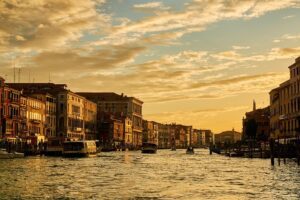
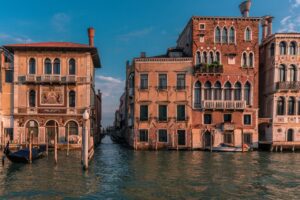
A floating city. A place where romance lives permanently. A perfectly preserved Renaissance masterpiece where every corner looks like a painting and every experience feels magical. The photographs reinforce this — gondolas gliding through misty canals, golden light on ancient palaces, couples embracing on bridges while the city provides the perfect backdrop.
The marketing is extraordinarily effective. It’s also fundamentally dishonest.
Not because Venice isn’t beautiful — it absolutely is. Not because the city isn’t extraordinary — it genuinely is. But because the gap between what visitors expect and what Venice actually delivers creates disappointment, frustration, and sometimes genuine anger when reality doesn’t match the fantasy that billions of dollars in tourism marketing have carefully constructed.
After 28 years living here and watching tens of thousands of visitors navigate this gap, I know exactly where expectations diverge from reality. The crowds nobody mentions. The costs nobody explains. The logistics nobody warns about. The atmospheric moments that actually do exist — but only if you know when and where to find them.
This is the honest assessment. What Venice actually is versus what you’ve been sold. The genuine beauty that exists alongside the genuine problems. The experiences worth having and the ones that waste money and time.
Myth: Venice Is a Romantic Paradise
Reality: Venice is crowded, expensive, and often frustrating.
The romance exists. But finding it requires navigating conditions that marketing materials carefully crop out of every photograph.
The crowds are genuinely overwhelming during peak season (April–October). Piazza San Marco becomes impassable at midday. The Rialto Bridge creates pedestrian gridlock. Narrow calli meant for medieval foot traffic now channel thousands of visitors per hour. Walking becomes a constant negotiation — stopping, starting, waiting for bottlenecks to clear, pressing against walls to let groups pass.
This isn’t exaggeration. This is daily reality for six to eight months of the year. The romantic stroll through atmospheric streets that every travel blog promises becomes a frustrating shuffle through human traffic jams.
The romance that does exist happens at specific times in specific places. Dawn on empty campos. Late evening walks through residential neighborhoods after day-trippers have departed. Quiet churches in Castello holding masterpiece paintings that nobody visits. The Zattere at dusk when locals reclaim their waterfront.
These romantic moments are genuinely available — but they require knowledge, timing, and willingness to move away from tourist zones. The romance doesn’t simply happen because you’re in Venice. You have to deliberately create conditions where it can happen.
The photographs of couples alone on bridges, gondolas gliding through empty canals, intimate dinners with perfect lighting — these aren’t fabricated. But they represent moments captured during optimal conditions (dawn, winter weekdays, careful framing) rather than typical tourist experiences. Expecting your Venice visit to look like those photographs guarantees disappointment.
Myth: Venice Is Affordable (Or at Least Reasonably Priced)
Reality: Venice is expensive, and many costs feel genuinely excessive.
Coffee at a San Marco café costs three to five times what the same coffee costs at a neighborhood bar ten minutes away. Hotels charge premium rates for rooms that would be considered modest anywhere else. Gondola rides cost what they cost — regulated rates that feel shocking to visitors accustomed to other Italian city pricing.
But the expense isn’t universal or unavoidable. The trick is understanding what’s genuinely expensive versus what’s tourist-pricing inflating ordinary costs.
A standing-bar espresso in a residential neighborhood costs €1-1.50 — exactly what it costs anywhere in Italy. A vaporetto ticket purchased as a multi-day pass costs roughly what public transport costs in any comparable city. A meal at a restaurant where locals eat costs what good food costs throughout the Veneto region.
Understanding what things actually cost in Venice — versus what tourist-facing businesses charge — allows distinguishing genuine Venice pricing from tourist markup. The city isn’t uniformly expensive. But it punishes visitors who don’t know the difference between local businesses and tourist traps.
Accommodation costs are genuinely high regardless of strategy. Venice has limited space, enormous demand, and no budget hotel options comparable to other Italian cities. Even modest hotels in residential neighborhoods cost more than nicer hotels in Florence or Rome. This isn’t tourist markup. It’s simple supply and demand on an island where every square meter represents scarce, expensive real estate.
Deciding where to stay — Venice, Mestre, or Treviso involves honest cost-benefit analysis. Venice accommodation costs more. Whether that premium is worth paying depends entirely on what kind of experience you want and how much the convenience and atmosphere matter to you personally.
Myth: Gondolas Are Essential to Experiencing Venice
Reality: Gondolas are expensive, brief, and often disappointing.
The gondola is Venice’s most recognizable symbol. It’s also one of the most oversold tourist experiences in Europe.
A standard gondola ride lasts 30 minutes. Not an hour. Not “as long as you want.” Thirty minutes. The route follows canals near your boarding point — you don’t choose the destination. The gondolier doesn’t automatically narrate unless you’ve specifically booked a guided tour in addition to the ride. Many gondoliers row in complete silence.
The official rates are regulated and non-negotiable. Evening rides cost more than daytime rides. Serenades cost significantly more than standard rides. The base cost represents substantial expense for what amounts to 30 minutes on water moving at walking speed.
Gondolas disappoint when expectations don’t match reality. Visitors expecting a romantic, narrated journey through Venice’s most beautiful canals for an hour or more feel cheated when they receive 30 silent minutes on minor canals. The experience isn’t bad. It’s simply different from what marketing suggests.
Understanding when gondolas are worth it and when they’re not allows making informed decisions. Gondolas can create genuinely memorable experiences under specific circumstances — late afternoon timing, shared among a group to split costs, understanding the limitations going in. But treating them as essential to Venice experience sets up disappointment that better planning prevents.
The vaporetto provides water-based Venice experience at a fraction of gondola cost. Line 1 travels the entire Grand Canal. The ride takes 45 minutes and costs the price of a standard transit ticket — or nothing additional if you’ve purchased a multi-day pass. You see palaces, bridges, daily Venice life. It’s not romantic. But it’s honest about what it is — city transportation that happens to travel one of the world’s most beautiful waterways.
A vaporetto pass makes Venice’s water transport accessible and affordable — unlimited travel across the lagoon for days at a time. This removes the constant mental calculation of whether each trip is “worth” the individual ticket cost.
Myth: Venice Is Sinking and Will Soon Be Gone
Reality: Venice faces genuine challenges but isn’t imminently disappearing.
Venice has been “sinking” for centuries. The city was always an improbable engineering achievement built on unstable ground. The foundations have been subsiding gradually since construction began. This is not new. This is not a crisis that developed in the past decade.
What has changed is rising sea levels and increasing flood frequency. Acqua alta — high water flooding — now occurs more frequently than in previous decades. Climate change is real. The Adriatic’s water levels are rising. Venice’s position at sea level makes it vulnerable in ways that cities built on higher ground are not.
But Venice isn’t about to disappear underwater. The MOSE flood barriers — completed after decades of delays and controversy — now protect the city from the worst flooding. The barriers can be raised when high tides threaten, preventing water from entering the lagoon and flooding the city.
The technology works. The implementation has problems — corruption, cost overruns, maintenance challenges. But the fundamental engineering is sound. Venice is protected in ways it wasn’t a generation ago.
The real threat to Venice isn’t water. It’s depopulation. The residential population has declined from 175,000 in the 1950s to roughly 50,000 today. Tourism pressure, housing costs, and daily logistical challenges drive families away. Each departure weakens the social fabric that keeps Venice functioning as a living city rather than a museum.
Understanding how Venetians actually live reveals why so many leave. The city is genuinely difficult — no cars, no supermarkets, constant crowds, high costs. These conditions are manageable for wealthy residents or those deeply committed to Venice identity. They’re exhausting for middle-class families trying to raise children and build careers.
Venice won’t sink. But it might empty out. That’s the actual crisis — not dramatic flooding captured in alarming photographs, but gradual residential abandonment happening so slowly that most visitors never notice.
Myth: All of Venice Is Beautiful and Worth Seeing
Reality: Venice has boring neighborhoods, ugly modern buildings, and areas where nothing interesting happens.
The photographs show San Marco, the Rialto, picturesque bridges over atmospheric canals. These places are genuinely beautiful. But they represent perhaps 20% of Venice’s actual geography.
Eastern Castello is residential, quiet, and architecturally unremarkable. Sant’Elena looks more like a mainland Italian neighborhood than anything visitors imagine when they think of Venice. Parts of Cannaregio are simply functional urban fabric — apartment buildings, small shops, everyday infrastructure that isn’t picturesque or particularly interesting.
This isn’t criticism. These neighborhoods matter because people live in them. But visitors who arrive expecting every street to look like a Renaissance painting set themselves up for disappointment when they encounter ordinary residential architecture that happens to be built on an island.
The Arsenale — Venice’s historic shipyard — occupies enormous space in eastern Venice. Parts are open to the public during the Biennale. Most of the time, it’s closed, industrial, and visually interesting only to architecture enthusiasts. Walking along its perimeter walls provides exercise but not particularly rewarding sightseeing.
Giudecca is an island many visitors skip entirely. Parts are beautiful — Palladio’s Il Redentore church, the waterfront facing Venice proper. Other parts are simply residential — apartments, small shops, everyday life that doesn’t perform for cameras.
The point isn’t that Venice contains ugly areas. It’s that Venice is a real city with the full range of urban environments — spectacular, pleasant, ordinary, and occasionally boring. Marketing materials carefully photograph only the spectacular portions. Arriving with expectations set by those photographs means feeling disappointed when you encounter the ordinary portions that actually comprise most of the city’s geography.
Myth: Venice Is Easy to Navigate
Reality: Venice is confusing, poorly signposted, and deliberately designed to get you lost.
The city has no cars, no straight streets, and a naming system that seems designed to maximize confusion. Streets called “calle” change names every hundred meters. Multiple campos share identical or nearly identical names. Addresses are given by sestiere and a four-digit number rather than street names.
Getting lost in Venice is inevitable. Not occasionally. Not if you’re directionally challenged. Inevitable for everyone, repeatedly, throughout every visit.
The confusion isn’t accidental. Venice’s street layout developed organically over centuries when getting lost meant wandering into the wrong neighborhood, not endangering yourself. The calli twist, dead-end, loop back on themselves. What looks like a through-route on a map terminates at a canal with no bridge. Alleyways lead to private courtyards that force retracing your steps.
This confusion is actually one of Venice’s great pleasures — but only if you’re prepared for it. Walking with no destination, following interesting streets, letting the city surprise you rather than fighting to reach specific locations produces Venice’s best discoveries. Venice rewards visitors who skip the rigid checklist — and getting lost is essential to this kind of exploration.
But visitors who arrive expecting clear navigation, obvious routes between landmarks, and ability to efficiently execute predetermined itineraries will spend their entire trip frustrated. The city simply doesn’t work that way. Google Maps helps somewhat. But Venice’s three-dimensional geography — bridges, dead ends, canals — means digital maps show routes that look direct but require complex navigation to actually achieve.
The solution is accepting that getting lost is part of the experience. Build extra time into every route. Treat wrong turns as opportunities for discovery rather than failures of navigation. Venice reveals itself to people who wander with attention, not to people who fight to reach destinations efficiently.
Myth: Venice Is Authentic
Reality: Venice is a heavily touristed city where authenticity is increasingly rare.
The Venice that locals inhabited fifty years ago barely exists today. The groceries have been replaced by souvenir shops. The traditional restaurants have been replaced by generic tourist eateries. The residential neighborhoods have been hollowed out as apartments convert to short-term rentals.
Authenticity in Venice requires deliberate searching. It exists — in neighborhood bars where locals drink morning espresso, at the Rialto Market before tourists arrive, in residential campos where children play and elderly Venetians chat in dialect. But these moments and places are increasingly isolated pockets within a city dominated by tourism.
The Rialto Market before sunrise reveals Venice at its most functional — wholesale buyers selecting fish, vendors arranging produce, the city’s food supply chain operating at full efficiency. This authenticity exists because it happens before most tourists are awake.
The churches hold authentic art and architecture that tourism hasn’t diminished. A Bellini painting in San Giovanni in Bragora looks exactly as it did when first painted. The mosaics in Torcello’s cathedral have glowed for centuries regardless of who’s viewing them. Cultural authenticity persists even when social authenticity erodes.
But expecting Venice to feel genuinely Italian — like a functioning city where residents significantly outnumber tourists — sets up disappointment. The numerical reality is brutal. On an average summer day, tourists outnumber residents by ten or twenty to one. The city’s character reflects this ratio.
The tragedy is that Venice’s beauty is genuine. The art is authentic. The architecture is real. The atmospheric moments at dawn and dusk actually happen. But experiencing these things requires navigating a city whose infrastructure increasingly serves tourists rather than residents — and that navigation can feel exhausting enough that the genuine beauty starts feeling irrelevant.
Myth: You Need at Least a Week in Venice
Reality: Most visitors feel satisfied after three to four days.
Venice is small. Walking the island’s entirety takes a single determined day. The major museums, churches, and landmarks can be covered in two to three days of focused sightseeing.
A week in Venice makes sense for specific types of travelers: Those combining Venice with regional day trips. Those deeply interested in art and spending multiple days in museums. Those who simply want to slow down and experience the city without pressure. Those staying in winter when the atmosphere rewards longer, more contemplative visits.
For most visitors, though, three to four days provides the sweet spot. Long enough to move beyond tourist highlights into residential neighborhoods. Long enough to catch Venice at dawn and dusk when the city reveals its best self. Long enough to eat well, visit churches, experience markets, and feel like you’ve genuinely understood what Venice is.
How many days you actually need depends entirely on what kind of Venice experience you want — seeing Venice requires two days, experiencing Venice requires three to four, and understanding Venice requires five or more. All three are valid goals depending on what you’re actually seeking.
The pressure to stay longer often comes from travel blogs suggesting impossibly long itineraries filled with experiences that sound amazing on paper but become exhausting in practice. A week of intensive sightseeing in a crowded, expensive city leaves most visitors burned out rather than enriched.
Better to spend three or four focused days in Venice, truly experiencing the city’s best offerings, then continue to other Veneto destinations rather than staying in Venice past the point where the city feels rewarding.
Myth: Winter Is a Bad Time to Visit
Reality: Winter Venice is less crowded, more atmospheric, and often more beautiful than summer.
Tourism marketing emphasizes summer — blue skies, warm weather, gondoliers in striped shirts, outdoor café seating. This creates the impression that winter Venice is somehow diminished or unpleasant.
The opposite is true. Winter Venice offers experiences summer can’t match.
The crowds drop dramatically. November through February sees tourist numbers perhaps 30-40% of summer levels. This matters enormously. Piazza San Marco becomes walkable. Museums feel intimate rather than overwhelming. Restaurants welcome guests rather than processing them. The city breathes.
The atmosphere intensifies in winter. Fog on canals creates scenes painters and photographers spend careers chasing. The light is softer, more diffused, genuinely beautiful. Early darkness (sunset around 4:30-5:00 PM) means experiencing Venice’s lamplit evening atmosphere before dinner rather than after.
Acqua alta — high water flooding — occurs primarily in autumn and winter. This can disrupt movement temporarily. But the MOSE barriers now prevent the worst flooding. And watching Venice adapt to high water reveals how the city actually functions as a unique urban environment rather than simply performing for tourists.
Winter Venice deserves serious consideration if travel dates are flexible — the reduced crowds, the dramatic atmosphere, and the significantly lower accommodation costs create conditions where three winter days can feel more satisfying than five summer days spent fighting crowds and heat.
The trade-offs are real. Cold, damp weather. Shorter days. Some seasonal businesses closed. But for visitors who value atmosphere, beauty, and genuine access to the city over perfect weather and outdoor dining, winter often provides the better Venice experience.
What Venice Actually Delivers (When Done Right)
All of this honest assessment risks suggesting Venice isn’t worth visiting. That’s not the conclusion at all.
Venice is genuinely extraordinary. The art, the architecture, the sheer improbability of a city built on water — these aren’t marketing exaggerations. They’re real. Walking through Venice, even crowded summer Venice, provides experiences available nowhere else on earth.
But Venice delivers these experiences best when approached with honest expectations:
Expect crowds during peak season. Plan around them rather than resenting them. Dawn and dusk reduce crowd pressure dramatically. Residential neighborhoods stay quieter than San Marco. Knowing this in advance allows building an itinerary that minimizes frustration.
Expect to spend money — but spend it wisely. Skip tourist restaurants near landmarks. Eat where locals eat in Cannaregio and Castello. Skip gondolas unless the specific circumstances make them worthwhile. Buy a vaporetto pass rather than paying per ride. Understanding what’s genuinely expensive versus what’s tourist markup allows controlling costs without sacrificing experience quality.
Expect to get lost — and treat it as feature, not bug. Venice rewards wandering. The discoveries that happen when you’re not fighting toward specific destinations often become trip highlights. Venice without a checklist means surrendering control and letting the city surprise you.
Expect complexity — Venice is a living city with genuine problems alongside genuine beauty. How Venetians actually live reveals daily challenges that photographs never show. Recognizing this context doesn’t diminish Venice’s beauty. It makes the city’s survival more impressive.
Seek the moments that actually exist rather than the fantasy that marketing sells. Dawn on empty campos. Dusk on the Zattere. Churches in Castello holding paintings most visitors never see. Free experiences that cost nothing but deliver atmosphere commercial attractions can’t match.
Venice will disappoint if you expect fantasy. It will astonish if you engage with reality.
Plan Your Realistic Venice Visit
For honest cost understanding: What things actually cost in Venice removes the mystery and allows budgeting realistically. Knowing the difference between local prices and tourist prices prevents both overspending and the resentment that comes from feeling constantly exploited.
For deciding where to stay: Venice versus Mestre versus Treviso involves honest assessment of what each location actually delivers. Venice costs more but provides better access to dawn and dusk experiences. Mestre costs less but requires commuting. The right choice depends on your specific trip priorities.
For gondola decisions: When gondolas are worth it and when they’re not depends on timing, budget, and expectations going in. The ride can be genuinely memorable under right circumstances — or genuinely disappointing under wrong ones.
For authentic market experience: The Rialto Market before sunrise shows Venice functioning as an actual city rather than performing for tourists. This authenticity still exists — but finding it requires being present at hours when most visitors are sleeping.
For free atmospheric experiences: Venice offers extraordinary experiences that cost nothing — churches holding masterpiece paintings, dawn walks through empty campos, dusk on waterfront promenades. These free experiences often create more powerful memories than paid attractions.
For optimal timing decisions: How many days you need depends on what kind of Venice experience you want. Two days shows you highlights. Three to four days lets you experience the city. Five or more days allows genuine understanding. Choose based on your actual goals rather than generic recommendations.
For seasonal planning: Venice in winter offers atmosphere and access that summer can’t match. If travel dates are flexible, serious consideration of winter visits often leads to more satisfying experiences than summer trips.
For romantic moments that actually exist: Venice holds genuine romance — but finding it requires moving away from tourist zones and timing visits for dawn or dusk. The romance is real, but it requires deliberate seeking rather than simply showing up.
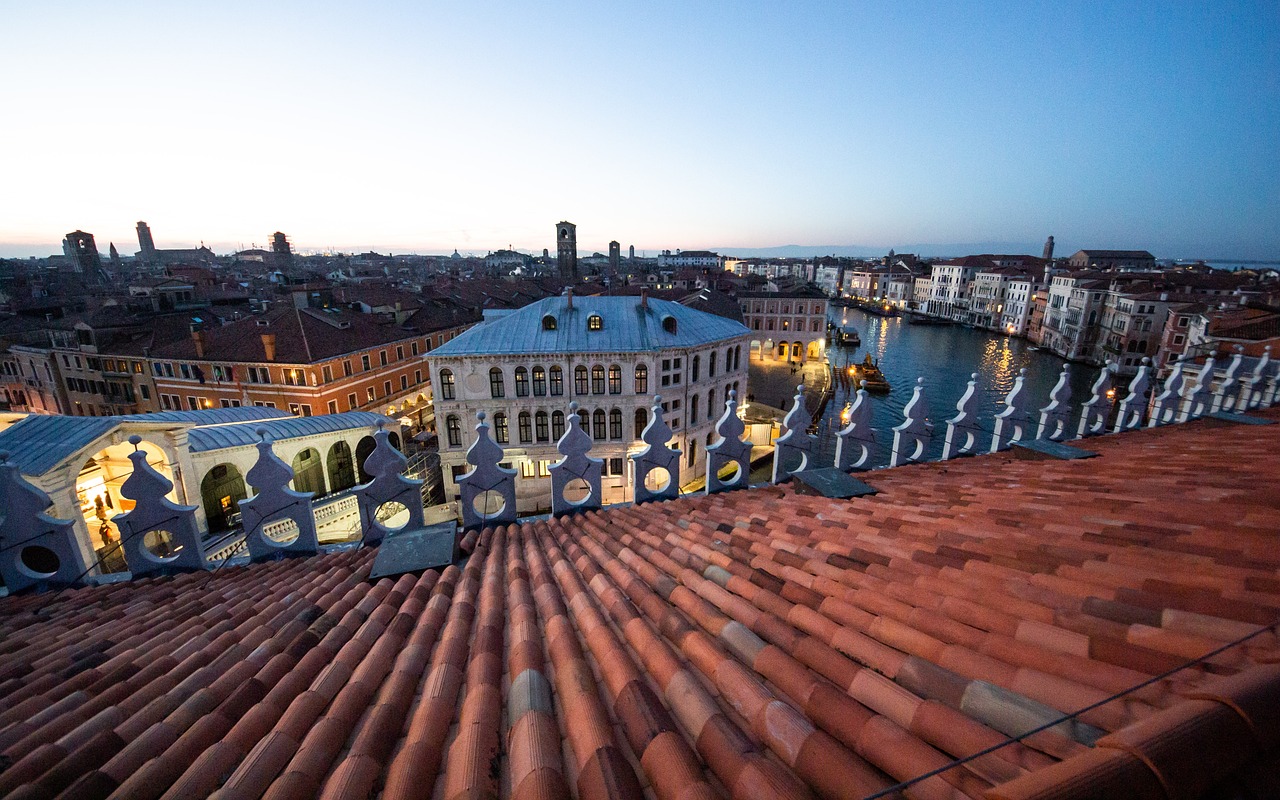
For dusk viewing that locals love: Venice at golden hour transforms into something genuinely magical — but only if you know where locals go and when the light actually matters. The Zattere, Fondamenta della Misericordia, and other local favorites deliver atmosphere that tourist viewpoints often don’t.
For approaching the city without performance pressure: Venice without a checklist means recognizing that the best experiences can’t be planned. They happen when you’re present, paying attention, and willing to let curiosity guide you rather than executing a predetermined itinerary.
For insider knowledge: A private tour with a licensed local guide provides the context, the honest assessment, and the local knowledge that turns good visits into genuinely memorable ones. A guide who knows Venice intimately can show you what actually exists rather than what marketing promises.
For museum access that maximizes limited time: Skip-the-line tickets ensure the hours you spend in Venice go toward actual experience rather than waiting in queues. The art and architecture are genuinely worth seeing — but only if you’re actually inside looking at them rather than standing outside waiting to enter.
For water transport that makes sense: A vaporetto pass provides unlimited access to Venice’s water bus system. This removes the mental calculation of whether each ride is “worth” the individual ticket cost and makes exploring the lagoon genuinely accessible rather than a luxury.
Experience the Venice That Actually Exists — Not the Fantasy That Marketing Sells
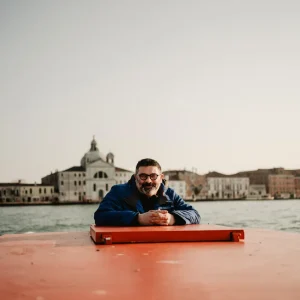
After 28 years living in Venice and being featured by Rick Steves, NBC, and US Today, I know exactly where expectations diverge from reality — and how to bridge that gap so visitors experience genuine beauty rather than manufactured fantasy. Venice will astonish you if you engage with what actually exists. It will disappoint you if you chase what never did. Let me show you the real Venice — the one that’s actually here, waiting to be discovered.
Book a private Venice tour for honest guidance or secure museum tickets and transport passes for realistic planning — approach Venice with honesty, not fantasy, and the city will exceed every realistic expectation.
Frequently Asked Questions
Are you saying Venice isn’t worth visiting?
Not at all. Venice is absolutely worth visiting — it’s one of the world’s most extraordinary cities. The point is that Venice delivers its extraordinary qualities best when approached with realistic expectations rather than fantasy ones. Visitors who arrive expecting effortless romance, uncrowded streets, and affordable luxury feel disappointed when reality doesn’t match. Visitors who arrive understanding the crowds, the costs, and the logistics required to find genuine beauty consistently have extraordinary experiences. Venice is worth visiting precisely because what actually exists — the art, the architecture, the improbable beauty — exceeds what any amount of honest marketing could promise. But getting to that real beauty requires navigating challenges that dishonest marketing carefully hides.
Can Venice be saved from tourism?
Not in any realistic near-term scenario. Tourism is Venice’s economy. The city employs thousands in hospitality, generates enormous revenue from visitors, and relies on tourism income to fund historic preservation and infrastructure. Dramatically reducing tourism would create economic crisis that would accelerate rather than prevent the city’s residential abandonment. The challenge isn’t eliminating tourism — it’s managing tourism in ways that allow residential life to coexist alongside it. This requires policy changes (limiting day-trippers, controlling short-term rentals, supporting resident-serving businesses) that are politically difficult and economically risky. Venice can potentially evolve toward more sustainable tourism. But “saving” the city by returning it to pre-tourism conditions simply isn’t possible.
Is it ethical to visit Venice given the problems tourism creates?
This is a genuine question many thoughtful travelers ask. The honest answer is that tourism both harms and sustains Venice. Tourism pressure drives residents away, converts residential spaces to visitor accommodation, and transforms the city’s character in damaging ways. But tourism also funds historic preservation, employs thousands, and creates economic value that keeps buildings maintained and infrastructure functional. Refusing to visit Venice doesn’t solve the problem — it simply removes economic support without addressing the underlying issues. More ethical is visiting Venice thoughtfully: staying multiple nights rather than day-tripping, supporting resident-serving businesses rather than tourist traps, respecting residential neighborhoods, visiting during off-season when pressure is lower. Your visit will have impact. The question is whether that impact supports or undermines the conditions that allow Venetians to remain.