The Rialto Market that tourists see is good.
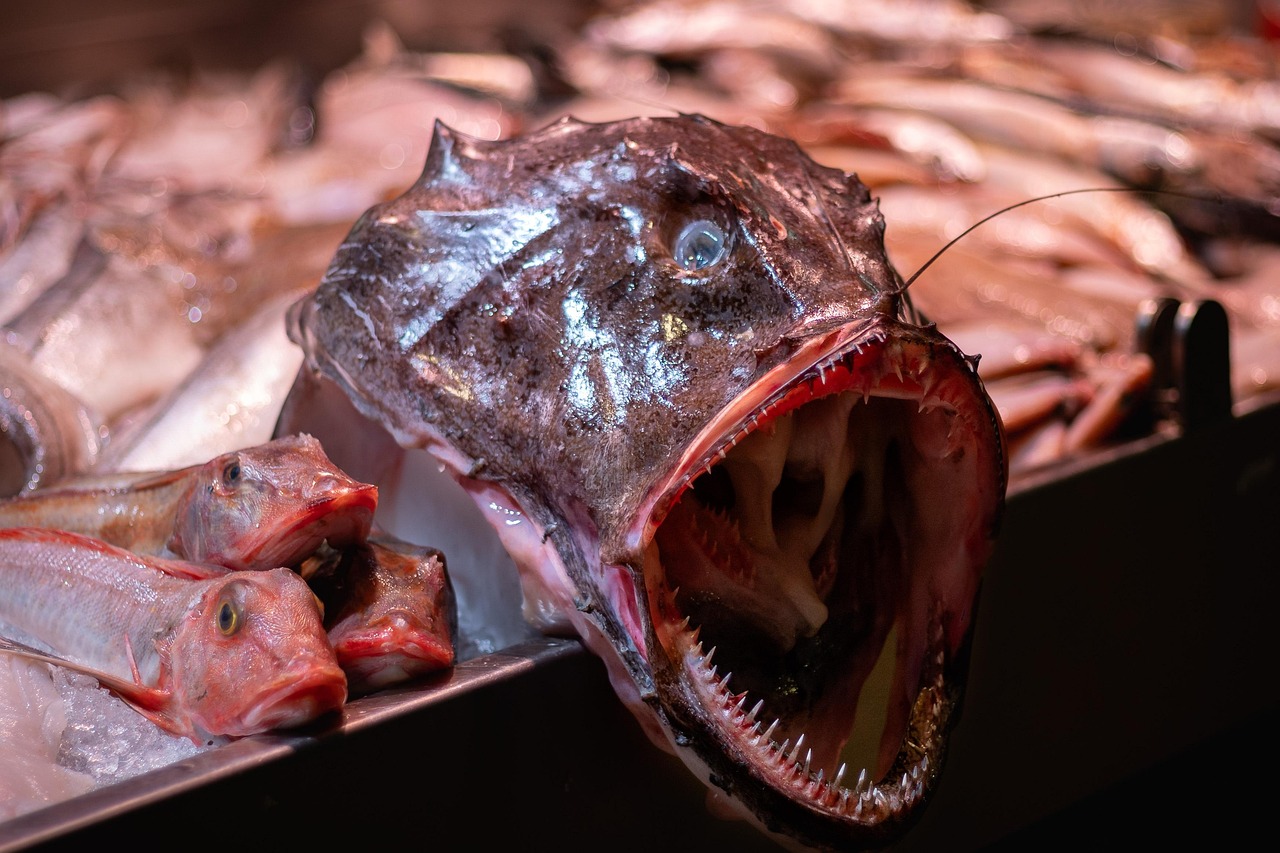
Fresh fish gleaming on ice. Colorful vegetables stacked in wooden crates. Locals moving purposefully between stalls. The smell of the sea mixed with ripe produce and espresso from nearby cafés. It’s charming, photogenic, and genuinely worth visiting.
But it’s not the real Rialto Market.
The real market — the one that actually feeds Venice — exists before most visitors are awake. Before the tourist crowds arrive. Before the light turns golden and Instagram-worthy. Before the market becomes a performance for visitors rather than a functioning system for one of the world’s most unusual cities.
I’ve been visiting the Rialto Market before dawn for over two decades. When NBC sent a crew to document authentic Venice, I brought them here at 4:00 AM. When chefs from international restaurants want to understand how Venice sources its ingredients, this is where I take them. When journalists ask me where the real Venice still exists, this is always my first answer.
The Rialto Market before sunrise is Venice at its most honest. No performance. No tourism. Just a city feeding itself the way it has for centuries.
What Happens Before Dawn
The market’s rhythm begins in darkness.
Fishing boats arrive at the wholesale fish market — the Pescaria — sometime between 3:00 and 4:00 AM. Boats from across the Adriatic and the northern lagoon deliver their catch directly to Venice. This isn’t frozen, shipped, or industrially farmed fish. It’s what the boats caught overnight, brought to Venice’s doorstep by morning.
The wholesale buyers arrive next. Restaurant owners, hotel chefs, private cooks — people who need fresh fish for the day’s service. They move quickly, selecting with practiced eyes. A chef can assess a fish’s freshness in seconds: the clarity of the eyes, the firmness of the flesh, the smell (or rather, the absence of smell — truly fresh fish doesn’t smell). These buyers aren’t browsing. They’re working. Every minute spent here is a minute less preparing for lunch service.
The vegetable market on the other side of the Rialto Bridge follows a similar pattern. Produce arrives from the mainland — from farms in the Veneto and beyond — packed onto boats and delivered to the campo. Seasonal produce dominates. In February, expect radicchio, chicory, citrus, root vegetables, and the first signs of spring greens appearing. What’s on the stalls reflects exactly what’s growing within practical shipping distance of Venice right now.
By 5:00 AM, the wholesale phase is largely complete. Retail stalls begin setting up — the market transforms from professional wholesale operation to the mixed-use space visitors encounter later in the morning.
The transition between these two phases is the most interesting hour in Venice. Wholesale buyers finishing their selections. Retail vendors arranging displays. The first baristas opening nearby cafés for espresso. Fishmongers cleaning and displaying what didn’t sell wholesale. Everything is moving, purposeful, alive — but none of it is performing for an audience.
The Fish: Venice’s Relationship With the Sea
Venice has never been a farming city. It has always been a fishing city.
The lagoon and the Adriatic Sea have fed Venice since before the city existed in any recognizable form. Fishing communities occupied the lagoon’s mudflats long before merchants built palaces on them. The relationship between Venice and its seafood is older than the Republic, older than the Doge, older than almost any other institution the city possesses.
This history shows in how Venetians approach fish. The species available at the Rialto change with the seasons, and Venetian cooks follow these changes instinctively. Winter brings certain varieties. Spring brings others. Eating seasonally isn’t a lifestyle choice in Venice — it’s simply how the city has always cooked.
The fish market’s layout reflects centuries of organization. Specific species occupy specific areas. Buyers know exactly where to go for what they need. The arrangement looks chaotic to outsiders but functions with precision for those who understand it.
Walking through the Pescaria in the early morning, watching wholesale buyers select their purchases, provides a masterclass in how a seaside city maintains its food traditions in the modern era. Venice could source fish from anywhere in the world. Fresh salmon, imported tuna, farmed species from industrial operations across Europe — all of this is available. But the wholesale market still prioritizes local catch, seasonal availability, and traditional species. The city’s food culture resists industrial convenience in ways that reveal something fundamental about Venetian identity.
The smell is the first thing visitors notice. At 4:00 AM, the Pescaria smells intensely of the sea. Not unpleasantly — it’s the clean, briny, alive smell of fresh catch. By mid-morning, as the wholesale fish has been cleared and retail displays arranged, the smell mellows. By afternoon, it’s barely noticeable. The early morning smell is the market’s truest self.
The Vegetables: Seasonal Venice on a Wooden Crate
The vegetable market tells a different story than the fish market, but an equally important one.
Venice doesn’t grow its own vegetables. The lagoon islands lack the soil depth and agricultural space for serious farming. Everything arrives from the mainland — primarily from farms across the Veneto and northern Italy. The Rialto market functions as the distribution point where mainland agriculture meets island cooking.
What arrives at the market in any given week reflects the agricultural calendar precisely. February brings radicchio from Treviso — the bitter, purple-leafed vegetable that appears in Venetian salads and risottos throughout winter. Chicory varieties. Citrus from further south. The first hardy greens beginning to emerge as days lengthen.
The wholesale vegetable buyers move differently than the fish buyers. Fish requires speed — freshness degrades quickly. Vegetables allow slightly more deliberation. But the efficiency is still striking. A restaurant owner selecting radicchio touches, squeezes, sniffs, and decides in seconds. The quality differences between good and exceptional radicchio are subtle to an untrained eye but obvious to someone who cooks with it daily.
Walking through the vegetable stalls in early morning, before retail presentation begins, you see the market’s working reality. Crates stacked without decoration. Vendors sorting and grading produce. The campo’s cobblestones wet from overnight cleaning. Everything functional, purposeful, unglamorous — and genuinely beautiful in the way working systems always are when you catch them operating at full efficiency.
The vendors themselves are worth watching. Many have operated stalls for decades. Some represent family businesses stretching back generations. The relationship between vendor and buyer isn’t transactional in the modern sense — it’s built on years of mutual trust, consistent quality, and the kind of professional respect that develops only through repeated daily interaction.
A vendor who has supplied the same restaurant for twenty years knows exactly what that chef needs without being told. The chef trusts the vendor’s judgment about which produce is exceptional on any given day. This web of relationships — invisible to visitors but fundamental to how Venice feeds itself — represents one of the city’s most important surviving traditions.
The Cafés: Where Venice Starts Its Day
Scattered around the Rialto market, small cafés open before dawn to serve the market workers.
These aren’t tourist cafés. No outdoor seating designed for leisurely breakfast. No pastry displays arranged for photographs. The espresso machines are industrial, the coffee is excellent, and the clientele consists entirely of people who have been working since 3:00 AM and need caffeine.
Standing at the bar — because that’s how Venetians drink coffee, always standing — ordering espresso and watching market workers take their morning break provides one of Venice’s most authentic experiences. The conversation around you is in Venetian dialect, not Italian. The pace is quick. People drink, exchange a few words, and return to work.
A cornetto accompanies most morning coffees. This light, buttery pastry — similar to but distinctly different from a French croissant — appears fresh at these cafés every morning. Eating a cornetto and drinking espresso at the Rialto at 5:00 AM, surrounded by people actually starting their working day, feels fundamentally different from the same breakfast consumed at 10:00 AM surrounded by tourists.
The difference isn’t the food or the coffee. It’s the context. You’re participating in Venice’s actual morning rhythm rather than observing a performance of it.
After your coffee, the nearby campo offers a moment to simply watch. Lean against a railing overlooking the canal. Watch boats arriving and departing. Listen to the sounds of a city waking up — engines, voices, water against stone. This costs nothing and requires no reservation. It simply requires being present at the right hour.
What to Bring, What to Expect
Visiting the Rialto Market before sunrise requires minimal preparation but a few practical considerations.
Dress warmly. Venice in February before dawn is genuinely cold. The lagoon amplifies wind, and standing still at a market for an hour in pre-dawn darkness demands proper layers. A waterproof outer layer matters — the market is wet, the air is damp, and occasional rain isn’t unusual.
Bring cash. Some wholesale and retail vendors don’t accept cards, particularly during the early morning hours when transactions move quickly. Small bills work best.
Arrive between 4:30 and 5:30 AM for the most interesting overlap between wholesale and retail operations. Arriving much earlier means the wholesale phase is still underway and access may be limited. Arriving much later means the retail transformation is complete and the experience becomes more conventional.
Ask before photographing. The market workers aren’t performing for cameras. Some welcome photography. Others find it intrusive, particularly during the busy wholesale hours when they’re focused on work. A simple question — ideally in Italian — usually resolves any awkwardness. The early morning light, when it begins appearing around 6:30 AM in February, creates extraordinary photographic opportunities for those who’ve earned them by simply being present and respectful.
Eat something from the market. A cornetto from a nearby café. A piece of fruit from a vegetable vendor. The simplest food, purchased directly from the people who brought it to Venice, connects you to the market’s purpose more effectively than any amount of observation.
The Market’s History: Why the Rialto Matters
The Rialto Market isn’t just Venice’s grocery store. It’s one of the most historically significant commercial sites in Europe.
For centuries, the Rialto was the financial and commercial heart of Venice — and Venice was the commercial heart of Europe. The Rialto Bridge, completed in 1591, connected the market district to the rest of the city and symbolized Venice’s commercial supremacy. Merchants from across the known world conducted business here. The market’s reputation for quality, reliability, and fair dealing attracted traders from Constantinople to London.
The market has operated continuously since the medieval period. Wars, plagues, fires, and floods have disrupted it — but never permanently closed it. Venice needed its market too desperately for interruptions to last. The city’s survival depended on feeding its residents, and the Rialto was — and remains — the mechanism that accomplishes this.
Today’s market operates within a system that would be recognizable to a medieval Venetian merchant. Fresh produce arrives by boat. Seasonal availability dictates what’s sold. Relationships between vendors and buyers matter more than abstract market forces. The physical location hasn hasn’t changed in centuries. What arrives on the stalls has evolved — new species, new growing regions, changing dietary preferences — but the fundamental structure remains.
Walking through the Rialto with this history in mind transforms a market visit from casual tourism into genuine understanding of how Venice has functioned as a city for a thousand years.
The Querini Stampalia Museum sits just minutes from the Rialto market — one of Venice’s most underrated cultural institutions. After your early morning market visit, the museum opens at a reasonable hour and offers an extraordinary collection of Venetian painting, decorative arts, and a stunning modern wing designed by Carlo Scarpa. The combination of market visit followed by museum exploration creates one of Venice’s most satisfying and least crowded mornings.
What Venetian Chefs Actually Cook With
Understanding what arrives at the Rialto in February helps understand what appears on Venice’s restaurant menus.
Fish dominates Venetian cooking, but not the way visitors expect. The species on Venetian menus aren’t chosen for international fame or luxury reputation. They’re chosen because they’re fresh, local, and in season. Some of Venice’s most celebrated dishes use species that visitors have never heard of — humble fish prepared with techniques refined over generations.
Bigoli in salsa — thick wheat pasta with sardine and onion sauce — represents Venetian cooking at its most honest. Simple ingredients, slow cooking, deep flavor. The sardines come from the Rialto. The technique comes from centuries of tradition.
Risotto al nero di seppia — black risotto colored and flavored with cuttlefish ink — showcases the lagoon’s seafood in a dish unique to Venice. The cuttlefish arrive at the Pescaria fresh, the ink extracted the same morning it’s used.
Seasonal vegetables appear in dishes visitors might not expect. Radicchio in risotto. Chicory in pasta. The bitter greens that dominate February cooking reflect exactly what’s available at the market, not what international cuisine trends might suggest.
Eating at Venice’s best restaurants after visiting the Rialto market creates a connection between source and plate that elevates the dining experience entirely. You’ve seen where the ingredients came from. You understand why certain dishes appear in February and others don’t. The meal becomes education as much as pleasure.
Plan Your Rialto Market Morning
For the complete market experience: Join me for a market tour and Venetian cooking experience — this combines early morning market exploration with hands-on cooking, learning to select ingredients the way Venetian chefs do and then preparing traditional dishes with what you’ve chosen. The connection between market and kitchen is where Venice’s food culture becomes truly understandable.
For cultural exploration after the market: Explore the Querini Stampalia Museum nearby after your market visit — one of Venice’s finest museums, located just minutes from the Rialto. The Carlo Scarpa-designed modern wing alone justifies the visit. Combining an early market morning with a museum visit creates a Venice morning that feels genuinely local rather than tourist-oriented.
For broader Venice food understanding: Private tours throughout Venice can include market visits as part of a larger food and culture experience — connecting the Rialto to the restaurants, the traditions, and the daily rhythms that define how this city actually lives.
For skip-the-line museum access: Venice museum tickets complement your market morning with access to Venice’s cultural institutions — the Accademia, Doge’s Palace, and other museums that tell the story of the city you’ve just watched waking up.
See Venice Before It Belongs to the Tourists — Where the City Actually Lives
After 28 years walking Venice’s streets and being featured by Rick Steves, NBC, and US Today, I know exactly where authentic Venice still exists. The Rialto Market before sunrise is one of those places. Let me show you what this city looks like when it’s working rather than performing.
Book a private market tour and cooking experience or secure skip-the-line access to Venice’s museums — experience Venice the way locals do, not the way tourists are expected to.
Frequently Asked Questions
Is it safe to visit the Rialto Market at 4:00 or 5:00 AM?
Venice is one of the safest cities in Europe at any hour. The Rialto area at pre-dawn hours is populated by market workers, delivery boats, and early-rising locals — not empty or isolated. The main risk is practical rather than security-related: Venice’s campos can be slippery when wet, and the darkness before dawn means uneven cobblestones are harder to see. Sensible shoes and a small flashlight solve both problems. Walking confidently and purposefully, as though you belong, ensures you blend into the morning rhythm rather than standing out as a lost tourist.
Will the market vendors talk to me if I don’t speak Italian?
Many Rialto vendors speak enough English to manage basic interactions, particularly with the retail stalls that regularly serve tourists. The wholesale vendors before dawn are less likely to engage in conversation — they’re working, and time matters. But a polite greeting in Italian (buongiorno) and genuine interest in what’s happening earns respect from almost anyone. Asking to photograph something, or simply watching attentively without intruding, communicates more than language. The market workers are proud of what they do. Showing authentic interest, even without shared language, opens doors that demanding questions in English close.
What’s the difference between visiting at 5:00 AM versus 9:00 AM?
The difference is significant. At 5:00 AM you’re witnessing a working system — wholesale buyers selecting, vendors setting up, the market functioning as Venice’s actual food supply chain. At 9:00 AM the market has transformed into a retail and tourist destination. The produce is the same, but the atmosphere, the pace, and the authenticity are completely different. Both visits are worthwhile. The early morning visit shows you how Venice feeds itself. The later visit shows you a beautiful, well-organized market that happens to also be a tourist attraction. If you can only visit once, the early morning experience is the one worth waking up for.