Should you take a gondola ride in Venice?
This question generates more anxiety, confusion, and budget recalculation than almost anything else visitors worry about. The anxiety is understandable. Gondolas are expensive, obviously touristy, and come with enough conflicting advice to paralyze decision-making.
After 28 years living in Venice and guiding thousands of visitors, I’ve watched people agonize over this choice. Some take gondola rides and regret the cost. Others skip them and regret missing the experience. A few find the sweet spot where the ride delivers genuine value.
The honest answer is: it depends entirely on what you want from Venice and what kind of traveler you are.
There’s no universal right answer. But there are ways to think about gondolas that remove the anxiety and help you decide clearly whether they’re worth your money and time.
Understanding what gondolas actually are — not what they symbolize — changes the entire question.
What Gondolas Actually Cost (And Why)
Why so expensive? Multiple factors: the boats themselves cost €30,000-60,000 to build and require constant maintenance. Gondoliers train for years to master the specialized rowing technique. The license system limits the number of gondoliers (around 400 total), keeping supply restricted. Insurance, dock fees, and operational costs are substantial.
Gondolas aren’t overpriced for what they are — handcrafted boats operated by skilled professionals in one of the world’s most expensive cities. They’re expensive because they’re a specialized luxury service, not basic transportation.
The question isn’t whether the price is fair. It’s whether the experience is worth that price to you.
When Gondolas Are Genuinely Worth It
Gondolas deliver value in specific circumstances:
1. You want the definitive Venice experience regardless of cost. For some travelers, riding a gondola is non-negotiable. It’s the Venice experience they’ve imagined their entire lives. If this is you, don’t agonize. Book it, enjoy it, accept the cost as the price of fulfilling a dream.
2. You’re celebrating something significant. Proposals, anniversaries, major birthdays — occasions where the experience matters more than the cost. Gondolas excel at marking moments. The setting is inherently romantic and memorable.
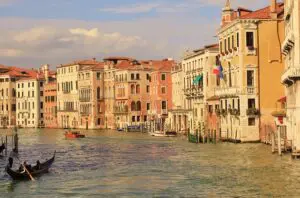
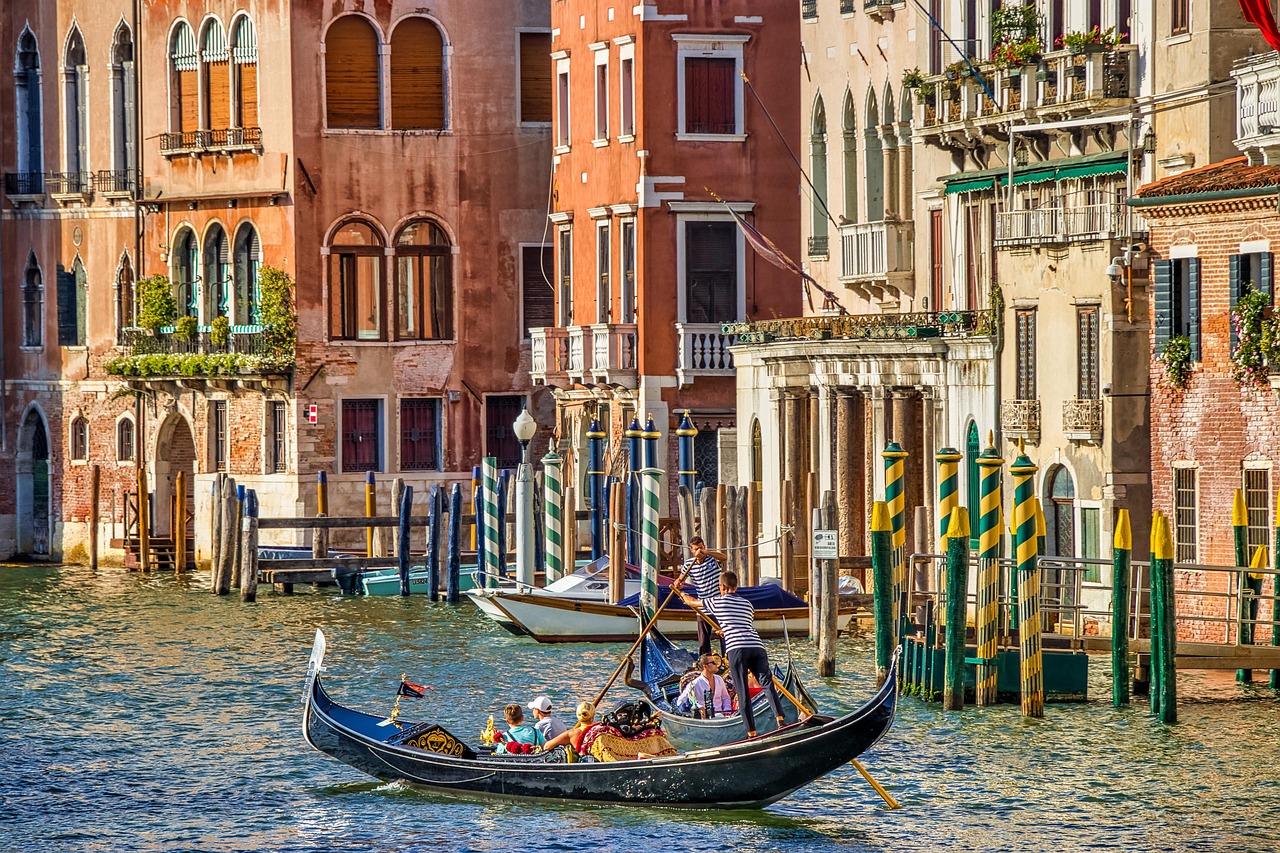
3. You want to see Venice from water level through quiet canals. Gondolas access narrow waterways that larger boats can’t reach. The perspective — floating silently through residential neighborhoods, passing under low bridges, seeing palaces from their water entrances — is genuinely unique. This is a different Venice than you experience walking.
4. You’re traveling with family or friends and can split the cost. €90 divided by five people is €18 per person — reasonable for a 30-minute unique experience. Solo travelers or couples bear the full cost alone, changing the value calculation.
5. You book strategically to maximize the experience. Early morning rides (before 9 AM, negotiated privately) or late afternoon through quieter neighborhoods create memorable experiences that justify the cost. These require research and timing but deliver far better value than midday tourist-route rides.
If any of these apply, gondolas are probably worth booking. The key is honest self-assessment about what you value and what you’ll regret missing.
When Gondolas Are Probably Not Worth It
Conversely, gondolas often disappoint in these situations:
1. You’re budget-conscious and the cost genuinely stresses you. If €90- 110 -130 represents a significant portion of your Venice budget, spending it on 30 minutes in a gondola probably isn’t the best allocation. Venice offers countless experiences that cost far less and might provide more lasting value.
2. You’re taking a gondola purely out of obligation. Because it’s “what you’re supposed to do in Venice.” Obligation makes poor experiences. If you don’t genuinely want it, skip it without guilt.
3. You expect it to be a comprehensive sightseeing tour. Gondolas move slowly through narrow canals. You’ll see beautiful architecture, but you won’t cover major landmarks efficiently. They’re atmospheric transportation, not tourist boats with commentary.
4. You’re uncomfortable with obviously touristy activities. Some travelers hate doing anything they perceive as clichéd. For them, gondolas feel performative rather than authentic. If this describes you, don’t force it. Venice has plenty of authentic experiences that don’t involve gondolas.
5. The serenade option is the main appeal. Musicians rowing along singing traditional songs sounds romantic but often feels staged and awkward. If the only reason you want a gondola is the singing, reconsider. The serenade adds significant cost for an experience many people find artificial.
6. You’re booking shared gondolas with strangers to save money. Shared rides split costs but eliminate intimacy. You’re managing social dynamics with other tourists rather than enjoying Venice. This rarely delivers the experience people want.
Honest self-assessment here saves money and disappointment. There’s no shame in deciding gondolas don’t fit your travel style or budget.
The Alternatives That Actually Work
If you skip gondolas, several alternatives provide water-based Venice experiences at different price points:
Vaporetto (public waterbus): The most budget-friendly water transportation. A vaporetto pass for unlimited travel costs €25-30 for 24 hours, €35-40 for 48 hours, €45-50 for 72 hours. Line 1 travels the full length of the Grand Canal, offering spectacular palace views from the water. Line 2 is faster but covers similar routes. The Lagoon lines reach islands like Murano, Burano, and Torcello.
Vaporetti are functional transportation, not romantic experiences. They’re crowded, noisy, and utilitarian. But they’re also how Venetians actually move around the city. Riding them provides genuine local perspective at a tiny fraction of gondola costs.
Traghetto (gondola ferry): These are working gondolas that ferry passengers across the Grand Canal at specific points where bridges don’t exist. They cost €2 per crossing and last about 90 seconds. You stand rather than sit, and the gondolier isn’t performing but working. Traghetti are pure transportation, but they let you experience gondola movement and water-level Grand Canal perspective cheaply. Several traghetto routes operate during daytime hours.
Private water taxi: More expensive than gondolas but faster, more comfortable, and more practical. Water taxis work well for airport arrivals, luggage transport, or reaching hotels in areas where walking with bags is difficult. They’re luxury transportation rather than sightseeing experiences. Combine sightseeing with a private boat tour if you want guided water exploration.
Walking: Free, provides intimate neighborhood discovery impossible from water, and lets you explore at your own pace. Venice rewards walking more than any water-based transportation. The best discoveries happen on foot in quiet streets far from canals.
Each alternative serves different purposes. Choose based on what you actually want — practical transportation (vaporetto), quick canal crossing (traghetto), efficient transfer (water taxi), or genuine exploration (walking).
How to Get the Best Gondola Experience If You Do Book
If you decide gondolas are worth it, these strategies maximize value:
1. Book directly at gondola stations rather than through hotels or tour operators. Direct booking means you pay official rates without markup.
2. Negotiate routes. Standard tourist routes hit major canal traffic and popular sights. Better routes thread through quiet residential neighborhoods in Cannaregio or Dorsoduro where you’ll see authentic Venice and experience more peaceful atmosphere. Tell your gondolier you prefer quiet canals over crowded ones.
3. Time strategically. Early morning (before 9 AM if you can negotiate it, or first thing once stations open) means fewer boats, quieter canals, better light. Late afternoon provides similar benefits. Midday traffic jams in popular canals diminish the experience significantly.
4. Split costs with others if possible. Six passengers maximum per gondola. If you’re traveling with family or friends, everyone shares one boat and one fee. Solo travelers might consider joining with other tourists, though this eliminates privacy and intimacy.
5. Skip the serenade unless you’re genuinely excited about it. Most people find serenaded rides awkward and performative. The extra €100-150 rarely delivers proportional value. The exception is if live music genuinely thrills you regardless of context.
6. Set clear expectations about duration. The official 30-minute minimum is literal. Many gondoliers will suggest “extending” partway through. Decide in advance whether you’re open to this or want to stick to exactly 30 minutes.
7. Carry cash for payment. Many gondoliers prefer cash and might not accept cards. Confirm payment methods before departure to avoid awkward negotiations afterward.
8. Ask questions. Gondoliers know Venice intimately. Many speak English well. Ask about buildings you’re passing, history of neighborhoods, how gondolas are made. Transform it from passive ride to educational experience.
Good gondoliers take pride in their work and appreciate passengers who understand and value what they’re experiencing. Treating it as a specialized service rather than obligatory tourist activity improves everyone’s experience.
The Middle Ground: When to Compromise
Some visitors find creative compromises that satisfy the desire for gondola experience without full commitment:
Shorter negotiated rides: During slow periods, some gondoliers accept shorter rides (15-20 minutes) for proportionally reduced rates. This isn’t official but happens occasionally. Asking politely costs nothing. The worst answer is “no.”
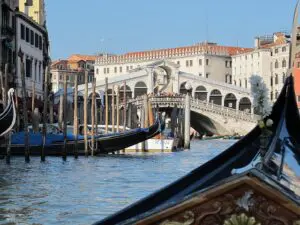
Station watching: Standing at busy gondola stations (near the Rialto Bridge or San Marco) and watching gondolas depart provides surprising enjoyment. You observe the gondoliers’ skill, see passengers’ excitement, experience the atmosphere without paying. This sounds less satisfying than it is. Five minutes watching gondolas load and depart captures much of the visual appeal.
Traghetto multiple times: €2 per crossing
Photography focus: Treat gondolas as photographic subjects rather than transportation. The boats themselves are beautiful. Gondoliers rowing are graceful and skilled. Creating strong photographs of gondolas provides a different kind of Venice memory without requiring participation.
These compromises won’t satisfy everyone, but they offer options between “expensive gondola ride” and “no gondola experience at all.”
What Venetians Actually Think About Gondolas
Venetians have complicated relationships with gondolas.
On one hand: Gondolas represent Venice internationally. They’re cultural icons, symbols of the city’s uniqueness. Many Venetian families have gondolier histories stretching back generations. The craft and tradition deserve respect.
On the other hand: Gondolas exist almost entirely for tourists. Venetians rarely ride them except for special occasions (weddings occasionally feature gondola transport) or when visiting relatives want the experience.
The disconnect between gondolas as tourist attraction and gondolas as working transportation creates tension. Some Venetians view gondoliers as maintaining important tradition. Others see them as exploiting tourism infrastructure while contributing minimally to daily Venetian life.
Most Venetians land somewhere in the middle: gondolas are simultaneously valuable cultural tradition and tourist-oriented business. Both things can be true simultaneously.
Understanding how Venetians actually move around the city — primarily walking and vaporetto — provides context for where gondolas fit. They’re special-occasion transportation, not daily life infrastructure.
This doesn’t diminish their value. It contextualizes them. Gondolas aren’t “authentic Venice” in the sense of representing how contemporary Venetians live. They’re authentic in preserving a craft and tradition that shaped Venice’s history and continues defining its identity.
The Psychological Burden of the Decision
The gondola question weighs on travelers disproportionately to its actual importance.
People spend hours researching, comparing options, reading reviews, calculating costs, seeking validation for their decision. The anxiety around choosing correctly often exceeds the actual experience’s significance.
Here’s perspective: Whether you ride a gondola or not will barely influence your overall Venice experience. The decision matters far less than where you stay, how much time you allow for wandering, whether you venture into residential neighborhoods, how you approach crowds, what you eat, and whether you visit during reasonable seasons.
Gondolas are one element of Venice — not the defining element. They can enhance visits. They can disappoint. They can be safely skipped. All of these outcomes are fine.
The worst scenario isn’t choosing wrong about gondolas. It’s letting the decision dominate your planning and create stress that diminishes everything else.
Make a reasonable decision based on your budget, interests, and travel style. Then commit to it without second-guessing. Whether you ride gondolas or not, Venice offers countless other experiences that matter just as much.
The city rewards presence and openness more than perfect planning.
My Personal Recommendation (After 28 Years)
After decades guiding visitors through these decisions, here’s my honest advice:
If you can afford it without stress and genuinely want the experience, do it. Book early morning or late afternoon, request quiet residential canals, treat it as atmospheric transportation rather than comprehensive sightseeing. You’ll create a memory worth having.
If the cost genuinely strains your budget or you feel ambivalent about touristy activities, skip it without guilt. Invest that money in excellent meals, a private tour that provides genuine cultural insight, better accommodations, or additional days in Venice. These often deliver more lasting value than 30 minutes in a gondola.
If you’re uncertain, wait until you’re in Venice. Walk around, observe gondolas operating, see how you feel about them in context. Sometimes seeing them in person clarifies whether you want to participate. The decision doesn’t need to happen before arrival.
The question isn’t “Should I take a gondola?” It’s “What do I actually want from my Venice experience, and does a gondola support or distract from that?”
Answer that honestly and the decision becomes straightforward.
Plan Your Venice Water Experience
For budget-conscious water transportation: A vaporetto pass for unlimited travel provides freedom to explore Venice and its lagoon islands without worrying about individual ticket costs. It’s practical, economical, and genuinely useful.
For guided water exploration: Combine sightseeing with a private boat tour that includes commentary and covers more territory than gondolas while remaining more intimate than large tour boats.
For understanding costs and value: Venice expenses make more sense with context. Understanding what things cost and why helps make confident decisions about where to spend and where to save.
For comprehensive Venice planning: A private tour with a licensed guide can include gondola recommendations, alternative water experiences, and insights into how Venetians actually move through their city — helping you make informed decisions about everything, not just gondolas.
Navigate Venice’s Choices with Confidence — Understand What Actually Matters
After 28 years guiding Venice and being featured by Rick Steves, NBC, and US Today, I’ve helped thousands of visitors make these decisions wisely. Gondolas are one option among many. Let me show you how to experience Venice in ways that match your interests, budget, and travel style.
Book your private Venice tour for insider guidance or secure your vaporetto pass and museum tickets — make confident decisions about how to spend your time and money in Venice.
Frequently Asked Questions
Should I book a gondola in advance or wait until I’m in Venice?
Both approaches work. Booking in advance guarantees availability during peak season and lets you schedule specific times (early morning or sunset rides). However, waiting until you’re in Venice allows you to see gondolas in context, observe conditions, and decide based on how you actually feel rather than pre-trip expectations. If you do book in advance, use official gondola station websites rather than third-party tour operators who add significant markups. Walk-up booking at gondola stations is perfectly viable except during the busiest summer weeks.
Are gondola rides different in different parts of Venice?
Yes, significantly. Gondola stations near San Marco and the Rialto offer heavily trafficked routes through crowded canals where you’ll see major landmarks but also compete with dozens of other boats. Stations in Cannaregio or Dorsoduro access quieter residential waterways with fewer tourists and more authentic neighborhood atmosphere. If you book through busy stations, explicitly request routes through quieter areas. The gondoliers know residential canals that provide better experiences than standard tourist routes. The cost is identical regardless of location or route.
Is the traghetto experience similar enough to skip a full gondola ride?
The traghetto gives you a taste of gondola movement and water-level perspective across the Grand Canal for €2 and 90 seconds. You stand rather than sit, there’s no route selection, and the experience is purely functional transportation. It’s similar to comparing a subway ride to a private car tour — same basic function, completely different experience. Traghetti work well for travelers who want to say they rode a gondola without full commitment, or for those who genuinely can’t afford full rides but want some water-level canal experience. They won’t satisfy travelers seeking the romantic atmospheric ride gondolas are famous for.