Venice’s opera house has burned down twice — in 1836 and again in 1996. Both times, the city rebuilt it. Not because they had to. Because they couldn’t imagine Venice without it.
The name “La Fenice” means “The Phoenix.” The bird that rises from ashes. It’s not a poetic choice. It’s a literal description of what happened.
The first fire destroyed the original 18th-century theater. Venetians rebuilt it in less than two years, creating one of Europe’s most beautiful opera houses. The second fire, caused by arson during renovations, seemed like it might be the end. Instead, Venice rebuilt La Fenice again — this time exactly as it was, down to the last gilded detail.
That determination tells you something about what opera means to Venice. This is a city that refuses to let go of beauty, even when practicality suggests otherwise.
Why La Fenice Shaped Music History
La Fenice premiered some of the most important operas ever written. Rossini conducted here. Verdi debuted Rigoletto and La Traviata on this stage. Stravinsky premiered The Rake’s Progress here in 1951.
When you sit in one of those red velvet seats, you’re not just watching a performance. You’re sitting where music history was made — and continues to be made.
The acoustics are famously perfect. The interior is overwhelming — gold leaf, hand-painted ceilings, five tiers of boxes rising like a vertical city. Even if you’ve never been to an opera, La Fenice makes you understand why people dressed up, traveled across Europe, and spent fortunes just to sit in a room and listen.
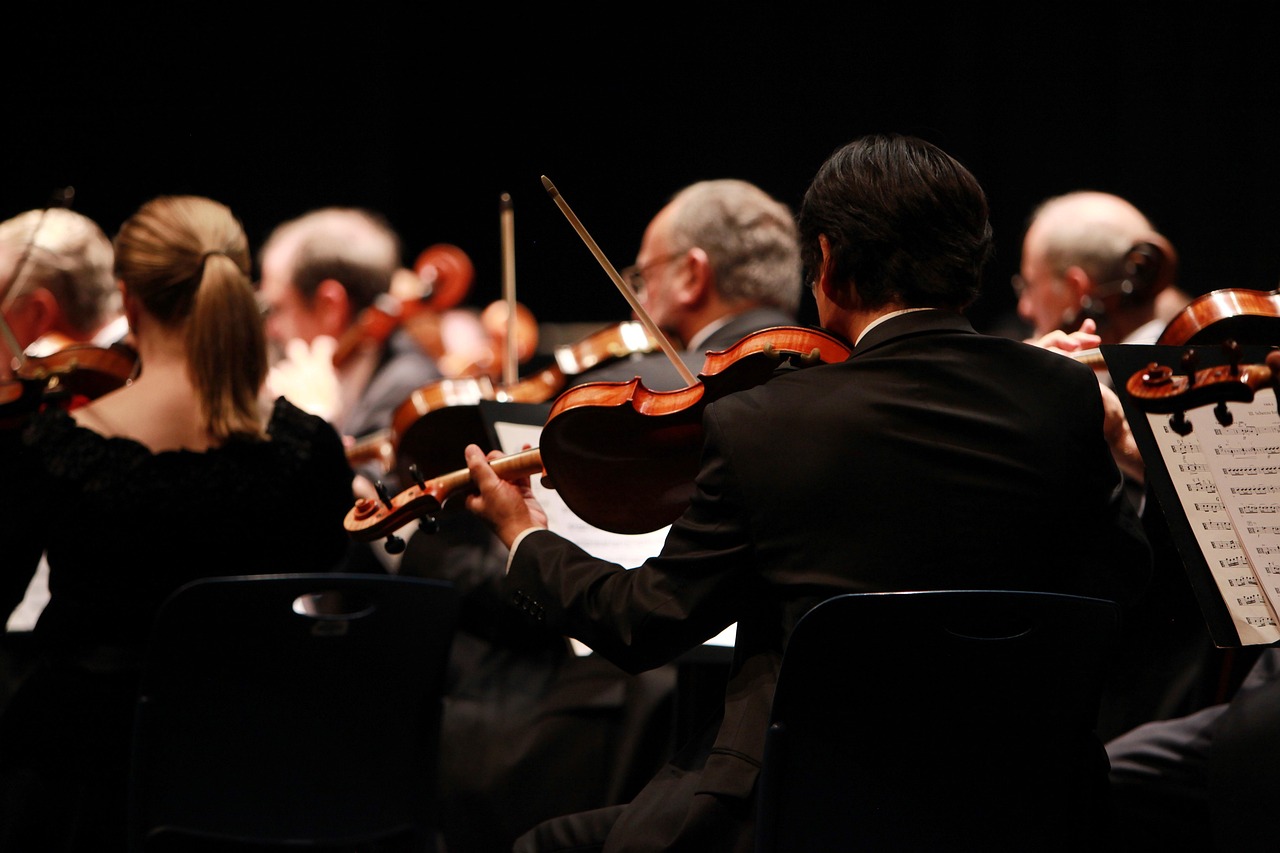
Today, La Fenice hosts roughly 200 performances each year — opera, ballet, symphonic concerts. You can visit during the day with skip-the-line tickets that include an audio guide, or attend an evening performance when the theater is fully alive.
If you choose to attend a performance, you’ll notice Venetians in the audience. Not tourists playing dress-up. Locals who come regularly, who know the repertoire, who still consider opera part of ordinary life. That cultural continuity is rare in modern cities.
Visiting La Fenice: What You Should Know
La Fenice sits in the San Marco district, tucked behind small streets that don’t announce its importance. That’s very Venetian. The grandest things often hide behind the plainest doors.
During the day, you can tour the theater independently or with a guide. The self-guided audio tour takes about 45 minutes and covers the main theater, the boxes, and the Apollo Rooms. It’s well done, though it can’t quite capture what happens when the lights dim and the orchestra begins.
Evening performances require advance booking, especially for premieres or famous conductors. Ticket prices range dramatically depending on your seat. The cheapest seats — in the upper galleries — offer surprisingly good sightlines and perfect acoustics. The experience doesn’t depend on how much you spend.
If you’re staying in Venice during opera season (September through July), check La Fenice’s schedule. Even if you’re not an opera enthusiast, experiencing a performance here adds something to your understanding of the city.
The 1996 Fire and Reconstruction
The 1996 fire was devastating. Security cameras showed two electricians leaving the building minutes before flames engulfed it. The roof collapsed. The interior was destroyed. Only the exterior walls remained standing.
Venetians were furious. Not just about the fire, but about the suspicion of arson, the delayed investigations, the bureaucratic tangles that followed. Yet within days, the city committed to rebuilding.
The reconstruction took eight years — longer than anyone wanted, though the complexity was extraordinary. Every detail had to match the pre-fire theater exactly. Artisans studied old photographs, consulted archives, used traditional techniques nearly forgotten. The cost exceeded €90 million.
When La Fenice reopened in 2003, the conductor Riccardo Muti led the inaugural concert. The program included Verdi and Stravinsky — composers tied to the theater’s history. People wept openly during the performance.
Today you can visit Ca’ Rezzonico, Venice’s museum of 18th-century life, to see what aristocratic entertainment looked like before La Fenice existed. The contrast shows how opera democratized cultural life — even the cheaper seats gave ordinary people access to world-class performances.
What to Pair with Your Visit
La Fenice stands near several other important sites. The Palazzo Grassi and Punta della Dogana — both showcasing contemporary art — are within walking distance. So is the Accademia Gallery, home to the world’s finest collection of Venetian painting.
After your visit, walk toward the Rialto Bridge through the narrow calli (streets). This is where you’ll find the Venice that tourists often miss — small workshops, neighborhood bars, locals going about their daily routines.
If you’re interested in music beyond La Fenice, Venice offers frequent concerts in historic churches and scuole (confraternities). These smaller venues provide intimate settings for baroque and chamber music. Scuola Grande di San Giovanni Evangelista, for instance, hosts performances in rooms decorated with Renaissance art.
Why It Matters Now
Cities change constantly. Historic theaters close, get converted to other uses, or become museums frozen in time. La Fenice remains what it always was — a working theater where new art happens alongside the classics.
That continuity matters because it shows that Venice isn’t just preserving the past. It’s continuing traditions that still feel alive and necessary.
When travelers ask me what makes Venice different from other Italian cities, part of the answer is places like La Fenice. Not because the building is beautiful — though it is — but because Venetians fought to keep it functioning as a theater rather than letting it become another monument.
Walking past La Fenice on a performance night, you’ll see people streaming in dressed for the evening. The building glows from within. The atmosphere feels both formal and exciting. For a moment, you glimpse what Venice was and what it remains — a city that takes art seriously enough to rebuild it from ashes.
Plan Your Visit
For daytime visits: Pre-book skip-the-line tickets to avoid waiting. The audio guide provides solid historical context, though I find the building speaks for itself once you’re standing in the main theater.
For evening performances: Check the official La Fenice schedule and book early, especially for weekend performances. Dress codes exist but aren’t rigid — smart casual works fine for most events.
Want deeper context? A private walking tour of Venice’s cultural heritage can include La Fenice alongside other sites that shaped the city’s artistic legacy. Understanding how Venice’s wealth funded places like this changes how you see the entire city.
Experience La Fenice and Venice’s Cultural Heart
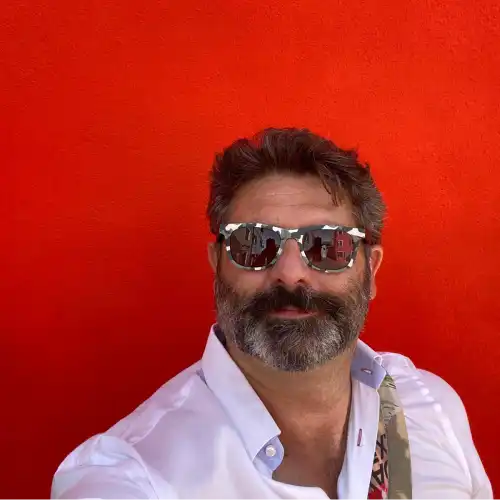
After 28 years guiding in Venice, I’ve watched countless visitors discover why this theater matters — not as history, but as living tradition. Let me show you the Venice that Rick Steves, NBC, and US Today trust me to reveal.
Book your private Venice cultural tour or secure your La Fenice and museum tickets now — don’t let lines steal your precious time in Venice.
There are concert halls. And then there is La Fenice.
Venice’s opera house has burned down twice — in 1836 and again in 1996. Both times, the city rebuilt it. Not because they had to. Because they couldn’t imagine Venice without it.
The name “La Fenice” means “The Phoenix.” The bird that rises from ashes. It’s not a poetic choice. It’s a literal description of what happened.
The first fire destroyed the original 18th-century theater. Venetians rebuilt it in less than two years, creating one of Europe’s most beautiful opera houses. The second fire, caused by arson during renovations, seemed like it might be the end. Instead, Venice rebuilt La Fenice again — this time exactly as it was, down to the last gilded detail.
That determination tells you something about what opera means to Venice. This is a city that refuses to let go of beauty, even when practicality suggests otherwise.
Why La Fenice Shaped Music History
La Fenice premiered some of the most important operas ever written. Rossini conducted here. Verdi debuted Rigoletto and La Traviata on this stage. Stravinsky premiered The Rake’s Progress here in 1951.
When you sit in one of those red velvet seats, you’re not just watching a performance. You’re sitting where music history was made — and continues to be made.
The acoustics are famously perfect. The interior is overwhelming — gold leaf, hand-painted ceilings, five tiers of boxes rising like a vertical city. Even if you’ve never been to an opera, La Fenice makes you understand why people dressed up, traveled across Europe, and spent fortunes just to sit in a room and listen.
Today, La Fenice hosts roughly 200 performances each year — opera, ballet, symphonic concerts. You can visit during the day with skip-the-line tickets that include an audio guide, or attend an evening performance when the theater is fully alive.
If you choose to attend a performance, you’ll notice Venetians in the audience. Not tourists playing dress-up. Locals who come regularly, who know the repertoire, who still consider opera part of ordinary life. That cultural continuity is rare in modern cities.
Visiting La Fenice: What You Should Know
La Fenice sits in the San Marco district, tucked behind small streets that don’t announce its importance. That’s very Venetian. The grandest things often hide behind the plainest doors.
During the day, you can tour the theater independently or with a guide. The self-guided audio tour takes about 45 minutes and covers the main theater, the boxes, and the Apollo Rooms. It’s well done, though it can’t quite capture what happens when the lights dim and the orchestra begins.
Evening performances require advance booking, especially for premieres or famous conductors. Ticket prices range dramatically depending on your seat. The cheapest seats — in the upper galleries — offer surprisingly good sightlines and perfect acoustics. The experience doesn’t depend on how much you spend.
If you’re staying in Venice during opera season (September through July), check La Fenice’s schedule. Even if you’re not an opera enthusiast, experiencing a performance here adds something to your understanding of the city.
The 1996 Fire and Reconstruction
The 1996 fire was devastating. Security cameras showed two electricians leaving the building minutes before flames engulfed it. The roof collapsed. The interior was destroyed. Only the exterior walls remained standing.
Venetians were furious. Not just about the fire, but about the suspicion of arson, the delayed investigations, the bureaucratic tangles that followed. Yet within days, the city committed to rebuilding.
The reconstruction took eight years — longer than anyone wanted, though the complexity was extraordinary. Every detail had to match the pre-fire theater exactly. Artisans studied old photographs, consulted archives, used traditional techniques nearly forgotten. The cost exceeded €90 million.
When La Fenice reopened in 2003, the conductor Riccardo Muti led the inaugural concert. The program included Verdi and Stravinsky — composers tied to the theater’s history. People wept openly during the performance.
Today you can visit Ca’ Rezzonico, Venice’s museum of 18th-century life, to see what aristocratic entertainment looked like before La Fenice existed. The contrast shows how opera democratized cultural life — even the cheaper seats gave ordinary people access to world-class performances.
What to Pair with Your Visit
La Fenice stands near several other important sites. The Palazzo Grassi and Punta della Dogana — both showcasing contemporary art — are within walking distance. So is the Accademia Gallery, home to the world’s finest collection of Venetian painting.
After your visit, walk toward the Rialto Bridge through the narrow calli (streets). This is where you’ll find the Venice that tourists often miss — small workshops, neighborhood bars, locals going about their daily routines.
If you’re interested in music beyond La Fenice, Venice offers frequent concerts in historic churches and scuole (confraternities). These smaller venues provide intimate settings for baroque and chamber music. Scuola Grande di San Giovanni Evangelista, for instance, hosts performances in rooms decorated with Renaissance art.
Why It Matters Now
Cities change constantly. Historic theaters close, get converted to other uses, or become museums frozen in time. La Fenice remains what it always was — a working theater where new art happens alongside the classics.
That continuity matters because it shows that Venice isn’t just preserving the past. It’s continuing traditions that still feel alive and necessary.
When travelers ask me what makes Venice different from other Italian cities, part of the answer is places like La Fenice. Not because the building is beautiful — though it is — but because Venetians fought to keep it functioning as a theater rather than letting it become another monument.
Walking past La Fenice on a performance night, you’ll see people streaming in dressed for the evening. The building glows from within. The atmosphere feels both formal and exciting. For a moment, you glimpse what Venice was and what it remains — a city that takes art seriously enough to rebuild it from ashes.
Plan Your Visit
For daytime visits: Pre-book skip-the-line tickets to avoid waiting. The audio guide provides solid historical context, though I find the building speaks for itself once you’re standing in the main theater.
For evening performances: Check the official La Fenice schedule and book early, especially for weekend performances. Dress codes exist but aren’t rigid — smart casual works fine for most events.
Want deeper context? A private walking tour of Venice’s cultural heritage can include La Fenice alongside other sites that shaped the city’s artistic legacy. Understanding how Venice’s wealth funded places like this changes how you see the entire city.
Experience La Fenice and Venice’s Cultural Heart
After 28 years guiding in Venice, I’ve watched countless visitors discover why this theater matters — not as history, but as living tradition. Let me show you the Venice that Rick Steves, NBC, and US Today trust me to reveal.
Book your private Venice cultural tour or secure your La Fenice and museum tickets now — don’t let lines steal your precious time in Venice.