Most people arrive in Venice believing it will be a once-in-a-lifetime trip.
They come with a mental list, a limited number of days, and the quiet assumption that Venice is something to be seen, completed, and remembered.
And then something unexpected happens.
They leave — and realize they didn’t really finish anything.
This is one of Venice’s quiet contradictions. It looks like a destination that can be “done,” yet it resists closure. The more you see, the more you sense what you didn’t have time to understand.
This is why so many travelers who once said “I’ll probably never come back” end up asking a different question instead.
“When can we return?”
Venice is worth visiting more than once not because it has endless attractions, but because it has endless states of being.
The city you meet on your first visit is rarely the city you meet on your second.
The first time, Venice is visual.
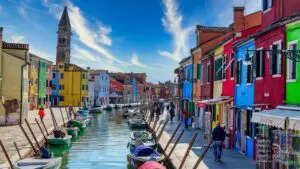
You notice façades, canals, reflections, famous names. You orient yourself by landmarks. You learn the shape of the city.
The second time, Venice becomes emotional.
You start noticing rhythms instead of routes. Neighborhoods instead of highlights. Silence instead of spectacle. You stop trying to see everything and begin choosing what matters.
And by the third visit — for those who return again — Venice becomes personal.
You recognize streets. You develop preferences. You begin to move with confidence instead of curiosity alone.
This progression is not accidental.
Venice is layered. Each visit peels back a different layer, depending on season, pace, and mindset.
A winter visit feels introspective and calm. A spring visit feels open and social. A summer visit feels intense but alive. An autumn visit feels reflective and grounded.
Same city. Completely different experience.
This is why travelers who return to Venice often describe it as a relationship rather than a destination.
You don’t come back to repeat the same experience. You come back to deepen it.
There is also something freeing about returning.
The pressure disappears.
No more obligation to see St. Mark’s again unless you want to. No need to rush. No fear of missing out.
You begin to walk differently. Sit longer. Detour without anxiety.
Venice rewards that confidence.
It opens quieter neighborhoods. It reveals patterns. It feels less crowded not because fewer people are there, but because you know where not to be.
This is often when visitors say something unexpected.
“This feels like a different city.”
They are right.
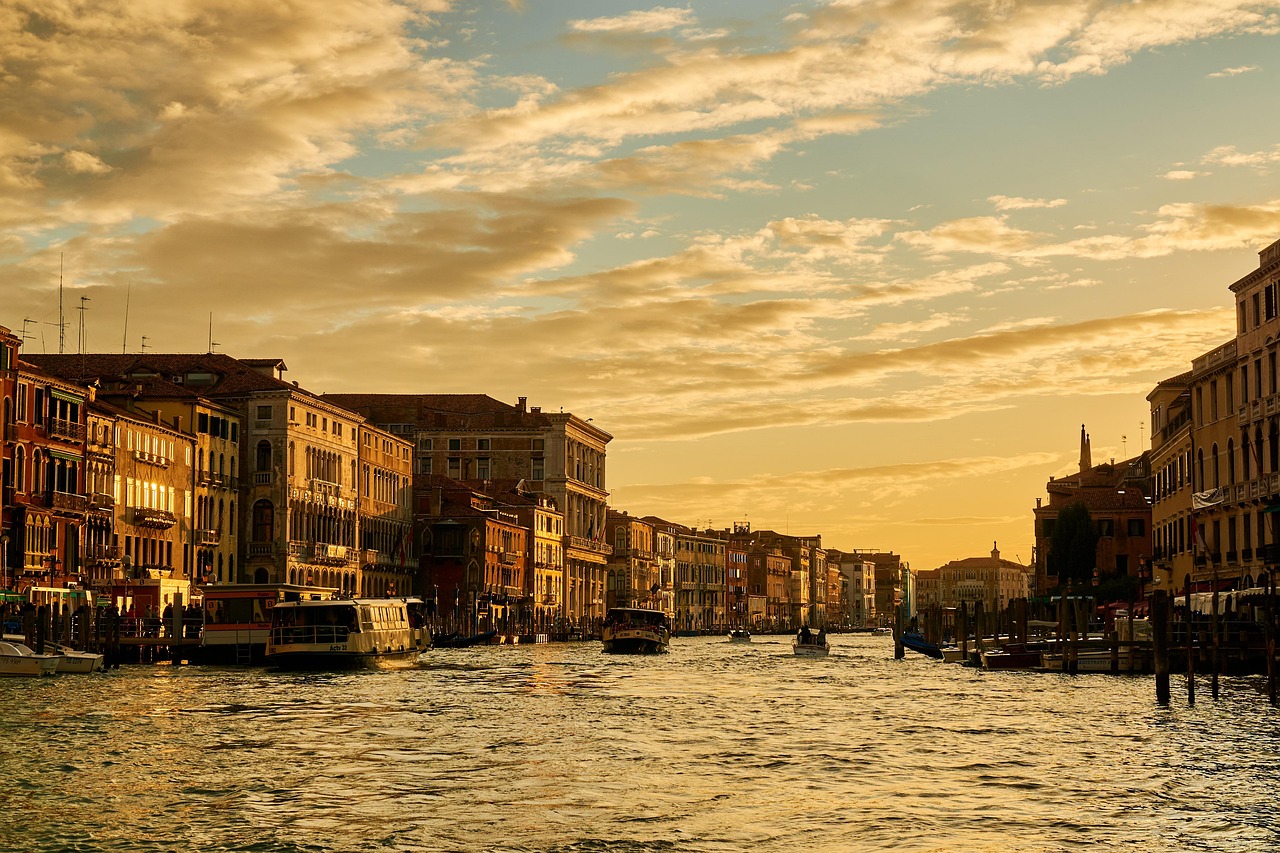
Venice is not static. It changes with light, weather, water, and human presence. Returning allows you to experience those shifts rather than just read about them.
It also allows you to move beyond consumption.
The first visit is often about seeing. Later visits are about living — even briefly — within the city’s rhythm.
Understanding when to walk, when to stop, when to cross the canal, when to stay in one neighborhood for an entire afternoon.
This kind of familiarity does not come from research alone. It comes from return.
Many travelers discover that their favorite Venice memories are not tied to famous moments, but to quiet ones — moments that only emerged once the pressure of “first time” disappeared.
That is why Venice remains compelling long after the postcards fade.
Not because it demands to be revisited, but because it invites it.
Venice does not say “come back and see more.”
It says “come back and see differently.”
And once you understand that, the question is no longer whether Venice is worth visiting more than once.
It’s whether you ever really saw it the first time.
Rediscover Venice at Your Own Pace
Frequently Asked Questions
Is Venice still enjoyable on a second visit?
Yes. Many travelers find their second visit more relaxed and more meaningful because the pressure to see everything is gone.
How is a return trip to Venice different from the first?
Return visits are usually slower, more selective, and focused on neighborhoods, atmosphere, and daily life rather than landmarks.
Is Venice worth returning to in a different season?
Absolutely. Venice changes dramatically with the seasons, offering very different experiences throughout the year.